
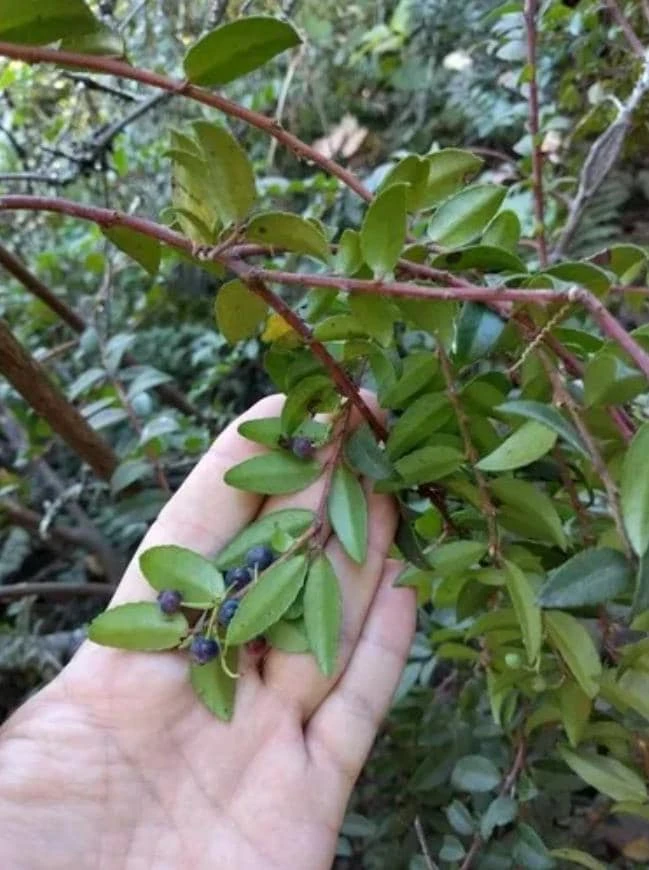
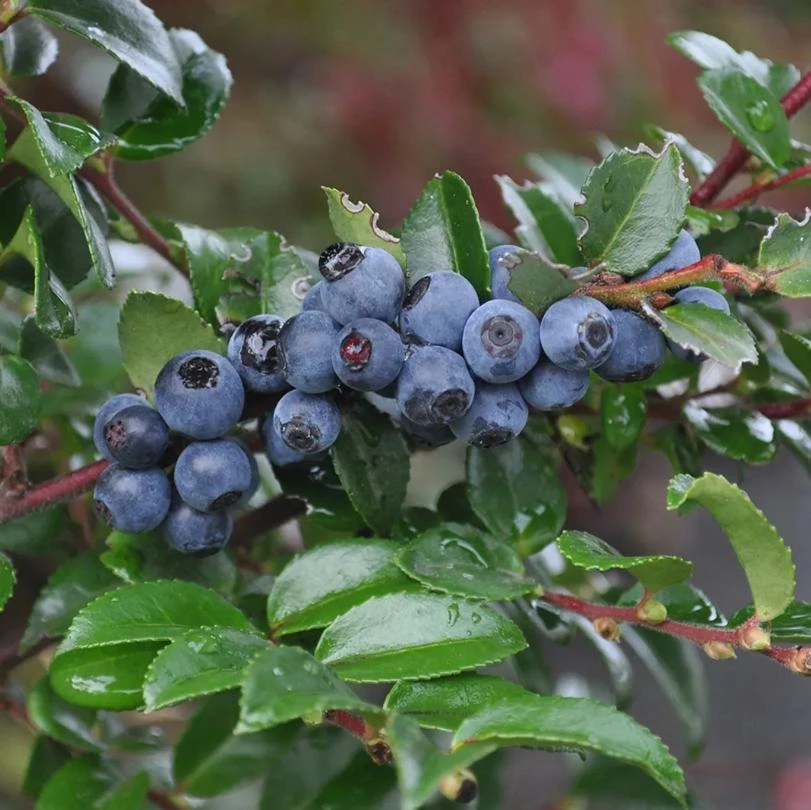
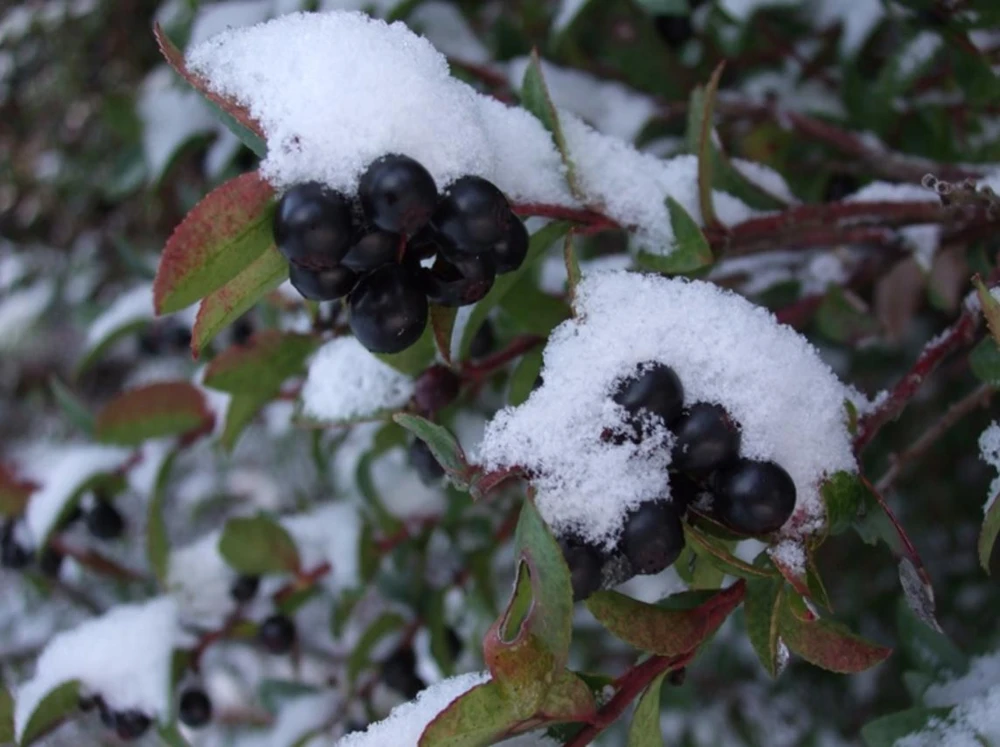
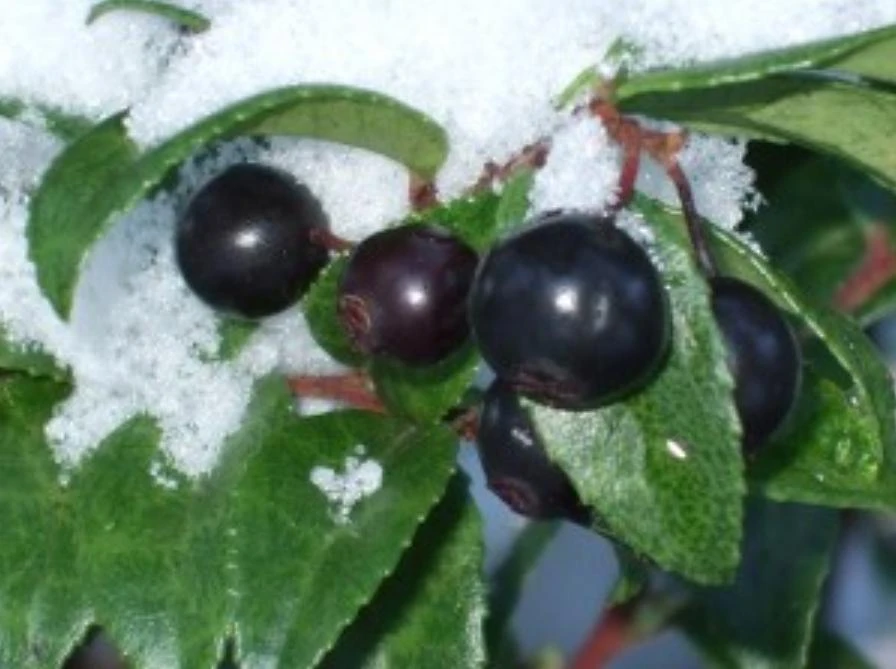
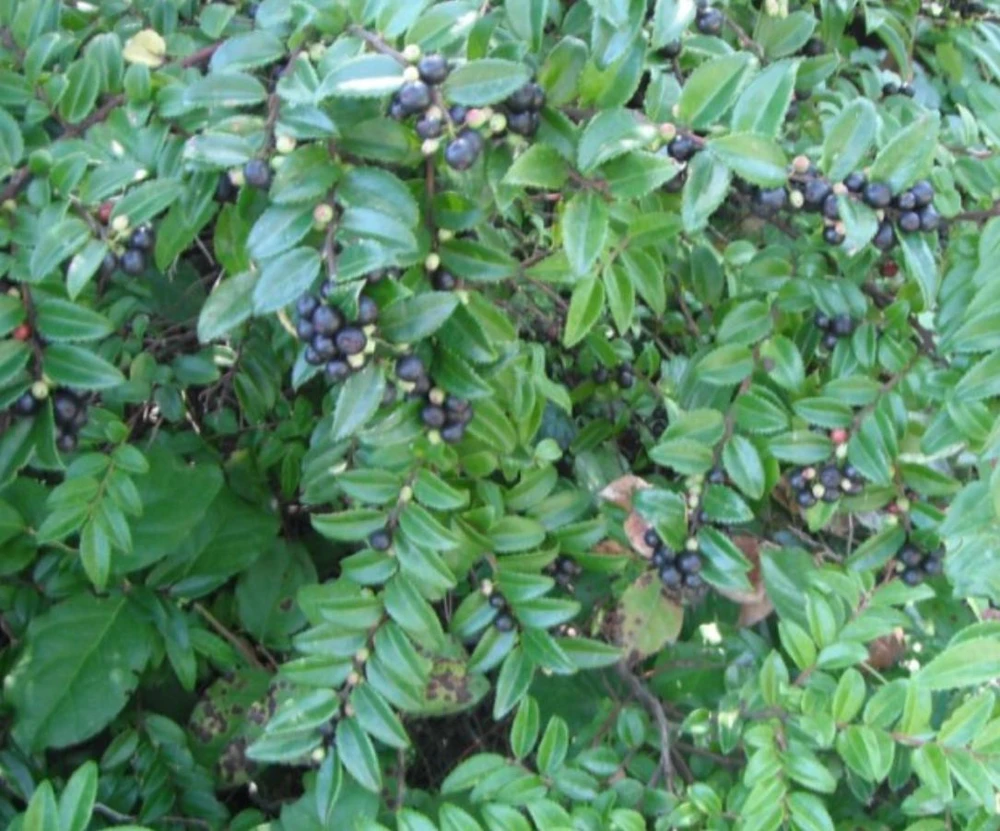
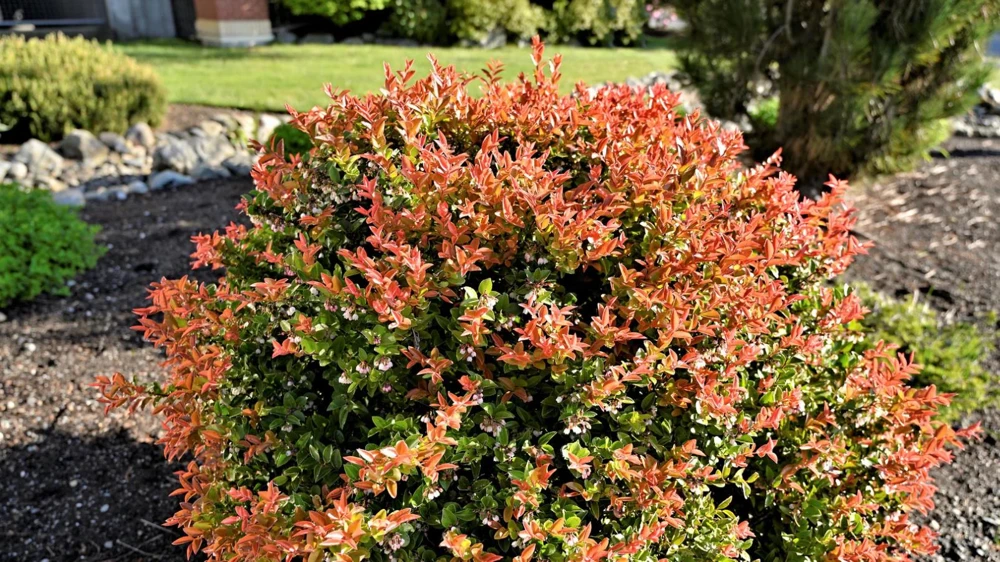
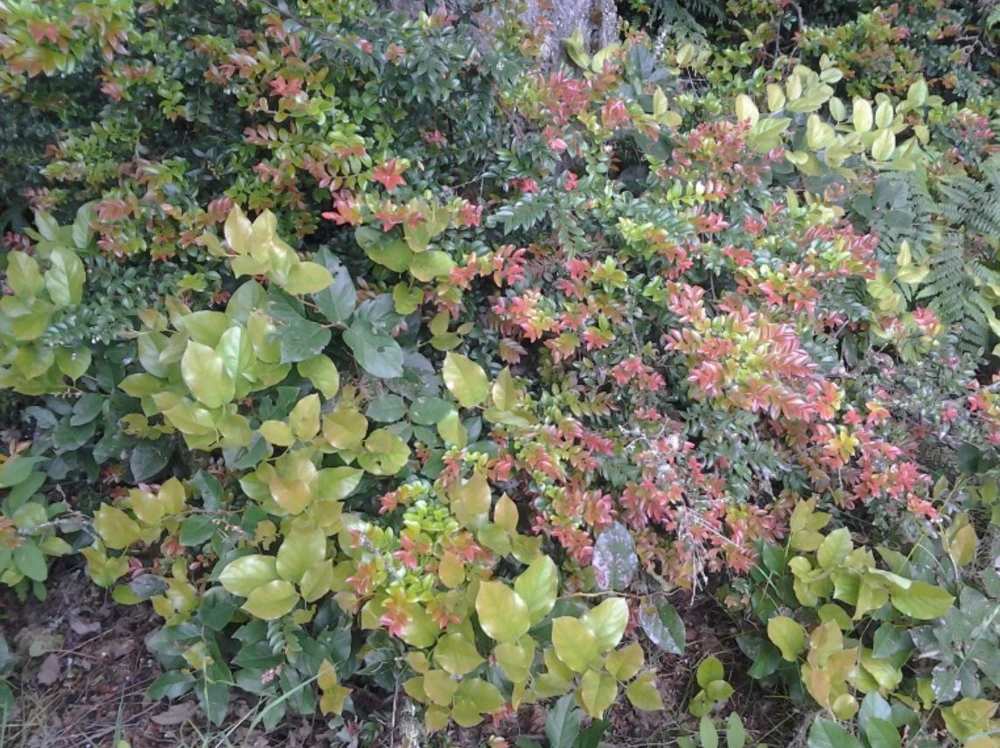
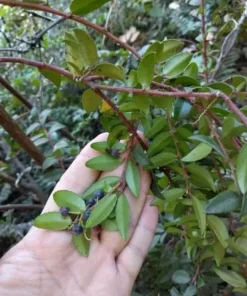
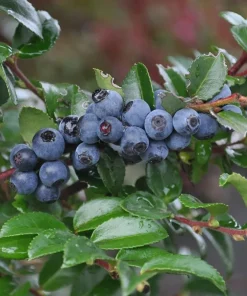
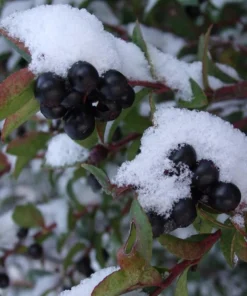
Evergreen Huckleberry Live Plant – Vaccinium ovatum – 10-18″ Tall in 5″ Pot – Edible Berries, Outdoor Shrub
Original price was: $58.99.$38.99Current price is: $38.99.
Bring the Pacific Northwest to your garden with this evergreen huckleberry live plant (Vaccinium ovatum). This hardy shrub, 10-18 inches tall in a 5-inch pot, features glossy green leaves and produces delicious, edible berries. Ideal for shaded outdoor garden spots and woodland landscapes.
Estimated arrival
Sep 29
Oct 04 - Oct 06
Oct 09 - Oct 13
Shop With Confidence
30-Day Plant Health Guarantee
Arrives damaged? We’ll replace it free — see our return policy.
Responsive Support
Email us anytime, we reply within 1 business day.
Expert Packaging
Temperature-controlled shipping to protect your plants in transit.
Secure Checkout
Pay safely with Visa, Mastercard, PayPal.
Plant Specifications
-
USDA Hardiness Zone
USDA Zones 6-9 -
Soil Type
Well-draining, acidic soil (pH 4.5-5.5) -
Sunlight Exposure
Partial shade to full shade -
Expected Planting Period
Spring to early fall
Overview
Discover the beauty and bounty of the Pacific Northwest with our evergreen huckleberry live plant (Vaccinium ovatum). This remarkable native shrub is a fantastic addition to any garden, offering year-round visual appeal and the promise of sweet, edible berries. Each plant arrives as a vigorous seedling, 10-18 inches tall, nestled in a 5-inch nursery pot, ready to be transplanted into its new home. The evergreen huckleberry live plant is celebrated for its dense, glossy green foliage that provides continuous interest, making it a stellar choice for naturalizing shaded areas or enhancing woodland-themed gardens. Known botanically as Vaccinium ovatum, this hardy perennial brings a touch of wild elegance and sustainable food production right to your backyard.
Our evergreen huckleberry live plant is carefully cultivated to ensure a strong start for your gardening success. These young shrubs are perfect for those looking to create a low-maintenance, ecologically friendly landscape. Whether you’re a seasoned gardener or just starting, growing huckleberries offers a rewarding experience, culminating in a harvest of delectable fruit. This plant thrives in conditions mimicking its natural habitat, preferring dappled sunlight and well-draining, acidic soil. It’s an excellent choice for creating habitat for local wildlife and adding a unique, regional flavor to your edible landscape.
Key Benefits
The evergreen huckleberry live plant offers a multitude of benefits, making it a highly desirable addition to diverse garden settings. From its aesthetic appeal to its ecological contributions, this shrub delivers value in many ways:
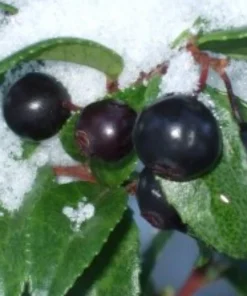
- Delicious Edible Berries: Enjoy a seasonal harvest of sweet, tart huckleberries directly from your garden. These berries are perfect for fresh eating, baking, jams, and jellies, offering a unique flavor profile that surpasses many common berries. Growing your own ensures a fresh, organic supply.
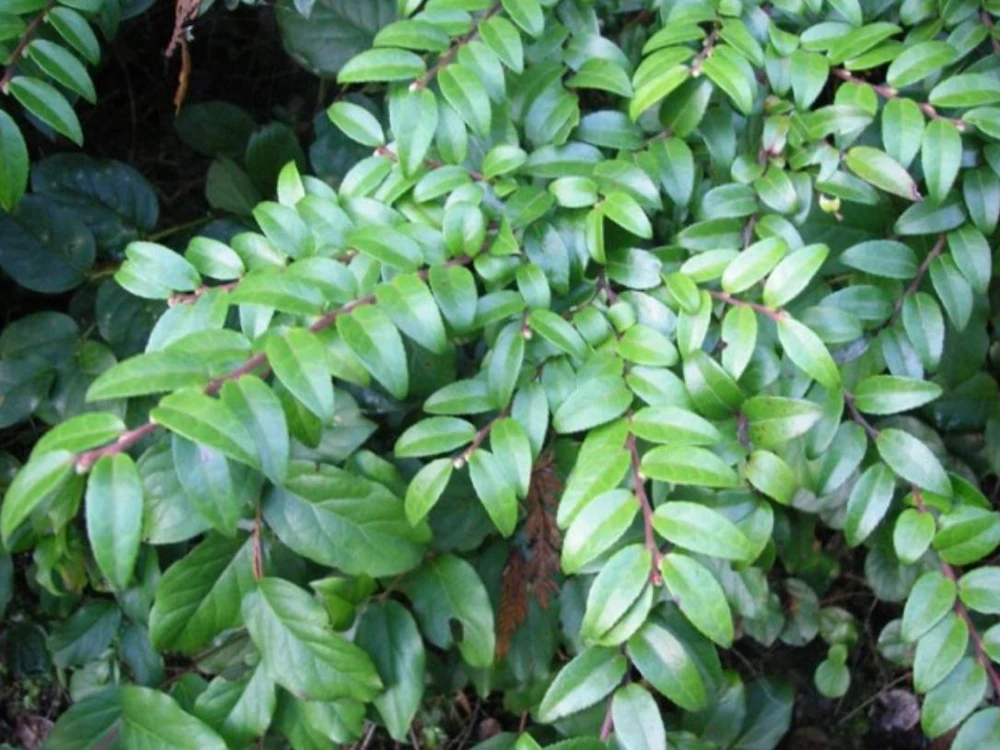
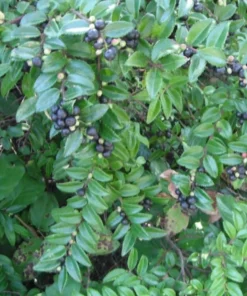
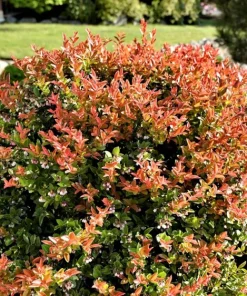
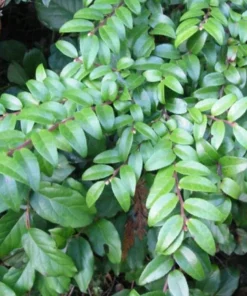
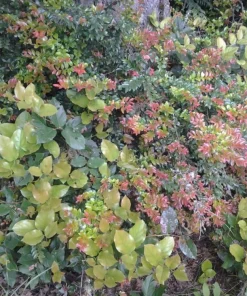
- Year-Round Evergreen Foliage: Unlike deciduous shrubs, the evergreen huckleberry live plant maintains its beautiful, glossy green leaves throughout the year. This provides continuous visual interest, structure, and color to your garden, especially during the colder months when other plants have lost their leaves.
- Native Plant for Ecological Support: As a native species of the Pacific Northwest, Vaccinium ovatum supports local ecosystems. It provides food and shelter for native birds and other wildlife, contributing to biodiversity and creating a more resilient garden environment.
- Adaptable to Shade: This hardy shrub thrives in partial to full shade, making it an ideal solution for those tricky, less sunny spots in your garden where many other fruit-bearing plants struggle. It’s perfect for understory planting or shaded borders.
- Low Maintenance and Hardy: Once established, the evergreen huckleberry live plant requires minimal care. It is naturally resistant to many pests and diseases and is well-adapted to cooler climates, requiring little to no special winter protection in suitable zones.
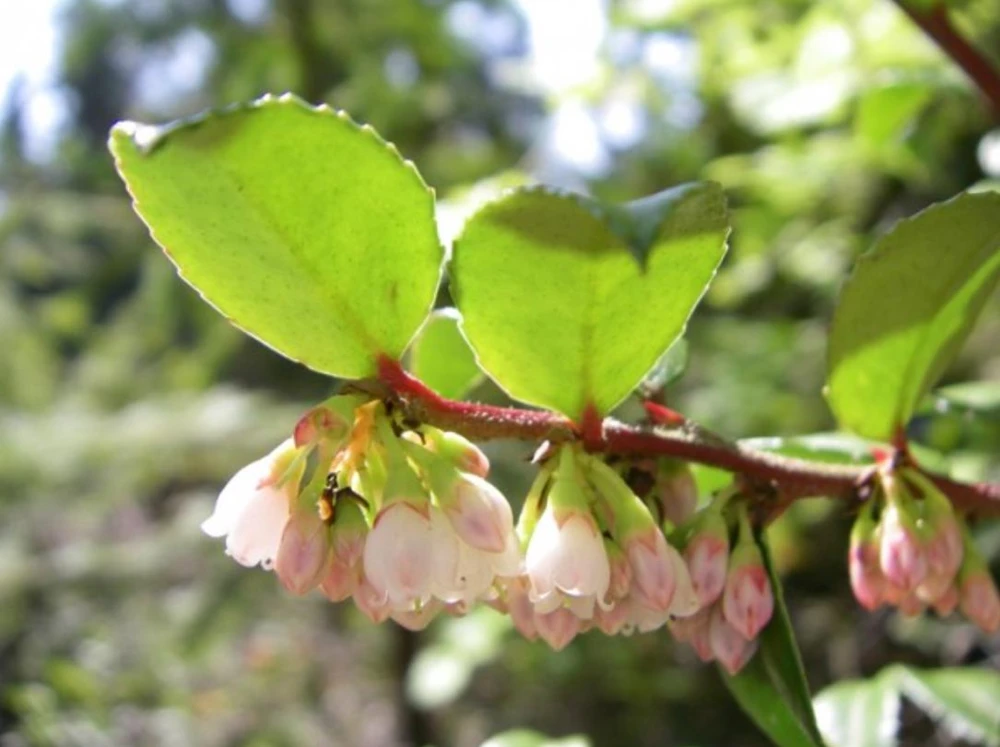
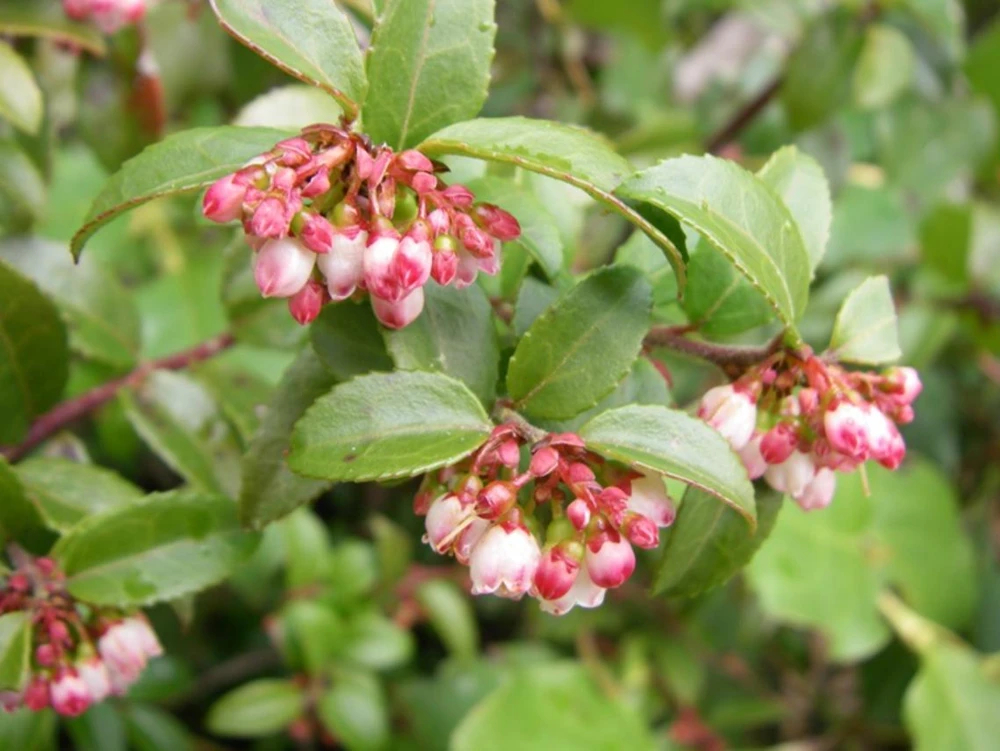
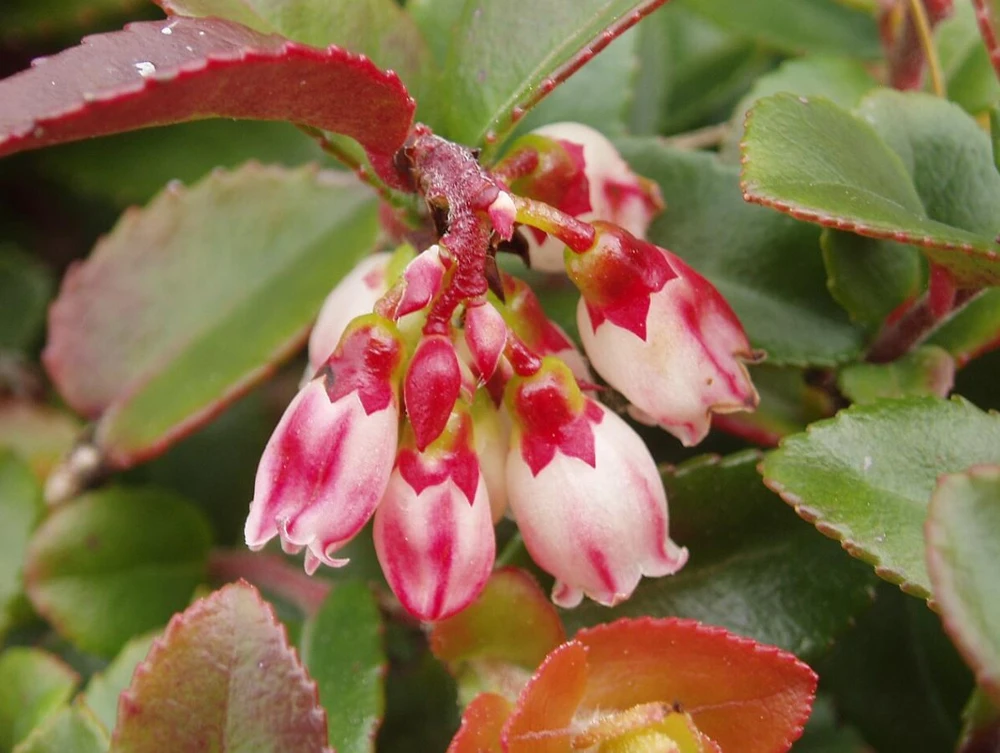
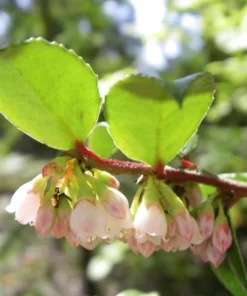
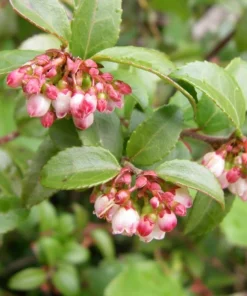
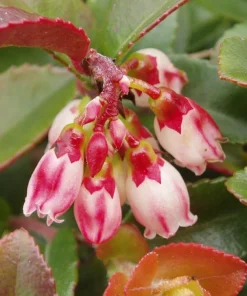
- Beautiful Ornamental Value: Beyond its edible fruits, the plant offers significant ornamental appeal with its attractive foliage and delicate, bell-shaped flowers in spring. It adds a natural, woodland aesthetic to any landscape design.
- Soil Improvement: Huckleberry plants can contribute to soil health by improving soil structure and supporting beneficial mycorrhizal fungi, especially in acidic soil conditions.
Plant Care & Growing Tips
Caring for your evergreen huckleberry live plant is straightforward, especially when you mimic its natural forest habitat. Upon arrival, it’s best to transplant your seedling promptly. Choose a location that offers partial to full shade; while it can tolerate some morning sun, protection from intense afternoon sun is crucial, especially in warmer climates. The ideal spot will receive dappled sunlight or filtered light throughout the day. Ensure the planting site has good air circulation to prevent fungal issues.
Soil is a critical factor for successful growth. Vaccinium ovatum for sale thrives in well-draining, acidic soil with a pH between 4.5 and 5.5. If your garden soil is alkaline or heavy clay, amend it generously with peat moss, pine bark fines, or other acidic organic matter to create the ideal growing medium. Good drainage is paramount, as huckleberries do not tolerate soggy feet. Water regularly, especially during dry spells and in the first year after planting, to maintain consistent soil moisture. Avoid overwatering, which can lead to root rot. You can check soil moisture by feeling the top inch or two; if it feels dry, it’s time to water.
Fertilize your edible huckleberry bush in early spring with an acid-loving plant fertilizer or a balanced slow-release formula. Avoid fertilizers high in nitrogen, which can burn the roots. Minimal pruning is typically needed; focus on removing any dead, damaged, or crossing branches to maintain plant health and shape. The pacific northwest native plant is hardy and generally pest-resistant. It can tolerate temperatures down to USDA Zone 6, making it suitable for a wide range of climates. For optimal berry production, ensure consistent moisture and proper soil acidity. Understanding how to grow huckleberries successfully involves replicating their preferred environment.
Size & Details
This offering is for one evergreen huckleberry live plant, specifically Vaccinium ovatum, supplied as a healthy seedling. At the time of shipping, each plant measures approximately 10 to 18 inches tall from the base of the plant to the tip of its tallest stem. It is securely rooted in a 5-inch nursery pot, providing a robust root system for easy transplanting and establishment in your garden. The pot size indicates the volume of the root ball, which is crucial for healthy development, rather than strictly correlating with the plant’s height. These are young, vigorous plants that will continue to grow and mature in your landscape.
The evergreen huckleberry live plant is a slow to medium grower, eventually reaching a mature height of 3 to 10 feet tall and spreading 3 to 5 feet wide, depending on growing conditions and climate. It will take a few years for the plant to reach its full fruiting potential, typically starting to produce berries within 2-3 years of planting. The plant is shipped with care, ensuring it arrives in optimal condition, ready for its new home in your garden. Its evergreen nature means it provides year-round beauty and structure.
Frequently Asked Questions
- Q: How big does this plant get and what size pot does it come in? A: Your evergreen huckleberry live plant will arrive 10-18 inches tall in a 5-inch nursery pot. Mature plants can reach 3-10 feet tall and 3-5 feet wide, depending on growing conditions.
- Q: Is this an indoor or outdoor plant? How much sunlight does it need? A: This is an outdoor plant best suited for garden landscapes. It thrives in partial to full shade, preferring dappled sunlight or filtered light throughout the day, especially protection from intense afternoon sun.
- Q: Is this plant easy to care for? Is it good for beginners? A: Yes, the evergreen huckleberry live plant is relatively easy to care for once established, making it suitable for beginners. Its main requirements are acidic, well-draining soil and consistent moisture.
- Q: What condition will it arrive in? Is it shipped in soil? A: Your plant will arrive as a live, healthy seedling rooted in its 5-inch nursery pot with soil, carefully packaged to ensure its safe journey to your home.
- Q: Can I eat the berries from this plant? A: Yes, Vaccinium ovatum produces delicious, edible huckleberries. They are known for their sweet-tart flavor and can be enjoyed fresh or used in various culinary applications.
- Q: How long until it produces berries? When is the best time to plant? A: Your edible huckleberry bush may start producing berries within 2-3 years of planting. The best time to plant is typically in spring or early fall, allowing the plant time to establish before extreme temperatures.
- Q: Will it survive winter in my zone? What’s the minimum temperature? A: The evergreen huckleberry live plant is hardy in USDA Zones 6-9, meaning it can tolerate winter temperatures down to -10°F (-23°C) when established. It’s well-adapted to cooler climates.
- Q: What kind of soil does this plant prefer? A: This plant requires well-draining, acidic soil with a pH between 4.5 and 5.5. Amending your soil with peat moss or pine bark is often beneficial.
- Q: What are the benefits of planting a native species like this? A: Planting a pacific northwest native plant like the evergreen huckleberry supports local biodiversity, provides food for native wildlife, and is generally well-adapted to the local climate, requiring less intervention.
- Q: How do I ensure my huckleberry plant grows well? A: To ensure optimal growth, provide consistent moisture, maintain acidic soil conditions, plant in appropriate shade, and fertilize annually with an acid-loving plant formula. Understanding how to grow huckleberries effectively involves these key steps.
Be the first to review “Evergreen Huckleberry Live Plant – Vaccinium ovatum – 10-18″ Tall in 5″ Pot – Edible Berries, Outdoor Shrub”
People Also Viewed
Reviews
There are no reviews yet.