
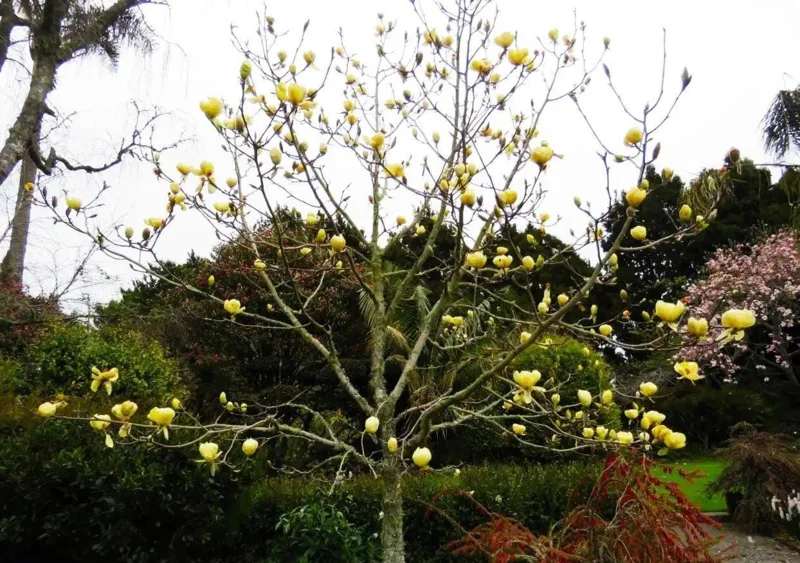
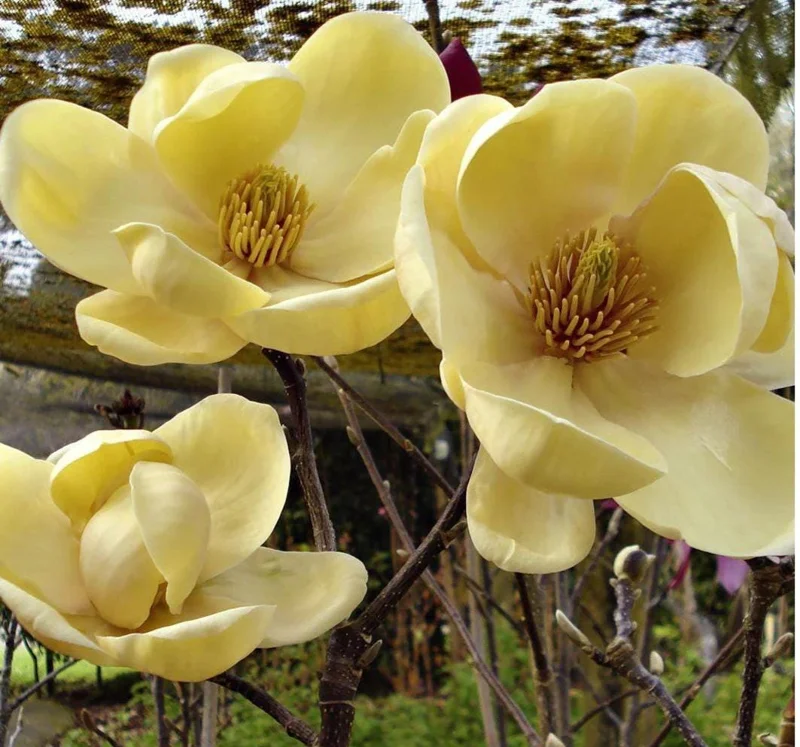
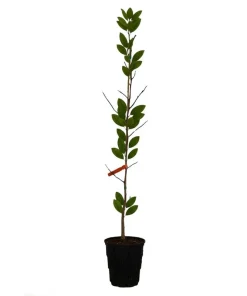
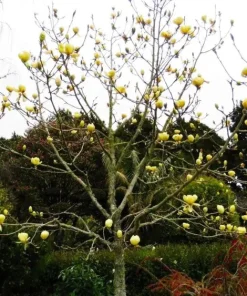
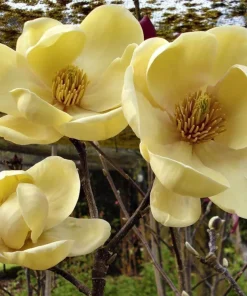
Magnolia Honey Tulip Tree Live Plant – 2-3 ft Tall – Ship in 6 inch Pot
$101.76
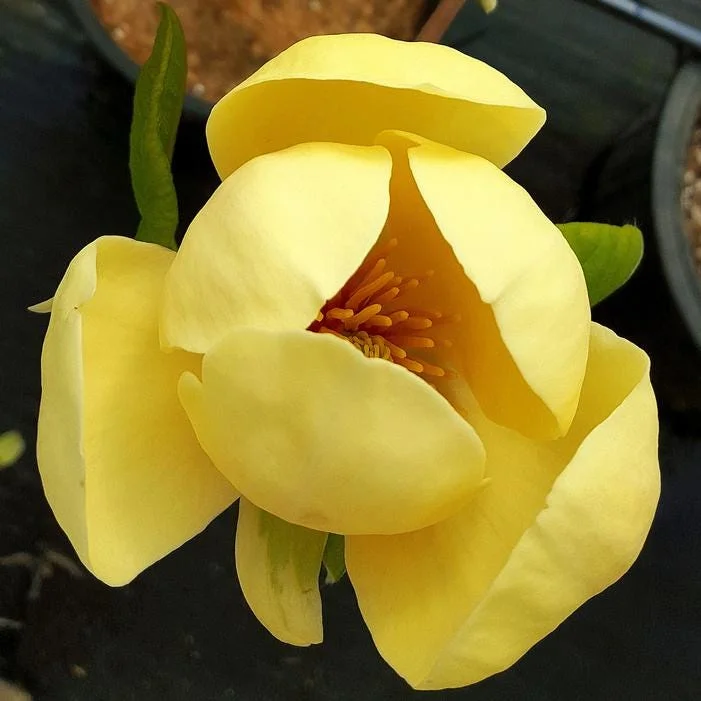
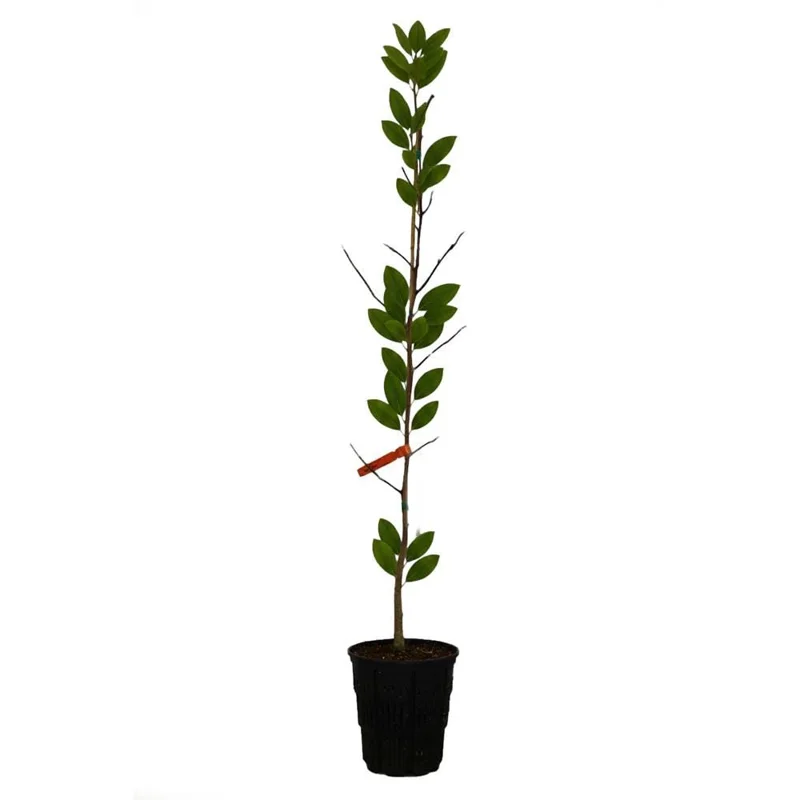
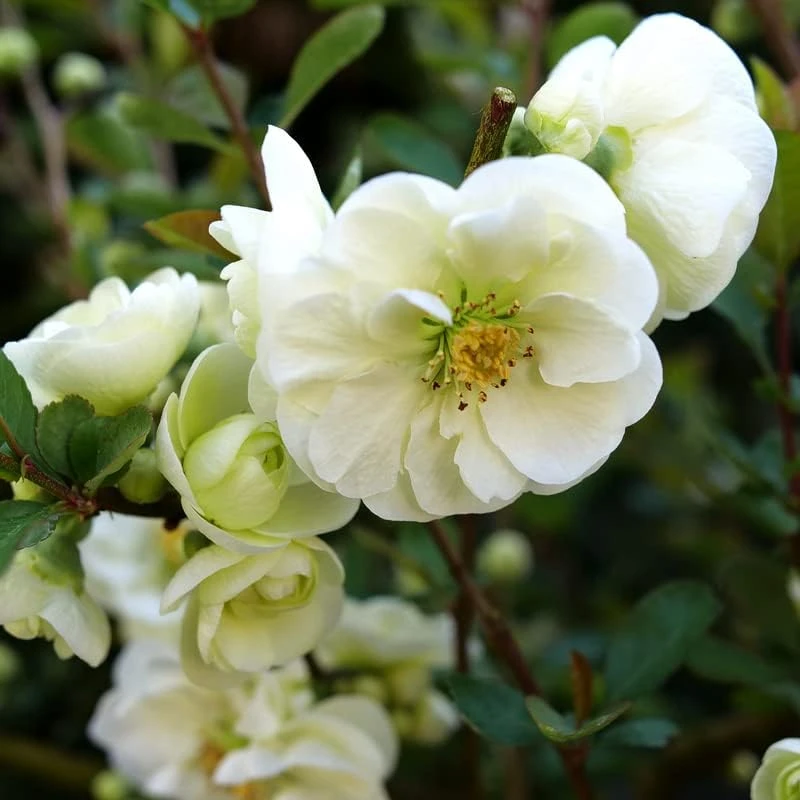
Bring elegance to your garden with the magnolia honey tulip live plant. This compact tree features stunning yellow, tulip-shaped blooms in early spring, offering vibrant color and refined form. Shipped 2-3 feet tall in a 6-inch pot, ready to plant.
Estimated arrival
Sep 14
Sep 19 - Sep 21
Sep 24 - Sep 28
Shop With Confidence
30-Day Plant Health Guarantee
Arrives damaged? We’ll replace it free — see our return policy.
Responsive Support
Email us anytime, we reply within 1 business day.
Expert Packaging
Temperature-controlled shipping to protect your plants in transit.
Secure Checkout
Pay safely with Visa, Mastercard, PayPal.
Plant Specifications
-
USDA Hardiness Zone
USDA zones 5-9 -
Soil Type
Well-draining, fertile, slightly acidic soil -
Sunlight Exposure
Full sun to partial shade -
Expected Planting Period
Spring or fall
Overview
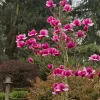
Introduce a touch of springtime splendor to your landscape with the exquisite magnolia honey tulip live plant. This distinctive flowering tree, often referred to as the honey tulip magnolia tree, is celebrated for its spectacular display of vibrant yellow, upright, tulip-shaped blooms that emerge in early spring, often before its foliage appears. Its compact growth habit makes it an excellent choice for a variety of garden sizes and styles, providing a fresh and modern twist on traditional magnolia varieties. The ‘Honey Tulip’ Magnolia delivers not only bright, cheerful color but also a refined form and reliable performance, ensuring it becomes a cherished focal point in your outdoor space. Its elegant branching structure and attractive green leaves offer outstanding ornamental value that lasts from spring through fall, making it a true four-season beauty.
Key Benefits
The magnolia honey tulip live plant offers a multitude of benefits, making it a highly desirable addition to any garden. Its unique characteristics provide both aesthetic appeal and practical advantages for gardeners.
- Stunning Spring Blooms: Enjoy an early spring spectacle of bright yellow, tulip-shaped flowers that create a dramatic visual impact before other plants even begin to leaf out. This early color brightens up the garden when most other plants are still dormant.
- Compact Growth Habit: Unlike some larger magnolia varieties, this compact magnolia plant maintains a manageable size, making it suitable for smaller gardens, urban landscapes, or even large containers on patios. It fits well into various garden designs without overwhelming the space.
- Year-Round Interest: Beyond its show-stopping spring flowers, the tree boasts attractive green foliage throughout the summer and an elegant branching structure that provides architectural interest during the winter months.
- Versatile Landscaping: Its refined form and reliable performance allow it to thrive in a wide range of landscapes, from formal gardens to more naturalistic settings. It can serve as a specimen tree, part of a mixed border, or even a privacy screen.
- Low Maintenance: Once established, the magnolia honey tulip live plant is relatively easy to care for, requiring minimal pruning and general upkeep, allowing you more time to enjoy its beauty.
- Attracts Pollinators: The early spring blooms provide a valuable nectar source for early emerging pollinators, contributing to the biodiversity of your garden ecosystem.
- Distinctive Appearance: Its unique flower color and upright bloom habit set it apart from other flowering trees, ensuring it becomes a conversation starter and a highlight in your garden.
Plant Care & Growing Tips
Caring for your magnolia honey tulip live plant is straightforward, ensuring it thrives and produces its magnificent blooms year after year. Proper placement and consistent care, especially during its establishment phase, are crucial for its long-term health. This yellow magnolia tree prefers a site with full sun to partial shade, meaning at least 4-6 hours of direct sunlight per day. While it can tolerate some shade, more sun generally leads to a more abundant floral display. Ensure the location offers protection from strong winds, which can damage its delicate early flowers.
The ‘Honey Tulip’ Magnolia thrives in well-draining, fertile, slightly acidic soil with a pH between 5.5 and 6.5. Amend heavy clay soils with organic matter like compost or pine bark to improve drainage and aeration. For sandy soils, organic matter will help retain moisture and nutrients. Keep the soil consistently moist, especially during dry spells and in the first few years after planting, but avoid waterlogging, which can lead to root rot. A layer of mulch around the base of the tree will help conserve soil moisture, regulate soil temperature, and suppress weeds. Fertilize in early spring with a balanced, slow-release granular fertilizer formulated for acid-loving plants, following the manufacturer’s instructions. Pruning is generally minimal, focusing on removing any dead, damaged, or crossing branches after flowering to maintain its natural shape and promote healthy growth. Understanding magnolia care is key to a flourishing tree.
Size & Details
This offering is for a magnolia honey tulip live plant that typically ships at a height of 2 to 3 feet tall. It comes planted in a 6-inch nursery pot, providing a healthy root system ready for transplanting into your garden. The ‘Honey Tulip’ Magnolia is known for its moderate growth rate, eventually reaching a mature height of 15-20 feet with a spread of 10-15 feet, forming an elegant, upright, and somewhat pyramidal shape. It is a deciduous tree, meaning it will lose its leaves in the fall and re-emerge with stunning blooms in early spring. Expect the first significant flush of flowers within 1-3 years of planting, with the display becoming more spectacular as the tree matures. This compact size makes it an ideal specimen for smaller yards or as an accent in a larger landscape.
Frequently Asked Questions
- Q: How big does this plant get? A: The magnolia honey tulip live plant typically grows to a mature height of 15-20 feet with a spread of 10-15 feet, making it a medium-sized tree perfect for many garden settings. Its compact nature ensures it won’t overwhelm your space.
- Q: Is this an indoor or outdoor plant? A: This is an outdoor deciduous tree, best suited for planting in your garden where it can experience seasonal changes. It is not recommended as an indoor houseplant.
- Q: How much sunlight does it need? A: The ‘Honey Tulip’ Magnolia prefers full sun to partial shade, ideally receiving at least 4-6 hours of direct sunlight per day to ensure the best flowering performance.
- Q: Is this plant easy to care for? A: Yes, once established, the honey tulip magnolia tree is considered relatively low-maintenance. It requires consistent watering during establishment and minimal pruning. Following basic magnolia care guidelines will ensure its health.
- Q: What condition will it arrive in? A: Your plant will arrive healthy and well-rooted, shipped in a 6-inch nursery pot with its root ball intact, ready for planting. We take great care in packaging to ensure safe transit.
- Q: How long until it blooms? A: You can typically expect your ‘Honey Tulip’ Magnolia to begin producing its beautiful yellow blooms within 1-3 years after planting, with the floral display becoming more profuse as the tree matures.
- Q: What’s the minimum temperature it can tolerate? A: This magnolia is hardy in USDA zones 5-9, meaning it can tolerate winter temperatures down to -20°F (-29°C) once established.
- Q: Can this plant be grown in a container? A: While it is a tree, a young compact magnolia plant can be grown in a large container for several years before needing to be transplanted into the ground, especially in colder climates for winter protection.
- Q: What makes this a “yellow magnolia tree”? A: The ‘Honey Tulip’ Magnolia is specifically bred for its distinctive and vibrant yellow, tulip-shaped flowers, which are a striking feature that sets it apart from more common white or pink magnolias.
- Q: What kind of soil does it prefer? A: It thrives in well-draining, fertile, slightly acidic soil. Amending with organic matter is beneficial for optimal growth and drainage.
Be the first to review “Magnolia Honey Tulip Tree Live Plant – 2-3 ft Tall – Ship in 6 inch Pot”
People Also Viewed
Trees
Celeste Fig Live Plant – Chicago Hardy Tree – 4 to 6 Inch Tall – Outdoor Patio & Garden Fruit Tree
Reviews
There are no reviews yet.