
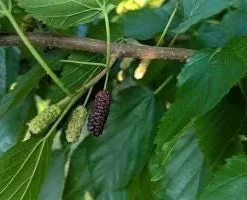
Illinois Everbearing Mulberry Tree – Live Plant – 3 to 4 Feet Tall – Fruit Bearing
$141.76
Cultivate your own fruitful harvest with the Illinois Everbearing Mulberry Tree. This vigorous live plant, standing 3 to 4 feet tall, is renowned for its extended fruiting season and delicious, sweet-tart black berries, making it the best mulberry for home garden enthusiasts.
Estimated arrival
Sep 14
Sep 19 - Sep 21
Sep 24 - Sep 28
Shop With Confidence
30-Day Plant Health Guarantee
Arrives damaged? We’ll replace it free — see our return policy.
Responsive Support
Email us anytime, we reply within 1 business day.
Expert Packaging
Temperature-controlled shipping to protect your plants in transit.
Secure Checkout
Pay safely with Visa, Mastercard, PayPal.
Plant Specifications
-
USDA Hardiness Zone
USDA Zones 4–9 -
Soil Type
Well-draining, fertile soil -
Sunlight Exposure
Full sun -
Expected Planting Period
Early spring or fall
Overview
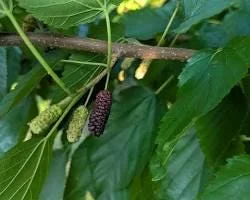
Experience the joy of growing your own delicious fruit with the Illinois Everbearing Mulberry Tree. This highly sought-after variety is a vigorous live plant, celebrated for its exceptional productivity and extended harvest season. Often considered the best mulberry for home garden settings, the Illinois Everbearing is a hybrid of native red and white mulberries, combining the best characteristics of both. It produces an abundance of large, slender, jet-black berries that are wonderfully sweet with a perfect touch of acidity, making them ideal for fresh eating, jams, pies, and more. This resilient tree provides a continuous supply of fruit from late spring through late summer, often yielding berries for two months or longer, ensuring a generous and consistent harvest for gardeners in various climates.
As a fast-growing and robust tree, the Illinois Everbearing Mulberry Tree is a valuable addition to any edible landscape. It’s known for its adaptability and ease of care, thriving in a wide range of conditions. Whether you’re an experienced horticulturist or just starting your fruit-growing journey, this mulberry variety offers a rewarding and bountiful experience. Its impressive cold hardiness also makes it a reliable choice for many regions, allowing more gardeners to enjoy its abundant, flavorful fruit.
Key Benefits
Adding an Illinois Everbearing Mulberry Tree to your garden offers numerous advantages, from its delicious fruit to its robust growth habit:
- Extended Harvest Season: Unlike many other fruit trees, this mulberry fruits continuously from late spring through late summer, providing a steady supply of fresh berries for two months or more. This extended fruiting period is a key reason it’s considered the best mulberry for home garden use.
- Delicious, Versatile Fruit: Enjoy large, jet-black berries that boast a perfect balance of sweetness and acidity. These flavorful mulberries are excellent for eating fresh, baking into pies and muffins, making preserves, or drying for a healthy snack.
- Exceptional Cold Hardiness: The Illinois Everbearing Mulberry Tree is remarkably resilient, thriving in USDA Zones 4–9. This makes it a reliable choice for gardeners in colder climates who want to grow delicious fruit.
- Vigorous Growth: This variety is a fast-growing tree, quickly establishing itself and reaching a mature size that can provide ample shade and fruit. Its strong growth habit ensures a healthy and productive plant.
- Low Maintenance: Once established, the Illinois Everbearing Mulberry Tree is relatively low maintenance, requiring minimal intervention to produce a bountiful crop. This makes it an ideal choice for busy gardeners.
- Attracts Wildlife: The berries are a favorite food source for birds and other wildlife, adding natural beauty and activity to your garden ecosystem.
- Adaptable to Pruning: While it can grow quite large, the tree responds well to pruning, allowing you to manage its size and shape to fit your garden space, even if you’re learning how to grow mulberry tree in a smaller area.
Plant Care & Growing Tips
Caring for your Illinois Everbearing Mulberry Tree is straightforward, ensuring years of delicious harvests. This cold hardy mulberry tree prefers a location with full sun, meaning at least 6-8 hours of direct sunlight per day, to maximize fruit production. While tolerant of various soil types, it thrives best in well-draining, fertile soil. Amend heavy clay soils with organic matter to improve drainage and aeration. Once planted, ensure consistent watering, especially during its establishment period and dry spells. Young trees should be watered deeply a few times a week, reducing frequency as the tree matures and its root system develops.
Mulberry trees are quite resilient but benefit from an annual application of balanced fertilizer in early spring, before new growth begins. Pruning can be done in late winter or early spring while the tree is dormant. Focus on removing any dead, damaged, or crossing branches to maintain good air circulation and shape. While generally pest and disease resistant, monitor for common issues like leaf spot or Japanese beetles and address them promptly. Understanding mulberry plant care and providing these basic needs will help ensure a healthy and productive tree. For those wondering how to grow mulberry tree successfully, remember that good light, well-drained soil, and consistent moisture are key.
Size & Details
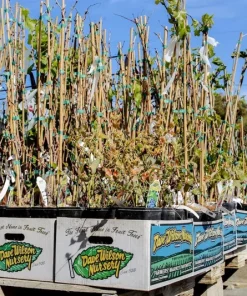
This offering is for an Illinois Everbearing Mulberry Tree that is a live plant, typically measuring 3 to 4 feet tall upon shipment. These vigorous young trees are ready to be planted in your garden and begin establishing themselves. The Illinois Everbearing is known for its fast growth rate, quickly developing into a substantial tree that can reach mature heights of 20–30 feet if left unpruned. However, its size can be easily managed with regular pruning, allowing it to fit into smaller garden spaces or be maintained as a bush-like form. It is a long-lived tree, providing many years of abundant fruit. Expect the tree to begin fruiting within 2-3 years, with increasing yields as it matures. It is shipped as a well-rooted plant, ready for transplanting into its permanent location.
Frequently Asked Questions
- Q: How big does this plant get? A: The Illinois Everbearing Mulberry Tree can reach heights of 20-30 feet if allowed to grow naturally. However, it responds very well to pruning and can be maintained at a smaller, more manageable size for home gardens.
- Q: Is this an indoor or outdoor plant? A: This is an outdoor fruit tree. It requires full sunlight and space to grow, and it is a cold hardy mulberry tree, suitable for planting in USDA Zones 4-9.
- Q: How much sunlight does it need? A: The Illinois Everbearing Mulberry requires full sun exposure, meaning at least 6-8 hours of direct sunlight daily, to ensure optimal fruit production and healthy growth.
- Q: Is this plant easy to care for? A: Yes, the Illinois Everbearing Mulberry Tree is considered relatively easy to care for, especially once established. It’s known for its resilience and adaptability, making mulberry plant care manageable for most gardeners.
- Q: What condition will it arrive in? A: Your Illinois Everbearing Mulberry Tree will arrive as a healthy, well-rooted live plant, carefully packaged to ensure its safe journey and readiness for planting.
- Q: When is the best time to plant? A: The best time to plant your Illinois Everbearing Mulberry Tree is in early spring or fall when temperatures are mild. This allows the tree to establish its root system before extreme heat or cold.
- Q: Will it survive winter in my zone? A: Yes, this is a very cold hardy mulberry tree, thriving in USDA Zones 4-9. It is well-suited to survive cold winters within this range.
- Q: What makes this the best mulberry for home garden use? A: The Illinois Everbearing is widely considered the best mulberry for home garden use due to its exceptionally long harvest season, delicious fruit, and impressive cold hardiness, providing a continuous and reliable yield.
- Q: What kind of soil does it prefer? A: This mulberry tree prefers well-draining, fertile soil. While adaptable, amending heavy soils with organic matter can greatly benefit its growth and overall health.
- Q: How long until it starts producing fruit? A: Typically, an Illinois Everbearing Mulberry Tree will begin to produce fruit within 2-3 years after planting, with yields increasing significantly as the tree matures. Learning how to grow mulberry tree patiently will reward you with abundant harvests.
Be the first to review “Illinois Everbearing Mulberry Tree – Live Plant – 3 to 4 Feet Tall – Fruit Bearing”
People Also Viewed

Flower Seeds
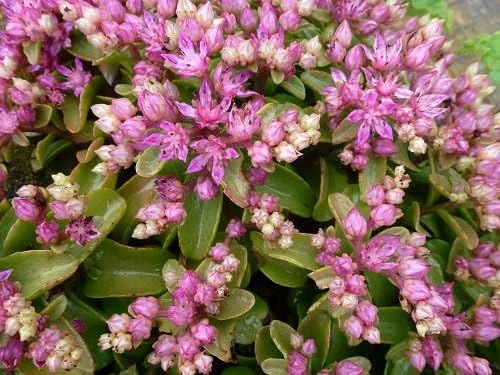
Sedum obtusifolium ‘Listoniae’ Seeds – 50 Seeds, Pink Flowers, Deer Resistant Groundcover
Reviews
There are no reviews yet.