
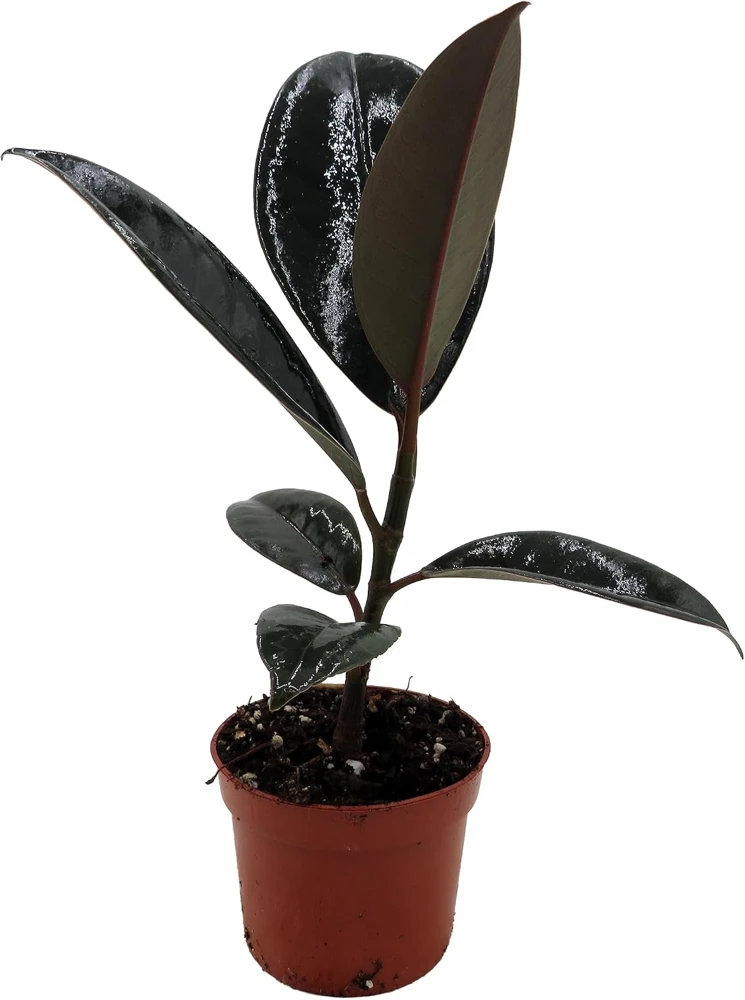
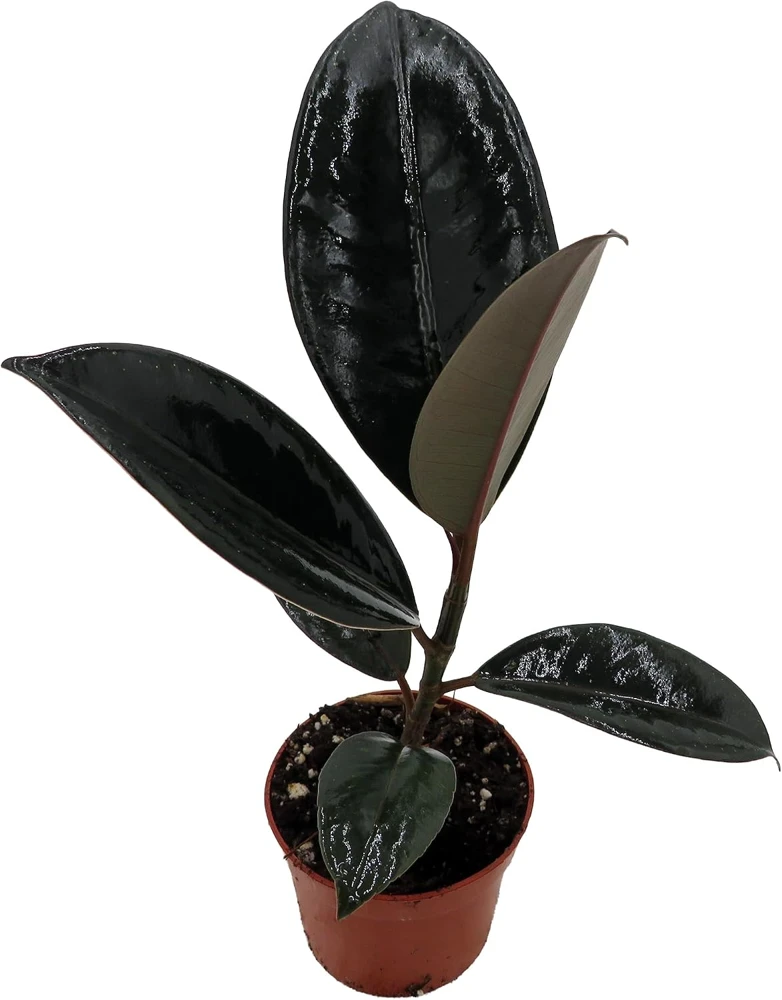
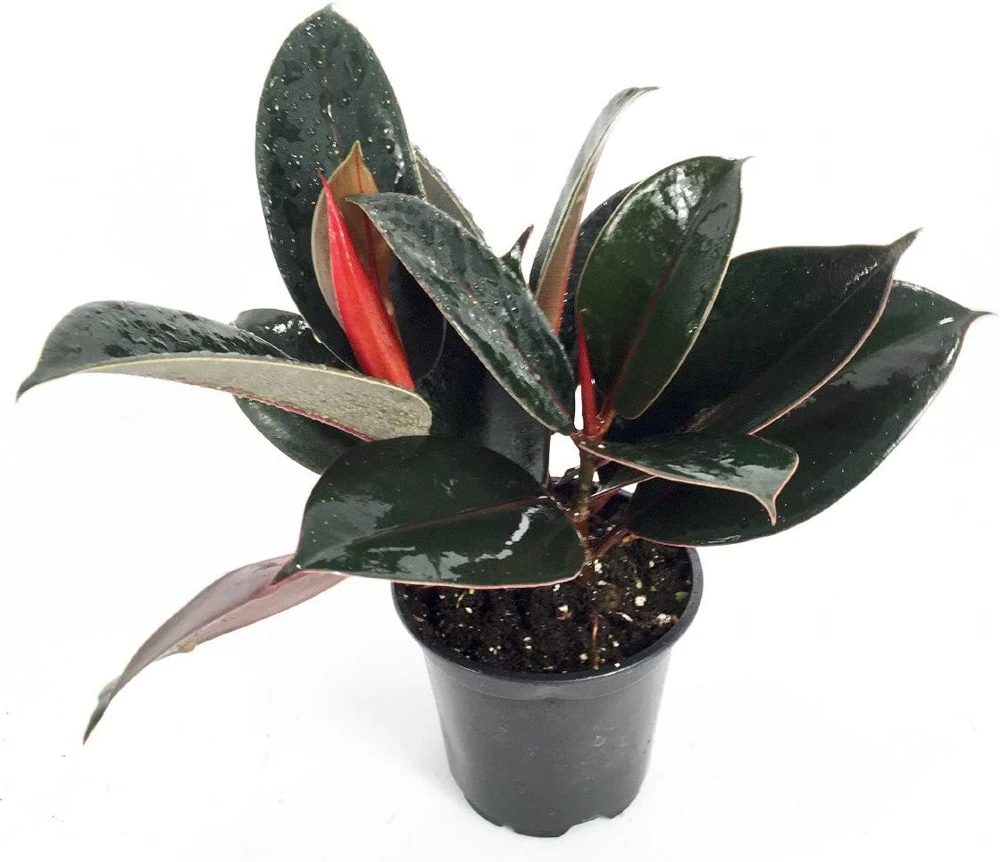
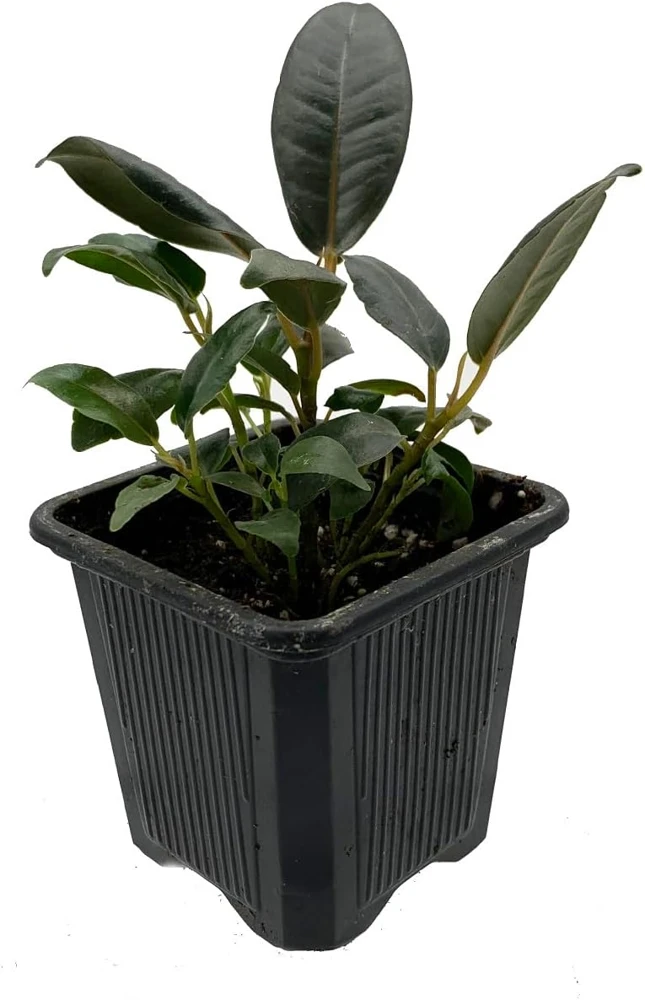
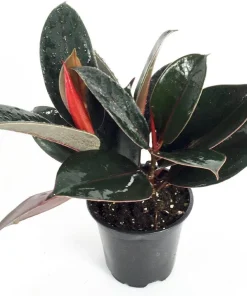
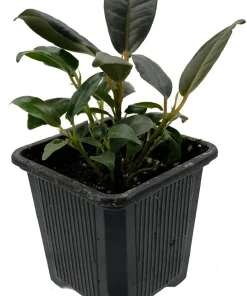
Burgundy Rubber Tree Plant – Ficus Elastica Live Plant – 2.5″ Pot – Indoor
Original price was: $36.99.$26.99Current price is: $26.99.
Add a touch of vibrant color to your home with the stunning burgundy rubber tree plant. This ficus elastica care is surprisingly simple, making it an ideal easy houseplant for any space. Arrives in a convenient 2.5 inch pot plant, ready to thrive indoors.
Estimated arrival
Sep 29
Oct 04 - Oct 06
Oct 09 - Oct 13
Shop With Confidence
30-Day Plant Health Guarantee
Arrives damaged? We’ll replace it free — see our return policy.
Responsive Support
Email us anytime, we reply within 1 business day.
Expert Packaging
Temperature-controlled shipping to protect your plants in transit.
Secure Checkout
Pay safely with Visa, Mastercard, PayPal.
Plant Specifications
-
USDA Hardiness Zone
Year-round indoors (USDA zones 10-12 if outdoors) -
Soil Type
Well-draining potting mix -
Sunlight Exposure
Bright indirect light -
Expected Planting Period
Year-round indoors
Overview
Introduce a dramatic splash of color and lush foliage to your indoor sanctuary with the magnificent burgundy rubber tree plant. Also known by its botanical name, Ficus elastica, this classic houseplant is celebrated for its large, glossy leaves that boast a deep, rich burgundy hue. Originating from India and Malaysia, the burgundy rubber tree plant has been a cherished indoor specimen for generations, thanks to its robust nature and striking appearance. This live plant arrives in a 2.5 inch pot plant, providing a perfect starter size for cultivating a stunning focal point in your home or office. Its elegant structure and vibrant coloration make it a timeless choice for enhancing any interior design.
The burgundy rubber tree plant is not just a pretty face; it’s also remarkably resilient, adapting well to a range of indoor conditions. Its ability to tolerate varying light levels and occasional neglect makes it an excellent choice for both novice and experienced plant enthusiasts. This particular variety, with its dark, almost black-red leaves, offers a sophisticated alternative to the more common green rubber plants. As it matures, the burgundy rubber tree plant can grow into an impressive, tree-like specimen, bringing a touch of tropical grandeur to your living space. Its strong, upright growth habit makes it a natural fit for corners or as a standalone statement piece.
Key Benefits
The burgundy rubber tree plant offers numerous advantages that make it a top choice for indoor gardening. From its aesthetic appeal to its air-purifying qualities, this plant is a true gem.
- Stunning Visual Impact: The deep, glossy burgundy leaves create a bold and sophisticated statement, adding rich color and texture to any room. It instantly elevates the aesthetic of your indoor space.
- Air Purification: Like many Ficus varieties, the burgundy rubber tree plant is known to help purify indoor air by removing toxins, contributing to a healthier home environment.
- Easy to Care For: This plant is remarkably resilient and forgiving, making ficus elastica care straightforward even for beginners. It tolerates a range of conditions and is not overly demanding.
- Low Maintenance: Once established, it requires minimal attention, needing only occasional watering and feeding. This makes it a perfect easy houseplant for busy individuals.
- Adaptable to Light: While it thrives in bright, indirect light, the burgundy rubber tree plant can also adapt to lower light conditions, offering flexibility in placement within your home.
- Long Lifespan: With proper care, a burgundy rubber tree plant can live for many years, growing into a substantial and enduring part of your indoor plant collection.
- Versatile Decor: Its elegant form and striking color make it suitable for various decor styles, from modern minimalist to classic traditional, enhancing any interior design scheme.
Plant Care & Growing Tips
Providing the right environment is key to ensuring your burgundy rubber tree plant flourishes. This resilient plant, known for its relatively easy ficus elastica care, will reward you with vibrant foliage when its basic needs are met. For optimal growth, place your plant in a spot that receives bright, indirect light. While it can tolerate lower light, too little light can cause its rich burgundy color to fade and growth to slow significantly. Avoid direct, harsh sunlight, especially during the hottest parts of the day, as this can scorch its leaves. A location near an east or west-facing window with sheer curtains is often ideal.
Watering is crucial for a healthy burgundy rubber tree plant. Allow the top 1-2 inches of soil to dry out completely between waterings. Overwatering is a common mistake and can lead to root rot, so ensure your pot has excellent drainage. When you do water, do so thoroughly until water drains from the bottom of the pot. Reduce watering frequency in the cooler, darker months of winter. The ideal soil for this easy houseplant is a well-draining potting mix, ideally one formulated for houseplants, that allows for good aeration and prevents waterlogging. A mix containing perlite or coarse sand can enhance drainage.
Maintain consistent temperatures between 60-75°F (15-24°C) and protect your plant from sudden drafts or cold snaps, especially in winter. While the burgundy rubber tree plant is primarily an indoor plant, it can be placed outdoors in warm, humid climates during summer if protected from direct sun. Fertilize every 2-4 weeks during the growing season (spring and summer) with a balanced liquid fertilizer diluted to half strength. Reduce or stop fertilization during fall and winter. Regularly wipe the large leaves with a damp cloth to remove dust, which not only keeps them shiny but also helps with photosynthesis. This 2.5 inch pot plant will soon outgrow its initial container, so be prepared to repot into a slightly larger pot with fresh soil as it grows.
Size & Details
This burgundy rubber tree plant is supplied as a live plant, carefully cultivated and ready to thrive in your home. It arrives in a sturdy 2.5 inch pot plant, making it a perfect size for immediate display on a desk, shelf, or as part of a plant collection. At this initial stage, the plant typically stands approximately 4-6 inches tall from the top of the soil, with a compact growth habit suitable for smaller spaces. As an indoor rubber tree, its growth rate is moderate, allowing you to enjoy its development over time. With proper ficus elastica care, it can eventually reach heights of 6-10 feet indoors, though its size can be managed with pruning. Expect lush, vibrant foliage that adds a striking visual element to any room.
The plant will be shipped securely to ensure its safe arrival. Upon receiving your burgundy rubber tree plant, it’s recommended to allow it to acclimate to its new environment for a few days before any repotting. This starter size is ideal for those who enjoy nurturing a plant from its early stages, watching it grow into a magnificent specimen. The rich, dark leaves are a hallmark of this particular variety, promising a sophisticated and enduring presence in your home. This easy houseplant is a long-term investment in natural beauty, offering years of enjoyment with minimal effort.
Frequently Asked Questions
- Q: How big does this burgundy rubber tree plant get? A: When mature, an indoor rubber tree can reach heights of 6-10 feet indoors, though its growth can be controlled with regular pruning. This particular plant starts as a compact 2.5 inch pot plant.
- Q: What size pot does it come in? A: This burgundy rubber tree plant is shipped in a 2.5-inch diameter nursery pot, a perfect size for its initial stages of growth.
- Q: Is this an indoor or outdoor plant? A: The burgundy rubber tree plant is primarily grown as an indoor houseplant in most climates. It can be moved outdoors in warm, humid conditions during summer, but must be brought inside before temperatures drop.
- Q: How much sunlight does it need? A: It thrives in bright, indirect light. While it tolerates lower light, too little can cause its leaves to lose their vibrant burgundy color. Avoid direct, harsh sunlight.
- Q: Is this plant easy to care for? A: Yes, the burgundy rubber tree plant is considered an easy houseplant. Its resilience and adaptability make ficus elastica care relatively simple, even for beginners.
- Q: What condition will it arrive in? A: Your burgundy rubber tree plant will arrive as a healthy, live plant, carefully packaged to minimize stress during transit. It will be rooted in its 2.5-inch nursery pot with soil.
- Q: Is the burgundy rubber tree plant pet-safe? A: No, Ficus elastica is considered toxic if ingested by pets, causing irritation to the mouth and stomach. It’s best to keep this plant out of reach of curious pets.
- Q: How often should I water my indoor rubber tree? A: Water when the top 1-2 inches of soil feel dry to the touch. This typically means watering every 1-2 weeks, adjusting frequency based on light, temperature, and humidity.
- Q: What kind of soil is best for ficus elastica care? A: A well-draining potting mix is essential. Look for a mix formulated for houseplants, possibly with added perlite or coarse sand for improved drainage.
- Q: When is the best time to repot this 2.5 inch pot plant? A: Repotting is best done in spring or early summer when the plant is actively growing. Repot when the plant becomes root-bound, usually into a pot that is only 1-2 inches larger in diameter.
Be the first to review “Burgundy Rubber Tree Plant – Ficus Elastica Live Plant – 2.5″ Pot – Indoor”
People Also Viewed

Reviews
There are no reviews yet.