
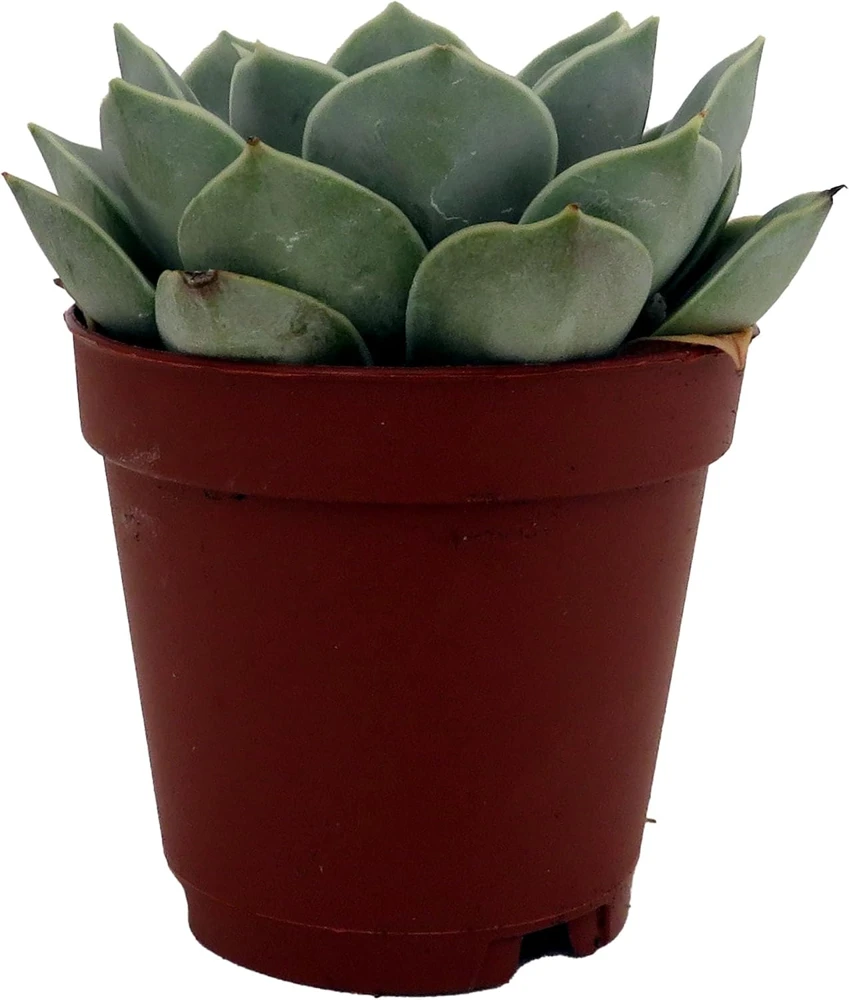
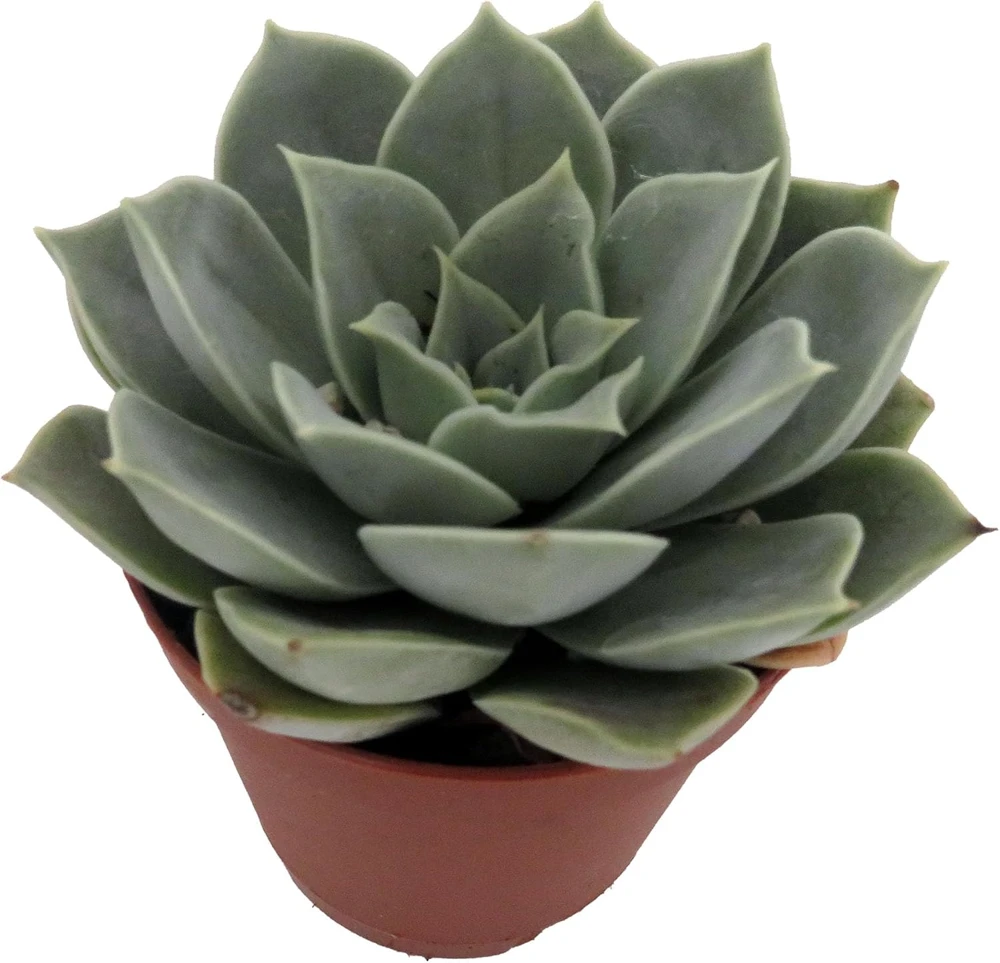
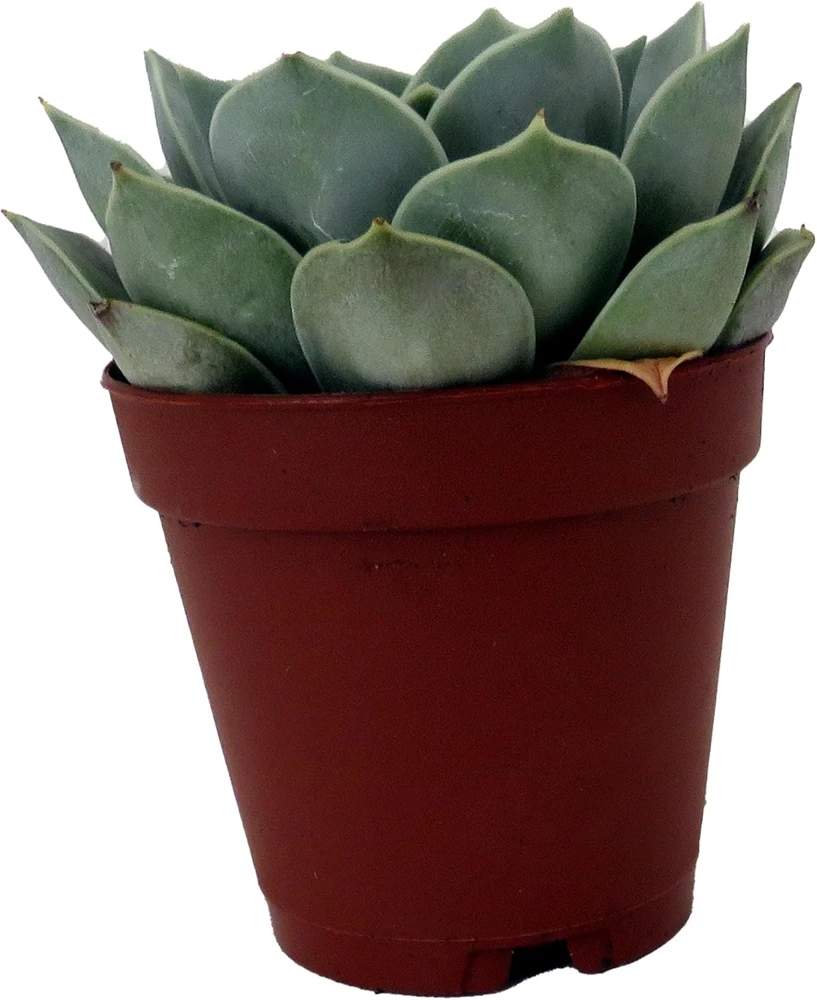
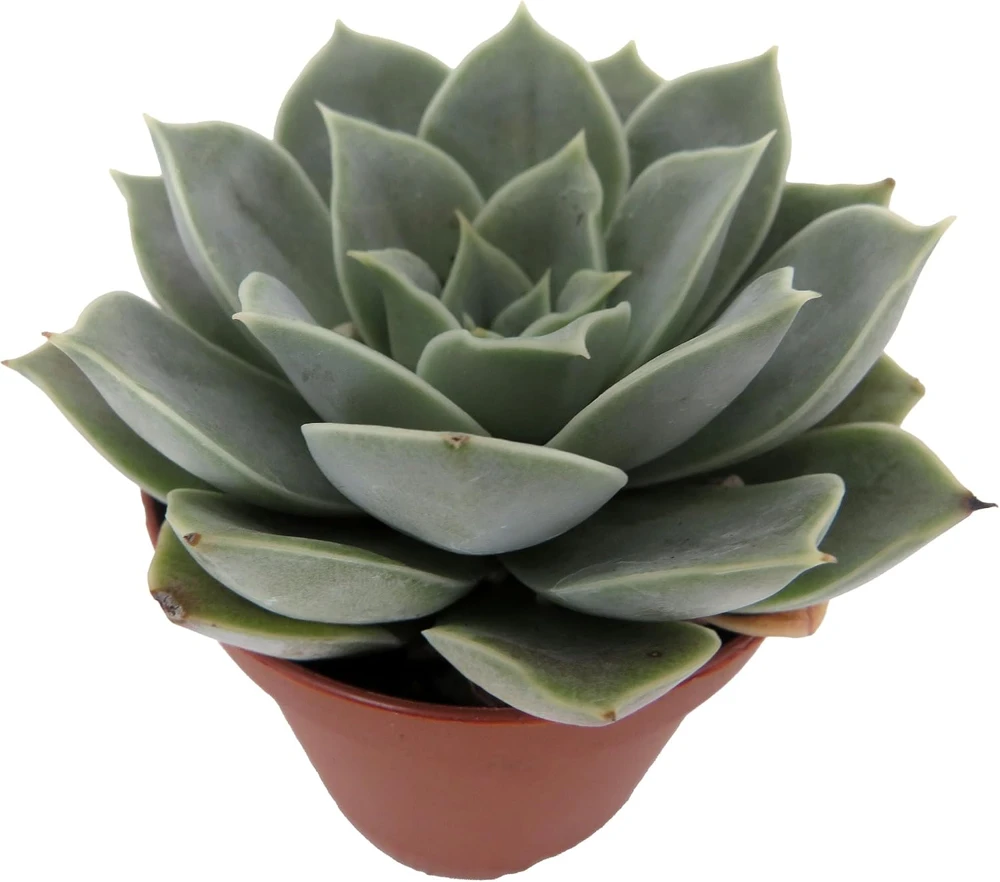
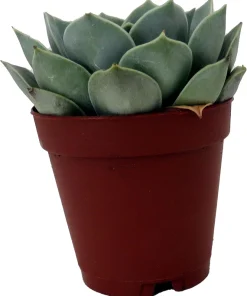
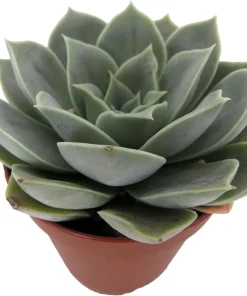
Echeveria Succulent Live Plant – 2 inch Pot – Easy Care Indoor/Outdoor
Original price was: $24.99.$14.99Current price is: $14.99.
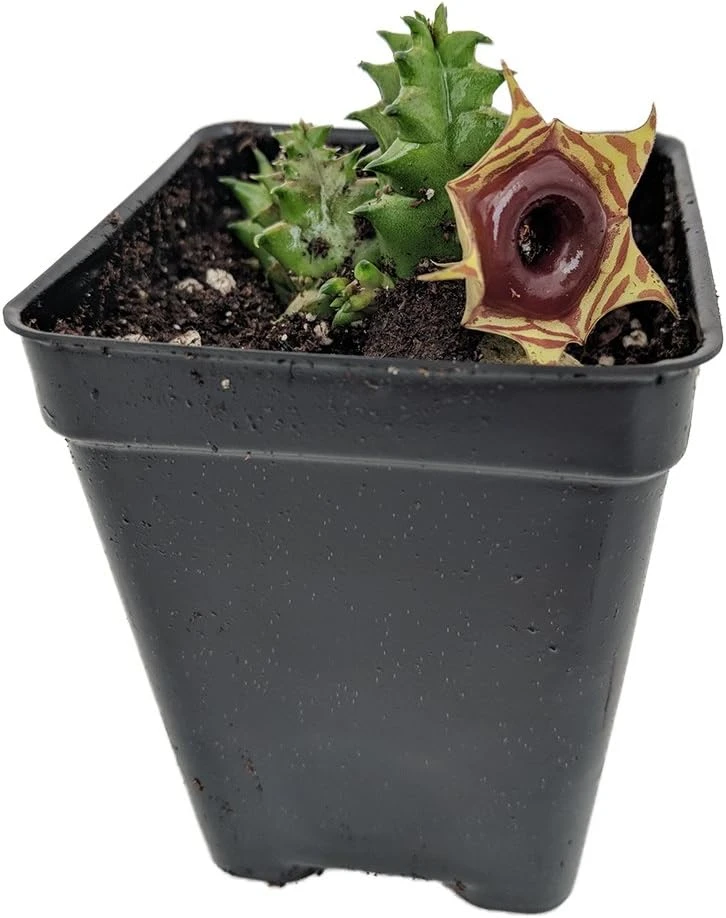
Bring home a vibrant Echeveria succulent live plant, perfect for adding natural beauty to any space. This easy-care succulent thrives with minimal effort, requiring only bright, indirect light and well-draining soil. Ideal for beginners, it comes in a 2 inch succulent pot, ready to display indoors or on a protected patio.
Estimated arrival
Sep 29
Oct 04 - Oct 06
Oct 09 - Oct 13
Shop With Confidence
30-Day Plant Health Guarantee
Arrives damaged? We’ll replace it free — see our return policy.
Responsive Support
Email us anytime, we reply within 1 business day.
Expert Packaging
Temperature-controlled shipping to protect your plants in transit.
Secure Checkout
Pay safely with Visa, Mastercard, PayPal.
Plant Specifications
-
USDA Hardiness Zone
USDA zones 9–11 (outdoors), suitable for all zones indoors -
Soil Type
Well-draining succulent or cactus mix -
Sunlight Exposure
Bright, indirect light -
Expected Planting Period
Year-round indoors, spring to summer outdoors
Overview
Introduce a touch of natural elegance to your home or garden with the stunning Echeveria succulent live plant. Known for its rosette-forming leaves and vibrant colors, Echeveria is a genus of flowering plants in the stonecrop family Crassulaceae, native to semi-desert areas of Central America, Mexico, and northwestern South America. This particular offering is a compact, healthy specimen, perfectly sized in a 2-inch pot, making it an ideal starter plant for succulent enthusiasts or a charming addition to an existing collection. Its captivating geometric patterns and often pastel hues make it a popular choice for decorative arrangements and windowsills. As a live plant, it brings a dynamic, living element to any decor. The Echeveria is celebrated for its resilience and ability to thrive with relatively little attention, embodying both beauty and practicality for modern living. This makes it an excellent choice for those seeking a low-maintenance yet visually appealing plant.
Key Benefits
The Echeveria succulent live plant offers numerous advantages for both seasoned plant parents and novices alike. Its unique characteristics contribute to its widespread appeal and ease of integration into various lifestyles.
- Low Maintenance & Easy Care: Echeveria plants are incredibly forgiving, requiring minimal watering and attention. This makes them perfect for busy individuals or those new to plant care, ensuring a beautiful plant without constant fuss.
- Drought Tolerant: As succulents, Echeveria store water in their leaves, allowing them to withstand periods of drought. This resilience means less frequent watering compared to many other houseplants.
- Compact & Versatile Size: Arriving in a 2 inch succulent pot, this plant is ideal for small spaces, desks, shelves, or as part of a larger succulent arrangement. Its manageable size makes it easy to place anywhere you desire a touch of greenery.
- Aesthetic Appeal: With their symmetrical rosette shapes and often colorful foliage, Echeveria succulents are highly ornamental. They add a sophisticated and modern touch to any indoor or outdoor setting.
- Air Purifying Qualities: Like many plants, Echeveria can contribute to improved indoor air quality by absorbing toxins and releasing oxygen, creating a healthier living environment.
- Great for Gifting: Due to their beauty and ease of care, these succulents make thoughtful and long-lasting gifts for friends, family, or colleagues, suitable for any occasion.
- Adaptable to Various Settings: While preferring bright indirect light, Echeveria can adapt to a range of indoor environments and can also thrive outdoors in appropriate climates, making it a versatile choice.
Plant Care & Growing Tips
Caring for your Echeveria succulent live plant is straightforward, ensuring it remains a vibrant and healthy addition to your collection. The key to success lies in understanding its basic needs for light, water, and soil. When considering Echeveria plant care, remember that these are desert-adapted plants, meaning they thrive in conditions that mimic their natural habitat.
Sunlight Requirements: Echeveria succulents crave bright, indirect sunlight. Place your plant in a location where it can receive at least 4-6 hours of bright light daily. A south or west-facing window is often ideal indoors. If placing outdoors, choose a spot with morning sun and afternoon shade, or filtered light throughout the day, as direct, harsh afternoon sun can scorch its leaves. Insufficient light can lead to etiolation, where the plant stretches and becomes leggy.
Watering Schedule & Soil Moisture: The most common mistake in succulent care is overwatering. Water only when the soil is completely dry to the touch. This can be every 2-4 weeks depending on humidity, light, and temperature. When you do water, soak the soil thoroughly until water drains from the bottom of the pot. Allow the pot to drain completely before returning it to its spot. During winter dormancy, reduce watering frequency even further. A good rule of thumb for easy grow succulent watering is to err on the side of underwatering rather than overwatering.
Soil Type & Drainage: A well-draining succulent or cactus mix is essential. This type of soil prevents water from sitting around the roots, which can lead to root rot. You can also create your own mix by combining potting soil with perlite or coarse sand for improved drainage. Ensure your pot has drainage holes.
Temperature Range & USDA Hardiness Zone: Echeveria prefer temperatures between 65-80°F (18-27°C). They are not frost-tolerant and should be protected from freezing temperatures. For outdoor cultivation, they are generally hardy in USDA Zones 9-11. If you live in a colder climate, it’s best to grow your indoor succulent plant in a container that can be brought indoors during winter.
Fertilization: Echeveria succulents are not heavy feeders. Fertilize sparingly, if at all, during their active growing season (spring and summer) with a diluted, balanced liquid succulent fertilizer. Avoid fertilizing during their dormant winter period.
Common Problems: Watch out for common pests like mealybugs or spider mites, which can be treated with insecticidal soap. Overwatering is the biggest threat, leading to soft, mushy leaves and root rot. Ensure proper watering practices to avoid this.
Size & Details
This offering features a healthy, vibrant Echeveria succulent live plant, carefully selected and nurtured to ensure its quality. Each plant comes pre-potted in a standard 2 inch succulent pot, providing a stable and ready-to-display foundation for your new botanical addition. The plant itself typically measures approximately 2-3 inches in diameter, depending on the specific variety and growth stage, making it a compact and desk-friendly size. Echeveria are generally slow-growing plants, which contributes to their low-maintenance appeal and makes them excellent candidates for terrariums, fairy gardens, or as individual specimens on windowsills. You can expect your plant to arrive securely packaged, typically in its nursery pot with soil, ensuring minimal stress during transit. While growth rates vary, with proper Echeveria plant care, your succulent will slowly expand, potentially reaching diameters of 4-6 inches over several years, or even larger for some varieties. This particular size is perfect for integrating into existing arrangements or starting a new collection.
Frequently Asked Questions
- Q: How big does this plant get? A: This Echeveria succulent live plant comes in a 2-inch pot. While it’s a slow grower, it can eventually reach a diameter of 4-6 inches, making it a compact and manageable size for most indoor spaces.
- Q: Is this an indoor or outdoor plant? A: Echeveria can thrive both indoors and outdoors. If grown outdoors, they prefer USDA zones 9-11 and should be protected from frost. Indoors, they make excellent houseplants, especially near a bright window.
- Q: How much sunlight does it need? A: This indoor succulent plant requires bright, indirect light for at least 4-6 hours daily. Direct afternoon sun can scorch its leaves, so a spot with morning sun or filtered light is ideal.
- Q: Is this plant easy to care for? A: Yes, Echeveria are known for being very easy to care for, making them perfect for beginners or those seeking a low-maintenance plant. The main key to successful Echeveria plant care is proper watering.
- Q: What condition will it arrive in? A: Your Echeveria will arrive as a healthy, live plant, securely packaged in its 2 inch succulent pot with soil, ready for you to unbox and enjoy. We take great care to ensure safe transit.
- Q: How often should I water my Echeveria? A: Water only when the soil is completely dry to the touch, typically every 2-4 weeks. Overwatering is the most common cause of problems, so always check soil moisture first.
- Q: What kind of soil is best for Echeveria? A: A well-draining succulent or cactus potting mix is essential for an easy grow succulent. This prevents waterlogging and promotes healthy root development.
- Q: Is the Echeveria pet-safe? A: Echeveria succulents are generally considered non-toxic to pets, making them a safe choice for homes with cats and dogs. However, it’s always best to discourage pets from chewing on plants.
- Q: Can I repot my Echeveria? A: Yes, you can repot your Echeveria into a slightly larger pot with fresh succulent soil when it outgrows its 2 inch succulent pot. Do this during the growing season (spring or summer).
- Q: What are the main signs of an unhealthy Echeveria? A: Mushy or yellowing leaves often indicate overwatering. Stretched-out, leggy growth suggests insufficient light. Brown, crispy leaf edges can be a sign of too much direct sun or underwatering.
Be the first to review “Echeveria Succulent Live Plant – 2 inch Pot – Easy Care Indoor/Outdoor”
People Also Viewed
Vegetable Seeds
Green and Gold Dent Corn Seeds – Heirloom Vegetable – 100 Seeds
Reviews
There are no reviews yet.