

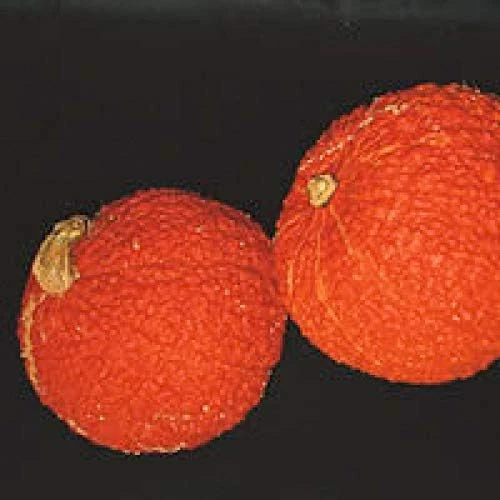
Red Warty Thing Squash Seeds – 10 Seeds – Unique Decorative & Edible Gourd
Original price was: $23.99.$13.99Current price is: $13.99.
Discover the intriguing Red Warty Thing squash seeds, perfect for growing a truly unique and versatile plant in your garden. These seeds yield large, warty gourds that are not only excellent for decorative displays but also feature delicious, edible Hubbard-type flesh. Ideal for gardeners seeking both ornamental value and culinary delight from their harvest.
Estimated arrival
Sep 29
Oct 04 - Oct 06
Oct 09 - Oct 13
Shop With Confidence
30-Day Plant Health Guarantee
Arrives damaged? We’ll replace it free — see our return policy.
Responsive Support
Email us anytime, we reply within 1 business day.
Expert Packaging
Temperature-controlled shipping to protect your plants in transit.
Secure Checkout
Pay safely with Visa, Mastercard, PayPal.
Plant Specifications
-
USDA Hardiness Zone
Annual in all zones (warm season crop) -
Soil Type
Rich, fertile, well-draining soil -
Sunlight Exposure
Full sun -
Expected Planting Period
Late spring to early summer (after last frost)
Overview
Embark on a fascinating gardening journey with Red Warty Thing squash seeds, an exceptional variety renowned for its distinctive appearance and dual functionality. Originating from a U.S. Seed Bank, this heirloom squash is a conversation starter, characterized by its vibrant red color and heavily warted rind. Beyond its striking decorative appeal, the Red Warty Thing squash also boasts a delicious, sweet, and nutty Hubbard-type flesh, making it a superb choice for culinary applications. Whether you’re aiming to create eye-catching autumnal displays or to savor its rich flavor in your favorite recipes, these seeds promise a rewarding and truly unique addition to your garden.
This variety is celebrated for its robust growth, producing large vines that yield impressive, heavy fruits. Gardeners looking to cultivate something out of the ordinary will find the Red Warty Thing to be an exciting challenge, offering both aesthetic pleasure and a bountiful harvest. Its hard, thick rind also contributes to its excellent storage capabilities, allowing you to enjoy its beauty and taste long after the growing season.
Key Benefits
Growing Red Warty Thing squash seeds offers a multitude of advantages for the home gardener, combining ornamental beauty with practical culinary uses. This versatile plant provides a unique experience from planting to harvest.
- Unique Decorative Appeal: The distinctive red, warty exterior of the fruit makes it an outstanding choice for autumn decorations, fall displays, and unique centerpieces. Each gourd is a natural work of art, adding character to any setting.
- Delicious Edible Flesh: Beneath its unusual rind lies sweet, flavorful Hubbard-type flesh. It’s excellent for baking, roasting, purees, and soups, offering a rich, earthy taste that complements a wide range of dishes.
- Heirloom Variety: Cultivating unique heirloom squash like the Red Warty Thing means you’re preserving agricultural history and enjoying a taste and appearance that’s been cherished for generations.
- Long Storage Life: Thanks to its very hard and thick rind, the mature Red Warty Thing squash can be stored for extended periods, allowing you to enjoy its beauty and flavor throughout the colder months.
- Robust Growth: This variety produces large, vigorous vines, indicating a strong and healthy plant that can yield substantial fruit, providing a generous harvest for both decorative and culinary purposes.
- Gardening Satisfaction: Successfully growing and harvesting such a unique and visually striking plant brings immense satisfaction and a sense of accomplishment to any gardener.
- Versatile Use: Whether you’re interested in ornamental gardening or seeking a delicious ingredient for your kitchen, the Red Warty Thing squash seeds offer dual benefits in one plant.
Plant Care & Growing Tips
To successfully grow Red Warty Thing squash, understanding its specific care requirements is essential. This large-vined plant thrives in conditions that mimic its natural environment, ensuring a bountiful harvest of both decorative and edible gourds. Proper planning and consistent attention will lead to the best results.
Sunlight Requirements: Like most squash varieties, Red Warty Thing squash demands full sun exposure, meaning at least 6-8 hours of direct sunlight per day. Choose a location in your garden that receives ample sunlight throughout the day to encourage strong growth and fruit development. In regions with intense summer heat, some afternoon shade can be beneficial to prevent scorching, but generally, more sun is better for this variety.
Watering Schedule and Soil Moisture: Consistent moisture is crucial, especially during flowering and fruiting. Water deeply and regularly, aiming for about 1 inch of water per week, either from rainfall or irrigation. Avoid overhead watering to minimize fungal diseases; instead, water at the base of the plant. The soil should remain consistently moist but not waterlogged. Reduce watering as fruits mature to prevent cracking and improve storage quality.
Soil Type and Drainage Requirements: This squash prefers rich, fertile, well-draining soil with a pH between 6.0 and 7.0. Amend heavy clay soils with compost or other organic matter to improve drainage and fertility. Raised beds are an excellent option for ensuring good drainage. Prior to planting your Red Warty Thing squash seeds, incorporate plenty of aged manure or compost into the planting area to provide essential nutrients for these heavy feeders.
Temperature Range and USDA Hardiness Zone: Red Warty Thing is a warm-season crop. It requires warm soil temperatures (above 60°F or 15°C) for germination and optimal growth. It is typically grown as an annual in all USDA zones during the warmer months. It cannot tolerate frost, so plant seeds or seedlings after all danger of frost has passed in your area. Ideal growing temperatures are between 70-90°F (21-32°C).
Fertilization Schedule and Type: Due to its large fruit size and vigorous growth, Red Warty Thing is a heavy feeder. Begin with a nutrient-rich soil as mentioned above. Once vines begin to run and flowers appear, fertilize every 3-4 weeks with a balanced organic fertilizer or one slightly higher in phosphorus and potassium to encourage fruit set and development. Avoid excessive nitrogen, which can promote leafy growth at the expense of fruit production.
Common Problems and Solutions: Watch out for common squash pests like squash bugs, vine borers, and cucumber beetles. Use row covers early in the season to protect young plants. Hand-picking pests, applying organic insecticides, or encouraging beneficial insects can help manage infestations. Powdery mildew can be a problem in humid conditions; ensure good air circulation and avoid overhead watering to prevent it. Fungicides can be used if necessary. The hard rind of the Red Warty Thing squash helps protect it from some damage.
Size & Details
The Red Warty Thing squash is a large-vined variety known for its substantial fruit. Each plant produces vigorous growth, requiring ample space to spread. The fruit typically reaches an impressive size, averaging around 20 pounds, though individual gourds can vary. The maturity period for these squash is approximately 110 days from planting, allowing sufficient time for the unique warty rind to develop its characteristic texture and vibrant red hue. These decorative gourd seeds will grow into plants that yield fruits well-suited for both ornamental use and culinary purposes, thanks to their delicious Hubbard-type flesh.
Your order includes 10 Red Warty Thing squash seeds, providing a great start for your garden. The seeds are packed to ensure viability and are ready for planting in warm soil after the last frost. The resulting plants are large and spreading, so ensure proper spacing of at least 4-6 feet between mounds or plants to allow for adequate growth and air circulation. The hard, thick rind of the mature fruit contributes to its excellent storage life, making it a long-lasting decorative item or a winter pantry staple.
Frequently Asked Questions
- Q: How big does Red Warty Thing squash get? A: The Red Warty Thing squash typically grows quite large, with individual fruits often weighing around 20 pounds. The vines themselves are also very large and spreading, requiring significant garden space.
- Q: Is Red Warty Thing an indoor or outdoor plant? A: This squash variety is primarily an outdoor plant, requiring full sun and warm temperatures to thrive. It is grown as an annual in most climates, planted after the last frost.
- Q: How much sunlight does Red Warty Thing need? A: For optimal growth and fruit production, Red Warty Thing squash needs at least 6-8 hours of direct sunlight per day. Choose a sunny spot in your garden for planting these Red Warty Thing squash seeds.
- Q: Is this plant easy to care for? A: While it requires adequate space and consistent watering and feeding, growing Red Warty Thing squash is relatively straightforward for gardeners with some experience. It’s not considered high-maintenance but does need attention to soil quality and pest management.
- Q: What condition will the seeds arrive in? A: Your Red Warty Thing squash seeds will arrive as a packet of 10 viable seeds, carefully packaged to ensure their quality and readiness for planting upon receipt.
- Q: When is the best time to plant Red Warty Thing squash? A: The best time to plant Red Warty Thing squash seeds is in late spring or early summer, after all danger of frost has passed and the soil has warmed sufficiently (above 60°F or 15°C).
- Q: Can I eat Red Warty Thing squash? A: Yes, absolutely! Despite its unusual appearance, Red Warty Thing squash has delicious Hubbard-type flesh that is excellent for eating. It’s sweet and nutty, perfect for a variety of culinary uses.
- Q: How long until Red Warty Thing squash is ready for harvest? A: This variety has a maturity period of approximately 110 days from planting. You’ll know it’s ready when the rind is hard and the color is a deep, consistent red.
- Q: Will Red Warty Thing survive winter in my zone? A: As an annual warm-season crop, Red Warty Thing squash will not survive winter frosts. It is grown for a single season, with seeds replanted each year.
- Q: What type of soil is best for growing Red Warty Thing? A: Red Warty Thing squash thrives in rich, fertile, well-draining soil with a neutral pH. Amending the soil with plenty of organic matter like compost or aged manure is highly recommended.
Be the first to review “Red Warty Thing Squash Seeds – 10 Seeds – Unique Decorative & Edible Gourd”
People Also Viewed


Trees
Owari Satsuma Mandarin Tree – Live Grafted Plant, 1 Gallon, 2 ft Tall – Cold Hardy Citrus Fruit
Vegetable Seeds
Yellow Cheese Pimento Pepper Seeds – 50 Sweet Capsicum Annuum
Reviews
There are no reviews yet.