
Brown Turkey Fig Live Plant – Ficus carica – Sweet Edible Fruit – 4 inch Pot
Original price was: $46.99.$36.99Current price is: $36.99.
Cultivate your own sweet and juicy figs with this brown turkey fig live plant. Known for its delicious, edible fruit and resilience, this Ficus carica is a favorite for both garden and patio growing. Arrives in a 4 inch pot, ready for planting.
Estimated arrival
Sep 29
Oct 04 - Oct 06
Oct 09 - Oct 13
Shop With Confidence
30-Day Plant Health Guarantee
Arrives damaged? We’ll replace it free — see our return policy.
Responsive Support
Email us anytime, we reply within 1 business day.
Expert Packaging
Temperature-controlled shipping to protect your plants in transit.
Secure Checkout
Pay safely with Visa, Mastercard, PayPal.
Plant Specifications
-
USDA Hardiness Zone
USDA zones 7-10 (can be overwintered indoors in colder zones) -
Soil Type
Well-draining, fertile loam -
Sunlight Exposure
Full sun (6-8 hours direct sunlight) -
Expected Planting Period
Spring to early summer (or year-round indoors in containers)
Overview
Bring the joy of home-grown, delicious fruit to your garden with the brown turkey fig live plant. This popular variety, scientifically known as Ficus carica, is celebrated for its sweet, edible figs and adaptability. Originating from the Mediterranean region, the fig has been cultivated for thousands of years, cherished for its unique flavor and nutritional benefits. The brown turkey fig live plant is a fantastic choice for both novice and experienced gardeners, offering a relatively low-maintenance way to produce abundant fruit. It’s particularly favored in warmer climates but also exhibits impressive winter hardiness, making it a versatile addition to many landscapes. This particular plant comes in a convenient 4-inch pot, providing a healthy start for your future fig harvests. Whether you’re looking to enhance your garden’s edible offerings or add a touch of Mediterranean charm to your patio, this brown turkey fig live plant is an excellent selection.
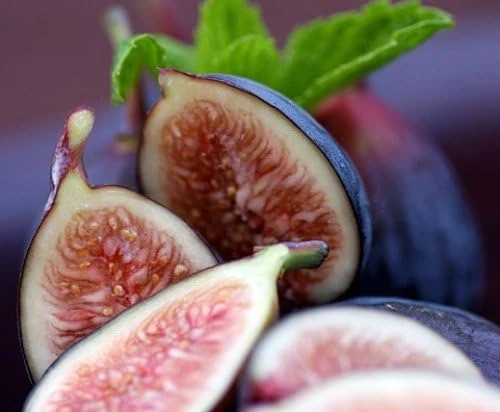
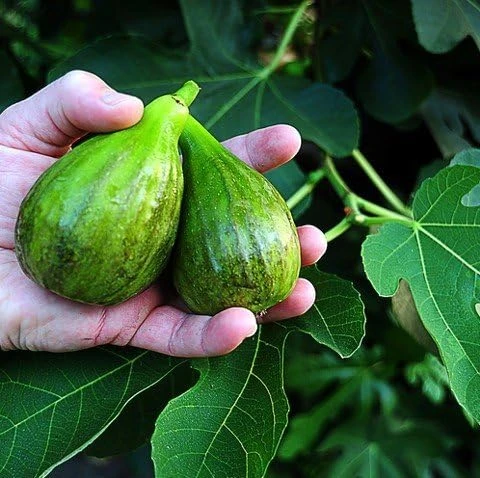
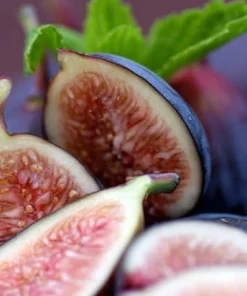
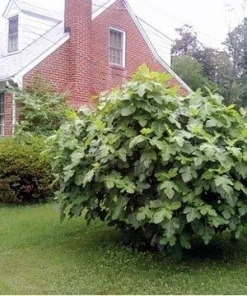
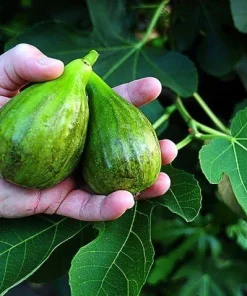
The Brown Turkey fig is renowned for its attractive, deeply lobed leaves and its prolific production of medium-sized, reddish-brown fruits. These figs are sweet, juicy, and perfect for fresh eating, jams, or desserts. Unlike some other fig varieties, the Brown Turkey fig is parthenocarpic, meaning it can produce fruit without the need for pollination, ensuring a reliable crop even when grown as a single plant. Its robust nature and delicious yield make it a rewarding plant to grow, providing both ornamental beauty and a bountiful harvest.
Key Benefits
Growing a brown turkey fig live plant offers a multitude of benefits, from its delightful fruit to its resilience and ease of care. This versatile plant is an excellent choice for anyone looking to add an edible and attractive specimen to their outdoor space or even as a patio plant.
- Delicious, Edible Fruit: Enjoy a steady supply of sweet, succulent figs directly from your own garden. The sweet fig plant produces fruit that is perfect for fresh consumption, baking, or preserving, offering a healthy and flavorful treat.
- Winter Hardy: Despite its Mediterranean origins, the Brown Turkey fig is one of the more cold-tolerant fig varieties. This makes it suitable for a wider range of climates, allowing more gardeners to successfully cultivate this delicious fruit.
- Drought Tolerant: Once established, these fig plants are remarkably drought tolerant, requiring less frequent watering compared to many other fruit trees. This makes them an excellent choice for water-wise gardening.
- Pest and Disease Resistant: The ficus carica plant is generally free of major pests and diseases, simplifying its care and reducing the need for chemical interventions. This natural resilience contributes to a healthier garden ecosystem.
- Self-Pollinating: This variety produces fruit parthenocarpically, meaning it does not require another plant for pollination. You can enjoy a bountiful harvest even with a single edible fig tree.
- Versatile Growing Options: Suitable for planting directly in the garden or growing in a container as a patio plant, which can be moved indoors during colder months. Its adaptability makes it ideal for various living situations.
- Attractive Foliage: Beyond its fruit, the fig plant offers attractive, large, deeply lobed leaves that provide an appealing ornamental quality to any garden or patio setting.
Plant Care & Growing Tips
Caring for your brown turkey fig live plant is straightforward, and with proper attention, it will reward you with years of delicious fruit. Figs thrive in conditions that mimic their native Mediterranean climate. For optimal growth and fruit production, select a site that receives at least 6-8 hours of direct sunlight per day. If growing in a pot, ensure it is placed in the sunniest spot on your patio or balcony. When planting in the ground, choose a location with good air circulation to minimize fungal issues.
Watering is crucial, especially during the establishment phase and when fruits are developing. While established figs are drought tolerant, consistent moisture will lead to better fruit production. Water deeply and regularly, allowing the top few inches of soil to dry out between waterings. Avoid overwatering, which can lead to root rot. For soil, a well-draining, fertile loam is ideal. Figs prefer a slightly alkaline to neutral pH. Incorporating organic matter, such as compost, will improve soil structure and fertility. For potted plants, use a high-quality potting mix designed for fruit trees or general outdoor plants.
The Brown Turkey fig is considered a winter hardy fig, generally thriving in USDA Zones 7-10. In colder zones (6 and below), it’s best to grow them in containers and move them indoors during winter, or provide substantial winter protection if planted in the ground. Fertilize your fig tree in early spring with a balanced slow-release fertilizer or an organic option. Avoid excessive nitrogen, which can promote leafy growth at the expense of fruit. Pruning should be done in late winter or early spring to remove dead or diseased branches, improve air circulation, and shape the tree. Mulching heavily with organic materials around the base of the plant will help conserve moisture, regulate soil temperature, and suppress weeds, contributing to the overall health of your brown turkey fig live plant.
Size & Details
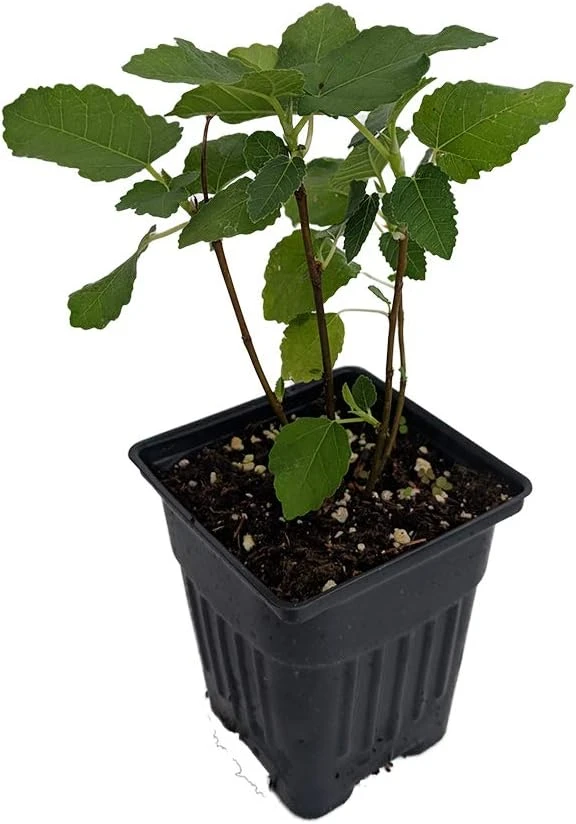
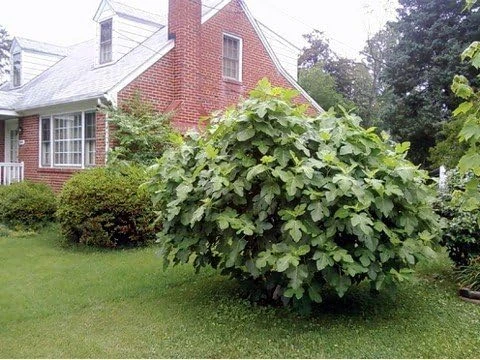
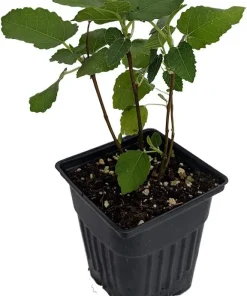
This brown turkey fig live plant is supplied in a 4-inch nursery pot, providing a robust and well-rooted specimen ready for transplanting. At this stage, the plant typically stands approximately 6-12 inches tall, depending on the growing season and individual plant vigor. Fig trees are fast-growing and can reach a mature height of 10-25 feet and a spread of similar size if planted in the ground and left unpruned. However, they are easily maintained at a smaller size through regular pruning, especially when grown in containers. When grown in a pot, the tree’s size can be managed to suit your space, often reaching 5-10 feet tall.
You can expect your edible fig tree to begin bearing fruit within two to three years of planting, with increasing yields as the plant matures. The fruit ripens in late summer to early fall, offering a delightful harvest. The plant is shipped as a young, actively growing specimen, carefully packaged to ensure its safe arrival. Upon receiving, it’s recommended to acclimate the plant to its new environment gradually before planting or repotting. This sweet fig plant offers a rewarding experience for any gardener.
Frequently Asked Questions
- Q: How big does this brown turkey fig live plant get? A: If planted in the ground, a mature Brown Turkey fig tree can reach 10-25 feet tall and wide. When grown in a container, its size can be kept much smaller, typically 5-10 feet, through regular pruning.
- Q: What size pot does the plant come in? A: This brown turkey fig live plant is shipped in a 4-inch nursery pot, providing a healthy root system for successful transplanting.
- Q: Is this an indoor or outdoor plant? A: The Brown Turkey fig is primarily an outdoor plant, ideal for gardens and patios. However, in colder climates (USDA zones 6 and below), it can be grown in a container and moved indoors during winter months.
- Q: How much sunlight does the ficus carica plant need? A: For optimal growth and fruit production, your fig plant needs at least 6-8 hours of direct sunlight per day. Choose a sunny location in your garden or a bright spot on your patio.
- Q: Is this plant easy to care for? A: Yes, the winter hardy fig is generally considered easy to care for, especially once established. It’s drought-tolerant and relatively resistant to pests and diseases, making it a good choice for beginners.
- Q: What condition will the sweet fig plant arrive in? A: Your plant will arrive as a healthy, actively growing specimen, carefully packaged to minimize stress during transit. It will be rooted in its 4-inch nursery pot.
- Q: How long until it starts producing fruit? A: Most edible fig tree varieties, including the Brown Turkey, typically begin bearing fruit within two to three years after planting. Yields will increase as the tree matures.
- Q: Will it survive winter in my zone? A: The Brown Turkey fig is known for its winter hardiness and can survive outdoors in USDA Zones 7-10. In colder zones, it requires winter protection or should be brought indoors.
- Q: What’s the best soil for this fig plant? A: Fig plants prefer well-draining, fertile soil with a slightly alkaline to neutral pH. A good quality potting mix with added organic matter works well for container growing.
- Q: Can I grow this brown turkey fig live plant on my patio? A: Absolutely! The Brown Turkey fig is an excellent choice for patio growing in containers, especially if you live in a colder climate and need to move it indoors for winter protection.
Be the first to review “Brown Turkey Fig Live Plant – Ficus carica – Sweet Edible Fruit – 4 inch Pot”
People Also Viewed

Houseplants
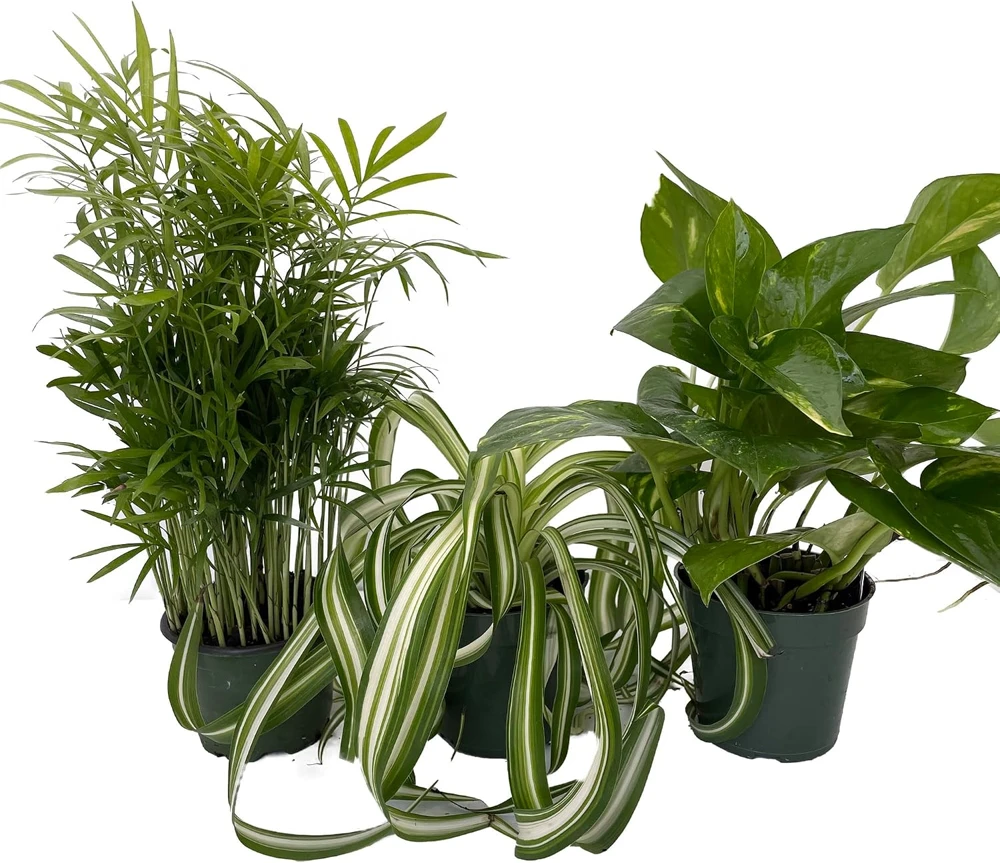
Dorm Room Plant Collection – 3 Live Plants, Parlor Palm, Spider Plant, Pothos, 4″ Pots, Indoor
Succulents
String of Rubies Succulent Live Plant – Othonna capensis – 2.5″ Pot – Trailing Indoor/Outdoor
Vegetable Seeds
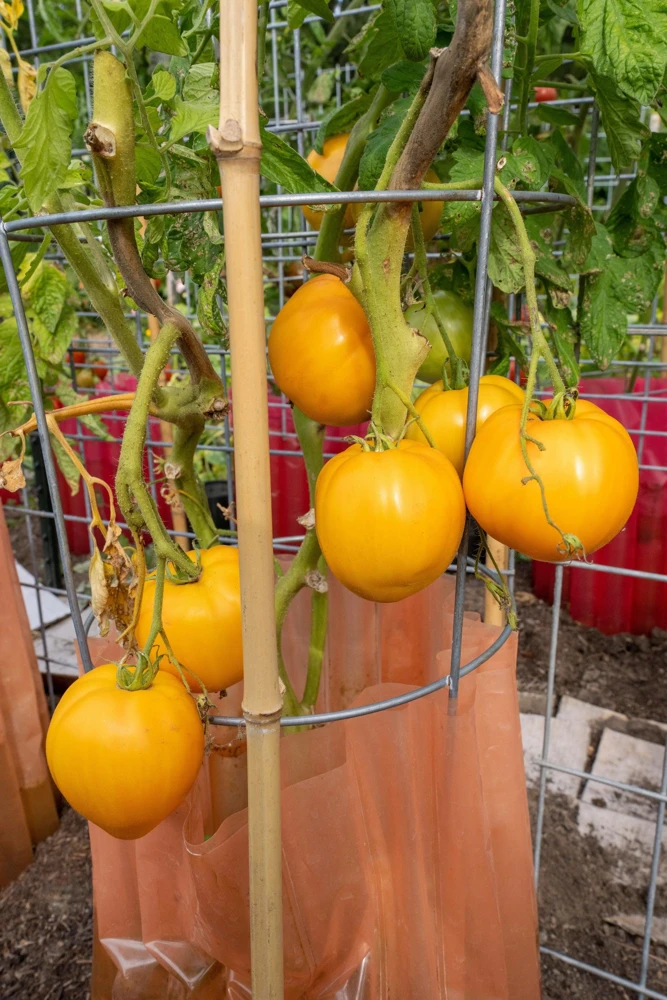
Golden Jubilee Tomato Seeds – 150 Yellow Lycopersicon Lycopersicum Fruit Vegetable Seeds
Reviews
There are no reviews yet.