
Red Edible Fig Plant – Ficus carica Live Plant – Sweet Fruit – 2.5 inch Pot
Original price was: $51.99.$41.99Current price is: $41.99.
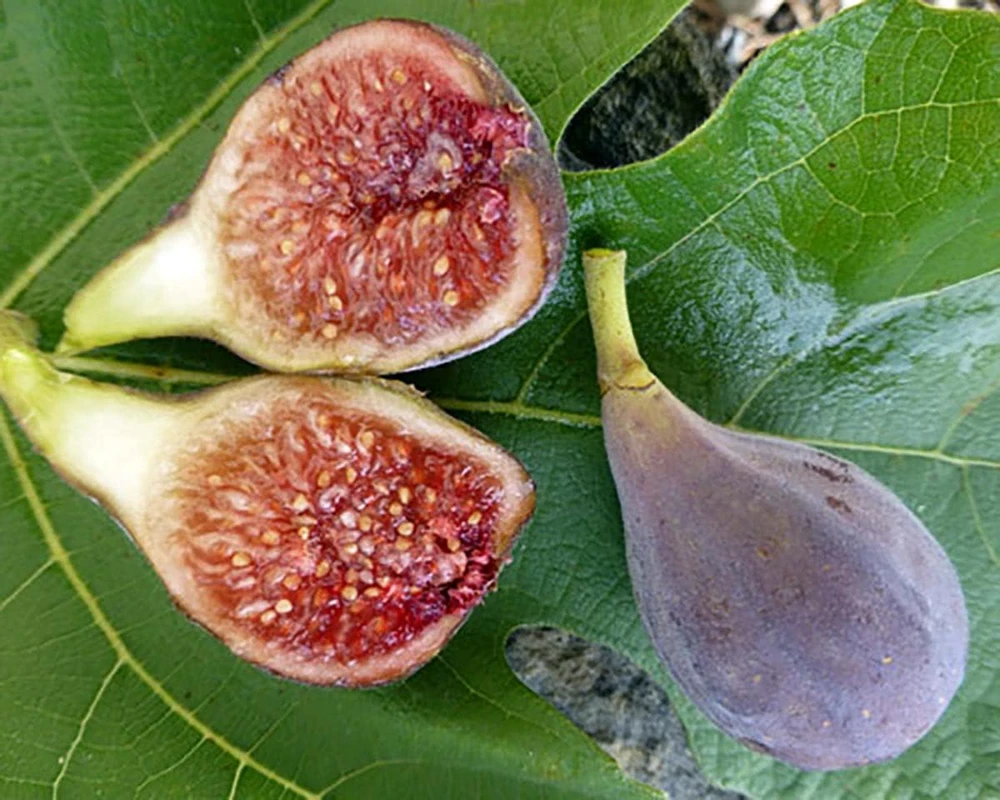
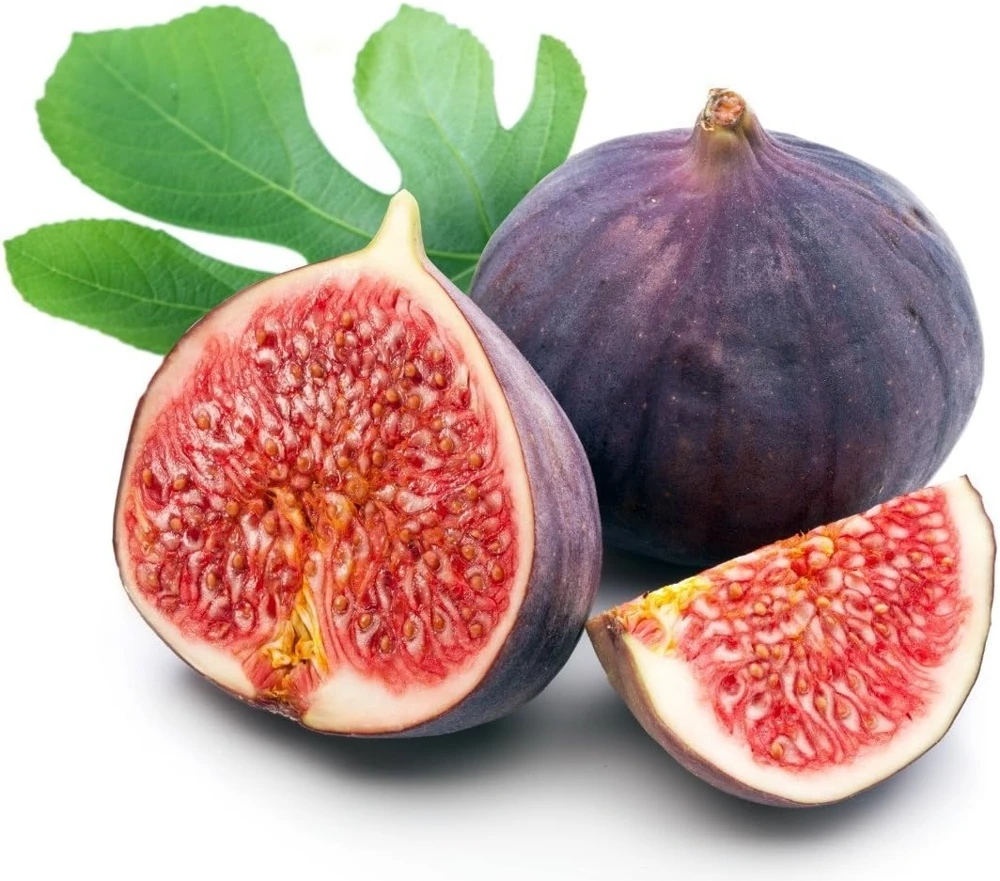
Cultivate your own delicious fruit with this red edible fig plant. This Ficus carica live plant is known for its large, deep red, sweet berry-flavored fruit. Adaptable to container growing and cold tolerant to USDA Zone 6, it’s an excellent choice for home gardeners.
Estimated arrival
Sep 29
Oct 04 - Oct 06
Oct 09 - Oct 13
Shop With Confidence
30-Day Plant Health Guarantee
Arrives damaged? We’ll replace it free — see our return policy.
Responsive Support
Email us anytime, we reply within 1 business day.
Expert Packaging
Temperature-controlled shipping to protect your plants in transit.
Secure Checkout
Pay safely with Visa, Mastercard, PayPal.
Plant Specifications
-
USDA Hardiness Zone
USDA Zone 6 -
Soil Type
Well-draining soil -
Sunlight Exposure
Full sun -
Expected Planting Period
Spring to early summer
Overview
Bring the joy of fresh, homegrown fruit to your garden with this exceptional red edible fig plant. This particular variety of Ficus carica live plant is celebrated for its delectable, deep red fruit with a distinctly sweet berry flavor. Originating from Portugal and now successfully grown in the USA, this fig plant is a fantastic addition for both seasoned gardeners and enthusiastic beginners. It’s not just about the taste; the fruit itself is noticeably large, often exceeding the size of a golf ball, making it a truly rewarding harvest. Whether you have ample garden space or are limited to a patio, this fig plant adapts beautifully to container growing, allowing you to enjoy fresh figs almost anywhere.
The allure of this fig extends beyond its taste and size. When grown outdoors, the fruit develops an attractive reddish-brown skin that is remarkably resistant to cracking, ensuring a bountiful and visually appealing crop. This makes it suitable for fresh marketing, especially after being chilled to 40 degrees Fahrenheit. The robust nature of this fig also means it’s a relatively low-maintenance option, providing delicious fruit with proper care. Experience the satisfaction of nurturing a plant that yields such a high-quality, flavorful bounty right from your own home.
Key Benefits
Growing your own red edible fig plant offers a multitude of benefits, from the sheer delight of fresh fruit to the aesthetic appeal it brings to your outdoor space. This Ficus carica live plant is a versatile and rewarding choice:
- Delicious, Sweet Fruit: Enjoy large, deep red figs with a rich, sweet berry flavor, perfect for fresh eating, desserts, or preserves. The fruit quality is exceptional, making every harvest a treat.
- Attractive Appearance: When grown outdoors, the figs boast an appealing reddish-brown skin that resists cracking, adding visual interest to your garden or patio. The plant itself has an attractive foliage that can enhance any landscape.
- Container Friendly: This fig variety adapts exceptionally well to container growing, making it ideal for patios, balconies, or smaller gardens where space is a premium. You can easily move it indoors during colder months if needed.
- Cold Hardy: Remarkably cold tolerant, this plant thrives in USDA Zone 6, capable of withstanding temperatures down to minus 10 degrees Fahrenheit. This expands the possibilities for gardeners in cooler climates to grow fresh figs.
- Versatile Use: The fine fruit quality is suitable for fresh consumption directly from the tree, or for culinary applications like jams, jellies, and desserts. Chilling the fruit enhances its market appeal and flavor.
- Relatively Low Maintenance: Once established, this sweet fig tree requires moderate care, making it a manageable option for gardeners looking for a rewarding yet not overly demanding fruiting plant.
- Homegrown Advantage: Experience the unparalleled freshness and flavor of figs harvested directly from your own garden, free from pesticides and picked at peak ripeness.
Plant Care & Growing Tips
Caring for your red edible fig plant is a rewarding experience, leading to bountiful harvests of delicious fruit. This Ficus carica live plant thrives with proper attention to its light, water, and soil requirements. For optimal growth and fruit production, ensure your plant receives full sun, meaning at least 6-8 hours of direct sunlight per day. If growing in a container, rotate the pot periodically to ensure even sun exposure. While naturally cold hardy to USDA Zone 6, providing some winter protection in the colder parts of its range, especially for young plants, can ensure its long-term health and productivity.
Watering should be consistent, especially during the growing season and when the plant is fruiting. Fig trees prefer consistently moist, but not waterlogged, soil. Allow the top inch or two of soil to dry out between waterings. Overwatering can lead to root rot, so good drainage is crucial. Use a well-draining potting mix if growing in containers, or amend heavy garden soil with organic matter to improve drainage. Fertilize your sweet fig tree with a balanced fertilizer in early spring and again in mid-summer to support vigorous growth and fruit development. Pruning can be done in late winter or early spring to shape the tree, remove dead or crossing branches, and encourage better air circulation and fruit production. Watch out for common pests like spider mites or scale insects, and address them promptly with organic pest control methods if they appear.
When considering a container fig plant, choose a large pot (at least 15-20 gallons) to accommodate its root system. This allows for better nutrient uptake and moisture retention, crucial for healthy fruit development. Even though it’s a cold hardy fig, container-grown plants can be moved to a sheltered location or indoors during severe winter weather to further protect them. Ensure the soil pH is slightly acidic to neutral (6.0-7.0) for best results. With these care tips, your fig plant will flourish and provide you with many years of sweet, homegrown figs.
Size & Details
This red edible fig plant is provided as a live plant in a 2.5-inch pot, ready for transplanting into a larger container or directly into your garden. At this stage, the plant is typically young but well-rooted, allowing it to establish quickly in its new home. The mature size of a Ficus carica live plant can vary based on growing conditions and pruning, but it can reach heights of 10-30 feet if grown in the ground and left unpruned. In containers, its size can be managed through regular pruning, typically staying within 6-10 feet, making it an ideal container fig plant. The fruit is notably large, about a quarter of an inch larger than a golf ball, ensuring a substantial harvest. Expect fruit production to begin within 1-3 years after planting, with increasing yields as the plant matures. This variety is known for its vigorous growth and consistent fruit set, providing a reliable source of delicious, sweet figs.
Frequently Asked Questions
- Q: How big does this red edible fig plant get? A: If planted in the ground and left unpruned, this fig variety can grow up to 10-30 feet tall. When grown as a container fig plant, its size can be maintained at 6-10 feet with regular pruning, making it manageable for patios and smaller spaces.
- Q: Is this an indoor or outdoor plant? A: This Ficus carica live plant can be grown both indoors in a large container with adequate sunlight or outdoors in the garden. It is a cold hardy fig, suitable for outdoor planting in USDA Zone 6 and warmer climates.
- Q: How much sunlight does it need? A: For optimal growth and fruit production, this fig plant requires full sun, which means at least 6-8 hours of direct sunlight per day. If growing indoors, place it in the brightest available south-facing window.
- Q: Is this plant easy to care for? A: Yes, this sweet fig tree is considered relatively easy to care for, especially once established. It requires consistent watering, good drainage, and occasional fertilization. Pruning helps maintain shape and productivity.
- Q: What condition will it arrive in? A: Your red edible fig plant will arrive as a healthy, well-rooted live plant in a 2.5-inch pot, carefully packaged to ensure its safe journey to your home. It will be ready for transplanting upon arrival.
- Q: How long until it produces fruit? A: Typically, this fig plant will begin producing fruit within 1 to 3 years after planting, with yields increasing as the plant matures. Patience is rewarded with delicious, sweet figs.
- Q: Will it survive winter in my zone? A: This is a cold hardy fig variety, successfully growing in USDA Zone 6, which means it can tolerate temperatures down to minus 10 degrees Fahrenheit. In colder zones, it’s best grown in a container and moved indoors or protected during winter.
- Q: Can I use the fruit for cooking? A: Absolutely! The fine quality of the fruit from this red edible fig plant makes it excellent for fresh consumption, as well as for making jams, jellies, pies, and other culinary delights.
Be the first to review “Red Edible Fig Plant – Ficus carica Live Plant – Sweet Fruit – 2.5 inch Pot”
People Also Viewed


Reviews
There are no reviews yet.