
Eastern Redbud Trees Live Plant – 6-12″ Tall Seedlings – Ornamental Spring Blooming
Original price was: $85.98.$47.99Current price is: $47.99.
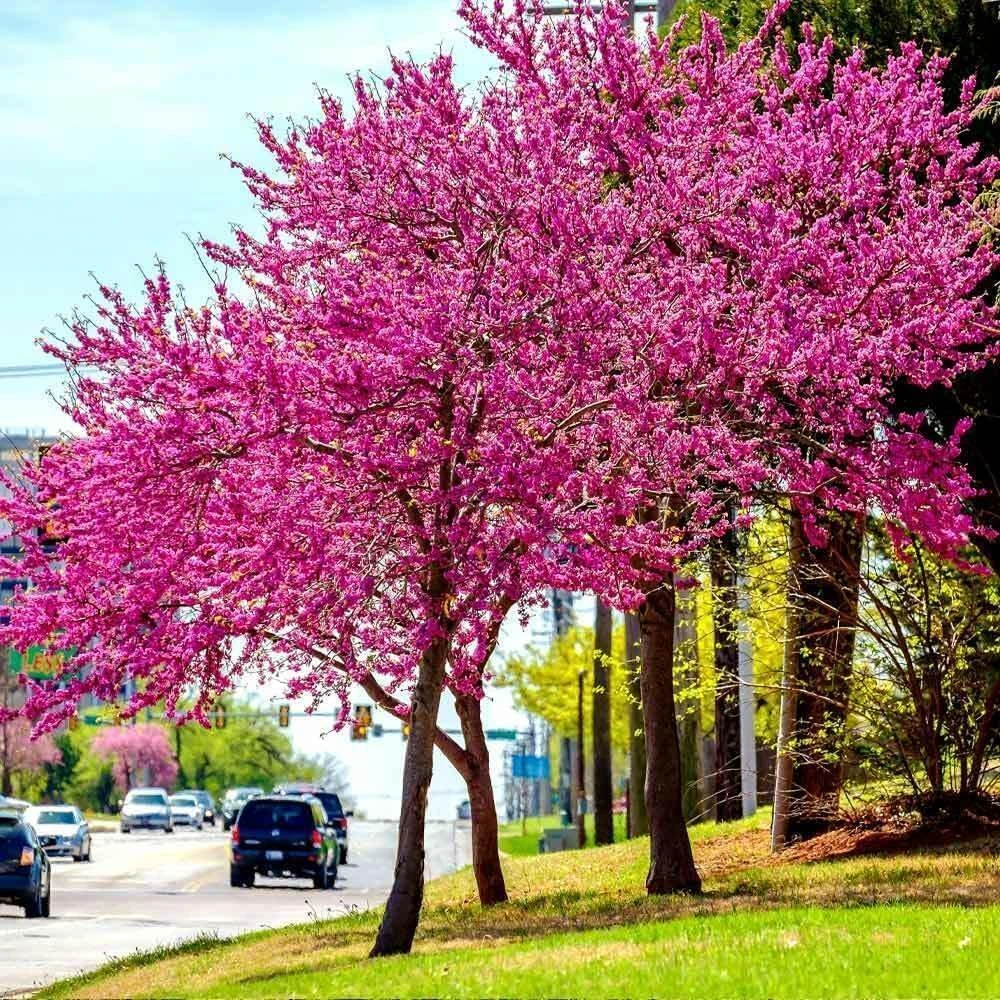
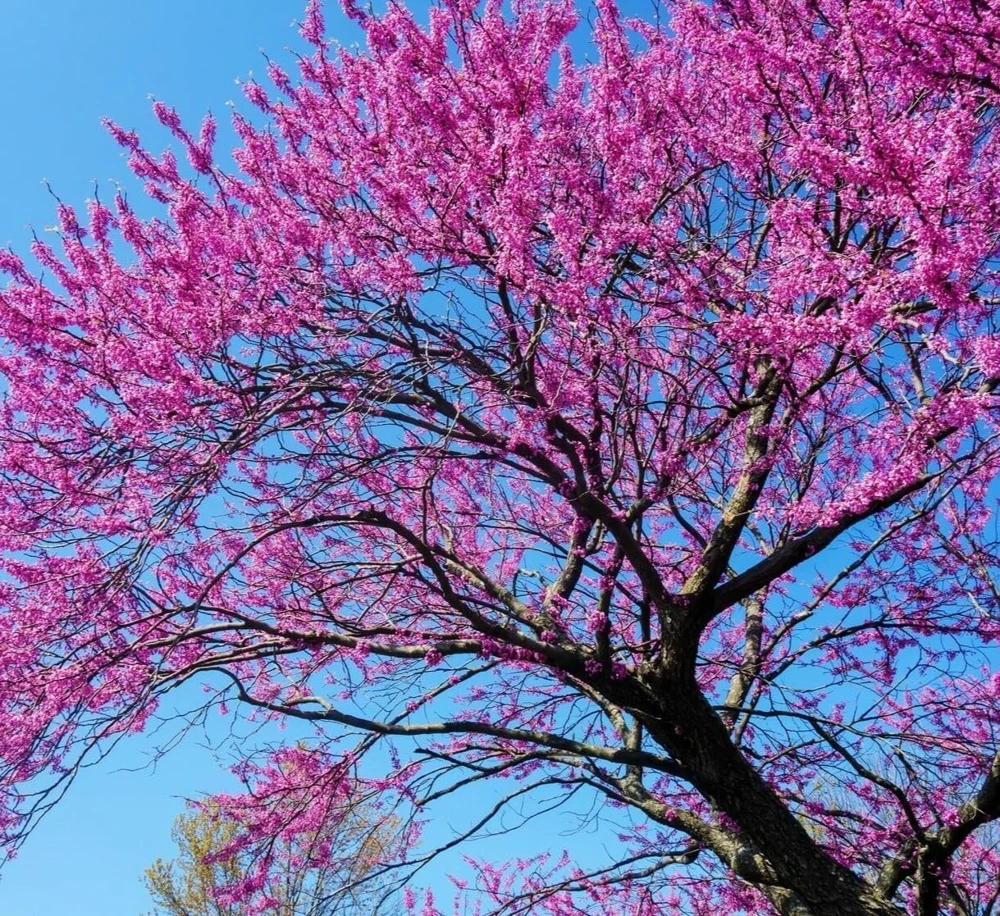
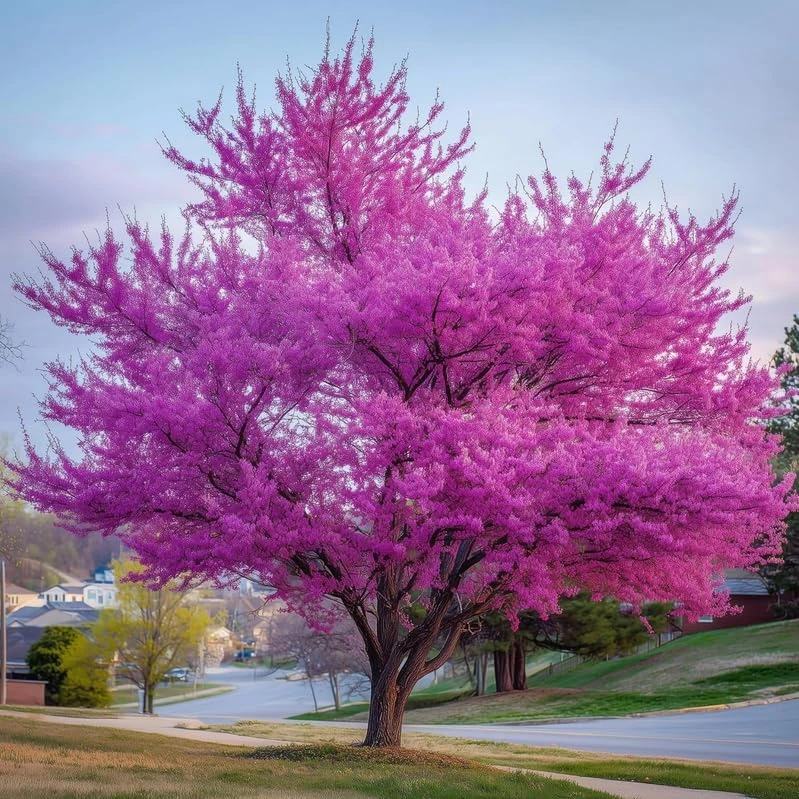
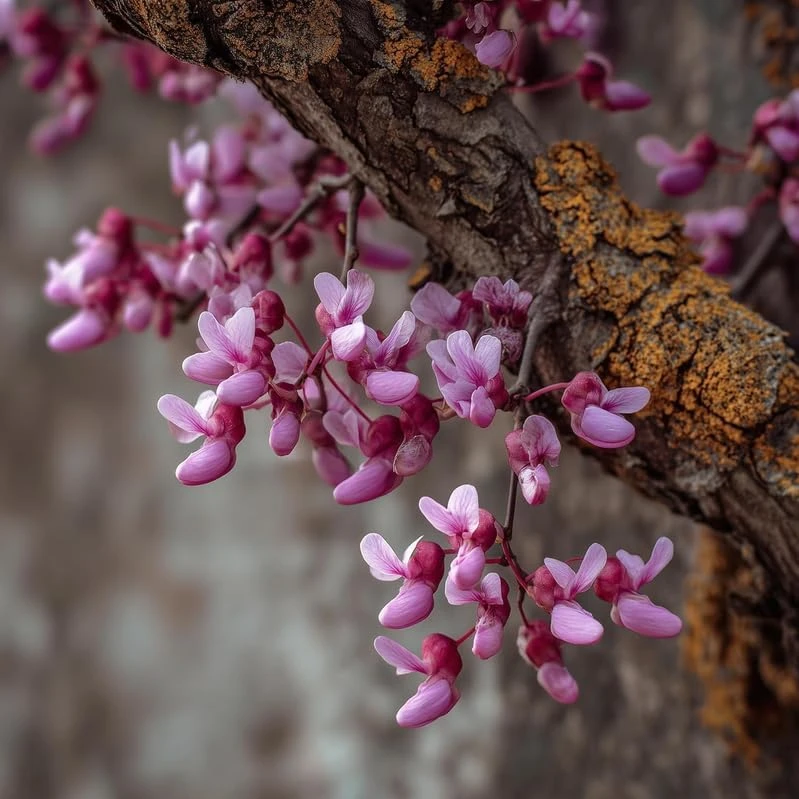
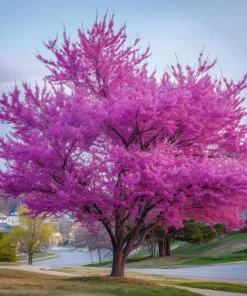
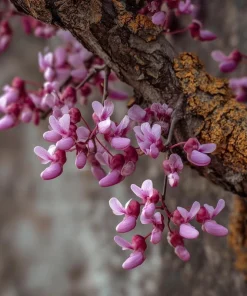
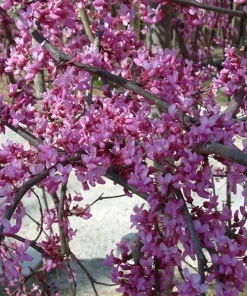
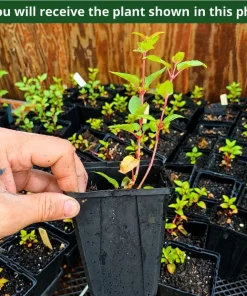
Bring vibrant spring color to your garden with Eastern Redbud trees. These Cercis canadensis live plant seedlings, 6-12 inches tall, feature spectacular pink-purple blossoms and charming heart-shaped foliage, perfect as an ornamental spring blooming tree.
Estimated arrival
Oct 14
Oct 19 - Oct 21
Oct 24 - Oct 28
Shop With Confidence
30-Day Plant Health Guarantee
Arrives damaged? We’ll replace it free — see our return policy.
Responsive Support
Email us anytime, we reply within 1 business day.
Expert Packaging
Temperature-controlled shipping to protect your plants in transit.
Secure Checkout
Pay safely with Visa, Mastercard, PayPal.
Plant Specifications
-
USDA Hardiness Zone
USDA Zones 4-9 -
Soil Type
Moist, well-draining soil -
Sunlight Exposure
Full sun to partial shade -
Expected Planting Period
Early spring or fall
Overview
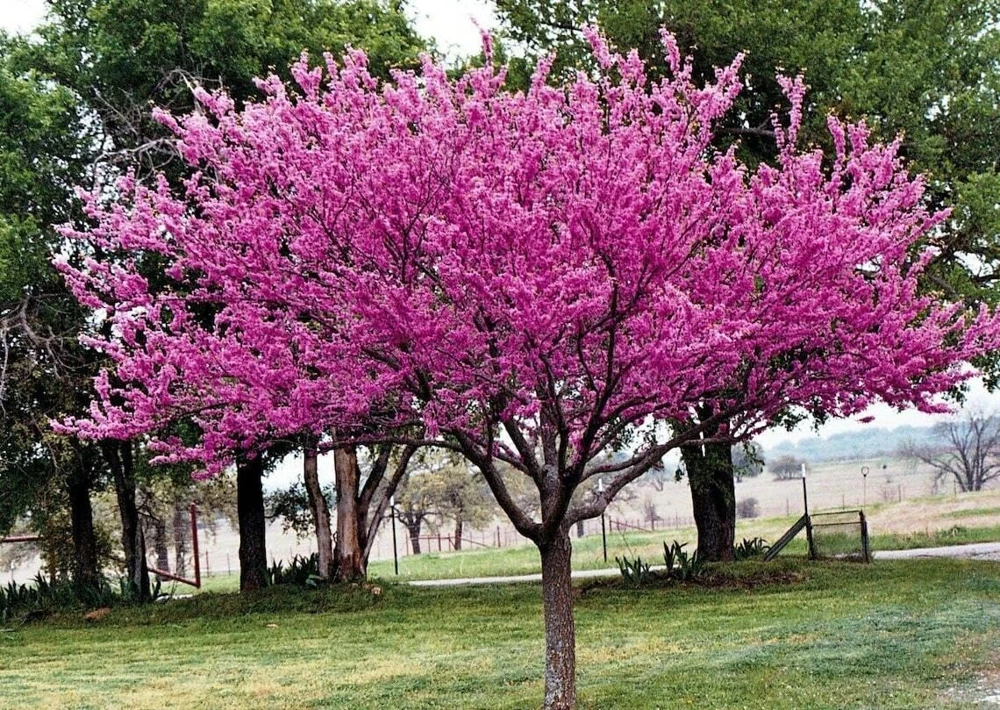
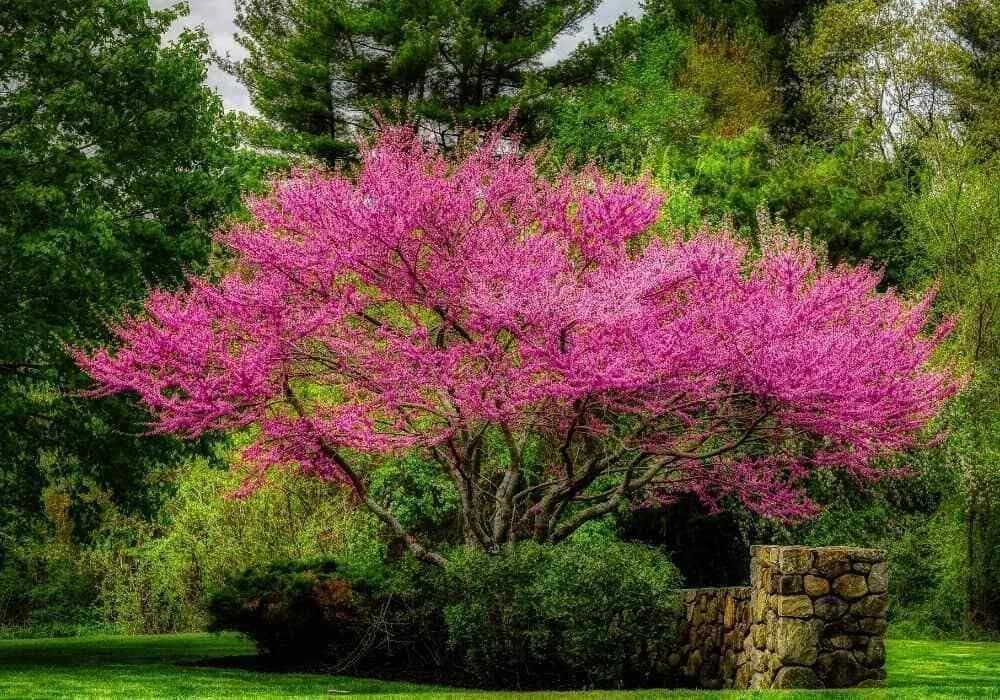
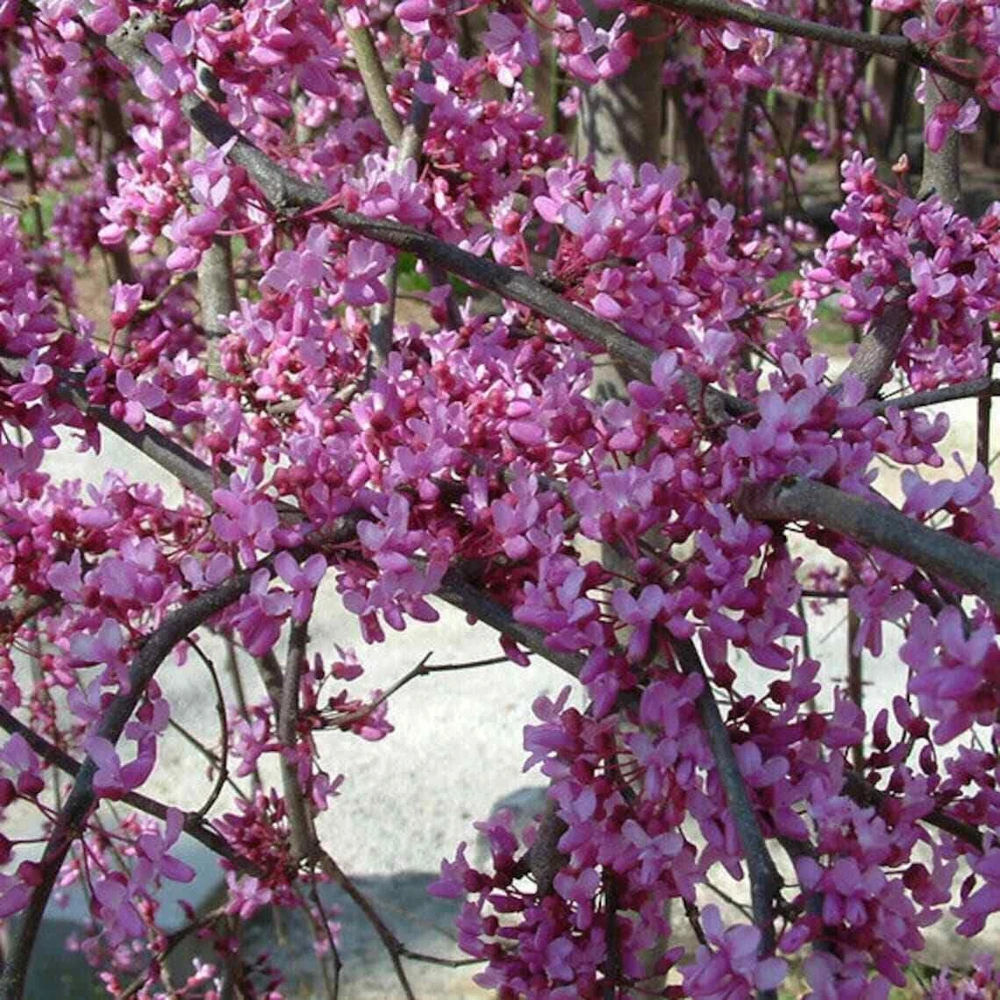
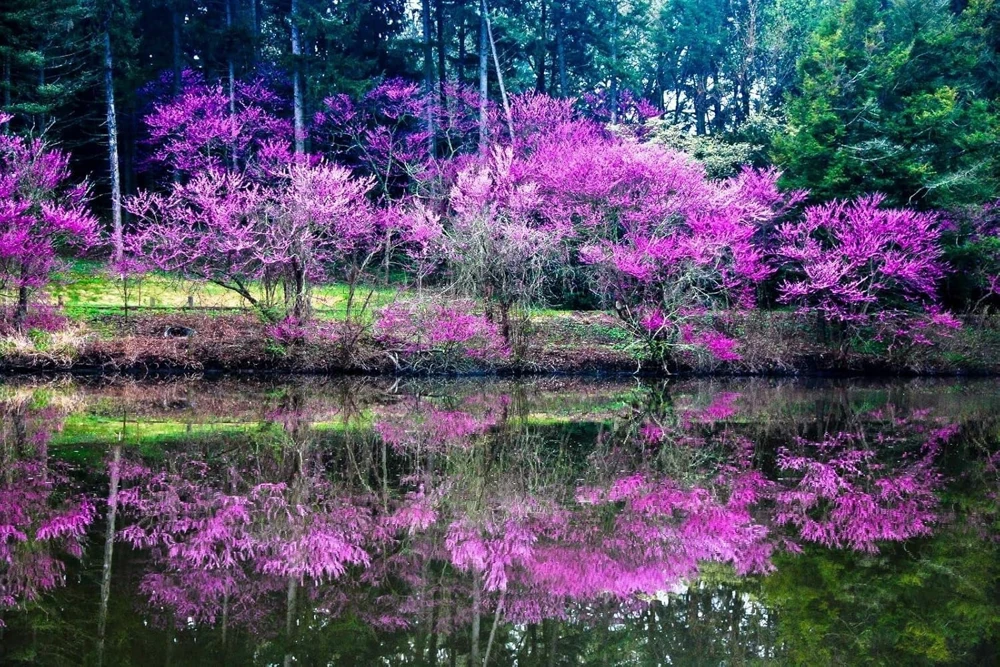
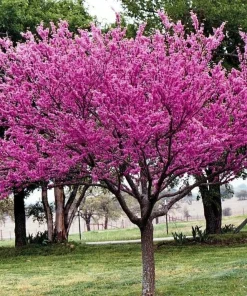
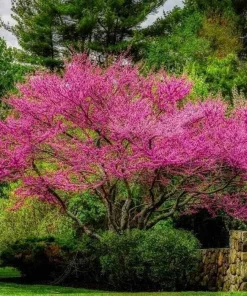
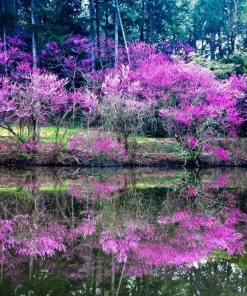
Introduce a breathtaking display of early spring color to your landscape with the enchanting Eastern Redbud trees. These beautiful Cercis canadensis live plant specimens are renowned for their stunning pink and purple blossoms that emerge on bare branches, creating a spectacular visual before the leaves even appear. Each tree, approximately 6-12 inches tall, is a seedling ready to establish itself and grow into a magnificent ornamental feature. The Eastern Redbud is a versatile and beloved deciduous tree, celebrated for its unique beauty and adaptability, making it a fantastic choice for a wide range of garden designs and sizes across the US.
Beyond its striking floral show, the Eastern Redbud trees offer year-round appeal. Following the blossoms, charming heart-shaped leaves unfurl, providing lush green foliage throughout the summer. As autumn arrives, these leaves transition to lovely shades of yellow, adding another layer of seasonal interest to your garden. This tree is not just a visual delight; it also plays a vital role in local ecosystems, attracting pollinators and providing a habitat for various wildlife. Whether you’re looking to create a focal point or add depth to your garden, the Eastern Redbud is an exceptional choice.
Key Benefits
The Eastern Redbud trees provide numerous advantages for any gardener, combining aesthetic appeal with ecological benefits and ease of care. Choosing this Cercis canadensis live plant means investing in a resilient and beautiful addition to your outdoor space.
- Spectacular Spring Blossoms: Enjoy a profusion of vibrant pink and purple flowers that cover the branches in early spring, often before other trees begin to leaf out. This early bloom provides crucial nectar for pollinators.
- Charming Heart-Shaped Foliage: After the flowers fade, distinctive heart-shaped leaves emerge, offering unique texture and visual interest throughout the growing season, turning yellow in fall.
- Attracts Pollinators: The early spring flowers are a magnet for bees, butterflies, and other beneficial insects, enhancing your garden’s biodiversity and supporting local ecosystems.
- Low Maintenance: Once established, these ornamental spring blooming tree specimens are remarkably easy to care for, requiring minimal pruning and being relatively drought-tolerant, making them suitable for gardeners of all experience levels.
- Versatile Landscaping: Its moderate size and attractive form make it an ideal choice for various landscape applications, including small gardens, urban settings, under utility lines, or as a striking specimen tree.
- Year-Round Interest: From dazzling spring flowers to summer foliage and fall color, the Redbud provides continuous beauty and seasonal transitions.
- Adaptable & Resilient: Known for its hardiness and ability to thrive in a range of soil and light conditions, making it a reliable choice for many regions.
Plant Care & Growing Tips
Caring for your Eastern Redbud trees is straightforward, ensuring they flourish and provide years of beauty. These Cercis canadensis live plant seedlings thrive when given the right conditions. They prefer a location with full sun to partial shade. Full sun (at least 6 hours of direct sunlight) will encourage the most profuse blooming, while partial shade can be beneficial in hotter climates to protect the foliage from scorching afternoon sun. Ensure the planting site has good air circulation to prevent fungal issues.
When it comes to soil, the Eastern Redbud is quite adaptable but prefers moist, well-draining soil. It can tolerate a range of soil types, including clay and sandy soils, as long as drainage is adequate. Avoid consistently waterlogged conditions, as this can lead to root rot. Water regularly during the first growing season to help establish a strong root system. Once established, the trees become more drought-tolerant, but supplemental watering during prolonged dry spells will be beneficial. Fertilize in early spring with a balanced, slow-release granular fertilizer formulated for trees and shrubs, following package instructions. Pruning should be done in late winter or early spring to remove any dead, damaged, or crossing branches, and to shape the tree as desired. Proper redbud tree care will ensure a healthy and vigorous plant.
The small garden tree is generally hardy in USDA Zones 4-9. Protection from harsh winter winds may be necessary in the colder parts of its range when young. Watch out for common pests like leafhoppers or scale, and diseases such as canker, though these are typically not severe in established, healthy trees. Good cultural practices, including proper watering and air circulation, are key to preventing most problems and maintaining a robust ornamental spring blooming tree.
Size & Details
This offering includes Eastern Redbud trees as live seedlings, each approximately 6-12 inches tall at the time of shipment. These young plants are ready to be planted directly into your garden or a larger container, providing a foundation for a magnificent mature tree. The Eastern Redbud typically grows to a mature height of 20-30 feet with a similar spread, forming a beautiful, rounded crown. Its growth rate is moderate, meaning it will establish itself and grow steadily over the years, reaching its mature size within 15-20 years under optimal conditions. The plants are shipped as bare root seedlings, ensuring they transplant easily and minimize shock upon arrival.
The moderate size of the Eastern Redbud makes it an excellent choice as a small garden tree, suitable for a variety of landscape applications. It’s perfect for planting near patios, as a street tree, or as an understory tree in larger landscapes. These Cercis canadensis live plant specimens will begin to show their characteristic heart-shaped foliage and vibrant spring blossoms as they mature, typically within a few years of planting.
Frequently Asked Questions
- Q: How big does this plant get? A: The Eastern Redbud trees typically grow to a mature height of 20-30 feet with a spread of 25-35 feet, forming a beautiful, rounded canopy. Its moderate size makes it an excellent small garden tree.
- Q: Is this an indoor or outdoor plant? A: The Eastern Redbud is an outdoor deciduous tree, best suited for planting in gardens, yards, and landscapes where it can thrive in natural weather cycles. It requires dormancy in winter.
- Q: How much sunlight does it need? A: This ornamental spring blooming tree prefers full sun to partial shade. For the best bloom production, aim for at least 6 hours of direct sunlight per day.
- Q: Is this plant easy to care for? A: Yes, once established, redbud tree care is considered low maintenance. They are relatively drought-tolerant and require minimal pruning, making them suitable for beginners.
- Q: What condition will it arrive in? A: Your Cercis canadensis live plant will arrive as a 6-12 inch tall bare root seedling, carefully packaged to ensure its health during transit.
- Q: How long until it blooms? A: Eastern Redbud seedlings typically begin to produce their characteristic pink and purple blooms within 2-4 years of planting, once they have established a strong root system.
- Q: Will it survive winter in my zone? A: These Eastern Redbud trees are hardy in USDA Zones 4-9. If you are in a colder zone, you may need to provide winter protection for young trees.
- Q: What is the best time to plant Eastern Redbud? A: The ideal time to plant Eastern Redbud seedlings is in early spring or fall when temperatures are mild, allowing the roots to establish before extreme heat or cold.
- Q: What kind of soil does it prefer? A: Eastern Redbuds prefer moist, well-draining soil. They can tolerate a variety of soil types, including clay, loam, and sand, as long as drainage is adequate.
- Q: Can I grow this tree in a container? A: While possible to grow a young Eastern Redbud in a large container temporarily, it will eventually need to be transplanted into the ground to reach its full size and health.
Be the first to review “Eastern Redbud Trees Live Plant – 6-12″ Tall Seedlings – Ornamental Spring Blooming”
People Also Viewed
Reviews
There are no reviews yet.