
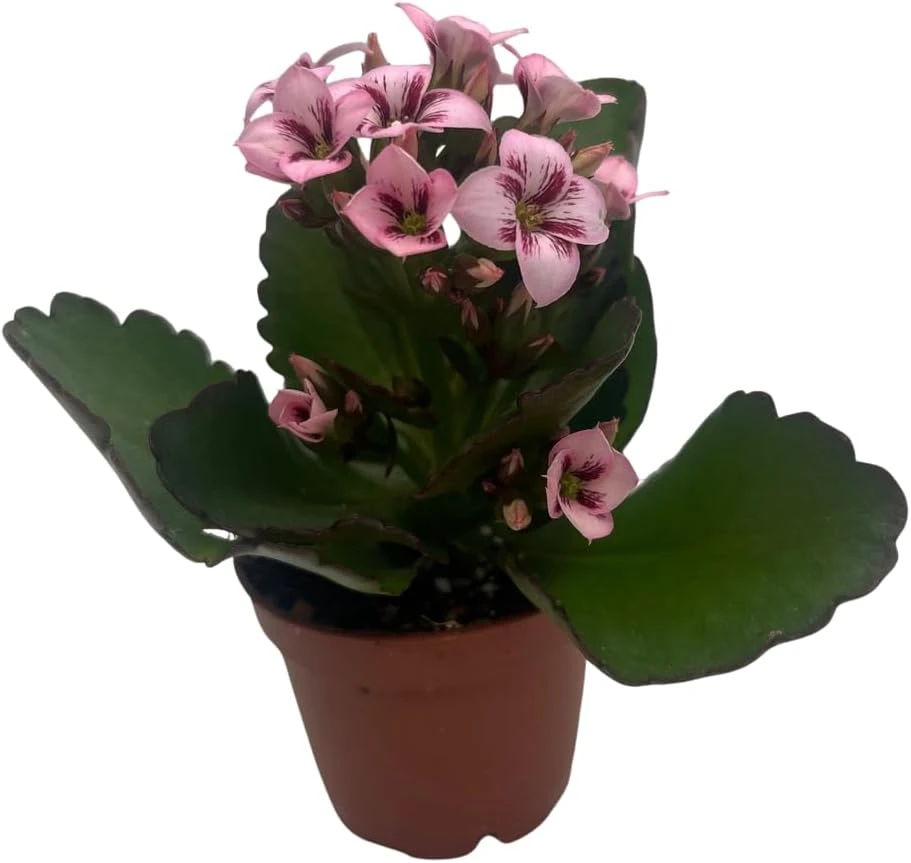
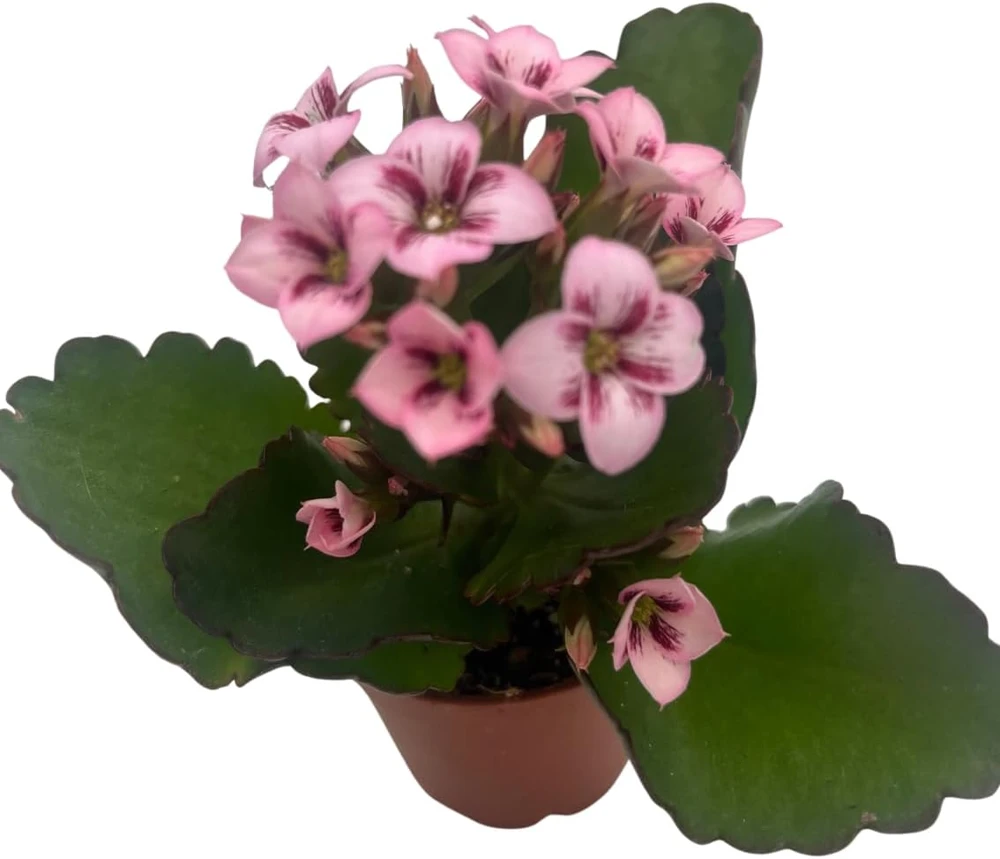
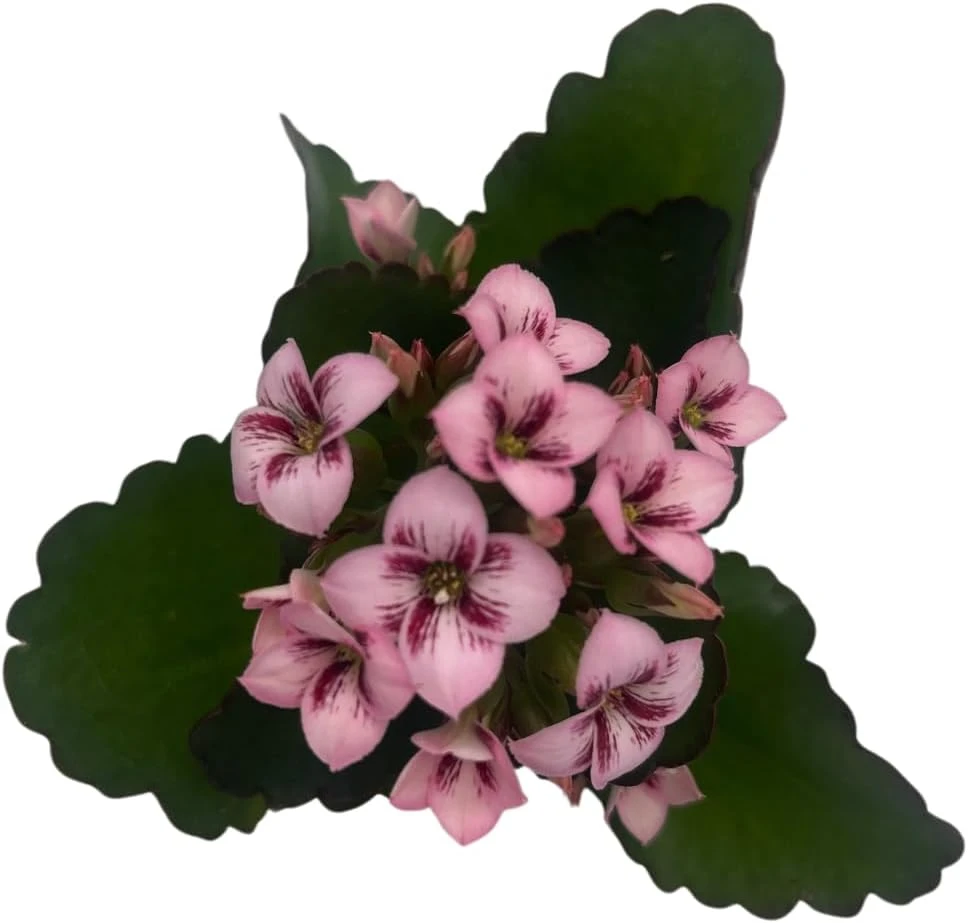
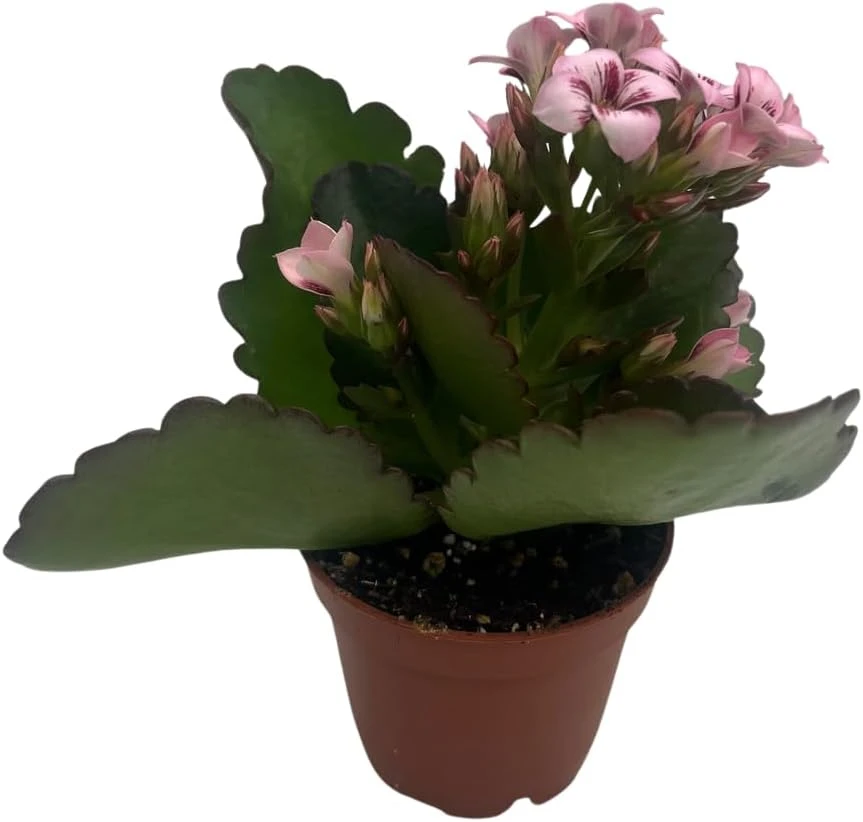
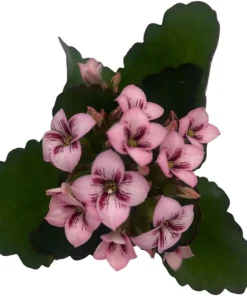
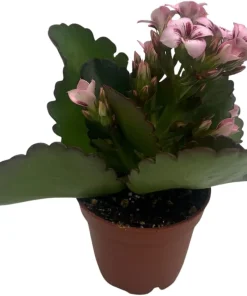
Raspberry Kalanchoe Live Plant – 2.5″ Pot – In Bud & Bloom – Houseplant
Original price was: $36.99.$26.99Current price is: $26.99.
Bring vibrant color and easy elegance into your home with the raspberry kalanchoe live plant. This beautiful 2.5″ potted houseplant arrives in bud and bloom, ready to display its cheerful flowers. It’s a low-maintenance succulent perfect for brightening any indoor space.
Estimated arrival
Sep 29
Oct 04 - Oct 06
Oct 09 - Oct 13
Shop With Confidence
30-Day Plant Health Guarantee
Arrives damaged? We’ll replace it free — see our return policy.
Responsive Support
Email us anytime, we reply within 1 business day.
Expert Packaging
Temperature-controlled shipping to protect your plants in transit.
Secure Checkout
Pay safely with Visa, Mastercard, PayPal.
Plant Specifications
-
USDA Hardiness Zone
Year-round indoors (USDA zones 10-11 outdoors) -
Soil Type
Well-draining succulent/cactus potting mix -
Sunlight Exposure
Bright indirect light; prefers morning sun -
Expected Planting Period
Year-round indoors
Overview
Introduce a splash of cheerful color and natural beauty to your indoor environment with the stunning raspberry kalanchoe live plant. This delightful succulent, often admired for its vibrant, long-lasting blooms, arrives ready to thrive in your home. Our Kalanchoe blossfeldiana, commonly known as Florist Kalanchoe, is presented in a convenient 2.5-inch pot, often already displaying its charming buds and blossoms. Originating from Madagascar, this popular houseplant is celebrated for its ability to produce clusters of small, brightly colored flowers, making it a favorite among plant enthusiasts and beginners alike. The ‘Raspberry’ variety offers unique hues that will capture attention and add a sophisticated touch to any room. This kalanchoe houseplant is not just a seasonal wonder; with proper care, it can provide continuous joy and a refreshing green presence year-round. It’s an ideal choice for those seeking an easy-to-manage, yet visually striking, addition to their plant collection. The raspberry kalanchoe live plant is a perfect gift or a lovely treat for yourself, promising to brighten up desks, windowsills, and living spaces with its natural charm.
Key Benefits
The raspberry kalanchoe live plant offers a multitude of advantages that make it an excellent choice for any plant lover. Its inherent qualities contribute to both aesthetic appeal and ease of maintenance, ensuring a rewarding experience.
- Vibrant, Long-Lasting Blooms: Enjoy a continuous display of cheerful, raspberry-colored flowers that can last for several weeks, providing sustained color and beauty, especially during the fall and winter months. This makes it a perfect plant for adding festive cheer.
- Low Maintenance & Easy Care: Known for its resilience, the kalanchoe care routine is straightforward, requiring minimal effort. It’s an ideal plant for busy individuals or those new to gardening, making it an excellent choice for an easy care succulent.
- Compact & Versatile Size: Supplied in a 2.5-inch pot, this Kalanchoe is perfectly sized for small spaces, desks, shelves, or as part of a larger plant arrangement, offering versatility in placement within your home.
- Air Purification: Like many houseplants, the Kalanchoe contributes to a healthier indoor environment by naturally filtering airborne toxins and improving air quality, enhancing your living space.
- Drought Tolerant: As a succulent, it stores water in its thick leaves, making it forgiving if you occasionally forget to water. This drought tolerance is a key aspect of its easy care succulent nature.
- Year-Round Interest: Even when not in bloom, its attractive, waxy green foliage provides a lush, tropical feel, ensuring your kalanchoe houseplant remains an appealing feature.
- Gift-Ready Presentation: Arriving in bud and bloom, this plant is ready for immediate enjoyment or gifting, making it a thoughtful and beautiful present for any occasion.
Plant Care & Growing Tips
Caring for your raspberry kalanchoe live plant is simple and rewarding, ensuring a vibrant display of flowers and healthy foliage. Understanding its basic needs will help it thrive in your home. These plants prefer bright, indirect light. A spot near an east or west-facing window is often ideal, providing morning sun or bright, indirect light throughout the day. Avoid direct afternoon sun, especially in warmer climates, as this can scorch the leaves and fade the flowers. If you notice the leaves turning reddish, it may be receiving too much direct light. Conversely, insufficient light can lead to leggy growth and fewer blooms, impacting your blooming kalanchoe.
When it comes to watering, the Kalanchoe is a succulent, meaning it prefers its soil to dry out between waterings. Overwatering is the most common cause of problems for this plant, leading to root rot. Water thoroughly until water drains from the bottom of the pot, then allow the top inch or two of soil to become dry to the touch before watering again. During the fall and winter blooming season, you might need to water slightly more frequently, but always check the soil moisture first. During its dormant period after flowering, reduce watering. Good drainage is crucial, so ensure your pot has drainage holes. For soil, a well-draining potting mix formulated for succulents or cacti is best. This type of soil will prevent waterlogging and promote healthy root development for your kalanchoe care.
The ideal temperature range for Kalanchoe is between 65°F and 80°F (18°C-27°C). They can tolerate slightly cooler temperatures but should be protected from frost. Average household humidity is generally sufficient. Fertilize your kalanchoe houseplant every 2-4 weeks during its active growing and blooming periods (fall and winter) with a balanced liquid fertilizer diluted to half strength. Reduce or stop fertilizing during the summer months when the plant is typically resting. To encourage reblooming, prune spent flower stalks by trimming them back to the nearest leaf node. This ‘deadheading’ redirects the plant’s energy into producing new growth and more flowers. To induce reblooming, Kalanchoes require a period of short days and long nights (14 hours of darkness for 6 weeks), typically starting in late summer or early fall. This mimics their natural cycle and is key to achieving a spectacular blooming kalanchoe.
Size & Details
This vibrant raspberry kalanchoe live plant is delivered in a 2.5-inch nursery pot, a perfect size for immediate display on windowsills, desks, or as part of a mixed plant arrangement. At the time of shipment, the plant typically stands approximately 4-6 inches tall, including the pot, and boasts a compact spread of about 3-5 inches. It is often shipped in bud and bloom, meaning you can enjoy its beautiful flowers shortly after arrival, or even immediately. Kalanchoes are relatively slow-growing, reaching a mature height of about 6-12 inches indoors with a similar spread. They are typically cultivated as annuals or short-lived perennials indoors, providing several months of continuous color. This easy care succulent is ideal for those seeking a charming, decorative plant that offers significant visual impact despite its modest size. The plant’s sturdy, succulent leaves and robust flower stalks are well-suited to indoor environments, making it a resilient and attractive addition to any home.
Frequently Asked Questions
- Q: How big does this raspberry kalanchoe live plant get? A: This Kalanchoe is a compact houseplant. It typically grows to about 6-12 inches tall and wide indoors, making it suitable for small spaces. It is shipped in a 2.5-inch pot.
- Q: Is this an indoor or outdoor plant? A: While Kalanchoes can be grown outdoors in very warm, frost-free climates (USDA zones 10-11), this kalanchoe houseplant is primarily intended for indoor cultivation in most regions of the US. It thrives in typical indoor temperatures and humidity.
- Q: How much sunlight does my blooming kalanchoe need? A: Kalanchoes prefer bright, indirect light. A few hours of morning sun is beneficial, but avoid harsh, direct afternoon sunlight which can damage the leaves and flowers.
- Q: Is this plant easy to care for? A: Yes, the Kalanchoe is considered an easy care succulent. Its main requirements are bright indirect light and infrequent watering, making it an excellent choice for beginners and busy plant owners.
- Q: What condition will it arrive in? A: Your raspberry kalanchoe live plant will arrive carefully packaged in its 2.5-inch nursery pot, often with buds and blooms already present, ready to be enjoyed.
- Q: How long until it blooms again after the first set of flowers fades? A: To encourage reblooming, Kalanchoes need a period of short days and long nights (about 14 hours of uninterrupted darkness for 6 weeks) during the fall. With proper kalanchoe care, you can enjoy multiple blooming cycles.
- Q: What’s the best way to water my Kalanchoe? A: Water thoroughly when the top 1-2 inches of soil feel dry to the touch. Allow excess water to drain completely from the bottom of the pot. Avoid letting the plant sit in standing water to prevent root rot.
- Q: Is the Kalanchoe pet-safe? A: No, Kalanchoes are considered toxic to pets if ingested. It’s best to keep them out of reach of curious animals.
- Q: What type of soil should I use for repotting? A: A well-draining potting mix, specifically formulated for succulents or cacti, is ideal for Kalanchoes to ensure proper drainage and prevent waterlogging.
- Q: When is the best time to fertilize this plant? A: Fertilize your kalanchoe houseplant every 2-4 weeks during its active growing and blooming seasons (fall and winter) with a diluted liquid fertilizer. Reduce or stop fertilizing during the summer.
Be the first to review “Raspberry Kalanchoe Live Plant – 2.5″ Pot – In Bud & Bloom – Houseplant”
People Also Viewed
Grass Seeds
Zenith Zoysia Grass Seeds – 12,000+ Seeds – 1 Ounce for Low-Maintenance Lawn – Outdoor Perennial
Reviews
There are no reviews yet.