
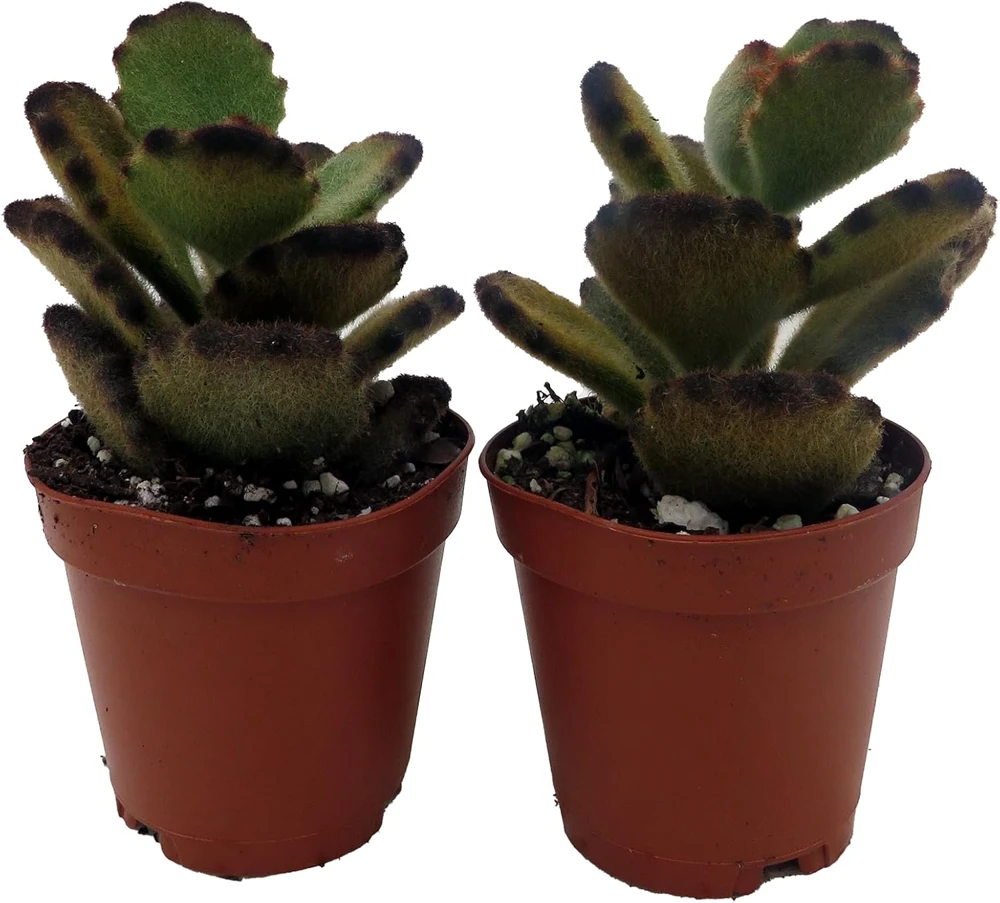
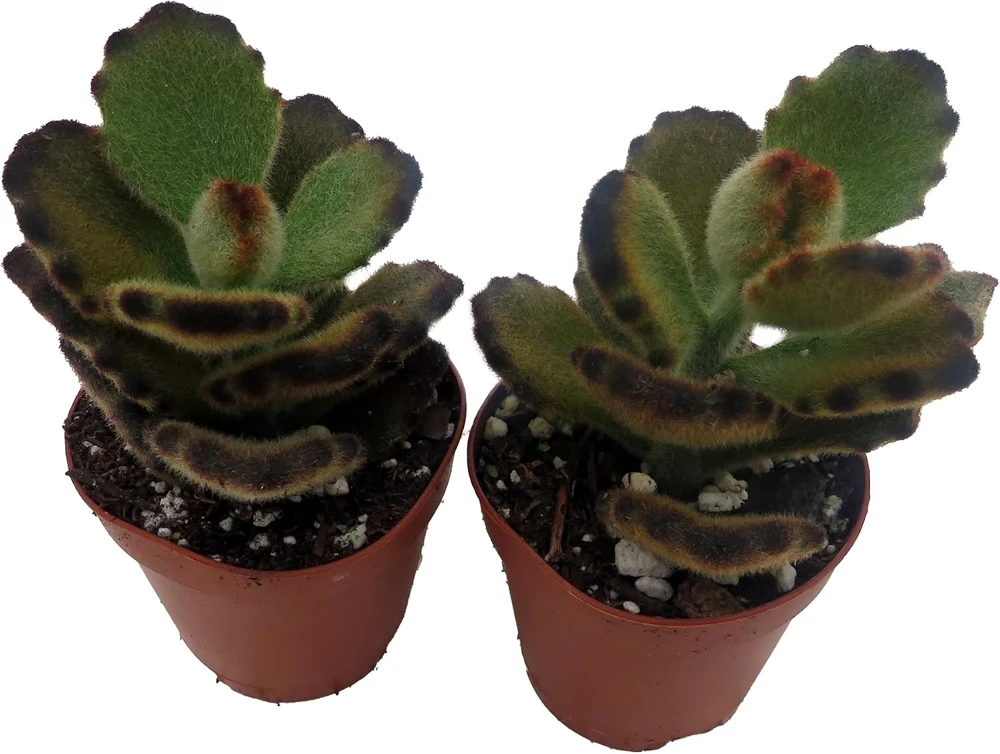
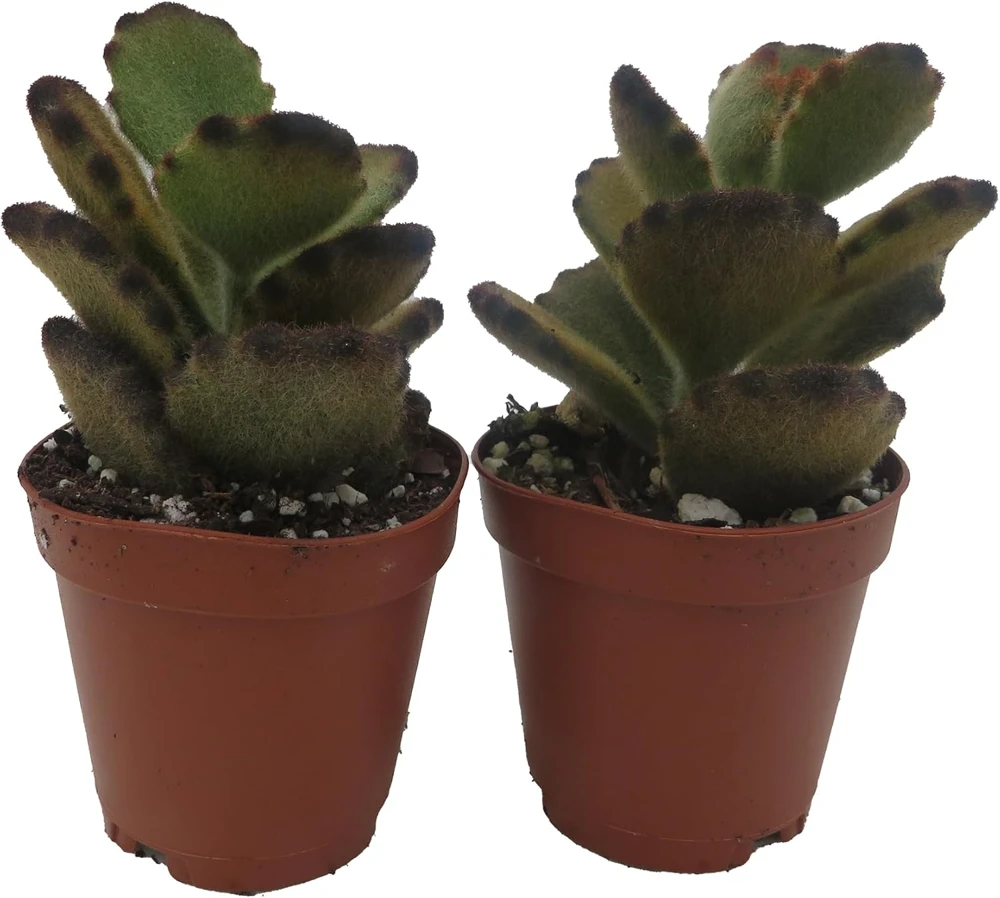
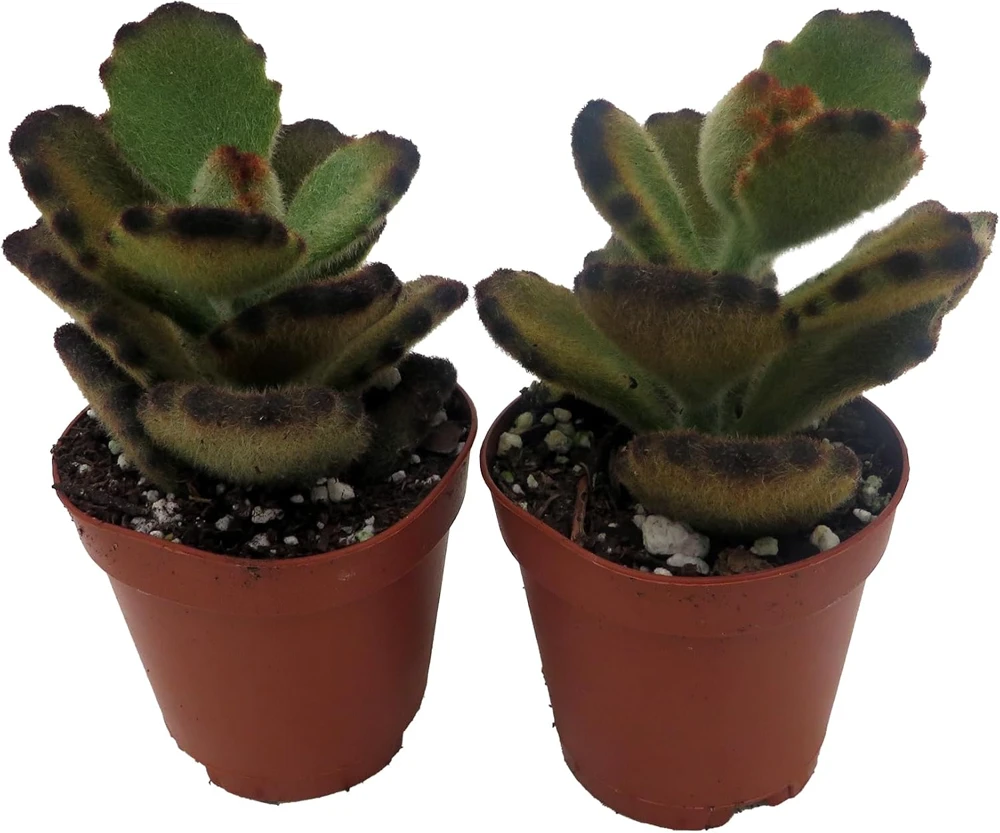
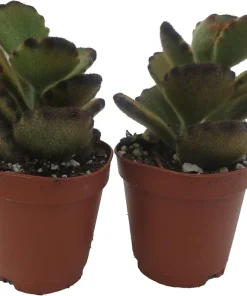
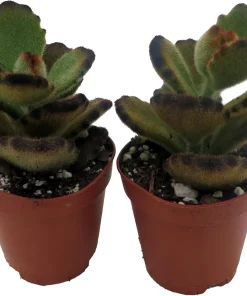
Teddy Bear Kalanchoe Live Plant – 2 Pack, 2 inch Pot Succulents for Indoors
Original price was: $41.99.$31.99Current price is: $31.99.
Introduce the unique charm of the teddy bear kalanchoe live plant into your home. This delightful succulent features fuzzy, brown-edged leaves, making it a standout addition to any collection. Perfect for bright indoor spots, these easy care houseplants are ideal for beginners and experienced plant parents alike.
- Comes as a 2-pack of 2-inch potted plants
- Velvety, brown-tipped foliage
- Low maintenance and drought-tolerant
Estimated arrival
Sep 29
Oct 04 - Oct 06
Oct 09 - Oct 13
Shop With Confidence
30-Day Plant Health Guarantee
Arrives damaged? We’ll replace it free — see our return policy.
Responsive Support
Email us anytime, we reply within 1 business day.
Expert Packaging
Temperature-controlled shipping to protect your plants in transit.
Secure Checkout
Pay safely with Visa, Mastercard, PayPal.
Plant Specifications
-
USDA Hardiness Zone
USDA zones 9-11 (outdoors), typically grown indoors -
Soil Type
Well-draining succulent or cactus potting mix -
Sunlight Exposure
Bright direct to indirect light -
Expected Planting Period
Year-round indoors
Overview
Welcome a touch of whimsical nature into your living space with the exquisite teddy bear kalanchoe live plant. Also known by its botanical name, Kalanchoe tomentosa, and affectionately called ‘Panda Plant’ or ‘Cat Ears’ due to its distinctive fuzzy, felt-like leaves, this succulent is a true conversation starter. Originating from Madagascar, this charming plant gets its ‘Teddy Bear’ moniker from the soft, velvety texture and attractive brown coloring that outlines its plump, paddle-shaped leaves. Unlike many other succulents, the teddy bear kalanchoe live plant thrives indoors, making it an excellent choice for heated homes and offices. It’s a robust and forgiving succulent that promises to bring unique visual and tactile appeal to your plant collection.
Each order includes two healthy teddy bear kalanchoe live plant specimens, each nestled in its own 2-inch pot, ready to be displayed or transplanted. These compact plants are perfect for windowsills, desks, or as part of a succulent arrangement. Their unique appearance and relatively simple care requirements make them a popular choice for both seasoned plant enthusiasts and those just beginning their green journey. Experience the joy of watching these fascinating succulents grow and add a distinctive touch of natural beauty to your indoor environment.
Key Benefits
The teddy bear kalanchoe live plant offers a multitude of benefits that extend beyond its undeniable aesthetic appeal, making it a valuable addition to any home or office. Its distinctive features contribute to a more engaging and vibrant living space.
- Unique Velvety Texture: The most striking feature of the teddy bear kalanchoe live plant is its soft, fuzzy leaves. This tactile quality makes it a delightful plant to interact with and a unique sensory experience compared to other succulents.
- Charming Appearance: With its plump, paddle-shaped leaves edged in chocolate brown, the ‘Teddy Bear’ Kalanchoe adds a playful yet sophisticated touch to any decor. Its compact size ensures it fits perfectly in small spaces.
- Low Maintenance: As with many succulents, kalanchoe tomentosa care is remarkably straightforward. It’s an ideal choice for busy individuals or those new to plant care, requiring minimal attention to thrive.
- Drought Tolerant: This plant is naturally adapted to arid conditions, meaning it can withstand periods of neglect and requires infrequent watering, reducing the risk of overwatering.
- Excellent Indoor Plant: Thriving in bright indoor light, it’s perfectly suited for homes and offices, especially in areas with good natural light exposure. It helps to purify the air, contributing to a healthier indoor environment.
- Air Purification: Like other houseplants, the fuzzy succulent plant contributes to improved indoor air quality by absorbing toxins and releasing oxygen, promoting a fresher and more invigorating atmosphere.
- Versatile Decor: Its unique appearance makes it a fantastic accent plant for various decor styles, from modern minimalist to rustic bohemian. It can be displayed individually or as part of a larger succulent garden.
Plant Care & Growing Tips
Caring for your teddy bear kalanchoe live plant is a rewarding experience, as these succulents are known for their resilience and adaptability. To ensure your plants flourish, understanding their specific needs is key. They thrive on consistency and appreciate a bright, stable environment. Proper kalanchoe tomentosa care revolves primarily around light, water, and well-draining soil.
Sunlight requirements: The ‘Teddy Bear’ Kalanchoe loves bright light. Place your plants in a location where they can receive at least 4-6 hours of direct sunlight per day. A south-facing window is often ideal for indoor cultivation. While they can tolerate some partial shade, prolonged periods of low light can lead to leggy growth and duller leaf coloration. If natural light is insufficient, consider supplementing with a grow light to maintain their vibrant appearance and compact form. This will help your indoor succulent plants maintain their characteristic fuzzy texture and rich brown tips.
Watering schedule and soil moisture preferences: Overwatering is the most common cause of problems for succulents. Allow the soil to dry out completely between waterings. When you do water, do so thoroughly until water drains from the bottom of the pot. In warmer months, this might mean watering every 2-4 weeks, while in cooler months, it could be as infrequent as once a month or even less. Always check the soil moisture with your finger before watering. If in doubt, it’s better to underwater than overwater. This approach is crucial for the health of any fuzzy succulent plant.
Soil type and drainage requirements: A well-draining potting mix is absolutely essential for the Kalanchoe tomentosa. A standard succulent or cactus mix is perfect. You can also create your own by mixing regular potting soil with perlite, pumice, or coarse sand in a 1:1 ratio. The pot itself should have drainage holes to prevent water from sitting at the bottom and causing root rot. Good drainage is paramount for healthy roots and overall plant vitality.
Temperature range and USDA hardiness zone: These plants prefer warm temperatures, ideally between 60-75°F (15-24°C). They are not frost-tolerant and should be protected from temperatures below 50°F (10°C). If grown outdoors in suitable climates, they are typically hardy in USDA zones 9-11. For most US customers, these are best grown as easy care houseplants.
Fertilization schedule and type: Kalanchoe tomentosa does not require heavy feeding. A light application of a balanced, diluted liquid fertilizer (half-strength) once or twice during the growing season (spring and summer) is usually sufficient. Avoid fertilizing in fall and winter when the plant’s growth slows down. Over-fertilization can harm the plant.
Common problems and solutions: Watch out for common succulent pests like mealybugs or spider mites, which can be treated with insecticidal soap or neem oil. If leaves turn yellow and mushy, it’s a sign of overwatering. If they shrivel, it’s a sign of underwatering. Adjust your watering schedule accordingly. Providing adequate light prevents leggy growth and helps maintain the plant’s attractive, compact form.
Size & Details
This offering includes two distinct teddy bear kalanchoe live plant specimens, each cultivated in its own 2-inch nursery pot. These plants are carefully nurtured to ensure they arrive healthy and ready to thrive in their new home. At this stage, each plant typically stands approximately 2-4 inches tall from the soil line, with a spread of about 2-3 inches, making them perfectly sized for small decorative pots, terrariums, or as part of a succulent garden arrangement. They are compact growers, generally reaching a mature height of 1-2 feet and a similar spread over several years under optimal conditions. Their growth rate is moderate, allowing you to enjoy their charming juvenile form for an extended period.
The plants are shipped in their nursery pots with appropriate soil to minimize transplant shock and ensure their well-being during transit. Upon arrival, they will be robust and ready for immediate display or repotting into a slightly larger container if desired. The fuzzy, brown-edged leaves are already well-developed, showcasing the characteristic appearance that gives this fuzzy succulent plant its endearing name. These small, yet impactful, plants are an excellent way to introduce unique texture and subtle color into any indoor setting, offering a delightful visual and tactile experience for any plant lover.
Frequently Asked Questions
- Q: How big does this plant get? A: The teddy bear kalanchoe live plant typically grows to a mature height of 1 to 2 feet (30-60 cm) and a similar spread when given ideal growing conditions. However, in a 2-inch pot, it will remain smaller for an extended period.
- Q: What size pot does it come in? A: Each fuzzy succulent plant in this 2-pack comes in its own 2-inch diameter nursery pot, ready for display or transplanting.
- Q: Is this an indoor or outdoor plant? A: While it can be grown outdoors in warm, frost-free climates (USDA zones 9-11), the ‘Teddy Bear’ Kalanchoe is primarily cultivated as an indoor plant in most regions due to its sensitivity to cold. It is an excellent example of indoor succulent plants.
- Q: How much sunlight does it need? A: This succulent requires bright light, ideally 4-6 hours of direct sunlight per day. A south-facing window is usually best for optimal growth and to maintain its vibrant leaf coloration.
- Q: Is this plant easy to care for? A: Yes, the teddy bear kalanchoe live plant is considered very easy to care for, making it an excellent choice for beginners and those looking for low-maintenance plants. Its drought tolerance means infrequent watering.
- Q: What condition will it arrive in? A: Your plants will arrive healthy, carefully packaged in their 2-inch nursery pots with soil, ensuring they are well-protected during transit and ready to thrive in your home.
- Q: How often should I water my Kalanchoe? A: Water only when the soil has completely dried out. The frequency will vary depending on light, temperature, and humidity, but generally every 2-4 weeks during warmer months and less often in winter. This is a key aspect of proper kalanchoe tomentosa care.
- Q: Is this plant pet-safe? A: Kalanchoe species are generally considered toxic to pets if ingested. It’s best to keep this plant out of reach of curious pets.
- Q: Can I propagate this plant? A: Yes, Kalanchoe tomentosa is relatively easy to propagate from leaf or stem cuttings. Allow the cuttings to callous for a few days before planting them in well-draining soil.
- Q: What kind of soil is best for this succulent? A: A well-draining succulent or cactus potting mix is ideal for the teddy bear kalanchoe live plant. You can also amend regular potting soil with perlite or pumice for improved drainage.
Be the first to review “Teddy Bear Kalanchoe Live Plant – 2 Pack, 2 inch Pot Succulents for Indoors”
People Also Viewed
Herbs
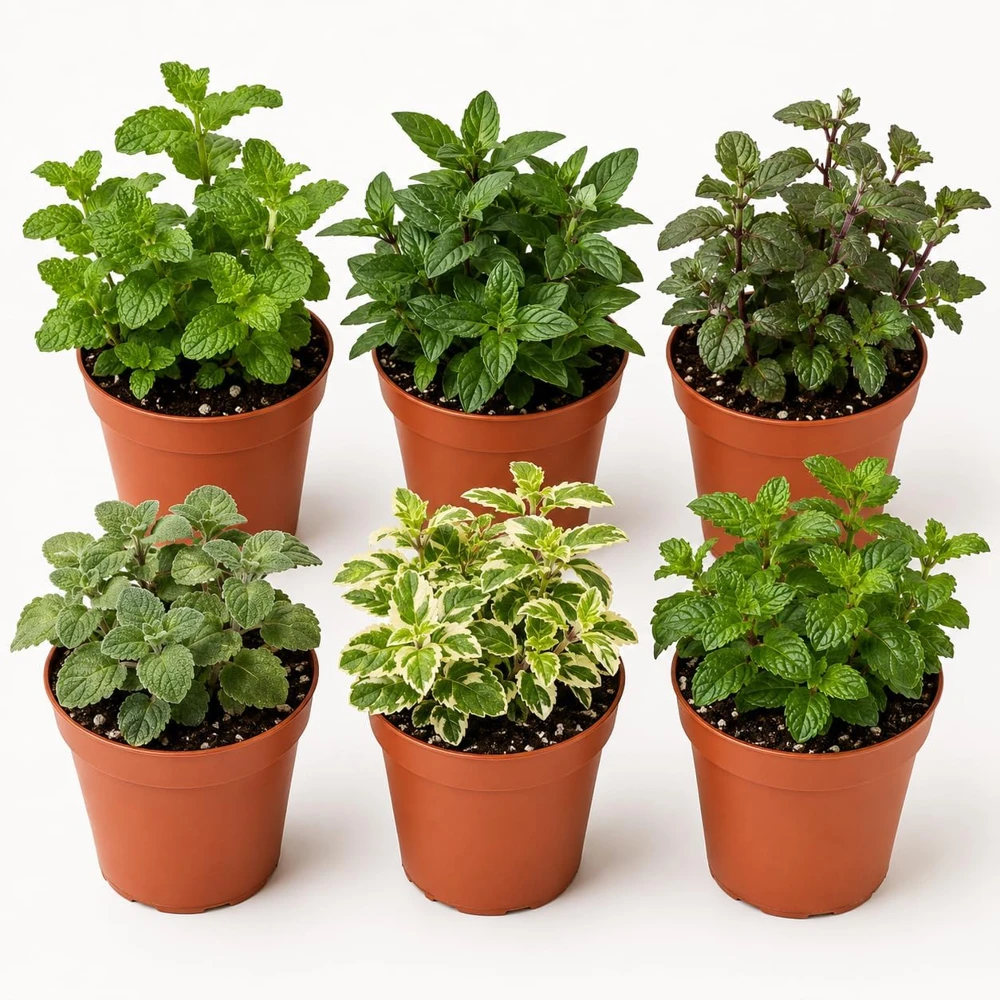
Set of 3 Mint Live Plants – Fragrant Culinary Herb Starter Plants for Garden & Patio, 4-7 Inch Tall
Reviews
There are no reviews yet.