
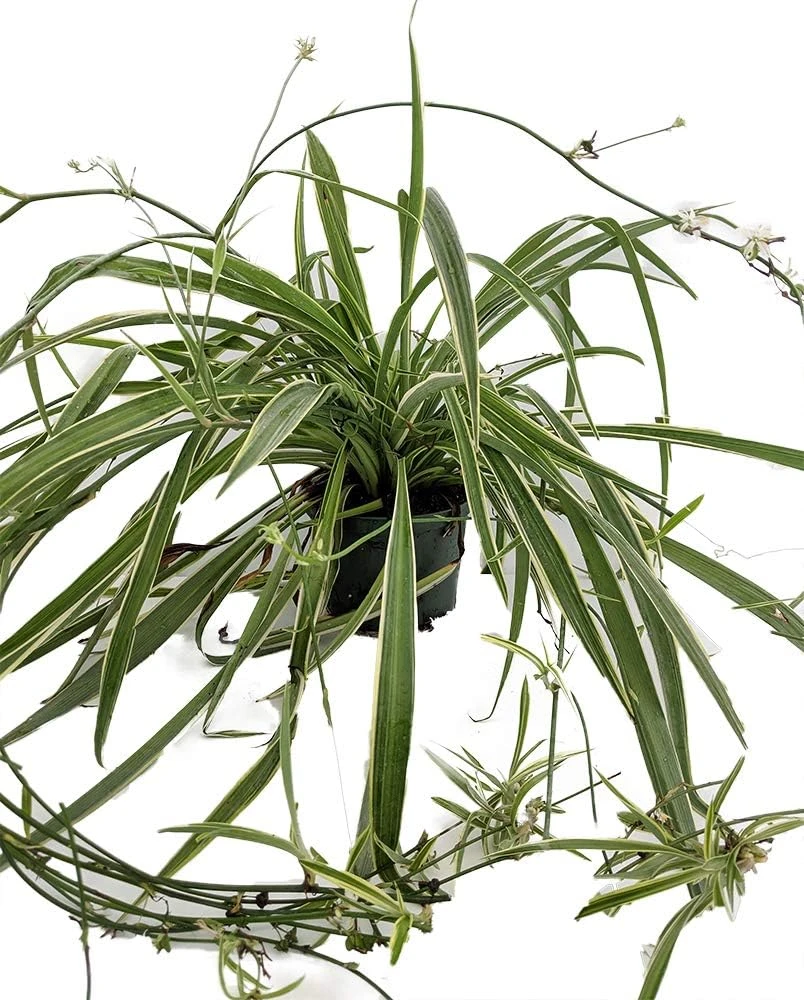
Reverse Variegated Spider Plant Live Plant – 4 inch Pot – Air Purifying Indoor Houseplant
Original price was: $47.99.$37.99Current price is: $37.99.
Bring natural beauty and cleaner air into your home with a reverse variegated spider plant. This popular indoor spider plant features striking green and white foliage, making it a perfect decorative and functional addition to any room. Known for its air-purifying qualities, it helps remove common indoor pollutants.
Estimated arrival
Sep 29
Oct 04 - Oct 06
Oct 09 - Oct 13
Shop With Confidence
30-Day Plant Health Guarantee
Arrives damaged? We’ll replace it free — see our return policy.
Responsive Support
Email us anytime, we reply within 1 business day.
Expert Packaging
Temperature-controlled shipping to protect your plants in transit.
Secure Checkout
Pay safely with Visa, Mastercard, PayPal.
Plant Specifications
-
USDA Hardiness Zone
year-round indoors -
Soil Type
well-draining potting mix -
Sunlight Exposure
bright indirect light -
Expected Planting Period
year-round indoors
Overview
Introduce a touch of vibrant greenery and remarkable air-cleansing power to your living space with the reverse variegated spider plant. This captivating live plant, scientifically known as Chlorophytum comosum ‘Reverse Variegatum’, is a true indoor gardening favorite. Its distinctive foliage features a bright green center stripe flanked by creamy white margins, creating a visually appealing contrast that brightens any room. The reverse variegation makes it stand out from typical spider plants. Valued not only for its aesthetic appeal but also for its robust nature and ease of care, this indoor spider plant is an excellent choice for both novice and experienced plant enthusiasts. It’s a fantastic addition to homes, offices, or dorms, thriving in various indoor conditions and offering significant health benefits through its air-purifying capabilities.
The reverse variegated spider plant is celebrated for its ability to filter common indoor toxins from the air, including formaldehyde and carbon monoxide. This makes it more than just a decorative item; it’s a living air purifier. This particular variety is cherished for its unique color pattern, which adds a fresh and dynamic element to your plant collection. It’s a resilient plant that tolerates a range of conditions, making it an ideal choice for busy individuals or those new to plant care. Elevate your indoor environment with this beautiful and beneficial live plant.
Key Benefits
The reverse variegated spider plant offers numerous advantages that make it a highly desirable houseplant. Its combination of beauty, resilience, and health benefits contributes to a more pleasant and healthy indoor atmosphere. Discover the key benefits this wonderful plant brings:
-
Superior Air Purification: Renowned for its exceptional air-purifying qualities, the reverse variegated spider plant effectively removes harmful toxins such as formaldehyde, xylene, and carbon monoxide from your indoor environment. This helps to improve air quality and promote a healthier living space.
-
Stunning Reverse Variegation: Unlike common spider plants, this variety boasts a unique green central stripe with creamy white edges, providing a striking visual appeal. This distinctive green and white foliage plant adds a sophisticated touch to any decor.
-
Low Maintenance & Easy Care: Perfect for beginners, this plant is incredibly forgiving and requires minimal attention. It thrives on neglect, making it an ideal choice for those with busy lifestyles or new to plant care. Its resilience ensures long-lasting beauty with little effort.
-
Adaptable to Various Light Conditions: While it prefers bright, indirect light, the reverse variegated spider plant can tolerate lower light conditions and artificial lighting, making it suitable for a wide range of indoor settings, including offices and rooms with limited natural light.
-
Pet-Friendly: Spider plants are generally considered non-toxic to cats and dogs, offering peace of mind for pet owners who wish to incorporate more greenery into their homes.
-
Easy Propagation: This plant readily produces ‘plantlets’ or ‘spiderettes’ on long arching stems, which can be easily detached and rooted to create new plants. This allows for effortless propagation and sharing with friends and family.
-
Enhances Aesthetic Appeal: Its graceful arching leaves and contrasting colors add a vibrant, natural element to any room, contributing to a calming and inviting atmosphere. It’s a beautiful decorative piece that also cleans the air.
Plant Care & Growing Tips
Caring for your reverse variegated spider plant is straightforward, making it one of the most popular and rewarding houseplants. With just a few simple guidelines, you can ensure your plant remains healthy, vibrant, and continues to produce its characteristic plantlets. Proper care will enhance its striking green and white foliage plant appearance and maximize its air-purifying benefits.
For sunlight, the reverse variegated spider plant thrives in bright, indirect light. Placing it near an east or north-facing window is often ideal. While it can tolerate lower light, too little light may diminish the variegation and growth rate. Avoid direct, harsh sunlight, especially during the afternoon, as this can scorch its delicate leaves, turning them brown or yellow. Artificial light, such as that found in office environments, is also well-tolerated, allowing this plant to flourish in various indoor settings.
When it comes to watering, keep the soil consistently moist but never waterlogged. Allow the top inch or two of soil to dry out between waterings. Overwatering can lead to root rot, which is detrimental to the plant’s health. Conversely, allowing the soil to dry out completely for extended periods can stress the plant. Use a well-draining potting mix to ensure excess water can escape. Average room temperatures between 60-75°F (18-24°C) are ideal, and it appreciates moderate to high humidity. While it tolerates typical household humidity, occasional misting or placing it near a humidifier can be beneficial, especially in dry environments. Fertilize sparingly, typically once a month during the growing season (spring and summer) with a balanced liquid houseplant fertilizer diluted to half strength. Excessive fertilization can inhibit the production of plantlets. Regularly remove any yellow or dried leaves to maintain a tidy appearance and encourage new growth. This simple spider plant care routine will ensure your plant thrives.
Size & Details
This reverse variegated spider plant is provided as a healthy, established live plant, perfectly sized for immediate display and growth. It comes rooted in a 4 inch pot, offering a compact yet robust specimen ready to enhance your indoor space. At this stage, the plant typically stands approximately 6-10 inches tall from the base of the pot, with a spread that will gradually expand as it matures. Spider plants are known for their moderate growth rate, quickly filling out their pots and eventually producing cascading plantlets. Expect it to develop into a beautiful, full-bodied plant within a few months with proper care.
The plant is shipped in its nursery pot with well-drained soil, carefully packaged to ensure its safe arrival. As it grows, you may choose to repot it into a slightly larger container, such as a 6-8 inch pot, to accommodate its expanding root system and foliage. This plant is a fantastic choice for desks, shelves, hanging baskets, or as a vibrant floor accent. Its manageable size makes it versatile for various placements throughout your home or office, providing continuous beauty and air-purifying benefits.
Frequently Asked Questions
-
Q: How big does a reverse variegated spider plant typically get? A: A reverse variegated spider plant in a 4-inch pot typically arrives 6-10 inches tall. With proper care, it can grow to a mature size of 1-2 feet in height and spread, producing long arching stems with numerous plantlets.
-
Q: Is this an indoor or outdoor plant? A: This is primarily an indoor spider plant. While it can be grown outdoors in shaded areas in very warm climates (USDA Zones 9-11), it is best suited for indoor environments where temperatures are stable and frost-free.
-
Q: How much sunlight does a reverse variegated spider plant need? A: It prefers bright, indirect light. Avoid direct harsh sunlight which can scorch its leaves. It can tolerate lower light conditions but may show less vibrant variegation and slower growth. Artificial light also works well.
-
Q: Is this plant easy to care for, especially for beginners? A: Yes, the reverse variegated spider plant is renowned for being very easy to care for, making it an excellent choice for beginners. It’s tolerant of various conditions and forgiving of occasional neglect, requiring minimal maintenance.
-
Q: What condition will the plant arrive in? A: Your reverse variegated spider plant will arrive as a healthy, live plant in its 4-inch nursery pot, carefully packaged to minimize stress during transit. It will be ready to be placed in your desired location or repotted.
-
Q: Is the reverse variegated spider plant safe for pets? A: Yes, spider plants are generally considered non-toxic to both cats and dogs, making them a safe choice for households with pets. However, it’s always best to prevent pets from consuming large quantities of any plant material.
-
Q: What kind of soil is best for spider plant care? A: A well-draining potting mix is essential for a reverse variegated spider plant. A standard all-purpose potting mix amended with some perlite or sand for improved drainage works very well to prevent waterlogging.
-
Q: How often should I water my indoor spider plant? A: Water when the top inch or two of soil feels dry to the touch. This typically means watering once a week, but it can vary depending on humidity, light, and temperature. Ensure the pot has drainage holes to prevent root rot.
-
Q: Why are the leaves of my green and white foliage plant turning brown at the tips? A: Brown leaf tips on a reverse variegated spider plant are often caused by fluoride in tap water, low humidity, or over-fertilization. Using filtered water, increasing humidity, and fertilizing sparingly can help.
-
Q: When is the best time to repot this plant? A: Repotting is best done in spring or early summer when the plant is actively growing. Repot when the plant becomes root-bound, usually every 1-2 years, into a pot only slightly larger than its current one.
Be the first to review “Reverse Variegated Spider Plant Live Plant – 4 inch Pot – Air Purifying Indoor Houseplant”
People Also Viewed
Vegetable Seeds
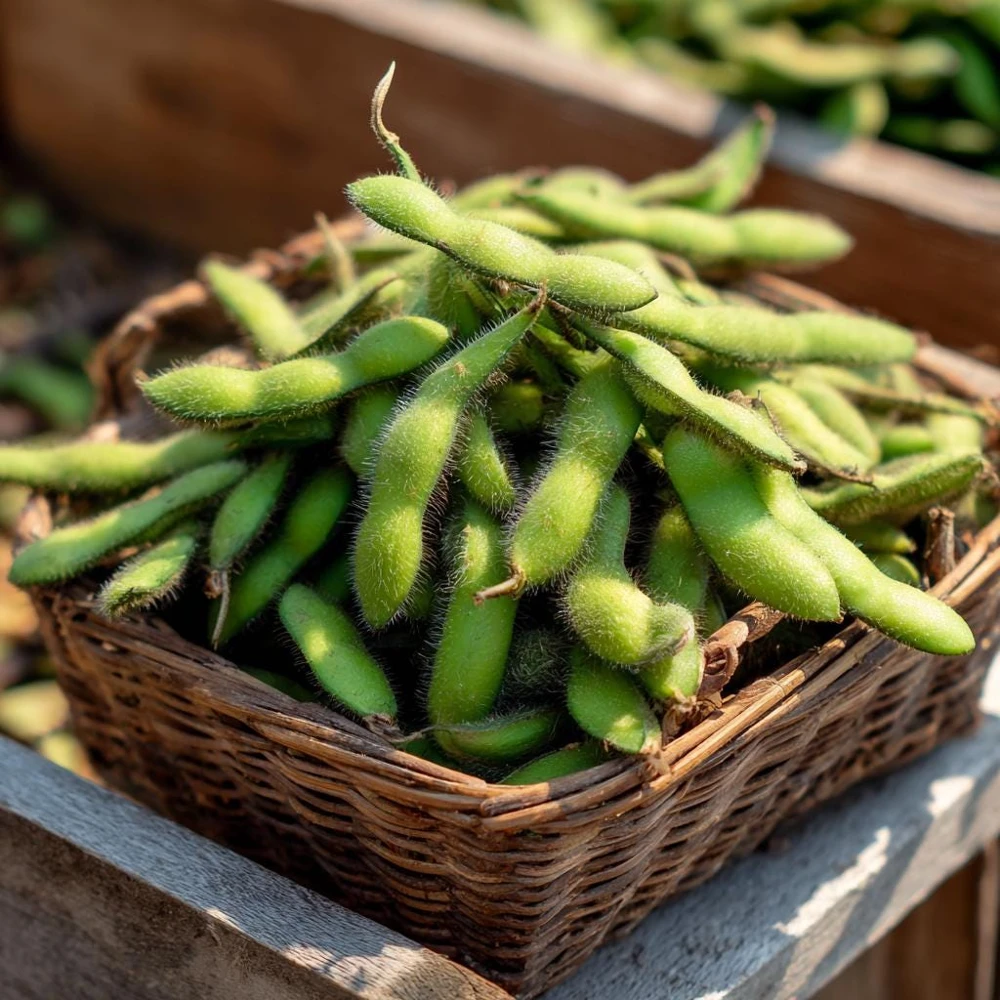
Edamame Seeds – Tender Soybean for Home Gardens, 25 Seed Pack
Houseplants
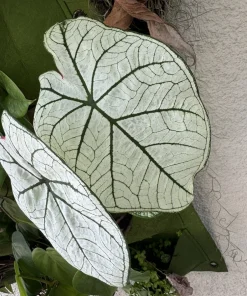
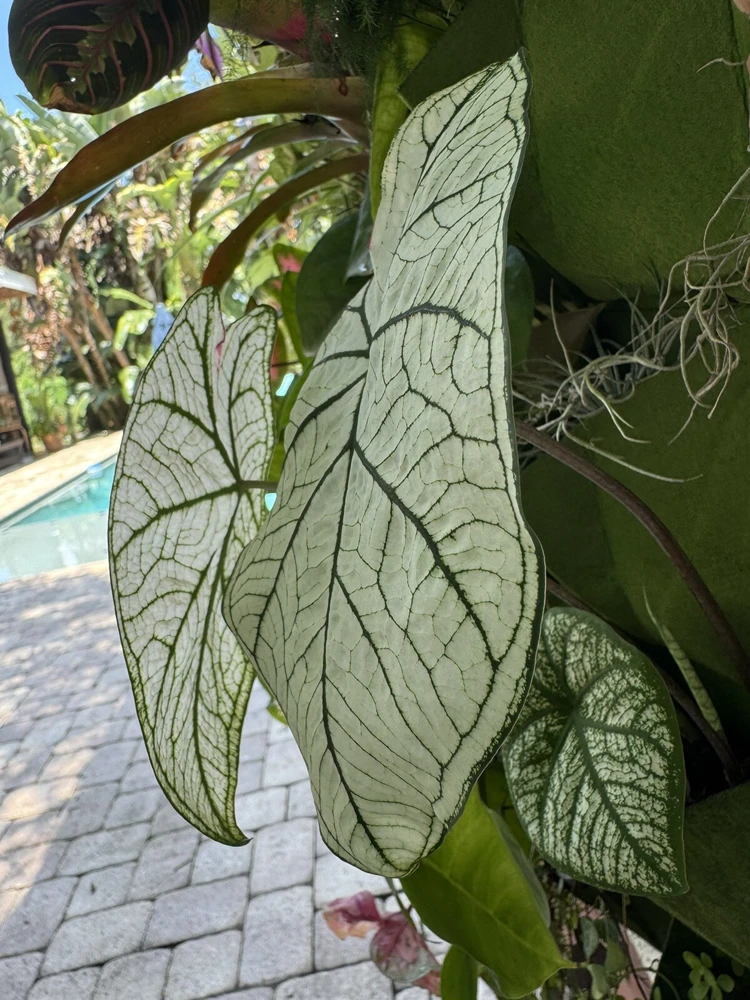
White Christmas Caladium Live Plant – Fancy Leaf Elephant Ear – Tropical Shade Garden Plant
Reviews
There are no reviews yet.