




White Swan Coneflower Live Plant – Echinacea Purpurea – Quart Pot – Outdoor
Original price was: $51.99.$41.99Current price is: $41.99.
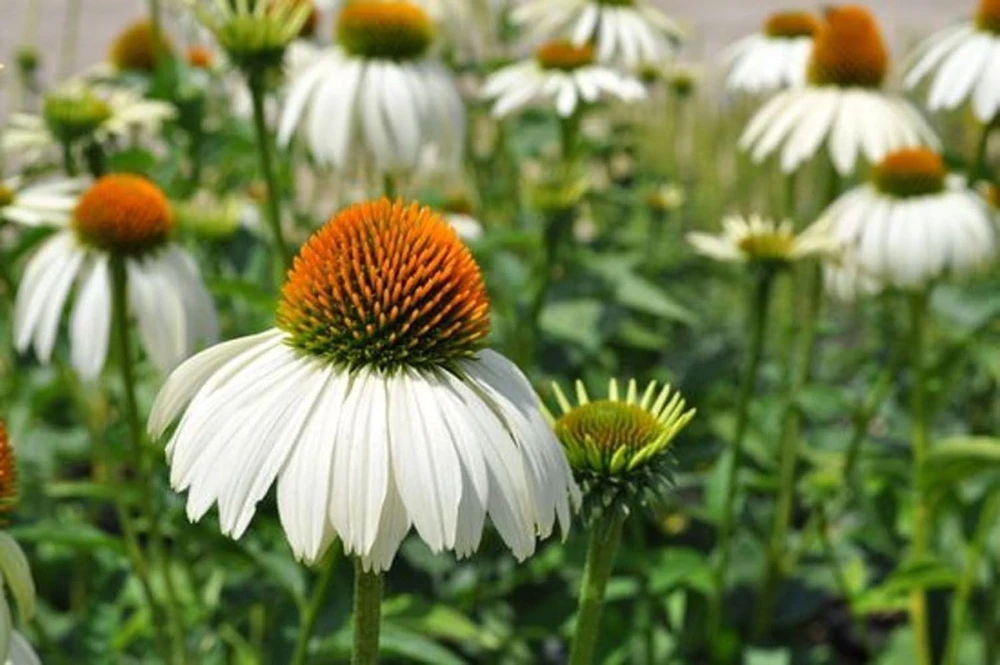
Discover the beauty of white swan coneflower, an easy-to-grow perennial that brings elegant white blooms to your garden. This Echinacea purpurea White Swan variety attracts butterflies and bees while offering deer resistance, making it a perfect addition to any outdoor space.
Estimated arrival
Sep 29
Oct 04 - Oct 06
Oct 09 - Oct 13
Shop With Confidence
30-Day Plant Health Guarantee
Arrives damaged? We’ll replace it free — see our return policy.
Responsive Support
Email us anytime, we reply within 1 business day.
Expert Packaging
Temperature-controlled shipping to protect your plants in transit.
Secure Checkout
Pay safely with Visa, Mastercard, PayPal.
Plant Specifications
-
USDA Hardiness Zone
3-9 -
Soil Type
Well-draining soil -
Sunlight Exposure
Full sun -
Expected Planting Period
Spring to early summer
Overview
Introduce timeless elegance to your garden with the white swan coneflower, a classic and beloved perennial. This exceptional variety, scientifically known as Echinacea purpurea ‘White Swan’, is celebrated for its striking white, daisy-like flowers that grace the landscape from mid-summer through early fall. As a robust and carefree live plant, it thrives in a variety of sunny conditions, making it an ideal choice for both novice and experienced gardeners. The ‘White Swan’ is not only a visual delight but also a powerhouse for attracting beneficial insects, drawing in scores of butterflies and bees with its fragrant blossoms. Its strong, upright stems ensure the flowers remain prominent, providing excellent material for long-lasting bouquets and adding a touch of natural beauty to any border or cutting garden. This resilient perennial coneflower is a must-have for creating a vibrant, wildlife-friendly outdoor sanctuary.
The Echinacea purpurea White Swan is renowned for its generous, long-lasting blooms and its ability to withstand various garden challenges. Its dark green foliage provides a beautiful backdrop for the pristine white petals, creating a stunning contrast in your perennial beds. Beyond its aesthetic appeal, Echinacea is also recognized for its traditional medicinal uses, adding another layer of value to this remarkable plant. Whether you’re aiming to enhance your garden’s visual appeal, support local pollinators, or simply enjoy beautiful cut flowers, the ‘White Swan’ coneflower delivers on all fronts, establishing itself as a true garden essential.
Key Benefits
The white swan coneflower offers a multitude of benefits that make it an indispensable addition to any garden. Its ease of care combined with its ecological contributions and aesthetic charm makes it a top choice for gardeners seeking both beauty and functionality.
- Stunning White Blooms: Produces an abundance of large, fragrant white daisy-like flowers from July to October, adding a bright and cheerful element to your garden throughout the summer and fall seasons. These elegant blooms are perfect for creating serene and inviting outdoor spaces.
- Pollinator Magnet: The vibrant flowers are a major attractor for butterflies and bees, supporting local ecosystems and encouraging biodiversity in your garden. Watching these beneficial insects flit among the blossoms is a delightful experience.
- Deer Resistant: A significant advantage for gardeners in areas with deer, this deer resistant flowers variety helps protect your landscape from browsing damage, ensuring your beautiful blooms remain intact and vibrant.
- Low Maintenance & Easy Care: Known for its hardiness and adaptability, the perennial coneflower ‘White Swan’ requires minimal attention once established. It thrives in full sun and well-drained soil, making it perfect for busy gardeners.
- Excellent Cut Flowers: The strong, stiff stems and long-lasting blooms make ‘White Swan’ an ideal choice for fresh cut flower arrangements, allowing you to bring the beauty of your garden indoors. They add a touch of wild elegance to any bouquet.
- Hardy & Resilient: Tolerant of a wide range of conditions, this plant is hardy in USDA Zones 3-9, ensuring it can withstand various climates and return year after year, providing consistent beauty with minimal effort.
- Medicinal Properties: Traditionally recognized for its immune-boosting properties, Echinacea offers more than just ornamental value, making it a plant with both beauty and historical significance.
Plant Care & Growing Tips
Caring for your white swan coneflower is straightforward, ensuring a season full of beautiful blooms and a thriving garden. To achieve the best results, understanding its basic needs for sunlight, water, and soil is crucial. This resilient plant is an excellent choice for those seeking a low-maintenance yet high-impact garden addition. Proper care for your Echinacea purpurea White Swan will ensure it flourishes and provides years of enjoyment.
For optimal growth, plant your coneflower in a location that receives full sun, meaning at least 6 hours of direct sunlight per day. While it can tolerate some partial shade, too little sun may result in fewer flowers and leggy growth. The ideal soil type is well-drained, average to rich garden soil. Echinacea does not like wet feet, so ensure good drainage to prevent root rot. Once established, this deer resistant flowers variety is quite drought-tolerant, but regular watering during prolonged dry spells will promote healthier growth and more abundant blooms. Fertilize sparingly; a balanced slow-release fertilizer in early spring is usually sufficient. Deadheading spent flowers can encourage a second flush of blooms and prevent self-seeding, though leaving some seed heads can provide winter interest and food for birds. This butterfly garden plants favorite is generally pest and disease resistant, making it a truly carefree choice.
Size & Details
The white swan coneflower is a robust perennial that reaches a mature height of approximately 28-36 inches (2.3-3 feet) with a spread of 18-24 inches. This makes it an excellent choice for the middle or back of a border, or as a striking mass planting. This live plant is typically shipped in a Quart Pot, providing a well-established root system ready for planting in your garden. It is a moderately fast grower, establishing itself quickly in optimal conditions. You can expect the fragrant white blooms to appear from July through October, providing a long season of interest.
Hardy in USDA Zones 3-9, this perennial coneflower is suitable for a wide range of climates across the United States. Its ability to tolerate various conditions, coupled with its attractive appearance and benefits for pollinators, makes it a versatile and valuable addition to many garden styles, from cottage gardens to more naturalized landscapes. The strong stems of the ‘White Swan’ ensure that its beautiful flowers stand tall and proud, even in adverse weather, contributing to its reputation as a reliable and stunning garden performer.
Frequently Asked Questions
- Q: How big does this White Swan Coneflower get? A: The white swan coneflower typically reaches a mature height of 28-36 inches (about 2.5 to 3 feet) with a spread of 18-24 inches. This makes it a good choice for mid-border planting or as a focal point in a mixed perennial bed.
- Q: Is this an indoor or outdoor plant? A: This is an outdoor perennial plant, perfectly suited for garden beds, borders, and naturalized areas. It thrives in full sun conditions in the landscape and is not recommended for indoor cultivation.
- Q: How much sunlight does the Echinacea purpurea White Swan need? A: The Echinacea purpurea White Swan requires full sun exposure, meaning it needs at least 6 hours of direct sunlight per day to produce the most abundant blooms and maintain healthy growth.
- Q: Is this plant easy to care for? A: Yes, the white swan coneflower is known for being very easy to grow and low maintenance. Once established, it is drought-tolerant and generally resistant to pests and diseases, making it suitable for gardeners of all experience levels.
- Q: What condition will it arrive in? A: Your coneflower will arrive as a live plant, typically in a Quart Pot, with a healthy root system and foliage ready for planting. We take care to package our plants securely for safe transit.
- Q: How long until it blooms? A: If planted in spring, your perennial coneflower should bloom in its first year, usually starting in July and continuing through October. Established plants will reliably bloom each summer.
- Q: Will it survive winter in my zone? A: Yes, the ‘White Swan’ coneflower is hardy in USDA Zones 3-9, meaning it is well-equipped to survive winter in most temperate climates and will return reliably each spring.
- Q: Is this plant deer resistant? A: Absolutely! This is one of the key benefits of the deer resistant flowers. Deer tend to avoid coneflowers, making them an excellent choice for gardens where deer browsing is a concern.
- Q: Does it attract pollinators? A: Yes, the fragrant blooms of the butterfly garden plants are a strong magnet for butterflies and bees, contributing significantly to pollinator health and biodiversity in your garden.
- Q: What type of soil does it prefer? A: It prefers well-drained soil, from average to rich in organic matter. Good drainage is essential to prevent root rot, so avoid heavy clay soils that retain too much moisture.
Be the first to review “White Swan Coneflower Live Plant – Echinacea Purpurea – Quart Pot – Outdoor”
People Also Viewed
Reviews
There are no reviews yet.