


Dwarf Natal Plum Tree Live Plant – Carissa Macrocarpa – 6 inch Pot – Indoor/Outdoor
Original price was: $87.99.$77.99Current price is: $77.99.
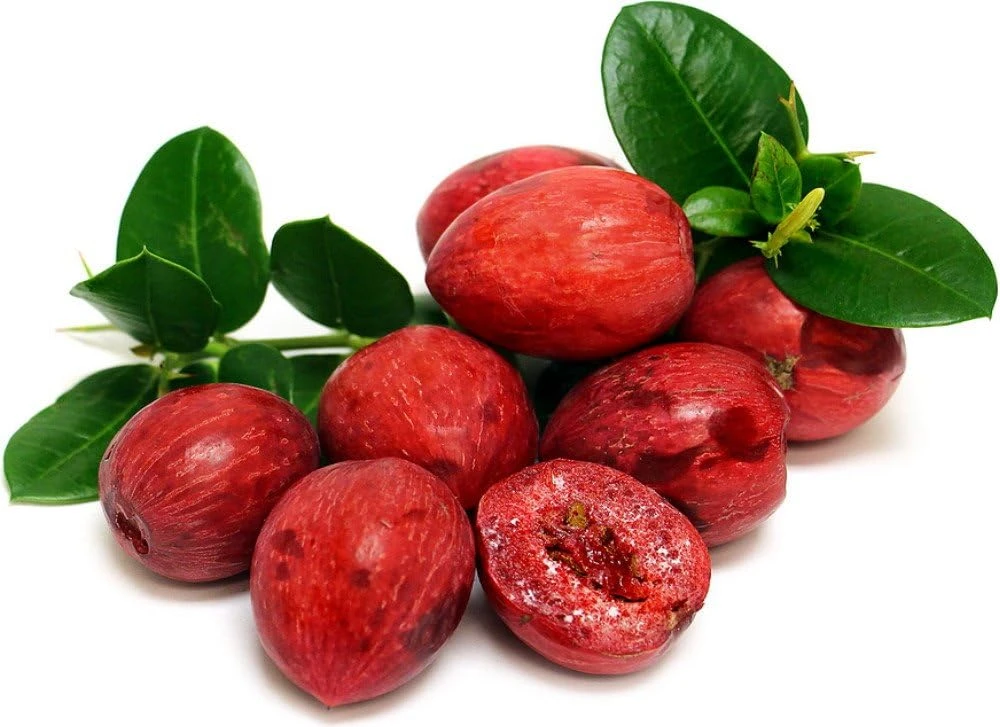
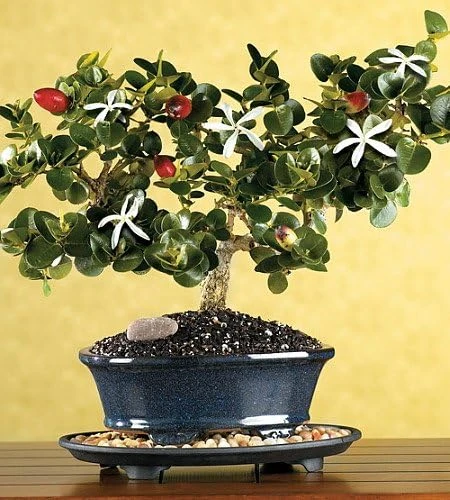
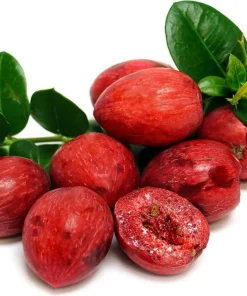
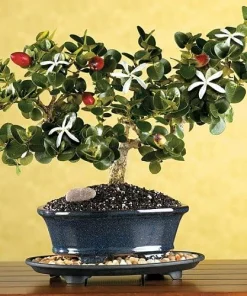
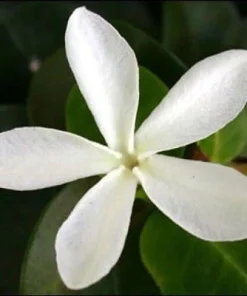
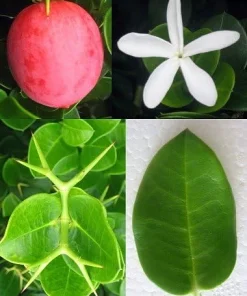
Cultivate a beautiful dwarf natal plum tree (Carissa Macrocarpa) in a 6-inch pot. This versatile live plant boasts fragrant white and pink flowers, followed by 2-inch edible red fruits. Ideal for hedges, patios, or as a striking natal plum bonsai, it’s known for its ease of growth and salt tolerance, making it a robust choice for various landscapes.
Estimated arrival
Sep 29
Oct 04 - Oct 06
Oct 09 - Oct 13
Shop With Confidence
30-Day Plant Health Guarantee
Arrives damaged? We’ll replace it free — see our return policy.
Responsive Support
Email us anytime, we reply within 1 business day.
Expert Packaging
Temperature-controlled shipping to protect your plants in transit.
Secure Checkout
Pay safely with Visa, Mastercard, PayPal.
Plant Specifications
-
USDA Hardiness Zone
USDA zones 9-11 (outdoors), adaptable indoors in all zones -
Soil Type
Well-draining potting mix or sandy loam -
Sunlight Exposure
Full sun to partial shade -
Expected Planting Period
Year-round indoors; Spring to Summer outdoors (in appropriate zones)
Overview
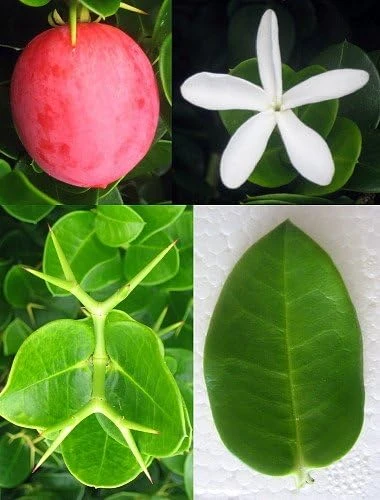
Introduce a touch of South African charm to your garden or home with the exquisite dwarf natal plum tree, scientifically known as Carissa Macrocarpa. This adaptable live plant, arriving in a convenient 6-inch pot, is cherished for its striking aesthetic and practical benefits. Whether you’re looking to create a dense, evergreen hedge, a distinctive free-standing shrub, or an elegant bonsai specimen, the Carissa Macrocarpa delivers with its interestingly formed branches and glossy, deep-green leaves. Beyond its foliage, this plant delights with delicate white and pink flowers that eventually give way to attractive, egg-shaped red fruits, adding both visual interest and a culinary treat to your space. Its resilience, including a notable salt tolerance, makes it an excellent choice for a variety of environments, from coastal gardens to urban patios.
The dwarf natal plum tree is a true horticultural gem, offering year-round appeal. Its compact growth habit makes it suitable for smaller gardens or container planting, allowing for flexibility in its placement. This particular variety is chosen for its manageable size, ensuring it remains a focal point without overwhelming its surroundings. It’s an ideal option for gardeners seeking a plant that combines beauty, functionality, and ease of care, promising vibrant blooms and delicious fruit for many seasons to come.
Key Benefits
The dwarf natal plum tree offers a multitude of benefits, making it a highly desirable addition to any plant collection. Its unique attributes contribute to both aesthetic appeal and practical use:
- Decorative Versatility: This plant excels in various landscaping roles, from formal hedges to standalone specimens. Its naturally appealing structure and evergreen foliage provide year-round beauty, enhancing any garden or indoor setting.
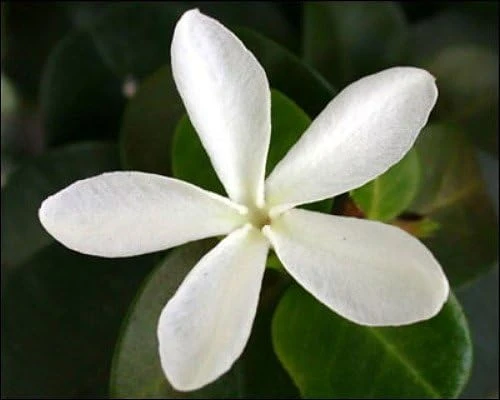
- Fragrant Blooms: Enjoy the delightful scent of its white and pink flowers, which add a sensory dimension to your outdoor or indoor space. These blossoms are not only fragrant but also visually appealing against the dark green leaves.
- Edible Fruit Production: The Carissa Macrocarpa produces 2-inch, egg-shaped red fruits that are not only decorative but also edible. The fruit can be enjoyed fresh or used to make delicious preserves, similar to cranberries, offering a unique culinary experience. This makes it a rewarding choice for those interested in edible fruit plant varieties.
- Low Maintenance & Easy to Grow: Known for its robust nature, the dwarf natal plum tree is surprisingly easy to care for, making it suitable for both experienced gardeners and beginners. It adapts well to various conditions, requiring minimal intervention once established.
- Salt Tolerance: A significant advantage of the Carissa Macrocarpa is its excellent salt tolerant plant characteristic. This makes it an ideal choice for coastal regions or areas where soil salinity might be an issue, thriving where many other plants struggle.
- Bonsai Potential: Its naturally interesting branching and compact growth make it an outstanding candidate for bonsai cultivation. Those interested in creating a unique natal plum bonsai will find this plant highly rewarding, allowing for artistic shaping and training.
- Adaptable to Cool Climates: In cooler regions, this versatile plant can be successfully grown as a patio plant, a houseplant, or even a bonsai, extending its reach beyond traditional outdoor gardening zones.
Plant Care & Growing Tips
Caring for your dwarf natal plum tree, or Carissa Macrocarpa, is straightforward, allowing even novice gardeners to achieve success. This resilient plant thrives with proper attention to its environmental needs. For sunlight, the Dwarf Natal Plum prefers full sun to partial shade. In hotter climates, some afternoon shade can protect it from scorching, while in cooler regions, it will benefit from as much direct sunlight as possible to encourage flowering and fruiting. Aim for at least 6 hours of direct sunlight daily for optimal growth and fruit production. When grown indoors, place it near a bright, south-facing window or supplement with a grow light to ensure it receives adequate light.
Watering should be consistent, especially during dry periods and while the plant is establishing. Allow the top inch or two of soil to dry out between waterings to prevent root rot, as the Carissa Macrocarpa prefers well-drained conditions. Once established, it becomes quite drought-tolerant, but regular watering will promote healthier growth and more abundant fruiting. For soil, a well-draining mix is crucial. A sandy loam or a standard potting mix amended with perlite or coarse sand for improved drainage is ideal. The plant is adaptable to various soil types but will not tolerate consistently soggy conditions. It is known to thrive in USDA hardiness zones 9-11, where it can be grown outdoors year-round. In cooler zones, it should be brought indoors during winter or treated as an annual.
Fertilize your dwarf natal plum tree during the growing season (spring and summer) with a balanced, slow-release fertilizer. Reduce feeding in fall and winter when growth naturally slows. Pruning can be done to maintain shape, encourage bushier growth, or train it as a natal plum bonsai. Prune after the fruiting season to avoid cutting off new flowers and fruits. Watch out for common pests like scale insects or mealybugs, which can be treated with horticultural oil or insecticidal soap. Providing good air circulation and avoiding overwatering will help prevent fungal issues. With these simple care guidelines, your Carissa Macrocarpa will flourish, providing beauty and delicious fruit for years.
Size & Details
This offering is for one dwarf natal plum tree, Carissa Macrocarpa, supplied in a 6-inch nursery pot. The plant’s height will vary depending on its growth stage but typically ranges from 8 to 12 inches tall upon arrival, ready for transplanting or display. This compact shrub is naturally slow-growing, making it an excellent choice for containers or smaller garden spaces where a controlled size is desired. When mature, it can reach heights of 4 to 7 feet if left unpruned, with a similar spread, forming a dense and attractive specimen. However, with regular pruning, it can be maintained at a much smaller size, perfect for a natal plum bonsai or a compact hedge. Expect the plant to begin producing its fragrant flowers and edible red fruits within 1-2 years under optimal growing conditions. It ships as a healthy, established live plant, ensuring a strong start in your home or garden.
Frequently Asked Questions
- Q: How big does this dwarf natal plum tree get? A: If left unpruned, the Dwarf Natal Plum can reach a mature height and spread of 4 to 7 feet. However, it responds very well to pruning and can be easily maintained at a much smaller size, making it suitable for containers or bonsai.
- Q: Is this an indoor or outdoor plant? A: The dwarf natal plum tree is versatile. It thrives outdoors in USDA zones 9-11. In cooler regions, it can be grown as an indoor houseplant, a patio plant that can be brought inside for winter, or a beautiful bonsai specimen.
- Q: How much sunlight does the Carissa Macrocarpa need? A: For best results, the Dwarf Natal Plum prefers full sun to partial shade, ideally receiving at least 6 hours of direct sunlight per day. If growing indoors, place it in the brightest available window.
- Q: Is this plant easy to care for? A: Yes, the dwarf natal plum tree is considered easy to grow and relatively low maintenance. It’s quite resilient, adaptable to various conditions, and known for its drought and salt tolerance once established, making it a good choice for beginners.
- Q: What condition will the live plant arrive in? A: Your dwarf natal plum tree will arrive as a healthy, established live plant in a 6-inch nursery pot, carefully packaged to ensure its safe journey. It will be ready for you to unbox and place in its new home.
- Q: Can I eat the fruit from the Dwarf Natal Plum? A: Yes, the 2-inch, egg-shaped red fruits of the Carissa Macrocarpa are edible. They can be eaten fresh, or used to make preserves, jellies, or pies, offering a tart, cranberry-like flavor.
- Q: What is the best soil type for this salt tolerant plant? A: The Dwarf Natal Plum prefers well-draining soil. A sandy loam mix or a standard potting mix amended with perlite or coarse sand for enhanced drainage is ideal. Avoid heavy, waterlogged soils.
- Q: How long until it flowers and fruits? A: Under optimal growing conditions, your dwarf natal plum tree can begin to flower and produce fruit within 1-2 years of planting. Consistent sunlight and proper care will encourage earlier production.
- Q: Will it survive winter in my zone? A: If you are outside of USDA zones 9-11, the Dwarf Natal Plum will need winter protection. It can be brought indoors, grown in a greenhouse, or protected with frost covers if kept outdoors in marginal zones.
- Q: Is the carissa macrocarpa plant suitable for bonsai? A: Absolutely! The Carissa Macrocarpa is an excellent choice for bonsai due to its naturally interesting branching structure, small leaves, and ability to be pruned and shaped effectively. Its attractive flowers and fruit add to its appeal as a bonsai.
Be the first to review “Dwarf Natal Plum Tree Live Plant – Carissa Macrocarpa – 6 inch Pot – Indoor/Outdoor”
People Also Viewed


Reviews
There are no reviews yet.