
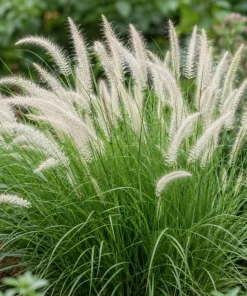
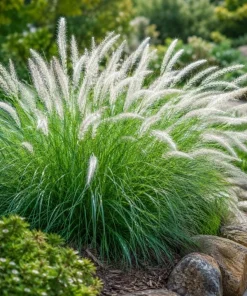
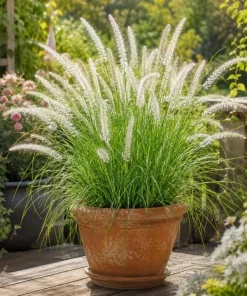
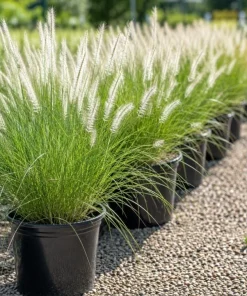
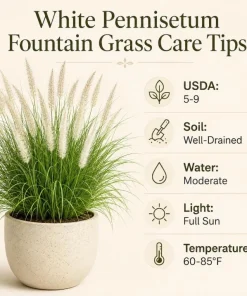
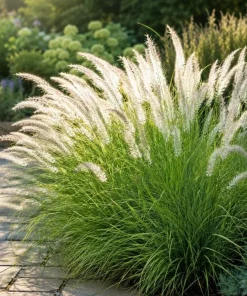
White Fountain Grass Live Plant 4-6 Inch Tall, Pennisetum Ornamental Grass for Landscaping
Original price was: $42.99.$17.99Current price is: $17.99.
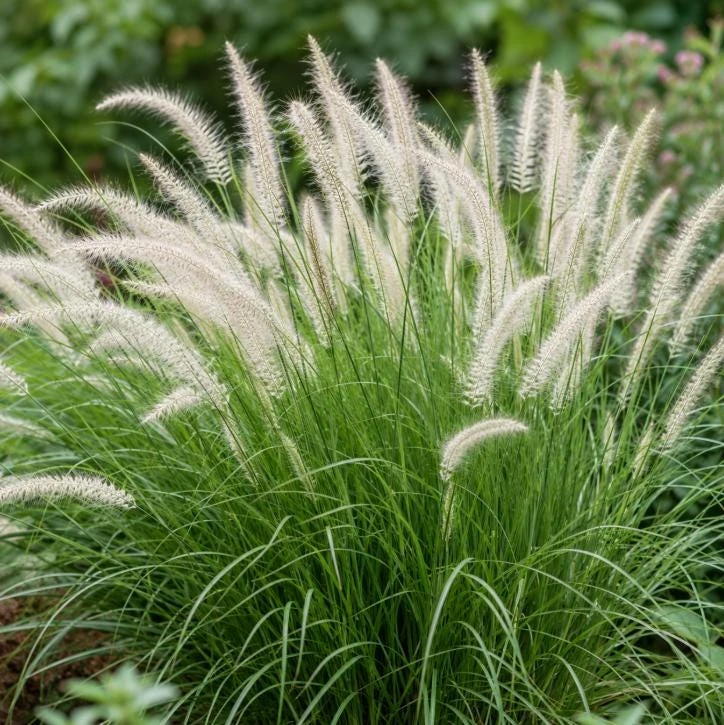
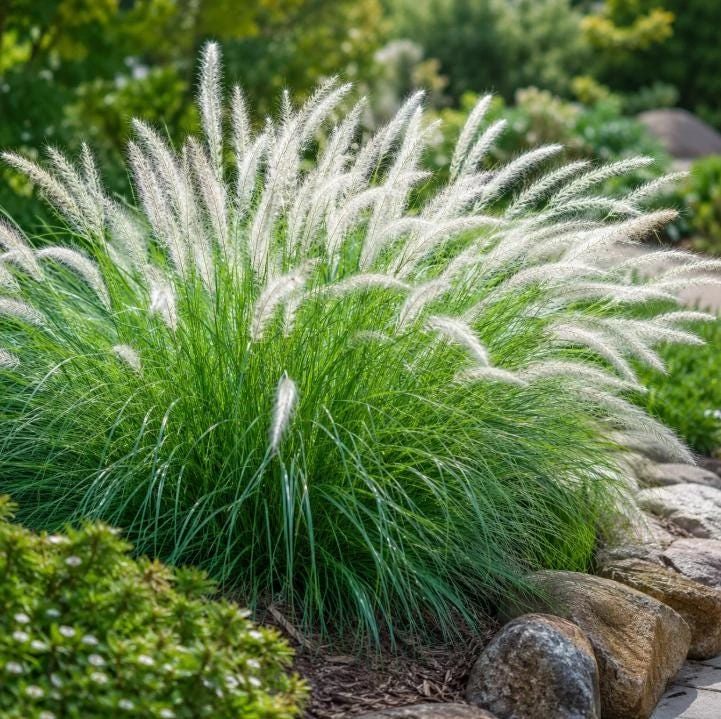
Add elegance to your landscape with this white fountain grass live plant. Perfect for borders, containers, and mass plantings, this Pennisetum alopecuroides thrives in full sun and offers graceful plumes. Establish a beautiful, low-maintenance ornamental feature in your garden.
Estimated arrival
Oct 14
Oct 19 - Oct 21
Oct 24 - Oct 28
Shop With Confidence
30-Day Plant Health Guarantee
Arrives damaged? We’ll replace it free — see our return policy.
Responsive Support
Email us anytime, we reply within 1 business day.
Expert Packaging
Temperature-controlled shipping to protect your plants in transit.
Secure Checkout
Pay safely with Visa, Mastercard, PayPal.
Plant Specifications
-
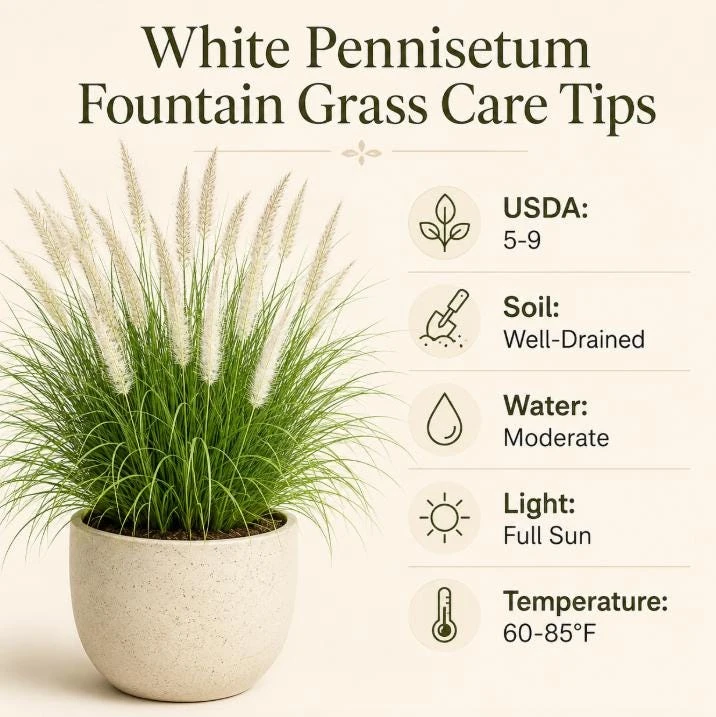
USDA Hardiness Zone
5–9 -
Soil Type
Well-draining soil; adapts to sandy, loamy, or average garden soil. -
Sunlight Exposure
Full sun -
Expected Planting Period
Spring to early summer
Overview
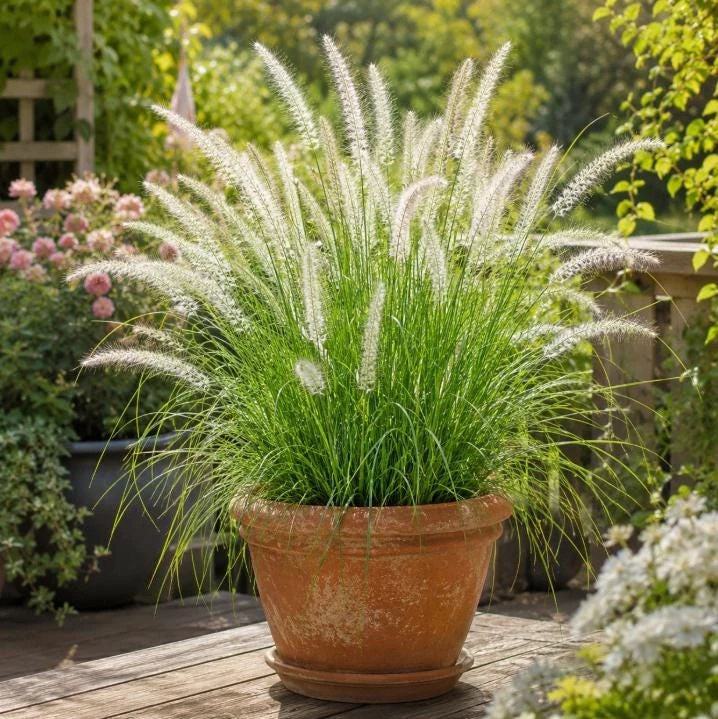
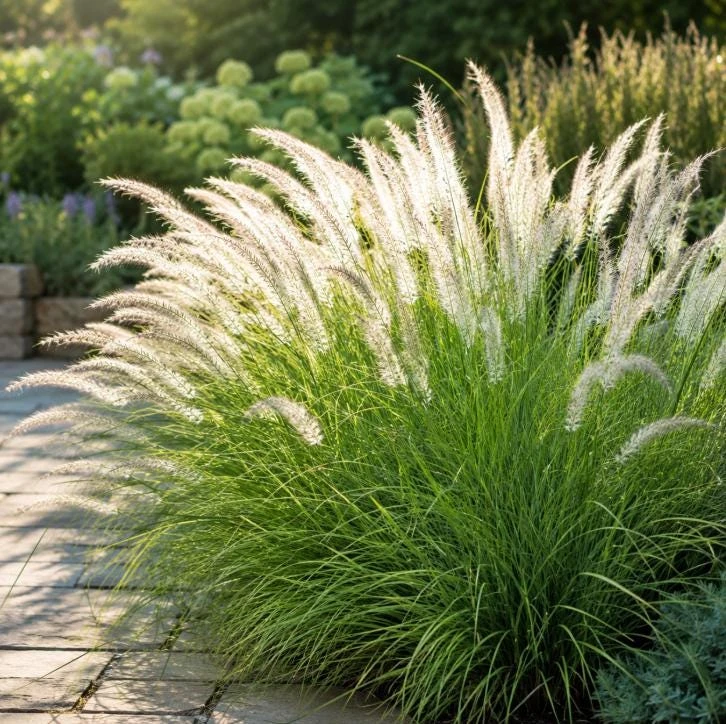
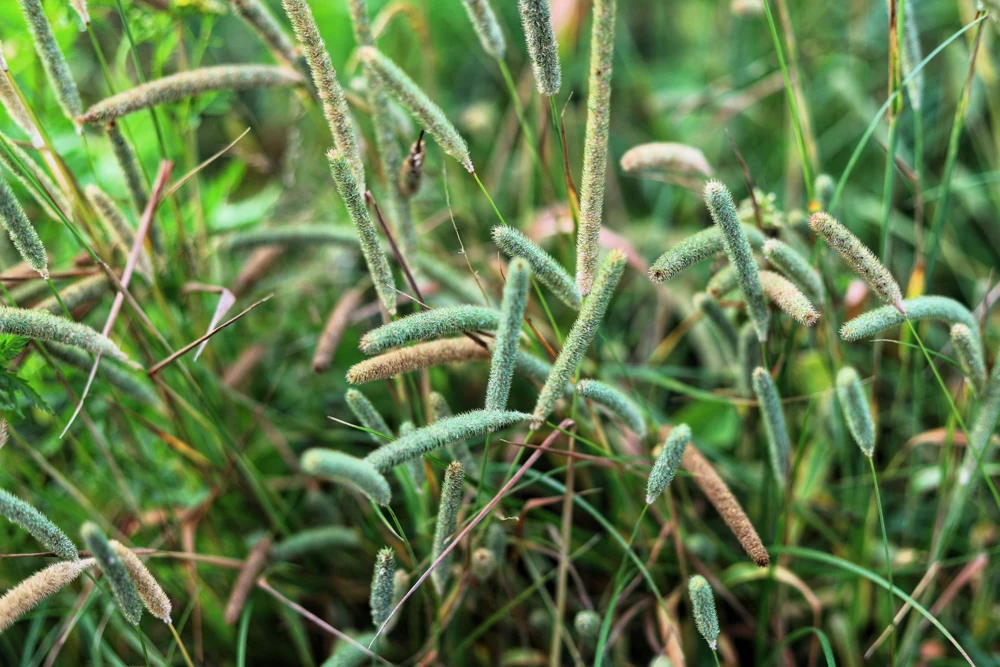
Introduce a touch of natural elegance to your outdoor space with the stunning white fountain grass live plant. Known botanically as Pennisetum alopecuroides, this ornamental perennial grass is celebrated for its graceful, arching form and soft, feathery plumes that sway gently in the breeze. Originating from East Asia and Australia, this popular landscaping choice provides year-round interest, offering lush green foliage during warmer months and developing beautiful, often white or cream-colored, bottlebrush-like flower spikes in late summer and fall. It’s an ideal plant for creating texture in garden beds, defining borders, or adding a sophisticated element to container arrangements. This live plant arrives ready to be integrated into your garden, providing immediate visual impact and contributing to a serene outdoor ambiance.
The white fountain grass live plant is a versatile and resilient addition to almost any garden style, from modern minimalist designs to more traditional cottage gardens. Its moderate growth habit and captivating appearance make it a favorite among landscapers and home gardeners alike. Beyond its aesthetic appeal, this ornamental grass is also known for its adaptability and relatively low maintenance requirements, making it a rewarding choice for both seasoned gardeners and those new to cultivating ornamental grasses. Prepare to transform your garden into a tranquil retreat with the soft textures and movement of this exquisite plant.
Key Benefits
The white fountain grass live plant offers a multitude of benefits that make it a superb choice for enhancing your garden’s appeal and functionality. Its unique characteristics contribute to a vibrant and dynamic landscape.
- Exceptional Ornamental Value: This grass provides striking visual interest with its arching foliage and fluffy, white plumes, creating a soft, textural contrast against other plants. It adds movement and elegance to any garden design, drawing the eye and enhancing curb appeal.
- Low Maintenance & Drought Tolerant: Once established, Pennisetum alopecuroides is remarkably easy to care for. It requires minimal watering and is highly resilient to dry conditions, making it an excellent choice for water-wise gardening. This reduces the time and effort needed for upkeep.
- Versatile Landscaping Solution: Whether you’re looking to create borders, add an accent to rock gardens, or fill containers, this ornamental grass for garden adapts beautifully. Its moderate size makes it suitable for various garden roles without becoming overpowering.
- Deer Resistant: Gardeners often appreciate that white fountain grass is generally not favored by deer, making it a reliable option for areas where these animals are a common nuisance. This helps protect your investment and ensures your garden remains pristine.
- Seasonal Interest: Enjoy vibrant green foliage through spring and summer, followed by stunning white plumes in late summer and fall that persist into winter, providing continuous beauty even in colder months. This extended period of interest keeps your garden looking attractive year-round.
- Erosion Control: Its fibrous root system helps stabilize soil, making it a practical choice for slopes or areas prone to erosion, contributing to the health and stability of your landscape.
- Attracts Wildlife: The seed heads of the white fountain grass live plant can provide food for birds, adding a touch of natural wildlife activity to your garden ecosystem.
Plant Care & Growing Tips
Caring for your white fountain grass live plant is straightforward, ensuring it thrives and displays its full ornamental beauty. This resilient perennial is quite forgiving, but providing optimal conditions will lead to the best growth and plume production. The first step in proper care for fountain grass is site selection, as it dictates much of the plant’s success.
Sunlight Requirements: White fountain grass flourishes in full sun, meaning it needs at least 6 hours of direct sunlight per day to produce the most abundant and showy plumes. While it can tolerate partial shade, too little light may result in fewer flowers and a less vigorous growth habit. For best results, choose a location in your garden that receives ample morning and afternoon sun. This ensures the foliage remains vibrant and the characteristic feathery seed heads develop beautifully.
Watering Schedule & Soil Moisture: When establishing your Pennisetum alopecuroides, water regularly to keep the soil consistently moist but not waterlogged. This usually means watering 2-3 times a week during the first growing season. Once established, white fountain grass is quite drought-tolerant and only requires watering when the top few inches of soil become dry. Overwatering can lead to root rot, so ensure good drainage. Proper watering is crucial for healthy root development, especially for a new white fountain grass live plant.
Soil Type and Drainage: This ornamental grass adapts to a wide range of well-draining soils, including sandy, loamy, or average garden soil. The most critical factor is excellent drainage, as it does not tolerate soggy conditions. If you have heavy clay soil, amend it with organic matter like compost or sand to improve drainage before planting. A healthy soil structure will support robust growth and minimize disease issues, making the overall landscaping grass healthier.
Temperature Range & USDA Hardiness Zones:White fountain grass live plant is hardy in USDA Zones 5–9, thriving in temperatures between 60–90°F. In colder zones (5-6), it may benefit from a protective layer of mulch over winter. In warmer climates, it remains evergreen or semi-evergreen. It’s quite tolerant of heat and humidity once established, making it suitable for various regions across the US. Understanding its hardiness helps plan for appropriate winter protection if needed.
Fertilization: Generally, Pennisetum alopecuroides is not a heavy feeder. A light application of a balanced, slow-release granular fertilizer in early spring is usually sufficient. Avoid over-fertilizing, as this can lead to excessive foliage growth at the expense of flower production. For container-grown plants, a diluted liquid feed every 4-6 weeks during the growing season can be beneficial.
Pruning: The primary pruning for white fountain grass involves cutting back the old foliage in late winter or early spring before new growth emerges. Cut the plant back to about 4-6 inches from the ground. This encourages fresh, vigorous growth and maintains a tidy appearance. Deadheading spent plumes during the season is not necessary but can be done for aesthetic reasons if desired. This annual trim is an important part of care for fountain grass to keep it looking its best.
Size & Details
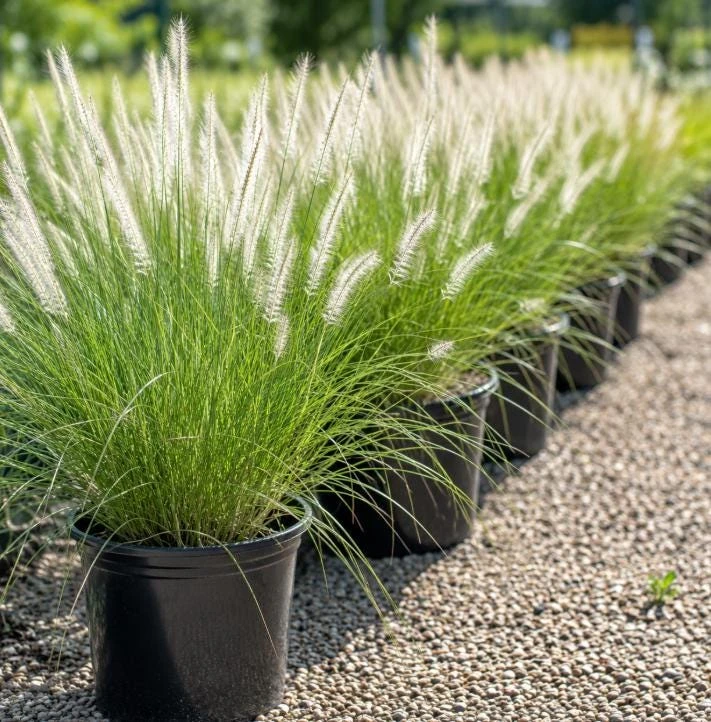
This white fountain grass live plant typically arrives 4-6 inches tall, ready for immediate planting in your garden or a larger container. When mature, Pennisetum alopecuroides forms an attractive, mounding clump, generally reaching a height of 2-3 feet and a similar spread. Its moderate growth rate ensures it establishes well within the first season, quickly developing its characteristic arching form and prolific plumes. The plant is shipped as a healthy, actively growing specimen in a nursery pot, ensuring its viability upon arrival.
Expect the elegant white, bottlebrush-like flowers to emerge in late summer and persist throughout the fall, offering long-lasting ornamental appeal. This ensures that your landscaping grass provides continuous beauty from late season into winter. The plant’s compact size makes it an excellent choice for various applications, whether as a specimen plant, in mass plantings, or integrated into mixed perennial borders. Its adaptability makes it a valuable addition to any garden looking for texture and movement.
Frequently Asked Questions
- Q: How big does this White Fountain Grass get? A: A mature white fountain grass live plant typically reaches a height of 2-3 feet and spreads about 2-3 feet wide, forming a graceful, mounding clump. Its size makes it versatile for various garden applications.
- Q: What size pot does the plant come in? A: The white fountain grass live plant is shipped in a nursery pot, and the plants themselves are approximately 4-6 inches tall upon arrival, allowing for easy transplanting into your garden or a larger container.
- Q: Is this an indoor or outdoor plant? A: Pennisetum alopecuroides is primarily an outdoor ornamental grass, best suited for garden beds, borders, and outdoor containers where it can receive full sun. It thrives in outdoor environments.
- Q: How much sunlight does it need? A: For optimal growth and the best plume production, your ornamental grass for garden requires full sun, meaning at least 6 hours of direct sunlight per day. It can tolerate partial shade but may produce fewer flowers.
- Q: Is this plant easy to care for? A: Yes, care for fountain grass is considered relatively easy. Once established, it is drought-tolerant and requires minimal maintenance, making it suitable for both experienced and novice gardeners.
- Q: What condition will it arrive in? A: Your white fountain grass live plant will arrive as a healthy, actively growing plant, carefully packaged to ensure it reaches you in excellent condition, ready for planting.
- Q: Can I use this grass for erosion control? A: Yes, the strong, fibrous root system of this landscaping grass makes it an excellent choice for stabilizing soil on slopes or in areas prone to erosion, contributing to landscape integrity.
- Q: When is the best time to plant White Fountain Grass? A: The best time to plant Pennisetum alopecuroides is in spring or early summer, after the last threat of frost has passed, to allow it ample time to establish before winter.
- Q: Will it survive winter in my zone? A: White fountain grass live plant is hardy in USDA Zones 5-9. In Zone 5, it may benefit from winter protection like a layer of mulch, but it generally tolerates cold well within its hardiness range.
- Q: Does this grass attract any pests? A: White fountain grass is generally pest and disease resistant, making it a robust and low-problem plant for most garden settings. It’s also typically deer resistant.
Be the first to review “White Fountain Grass Live Plant 4-6 Inch Tall, Pennisetum Ornamental Grass for Landscaping”
People Also Viewed
Houseplants
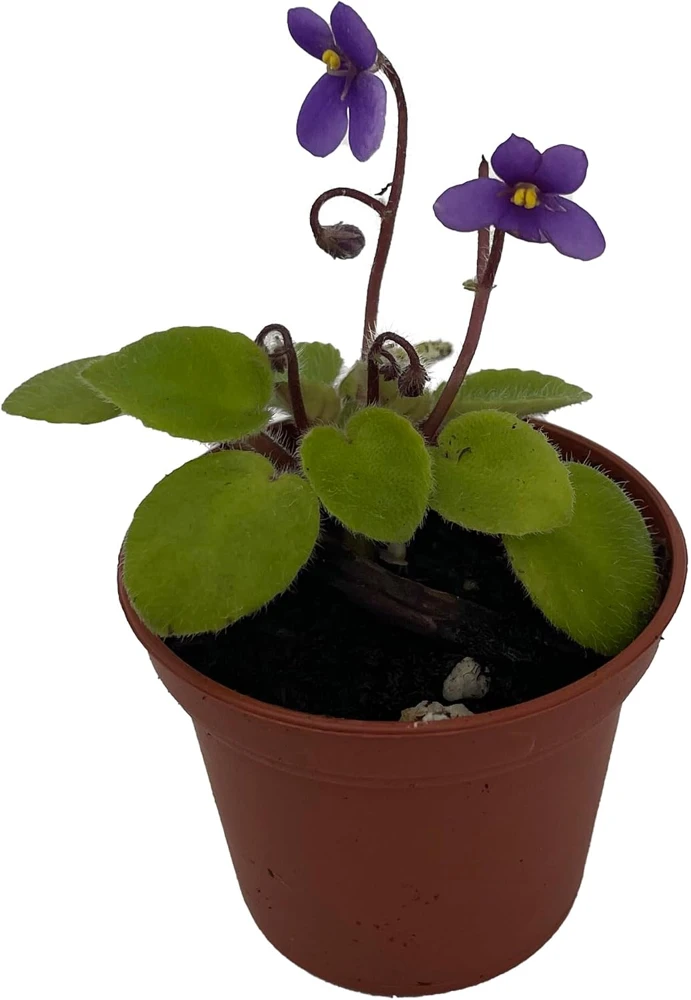
Pixie Blue Micro Miniature African Violet Live Plant – 2.5″ Pot – Blue-Purple Blooms – Indoor
Flowers
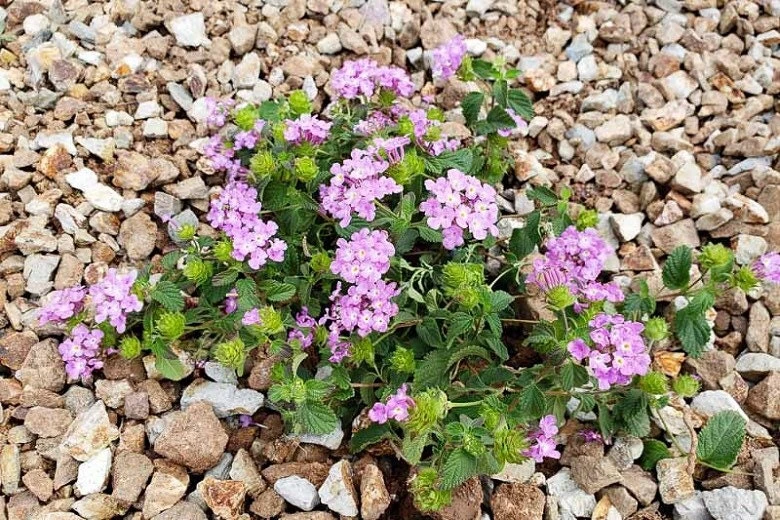
Purple Trailing Lantana Live Plant – Lantana montevidensis Ground Cover – 1 Gallon Pot – Outdoor
Reviews
There are no reviews yet.