

Hardy Kiwi Plants – Actinidia arguta – Geneva & Meader Pair – 2.5″ Pot
Original price was: $71.99.$61.99Current price is: $61.99.
Cultivate your own sweet and tangy fruit with this set of hardy kiwi plants. This special pairing includes a female ‘Geneva’ and a male ‘Meader’ vine, essential for successful pollination and abundant fruit production. Supplied in 2.5″ pots, these actinidia arguta are cold-tolerant and ideal for zones 5-8, creating an attractive and productive addition to your garden.
Estimated arrival
Sep 29
Oct 04 - Oct 06
Oct 09 - Oct 13
Shop With Confidence
30-Day Plant Health Guarantee
Arrives damaged? We’ll replace it free — see our return policy.
Responsive Support
Email us anytime, we reply within 1 business day.
Expert Packaging
Temperature-controlled shipping to protect your plants in transit.
Secure Checkout
Pay safely with Visa, Mastercard, PayPal.
Plant Specifications
-
USDA Hardiness Zone
5-8 -
Soil Type
Well-draining soil -
Sunlight Exposure
Full sun -
Expected Planting Period
Spring to early summer or early fall
Overview
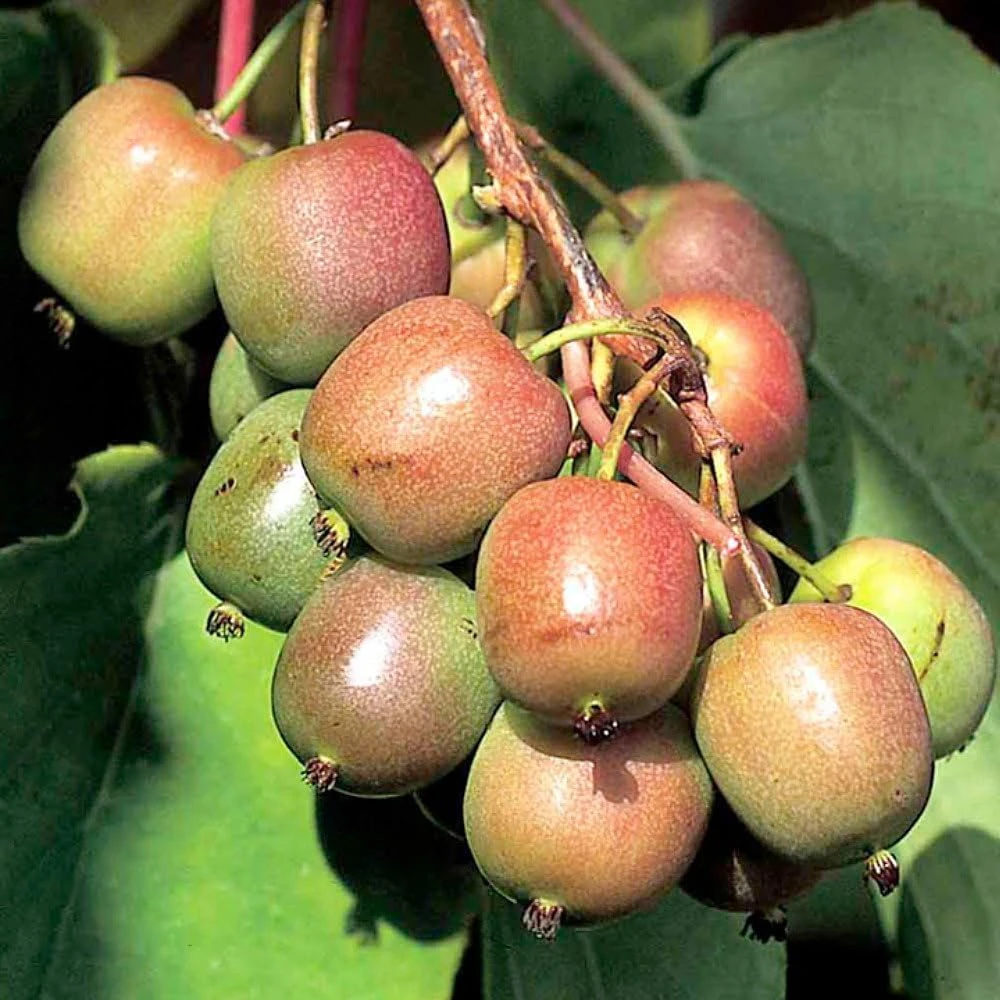
Bring the unique taste of homegrown fruit to your garden with this exceptional pair of hardy kiwi plants. This set includes one female ‘Geneva’ variety and one male ‘Meader’ variety, ensuring proper pollination and a bountiful harvest of delicious, smooth-skinned kiwi fruit. Unlike their fuzzy cousins, actinidia arguta, often called Arctic Kiwi, can be eaten skin and all, making them a convenient and healthy snack. These vigorous vines are not only productive but also highly ornamental, perfect for trellises, fences, or arbors. They are known for their impressive cold tolerance, thriving in USDA Hardiness Zones 5-8, making them a reliable choice for many regions.
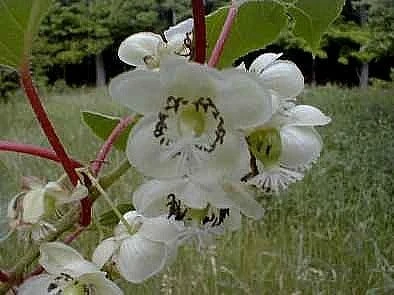
The ‘Geneva’ hardy kiwi plants are celebrated for their sweet, medium-sized fruit, while the ‘Meader’ male provides the necessary pollination. Growing your own kiwi vine care is a rewarding experience, leading to fresh, vitamin C-rich fruit right from your backyard. These plants are shipped dormant in winter, early spring, and late fall, ready to establish and flourish in your landscape.
Key Benefits
Investing in these hardy kiwi plants offers numerous advantages for both the home gardener and fruit enthusiast:
-
Guaranteed Fruit Production: This male and female pairing (Geneva and Meader) ensures successful pollination, leading to a reliable harvest of delicious kiwi fruit. You won’t have to guess if your plant will produce.
-
Exceptional Cold Hardiness: These actinidia arguta varieties are remarkably cold-tolerant, surviving temperatures as low as -25°F. This makes them suitable for a wide range of climates, including colder regions where traditional kiwi cannot grow.
-
Delicious, Easy-to-Eat Fruit: Enjoy small, sweet, smooth-skinned kiwi fruit that can be eaten like grapes, without peeling. They are packed with flavor and high in Vitamin C, making them a healthy and convenient treat.
-
Attractive Ornamental Value: Beyond their fruit, these kiwi vines are beautiful landscape plants. They can be trained to cover walls, fences, or pergolas, providing lush green foliage and visual interest throughout the growing season.
-
Low Maintenance: Once established, growing kiwi fruit vines require minimal maintenance, primarily pruning and providing adequate support for their heavy fruit load. They adapt to various well-drained soils.
-
Versatile Culinary Uses: The sweet fruit is excellent fresh, in salads, smoothies, desserts, or preserves. The possibilities are endless for incorporating this unique fruit into your diet.
-
Future Fruit Demand: As the demand for Arctic Kiwi grows in the marketplace, having your own source of this ‘fruit of the future’ puts you ahead of the curve.
Plant Care & Growing Tips
Successful kiwi vine care begins with proper planting and understanding their needs. These hardy kiwi plants thrive in a sunny location, ideally receiving at least 6-8 hours of direct sunlight per day. While they can tolerate various soil types, excellent drainage is crucial to prevent root rot. Amend heavy clay soils with organic matter to improve drainage, or sandy soils to improve water retention. A slightly acidic to neutral pH (6.0-7.0) is generally preferred.
Water regularly, especially during dry spells and when the plants are young, to establish a strong root system. Once established, they are somewhat drought-tolerant but will produce better with consistent moisture. Fertilize in early spring with a balanced slow-release fertilizer, following product instructions. Support is essential for these vigorous vines; provide a sturdy trellis, arbor, or fence for them to climb. Pruning should be done in late winter or early spring while the plants are dormant to encourage fruit production and manage growth. Remove dead, damaged, or crossing branches, and thin out overcrowded areas. Protect young plants from strong winds if possible. These cold hardy kiwi plants are generally resilient, but monitor for common pests and diseases and address them promptly.
Size & Details
This offering includes two hardy kiwi plants: one ‘Geneva’ female and one ‘Meader’ male, both provided in 2.5″ pots. These young plants are ideal for establishing a productive kiwi patch. Mature vines can grow quite large, reaching lengths of 10-20 feet or more, and are capable of producing up to 100 lbs of fruit per mature plant when well-established. They are rapid growers once settled, quickly covering their support structures. Fruit typically ripens in mid to late September. The plants are shipped dormant during colder months, ensuring they arrive ready for successful transplanting and growth in your garden. With proper kiwi vine care, you can expect these plants to thrive and bear fruit for many years.
Frequently Asked Questions
-
Q: How big do these hardy kiwi plants get? A: Mature hardy kiwi plants are vigorous vines that can reach lengths of 10-20 feet or more. They require a sturdy support structure to accommodate their growth and fruit production.
-
Q: What size pot do the plants come in? A: These actinidia arguta plants are supplied in 2.5″ nursery pots, ready for planting in your garden or a larger container.
-
Q: Is this an indoor or outdoor plant? A: These are outdoor plants, specifically selected for their cold hardiness and ability to thrive in garden settings within USDA Zones 5-8. They are not suitable for long-term indoor cultivation.
-
Q: How much sunlight do these kiwi vines need? A: To ensure optimal fruit production and healthy growth, growing kiwi fruit requires a location with full sun, meaning at least 6-8 hours of direct sunlight daily.
-
Q: Are these plants easy to care for? A: Yes, once established, kiwi vine care is relatively easy. They primarily need consistent watering, a good support structure, and annual pruning to encourage fruit set.
-
Q: What condition will the plants arrive in? A: During winter, early spring, and late fall, the plants will be shipped dormant, which is normal and healthy for their establishment. They will leaf out and begin active growth when conditions are right.
-
Q: When is the best time to plant hardy kiwi? A: The best time to plant your cold hardy kiwi is typically in spring after the last frost, or in early fall, to allow roots to establish before extreme temperatures.
-
Q: Will they survive winter in my zone? A: These particular ‘Geneva’ and ‘Meader’ varieties are known for their excellent cold hardiness, thriving in USDA Zones 5-8 and tolerating temperatures down to -25°F.
-
Q: Why do I need two plants? A: Hardy kiwi plants are dioecious, meaning they have separate male and female plants. You need both a male (‘Meader’) and a female (‘Geneva’) for successful pollination and fruit production.
-
Q: Can I eat the skin of the fruit? A: Yes, one of the great advantages of these actinidia arguta varieties is their smooth, fuzz-free skin, allowing you to enjoy the entire fruit without peeling, much like a grape.
Be the first to review “Hardy Kiwi Plants – Actinidia arguta – Geneva & Meader Pair – 2.5″ Pot”
People Also Viewed
Trees
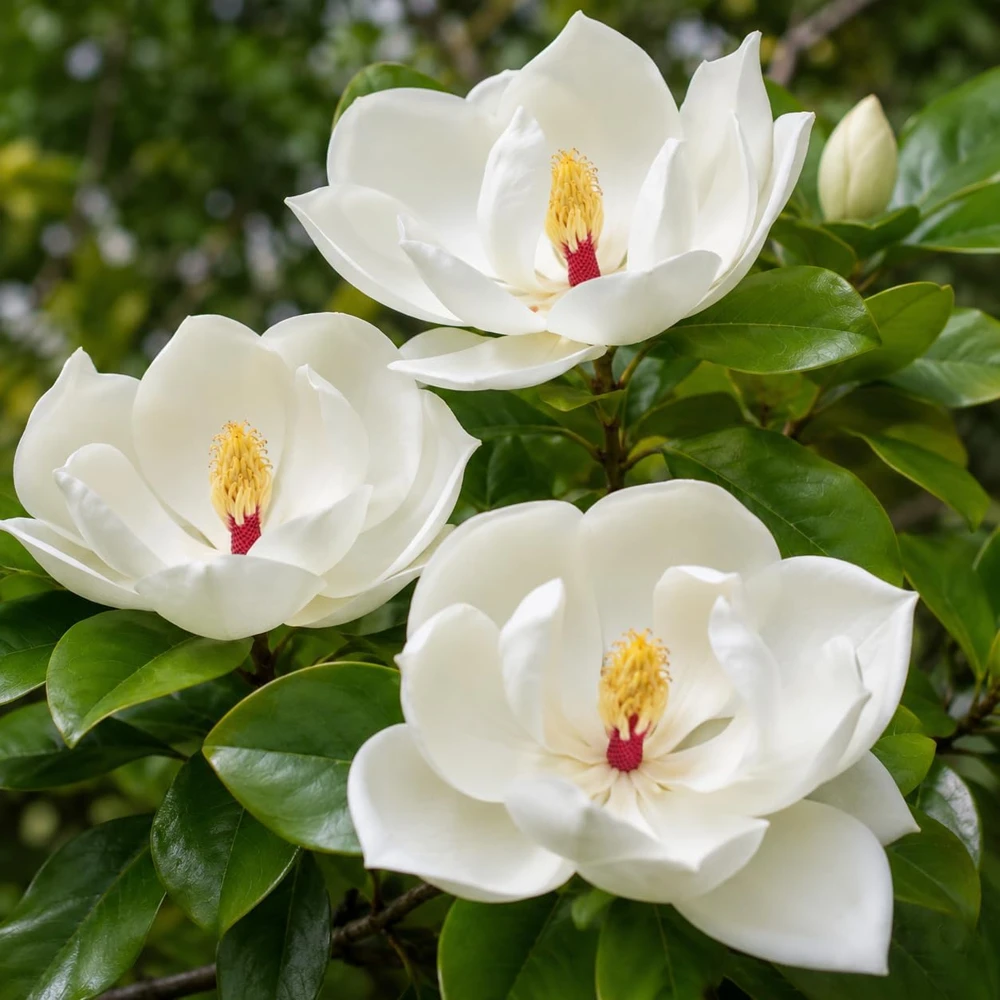
Sweetbay Magnolia Live Plant – Fragrant White Flowers – 6-12 Inch Tall – Quart Pot – Outdoor Tree

Reviews
There are no reviews yet.