


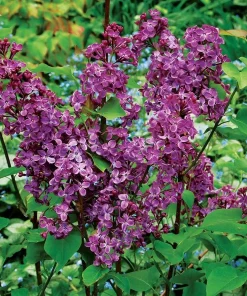
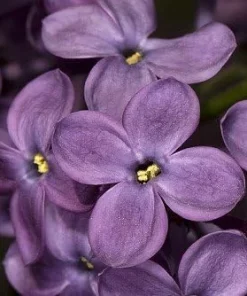
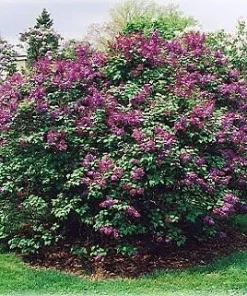
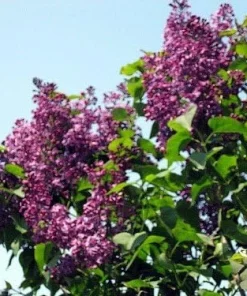
Pocahontas Lilac Plant – Syringa – Live Shrub – 4 inch Pot – Outdoor
Original price was: $66.99.$56.99Current price is: $56.99.
Bring elegance to your garden with the Pocahontas Lilac plant, a vibrant Syringa shrub known for its rich purple, fragrant blooms. Ideal for outdoor planting or even training as a lilac bonsai specimen, this hardy plant arrives in a 4-inch pot, ready to thrive.
Estimated arrival
Sep 29
Oct 04 - Oct 06
Oct 09 - Oct 13
Shop With Confidence
30-Day Plant Health Guarantee
Arrives damaged? We’ll replace it free — see our return policy.
Responsive Support
Email us anytime, we reply within 1 business day.
Expert Packaging
Temperature-controlled shipping to protect your plants in transit.
Secure Checkout
Pay safely with Visa, Mastercard, PayPal.
Plant Specifications
-
USDA Hardiness Zone
USDA zones 3-7 -
Soil Type
Well-draining, rich soil -
Sunlight Exposure
Full sun (at least 6 hours daily) -
Expected Planting Period
Early spring or early fall
Overview
Introduce a touch of classic beauty to your landscape with the exquisite Pocahontas Lilac plant. This beloved Syringa variety is celebrated for its stunning, deep purple flowers that emerge in profusion during spring, filling the air with a sweet, intoxicating fragrance. As a live shrub, it’s perfect for creating a focal point in your garden, planting as a hedge, or even cultivating as a unique lilac bonsai. Originating from the Syringa x hyacinthiflora group, ‘Pocahontas’ is known for its early blooming period and robust growth, making it a favorite among gardeners. This particular offering provides a healthy, young plant in a 4-inch pot, ready for transplanting and establishing in its new home. The Pocahontas Lilac plant offers both visual splendor and a delightful aromatic experience, enhancing any outdoor living space.
Key Benefits
The Pocahontas Lilac plant offers a multitude of advantages for any garden enthusiast, from its captivating appearance to its relatively easy care. Here are some of the key benefits you can expect from this remarkable shrub:
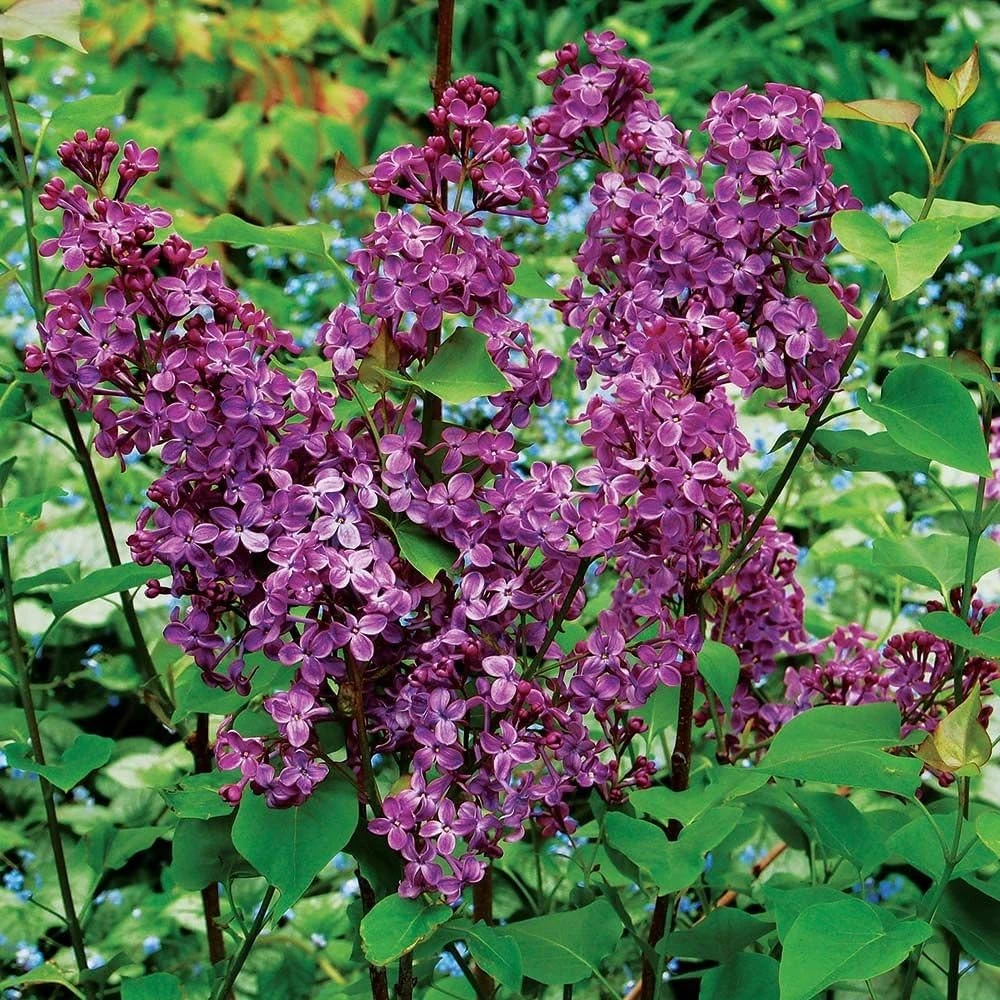
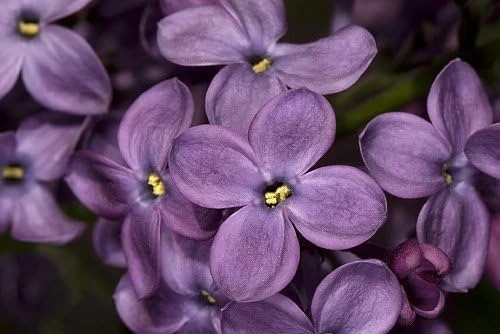
- Stunning Floral Display: Enjoy an abundance of rich, deep purple flower clusters that create a spectacular visual impact in your garden. The vibrant hue of the Pocahontas Lilac plant makes it a standout specimen.
- Intoxicating Fragrance: One of the most cherished qualities of lilac is its sweet, memorable perfume. The ‘Pocahontas’ variety is no exception, releasing a delightful scent that can drift across your garden, especially on warm spring days.
- Early Blooming Season: Unlike some other lilac varieties, ‘Pocahontas’ is known for its early spring bloom, allowing you to enjoy its beauty and fragrance ahead of many other flowering shrubs. This extends the season of interest in your garden.
- Versatile Landscaping Use: This hardy Syringa shrub can be used in various garden applications, from a standalone specimen to a fragrant hedge, a border plant, or even incorporated into mixed perennial beds. Its adaptability makes it a valuable addition.
- Potential for Bonsai Training: For those interested in the art of bonsai, the ‘Pocahontas’ lilac can be trained into a beautiful lilac bonsai specimen, showcasing its delicate flowers and intricate branch structure in a miniature form.
- Attracts Pollinators: The fragrant blooms are a magnet for bees, butterflies, and other beneficial pollinators, contributing to the health and biodiversity of your garden ecosystem.
- Relatively Low Maintenance: Once established, the Pocahontas Lilac plant is quite resilient and requires minimal ongoing care, making it suitable for both experienced and novice gardeners looking for a beautiful yet manageable outdoor lilac.
Plant Care & Growing Tips
Caring for your Pocahontas Lilac plant is straightforward, ensuring years of beautiful blooms and fragrance. Lilacs generally thrive with adequate sunlight and well-draining soil. For optimal flowering, plant your Syringa shrub in a location that receives at least 6 hours of direct sunlight per day. While it can tolerate some partial shade, too little sun will result in fewer flowers. Ensure the soil is rich, well-draining, and has a neutral to slightly alkaline pH. Avoid heavy, waterlogged soils, as these can lead to root rot. When planting, dig a hole twice as wide as the root ball and just as deep, ensuring the top of the root ball is level with the surrounding soil. Water thoroughly after planting.
Once established, the Pocahontas Lilac plant is relatively drought-tolerant, but consistent moisture is key during its first growing season. Water deeply once or twice a week, especially during dry spells. Fertilize in early spring with a balanced, slow-release fertilizer formulated for flowering shrubs. Pruning is best done immediately after flowering to shape the plant and encourage new bloom production for the following year. Remove any dead, damaged, or crossing branches. For older, overgrown plants, a rejuvenation prune over several years can help restore vigor. This outdoor lilac is generally hardy in USDA zones 3-7, tolerating cold winters and warm summers. Keep an eye out for common lilac pests like powdery mildew or lilac borers, addressing them promptly with appropriate organic or chemical treatments.
Size & Details
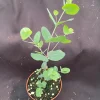
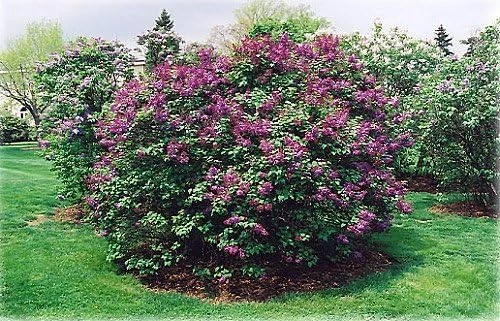
This offering includes one healthy Pocahontas Lilac plant, provided as a live shrub in a 4-inch nursery pot. At the time of shipment, plants typically range from 6 to 12 inches in height, depending on the growing season and recent pruning. When mature, this Syringa shrub can reach an average height of 8 to 12 feet with a similar spread, forming an upright, multi-stemmed bush. Its growth rate is moderate, meaning it will establish and grow steadily each year, reaching a significant size within a few seasons. The plant is shipped ready to be transplanted into your garden or a larger container. The vibrant purple blooms appear in early to mid-spring, offering a spectacular show. For those interested in a lilac bonsai, this young plant provides an excellent starting point for training and shaping over time.
Frequently Asked Questions
- Q: How big does this Pocahontas Lilac plant get? A: A: When mature, the ‘Pocahontas’ lilac typically reaches a height of 8 to 12 feet and can spread equally wide, forming a substantial and fragrant shrub. Its size makes it ideal for hedges or as a prominent garden feature.
- Q: Is this an indoor or outdoor lilac plant? A: The Pocahontas Lilac plant is primarily an outdoor shrub. It requires a period of winter dormancy and ample sunlight to thrive and produce its characteristic blooms. It is hardy in USDA Zones 3-7.
- Q: How much sunlight does the Syringa shrub need? A: For the best flowering performance, your lilac needs at least 6 hours of direct sunlight per day. While it can tolerate partial shade, too little sun will significantly reduce the number of blooms.
- Q: Is this plant easy to care for, especially for beginners? A: Yes, once established, the Pocahontas Lilac plant is considered relatively low maintenance and is a good choice for beginner gardeners. It requires consistent watering during establishment and annual pruning after flowering.
- Q: What condition will the Pocahontas Lilac plant arrive in? A: Your plant will arrive as a live, healthy shrub in a 4-inch nursery pot, carefully packaged to ensure its safe journey. It will be ready for immediate planting upon arrival.
- Q: When is the best time to plant this outdoor lilac? A: The best times to plant your Pocahontas Lilac plant are in early spring after the last frost or in early fall before the ground freezes. This allows the plant ample time to establish its root system.
- Q: Can I really use this plant for lilac bonsai? A: Yes, the ‘Pocahontas’ lilac can indeed be trained as a bonsai. Its relatively small leaves and beautiful flowers make it a charming subject for bonsai, requiring specific pruning and shaping techniques over time.
- Q: What kind of soil does this Syringa shrub prefer? A: This lilac prefers well-draining, rich soil with a neutral to slightly alkaline pH. Avoid planting in heavy clay soils that retain too much moisture, as this can lead to root issues.
Be the first to review “Pocahontas Lilac Plant – Syringa – Live Shrub – 4 inch Pot – Outdoor”
People Also Viewed

Reviews
There are no reviews yet.