
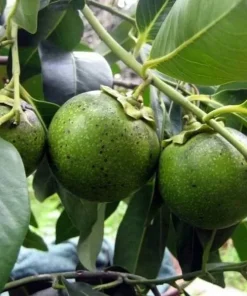
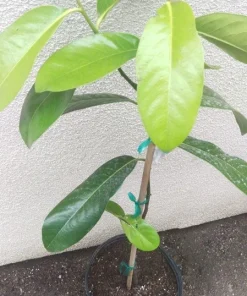
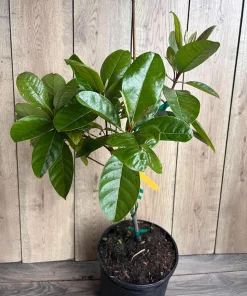
Black Sapote Live Plant – Chocolate Pudding Fruit Tree, 2-3 ft Tall, 3 Gal Pot
$141.76
Bring home a unique black sapote live plant, famously known as the chocolate pudding fruit tree. This tropical delight offers rich, custardy fruits with chocolate overtones. Ships as a healthy 2-3 feet tall specimen in a 3-gallon pot, ready to thrive in your garden or a large container.
Estimated arrival
Sep 14
Sep 19 - Sep 21
Sep 24 - Sep 28
Shop With Confidence
30-Day Plant Health Guarantee
Arrives damaged? We’ll replace it free — see our return policy.
Responsive Support
Email us anytime, we reply within 1 business day.
Expert Packaging
Temperature-controlled shipping to protect your plants in transit.
Secure Checkout
Pay safely with Visa, Mastercard, PayPal.
Plant Specifications
-
USDA Hardiness Zone
USDA zones 10-11 for outdoor; can be grown indoors in all zones. -
Soil Type
Well-draining, rich potting mix or garden soil -
Sunlight Exposure
Full sun (6-8+ hours direct sun daily) -
Expected Planting Period
Year-round indoors; Spring to early summer outdoors in suitable zones
Overview
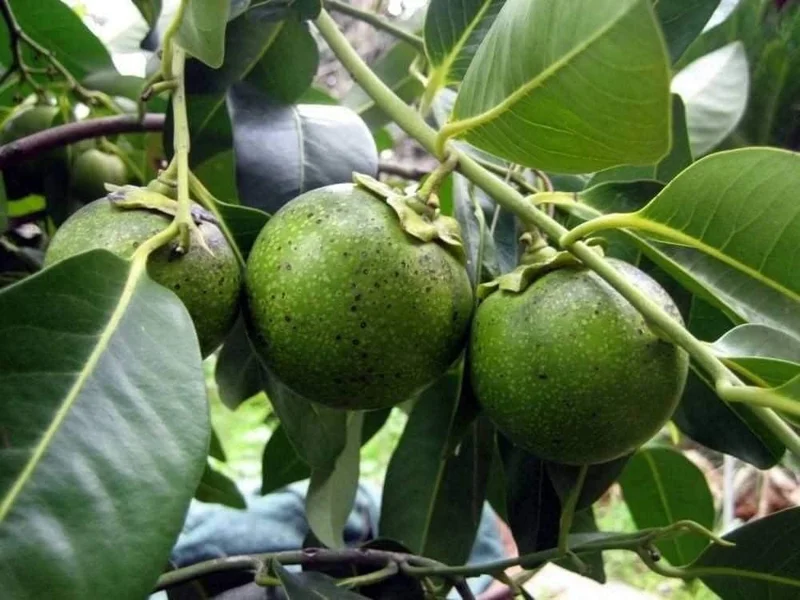
Discover the exotic pleasure of growing your own black sapote live plant, often celebrated as the “chocolate pudding fruit tree.” This remarkable tropical tree, scientifically known as Diospyros nigra, is a true culinary marvel. Native to Central America, it produces unique fruits with a rich, dark brown, custardy pulp that truly tastes like chocolate pudding. Our healthy black sapote live plant arrives as a vigorous specimen, typically 2 to 3 feet tall, and established in a 3-gallon nursery pot, ready to be transplanted or enjoyed in a larger container. It’s a fantastic addition for fruit enthusiasts and gardeners looking for something out of the ordinary, promising a delicious and rewarding harvest.
This grafted tropical fruit tree is known for blooming and fruiting sooner than seed-grown varieties, offering quicker gratification for home growers. Whether you’re an experienced gardener or just starting with exotic fruits, the black sapote live plant provides an engaging and delicious gardening experience. Its ease of care and unique fruit make it a conversation starter and a delightful treat for family and friends.
Key Benefits
Cultivating a black sapote live plant offers a multitude of benefits, from its unique fruit to its ornamental appeal. This special tree is more than just a source of delicious food; it’s a living piece of tropical paradise that can thrive in various settings.
- Unique Culinary Delicacy: Enjoy the unparalleled flavor of fresh chocolate pudding fruit tree. The ripe fruit has a smooth, melt-in-your-mouth texture with a distinct chocolate-like taste, perfect for desserts, smoothies, or eating fresh.
- Early Fruiting Grafted Plant: Our black sapote live plant is grafted, meaning it will produce fruit much sooner than plants grown from seed. You can anticipate harvests within a few years, bringing the joy of homegrown tropical fruit to your table faster.
- Container Friendly: Despite being a tree, the diospyros nigra plant adapts well to container growing, making it suitable for patios, balconies, or smaller gardens. With proper pruning, it can be maintained at a manageable size while still yielding abundant fruit.
- Nutrient-Rich Fruit: Black sapote fruit is not only delicious but also packed with vitamins and minerals, offering a healthy and natural sweet treat. It’s a great source of Vitamin C and dietary fiber.
- Attractive Foliage: Beyond its fruit, the tropical fruit tree boasts lush, glossy green leaves, adding an appealing tropical aesthetic to any outdoor space or bright indoor area.
- Relatively Low Maintenance: Once established, the growing black sapote plant is quite resilient. It requires consistent watering and feeding but is generally not prone to many pests or diseases, making it a rewarding plant for many gardeners.
- Long Harvest Season: The fruits can remain on the tree for several months and ripen from July through the end of the year, providing a prolonged harvest period for fresh enjoyment.
Plant Care & Growing Tips
To ensure your black sapote live plant thrives and produces abundant fruit, understanding its care requirements is crucial. This tropical species enjoys warm conditions and consistent attention, but is generally quite forgiving once established. Proper care for your chocolate pudding fruit tree will lead to a successful and delicious harvest.
Sunlight Requirements: Black sapote plants flourish in full sun, requiring at least 6-8 hours of direct sunlight per day to maximize fruit production. If growing indoors or in a greenhouse, ensure it receives the brightest light possible, ideally near a south-facing window or supplemented with grow lights. In very hot climates, some afternoon shade can prevent leaf scorch, but generally, more sun equals more fruit. For optimal growing black sapote, mimic its native tropical environment.
Watering & Soil: Consistent moisture is key for the diospyros nigra plant. Water regularly, especially during dry spells and when the plant is actively growing or fruiting. The soil should remain consistently moist but never waterlogged. Allow the top inch or two of soil to dry out slightly between waterings. Use a well-draining potting mix for container-grown plants or ensure your garden soil has good drainage to prevent root rot. A slightly acidic to neutral pH (6.0-7.0) is ideal for this tropical fruit tree. Fertilize monthly from spring through summer with a balanced organic fertilizer to support vigorous growth and fruit development.
Temperature & Hardiness: Black sapote is a tropical plant and prefers warm temperatures, ideally between 60°F and 90°F (15°C – 32°C). It is not frost-tolerant, so in regions with cold winters, it should be grown in a container and brought indoors when temperatures drop below 40°F (4°C). The USDA hardiness zones for outdoor cultivation are typically 10-11, where it can enjoy year-round warmth. Protect your black sapote live plant from strong winds, especially when young. Prune the top of the plant after fruit set to encourage a bushier habit and more manageable size for container growing.
Size & Details
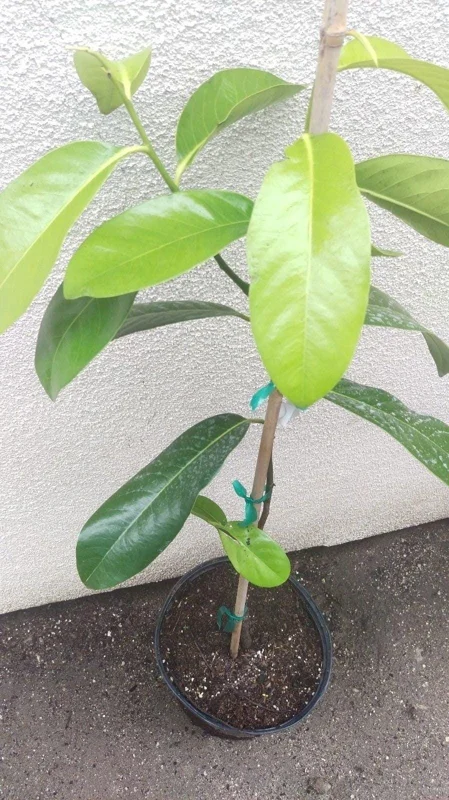
Your black sapote live plant will arrive as a healthy, actively growing specimen, measuring approximately 2 to 3 feet tall from the base of the pot to the top of the plant. It is securely established in a 3-gallon nursery pot, providing a robust root system for successful transplanting or continued container growth. This particular plant is a grafted variety, which significantly reduces the time it takes to produce fruit compared to seed-grown plants. You can expect to see flowers and fruit sooner, often within a few years of planting.
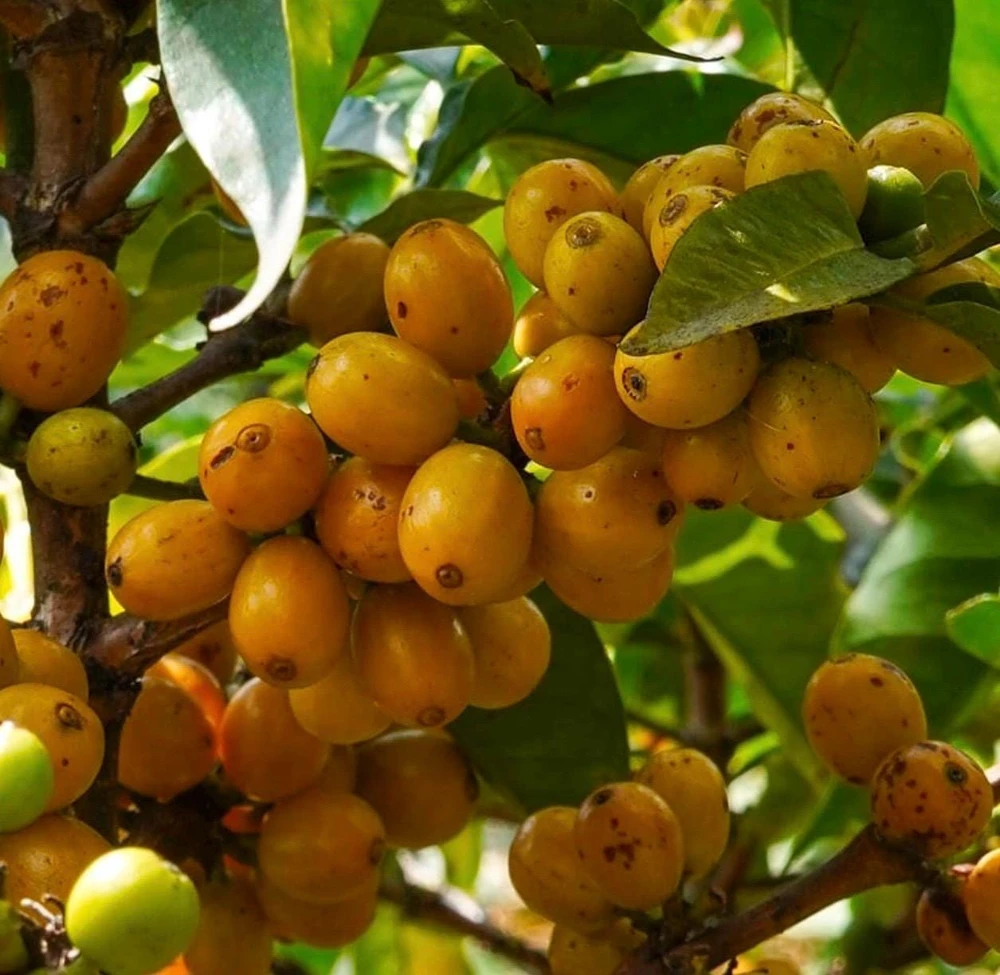
The chocolate pudding fruit tree is a medium to large evergreen tree in its natural habitat, but it can be easily maintained at a smaller, more manageable size through regular pruning, especially when grown in a container. The fruits themselves are typically 3 inches across and ripen from July until the end of the year, offering a long harvest window. With proper care, your diospyros nigra plant will continue to grow and provide delicious fruit for many years.
Frequently Asked Questions
- Q: How big does this black sapote live plant get? A: In a container with regular pruning, it can be maintained at 5-10 feet tall. In the ground in tropical climates, it can grow much larger, up to 25-30 feet, but is easily managed for home gardens.
- Q: What size pot does it come in? A: Your black sapote live plant will be shipped in a 3-gallon nursery pot, providing a good head start for its root development.
- Q: Is this an indoor or outdoor plant? A: It can be grown outdoors in USDA zones 10-11. In cooler climates, it’s best grown in a container and brought indoors during colder months, making it a versatile tropical fruit tree.
- Q: How much sunlight does the chocolate pudding fruit tree need? A: This plant thrives in full sun, requiring at least 6-8 hours of direct sunlight daily for optimal growth and fruit production.
- Q: Is this plant easy to care for? Is it good for beginners? A: While it has specific tropical needs for warmth and consistent moisture, it is considered relatively easy to care for once its basic requirements are met, making growing black sapote a rewarding experience for many.
- Q: What condition will the diospyros nigra plant arrive in? A: Your plant will arrive healthy, well-rooted, and carefully packaged to ensure its safe journey. It will be shipped in its 3-gallon pot with soil.
- Q: Can I use the fruit in cooking? A: Absolutely! The ripe fruit of the chocolate pudding fruit tree is excellent for desserts, smoothies, pies, or simply enjoyed fresh. Its unique flavor makes it a versatile ingredient.
- Q: How long until it blooms and fruits? A: Since this is a grafted plant, it will bloom and fruit sooner than seed-grown plants, typically within 2-4 years of planting, depending on growing conditions.
- Q: Will it survive winter in my zone? A: The tropical fruit tree is sensitive to frost. If you are in a zone below 10, it must be protected from cold temperatures, either by bringing it indoors or providing significant winter protection.
- Q: What’s the minimum temperature this black sapote live plant can tolerate? A: It prefers temperatures above 40°F (4°C). Prolonged exposure to temperatures below this can damage or kill the plant.
Be the first to review “Black Sapote Live Plant – Chocolate Pudding Fruit Tree, 2-3 ft Tall, 3 Gal Pot”
People Also Viewed
Uncategorized
Flower Seeds
500 Telham Beauty Bellflower Seeds – Blue Peach-Leaved Campanula Persicifolia Flower Seeds
Vegetable Seeds
210 Russet Potato Seeds for Planting – Heirloom Vegetable Seeds
Reviews
There are no reviews yet.