


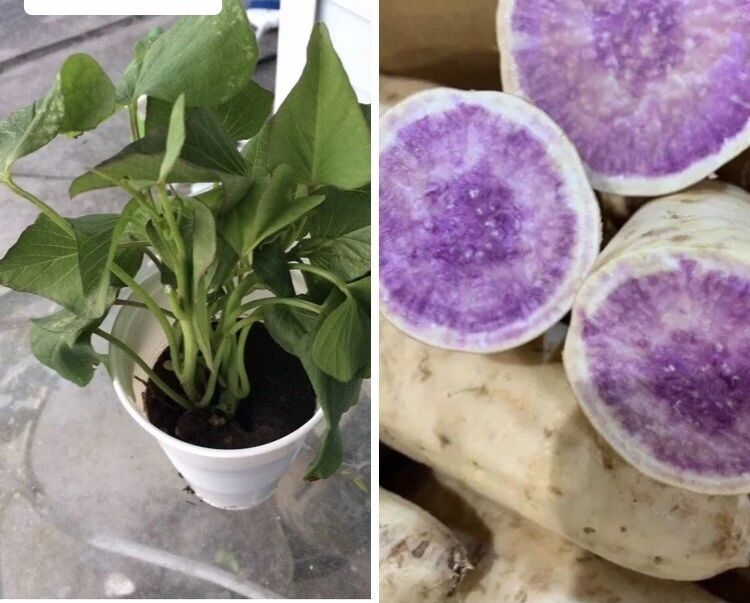
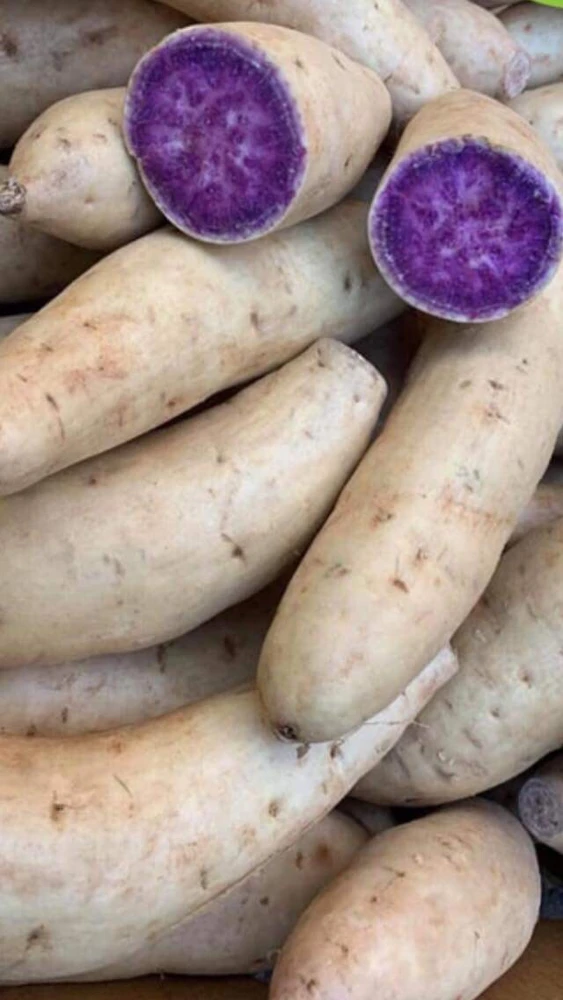
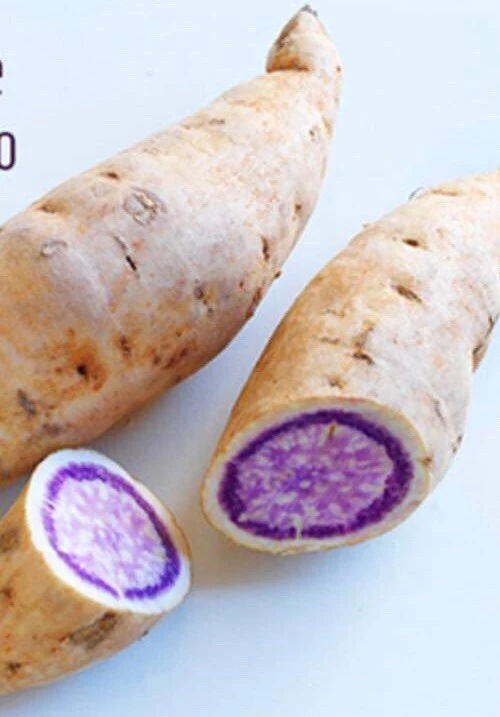
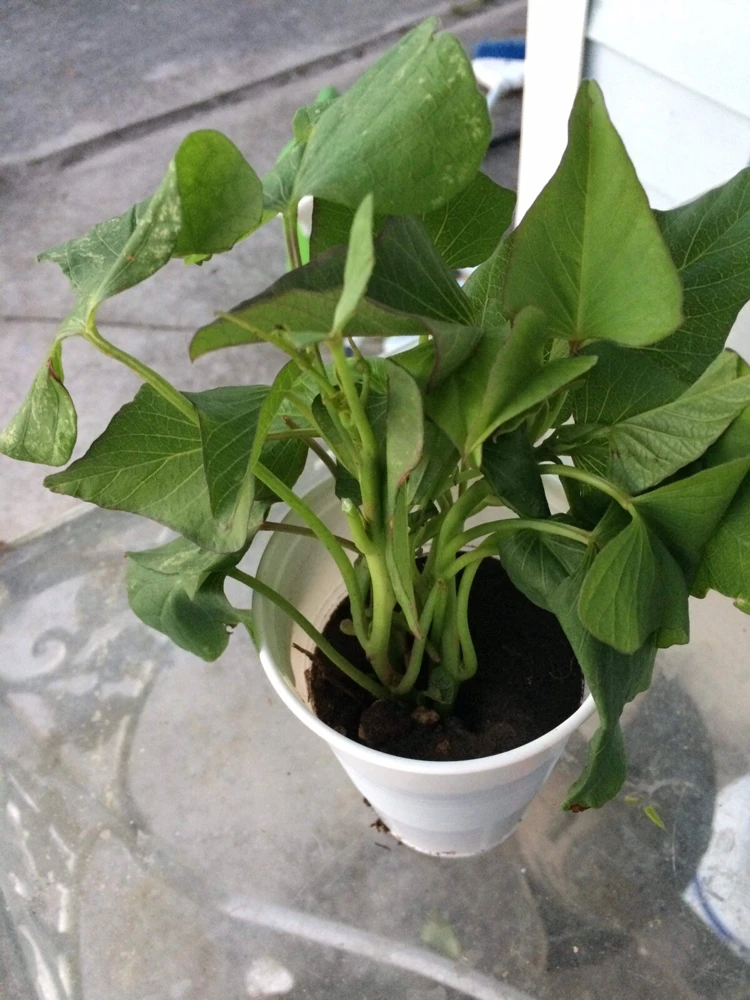
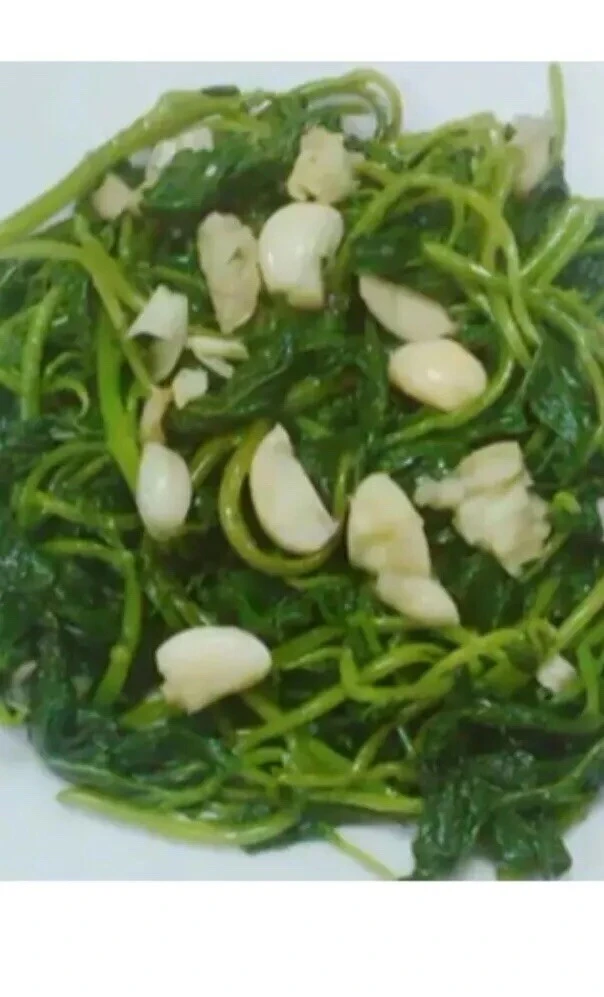
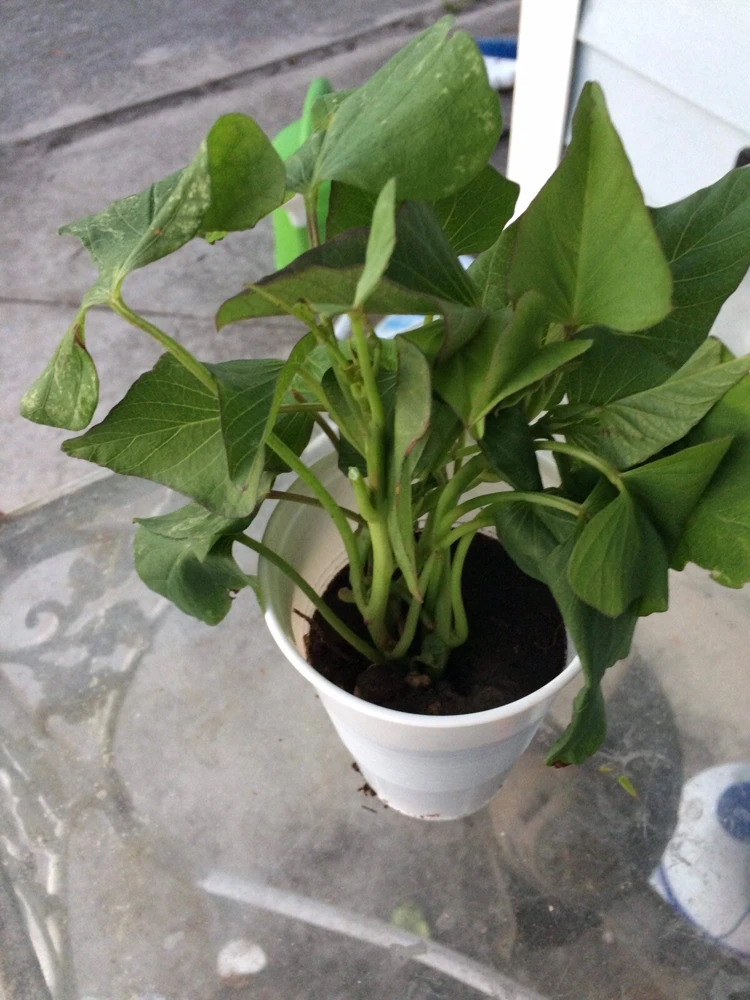
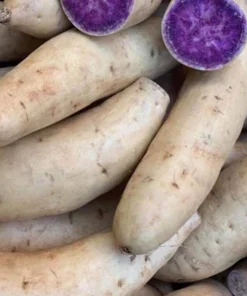
3 Organic Okinawa Purple Sweet Potato Plants – Live Slips for Planting
Original price was: $66.99.$46.99Current price is: $46.99.
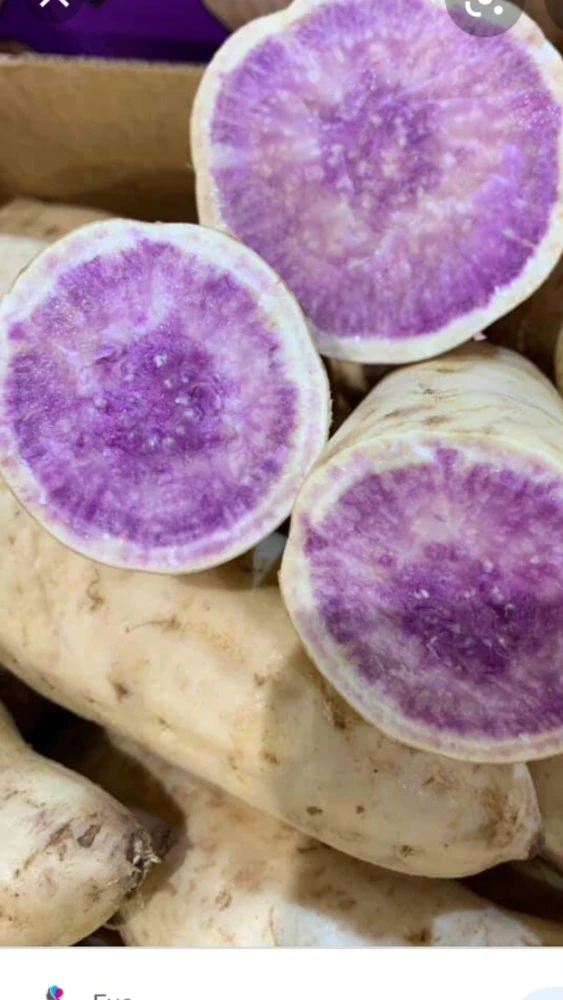
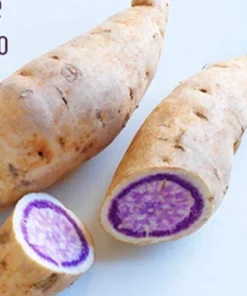
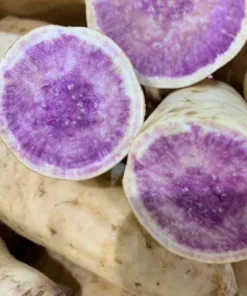
Cultivate your own delicious and vibrant Okinawa purple sweet potato plants with this set of 3 organic live slips. Known for their striking purple flesh and nutritional benefits, these slips are ready to plant for a bountiful harvest.
Estimated arrival
Sep 22
Sep 27 - Sep 29
Oct 02 - Oct 06
Shop With Confidence
30-Day Plant Health Guarantee
Arrives damaged? We’ll replace it free — see our return policy.
Responsive Support
Email us anytime, we reply within 1 business day.
Expert Packaging
Temperature-controlled shipping to protect your plants in transit.
Secure Checkout
Pay safely with Visa, Mastercard, PayPal.
Plant Specifications
-
USDA Hardiness Zone
USDA zones 8-11 (as an annual in colder zones) -
Soil Type
Well-draining, loose, sandy loam -
Sunlight Exposure
Full Sun -
Expected Planting Period
Late spring to early summer (after last frost)
Overview
Discover the unique beauty and health benefits of cultivating your own Okinawa purple sweet potato plants. This offering provides three robust, organic live slips, ready to be planted in your garden or containers. Originating from the Okinawa region, these sweet potatoes are renowned for their vivid purple flesh, a testament to their high anthocyanin content, which acts as a powerful antioxidant. Unlike common sweet potatoes, the Okinawa variety offers a distinct flavor profile, often described as subtly sweet with a slightly nutty undertone, making them a versatile ingredient in both savory and sweet dishes. Growing your own ensures a fresh, organic supply of this superfood, adding both visual appeal and nutritional value to your home garden. These slips are carefully selected to provide you with the best start for a successful harvest, allowing you to experience the joy of farm-to-table goodness right in your backyard.
Whether you’re an experienced gardener or just starting, these Okinawa purple sweet potato plants are a rewarding choice. They are relatively easy to grow and adapt well to various climates, especially those with long, warm growing seasons. The vibrant foliage also makes them an attractive addition to your garden, even before harvest. Prepare to enjoy the satisfaction of digging up your own purple treasures, knowing they were grown organically and with care.
Key Benefits
Growing Okinawa purple sweet potato plants offers a multitude of advantages, from their stunning appearance to their impressive health profile. These plants are not only a culinary delight but also contribute significantly to a healthy lifestyle and a vibrant garden space.
- Rich in Antioxidants: The striking purple color is due to anthocyanins, powerful antioxidants known for their potential health benefits, including supporting cellular health and reducing inflammation. Enjoy a superfood straight from your garden.
- Nutrient-Dense: These sweet potatoes are packed with vitamins, minerals, and fiber, contributing to a balanced diet. They offer a healthier alternative to white potatoes and add nutritional depth to meals.
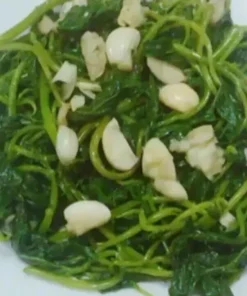
- Versatile Culinary Use: From baking and roasting to mashing and frying, the unique flavor and texture of these purple sweet potatoes make them incredibly versatile in the kitchen. They can be used in both sweet desserts and savory main courses.
- Organic and Homegrown: By choosing to grow purple sweet potatoes yourself, you ensure a truly organic product, free from pesticides and chemicals, providing peace of mind and superior taste.
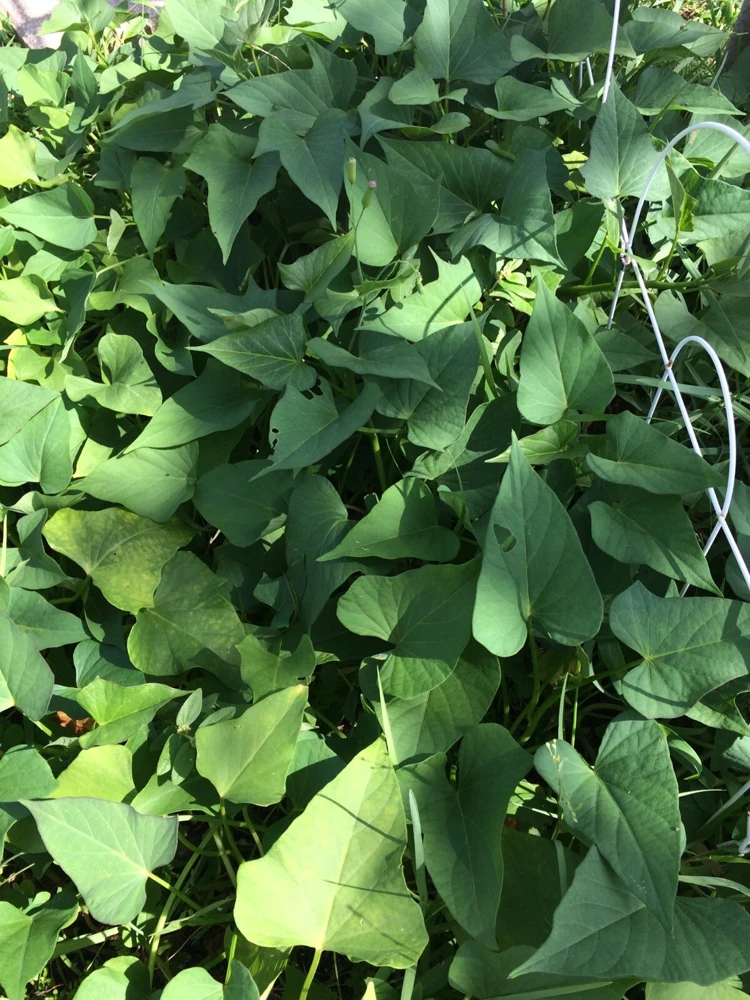
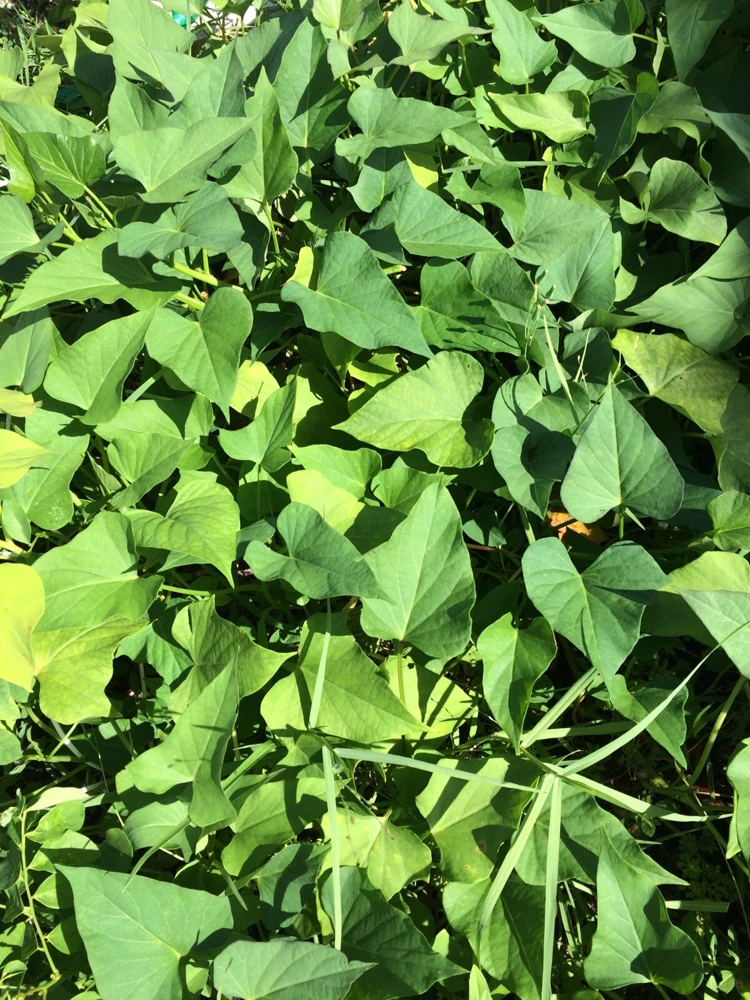
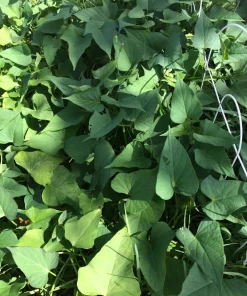
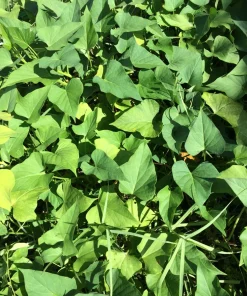
- Striking Garden Appeal: The lush green foliage of the sweet potato vine adds an attractive, tropical touch to your garden landscape, making it both productive and ornamental.
- Relatively Low Maintenance: Once established, these plants are quite resilient and require minimal fuss, making them suitable for gardeners of all skill levels.
- Sustainable Food Source: Cultivating your own sweet potatoes provides a sustainable and renewable food source, contributing to food independence and reducing your carbon footprint.
Plant Care & Growing Tips
To successfully grow purple sweet potatoes, understanding their basic care requirements is crucial. These plants thrive in warm conditions and require specific attention to sunlight, soil, and watering to produce a bountiful harvest. Sweet potato slips are relatively easy to establish, but consistent care will yield the best results.
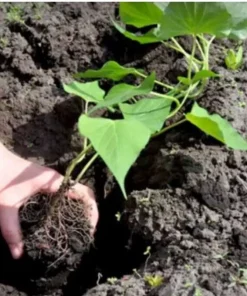
For optimal growth, plant your organic sweet potato slips in a location that receives full sun, meaning at least 6-8 hours of direct sunlight per day. The soil should be well-draining, loose, and rich in organic matter. A sandy loam is ideal, but you can amend heavy clay soils with compost and sand to improve drainage. Aim for a soil pH between 5.5 and 6.5. Plant the slips after all danger of frost has passed and soil temperatures have warmed to at least 60°F (15°C), typically late spring or early summer. Bury the slip up to the top few leaves, ensuring at least two nodes are covered by soil, as roots and tubers will form from these nodes. Space plants about 12-18 inches apart in rows that are 3-4 feet apart to allow for vine spread.
Watering is critical during the initial establishment phase; keep the soil consistently moist but not waterlogged. Once established, sweet potato plants are somewhat drought-tolerant, but consistent moisture will promote larger tubers. Water deeply once or twice a week, especially during dry spells. Fertilize sparingly with a balanced, low-nitrogen fertilizer once the plants are established, as too much nitrogen can encourage leafy growth at the expense of tuber development. Harvest typically occurs 90-120 days after planting, when the leaves begin to yellow. Gently dig around the plant to avoid damaging the tubers. Curing the sweet potatoes for about 1-2 weeks in a warm, humid environment after harvest will improve their flavor and storage life. Watch out for common pests like sweet potato weevils, and consider companion planting or organic pest control methods to keep your plants healthy. Regular weeding will also help prevent competition for nutrients and water.
Size & Details
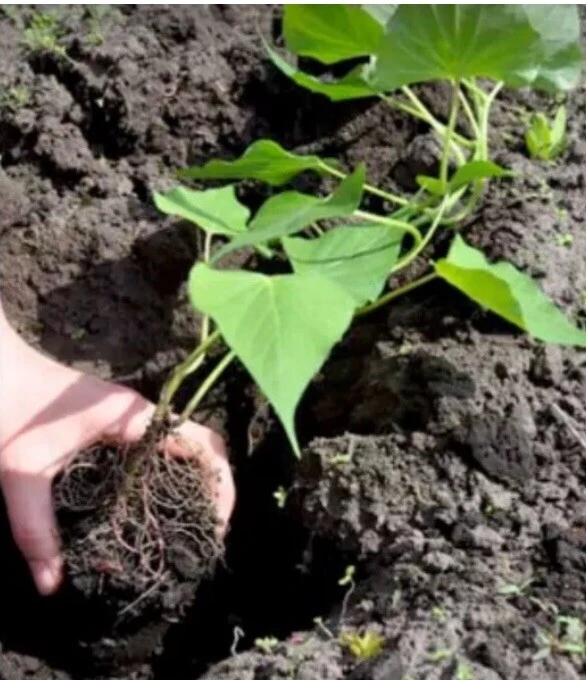
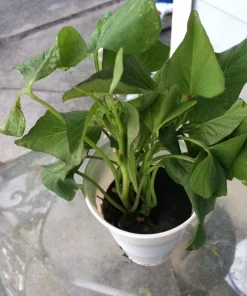
This product includes three live, organic Okinawa purple sweet potato plants, provided as slips (rooted cuttings). Each slip is typically 6-10 inches long, featuring several healthy leaves and a developing root system, making them ready for immediate planting upon arrival. These slips are carefully packaged to ensure their vitality during transit, arriving in optimal condition for successful establishment in your garden. Once planted, these sweet potato vines will spread vigorously, often reaching lengths of 6-10 feet or more, creating a dense ground cover. The tubers, or sweet potatoes themselves, typically mature to a size of 4-8 inches in length and 2-4 inches in diameter, though size can vary depending on growing conditions and duration in the soil. Expect a harvest within 3-4 months after planting, providing a generous yield from each plant. These plants are grown from healthy stock, ensuring genetic purity for true-to-type Okinawa purple sweet potatoes.
Frequently Asked Questions
- Q: How big does this plant get? A: The vines of the Okinawa purple sweet potato plants can spread quite extensively, typically reaching lengths of 6-10 feet. The tubers themselves usually grow to be 4-8 inches long and 2-4 inches in diameter, depending on growing conditions and how long they are left in the ground.
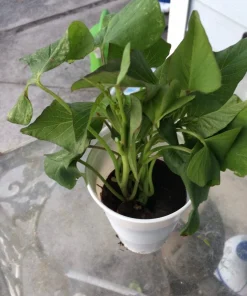
- Q: Is this an indoor or outdoor plant? A: While sweet potatoes are primarily grown outdoors in warm climates, they can also be grown in large containers on patios or even indoors in very sunny locations. They require significant light and warmth to produce tubers.
- Q: How much sunlight does it need? A: For the best yield of tubers, these plants require full sun, meaning at least 6-8 hours of direct sunlight per day. Insufficient sunlight can lead to more leafy growth and smaller tubers.
- Q: Is this plant easy to care for? A: Yes, sweet potato plant care is generally considered easy to moderate. Once established, they are quite resilient and require consistent watering and occasional fertilization. They are a good choice for both beginner and experienced gardeners.
- Q: What condition will it arrive in? A: Your organic sweet potato slips will arrive as live, rooted cuttings, carefully packaged to maintain moisture and prevent damage during transit. They will have healthy leaves and a developing root system, ready for planting.
- Q: Can I use these purple sweet potatoes in cooking? A: Absolutely! Okinawa purple sweet potatoes are highly prized for their unique flavor and vibrant color. They are excellent for baking, roasting, mashing, frying, and can be used in a wide variety of sweet and savory dishes.
- Q: How long until it blooms or produces potatoes? A: The plants typically produce tubers ready for harvest within 90-120 days (3-4 months) after planting the slips. They may produce small, inconspicuous flowers, but the primary goal is the underground tubers.
- Q: What’s the minimum temperature these plants can tolerate? A: Purple yam plants are very sensitive to frost. They need warm soil temperatures, ideally above 60°F (15°C), and will not tolerate temperatures below 50°F (10°C). They thrive in warm, subtropical to tropical climates.
- Q: Do I need to cure the sweet potatoes after harvest? A: Yes, curing harvested sweet potatoes for 1-2 weeks in a warm (80-85°F), humid environment significantly improves their flavor, sweetness, and storage life. This process converts starches to sugars.
- Q: Are these plants considered invasive? A: While sweet potato vines can be vigorous growers and spread extensively, they are not typically considered invasive in the sense of damaging native ecosystems. Their growth is generally manageable within a garden setting.
Be the first to review “3 Organic Okinawa Purple Sweet Potato Plants – Live Slips for Planting”
People Also Viewed


Tree Seeds
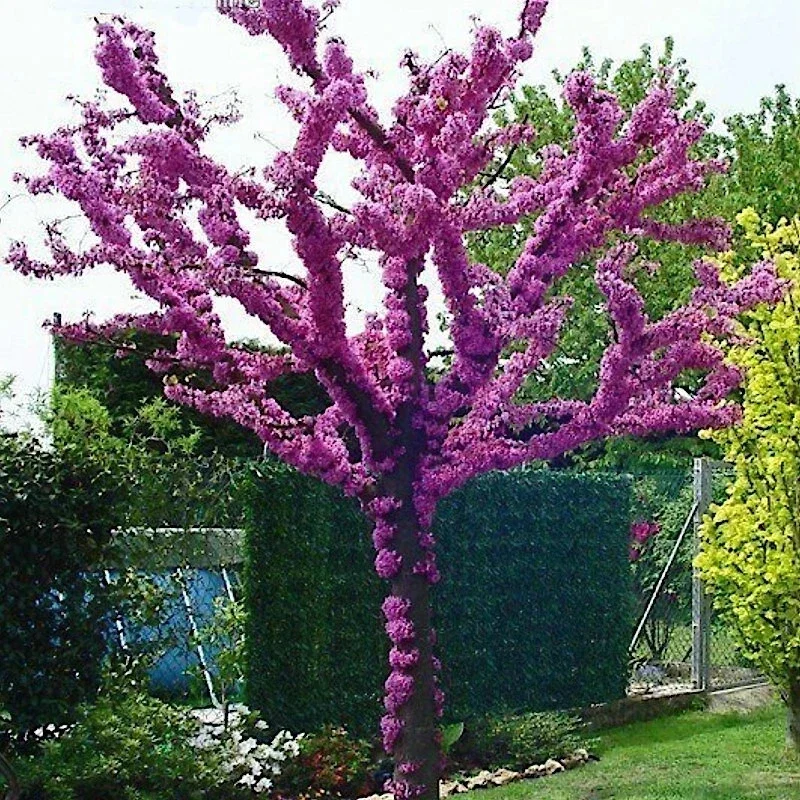
Judas Tree Seeds (Cercis siliquastrum) – Mediterranean Redbud Tree Seeds – Fast Growing, Hardy


Vegetable Seeds
Pink Grapefruit Tomato Seeds – 15 Seeds – Yellow Skin, Low Acid
Reviews
There are no reviews yet.