


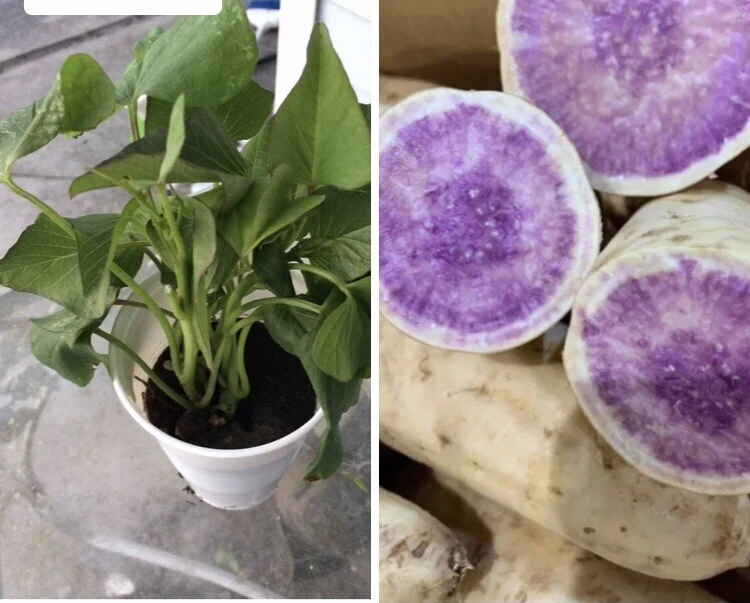
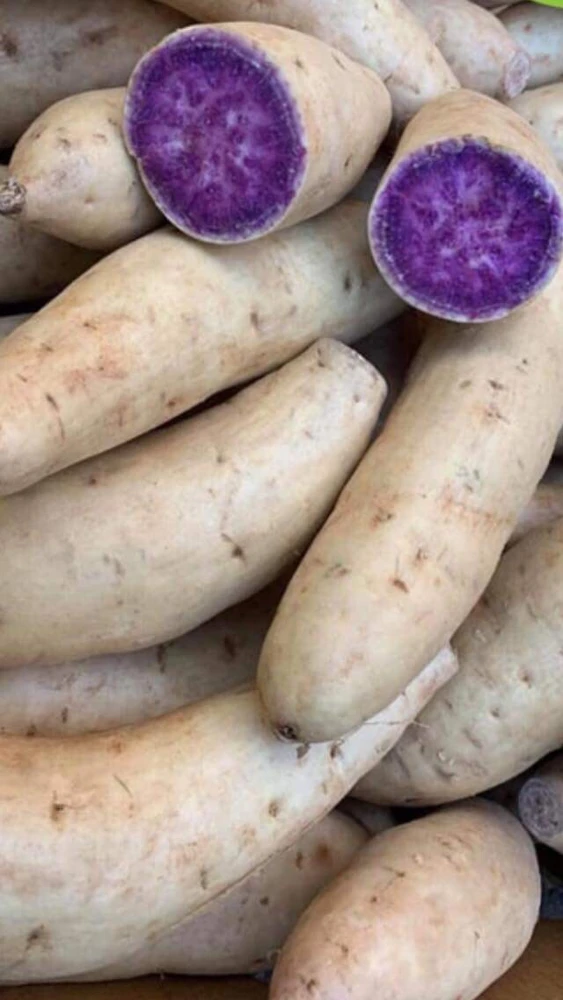
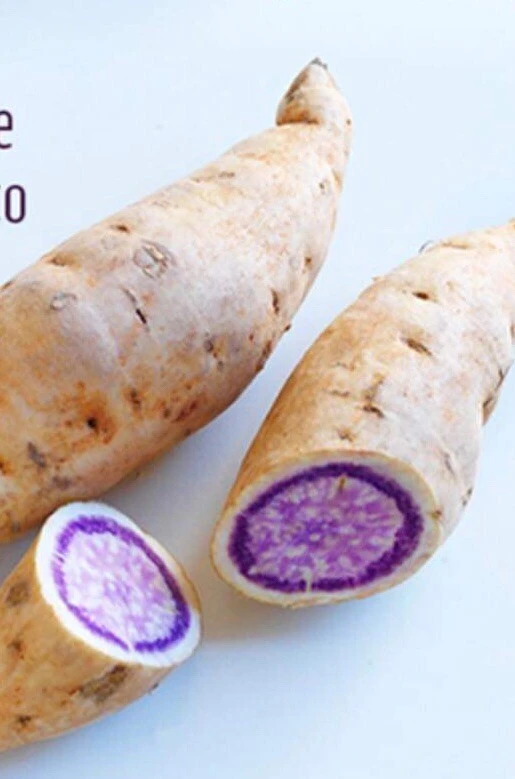
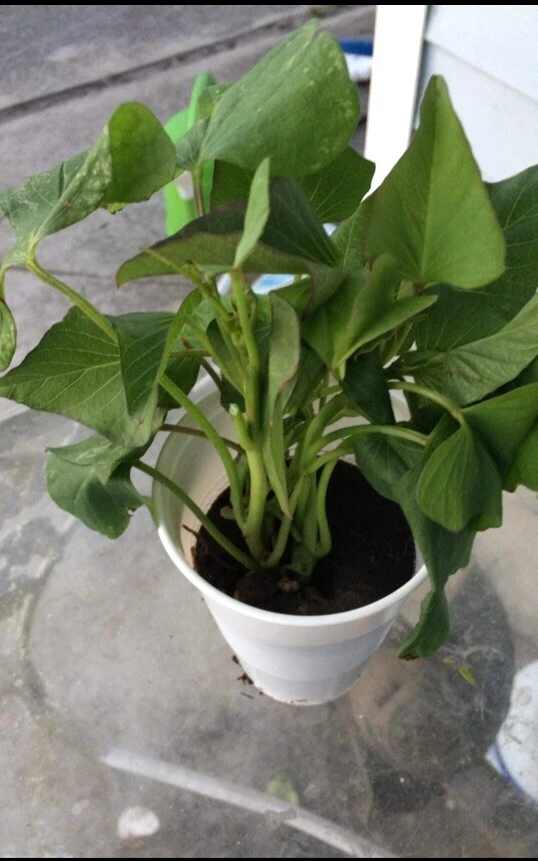



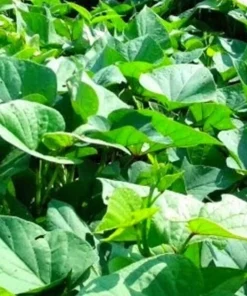
5 Purple Okinawa Sweet Potato Plants – Live Vegetable Plants
Original price was: $73.99.$53.99Current price is: $53.99.
Cultivate your own delicious and vibrant purple Okinawa sweet potato plants with this convenient set of 5 live plants. Ideal for tropical climates, these tropical vegetable plants are ready to thrive in your garden, offering a unique and nutritious harvest.
Estimated arrival
Aug 08
Aug 13 - Aug 15
Aug 18 - Aug 22
Shop With Confidence
30-Day Plant Health Guarantee
Arrives damaged? We’ll replace it free — see our return policy.
Responsive Support
Email us anytime, we reply within 1 business day.
Expert Packaging
Temperature-controlled shipping to protect your plants in transit.
Secure Checkout
Pay safely with Visa, Mastercard, PayPal.
Plant Specifications
-
USDA Hardiness Zone
USDA Zones 9-11 (as perennial), grown as annuals elsewhere -
Soil Type
Well-draining, loose, sandy loam soil -
Sunlight Exposure
Full Sun -
Expected Planting Period
Late spring to early summer (after last frost)
Overview
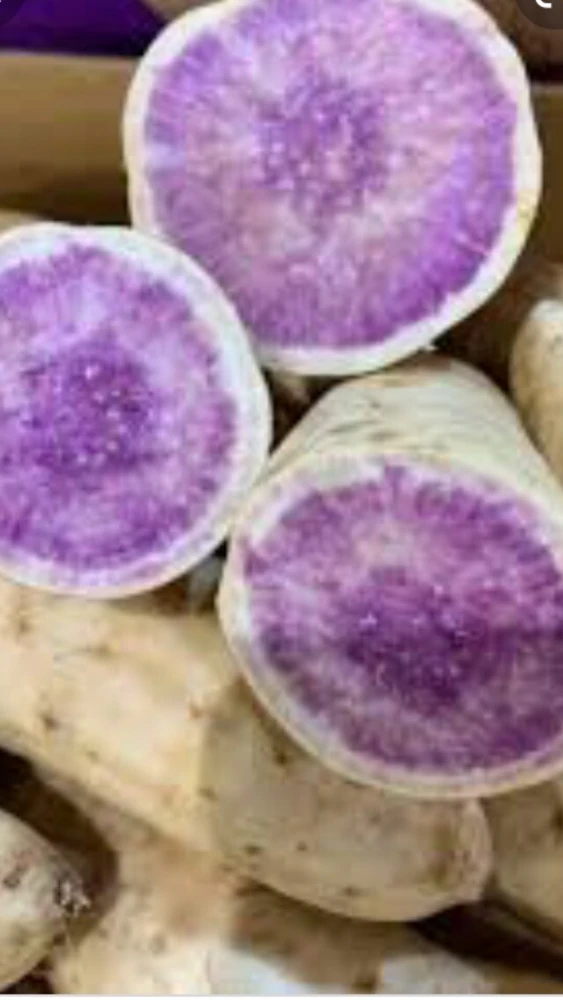
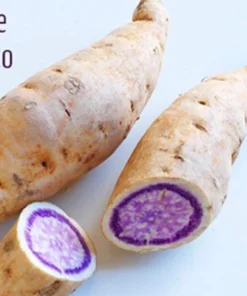
Embark on a rewarding gardening journey with these five vibrant purple Okinawa sweet potato plants. Known for their striking violet flesh and sweet, earthy flavor, Okinawa sweet potatoes are a culinary delight and a nutritional powerhouse. This offering provides you with 5 healthy live plants, ready to be transplanted into your garden or containers. Originating from the tropical regions, these plants thrive in warm, humid conditions, making them an excellent choice for gardeners in suitable climates. Beyond their delicious tubers, the plants themselves produce attractive foliage, adding a touch of lush greenery to your landscape. Growing your own purple Okinawa sweet potato plants allows you to enjoy fresh, organic produce right from your backyard, ensuring the highest quality and flavor for your meals.
Key Benefits
Cultivating your own Okinawa sweet potatoes offers a multitude of advantages, from the joy of gardening to the health benefits of the harvest. These plants are not only productive but also add aesthetic value to your garden.
- Nutritional Powerhouse: Okinawa sweet potatoes are rich in antioxidants, particularly anthocyanins, which give them their distinctive purple color and offer significant health benefits. They are also a good source of vitamins A and C, fiber, and essential minerals, contributing to a healthy diet.
- Unique Flavor Profile: Enjoy a naturally sweet and slightly nutty flavor, distinct from common orange sweet potatoes. Their unique taste makes them a versatile ingredient in both sweet and savory dishes, from fries to desserts.
- Easy to Grow: While preferring tropical climates, these sweet potato plant care requirements are relatively straightforward, making them accessible even for novice gardeners. With proper sunlight and watering, you can expect a bountiful harvest.
- Attractive Foliage: The lush green vines of the Okinawa sweet potato plant can serve as an attractive ground cover or can be trained to climb, adding a decorative element to your garden beds or container arrangements.
- Sustainable Gardening: Growing your own provides a sustainable source of fresh produce, reducing your reliance on store-bought items and minimizing your carbon footprint. You control the growing conditions, ensuring organic and chemical-free tubers.
- Adaptable to Various Settings: Whether you have a large garden plot or prefer container gardening on a patio, these purple Okinawa sweet potato plants can adapt, provided they receive adequate warmth and sunlight.
- Culinary Versatility: Discover endless culinary possibilities with your harvest. From roasting and mashing to incorporating them into baked goods or savory stews, the Okinawa sweet potato benefits extend to diverse cooking applications.
Plant Care & Growing Tips
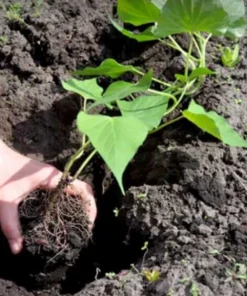
Ensuring the success of your purple Okinawa sweet potato plants involves understanding their preferred growing conditions and providing consistent care. These tropical plants thrive in warm environments and require specific attention to light, water, and soil. For optimal growth, plant your sweet potato slips after the last frost when soil temperatures have consistently reached at least 65°F (18°C).
Sunlight requirements: Okinawa sweet potatoes demand abundant sunlight. They need at least 6-8 hours of direct full sun per day to produce a healthy crop of tubers. Choose a location in your garden that receives ample, unobstructed sunlight throughout the day. In extremely hot climates, some afternoon shade can be beneficial to prevent scorching, but generally, more sun equals more tubers. Watering schedule and soil moisture preferences: Consistent moisture is crucial, especially during the establishment phase and tuber development. Water deeply once or twice a week, ensuring the soil is moist but not waterlogged. Reduce watering as the tubers mature, about 3-4 weeks before harvest, to prevent rot and encourage curing. The soil should be allowed to dry slightly between waterings. Soil type and drainage requirements: These plants prefer well-draining, loose, sandy loam soil. Heavy clay soils can impede tuber development and lead to rot. Amend heavy soils with compost and sand to improve drainage and texture. A slightly acidic to neutral pH (5.5-7.0) is ideal. Temperature range and USDA hardiness zone: As tropical plants, they are sensitive to cold. They thrive in temperatures between 75°F and 95°F (24°C-35°C). They are typically grown as annuals in most regions, but can be perennial in USDA Zones 9-11. Protect from frost. Fertilization schedule and type: Incorporate a balanced slow-release fertilizer into the soil at planting. Avoid excessive nitrogen, which promotes vine growth at the expense of tubers. A fertilizer with higher phosphorus and potassium can be beneficial during tuber formation. Common problems and solutions: Watch out for sweet potato weevils, which can damage tubers. Practice crop rotation and inspect plants regularly. Fungal diseases can occur in overly wet conditions, so ensure good air circulation and proper drainage. Providing proper sweet potato plant care will lead to a successful harvest.
Size & Details
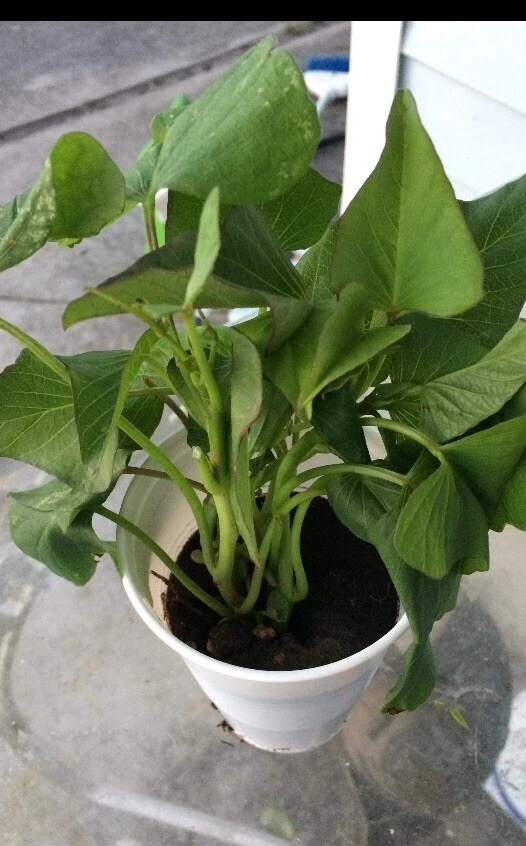
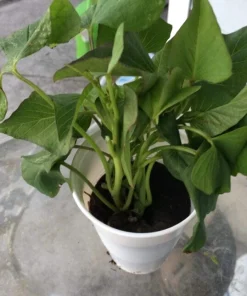
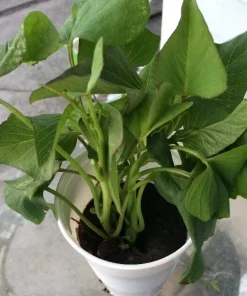
This offering includes five individual purple Okinawa sweet potato plants, each carefully cultivated and shipped in a cup, ready for transplanting. At the time of shipping, these slips are typically 4-6 inches tall, with established root systems, ensuring a strong start in your garden. Okinawa sweet potatoes are vigorous growers, with vines that can spread several feet, making them excellent as ground cover or for growing in large containers or raised beds. The tubers typically mature within 90-120 days after planting, depending on climate and growing conditions. Each plant has the potential to produce multiple tubers, yielding a generous harvest. They are shipped as live, young plants, ready to adapt to their new environment and begin their robust growth cycle, contributing to the many Okinawa sweet potato benefits you’ll experience.
Frequently Asked Questions
- Q: How big do these purple Okinawa sweet potato plants get? A: The vines of these plants can spread quite extensively, often several feet in length, making them great ground covers. The tubers themselves vary in size, typically reaching 4-8 inches long, depending on growing conditions and harvest time.
- Q: What size pot does it come in? A: Each of the 5 live plants is shipped in an individual cup, providing a secure environment for their initial growth and making them easy to transplant into your garden or larger containers upon arrival.
- Q: Is this an indoor or outdoor plant? A: While they are tropical plants that thrive outdoors in warm, sunny conditions, they can be grown in containers indoors if provided with sufficient light (ideally a grow light) and warmth, especially in colder climates. For tuber production, outdoor planting is generally recommended.
- Q: How much sunlight does it need? A: Purple Okinawa sweet potato plants require full sun, meaning at least 6-8 hours of direct sunlight per day, to produce a healthy crop. Adequate sunlight is crucial for tuber development and overall plant vigor.
- Q: Is this plant easy to care for? Is it good for beginners? A: Yes, sweet potatoes are relatively easy to care for and are a good choice for beginner gardeners, especially in warm climates. Providing proper soil, sunlight, and consistent watering are the main keys to successful sweet potato plant care.
- Q: What condition will it arrive in? A: Your 5 live plants will arrive carefully packaged, healthy, and ready for planting. They will have established root systems and vibrant foliage, prepared to acclimate to their new environment.
- Q: How long until it blooms? A: While sweet potatoes do flower, their bloom is usually insignificant and often goes unnoticed as the plant’s energy is directed towards tuber production. The primary focus is on the delicious tubers, which mature in 90-120 days.
- Q: When is the best time to plant? A: The best time to plant Okinawa sweet potato slips is after the last frost in your area, when soil temperatures consistently reach 65°F (18°C) or higher. This typically falls in late spring or early summer.
- Q: Will it survive winter in my zone? A: Okinawa sweet potatoes are tropical plants and are not frost-hardy. They are typically grown as annuals in most regions. In USDA Zones 9-11, they can be perennial, but in colder zones, they will not survive winter outdoors.
- Q: What are the main Okinawa sweet potato benefits? A: The main benefits include their high antioxidant content (anthocyanins), rich nutritional profile (vitamins A, C, fiber), unique sweet flavor, and their versatility in various culinary applications.
Be the first to review “5 Purple Okinawa Sweet Potato Plants – Live Vegetable Plants”
People Also Viewed


Reviews
There are no reviews yet.