
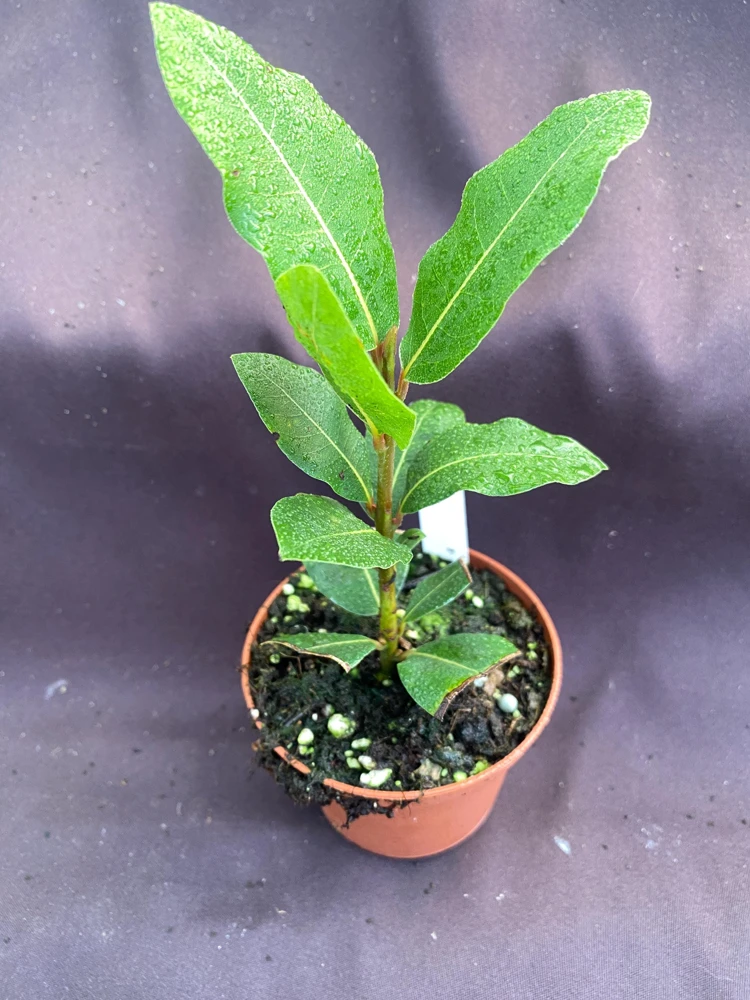
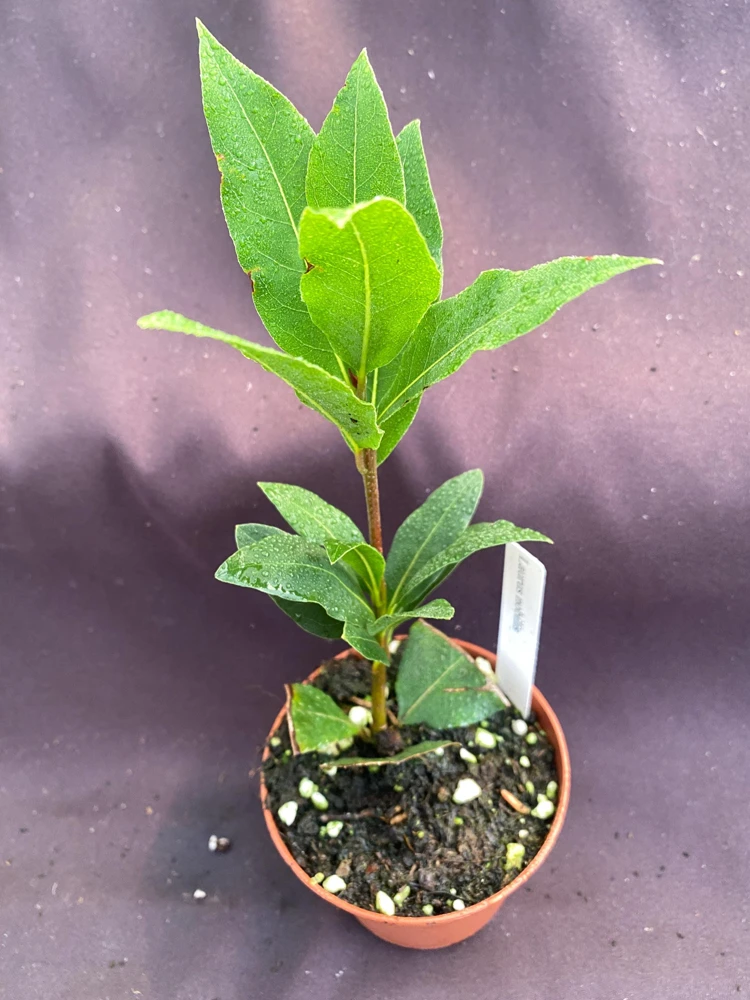
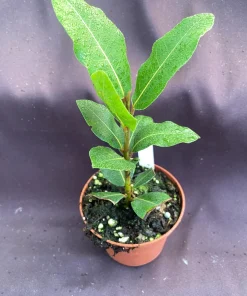
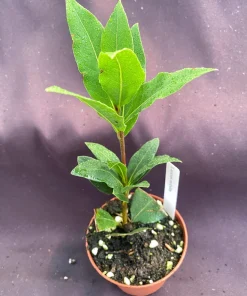
Bay Laurel Live Plant – Sweet Bay Herb, Laurus Nobilis, 3 inch Pot
Original price was: $59.99.$39.99Current price is: $39.99.
Cultivate your own aromatic bay laurel live plant, also known as Sweet Bay herb (Laurus nobilis). This evergreen shrub or small tree is perfect for adding fresh bay leaves to your cooking. Shipped as a healthy, rooted plant in a 3 inch pot, ready for your garden or container.
Estimated arrival
Sep 22
Sep 27 - Sep 29
Oct 02 - Oct 06
Shop With Confidence
30-Day Plant Health Guarantee
Arrives damaged? We’ll replace it free — see our return policy.
Responsive Support
Email us anytime, we reply within 1 business day.
Expert Packaging
Temperature-controlled shipping to protect your plants in transit.
Secure Checkout
Pay safely with Visa, Mastercard, PayPal.
Plant Specifications
-
USDA Hardiness Zone
8-11 -
Soil Type
Well-draining potting mix -
Sunlight Exposure
Full sun to partial shade -
Expected Planting Period
Year-round indoors; Spring to early fall outdoors
Overview
Welcome to the world of fresh herbs with your very own bay laurel live plant. This exquisite specimen, botanically known as Laurus nobilis, is commonly referred to as Sweet Bay or Bay Laurel herb. Revered for centuries, this aromatic evergreen is not just a beautiful addition to any garden or kitchen, but also a staple in culinary arts worldwide. Our healthy, well-rooted plant arrives ready to thrive, providing you with an endless supply of fresh bay leaves for all your culinary adventures. Whether you’re a seasoned gardener or a budding chef, growing your own bay laurel live plant is a rewarding experience, offering both aesthetic pleasure and practical utility right from your home.
The Laurus nobilis plant is celebrated for its glossy, dark green leaves that release a distinctive, rich aroma when crushed. These leaves are indispensable for flavoring soups, stews, sauces, and roasts, making them a must-have for any gourmet kitchen. Beyond its culinary appeal, the Sweet Bay also boasts an elegant form, making it an attractive ornamental shrub or small tree. It adapts well to various growing conditions and can be grown in containers, allowing you to enjoy its beauty and bounty even in smaller spaces or colder climates where it can be brought indoors during winter months.
Key Benefits
Growing a bay laurel live plant offers a multitude of benefits, from enhancing your cooking to beautifying your home. This versatile plant is a true asset for any plant enthusiast.
- Fresh Culinary Herb: Enjoy the unparalleled flavor of fresh bay leaves straight from your own plant. These leaves are far more aromatic and potent than dried varieties, elevating your dishes to new heights. The bay laurel culinary applications are vast and rewarding.
- Aromatic Evergreen Foliage: The glossy, dark green leaves of the Sweet Bay herb provide year-round beauty and a pleasant, subtle fragrance in your garden or home. Its evergreen nature ensures a touch of greenery even in the colder seasons.
- Container Growing Versatility: This plant thrives in pots, making it an ideal choice for patios, balconies, or as a movable accent in your garden. It can be easily brought indoors to protect it from frost, extending its growing season.
- Low Maintenance: Once established, the Laurus nobilis is relatively easy to care for, requiring moderate watering and occasional feeding. It’s a forgiving plant suitable for gardeners of all experience levels.
- Natural Pest Repellent: Some gardeners find that the strong aroma of bay leaves can help deter certain garden pests, contributing to a healthier garden ecosystem.
- Traditional & Medicinal Uses: Beyond cooking, bay leaves have a long history of use in traditional remedies and aromatherapy, valued for their soothing and aromatic properties.
- Long-Lived Plant: With proper care, your bay laurel live plant can live for many years, growing into a substantial and productive specimen that you can cherish for a lifetime.
Plant Care & Growing Tips
Proper bay leaf plant care ensures a thriving and productive Laurus nobilis. This hardy plant is relatively easy to maintain, but understanding its specific needs will help it flourish. For optimal growth, the bay laurel live plant prefers a location with full sun to partial shade, meaning at least 4-6 hours of direct sunlight per day. If growing indoors, place it near a bright, south-facing window. Ensure good air circulation, especially when grown in humid environments, to prevent fungal issues.
When it comes to watering, consistent moisture is key, but avoid waterlogging. Allow the top inch or two of soil to dry out between waterings. During hot, dry periods, it may need more frequent watering. The Laurus nobilis plant thrives in well-draining soil with a slightly acidic to neutral pH. A good quality potting mix designed for herbs or general container plants, amended with some perlite or sand for drainage, works well. Fertilize sparingly during the growing season (spring and summer) with a balanced liquid fertilizer, reducing frequency in fall and winter. Pruning can be done to maintain shape and size, and to encourage bushier growth, making it easier to harvest your sweet bay herb leaves.
Bay Laurel is generally hardy in USDA Zones 8-11, meaning it can withstand mild frosts. In colder zones, it’s best to grow it in a container and bring it indoors before the first hard frost. Indoors, ensure it receives adequate light and protection from drafts. Watch out for common pests like scale insects or mealybugs; address them promptly with horticultural oil or insecticidal soap. With these simple care tips, your bay laurel live plant will provide you with beautiful foliage and delicious leaves for years to come.
Size & Details
Your bay laurel live plant will be shipped as a healthy, well-rooted specimen, actively growing in a 3 inch pot. At the time of shipment, the plant typically stands approximately 6-10 inches tall, though exact measurements may vary slightly depending on growth stage. This size makes it ideal for immediate transplanting into a larger container or directly into your garden, depending on your climate zone. The Laurus nobilis plant is a slow to moderate grower, eventually reaching heights of 10-20 feet in ideal outdoor conditions, though it can be kept much smaller through regular pruning, especially when grown in pots. Expect a steady growth rate, with new leaves appearing throughout the growing season, providing you with a continuous supply for your bay laurel culinary needs. The plant is established and ready to continue its journey in your care.
Frequently Asked Questions
- Q: How big does this plant get? A: In optimal outdoor conditions, the bay laurel live plant can grow into a small tree, reaching 10-20 feet tall. When grown in a container, its size can be easily managed with regular pruning to suit your space.
- Q: What size pot does it come in? A: Your bay laurel live plant will arrive well-rooted in a 3 inch pot, ready for you to transplant into a larger container or directly into your garden.
- Q: Is this an indoor or outdoor plant? A: The Laurus nobilis plant can be grown both indoors and outdoors. It thrives outdoors in USDA Zones 8-11. In colder climates, it’s best grown in a container and brought indoors during winter.
- Q: How much sunlight does it need? A: The Sweet Bay herb prefers full sun to partial shade, ideally receiving 4-6 hours of direct sunlight daily. If indoors, place it in a bright, sunny window.
- Q: Is this plant easy to care for? A: Yes, with proper attention to watering and sunlight, the bay laurel live plant is considered relatively easy to care for, making it suitable for gardeners of all experience levels.
- Q: What condition will it arrive in? A: Your plant will arrive as a healthy, well-rooted, actively growing specimen, carefully packaged to ensure its safe journey from our nursery to your home.
- Q: Can I use bay leaves from this plant in cooking? A: Absolutely! This is the true Bay Laurel herb (Laurus nobilis), and its leaves are perfect for all your bay laurel culinary creations. Harvest them fresh for the best flavor.
- Q: When is the best time to plant? A: For outdoor planting in suitable zones, spring or early fall is ideal. For container growing, you can plant year-round, ensuring it’s protected from extreme temperatures.
- Q: Will it survive winter in my zone? A: It is hardy in USDA Zones 8-11. If you are in a colder zone, you must bring your bay laurel live plant indoors before the first hard frost to protect it.
- Q: What type of soil does it prefer? A: The Laurus nobilis plant prefers well-draining soil with a slightly acidic to neutral pH. A good quality potting mix with added perlite or sand for drainage is recommended.
Be the first to review “Bay Laurel Live Plant – Sweet Bay Herb, Laurus Nobilis, 3 inch Pot”
People Also Viewed

Reviews
There are no reviews yet.