
Sarracenia Scarlet Belle Carnivorous Pitcher Plant – Live Plant – 2.5″ Pot
Original price was: $59.99.$39.99Current price is: $39.99.
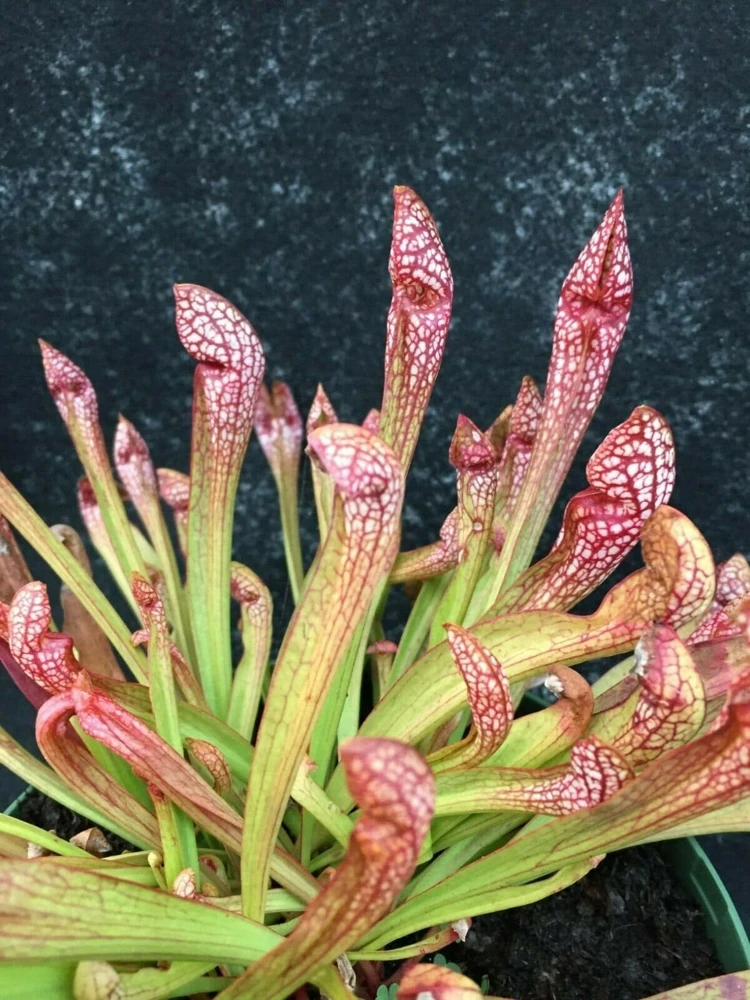
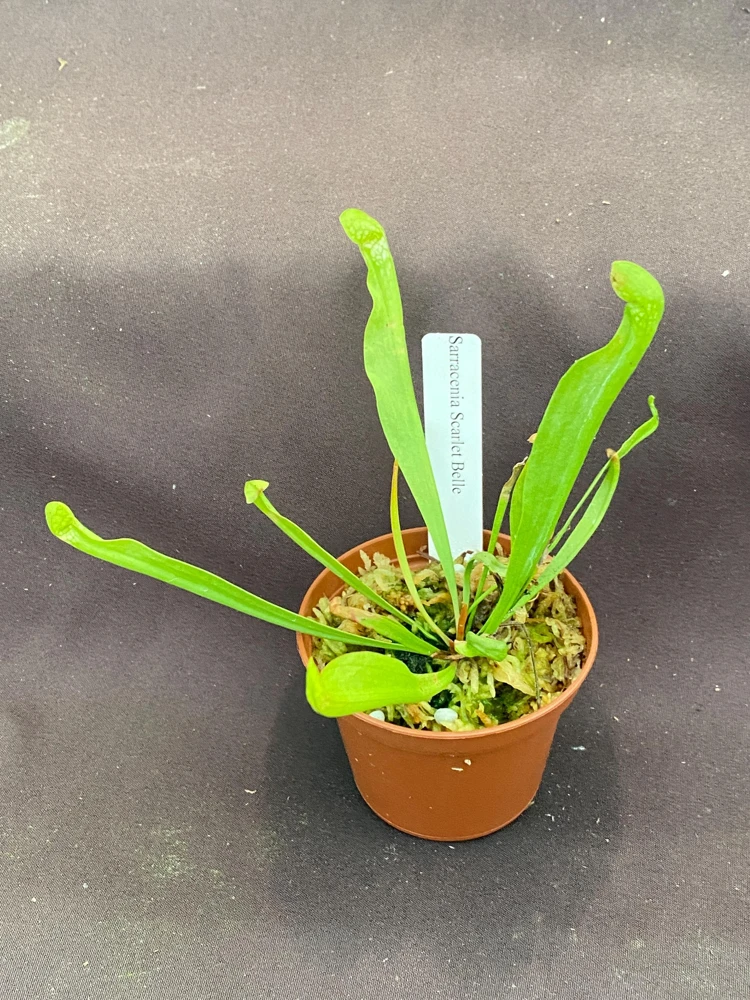
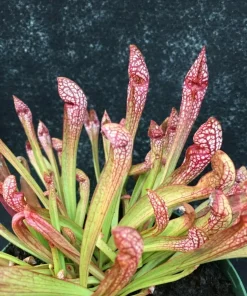
Introduce a fascinating natural insect control to your garden with the sarracenia scarlet belle. This vibrant carnivorous pitcher plant showcases striking white pitchers with deep red veins, reaching up to 15 inches. It’s a unique and low-maintenance addition, perfect for bog gardens or container growing. Shipped as a healthy live plant in a 2.5″ pot.
Estimated arrival
Sep 22
Sep 27 - Sep 29
Oct 02 - Oct 06
Shop With Confidence
30-Day Plant Health Guarantee
Arrives damaged? We’ll replace it free — see our return policy.
Responsive Support
Email us anytime, we reply within 1 business day.
Expert Packaging
Temperature-controlled shipping to protect your plants in transit.
Secure Checkout
Pay safely with Visa, Mastercard, PayPal.
Plant Specifications
-
USDA Hardiness Zone
7-9 -
Soil Type
Peat moss and perlite/sand mix -
Sunlight Exposure
Full sun -
Expected Planting Period
Spring to early summer
Overview
Welcome a truly unique and captivating specimen into your plant collection with the sarracenia scarlet belle. This exceptional carnivorous pitcher plant is a hybrid, resulting from the cross between Sarracenia leucophylla and Sarracenia psittacina, bringing together the best traits of both. Known for its spectacular white pitchers adorned with prominent red veins, the ‘Scarlet Belle’ is not only a visual delight but also a highly efficient insect trap. Each pitcher can grow up to 15 inches tall, creating an impressive display in any bog garden or container. Ideal for enthusiasts and beginners alike, this live plant offers a fascinating glimpse into the world of carnivorous flora.
The Sarracenia genus, commonly known as North American pitcher plants, are renowned for their modified leaves that form a pitcher-like structure. These pitchers secrete nectar and emit scents to attract insects, which then fall into the liquid at the bottom and are digested. The ‘Scarlet Belle’ stands out with its vibrant coloration and robust growth, making it a popular choice among collectors. It’s a low-maintenance plant that thrives on catching its own food, requiring no fertilization and minimal intervention once established.
Key Benefits
The sarracenia scarlet belle offers a multitude of benefits, from its striking appearance to its practical function as a natural pest controller. This carnivorous pitcher plant is a conversation starter and a valuable addition to any garden or plant collection.
- Natural Insect Control: The primary benefit of the sarracenia scarlet belle is its ability to naturally manage insect populations. Its numerous pitchers act as effective traps for flies, mosquitoes, and other small pests, reducing the need for chemical insecticides.
- Stunning Visual Appeal: With its dramatic white pitchers and bold red veining, the ‘Scarlet Belle’ is incredibly ornamental. It adds a unique texture and color contrast to bog gardens, patios, or even sunny windowsills.
- Educational Value: Observing a carnivorous pitcher plant in action provides a fascinating educational experience for all ages, showcasing the wonders of the plant kingdom and adaptation.
- Low Maintenance: Unlike many ornamental plants, this Sarracenia hybrid requires very little active care. It thrives on sunlight and a consistent water source, primarily relying on trapped insects for nutrients, making it a great choice for busy gardeners.
- Hardy and Resilient: Adapted to various conditions, the ‘Scarlet Belle’ is relatively hardy, making it suitable for a range of climates within its recommended USDA zones.
- Unique Garden Addition: Stand out from traditional gardens by incorporating a sarracenia hybrid. Its exotic appearance and carnivorous nature make it a truly distinctive feature.
- Compact Growth: While its pitchers can reach impressive heights, the overall footprint of the plant remains manageable, making it suitable for container gardening or smaller bog garden setups.
Plant Care & Growing Tips
Caring for your sarracenia scarlet belle is relatively straightforward, provided you understand its specific needs as a carnivorous pitcher plant. These plants thrive in conditions that mimic their natural bog habitats. The most critical factors are water quality, sunlight, and proper soil. Avoid using tap water if it’s high in minerals; instead, opt for distilled water, rainwater, or reverse osmosis water, as the minerals in tap water can harm the plant over time.
For sunlight, the ‘Scarlet Belle’ demands full sun exposure, meaning at least 6-8 hours of direct sunlight daily. Inadequate light will result in weak, pale pitchers and reduced insect trapping. When growing outdoors, choose the sunniest spot in your garden. If grown indoors, a south-facing window or a strong grow light is essential. The soil should be nutrient-poor and acidic. A mixture of peat moss and perlite or sand (in a 1:1 ratio) is ideal. Never use regular potting soil, as it contains fertilizers and minerals that will kill the plant. The plant should always sit in about 1-2 inches of water, especially during the growing season, to keep the soil consistently moist. This can be achieved by placing its pot in a tray filled with distilled water. This consistent moisture is crucial for the health of your insect eating plant.
This plant is hardy in USDA Zones 7-9. In colder climates, it will require winter dormancy. During dormancy, which typically occurs from late fall to early spring, the plant’s growth will slow down, and some pitchers may die back. Reduce watering during this period but do not let the soil dry out completely. Protect outdoor plants from hard freezes by mulching or moving them to an unheated garage or greenhouse. Fertilization is unnecessary and can be detrimental. The plant obtains all the nutrients it needs from the insects it catches. If you notice a decline in vigor, check your water source and ensure sufficient sunlight before considering any other interventions. Understanding pitcher plant care is key to a thriving specimen.
Size & Details
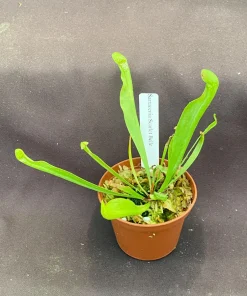
Each sarracenia scarlet belle live plant is shipped in a 2.5-inch nursery pot, ensuring it arrives healthy and ready for transplanting into its permanent home. The plant’s pitchers can grow impressively, reaching up to 15 inches in height, with a mature spread that can be equally as wide, creating a substantial and eye-catching display. This particular sarracenia hybrid is known for its vigorous growth and ability to produce numerous pitchers, sometimes up to 100 on a mature plant in ideal conditions.
While the initial size in the 2.5-inch pot is compact, these plants are fast growers and will quickly develop larger, more vibrant pitchers. Expect to see significant growth within the first growing season. It’s a perennial plant, meaning it will return year after year with proper care and dormancy. The ‘Scarlet Belle’ is a robust plant, offering excellent value and long-term enjoyment for any plant enthusiast looking for an effective insect eating plant.
Frequently Asked Questions
- Q: How big does this Sarracenia Scarlet Belle get? A: The pitchers of the sarracenia scarlet belle can grow up to 15 inches tall. A mature plant can develop a spread of similar width, making it a striking specimen in your garden or container.
- Q: Is this an indoor or outdoor plant? A: While it can be grown indoors in a very sunny location, the carnivorous pitcher plant thrives best outdoors in full sun, especially in bog gardens or containers where it can receive ample light and consistent moisture.
- Q: How much sunlight does the Sarracenia Scarlet Belle need? A: This Sarracenia hybrid requires at least 6-8 hours of direct sunlight per day to produce strong, colorful pitchers. Full sun exposure is crucial for its health and vibrant coloration.
- Q: Is this plant easy to care for? A: Yes, once you understand its basic needs for distilled water, full sun, and nutrient-poor soil, the sarracenia scarlet belle is considered relatively easy to care for and is a great option for beginners interested in carnivorous plants.
- Q: What condition will the Sarracenia Scarlet Belle arrive in? A: Your sarracenia scarlet belle will arrive as a healthy, live plant, actively growing in a 2.5-inch nursery pot, carefully packaged to ensure its safe journey.
- Q: What kind of water should I use for my pitcher plant? A: Always use distilled water, rainwater, or reverse osmosis water. Tap water, especially if it contains high mineral content, can be harmful to this delicate insect eating plant.
- Q: Does this pitcher plant need fertilizer? A: No, the carnivorous pitcher plant obtains all the nutrients it needs by trapping and digesting insects. Fertilizing it can actually cause harm and is not recommended.
- Q: When is the best time to plant or repot my Sarracenia Scarlet Belle? A: The best time to plant or repot your pitcher plant is typically in the spring, just as it’s emerging from dormancy and beginning its active growth phase.
- Q: Will it survive winter in my zone? A: The sarracenia scarlet belle is hardy in USDA Zones 7-9. In these zones, it will undergo a natural dormancy period during winter. In colder zones, it will need protection or to be brought indoors to an unheated space.
- Q: Can I grow this Sarracenia hybrid in a regular garden bed? A: No, it requires specific bog-like conditions with consistently wet, nutrient-poor, acidic soil. It’s best grown in a bog garden, a specialized carnivorous plant mix in a pot, or in a tray of water.
Be the first to review “Sarracenia Scarlet Belle Carnivorous Pitcher Plant – Live Plant – 2.5″ Pot”
People Also Viewed



Reviews
There are no reviews yet.