
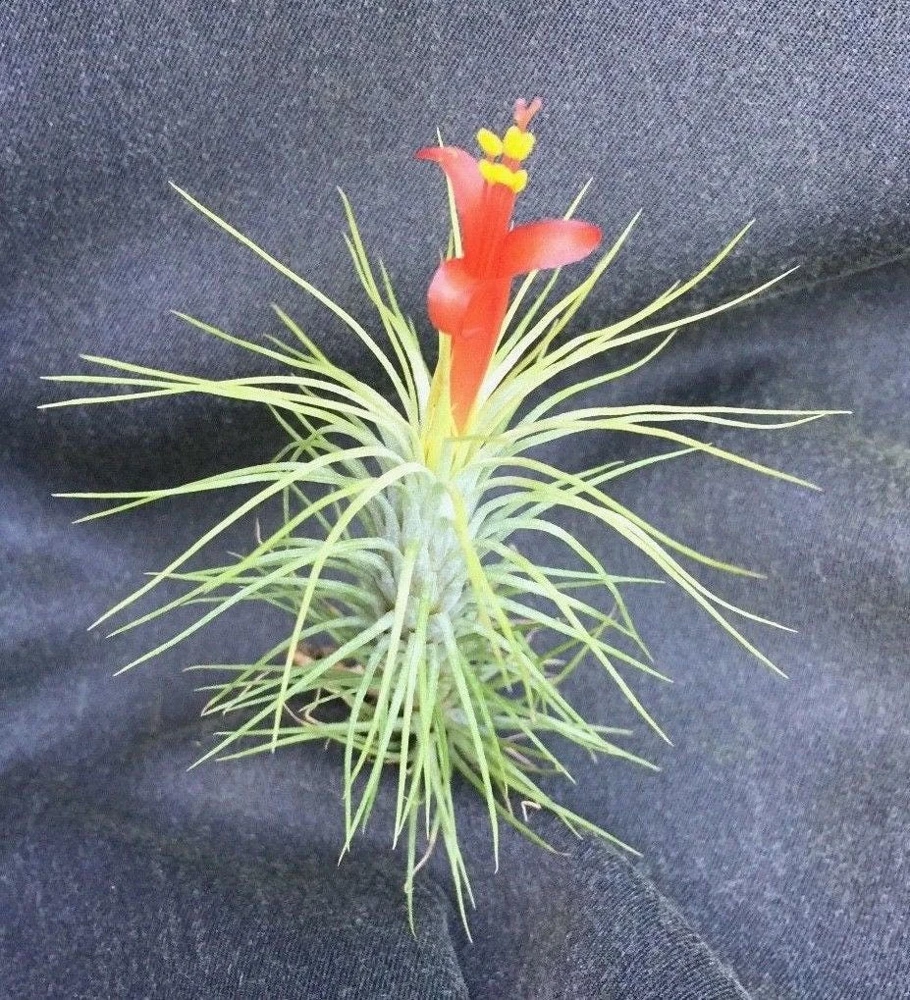
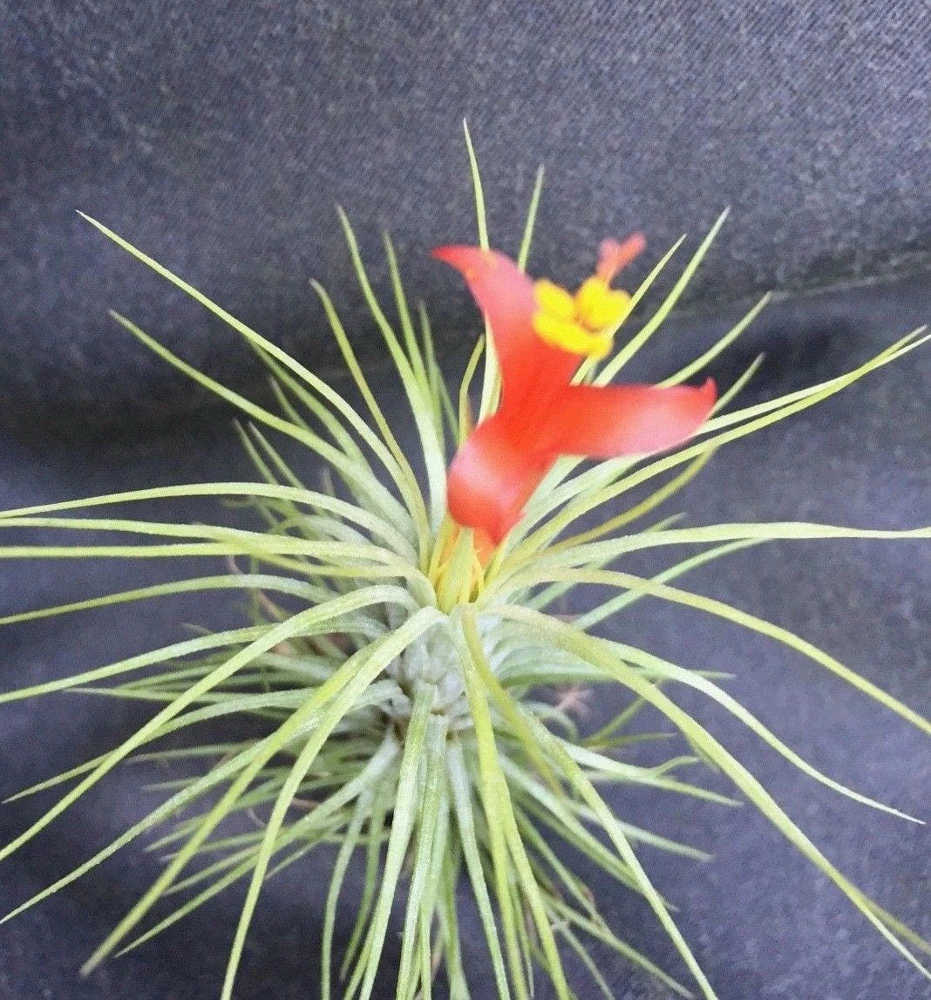
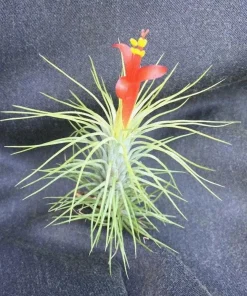
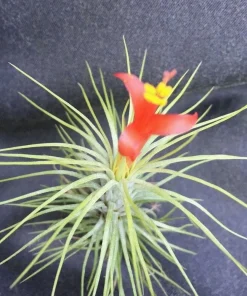
Tillandsia funkiana Air Plant – Live Tillandsia Plant – Unique Funky Air Plant
Original price was: $40.99.$20.99Current price is: $20.99.
Introduce a touch of modern greenery with the unique Tillandsia funkiana air plant. This captivating funky air plant is known for its distinctive, upright growth and vibrant green foliage. A low-maintenance live tillandsia plant, it thrives with minimal care, making it ideal for busy plant enthusiasts and beginners.
Estimated arrival
Sep 22
Sep 27 - Sep 29
Oct 02 - Oct 06
Shop With Confidence
30-Day Plant Health Guarantee
Arrives damaged? We’ll replace it free — see our return policy.
Responsive Support
Email us anytime, we reply within 1 business day.
Expert Packaging
Temperature-controlled shipping to protect your plants in transit.
Secure Checkout
Pay safely with Visa, Mastercard, PayPal.
Plant Specifications
-
USDA Hardiness Zone
year-round indoors -
Soil Type
no soil required (epiphytic) -
Sunlight Exposure
bright indirect light -
Expected Planting Period
year-round indoors
Overview
The Tillandsia funkiana air plant is a truly captivating epiphytic plant, cherished for its distinctive upright growth habit and vibrant green, needle-like foliage. Often referred to as the funky air plant due to its unique appearance, this species is a fantastic addition to any indoor plant collection. As a live tillandsia plant, it belongs to the Bromeliad family and naturally absorbs moisture and nutrients directly from the air through specialized scales on its leaves, eliminating the need for soil. This makes it incredibly versatile for display, whether nestled in terrariums, mounted on driftwood, or simply placed on a shelf. Its sculptural form adds an artistic touch to any decor, providing a natural and refreshing element to your living space. This particular variety is known for its robust nature and ability to adapt to various indoor environments, making it a popular choice for both novice and experienced plant enthusiasts.
Originating from Central and South America, Tillandsia funkiana thrives in warm, humid conditions, mimicking its natural habitat. Its slender leaves often develop a reddish blush when exposed to brighter light, adding to its aesthetic appeal. Unlike many traditional houseplants, air plants offer a unique, minimalist approach to gardening, requiring no potting mix and minimal fuss. The Tillandsia funkiana air plant is not just a plant; it’s a living sculpture that brings a piece of the tropics into your home with ease and elegance.
Key Benefits
Incorporating a Tillandsia funkiana air plant into your home offers numerous advantages beyond its striking appearance. This remarkable species is known for its ease of care and ability to thrive in diverse settings, making it a favorite among plant lovers. The presence of a live tillandsia plant can significantly enhance the aesthetic and atmosphere of any room.
- Unique Ornamental Appeal: The distinctive upright, needle-like leaves of the Tillandsia funkiana air plant create a sculptural, modern aesthetic. Its unique form makes it a focal point in any arrangement, adding architectural interest to shelves, desks, or terrariums.
- Low Maintenance: As an air plant, Tillandsia funkiana requires no soil, making its care routine incredibly simple. Regular misting and occasional soaking are typically all that’s needed, perfect for busy individuals or those new to plant ownership.
- Versatile Display Options: Without the need for soil, this funky air plant can be creatively displayed in various ways. Mount it on cork bark, place it in glass globes, or arrange it in decorative bowls to complement your home decor.
- Space-Saving: Its compact size allows it to fit into small spaces, making it an excellent choice for apartments, offices, or anywhere space is at a premium. It brings greenery without clutter.
- Air Purification: Like many plants, Tillandsia funkiana contributes to a healthier indoor environment by helping to filter the air, albeit on a smaller scale than larger plants. It can help improve air quality by absorbing certain airborne particles.
- Pet-Friendly: Generally, Tillandsia species are considered non-toxic to pets, making the Tillandsia funkiana air plant a safe choice for homes with curious cats or dogs.
- Drought Tolerant: Air plants are adapted to periods of dryness, meaning they can tolerate some neglect if you occasionally forget a watering session. This resilience contributes to their easy-care reputation.
Plant Care & Growing Tips
Caring for your Tillandsia funkiana air plant is straightforward, making it an excellent choice for both beginners and experienced plant enthusiasts. The key to successful tillandsia care lies in understanding its unique needs for water, light, and air circulation. Unlike traditional potted plants, air plants absorb all their nutrients and moisture through their leaves, not roots. Proper watering is crucial; aim to mist your plant 2-3 times a week, ensuring the entire plant gets wet but is not left standing in water. Additionally, a weekly 20-30 minute soak in room-temperature water is highly beneficial. After soaking or misting, gently shake off excess water and place the plant upside down on a towel for an hour or two to allow it to dry completely. This prevents rot, which is the most common issue for air plants.
Light requirements for the Tillandsia funkiana air plant are moderate to bright indirect light. Avoid direct, harsh sunlight, especially during the hottest parts of the day, as this can scorch the leaves. An east or north-facing window is often ideal, or a few feet away from a south or west-facing window. If natural light is insufficient, full-spectrum LED grow lights can provide a suitable alternative. Good air circulation is also vital for the health of your live tillandsia plant. Ensure your plant is not kept in an enclosed, stagnant environment; a gentle breeze or circulating air helps prevent fungal issues and promotes healthy growth. Temperatures between 60-80°F (15-27°C) are generally preferred. Fertilization is not strictly necessary but can encourage growth and blooming. Use a specialized tillandsia fertilizer or a very diluted orchid fertilizer once a month during the growing season. Watch for signs of dehydration, such as curled or wrinkled leaves, which indicate it needs more water. Conversely, a soft, mushy base can be a sign of overwatering and rot.
Size & Details
The Tillandsia funkiana air plant typically grows to a compact size, usually reaching an average height of 3 to 6 inches, with some specimens growing slightly taller. Its upright, cylindrical form makes it a striking addition to any small display or terrarium. This slow-growing species matures gracefully, developing its characteristic needle-like foliage over time. When you receive your live tillandsia plant, it will arrive as a healthy, mature specimen, ready for immediate display. Each plant is carefully selected to ensure quality and vitality, ensuring you receive a robust and vibrant air plant. While specific bloom times can vary, with proper tillandsia care, you may be rewarded with delicate, tubular flowers, often in shades of red or orange, which emerge from the center of the plant. After blooming, the parent plant will begin to produce ‘pups’ or offsets, allowing you to propagate and expand your collection of this unique funky air plant.
Frequently Asked Questions
- Q: How big does this plant get? A: The Tillandsia funkiana air plant typically grows to an average height of 3 to 6 inches, making it a compact and versatile choice for various decorative arrangements. Its slender, upright form maintains a manageable size perfect for small spaces.
- Q: Is this an indoor or outdoor plant? A: This live tillandsia plant is primarily grown indoors in most climates. While it can be placed outdoors in shaded areas during warm, humid weather, it must be brought inside before temperatures drop below 50°F (10°C).
- Q: How much sunlight does it need? A: The funky air plant thrives in moderate to bright indirect light. Avoid direct, intense sunlight, especially during peak afternoon hours, as this can lead to scorching of its delicate leaves.
- Q: Is this plant easy to care for? A: Yes, Tillandsia funkiana air plant care is considered relatively easy, making it suitable for beginners. Its soil-free nature simplifies the process, requiring regular misting and occasional soaking.
- Q: What condition will it arrive in? A: Your live tillandsia plant will arrive as a healthy, bare-root specimen, carefully packaged to ensure its safe journey. It will be ready for you to provide its first watering and choose its display location.
- Q: How often should I water my Tillandsia funkiana? A: For optimal tillandsia care, mist your plant 2-3 times a week, and give it a thorough soak in room-temperature water for 20-30 minutes once every 1-2 weeks. Ensure it dries completely after watering to prevent rot.
- Q: Is the Tillandsia funkiana air plant pet-safe? A: Generally, Tillandsia species, including the Tillandsia funkiana air plant, are considered non-toxic to cats and dogs. However, it’s always best to prevent pets from chewing on plants to avoid any potential digestive upset.
- Q: When is the best time to fertilize this air plant? A: You can fertilize your funky air plant once a month during its active growing season (spring and summer) using a highly diluted, specialized air plant or orchid fertilizer. This promotes healthy growth and flowering.
- Q: Can I mount this air plant? A: Absolutely! The Tillandsia funkiana air plant is perfect for mounting on various surfaces like cork bark, driftwood, or decorative rocks using plant-safe adhesive. This highlights its natural epiphytic growth habit.
- Q: What are some common problems with Tillandsia funkiana? A: The most common problems are rot from insufficient drying after watering and scorching from too much direct sun. Proper tillandsia care, including good air circulation and appropriate light, will prevent these issues.
Be the first to review “Tillandsia funkiana Air Plant – Live Tillandsia Plant – Unique Funky Air Plant”
People Also Viewed
Vegetable Seeds
Purple Cayenne Pepper Seeds – Hot Capsicum Annuum – 50 Seeds
Flower Seeds

Reviews
There are no reviews yet.