
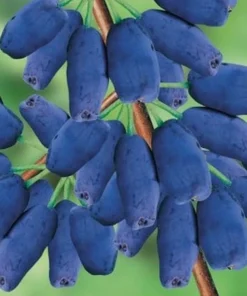
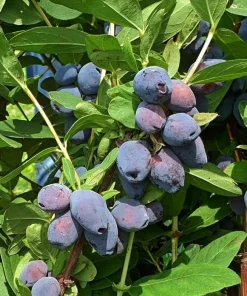
Honeyberry (Haskap) Shrub Live Plant – 6-12″ Tall Edible Berry Bush
Original price was: $69.98.$32.99Current price is: $32.99.
Cultivate your own delicious fruit with this honeyberry live plant. This 6-12 inch tall shrub produces unique, sweet berries early in the season, perfect for gardeners in cooler climates. Enjoy fresh, antioxidant-rich fruit from a compact, attractive bush.
Estimated arrival
Sep 20
Sep 25 - Sep 27
Sep 30 - Oct 04
Shop With Confidence
30-Day Plant Health Guarantee
Arrives damaged? We’ll replace it free — see our return policy.
Responsive Support
Email us anytime, we reply within 1 business day.
Expert Packaging
Temperature-controlled shipping to protect your plants in transit.
Secure Checkout
Pay safely with Visa, Mastercard, PayPal.
Plant Specifications
-
USDA Hardiness Zone
USDA Zones 2-8 -
Soil Type
Well-draining, slightly acidic to neutral soil (pH 5.0-7.0) -
Sunlight Exposure
Full sun (6-8 hours direct sunlight) -
Expected Planting Period
Early spring or fall
Overview
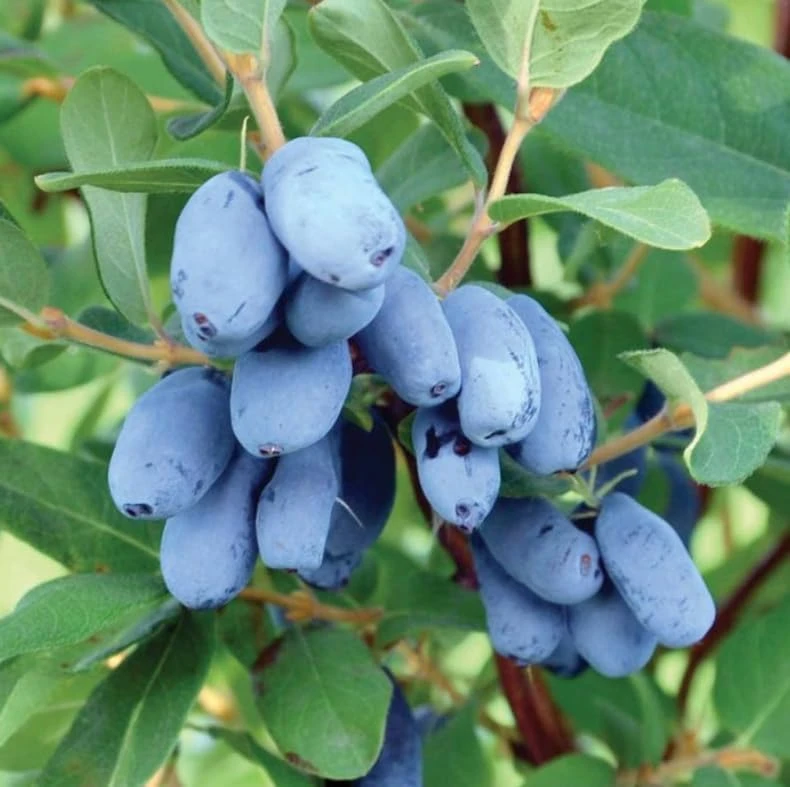
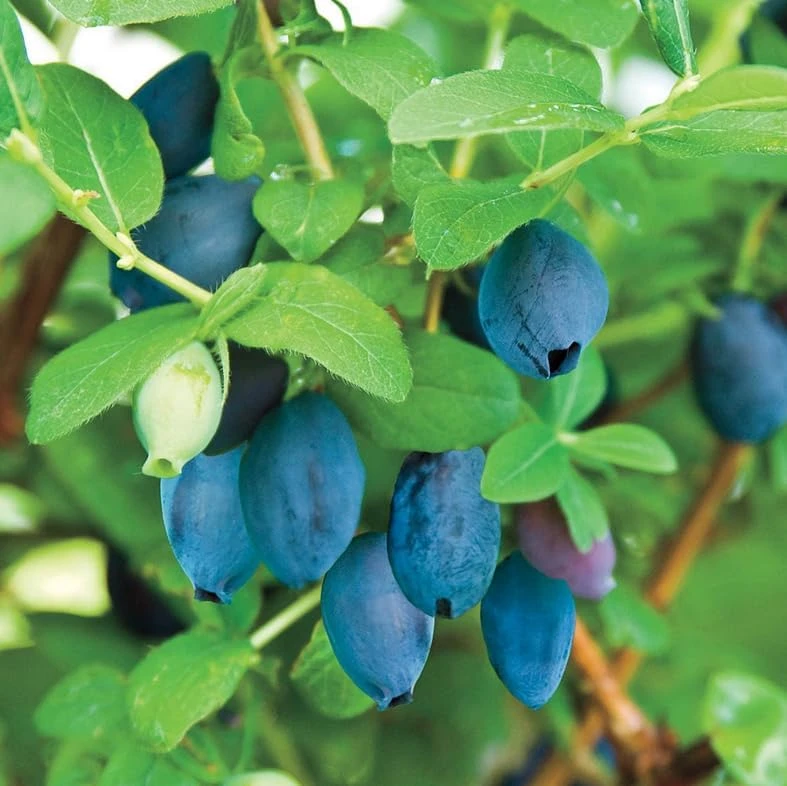
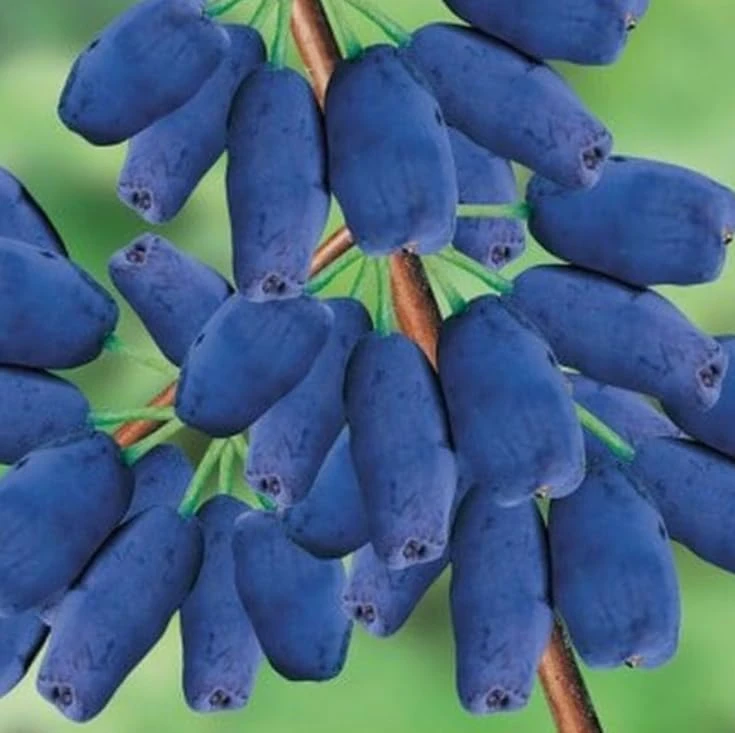
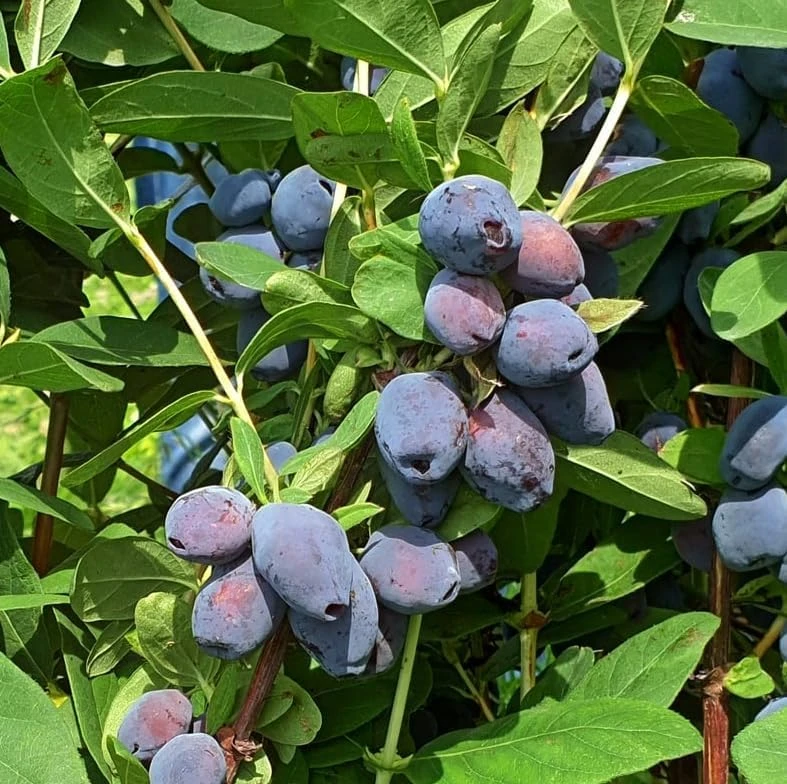
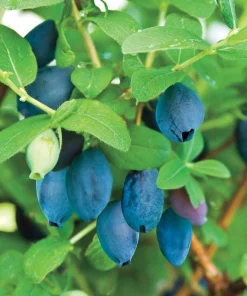
Discover the joy of growing your own superfruits with a honeyberry live plant. Also known as Haskap (Lonicera caerulea), this remarkable shrub offers an incredibly early harvest of delicious, elongated blue berries, often weeks before strawberries or blueberries. Originating from colder regions, the honeyberry plant is exceptionally cold-hardy, making it an ideal choice for gardeners in northern climates where other fruit-bearing plants might struggle. This particular offering is for one honeyberry live plant, approximately 6-12 inches tall, ready to be established in your garden. Its compact nature and attractive foliage also make it a versatile ornamental shrub, adding beauty to your landscape while secretly producing an abundance of nutritious fruit.
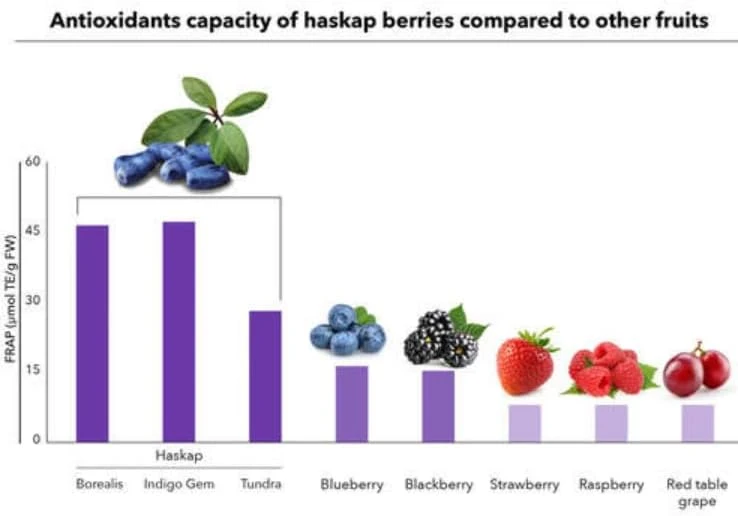
The unique flavor profile of haskap berries is often described as a delightful blend of blueberry and raspberry, with a sweet, tangy finish. These berries are not only delicious fresh off the bush but are also packed with antioxidants, vitamins, and minerals, making them a true superfood. Growing a haskap berry bush allows you to enjoy fresh, homegrown fruit when you crave it most – typically in late spring. This low-maintenance plant is a fantastic addition to any edible landscape, promising years of bountiful harvests with minimal effort.
Key Benefits
Adding a honeyberry live plant to your garden brings a host of advantages, from its unique fruit to its resilient nature. Here are some of the standout benefits:
- Earliest Fruit Harvest: Enjoy fresh, homegrown berries weeks before other common garden fruits. Honeyberries ripen as early as May, satisfying your craving for fresh fruit at the start of the season. This early production ensures you have a continuous supply of delicious produce throughout the warmer months.
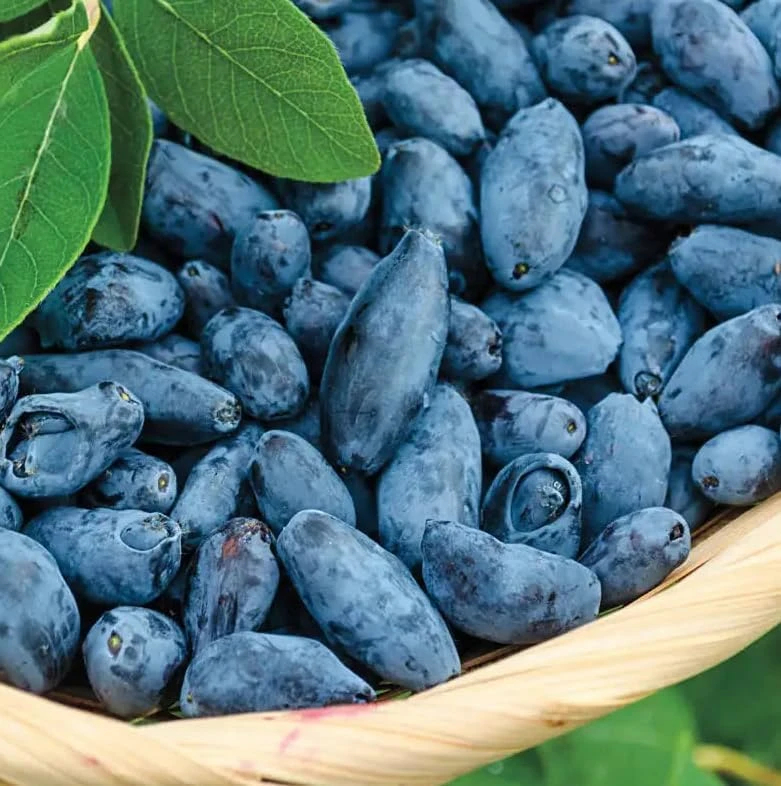
- Exotic Flavor Sensation: The elongated blue fruits offer a distinctive sweet-tart taste, often compared to a delicious mix of blueberries and raspberries. This unique flavor makes them perfect for fresh eating, jams, pies, or smoothies, providing a culinary experience unlike any other.
- Exceptional Cold Hardiness: The honeyberry live plant thrives in cooler climates and can withstand harsh winter temperatures, making it an excellent choice for regions where many other fruit plants struggle to survive. Its resilience ensures a reliable harvest year after year, even in challenging conditions.
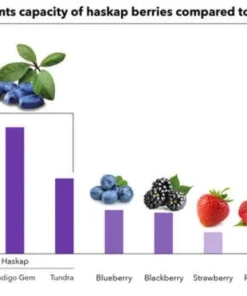
- Nutrient-Rich Superfruit: Haskap berries are loaded with antioxidants, vitamins, and other beneficial compounds, contributing to a healthy diet. Growing your own ensures you have access to these nutrient-dense fruits directly from your garden.
- Compact & Ornamental: This edible honeyberry shrub maintains a manageable size, making it suitable for smaller gardens, containers, or as an attractive edible hedge. Its delicate flowers and attractive foliage add visual interest to your landscape before the fruit even ripens.
- Low Maintenance: Once established, honeyberry plants require minimal care, making them perfect for both experienced gardeners and beginners. They are generally resistant to most pests and diseases, simplifying your gardening tasks.
- Versatile Culinary Use: Beyond fresh eating, the berries can be used in a variety of culinary applications, including preserves, baked goods, juices, and desserts. Their unique flavor enhances any recipe, offering a versatile ingredient for your kitchen.
Plant Care & Growing Tips
Caring for your honeyberry live plant is relatively straightforward, especially given its hardy nature. These plants prefer a location that receives at least 6-8 hours of direct sunlight per day. While they can tolerate partial shade, full sun will encourage the best fruit production. Ensure good air circulation around the plant to prevent fungal issues. When planting, dig a hole twice as wide as the root ball and just as deep. Amend the soil with organic matter to improve drainage and fertility.
Honeyberries thrive in well-draining, slightly acidic to neutral soil (pH 5.0-7.0). Avoid heavy clay soils that retain too much water, as this can lead to root rot. Consistent moisture is crucial, especially during the fruiting period. Water deeply and regularly, ensuring the soil remains evenly moist but not waterlogged. A layer of mulch around the base of the plant can help retain soil moisture, suppress weeds, and regulate soil temperature. Fertilize in early spring with a balanced, slow-release fertilizer or an organic option suitable for fruit-bearing shrubs. Pruning is best done in late winter or early spring while the plant is dormant, focusing on removing dead, damaged, or crossing branches to maintain an open structure and encourage new growth. For optimal fruit set, it is often recommended to plant at least two different varieties of honeyberry for cross-pollination, even though some varieties are self-fertile.
Size & Details
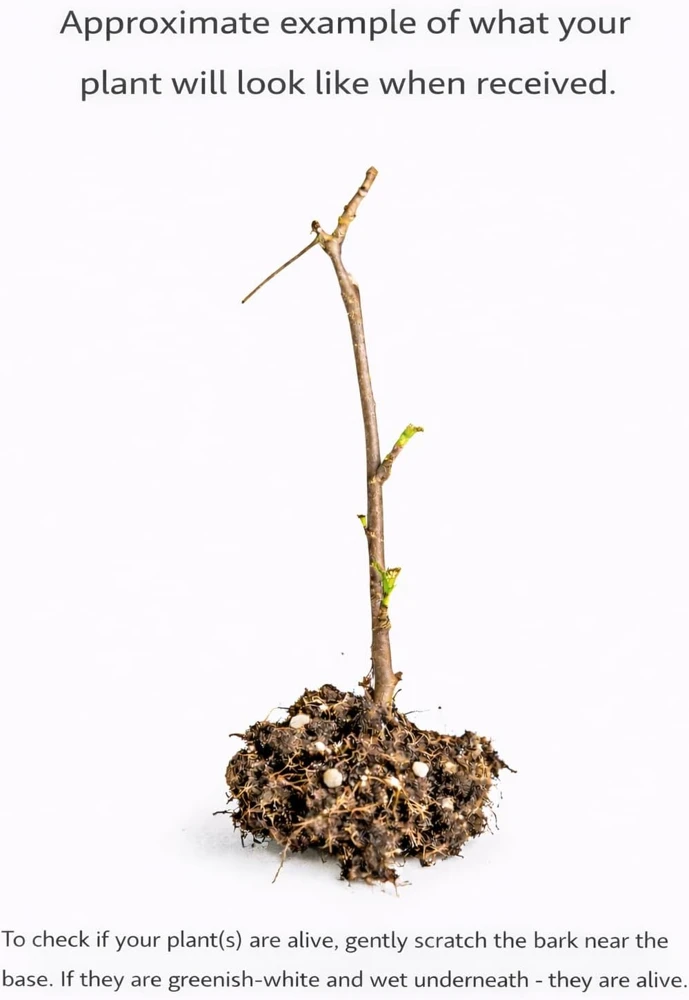
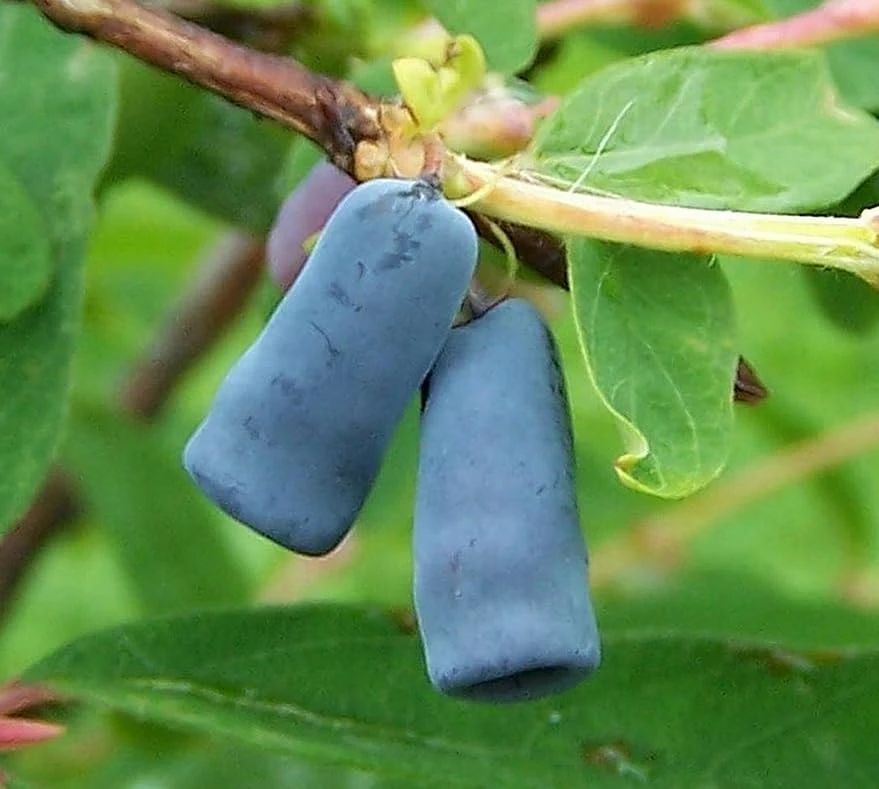
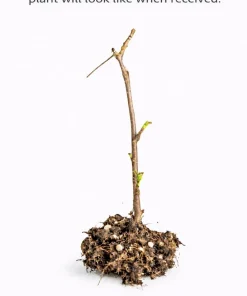
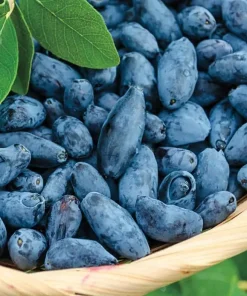
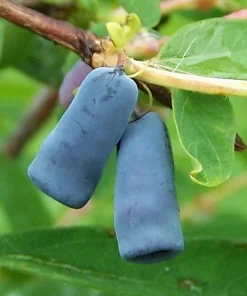
This offering is for one vigorous honeyberry live plant, also known as a blue honeysuckle plant, which stands approximately 6-12 inches tall upon arrival. It is typically shipped in a nursery pot, ready for transplanting into your garden or a larger container. Honeyberry shrubs are known for their moderate growth rate, eventually reaching a mature height and spread of 4-6 feet, making them a compact choice for various garden sizes. They generally begin producing fruit within 1-2 years of planting, with increasing yields as the plant matures. The berries themselves are elongated, typically 0.5 to 1 inch long, and ripen in late spring to early summer, depending on your climate zone. This cold hardy fruit bush is a long-term investment, providing delicious harvests for many years.
Frequently Asked Questions
- Q: How big does this plant get? A: This honeyberry live plant will arrive approximately 6-12 inches tall. At maturity, a honeyberry shrub typically reaches a height and spread of 4-6 feet, making it a compact and manageable addition to most gardens.
- Q: Is this an indoor or outdoor plant? A: Honeyberry plants are outdoor shrubs. They require a period of cold dormancy to produce fruit and thrive in full sun conditions, making them unsuitable for long-term indoor cultivation. They are especially suited as a cold hardy fruit plant.
- Q: How much sunlight does it need? A: For optimal growth and fruit production, your haskap berry bush needs at least 6-8 hours of direct sunlight per day. While it can tolerate partial shade, fruit yields may be reduced.
- Q: Is this plant easy to care for? A: Yes, honeyberry plants are considered low-maintenance. They are quite hardy, disease-resistant, and once established, require consistent watering and occasional fertilization, making them a good choice for beginners.
- Q: What condition will it arrive in? A: Your honeyberry live plant will arrive in a healthy, live condition, typically in a nursery pot with soil, carefully packaged to ensure its safety during transit. It will be ready for immediate planting.
- Q: How long until it blooms and produces fruit? A: Honeyberry plants can begin to produce fruit within 1-2 years of planting. Full production typically occurs after 3-5 years. They bloom early in spring, and the fruit ripens in late spring to early summer.
- Q: Will it survive winter in my zone? A: Honeyberry plants are extremely cold-hardy, thriving in USDA Zones 2-8. They actually prefer cooler climates and require a chilling period to produce fruit, making them an excellent choice for northern gardeners. This edible honeyberry shrub is built for resilience.
- Q: Do I need more than one plant for pollination? A: While some honeyberry varieties are partially self-fertile, planting at least two different varieties of blue honeysuckle plant is highly recommended for optimal cross-pollination and significantly increased fruit yields.
- Q: What are the best uses for haskap berries? A: Haskap berry bush fruits are delicious fresh, but they also make excellent jams, jellies, pies, sauces, and smoothies. Their unique flavor profile adds a special touch to any culinary creation.
Be the first to review “Honeyberry (Haskap) Shrub Live Plant – 6-12″ Tall Edible Berry Bush”
People Also Viewed
Flower Seeds
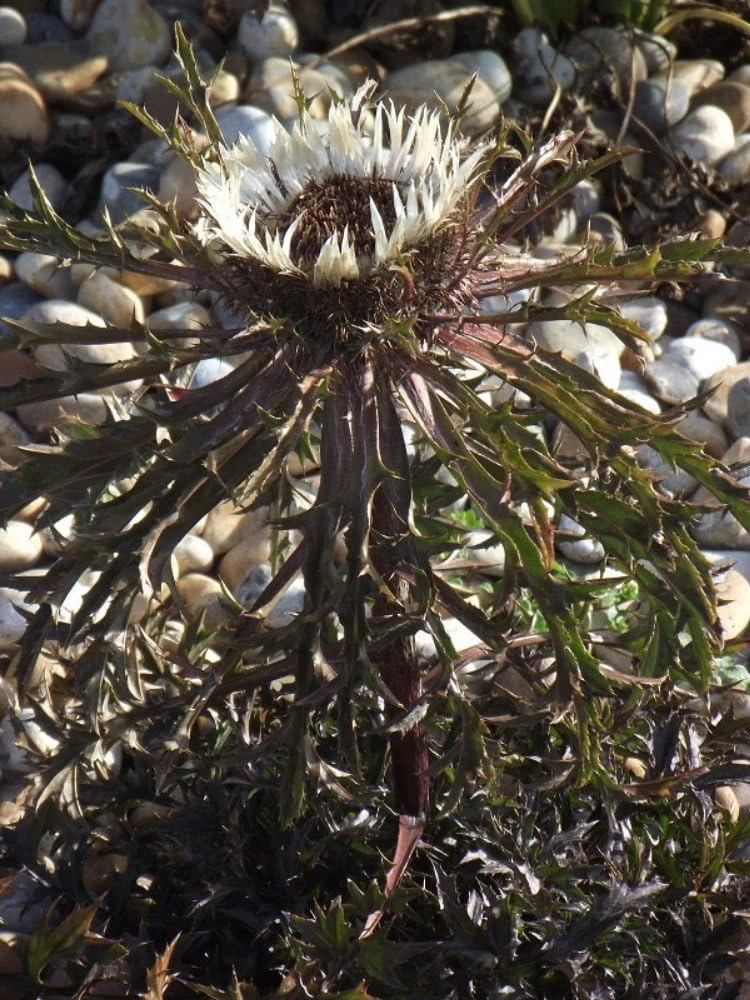
Bronze Weather Thistle Seeds – Carlina acaulis ‘Bronze’ Perennial Flower Seeds – 10 Count
Reviews
There are no reviews yet.