
4 Sassafras Trees – 6-12″ Tall Live Plants, Common Sassafras Seedlings (Sassafras albidum)
Original price was: $73.98.$72.99Current price is: $72.99.
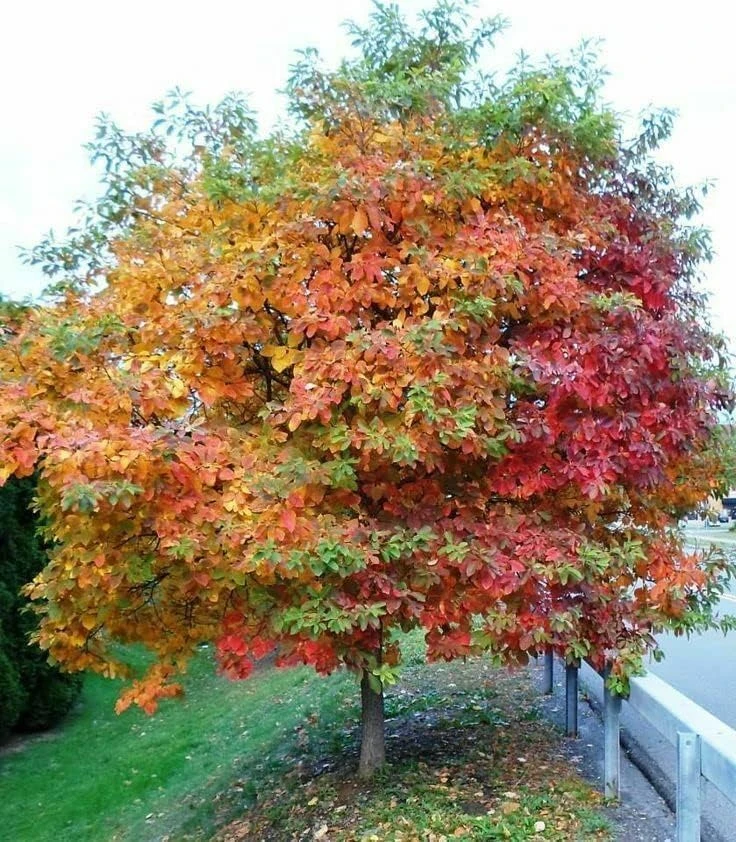
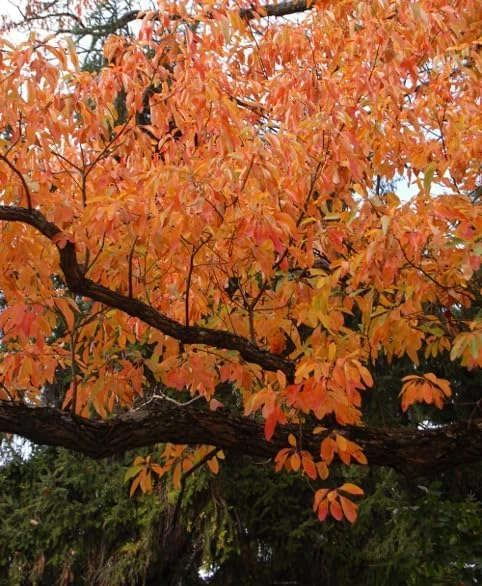
Enhance your landscape with a set of sassafras trees live plants. These 6-12 inch tall common sassafras seedlings (Sassafras albidum) are known for their distinct leaves, fragrant bark, and vibrant fall colors. Perfect for attracting wildlife and providing natural beauty to any garden.
Estimated arrival
Sep 20
Sep 25 - Sep 27
Sep 30 - Oct 04
Shop With Confidence
30-Day Plant Health Guarantee
Arrives damaged? We’ll replace it free — see our return policy.
Responsive Support
Email us anytime, we reply within 1 business day.
Expert Packaging
Temperature-controlled shipping to protect your plants in transit.
Secure Checkout
Pay safely with Visa, Mastercard, PayPal.
Plant Specifications
-
USDA Hardiness Zone
USDA Zones 4-9 -
Soil Type
Moist, well-draining, slightly acidic to neutral soil -
Sunlight Exposure
Full sun to partial shade -
Expected Planting Period
Spring to Fall
Overview
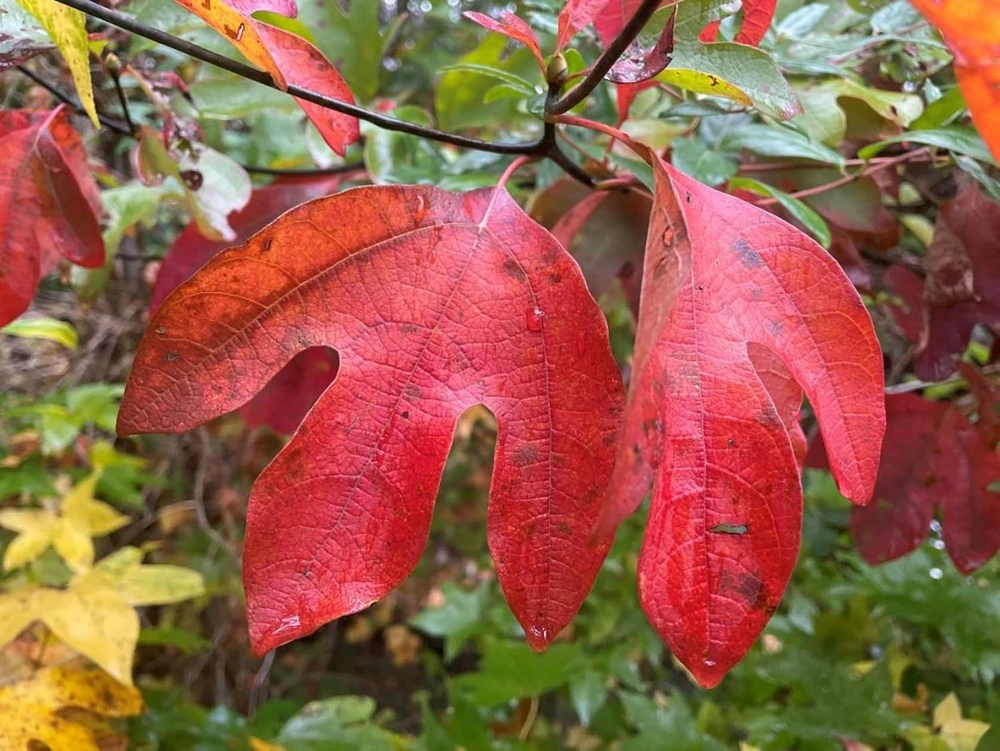
Introduce a touch of native American beauty to your garden with our sassafras trees live plants. This offering includes four young Sassafras trees, each approximately 6-12 inches tall, shipped in pots, ready to be planted and thrive in your landscape. Known by its botanical name Sassafras albidum, this deciduous tree is celebrated for its unique three-lobed leaves, aromatic qualities, and spectacular autumn display. Also commonly referred to as White Sassafras, Red Sassafras, or Silky Sassafras, these seedlings are a fantastic choice for anyone looking to add a distinctive and resilient tree to their property. They are easy to care for and provide lasting appeal through multiple seasons, making them a wise investment for both novice and experienced gardeners. Our common sassafras seedlings are carefully nurtured to ensure they arrive healthy and ready for successful transplanting, promising a rewarding growing experience.
Key Benefits
The addition of sassafras trees live plants brings a multitude of benefits to any outdoor space, enhancing both aesthetics and ecological value. From their striking appearance to their practical uses, these trees offer something for everyone.
-
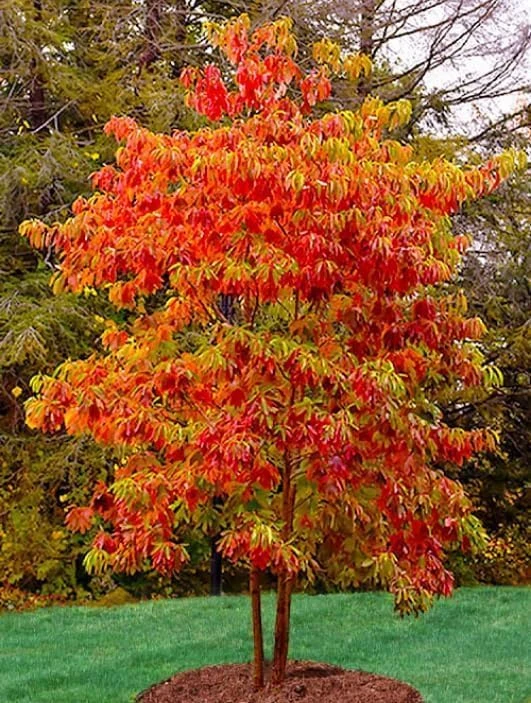
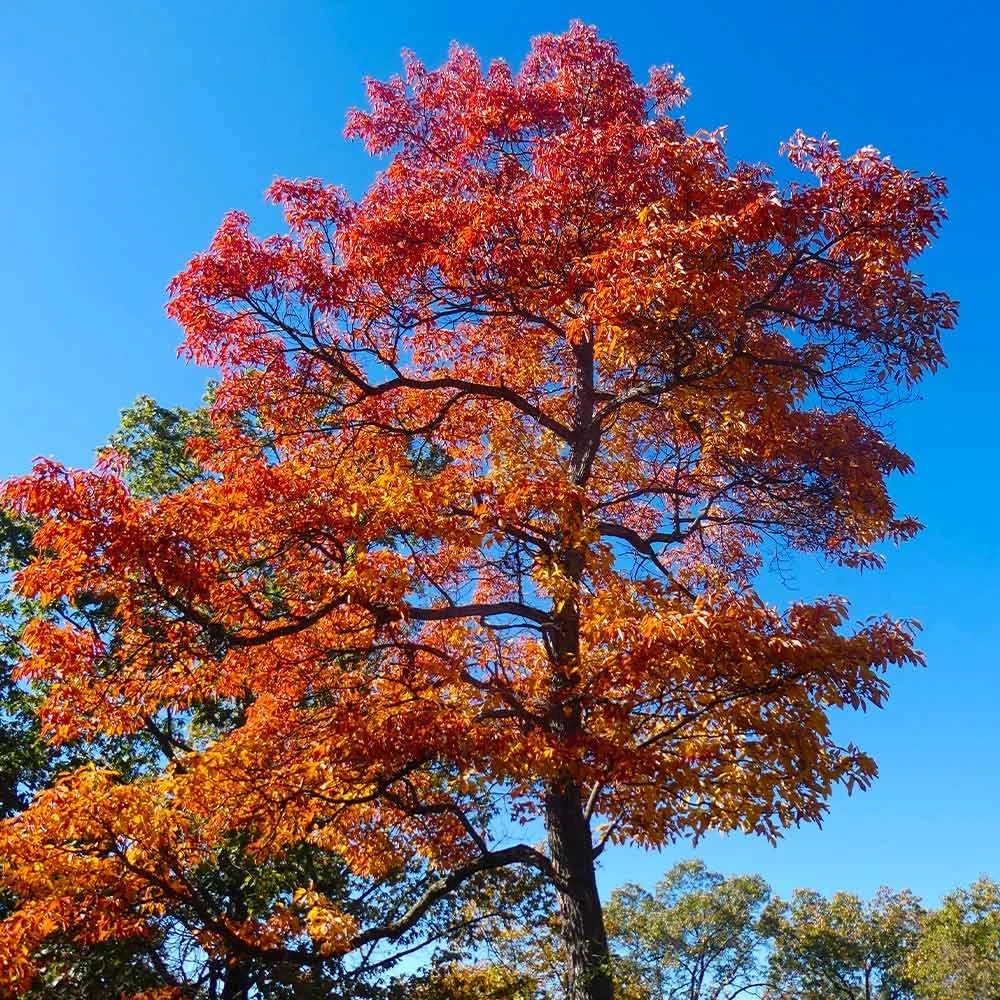
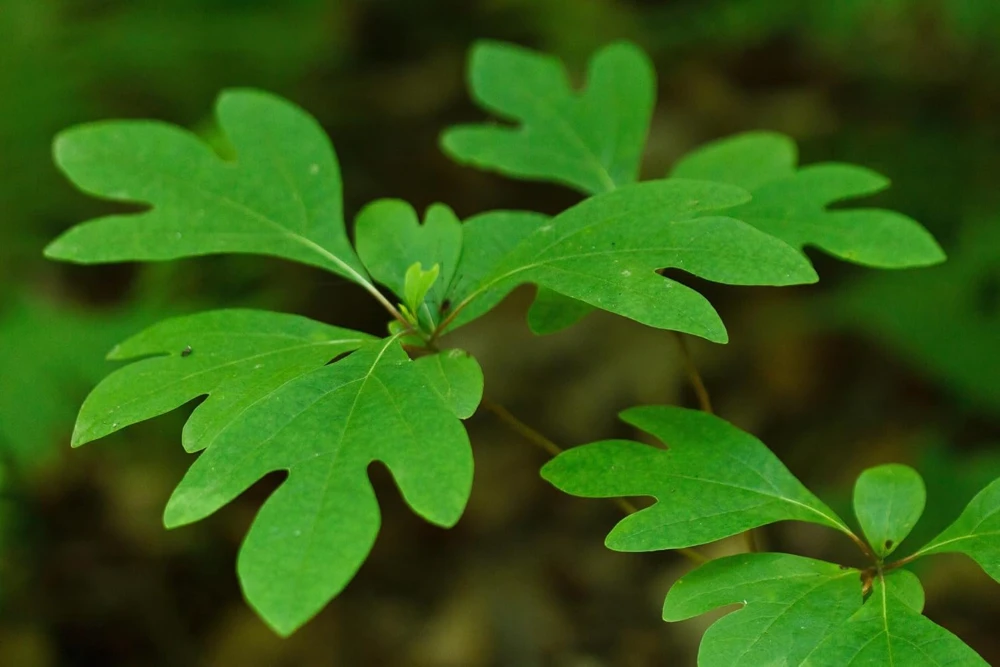
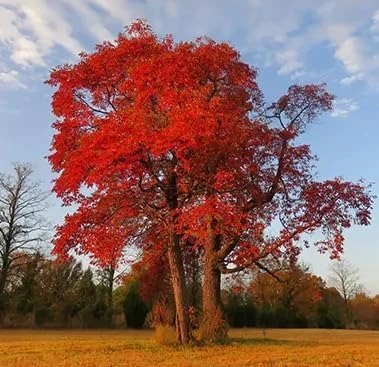
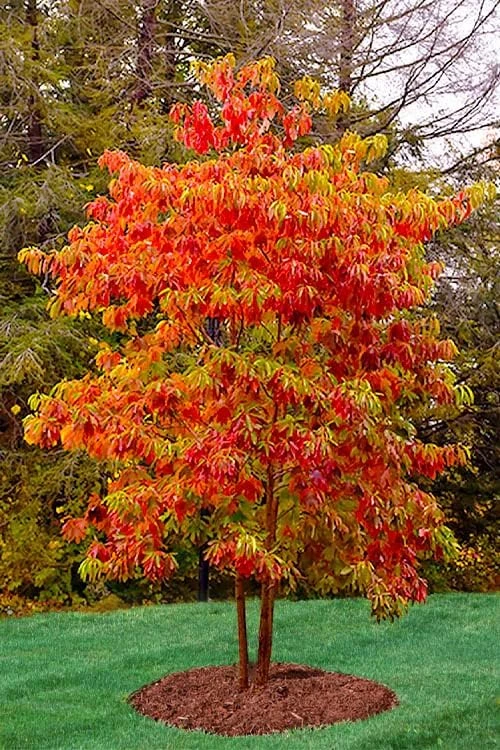
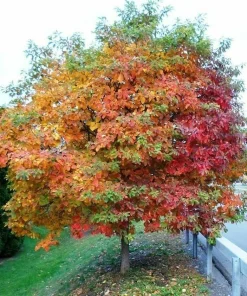
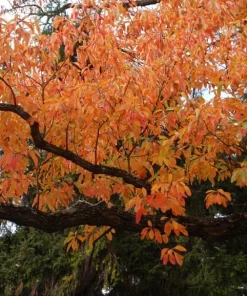
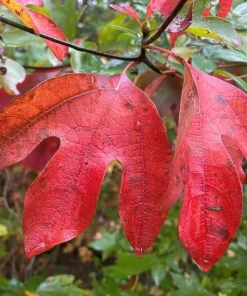
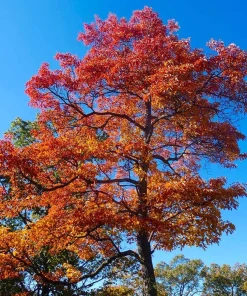
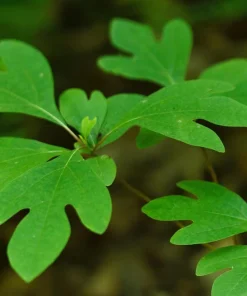
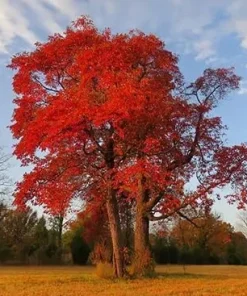
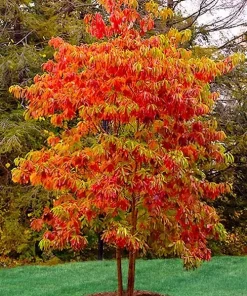
Unique Ornamental Value: Sassafras trees are renowned for their distinct leaf shapes, which can vary from oval to mitten-shaped to three-lobed, often appearing simultaneously on the same branch. This unique foliage provides year-round interest, culminating in a breathtaking display of orange, red, and yellow hues in the fall, making them a focal point in any garden.
-
Wildlife Attractor: These trees serve as a valuable resource for local wildlife. Their leaves are a food source for butterfly larvae, and their berries attract various bird species. Planting sassafras trees live plants helps create a thriving ecosystem in your backyard, supporting biodiversity.
-
Aromatic Qualities: The bark, leaves, and twigs of the Sassafras tree release a pleasant, spicy fragrance when bruised or crushed. This natural aroma has been historically appreciated and adds an inviting sensory dimension to your garden environment.
-
Historical & Culinary Uses: Historically, various parts of the Sassafras tree, including its bark and leaves, have been used to make teas, root beer, and for certain culinary and medicinal applications. While modern usage requires caution, the rich history of the tree adds to its intrigue and appeal.
-
Low Maintenance & Hardy: Once established, Sassafras trees are remarkably easy to care for, requiring minimal maintenance. They are tolerant of a range of soil conditions and are generally resistant to pests and diseases, making them a robust choice for busy gardeners. This makes sassafras albidum care relatively straightforward.
-
Shade and Privacy: As these trees mature, they develop into substantial specimens, providing excellent shade and contributing to increased privacy in your garden or backyard. Their eventual height of up to 60 feet creates a natural canopy perfect for outdoor relaxation.
Plant Care & Growing Tips
Ensuring the successful growth of your sassafras trees live plants involves understanding their basic needs. These native North American trees are quite adaptable, but providing optimal conditions from the start will promote vigorous growth and a healthy specimen. Pay close attention to sunlight, watering, and soil to help your common sassafras seedlings thrive.
When it comes to sunlight, Sassafras trees prefer full sun to partial shade. For the best growth and most vibrant fall colors, aim for at least 6 hours of direct sunlight per day. While they can tolerate some shade, too much will result in leggy growth and less intense autumn foliage. Regarding watering, young Sassafras trees require consistent moisture, especially during dry spells. Water deeply once or twice a week, allowing the top inch or two of soil to dry out between waterings. Once established, they are quite drought-tolerant, but supplemental watering during prolonged dry periods will benefit them. Proper sassafras albidum care includes ensuring adequate drainage to prevent root rot.
Sassafras trees are adaptable to a variety of soil types, but they prefer moist, well-drained, slightly acidic to neutral soils (pH 6.0-7.0). Amending heavy clay soils with organic matter can improve drainage, while sandy soils can benefit from organic matter to retain moisture. The USDA hardiness zones for Sassafras typically range from 4 to 9, indicating their resilience to a wide range of temperatures. Fertilization is generally not necessary for established trees, but a balanced, slow-release fertilizer can be applied in early spring for young or struggling plants. Monitor for common issues like leaf spot, though Sassafras trees are relatively disease-free. Proper cultural practices, such as adequate spacing and good air circulation, can help prevent most problems. Understanding these aspects of planting sassafras trees will lead to a flourishing landscape.
Size & Details
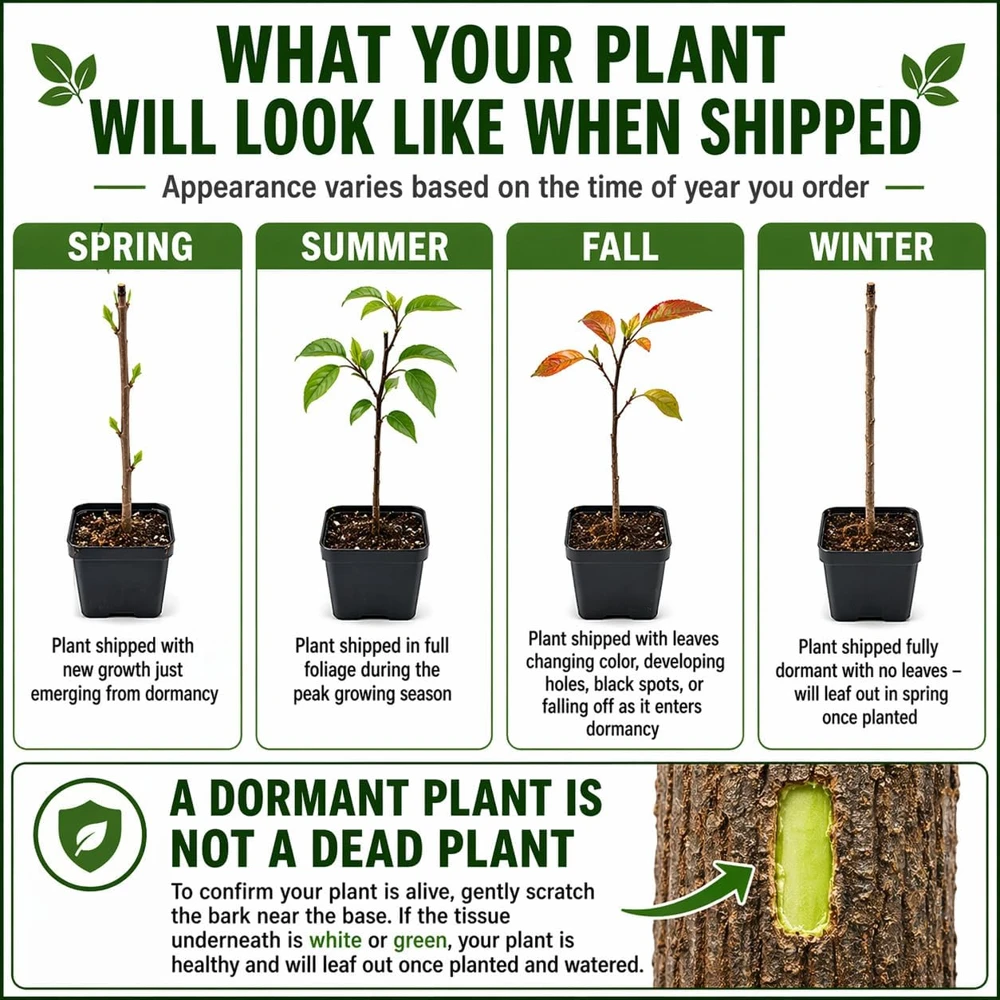
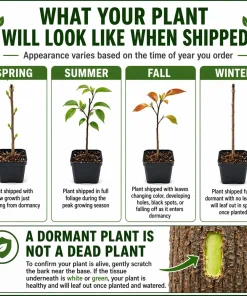
This offering includes a set of four sassafras trees live plants, each measuring approximately 6-12 inches in height from the top of the soil. These young plants are shipped in pots, ensuring their root systems are intact and protected during transit, which significantly aids in successful transplanting. Sassafras trees are known for their moderate to fast growth rate, typically adding 1 to 2 feet per year once established. They will eventually mature into impressive trees, reaching heights of up to 60 feet with a spread of 25-40 feet, depending on growing conditions and location. The plants may be in their dormant stage during cooler months (October through April), meaning they will not have leaves upon arrival, which is a natural and healthy state for deciduous trees during this period. These common sassafras seedlings are ready for planting in your chosen garden spot, where they will begin to establish their root system and prepare for vigorous growth in the warmer seasons.
Frequently Asked Questions
-
Q: How big will these Sassafras trees get? A: These sassafras trees live plants are currently 6-12 inches tall. Once mature, Sassafras albidum can reach heights of up to 60 feet with a spread of 25-40 feet, providing substantial shade and presence in your landscape.
-
Q: What condition will the plants arrive in? A: Your common sassafras seedlings will arrive approximately 6-12 inches tall and shipped in pots. During the months of October through April, they will be in their dormant stage and will not have any leaves, which is normal for deciduous trees.
-
Q: How much sunlight do Sassafras trees need? A: For optimal growth and vibrant fall color, Sassafras trees thrive in full sun to partial shade, ideally receiving at least 6 hours of direct sunlight per day. This is crucial for healthy sassafras albidum care.
-
Q: Are Sassafras trees easy to care for? A: Yes, once established, Sassafras trees are considered low maintenance. They are quite hardy and adaptable to various soil conditions, making them a great choice for both experienced and beginner gardeners looking for sassafras tree benefits.
-
Q: When is the best time for planting sassafras trees? A: The best time to plant Sassafras trees is typically in spring or fall when temperatures are moderate. This allows the roots to establish before the stress of extreme summer heat or winter cold.
-
Q: Can Sassafras trees attract wildlife to my garden? A: Absolutely! One of the significant sassafras tree benefits is their ability to attract wildlife. Their leaves are a food source for butterfly larvae, and the berries are enjoyed by various bird species, enhancing your garden’s biodiversity.
-
Q: What USDA hardiness zones are suitable for Sassafras? A: Sassafras trees are generally hardy in USDA Zones 4-9, making them suitable for a wide range of climates across the United States. This broad range ensures many can enjoy planting sassafras trees.
-
Q: Do these trees have any unique features besides fall color? A: Yes, beyond their beautiful fall foliage, sassafras trees live plants are known for their distinctively shaped leaves (often mitten-shaped), and their bark and leaves emit a pleasant, spicy fragrance when bruised, adding a sensory element to your garden.
-
Q: What kind of soil do Sassafras trees prefer? A: Sassafras trees prefer moist, well-drained, slightly acidic to neutral soil. While adaptable, good drainage is key to preventing root issues and promoting healthy growth for your common sassafras seedlings.
-
Q: Are there any culinary or medicinal uses for Sassafras? A: Historically, the bark and leaves of Sassafras have been used to make teas and flavorings like root beer. However, modern culinary and medicinal use requires caution due to certain compounds, so it’s primarily appreciated for its ornamental and ecological sassafras tree benefits today.
Be the first to review “4 Sassafras Trees – 6-12″ Tall Live Plants, Common Sassafras Seedlings (Sassafras albidum)”
People Also Viewed
Flowers
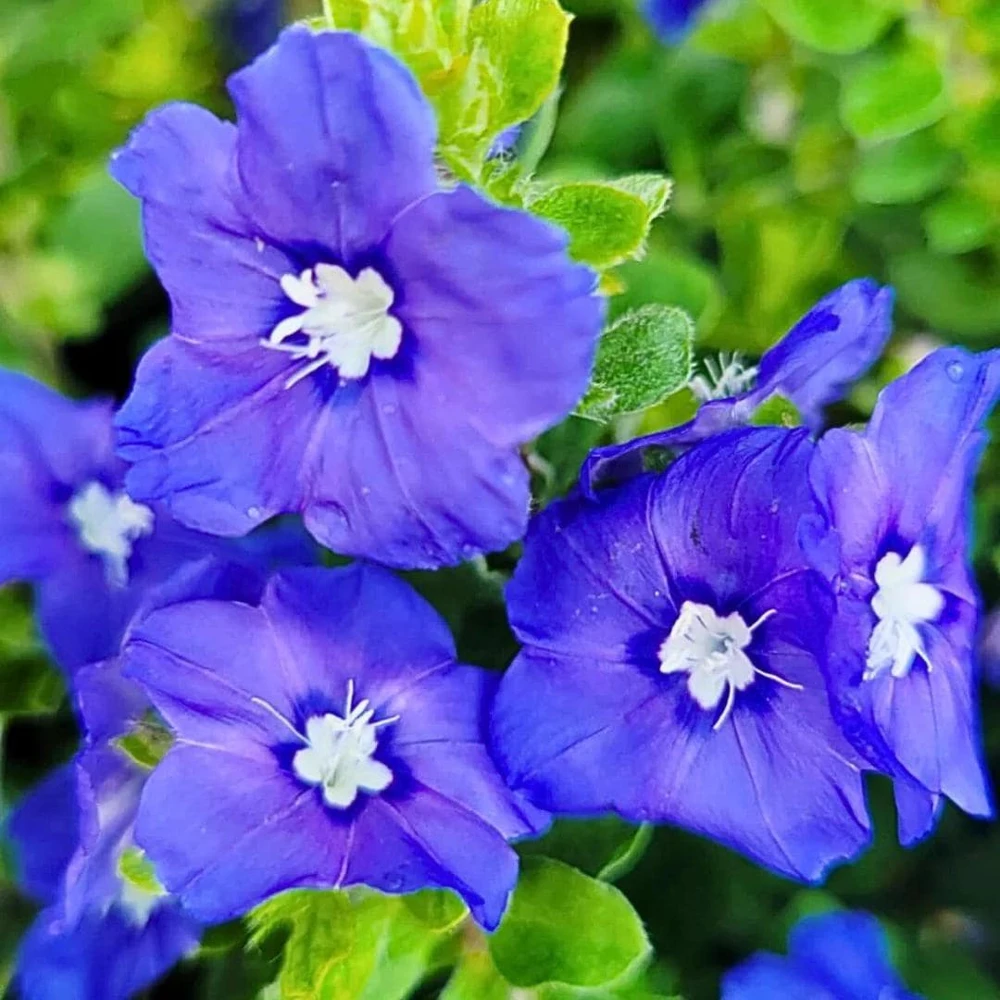
Dwarf Blue Daze ‘Beach Bum’ Evolvulus Live Plants, 5-9″ Tall, 2-Pack, Blue Flowers, Full Sun
Reviews
There are no reviews yet.