
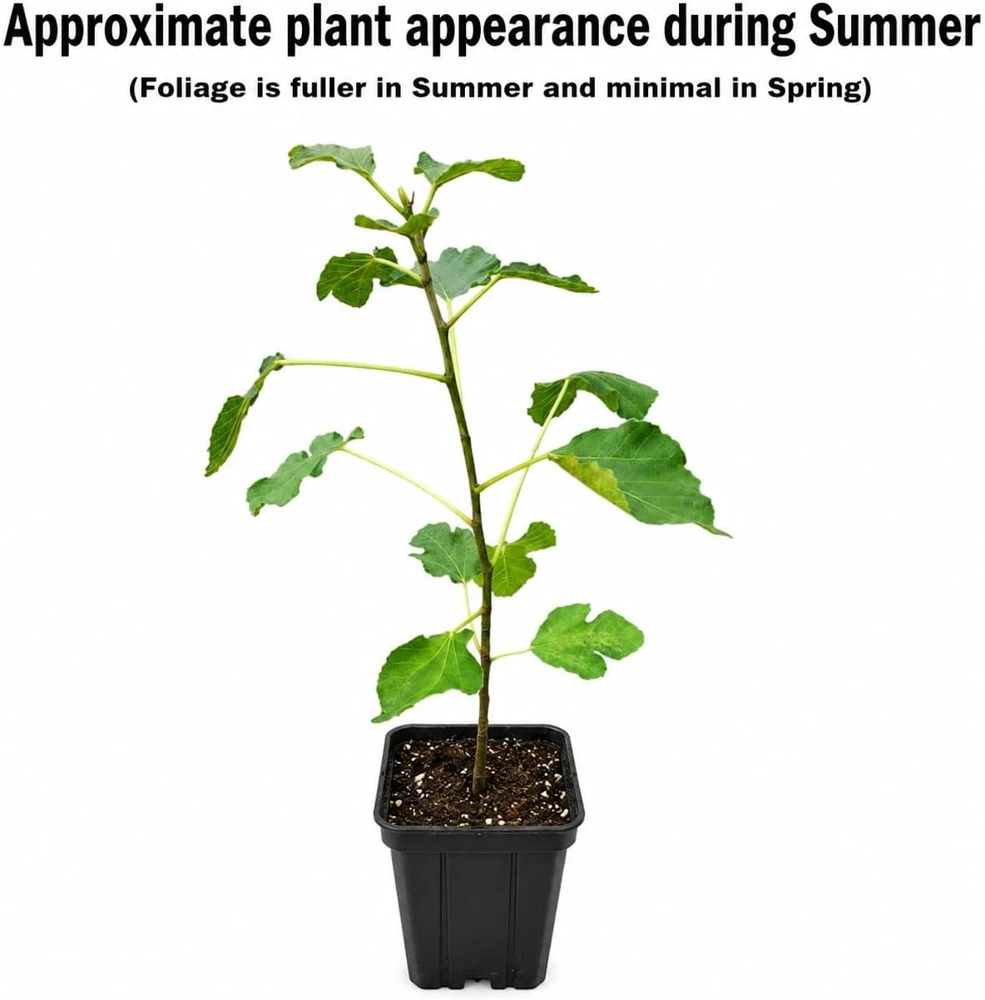

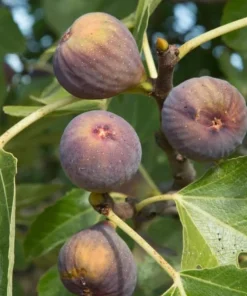
Celeste Fig Tree Live Plant – Honey Sugar Fig Seedling – 6-12 inches Tall – Ficus carica – Outdoor Fruit Tree
Original price was: $39.98.$27.99Current price is: $27.99.
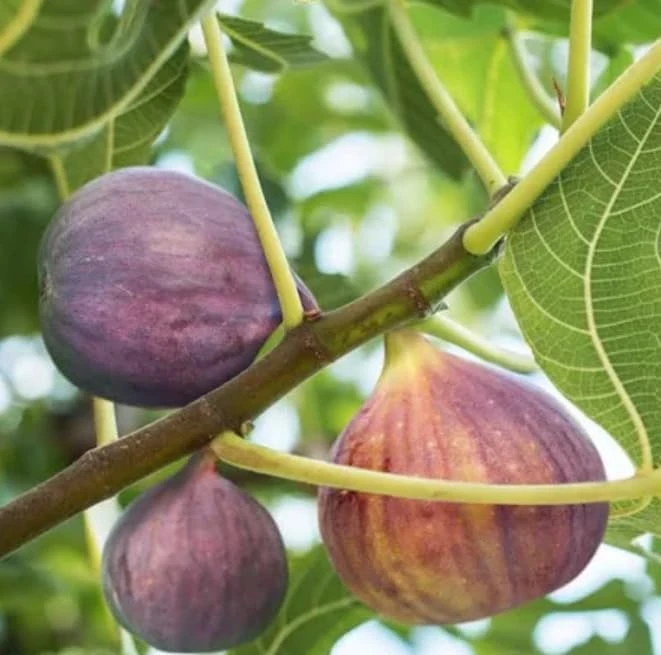
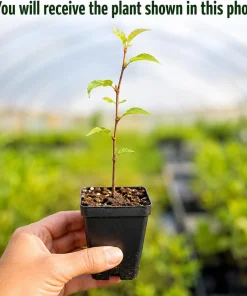
Cultivate your own gourmet fruit with this celeste fig tree live plant. Approximately 6-12 inches tall, this honey fig tree is known for its incredibly sweet, purple-bronze fruit. Perfect for containers or planting directly in the garden, it offers two harvests per year, making it a rewarding addition for both new and experienced gardeners.
Estimated arrival
Sep 20
Sep 25 - Sep 27
Sep 30 - Oct 04
Shop With Confidence
30-Day Plant Health Guarantee
Arrives damaged? We’ll replace it free — see our return policy.
Responsive Support
Email us anytime, we reply within 1 business day.
Expert Packaging
Temperature-controlled shipping to protect your plants in transit.
Secure Checkout
Pay safely with Visa, Mastercard, PayPal.
Plant Specifications
-
USDA Hardiness Zone
USDA Zones 6-10 -
Soil Type
Well-draining loamy soil -
Sunlight Exposure
Full sun -
Expected Planting Period
Spring to early summer
Overview
Transform your outdoor space into a Mediterranean haven with the celeste fig tree live plant. This exquisite variety, scientifically known as Ficus carica ‘Celeste’, is celebrated for its delectable, honey-sweet fruits. Often referred to as the “Sugar Fig” due to its intense sweetness, the Celeste Fig is a compact and cold-hardy plant that thrives in various environments. This celeste fig tree live plant arrives approximately 6-12 inches tall, ready to establish itself in your garden or a decorative container. It’s an ideal choice for anyone looking to enjoy fresh, homegrown figs with minimal effort. This resilient fruit tree promises to be a productive and beautiful focal point wherever it’s planted, offering a taste of the exotic right from your backyard.
The celeste fig tree live plant is a beloved choice among gardeners for its reliable harvests and adaptable nature. Whether you have a sprawling garden or a cozy patio, this fig tree can flourish, providing abundant, mouth-watering fruits. Its ease of care and delicious yield make it a must-have for fruit enthusiasts and gardening novices alike. Get ready to savor the rich flavors of your very own honey fig tree.
Key Benefits
Adding a celeste fig tree live plant to your garden offers numerous advantages, from its gourmet fruit production to its aesthetic appeal. This versatile plant is a true asset:
- Gourmet Fruit Production: Enjoy an abundance of small to medium-sized figs with a rich, honey-like flavor. These sweet treats are perfect for fresh eating, preserves, or baking. The celeste fig tree live plant is renowned for its superior taste.
- Dual Harvests: Benefit from two distinct harvests each growing season. An early ‘breba’ crop ripens in early summer, followed by the main crop in late summer, ensuring a continuous supply of fresh figs.
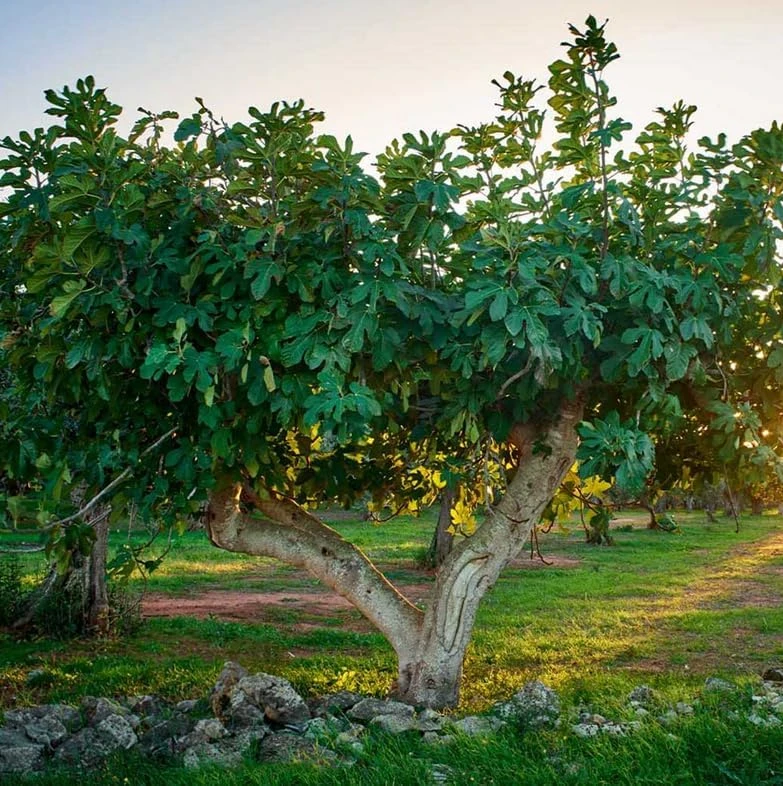
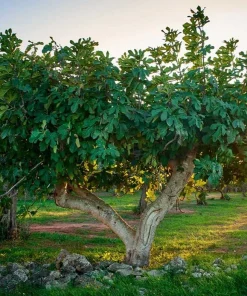
- Compact & Manageable Size: This fig tree typically reaches a manageable height of 6-10 feet, making it ideal for smaller gardens, patios, or growing in containers. It’s a perfect fruit tree for garden spaces of all sizes.
- Cold Hardy & Adaptable: The Celeste Fig is known for its excellent cold hardiness, making it suitable for a wide range of climates. It adapts well to various soil types and growing conditions.
- Low Maintenance: Once established, the celeste fig tree live plant requires minimal care, making it an excellent choice for busy gardeners or those new to fruit tree cultivation.
- Attractive Landscape Plant: With its lush green foliage and unique fruit, the Celeste Fig serves as an attractive ornamental plant, adding a touch of Mediterranean charm to any landscape.
- Versatile Usage: The fresh figs can be enjoyed directly from the tree, dried, or used in a variety of culinary applications, from salads to desserts.
Plant Care & Growing Tips
Caring for your celeste fig tree live plant is straightforward, ensuring a bountiful harvest with proper attention. This hardy variety is known for its resilience and adaptability. For optimal growth and fruit production, plant your sugar fig seedling in a location that receives full sun, meaning at least 6-8 hours of direct sunlight per day. While figs can tolerate some shade, more sun generally leads to sweeter and more abundant fruits. Ensure the soil is well-draining; figs do not like to sit in soggy conditions. A loamy, slightly alkaline soil is ideal, but they are quite tolerant of different soil types as long as drainage is good. Incorporating organic matter into the planting hole will help improve soil structure and fertility.
Watering is crucial, especially during the initial establishment phase and dry spells. Water deeply and regularly, allowing the top few inches of soil to dry out between waterings. Avoid overwatering, which can lead to root rot. Once established, the celeste fig tree live plant becomes more drought-tolerant. Fertilize in early spring with a balanced slow-release fertilizer, and again in mid-summer if your tree is actively producing fruit. Pruning should be done in late winter or early spring while the tree is dormant. Remove any dead, diseased, or crossing branches, and shape the tree to maintain its desired size and promote air circulation. This also encourages better fruit production.
The Celeste Fig is typically hardy in USDA Zones 6-10, making it a fantastic fruit tree for garden use in many regions. In colder climates, consider growing it in a large container that can be moved indoors during winter, or provide adequate winter protection. Common problems are few, but watch out for fig rust or spider mites. Good air circulation and proper watering usually keep these issues at bay. With these simple care guidelines, your ficus carica celeste will thrive and reward you with delicious fruit for years to come.
Size & Details
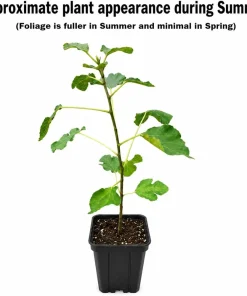
This offering is for one celeste fig tree live plant, which will arrive approximately 6-12 inches tall. It is a vigorous grower, and when mature, can reach a height of 6-10 feet with a similar spread, making it a compact yet productive fruit tree. This manageable size is perfect for container gardening on patios or as a feature plant in smaller garden beds. The plant is shipped as a young seedling, ready for transplanting into its permanent home. It’s a honey fig tree that will quickly establish itself and begin producing its sweet fruits.
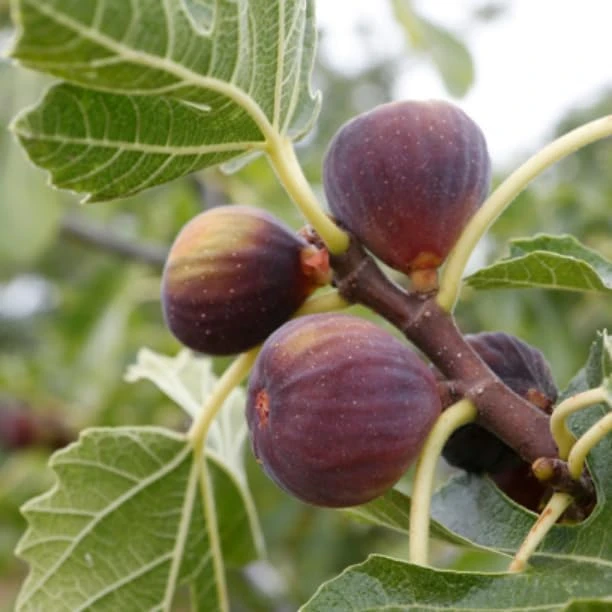
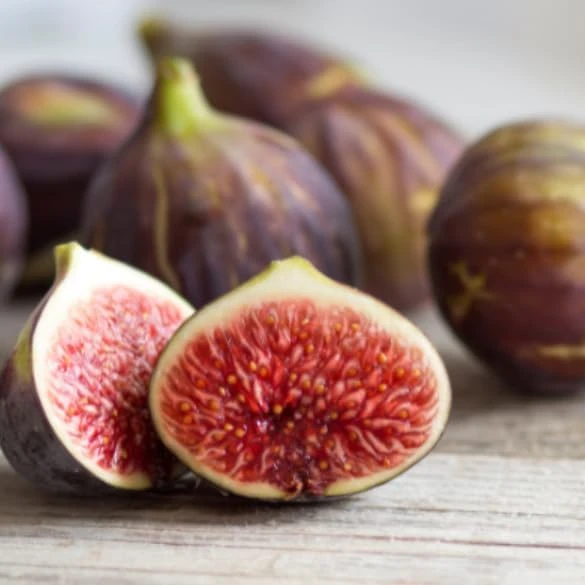
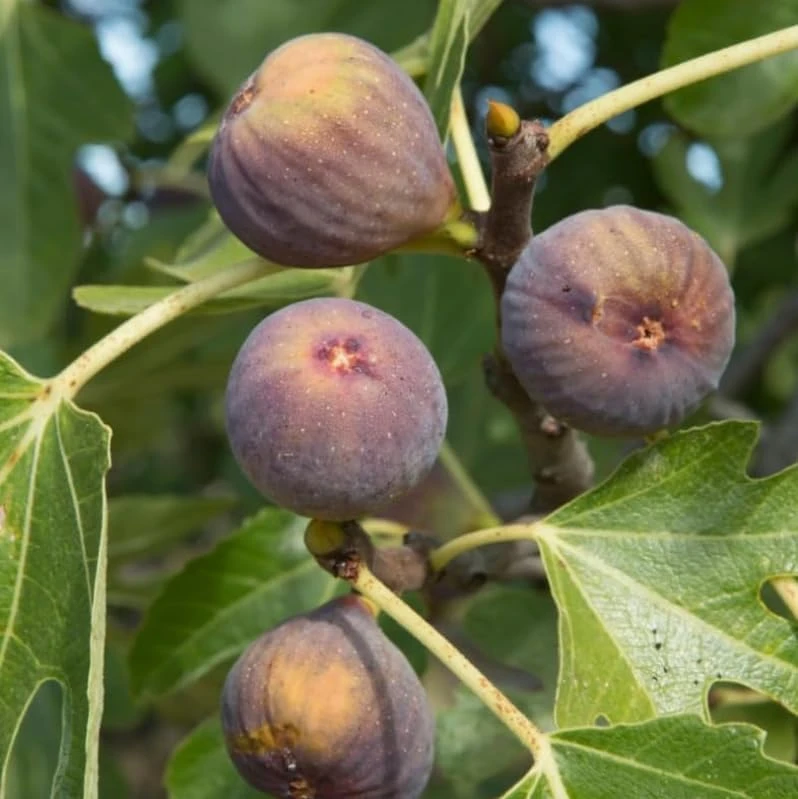
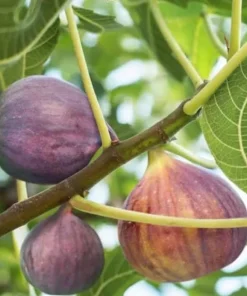
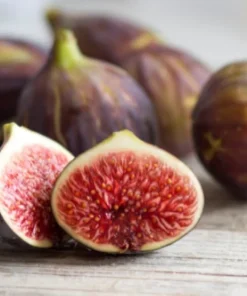
Expect a moderate to fast growth rate, with the first fruits typically appearing within 1-2 years after planting. The unique characteristic of this sugar fig seedling is its ability to produce two crops per year: a smaller breba crop in early summer and a larger main crop in late summer to early fall. The fruits are small to medium, with a distinctive purple-bronze skin and amber-pink flesh. This ficus carica celeste is a self-pollinating variety, meaning you only need one plant to enjoy a delicious harvest.
Frequently Asked Questions
- Q: How big does this celeste fig tree live plant get? A: This celeste fig tree live plant typically grows to a height of 6-10 feet and can have a similar spread, making it a good choice for various garden sizes or container growing. Its compact nature allows for easy management and harvesting.
- Q: Is this an indoor or outdoor plant? A: The Celeste Fig is primarily an outdoor plant, thriving in full sun. However, in colder climates (below USDA Zone 6), it can be grown in a large container and moved indoors to a protected, unheated space during the winter months.
- Q: How much sunlight does the honey fig tree need? A: For optimal growth and fruit production, this honey fig tree requires at least 6-8 hours of direct sunlight per day. More sun generally leads to sweeter and more abundant figs.
- Q: Is this plant easy to care for? A: Yes, the celeste fig tree live plant is considered low-maintenance once established. It’s quite resilient and adaptable, making it suitable for both experienced gardeners and beginners looking for a rewarding fruit tree.
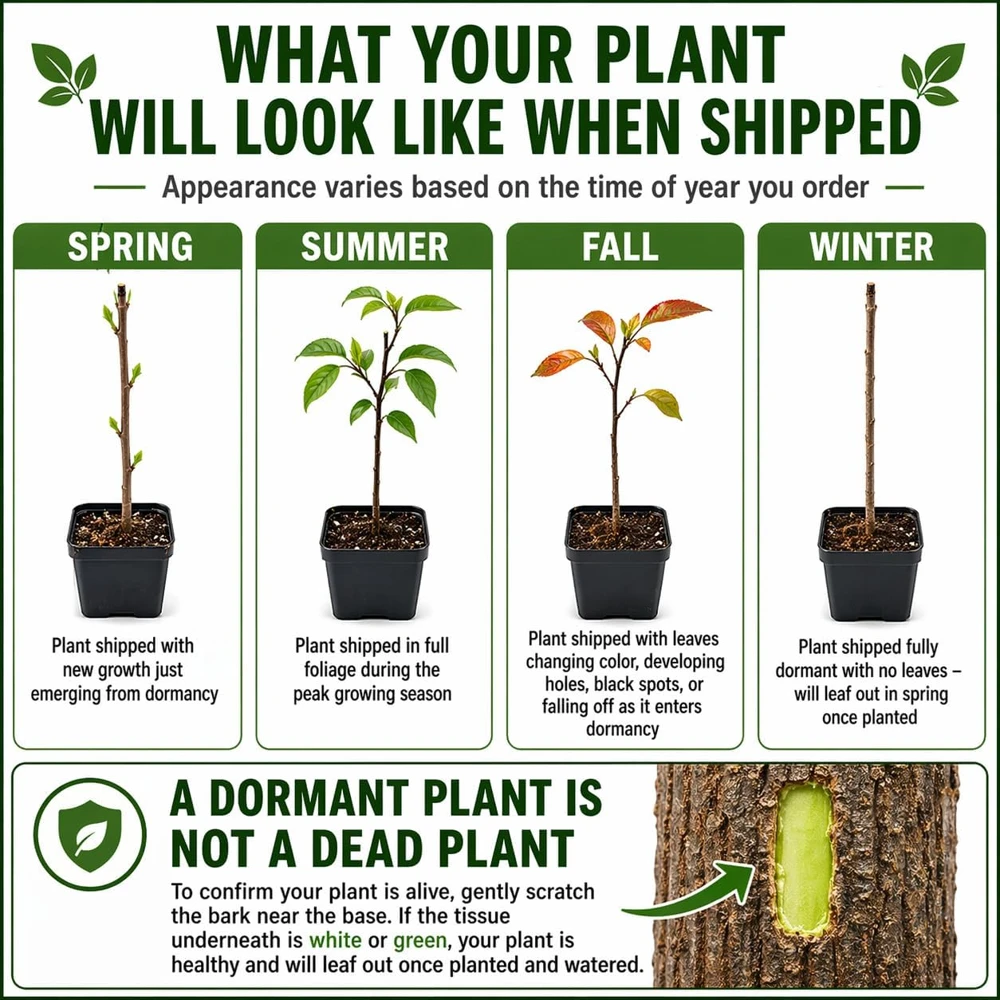
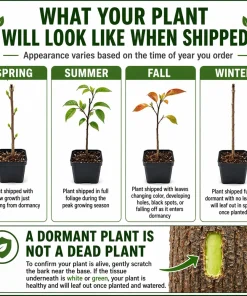
- Q: What condition will the sugar fig seedling arrive in? A: Your sugar fig seedling will arrive as a live plant, approximately 6-12 inches tall, carefully packaged to ensure its health during transit. It will be ready for immediate planting upon arrival.
- Q: When is the best time to plant a fruit tree for garden? A: The best time to plant your fruit tree for garden is in spring after the last frost, or in early fall before the ground freezes. This allows the plant to establish its root system before extreme temperatures.
- Q: What’s the minimum temperature this ficus carica celeste can tolerate? A: The ficus carica celeste is known for its cold hardiness and can generally tolerate temperatures down to about 0°F (-18°C) once mature and well-established, making it suitable for USDA Zones 6-10.
- Q: Can I grow this fig tree in a pot? A: Absolutely! The compact size of the Celeste Fig makes it an excellent choice for container gardening. Use a large pot (15-20 gallons or larger) with good drainage, and ensure it’s watered regularly.
- Q: How long until I can expect fruit from my celeste fig tree live plant? A: You can typically expect your celeste fig tree live plant to start producing fruit within 1-2 years after planting, with full production increasing in subsequent years.
- Q: What makes this a “sugar fig”? A: It’s nicknamed the “Sugar Fig” because of the exceptionally sweet, rich flavor of its fruit. The high sugar content makes it a favorite for fresh eating and various culinary uses.
Be the first to review “Celeste Fig Tree Live Plant – Honey Sugar Fig Seedling – 6-12 inches Tall – Ficus carica – Outdoor Fruit Tree”
People Also Viewed
Reviews
There are no reviews yet.