

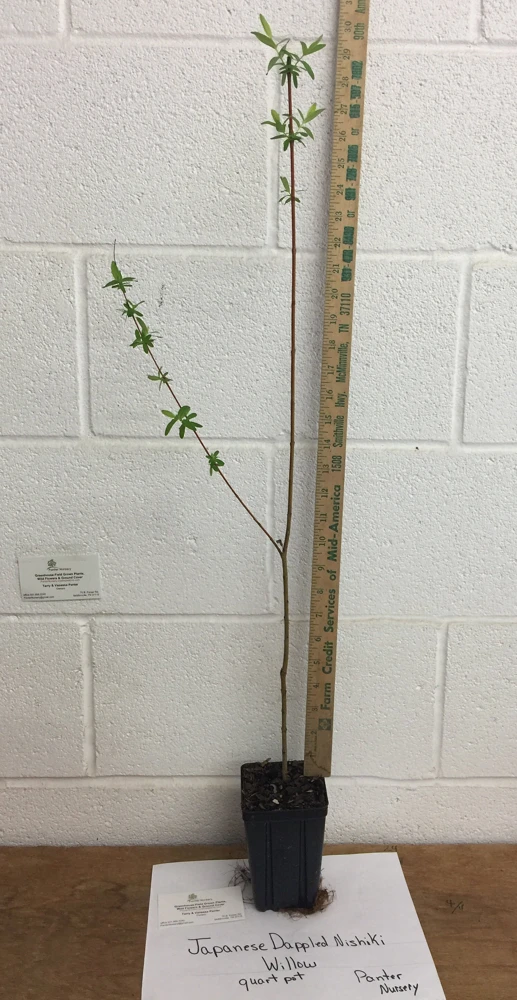
Japanese Dappled Nishiki Willow Live Plant – 4 inch Pot – Variegated Shrub – Zones 4-9
Original price was: $47.99.$27.99Current price is: $27.99.
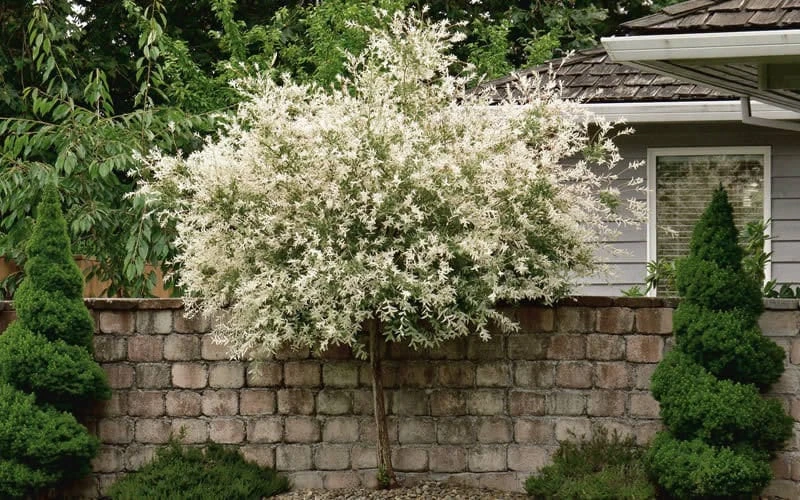
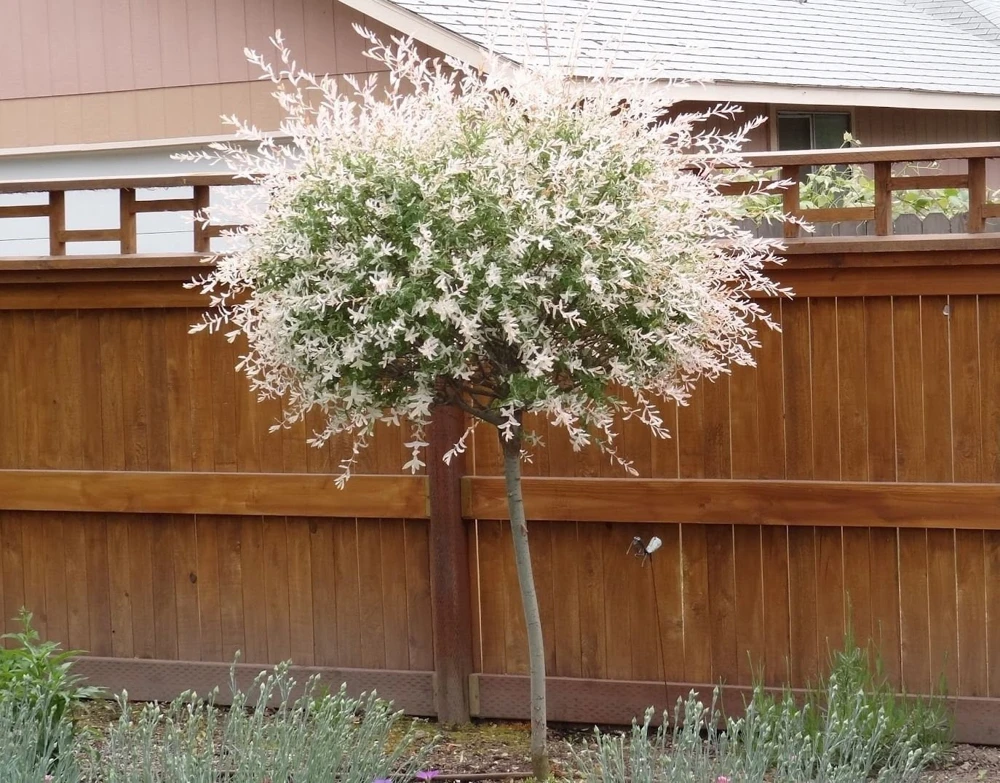
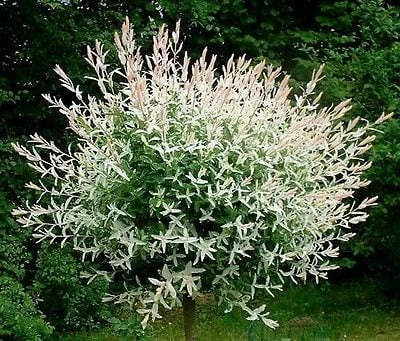
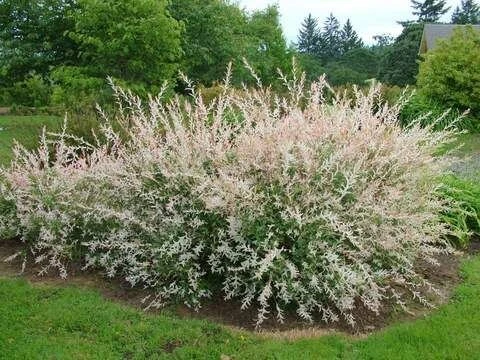
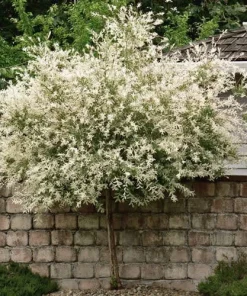
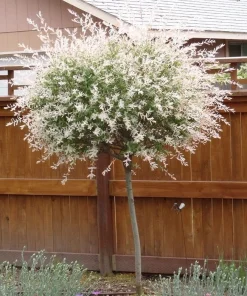
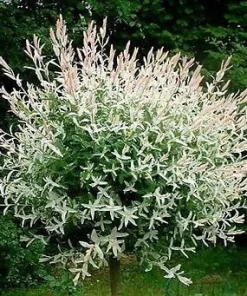
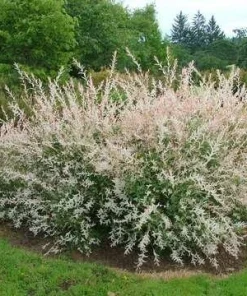
Add vibrant color and texture to your landscape with this beautiful Japanese Dappled Nishiki Willow. This live plant, provided in a 4-inch pot, features stunning variegated leaves with pink and white hues. Ideal for zones 4-9, it can be maintained as a shrub or pruned into a small tree.
Estimated arrival
Sep 20
Sep 25 - Sep 27
Sep 30 - Oct 04
Shop With Confidence
30-Day Plant Health Guarantee
Arrives damaged? We’ll replace it free — see our return policy.
Responsive Support
Email us anytime, we reply within 1 business day.
Expert Packaging
Temperature-controlled shipping to protect your plants in transit.
Secure Checkout
Pay safely with Visa, Mastercard, PayPal.
Plant Specifications
-
USDA Hardiness Zone
4-9 -
Soil Type
Well-draining, rich in organic matter -
Sunlight Exposure
Partial shade to full sun -
Expected Planting Period
Spring to early fall
Overview
Introduce a splash of unique color and elegance to your garden with the captivating Japanese Dappled Nishiki Willow. This live plant, often referred to by its botanical name Salix integra ‘Hakuro Nishiki’, is a deciduous shrub or small tree renowned for its stunning variegated foliage. Originating from Japan and Korea, this particular willow species belongs to the basket willow category and is highly prized for its ornamental value. Each leaf emerges with a delicate blend of green, white, and significant pink hues, creating a soft, dappled effect that brightens any landscape. Shipped as an 8-12 inch tall plant in a 4-inch pot, this dappled willow shrub is ready to thrive in your outdoor space. Its vibrant display makes it a focal point in borders, as a specimen plant, or even in larger containers.
The Japanese Dappled Nishiki Willow is celebrated for its dynamic visual appeal throughout the growing season. The intensity of the pink coloration can vary with sunlight exposure, becoming more pronounced in cooler temperatures or with more direct sun. This robust plant is adaptable and relatively easy to care for, making it an excellent choice for both novice and experienced gardeners. Whether you’re looking to create a striking visual contrast or add a touch of sophisticated beauty, this willow is an exceptional selection. Its natural growth habit can reach 8-10 feet tall and 6 feet wide if left unpruned, but it responds exceptionally well to pruning, allowing you to maintain your desired size and shape, even training it into a small tree form.
Key Benefits
The Japanese Dappled Nishiki Willow offers a multitude of benefits that make it a standout choice for any garden. Its distinctive appearance and adaptability contribute to its widespread popularity among landscape enthusiasts.
- Stunning Variegated Foliage: The primary appeal of this willow is its unique leaves, which display a beautiful blend of green, white, and vibrant pink. This striking variegation provides continuous visual interest from spring through fall, ensuring your garden remains captivating. The pink hues are particularly noticeable on new growth.
- Versatile Growth Habit: This plant can be easily maintained as a compact shrub or pruned to form an elegant small tree, offering flexibility in landscaping design. Its ability to be shaped allows it to fit into various garden styles and sizes, from formal to informal settings.
- Adaptable to Various Conditions: The dappled willow shrub thrives in a range of conditions, from partial shade to full sun, and adapts to most soil types. This resilience makes it a low-stress addition to many garden environments, reducing the need for specialized care.
- Hardy and Resilient: With a hardiness rating for USDA Zones 4-9, this willow is well-suited for a broad spectrum of climates, capable of withstanding cold winters and warm summers. Its robust nature means it’s less susceptible to common plant issues.
- Excellent for Landscape Design: Its vibrant foliage and manageable size make it perfect for use as a specimen plant, in mixed borders, along water features, or even in large patio containers. It adds a sophisticated, airy feel to any planting scheme.
- Low Maintenance: Once established, the Nishiki Willow care requirements are minimal. Regular watering and occasional pruning are generally all that’s needed to keep it looking its best, making it a great choice for busy gardeners.
Plant Care & Growing Tips
Caring for your Japanese Dappled Nishiki Willow is straightforward, ensuring a beautiful and healthy plant for years to come. This adaptable shrub or small tree thrives with consistent care tailored to its needs. For optimal growth and the most vibrant foliage, understanding its specific requirements for sunlight, watering, and soil is crucial. This plant is hardy in USDA Zones 4-9, making it suitable for a wide range of temperate climates.
When it comes to sunlight, the Japanese Dappled Nishiki Willow performs best in partial shade to full sun. In regions with intense summer heat, a location that receives morning sun and some afternoon shade will help prevent leaf scorch and maintain the vivid pink variegation. More direct sunlight can intensify the pink coloration, but too much harsh sun can sometimes dull the leaves. Watering is critical, especially during the establishment phase and in hot, dry periods. This willow prefers consistently moist soil but dislikes being waterlogged. Regular watering is essential; aim for about 1 inch of water per week, either from rainfall or irrigation. In extreme heat or during drought, increase watering frequency. Ensure the soil remains moist but not soggy, allowing the top inch or two to dry slightly between waterings.
The dappled willow shrub is not overly particular about soil type but thrives in well-draining soil that is rich in organic matter. A slightly acidic to neutral pH is ideal. Amend heavy clay soils with compost to improve drainage, and sandy soils with organic matter to enhance water retention. Fertilization can be done in early spring with a balanced, slow-release granular fertilizer formulated for trees and shrubs. Avoid over-fertilizing, as this can lead to excessive green growth and reduce the characteristic variegation. Pruning is key to maintaining the plant’s shape and promoting the best color. Prune in late winter or early spring before new growth appears. You can hard prune to encourage more vibrant new growth, or selectively prune to maintain a desired size and shape, or to train it into a single-stemmed tree. Watch out for common pests like aphids and scale, and treat with horticultural oil or insecticidal soap if necessary. Good air circulation helps prevent fungal diseases.
Size & Details
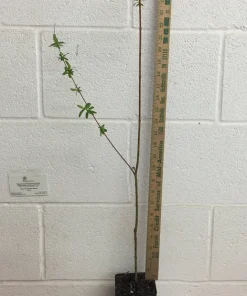
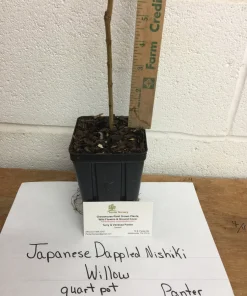
You will receive one Japanese Dappled Nishiki Willow live plant, currently measuring approximately 8-12 inches in height, carefully rooted and grown in a 4-inch nursery pot. This size ensures a robust start for your new garden addition, allowing it to establish quickly once planted. The plant’s mature size can reach 8-10 feet tall and 6 feet wide if allowed to grow naturally without significant pruning. However, its easily pruned nature means it can be kept much smaller, making it versatile for various garden spaces, from compact urban gardens to larger landscapes. The growth rate is moderate to fast, allowing you to see significant development within the first few seasons after planting.
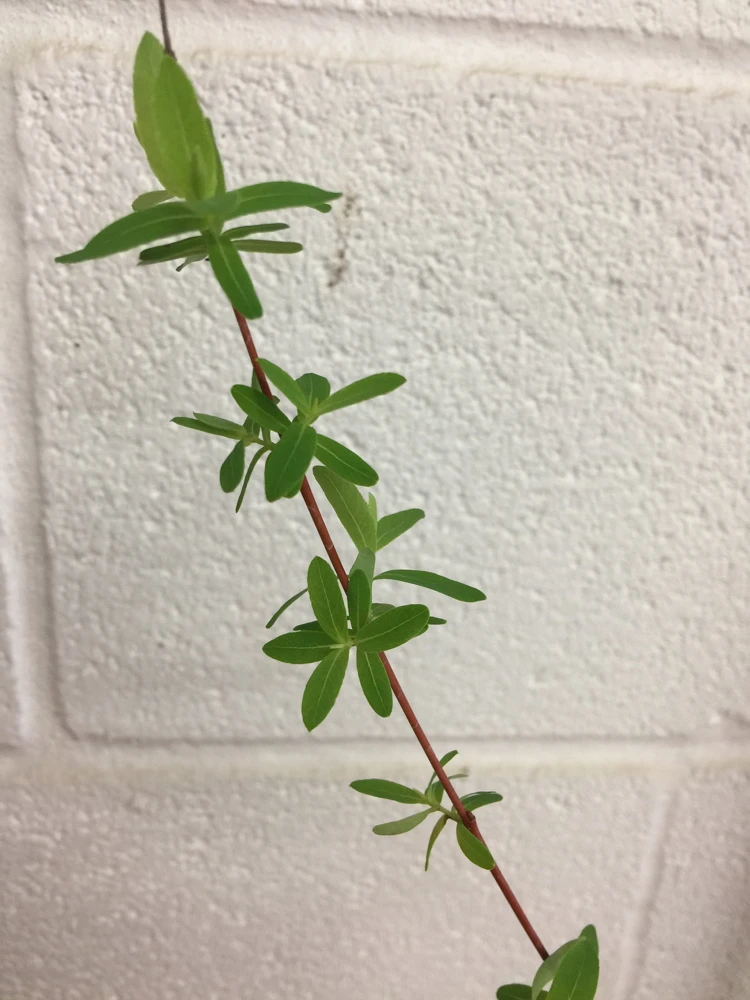
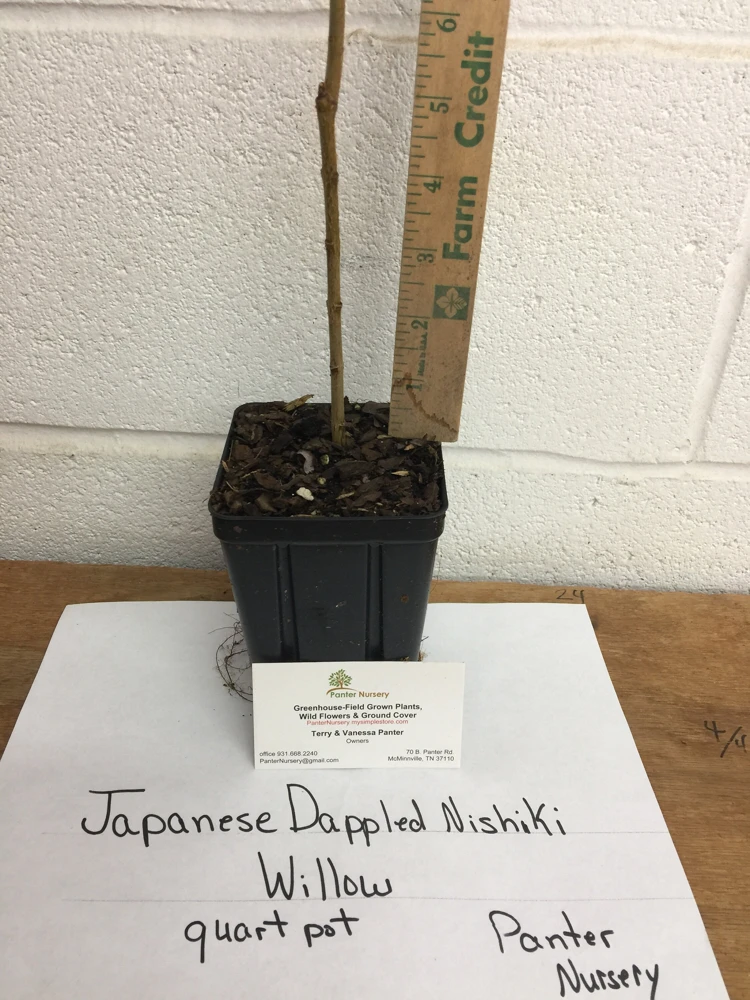
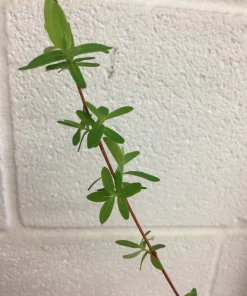
This Salix integra ‘Hakuro Nishiki’ specimen is shipped with its roots intact within the 4-inch pot, minimizing transplant shock and promoting healthy establishment. The narrow, dappled leaves with their signature pink hues will begin to display their full beauty shortly after planting. Expect continuous new growth throughout the season, which will feature the most intense pink coloration. With proper Nishiki Willow care, this plant will become a stunning focal point in your garden. It is a deciduous plant, meaning it will lose its leaves in the fall and enter dormancy, ready to burst forth with new, vibrant growth in the spring.
Frequently Asked Questions
- Q: How big does this Japanese Dappled Nishiki Willow get? A: If left unpruned, it can reach a mature height of 8-10 feet and a width of 6 feet. However, it responds very well to pruning and can be easily maintained at a smaller, desired size or trained into a small tree form.
- Q: What size pot does it come in? A: Your dappled willow shrub will arrive as a live plant, approximately 8-12 inches tall, securely rooted in a 4-inch nursery pot, ready for planting.
- Q: Is this an indoor or outdoor plant? A: The Japanese Dappled Nishiki Willow is an outdoor plant, hardy in USDA Zones 4-9. It thrives in garden beds and can also be grown in large outdoor containers.
- Q: How much sunlight does it need? A: It prefers partial shade to full sun. In hotter climates, some afternoon shade is beneficial to protect the leaves and enhance the pink coloration.
- Q: Is this plant easy to care for? A: Yes, it is considered relatively easy to care for. It primarily requires consistent watering, especially when young, and occasional pruning to maintain its shape and promote vibrant new growth.
- Q: What condition will it arrive in? A: Your Salix integra ‘Hakuro Nishiki’ plant will be carefully packaged and shipped as a healthy, live specimen in its 4-inch pot, ensuring it arrives in excellent condition, ready for planting.
- Q: When is the best time to plant a Japanese Dappled Nishiki Willow? A: The best time to plant is in spring or early fall, allowing the plant to establish its root system before extreme temperatures.
- Q: What’s the minimum temperature this plant can tolerate? A: This willow is hardy down to USDA Zone 4, meaning it can withstand winter temperatures as low as -30°F to -20°F (-34°C to -29°C) once established.
- Q: Does the color change throughout the season? A: Yes, the new growth in spring and early summer typically shows the most intense pink variegation. As the leaves mature, the pink may fade slightly, but the green and white variegation remains vibrant.
- Q: What kind of soil does it prefer? A: It prefers well-draining soil that is consistently moist. It is adaptable to a variety of soil types but benefits from rich, organic matter.
Be the first to review “Japanese Dappled Nishiki Willow Live Plant – 4 inch Pot – Variegated Shrub – Zones 4-9”
People Also Viewed
Flower Seeds
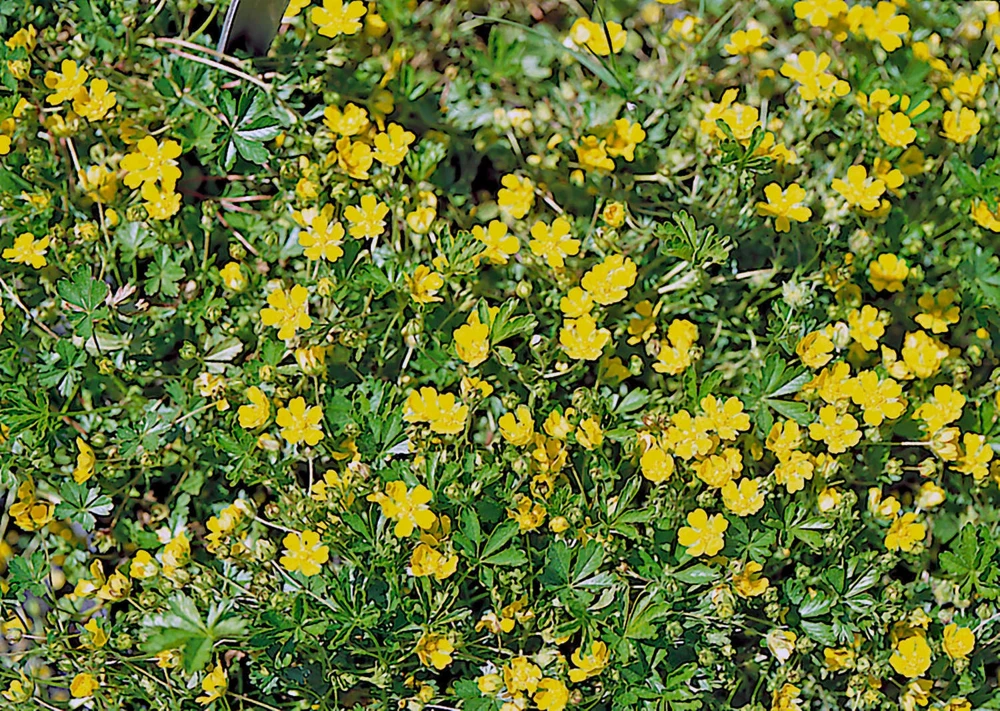
Potentilla Neumanniiana Nana Seeds – 1000 Count – Groundcover Perennial Seeds – Outdoor
Shrubs
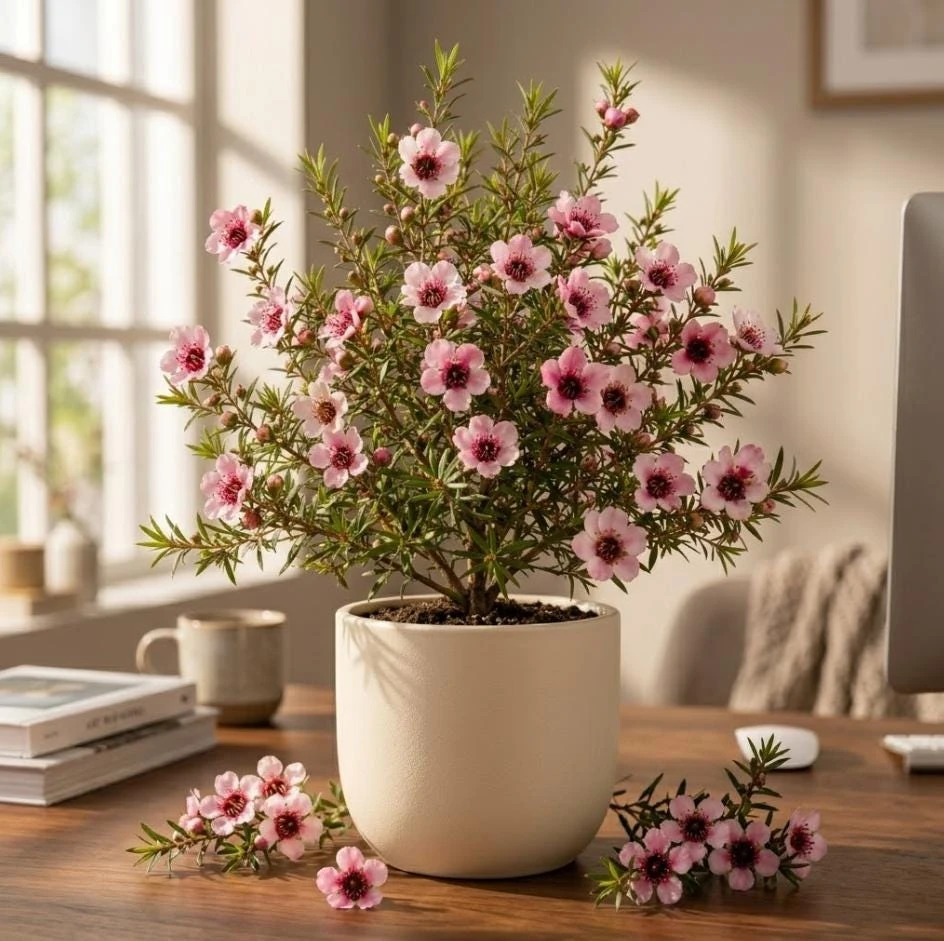
Manuka Tea Tree Live Plant – New Zealand Tea Tree 4 to 6 Inch Tall for Home Garden, Outdoor Shrub
Reviews
There are no reviews yet.