
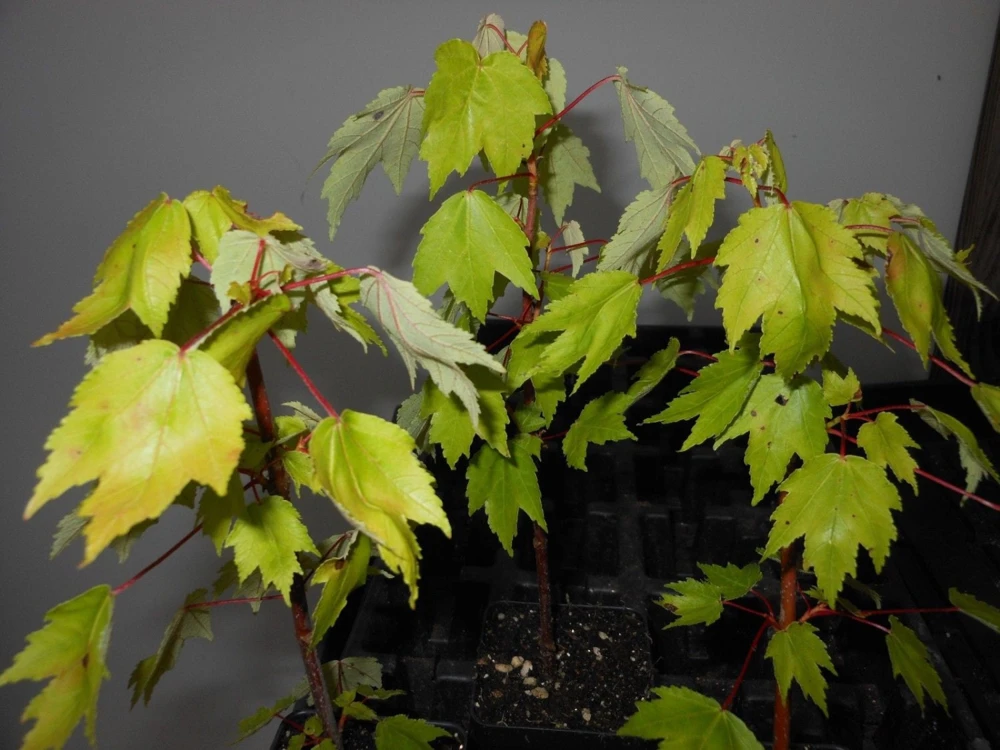
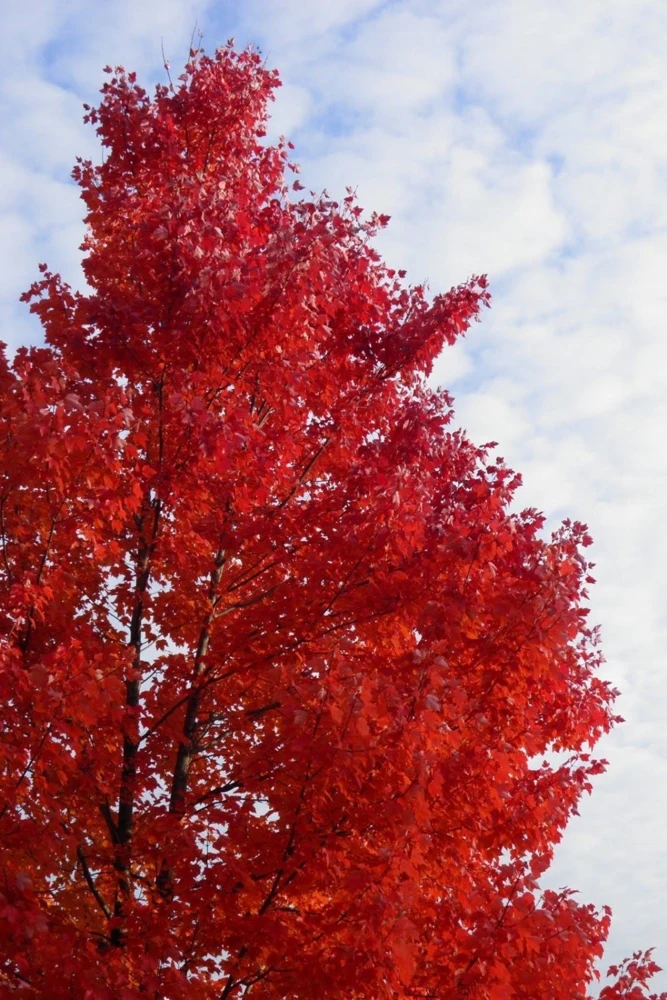
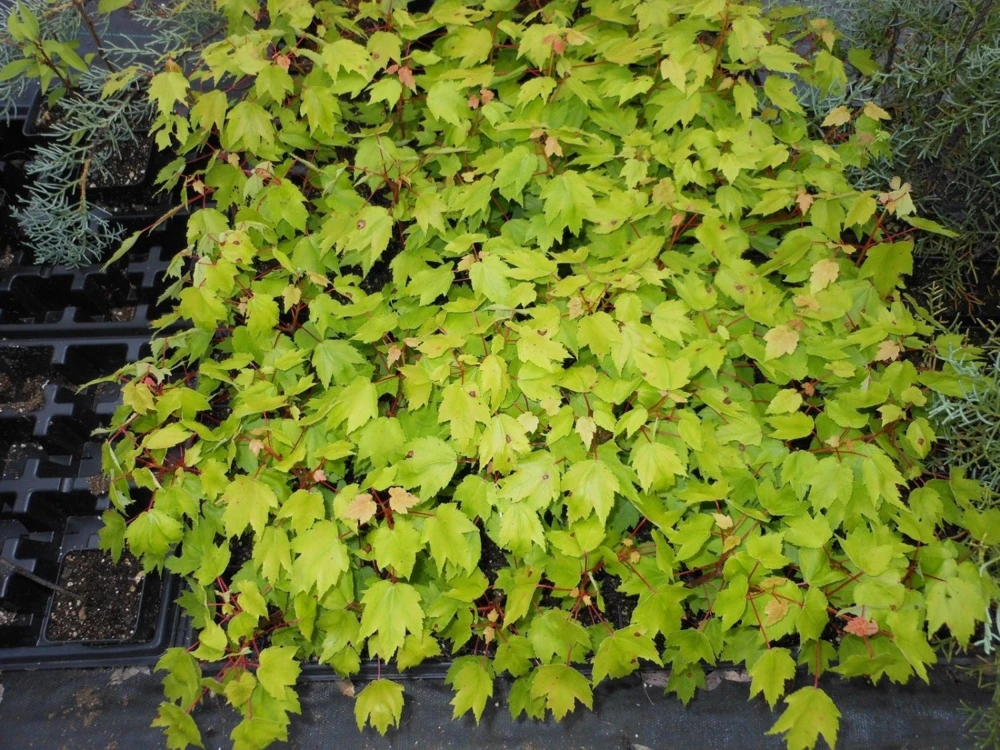
Red Maple Tree Live Plant – 4 inch Pot – 6-12 inches Tall – Native Shade Tree
Original price was: $51.99.$31.99Current price is: $31.99.
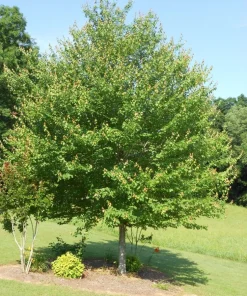
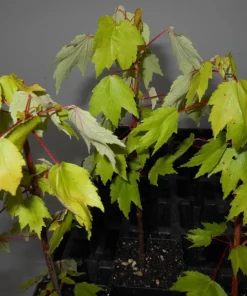
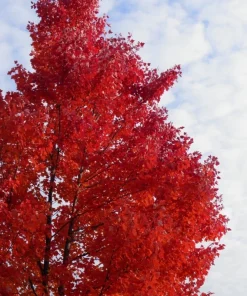
Bring home a beautiful red maple tree live plant, perfect for adding vibrant fall color to your landscape. This native tree comes in a 4-inch pot, standing 6-12 inches tall, and is adaptable to a wide range of conditions. Enjoy its attractive red fall foliage and use it as a stunning shade tree.
Estimated arrival
Sep 20
Sep 25 - Sep 27
Sep 30 - Oct 04
Shop With Confidence
30-Day Plant Health Guarantee
Arrives damaged? We’ll replace it free — see our return policy.
Responsive Support
Email us anytime, we reply within 1 business day.
Expert Packaging
Temperature-controlled shipping to protect your plants in transit.
Secure Checkout
Pay safely with Visa, Mastercard, PayPal.
Plant Specifications
-
USDA Hardiness Zone
3-9 -
Soil Type
Adaptable, prefers moist, well-draining, slightly acidic soil -
Sunlight Exposure
Full sun to partial shade -
Expected Planting Period
Spring or Fall
Overview
Experience the beauty and resilience of the red maple tree live plant, a true gem of North American landscapes. This deciduous tree, scientifically known as Acer rubrum, is one of the most common and widespread native trees in eastern North America. Our offering is a healthy red maple tree live plant, provided in a 4-inch pot and measuring 6-12 inches in height, ready to be planted in your garden. Known for its striking red fall foliage, the red maple is a versatile choice for both urban and rural settings. Its adaptability to various soil and site conditions makes it an excellent option for new gardeners and seasoned horticulturists alike. This tree not only provides stunning visual appeal but also contributes significantly to local ecosystems, supporting wildlife and enhancing biodiversity. Choosing a native red maple tree is a sustainable way to beautify your property and embrace nature’s splendor.
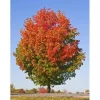
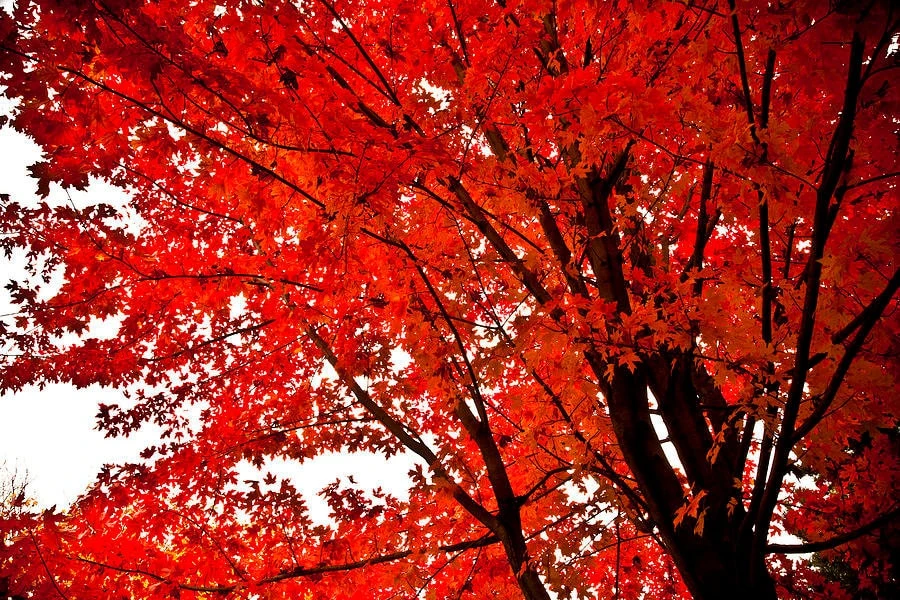
The red maple’s distinctive green leaves in summer transform into brilliant shades of red, orange, and yellow in autumn, creating a spectacular display. It’s often utilized as a reliable red maple shade tree due to its pleasing form and mature height, which can reach up to 60 feet. With a medium to fast growth rate, you won’t have to wait long to enjoy its full glory. Hardy in USDA Zones 3-9, this tree is a robust choice for many regions across the United States. Its ability to thrive in a wide range of environments, from wet soils to drier uplands, underscores its remarkable resilience. Plant a red maple tree live plant today and watch it become a majestic focal point in your outdoor space for years to come.
Key Benefits
The red maple tree live plant offers a multitude of benefits, making it a highly desirable addition to any landscape. Its natural beauty and ecological advantages contribute to a healthier, more vibrant outdoor environment.
- Spectacular Fall Foliage: The most celebrated feature of the red maple is its brilliant autumn display. Leaves transition from vibrant green to dazzling shades of red, orange, and even purple, providing an unparalleled visual spectacle. This makes it a perfect choice for adding seasonal interest to your yard.
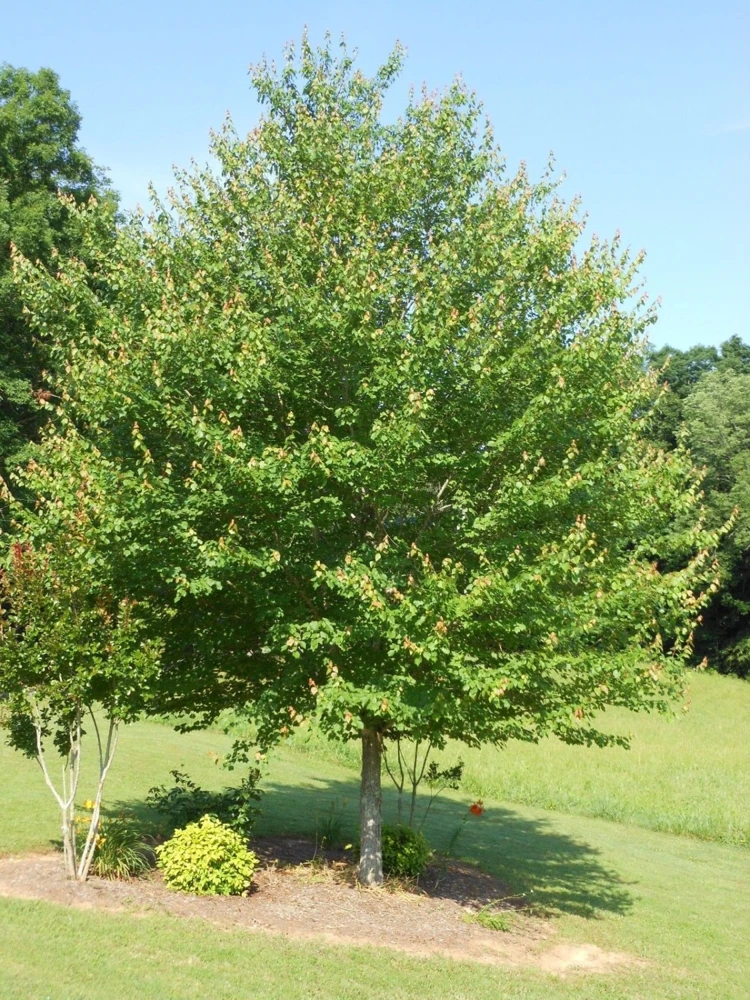
- Excellent Shade Tree: As it matures, the red maple shade tree develops a dense canopy, offering ample shade that can significantly cool your home and outdoor living areas during hot summer months. Its pleasing form and robust growth ensure effective shade provision.
- Native and Adaptable: Being a native red maple tree, it is inherently well-suited to the North American climate and soil conditions. This adaptability means it requires less intervention and is more resistant to local pests and diseases compared to non-native species.
- Fast to Medium Growth Rate: Enjoy the benefits of a mature tree sooner rather than later. The red maple’s growth rate allows for quicker establishment and development of its characteristic form and shade-providing canopy.
- Wildlife Habitat: The red maple provides food and shelter for various wildlife species. Its seeds are a food source for birds and small mammals, and its branches offer nesting sites, contributing to the biodiversity of your garden.
- Soil Versatility: Unlike many trees with specific soil requirements, the red maple tolerates a wide range of soil conditions, from wet, poorly drained soils to drier, more acidic types. This makes planting and establishment easier in diverse landscapes.
- Low Maintenance: Once established, the red maple tree live plant is relatively low maintenance, requiring minimal care beyond initial watering and occasional pruning. Its natural resilience helps it thrive with less effort from the gardener.
Plant Care & Growing Tips
Caring for your red maple tree live plant is straightforward, especially given its natural hardiness and adaptability. To ensure optimal growth and the most vibrant fall colors, understanding its basic needs is crucial. This tree thrives in full sun, meaning it prefers at least six hours of direct sunlight per day. While it can tolerate partial shade, full sun exposure is key for maximizing its growth rate and the intensity of its autumn hues. When choosing a planting site, consider its mature size of up to 60 feet in height and 40 feet in spread, ensuring it has ample space away from buildings and power lines. The best time to plant is in spring or fall, allowing the tree to establish its root system before extreme temperatures.
Regarding watering, newly planted native red maple tree specimens require regular and consistent moisture. Water deeply two to three times a week during its first year, especially during dry spells, to encourage deep root growth. Once established, red maples are quite tolerant of varying moisture levels, but they generally prefer consistently moist, well-drained soil. Avoid waterlogging, as this can lead to root rot. The red maple is adaptable to various soil types, from clay to sand, but it performs best in slightly acidic, well-draining loamy soils. Amending heavy clay soils with organic matter can improve drainage and aeration, while adding compost to sandy soils can enhance water retention and nutrient availability. For optimal growth, consider soil testing to understand specific nutrient deficiencies.
Fertilization is generally not necessary for established red maples growing in healthy soil. However, if your soil is poor or the tree shows signs of nutrient deficiency (such as yellowing leaves), a balanced, slow-release fertilizer formulated for trees and shrubs can be applied in early spring. Always follow product instructions carefully to avoid over-fertilization. The acer rubrum plant is hardy in USDA Zones 3-9, making it suitable for a vast majority of the US. Pruning should primarily focus on removing dead, damaged, or diseased branches, typically done in late winter or early spring before new growth emerges. Avoid heavy pruning in late summer or fall, as this can lead to excessive sap bleeding. Watch out for common pests like aphids and scale insects, which can usually be managed with horticultural oil or insecticidal soap, and fungal diseases like powdery mildew, which can be mitigated by ensuring good air circulation.
Size & Details
Your red maple tree live plant will arrive in a 4-inch pot, with a height ranging from 12 to 16 inches. This size is ideal for establishing a strong root system once transplanted into your landscape. The red maple is known for its medium to fast growth rate, allowing it to quickly develop into a significant landscape feature. At maturity, this magnificent tree can reach an impressive height of up to 60 feet with a spread of 30-40 feet, providing substantial shade and visual impact. It typically develops a rounded to oval canopy, making it an excellent choice for a specimen tree or as part of a larger planting. The plant is shipped as a young, actively growing specimen, carefully packaged to ensure its health upon arrival. Expect vigorous growth once planted in suitable conditions, with its distinctive palmate leaves unfurling in spring and transforming into the iconic red maple fall foliage as temperatures drop.
Frequently Asked Questions
- Q: How big does this red maple tree get at maturity? A: The red maple tree live plant can reach an impressive height of up to 60 feet and a spread of 30-40 feet at maturity, making it a substantial shade tree for your landscape. Its size makes it a prominent feature in any garden or yard.
- Q: What size pot does the red maple tree come in? A: This particular red maple tree live plant is supplied in a 4-inch nursery pot, and it stands approximately 6-12 inches tall, ready for transplanting into your garden or a larger container.
- Q: Is this an indoor or outdoor plant? A: The red maple is an outdoor tree that requires ample space and sunlight to thrive. It is not suitable for indoor cultivation and should be planted directly in the ground or a very large outdoor container.
- Q: How much sunlight does a red maple tree need? A: For optimal growth and the most vibrant red maple fall foliage, this tree prefers full sun, meaning it should receive at least 6 hours of direct sunlight per day. It can tolerate partial shade but may have less intense fall color.
- Q: Is this plant easy to care for? A: Yes, once established, the native red maple tree is relatively low-maintenance. It’s adaptable to a wide range of soil conditions and climates, making it a good choice for both experienced and novice gardeners.
- Q: What condition will the plant arrive in? A: Your red maple tree live plant will arrive as a healthy, actively growing specimen in its 4-inch pot, carefully packaged to minimize stress during transit. Some minor leaf drop might occur due to shipping stress, but the plant should recover quickly.
- Q: When is the best time to plant a red maple tree? A: The ideal times to plant a red maple tree live plant are in the spring or fall. This allows the tree to establish its root system before the extreme heat of summer or the deep cold of winter.
- Q: Will it survive winter in my zone? A: The acer rubrum plant is hardy in USDA Zones 3-9. If your region falls within these zones, your red maple tree should successfully withstand winter conditions. Check your local USDA zone for confirmation.
- Q: What type of soil does a red maple prefer? A: While adaptable, the red maple prefers moist, well-drained, slightly acidic soil. It can tolerate a variety of soil types, including clay, loam, and sand, but good drainage is key for its health.
- Q: What are the main uses for a red maple tree? A: The red maple is primarily used as a beautiful red maple shade tree, a specimen tree for its stunning fall color, and as a native plant to support local ecosystems and wildlife.
Be the first to review “Red Maple Tree Live Plant – 4 inch Pot – 6-12 inches Tall – Native Shade Tree”
People Also Viewed
Flower Seeds
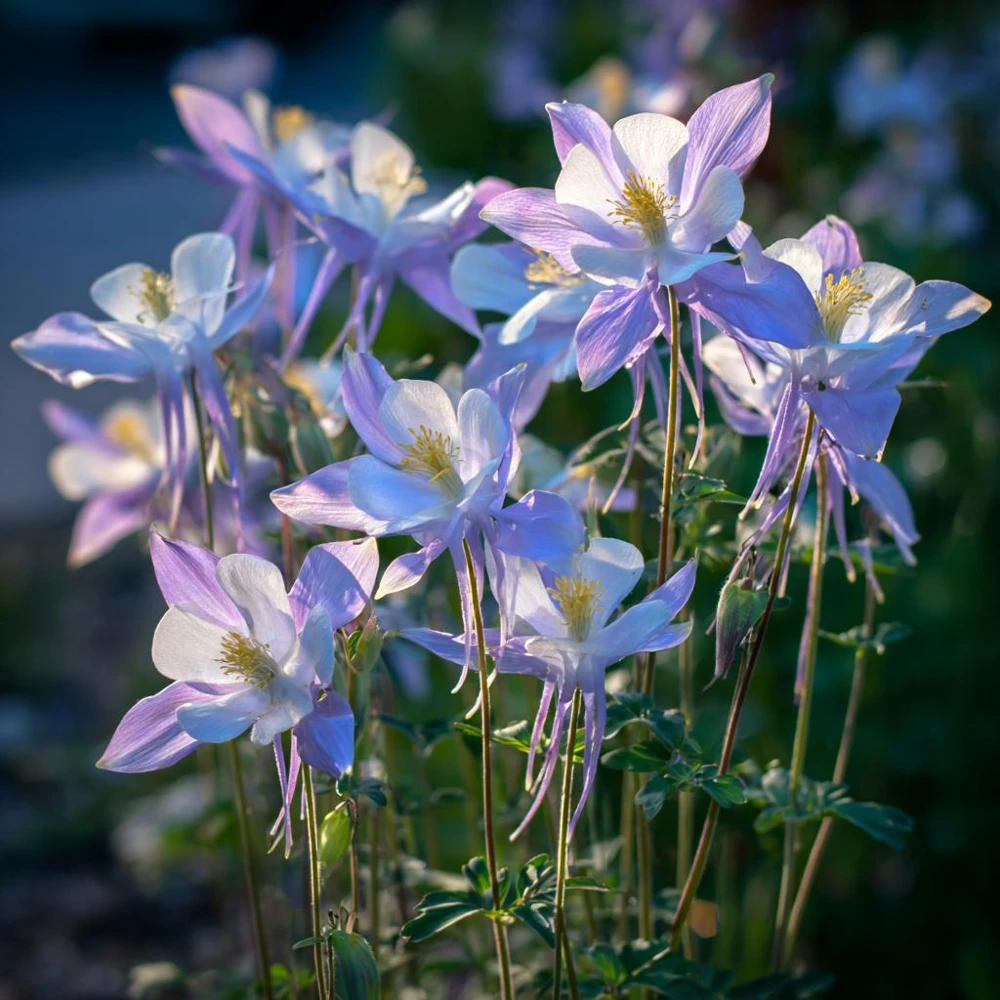
Colorado Blue Columbine Seeds – 100 Count – Pollinator-Friendly Flower Seeds – Aquilegia caerulea
Houseplants
Tricolor Strawberry Geranium Live Plant – Saxifraga Stolonifera – 2in/4in Pot – Indoor/Outdoor
Houseplants
Reviews
There are no reviews yet.