


20 Purple Passion Fruit Seeds – Passiflora Edulis Vine for Edible Flowers
Original price was: $37.99.$17.99Current price is: $17.99.
Cultivate your own exotic garden with purple passion fruit seeds. These Passiflora Edulis seeds yield stunning flowers and delicious fruit, perfect for adding a tropical touch to your outdoor space.
- Produces vibrant purple flowers
- Yields tasty, aromatic passion fruit
- Ideal for trellises and arbors
Estimated arrival
Sep 18
Sep 23 - Sep 25
Sep 28 - Oct 02
Shop With Confidence
30-Day Plant Health Guarantee
Arrives damaged? We’ll replace it free — see our return policy.
Responsive Support
Email us anytime, we reply within 1 business day.
Expert Packaging
Temperature-controlled shipping to protect your plants in transit.
Secure Checkout
Pay safely with Visa, Mastercard, PayPal.
Plant Specifications
-
USDA Hardiness Zone
USDA Zones 9-11 -
Soil Type
Well-draining, rich in organic matter -
Sunlight Exposure
Full sun -
Expected Planting Period
Year-round indoors, transplant outdoors after last frost
Overview
Embark on a rewarding gardening journey with our premium purple passion fruit seeds. Each packet contains 20 viable seeds of Passiflora Edulis, the beloved species renowned for its exquisite, intricate flowers and incredibly flavorful fruit. These seeds offer you the opportunity to cultivate a vigorous, climbing vine that will not only beautify your garden but also provide a bountiful harvest of delicious, aromatic passion fruit. Known for its rapid growth and stunning blossoms, the passionflower vine is a true marvel, transforming any trellis, fence, or arbor into a vibrant, edible landscape feature. Whether you’re an experienced gardener or just starting out, growing your own Passiflora Edulis seeds is an exciting and fulfilling endeavor.
The common name, passion fruit, refers to the edible fruit produced by this particular species, while ‘passionflower’ often describes the entire genus, famous for its unique floral structure. Our purple passion fruit seeds are carefully selected to ensure high germination rates, giving you the best chance to establish a thriving vine. Imagine harvesting your own sweet and tangy fruit, perfect for desserts, beverages, or simply enjoying fresh from the vine. This plant is a fantastic choice for those looking to add a touch of the tropics and a source of fresh produce to their home.
Key Benefits
Growing purple passion fruit seeds offers a multitude of benefits, from aesthetic appeal to culinary delights. These versatile vines enhance any garden with their striking beauty and provide a healthy, homegrown food source.
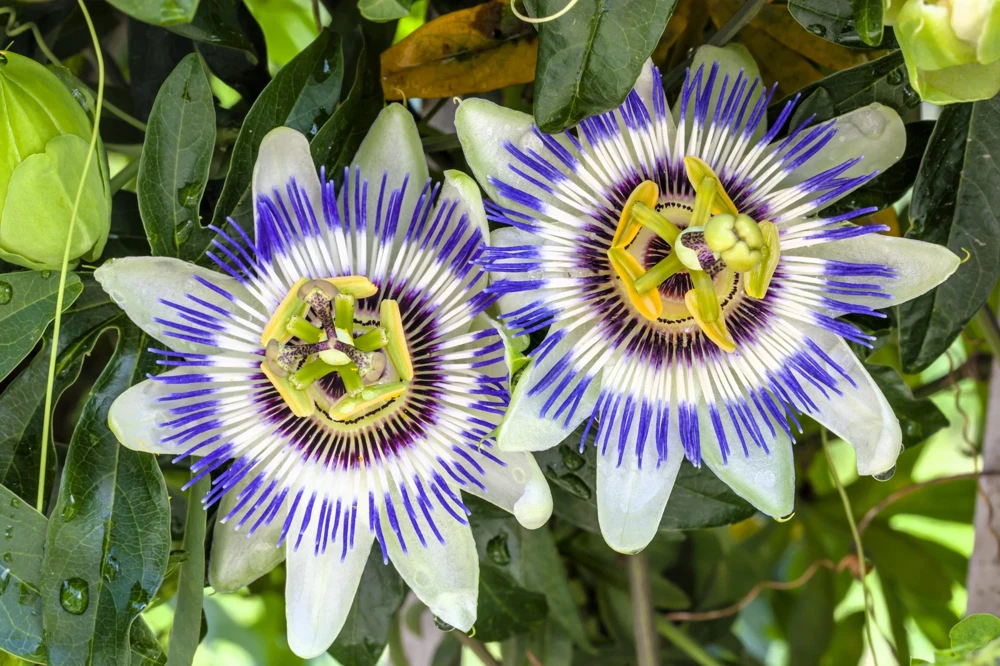
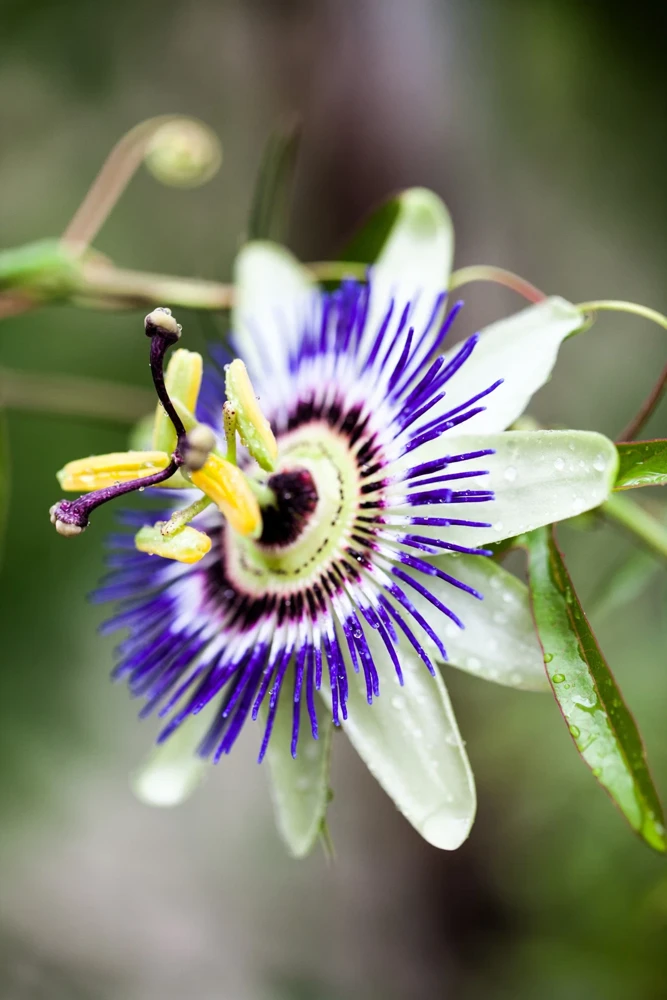
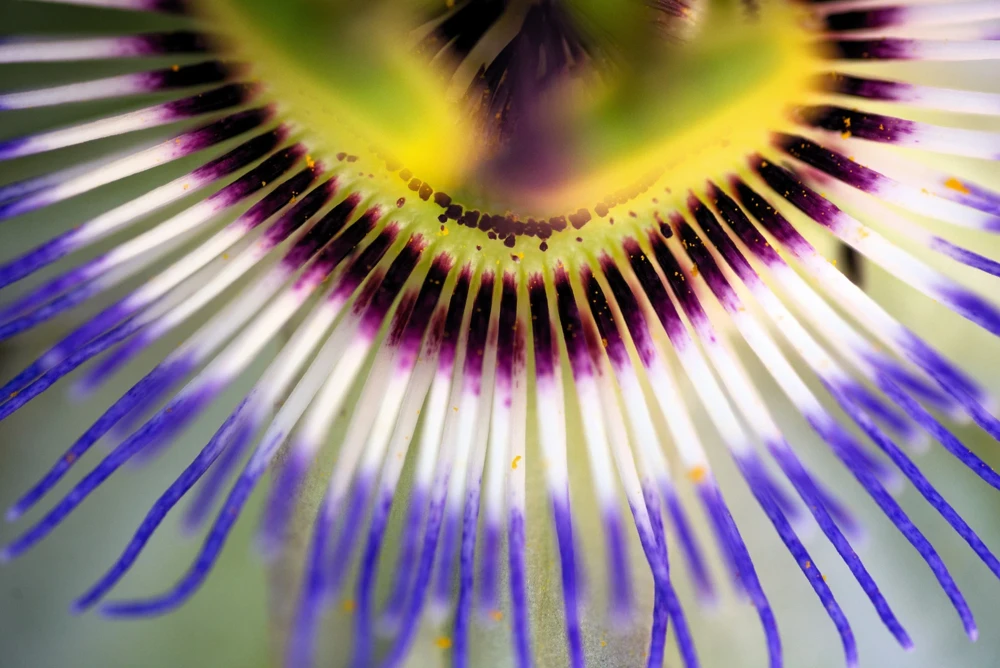
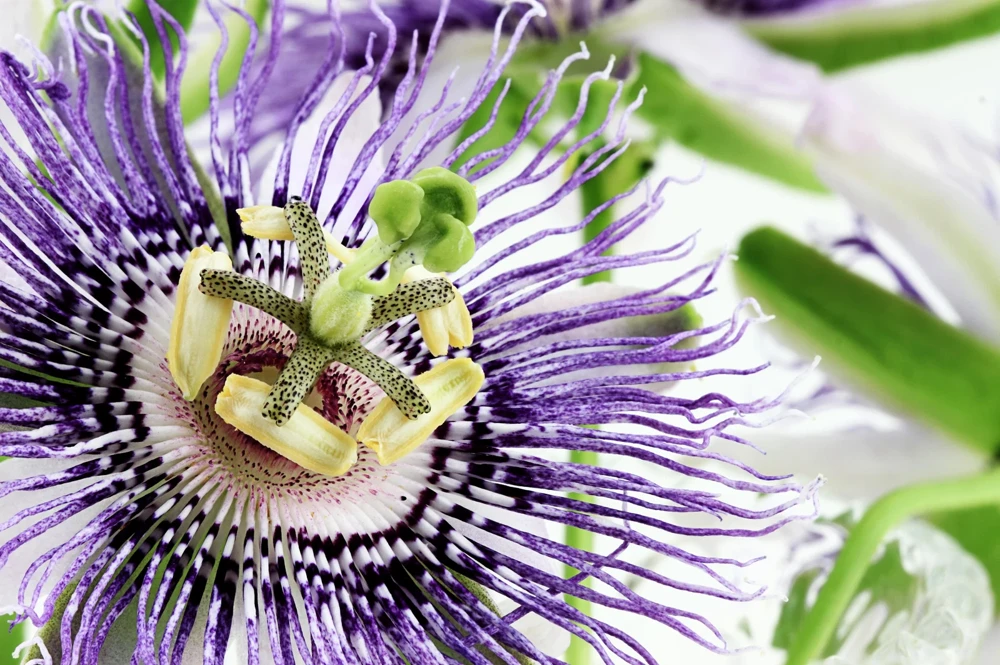
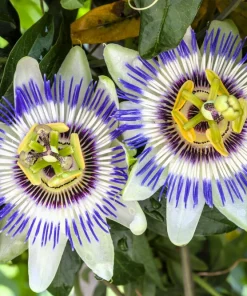
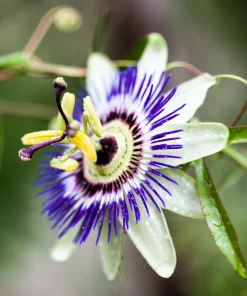
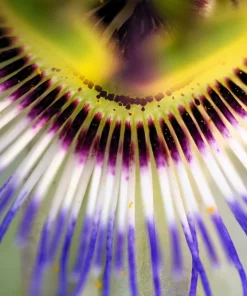
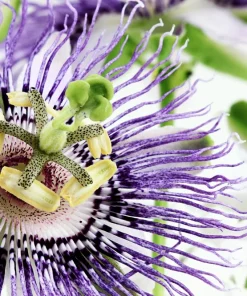
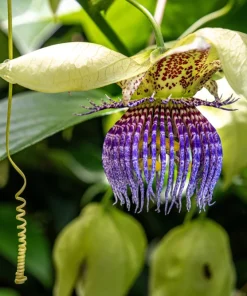
- Beautiful Ornamental Value: The intricate, vibrant purple and white flowers of the passionflower are a true spectacle, adding an exotic and captivating element to your garden or patio. They are often considered some of the most unique and beautiful blooms in the plant kingdom.
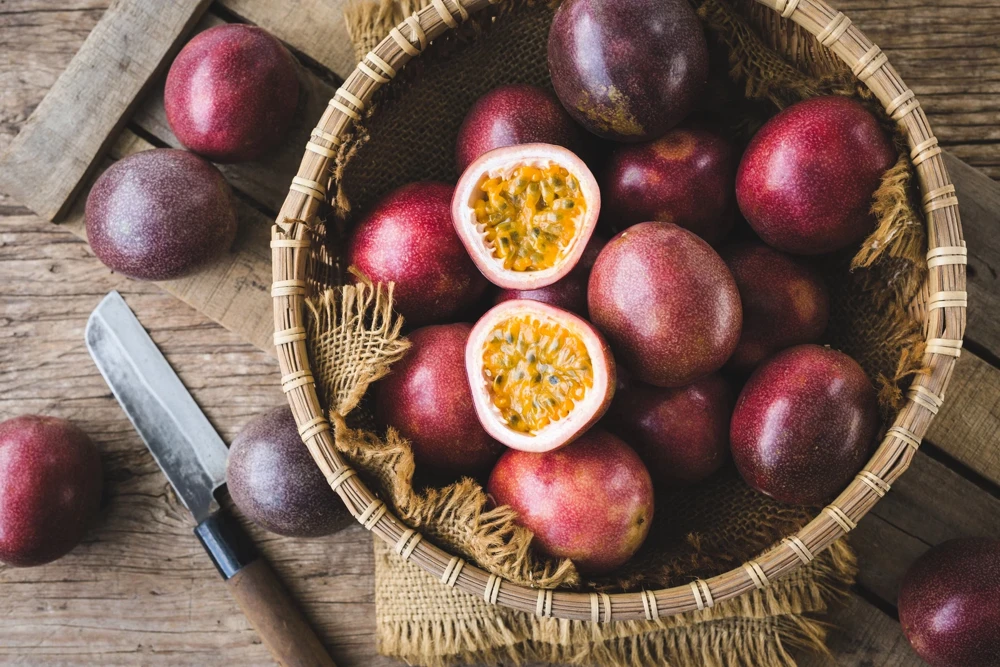
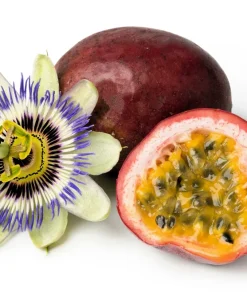
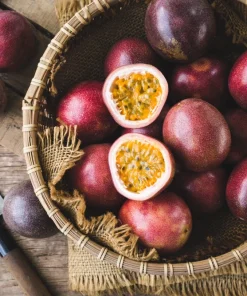
- Delicious Edible Fruit: Enjoy a continuous supply of fresh, aromatic purple passion fruit, rich in vitamins and antioxidants. The tangy-sweet pulp is perfect for juices, desserts, sauces, and fresh eating, allowing you to grow passion fruit right in your backyard.
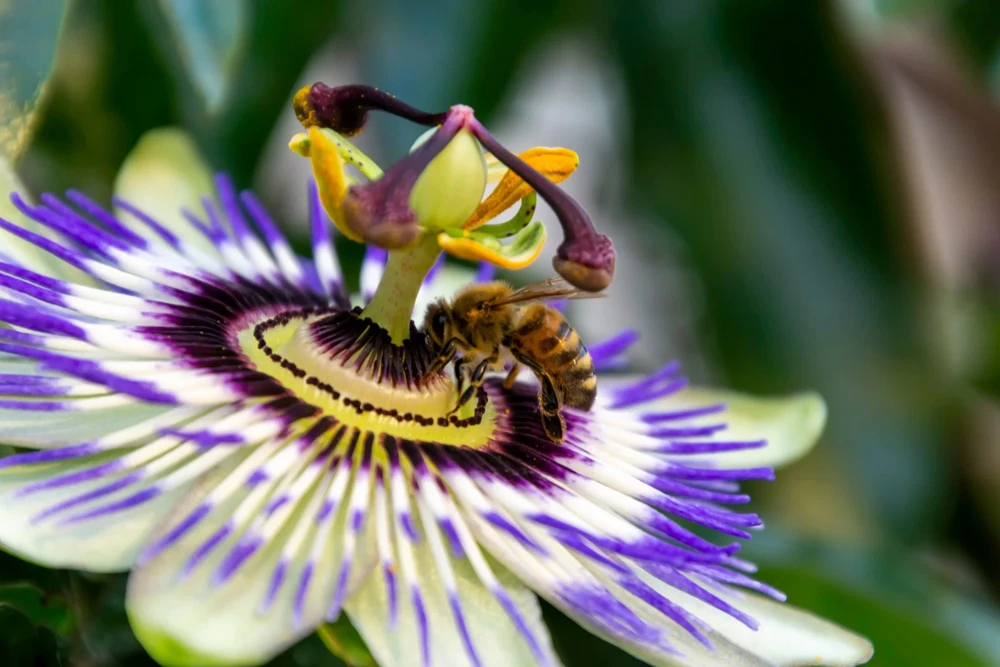
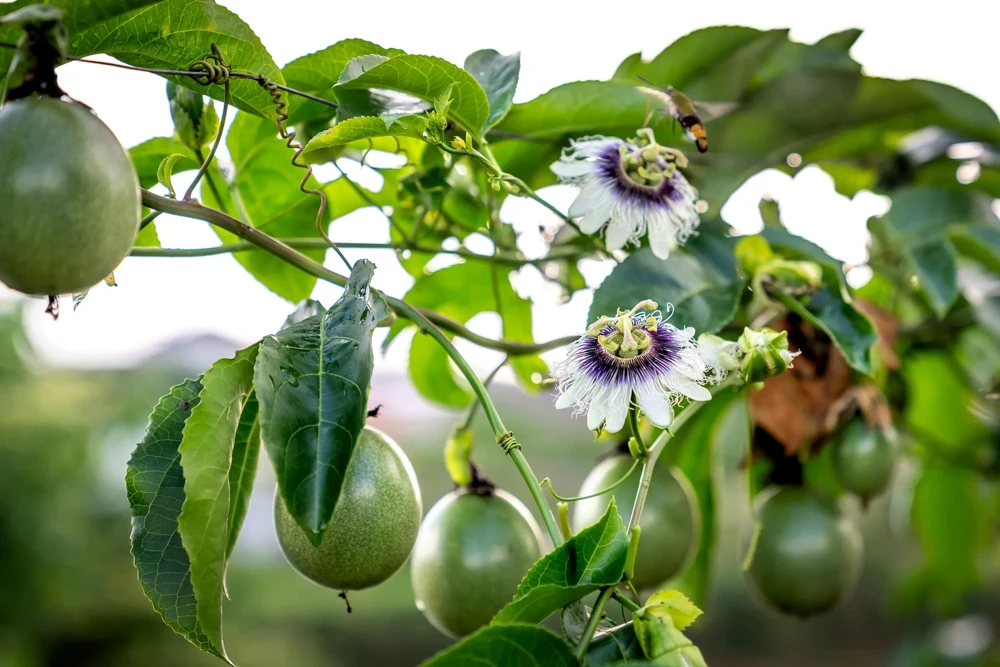
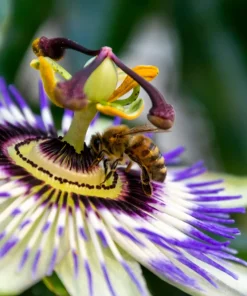
- Attracts Pollinators: The showy flowers are a magnet for bees, butterflies, and other beneficial pollinators, contributing to a healthier and more diverse garden ecosystem. This makes your garden a haven for local wildlife.
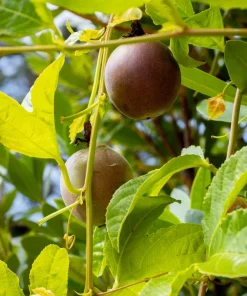
- Fast-Growing Vine: These vigorous vines establish quickly, providing rapid coverage for trellises, arbors, and fences, offering both shade and privacy in a short amount of time. They can quickly transform an ordinary space into a lush, green oasis.
- Versatile Use: Ideal for container gardening, ground planting, or as a living screen, adapting well to various garden designs and spaces. You can cultivate them in many settings, from large yards to small balconies.
- Rewarding Gardening Experience: From planting the passiflora edulis seeds to harvesting your first fruit, the entire process is incredibly satisfying and educational. It’s a wonderful way to connect with nature and enjoy the fruits of your labor.
Plant Care & Growing Tips
To successfully grow passion fruit from seed, a few key considerations will ensure your vine thrives. Start your purple passion fruit seeds indoors 6-8 weeks before the last frost date in your area. Scarify the seeds by gently rubbing them with sandpaper or nicking them with a knife, then soak them in warm water for 24-48 hours to aid germination. Plant them about 1/4 inch deep in a well-draining seed starting mix. Maintain a warm soil temperature, ideally between 75-85°F (24-29°C), using a heat mat if necessary. Germination can be erratic and take anywhere from a few weeks to several months, so patience is key.
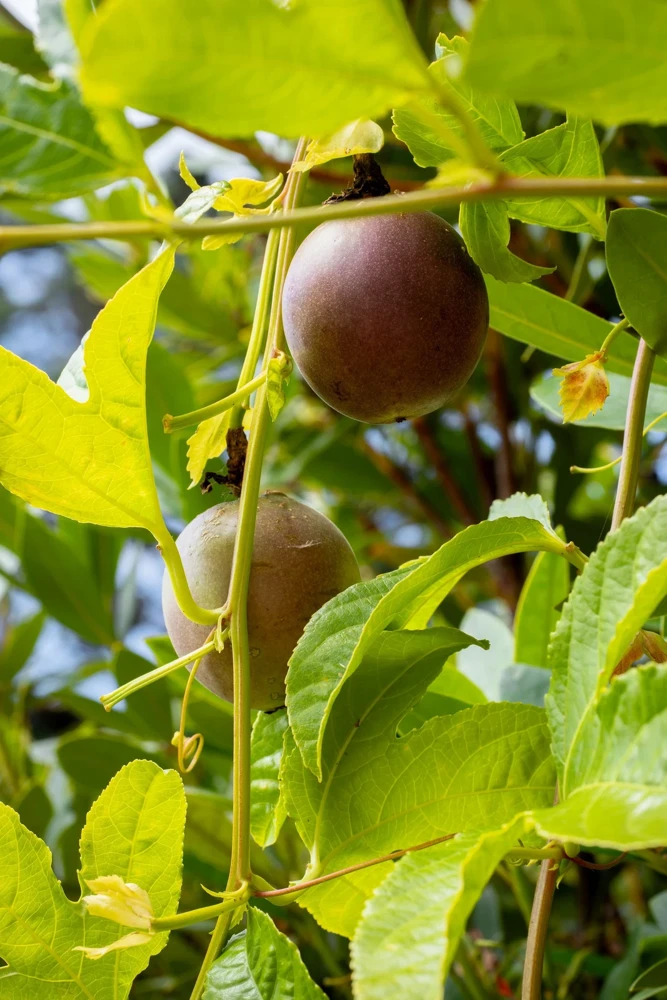
Once seedlings are established and outdoor temperatures are consistently above 50°F (10°C), transplant them to a location that receives full sun, meaning at least 6-8 hours of direct sunlight daily. While the plant can tolerate some partial shade, abundant sunlight is crucial for optimal fruit production. The ideal soil for Passiflora Edulis is well-draining, rich in organic matter, and has a slightly acidic to neutral pH (6.0-7.0). Amend heavy clay soils with compost or sand to improve drainage. Provide a sturdy support structure like a trellis, arbor, or fence, as the vine is a vigorous climber and will quickly attach itself with tendrils. Water regularly, especially during dry spells and when the plant is flowering and fruiting, keeping the soil consistently moist but not waterlogged. Reduce watering slightly during the cooler months. Fertilize every 4-6 weeks during the growing season with a balanced fertilizer, switching to a high-potassium fertilizer once flowering begins to encourage fruit development. Protect young plants from pests like aphids and spider mites, and prune annually in late winter or early spring to manage growth and encourage new flowering wood. This care will help you cultivate a robust and productive passionflower vine seeds plant.
Size & Details
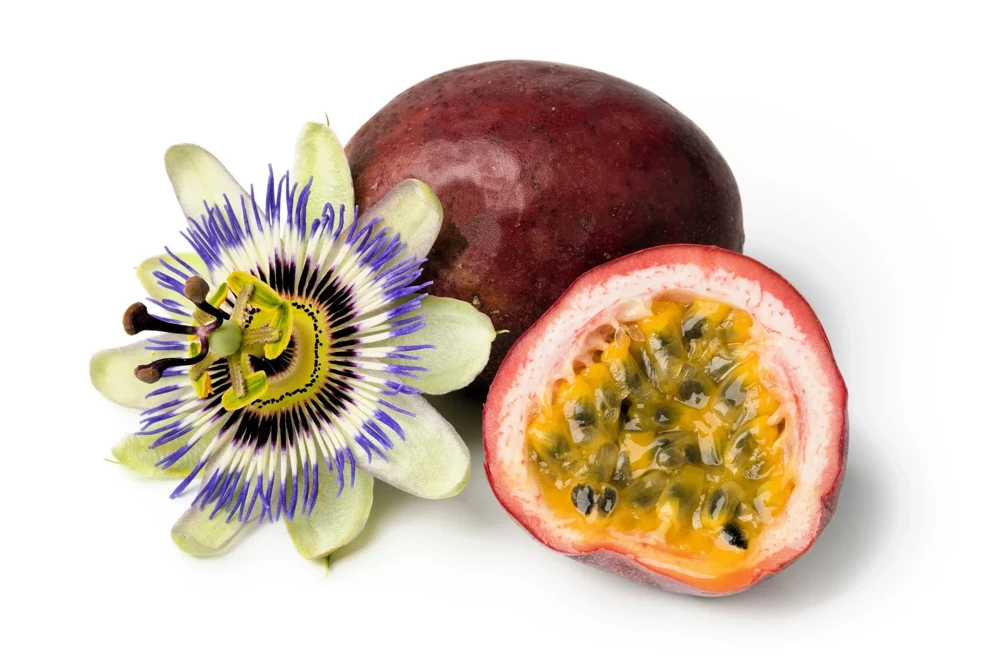
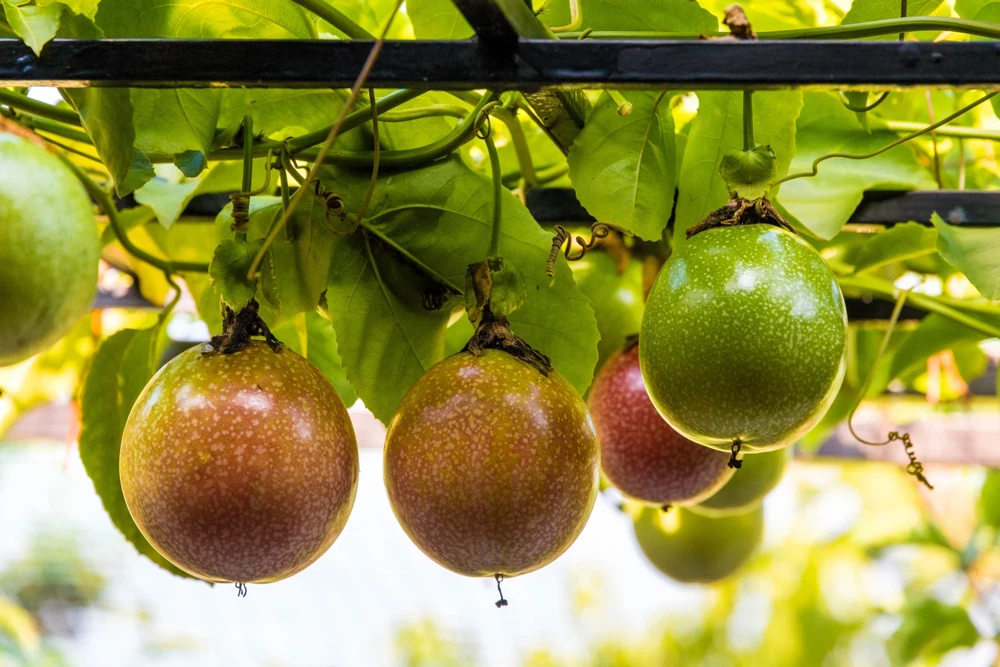
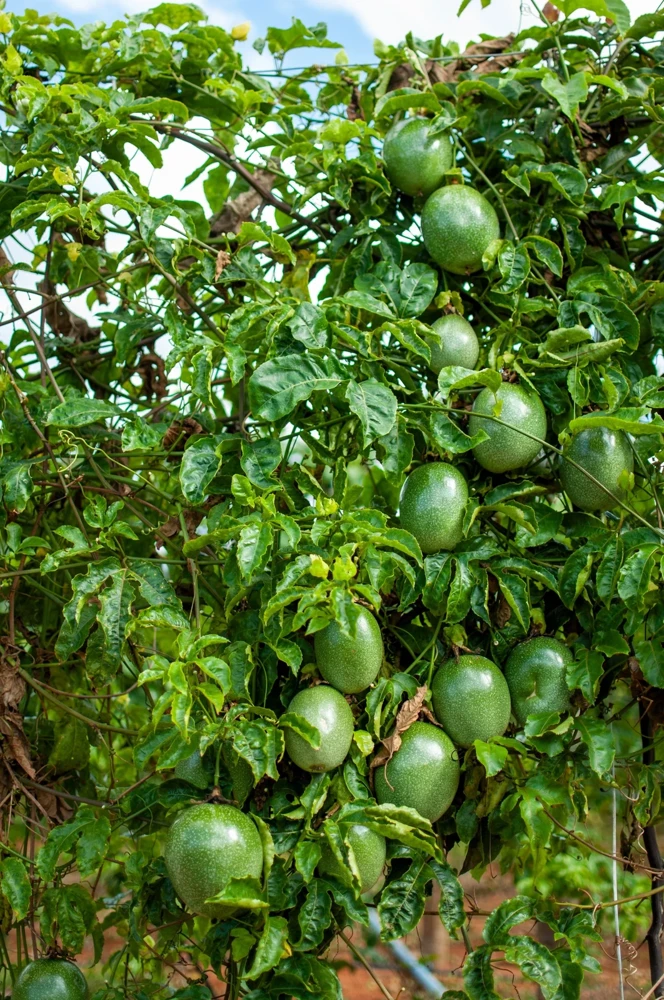
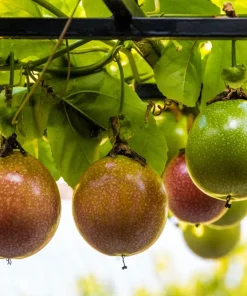
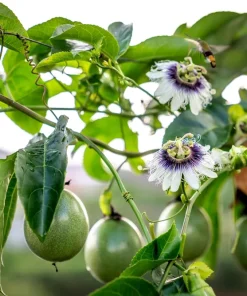
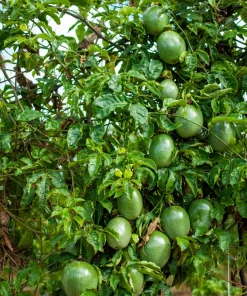
This offering includes 20 high-quality purple passion fruit seeds (Passiflora Edulis). These seeds are non-GMO and intended for cultivation into a vigorous climbing vine. Once established, the vine typically reaches lengths of 15 to 20 feet, though it can grow even longer in ideal conditions, making it perfect for covering large structures. The mature fruit is roughly the size of a chicken egg, with a tough, leathery purple skin and a juicy, aromatic pulp filled with small, edible seeds. Expect the vine to begin flowering and fruiting within 1 to 2 years from planting, given optimal growing conditions. These seeds are shipped as a dry packet, ready for you to initiate the germination process at home. The plant is known for its relatively fast growth rate once it takes hold, quickly providing lush foliage and beautiful blooms.
Frequently Asked Questions
- Q: How long does it take for purple passion fruit seeds to germinate? A: Germination can be variable, typically taking anywhere from a few weeks to several months, even with proper scarification and soaking. Patience and consistent warmth are crucial for successful sprouting of these Passiflora Edulis seeds.
- Q: Is this an indoor or outdoor plant? A: While passionflower vine seeds can be started indoors, the mature plant thrives outdoors in full sun. In colder climates, it can be grown in a large container and moved indoors during winter, or treated as an annual.
- Q: How much sunlight does the passion fruit vine need? A: To grow passion fruit successfully and ensure abundant fruiting, the vine requires at least 6-8 hours of direct sunlight per day. More sun generally leads to better fruit production.
- Q: What condition will the seeds arrive in? A: Your purple passion fruit seeds will arrive as a dry packet of viable seeds, ready for you to prepare and plant. They are carefully packaged to maintain their quality during transit.
- Q: Can I use the fruit in cooking? A: Absolutely! The fruit from Passiflora Edulis is highly prized for its sweet, tangy, and aromatic pulp. It’s excellent for making juices, desserts, jams, and adding a tropical flavor to various culinary creations.
- Q: When is the best time to plant these seeds? A: It’s best to start these passionflower vine seeds indoors 6-8 weeks before your last expected frost. This gives the seedlings a head start before they are transplanted outdoors after all danger of frost has passed.
- Q: What USDA hardiness zone is suitable for this plant? A: Passion fruit vines are generally hardy in USDA Zones 9-11. In colder zones, they can be grown as annuals or overwintered indoors.
- Q: Is this plant easy to care for? A: Once established, the passion fruit vine is relatively low-maintenance, requiring regular watering, adequate sunlight, and a sturdy support structure. Starting from purple passion fruit seeds requires a bit more initial care and patience.
- Q: How big does the passion fruit plant get? A: A mature passion fruit vine can grow quite large, typically reaching lengths of 15 to 20 feet or more. It’s a vigorous climber that needs ample space and support.
- Q: What kind of soil does it prefer? A: Passiflora Edulis prefers well-draining soil that is rich in organic matter. A slightly acidic to neutral pH (6.0-7.0) is ideal for optimal growth and fruit production.
Be the first to review “20 Purple Passion Fruit Seeds – Passiflora Edulis Vine for Edible Flowers”
People Also Viewed
Flower Seeds
Flower Plants
Blue Lobelia Live Plant – 4″ Pot – Ornamental Annual Flowering Plant – Trailing & Border Bloomer
Reviews
There are no reviews yet.