

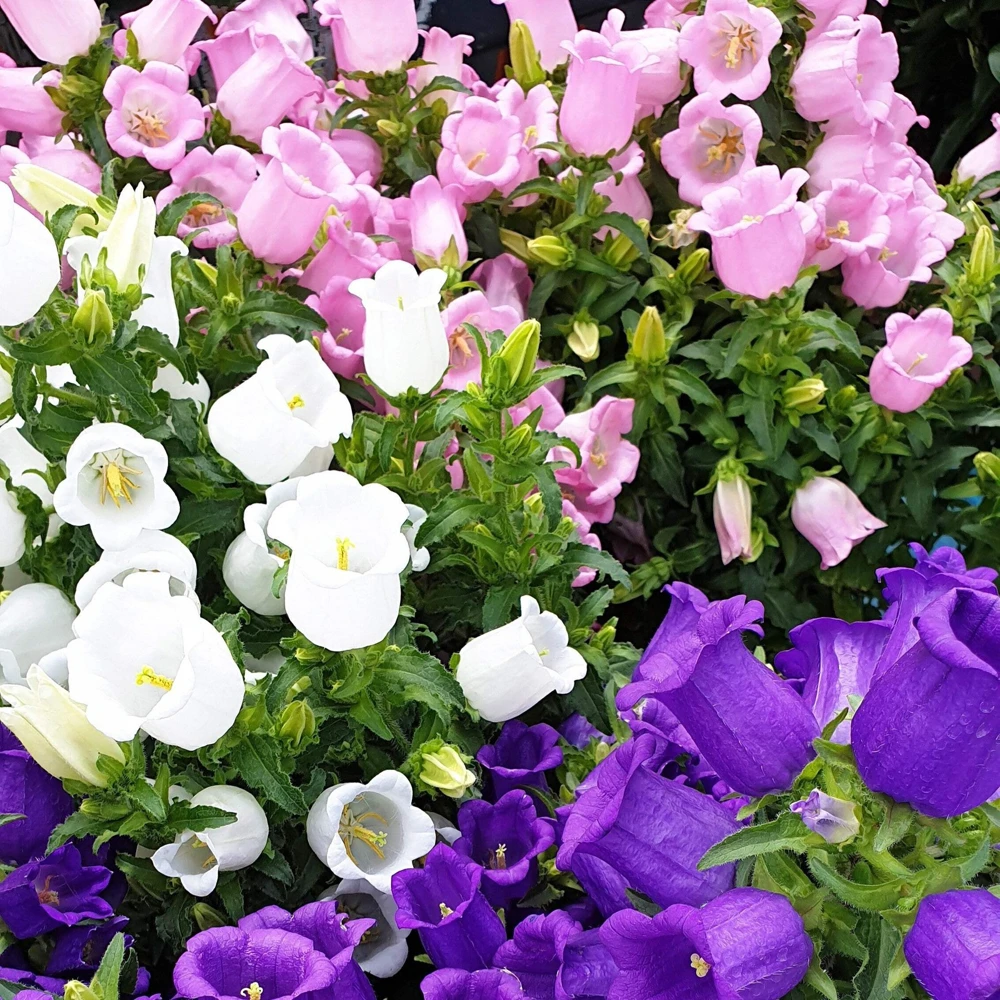
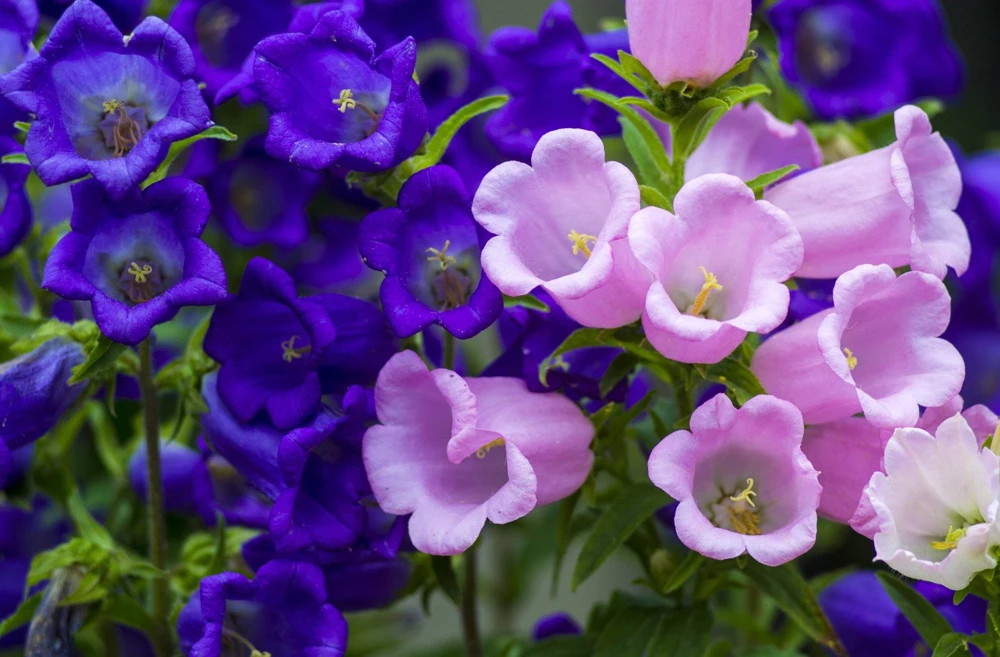
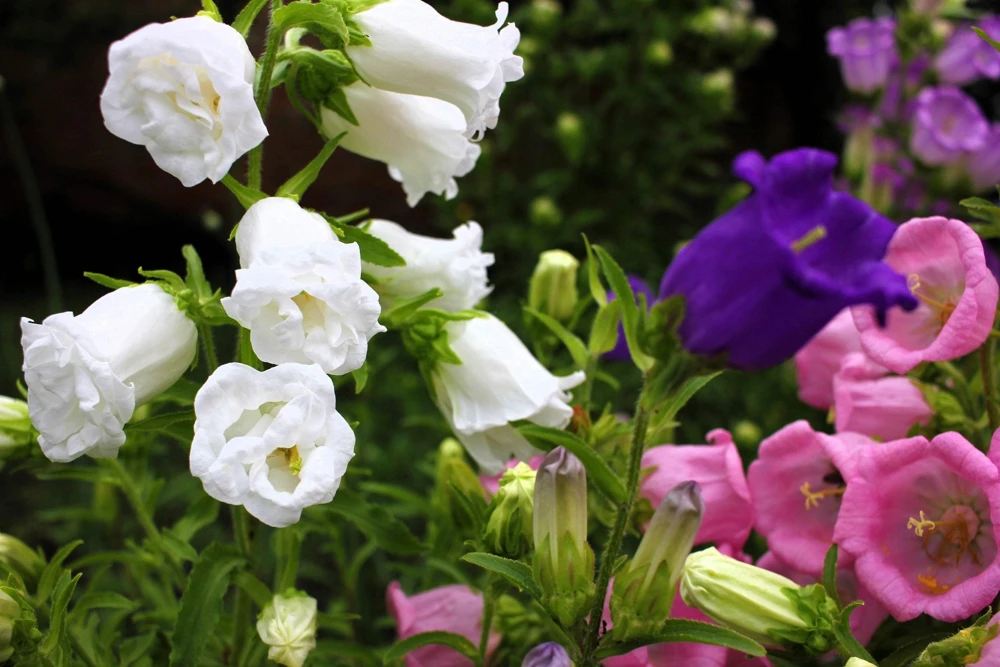
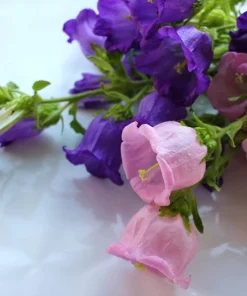
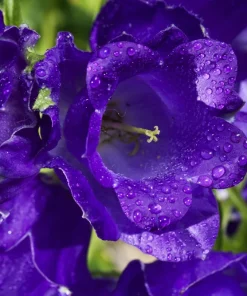
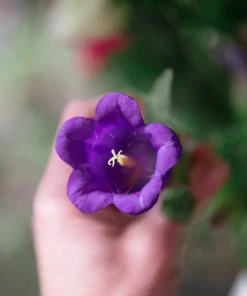
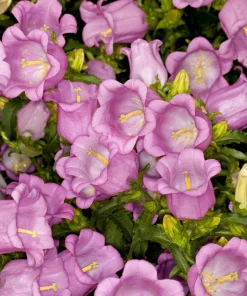
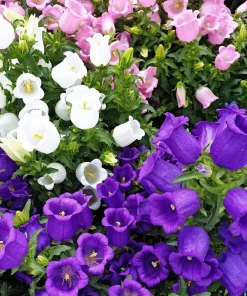
150 Mixed Colors Canterbury Bells Campanula Medium Flower Seeds
Original price was: $37.99.$17.99Current price is: $17.99.
Cultivate a charming garden with Canterbury Bells flower seeds. This packet contains 150 mixed color flower seeds of Campanula Medium, offering vibrant blooms for beds, borders, and cutting gardens. Easy to grow and a delightful addition to any landscape.
Estimated arrival
Sep 20
Sep 25 - Sep 27
Sep 30 - Oct 04
Shop With Confidence
30-Day Plant Health Guarantee
Arrives damaged? We’ll replace it free — see our return policy.
Responsive Support
Email us anytime, we reply within 1 business day.
Expert Packaging
Temperature-controlled shipping to protect your plants in transit.
Secure Checkout
Pay safely with Visa, Mastercard, PayPal.
Plant Specifications
-
USDA Hardiness Zone
USDA Zones 3-8 -
Soil Type
Well-draining, fertile, slightly alkaline to neutral soil -
Sunlight Exposure
Full sun to partial shade -
Expected Planting Period
Spring to early summer (direct sow) or 8-10 weeks before last frost (indoors)
Overview
Introduce a classic cottage garden favorite to your landscape with these Canterbury Bells flower seeds. This generous packet contains 150 premium quality Campanula Medium seeds, offering a stunning array of mixed colors that will bring vibrant beauty and elegance to your garden beds, borders, and containers. Known for their unique, bell-shaped blossoms, Canterbury Bells are cherished for their ornamental appeal and ease of cultivation. These biennial plants typically form a rosette of leaves in their first year and produce an abundance of showy flowers in their second year, creating a spectacular display that attracts pollinators like bees and butterflies. Whether you’re a seasoned gardener or just starting, growing Canterbury Bells from seed is a rewarding experience, providing a continuous source of charming blooms for your outdoor spaces or fresh cut flower arrangements.
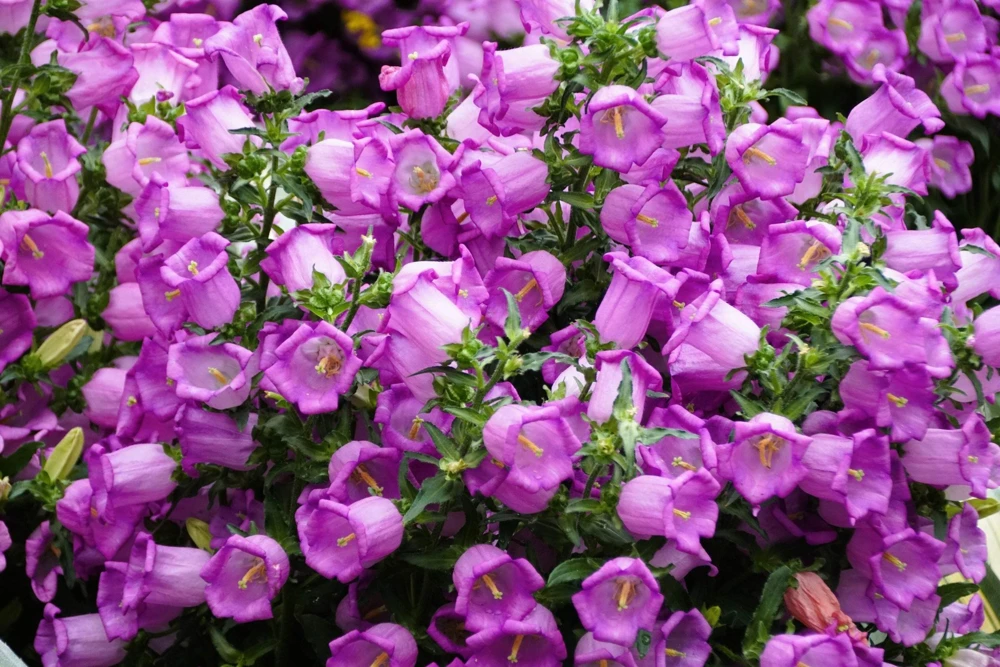
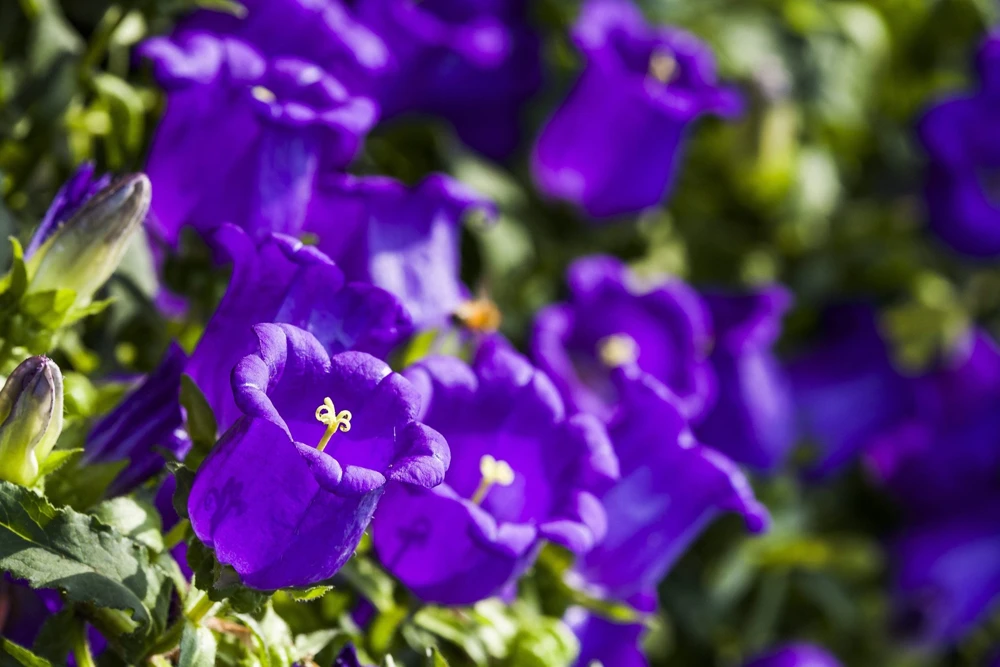
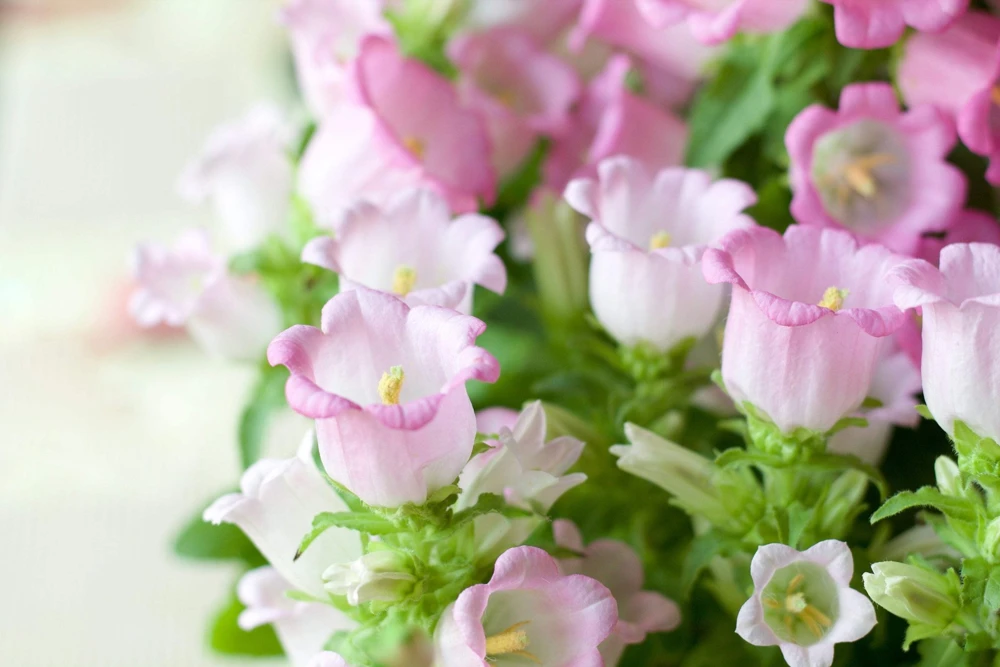
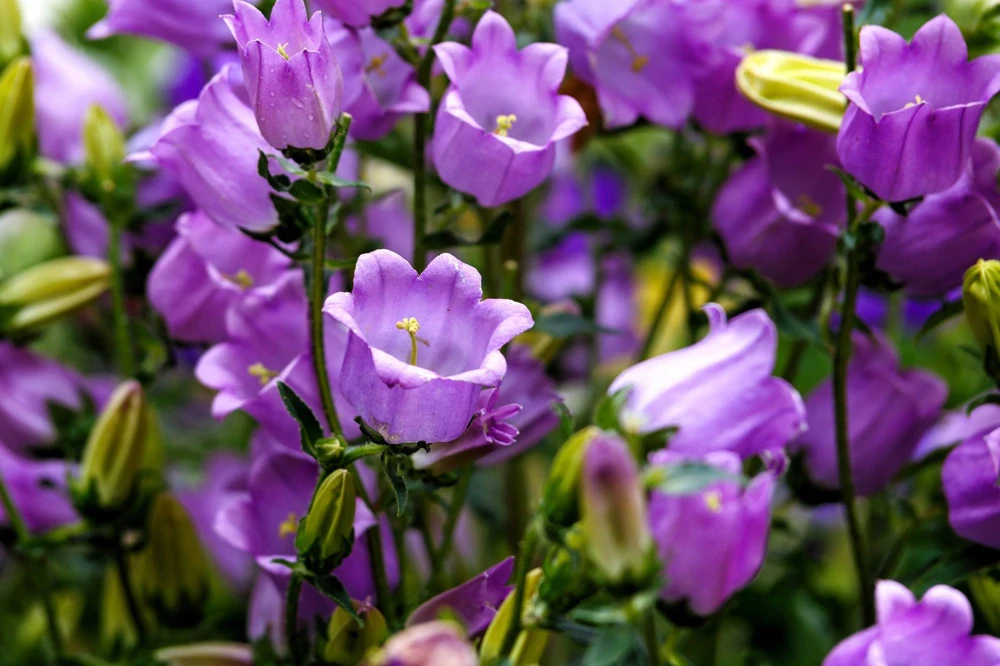
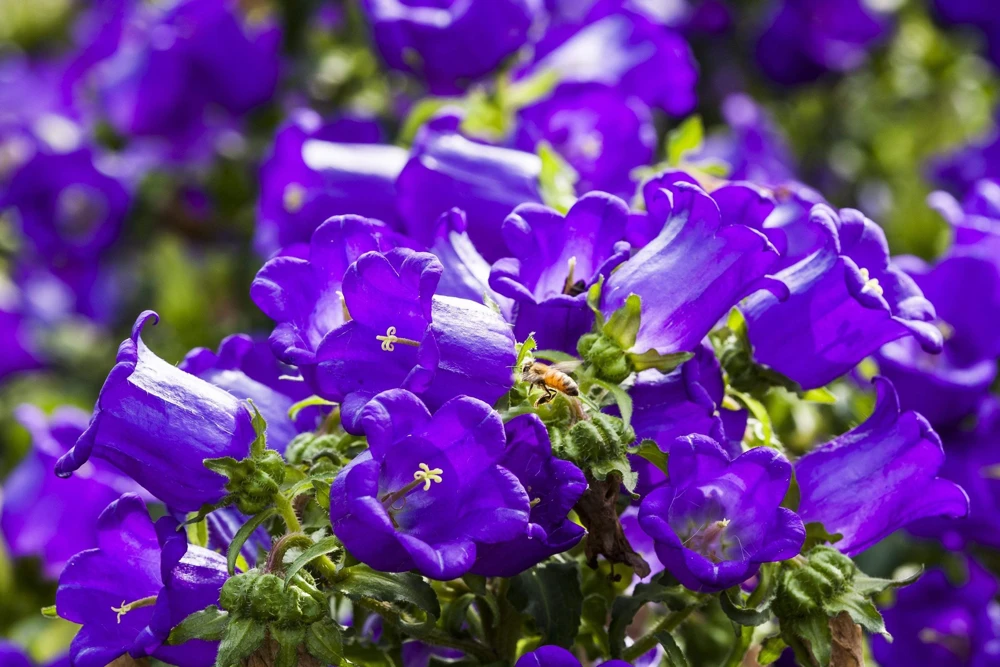
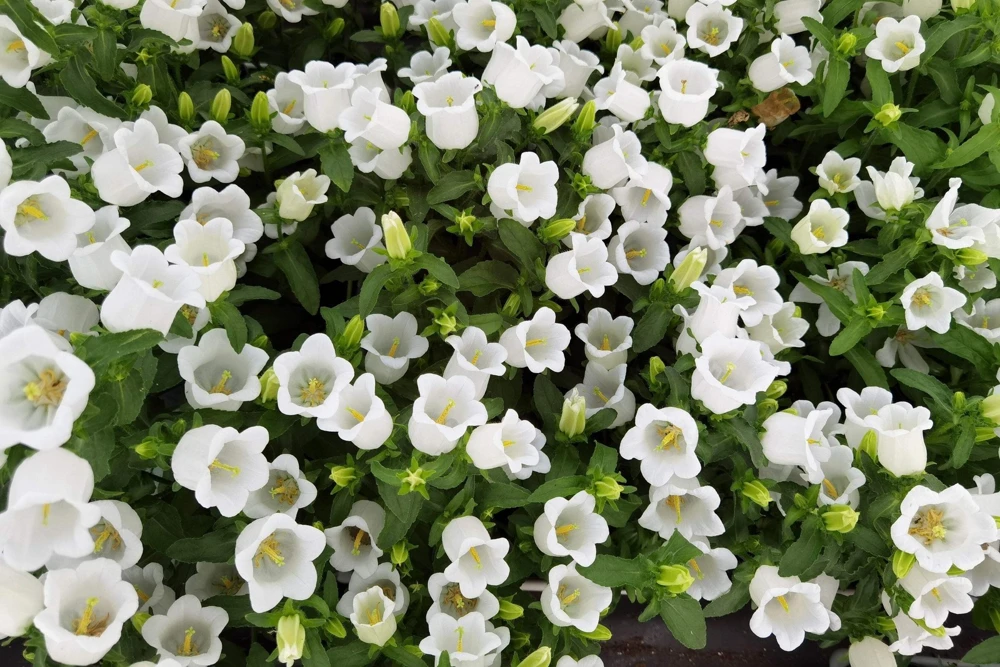
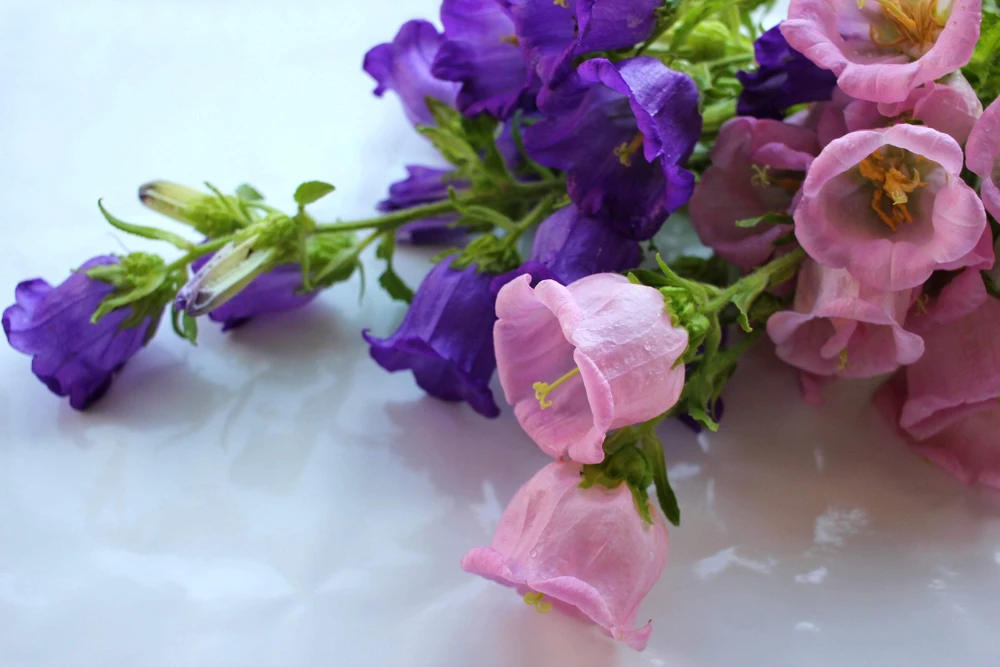
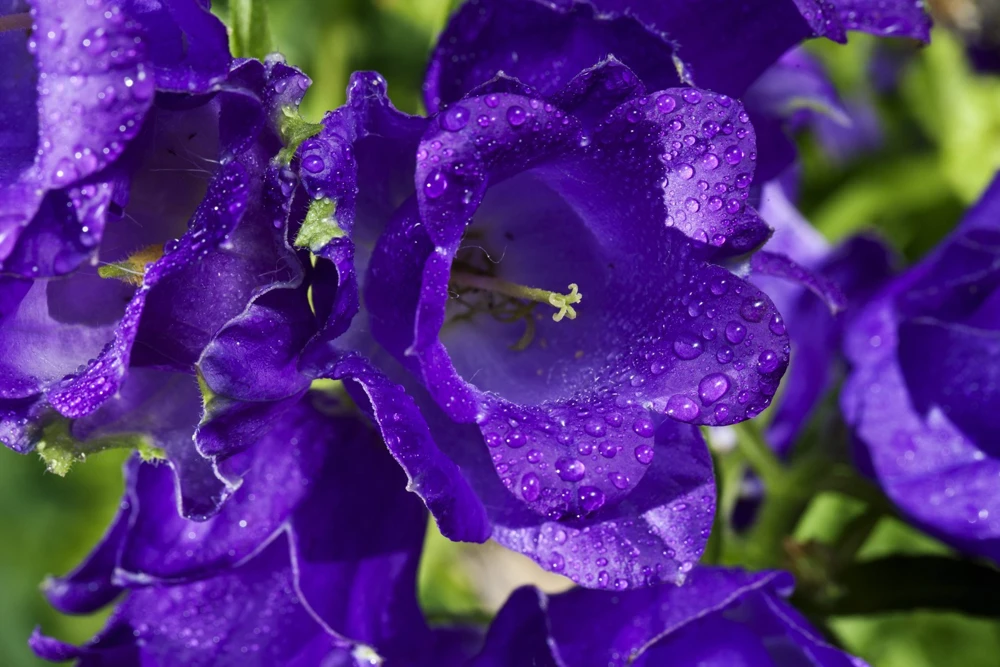
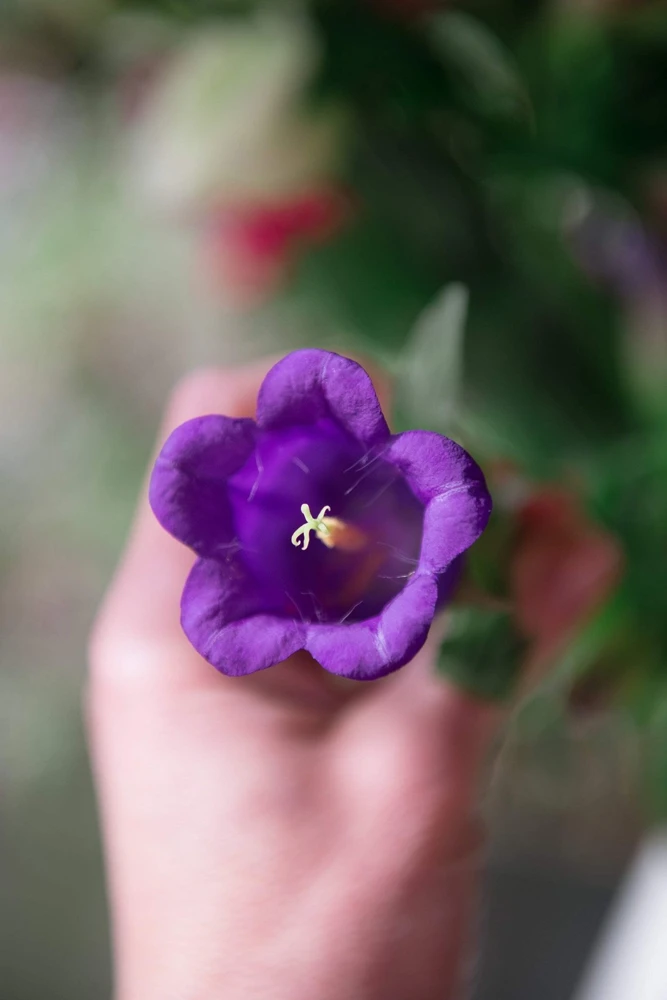
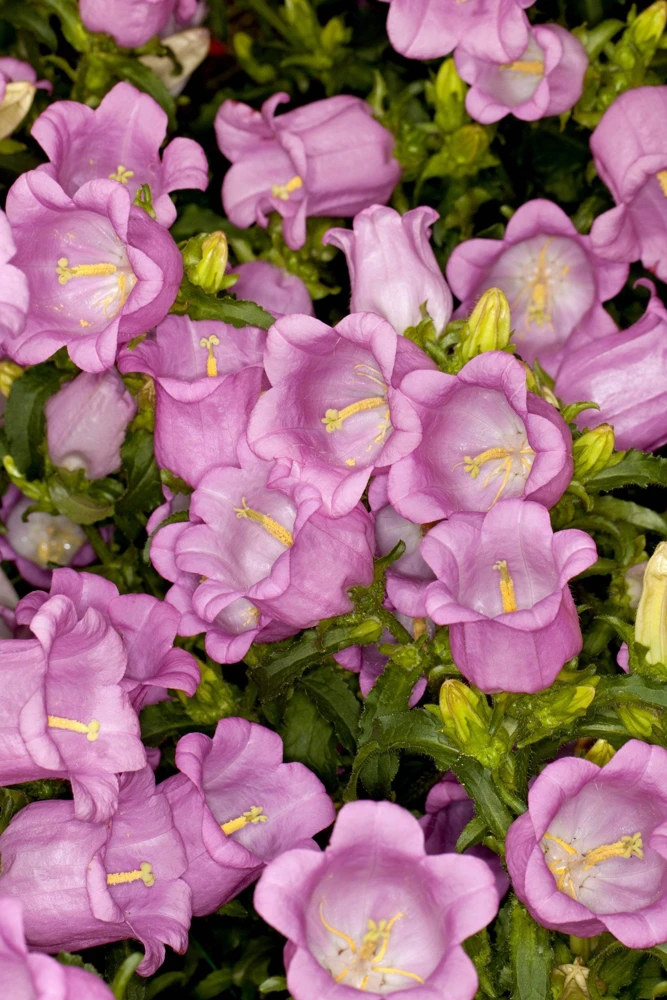
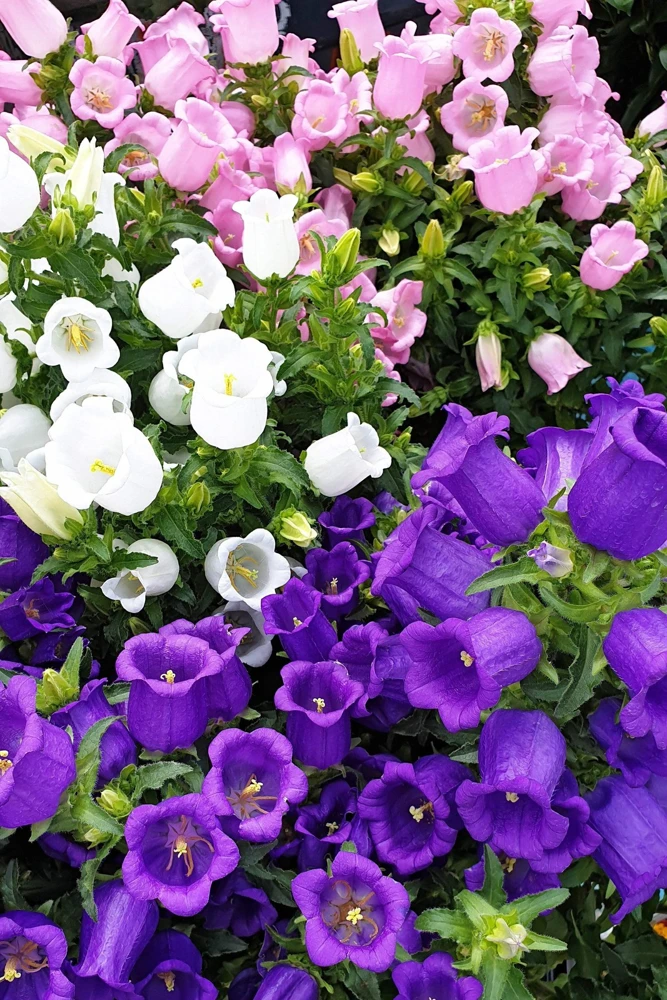
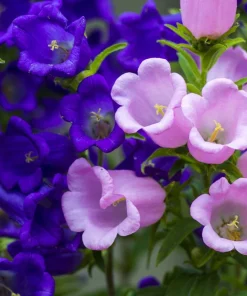
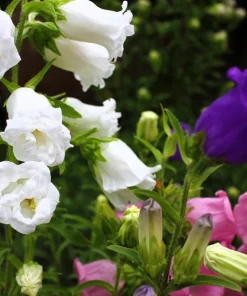
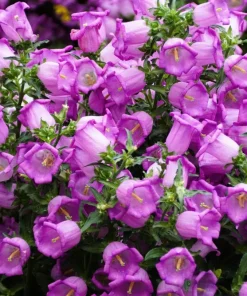
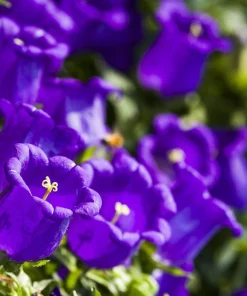
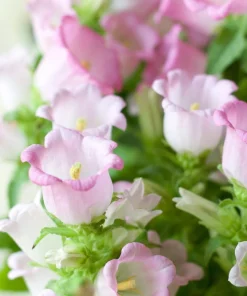
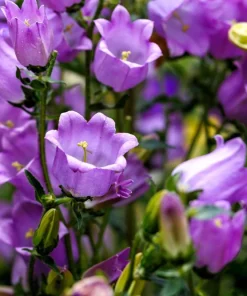
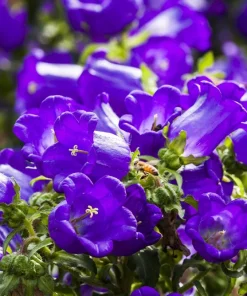
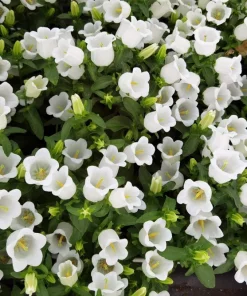
The botanical name, Campanula Medium, accurately describes the bell-like shape of the flowers, which can range in color from shades of blue and purple to pink, white, and even bi-colors. These mixed color flower seeds ensure a diverse and visually interesting patch of blossoms, allowing you to enjoy a kaleidoscope of hues. Ideal for creating a romantic, old-fashioned garden aesthetic, Canterbury Bells also perform beautifully in contemporary designs, adding a touch of whimsical grace. With 150 mixed color flower seeds, you have ample opportunity to experiment with different planting locations and create breathtaking floral compositions. These seeds are a fantastic choice for anyone looking to add long-lasting color and structural interest to their garden.
Key Benefits
Planting Canterbury Bells flower seeds offers numerous advantages, transforming your garden into a picturesque haven with minimal effort. These seeds are designed to provide a bountiful harvest of beautiful blooms, enriching your outdoor space in several ways:
- Vibrant Mixed Colors: Enjoy a diverse palette of blooms, including shades of blue, pink, white, and purple, ensuring a dynamic and visually appealing garden display. The mixed color flower seeds promise a delightful surprise with every bloom.
- Attracts Pollinators: The bell-shaped flowers are a favorite among bees and other beneficial pollinators, contributing to the health and biodiversity of your garden ecosystem.
- Excellent Cut Flowers: With their sturdy stems and long-lasting blooms, Canterbury Bells make exceptional cut flowers, perfect for creating charming bouquets and floral arrangements to adorn your home.
- Easy to Grow: These Campanula Medium seeds are relatively low-maintenance, making them suitable for gardeners of all experience levels. They thrive with basic care and can establish themselves well in various garden settings.
- Classic Cottage Garden Appeal: Known for their timeless beauty, Canterbury Bells evoke a sense of nostalgia and elegance, ideal for achieving that coveted cottage garden look. They blend seamlessly with other traditional garden plants.
- Long Blooming Period: Once established, these plants offer a prolonged blooming season, providing continuous color and beauty from late spring through mid-summer.
- Adaptable to Various Settings: Perfect for garden beds, borders, containers, or even naturalized areas, these bellflower seeds are versatile and can enhance many different garden designs.
Plant Care & Growing Tips
Growing beautiful Canterbury Bells flower seeds is a rewarding experience, and with a little care, you can enjoy their stunning blooms. These biennial plants prefer a location with full sun to partial shade. In hotter climates, some afternoon shade can help protect the plants from intense heat. Aim for at least 6 hours of direct sunlight daily for optimal flowering. The soil should be well-draining, fertile, and slightly alkaline to neutral (pH 6.0-7.5). Amending heavy clay soils with organic matter like compost can significantly improve drainage and provide essential nutrients for your Campanula Medium seeds.
Watering is crucial, especially during dry spells and the plant’s active growth period. Keep the soil consistently moist but never waterlogged, as this can lead to root rot. Once established, Canterbury Bells can tolerate short periods of drought, but regular watering will promote healthier growth and more abundant blooms. Fertilize sparingly; a balanced, slow-release granular fertilizer applied in early spring can be beneficial. Avoid over-fertilizing, which can lead to excessive foliage growth at the expense of flowers. Deadheading spent blooms will encourage the plant to produce more flowers and prevent self-seeding if desired. For overwintering, a layer of mulch can protect the root crowns in colder zones, ensuring your bellflower seeds successfully return for their second-year bloom.
Common problems to watch out for include powdery mildew in humid conditions, which can be mitigated by ensuring good air circulation around plants and avoiding overhead watering. Slugs and snails can also be an issue, especially with young seedlings. Protecting young plants and using organic slug deterrents can help. These perennial flower seeds, though biennial in nature, often self-seed, providing new plants for subsequent years, ensuring a continuous display of their charming flowers.
Size & Details
This packet contains 150 mixed color flower seeds of Canterbury Bells (Campanula Medium). These seeds are for biennial plants, meaning they will typically produce foliage in the first year and flower profusely in the second year before completing their life cycle. When mature, Canterbury Bells typically grow to a height of 24 to 36 inches (60-90 cm) and spread about 12 to 18 inches (30-45 cm) wide, forming an upright, bushy habit. The flowers themselves are large and cup-shaped, often appearing in clusters along strong stems.
The seeds are shipped in a protective packet to ensure viability. For best results, sow seeds indoors 8-10 weeks before the last frost or directly outdoors after all danger of frost has passed. Germination usually occurs within 14-21 days under optimal conditions. Expect blooming to begin in late spring to early summer of the second year, providing a spectacular show for several weeks. These Canterbury Bells flower seeds are an excellent choice for adding vertical interest and abundant color to garden beds and borders.
Frequently Asked Questions
- Q: How big do these Canterbury Bells plants get? A: Mature Canterbury Bells plants typically reach a height of 24 to 36 inches (60-90 cm) and spread 12 to 18 inches (30-45 cm) wide. They have an upright growth habit, making them suitable for the middle or back of flower beds.
- Q: Is this an indoor or outdoor plant? A: Canterbury Bells flower seeds are primarily grown for outdoor cultivation. They thrive in garden beds, borders, and large containers where they can receive adequate sunlight and air circulation.
- Q: How much sunlight do Canterbury Bells need? A: These plants prefer full sun to partial shade, ideally receiving at least 6 hours of direct sunlight per day. In very hot climates, a location with afternoon shade can prevent scorching of the foliage and flowers.
- Q: Is this plant easy to care for? Is it good for beginners? A: Yes, Canterbury Bells are considered relatively easy to care for, making them a good choice for beginners. They require well-draining soil, consistent moisture, and occasional deadheading to encourage more blooms.
- Q: What condition will the seeds arrive in? A: The 150 mixed color flower seeds will arrive in a sealed, protective packet to ensure their viability and freshness. They are ready for planting upon arrival.
- Q: How long until these Campanula Medium seeds bloom? A: As biennials, these Campanula Medium seeds will typically produce foliage in the first year after sowing. They will then bloom profusely in late spring to early summer of the second year.
- Q: When is the best time to plant Canterbury Bells seeds? A: You can sow bellflower seeds indoors 8-10 weeks before the last expected frost, or directly outdoors in late spring after all danger of frost has passed. Fall sowing is also an option in milder climates.
- Q: Will these perennial flower seeds survive winter in my zone? A: While biennial, these plants are hardy in USDA Zones 3-8. In colder zones, a layer of mulch can help protect the root crowns over winter, allowing them to return for their second-year bloom.
- Q: What type of soil is best for Canterbury Bells? A: Canterbury Bells thrive in well-draining, fertile soil that is slightly alkaline to neutral. Adding compost or other organic matter can improve soil structure and nutrient content.
- Q: Do I need to deadhead these flowers? A: Deadheading spent blooms is recommended. It encourages the plant to produce more flowers and can extend the blooming season. It also prevents the plant from self-seeding if you prefer to control its spread.
Be the first to review “150 Mixed Colors Canterbury Bells Campanula Medium Flower Seeds”
People Also Viewed




Reviews
There are no reviews yet.