

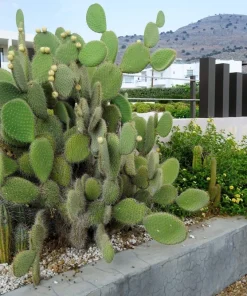
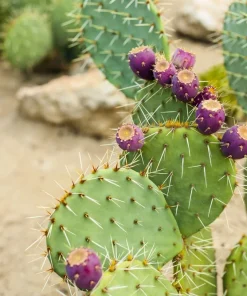
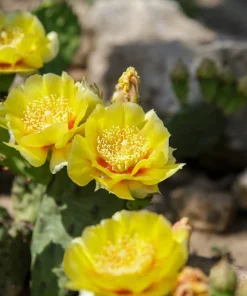
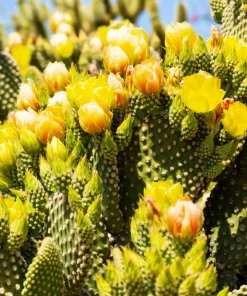
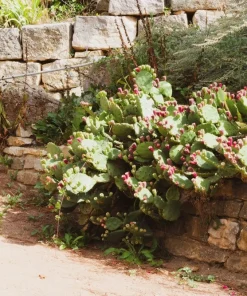
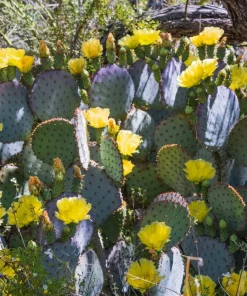
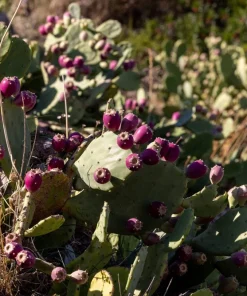
10 Yellow Prickly Pear Cactus Seeds – Opuntia Ficus-Indica for Garden
Original price was: $37.99.$17.99Current price is: $17.99.
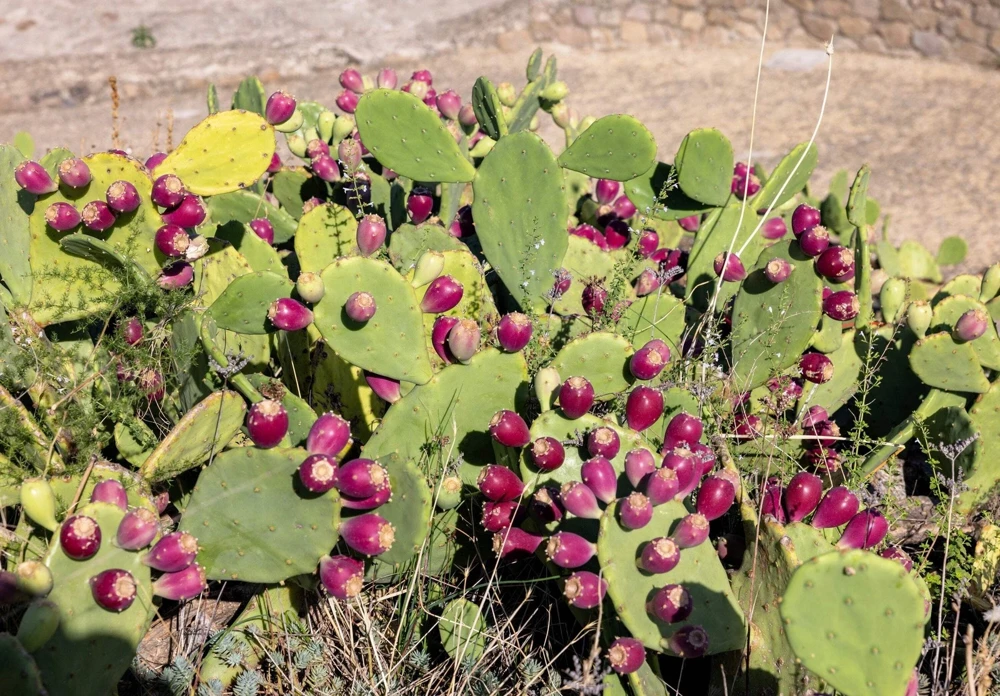
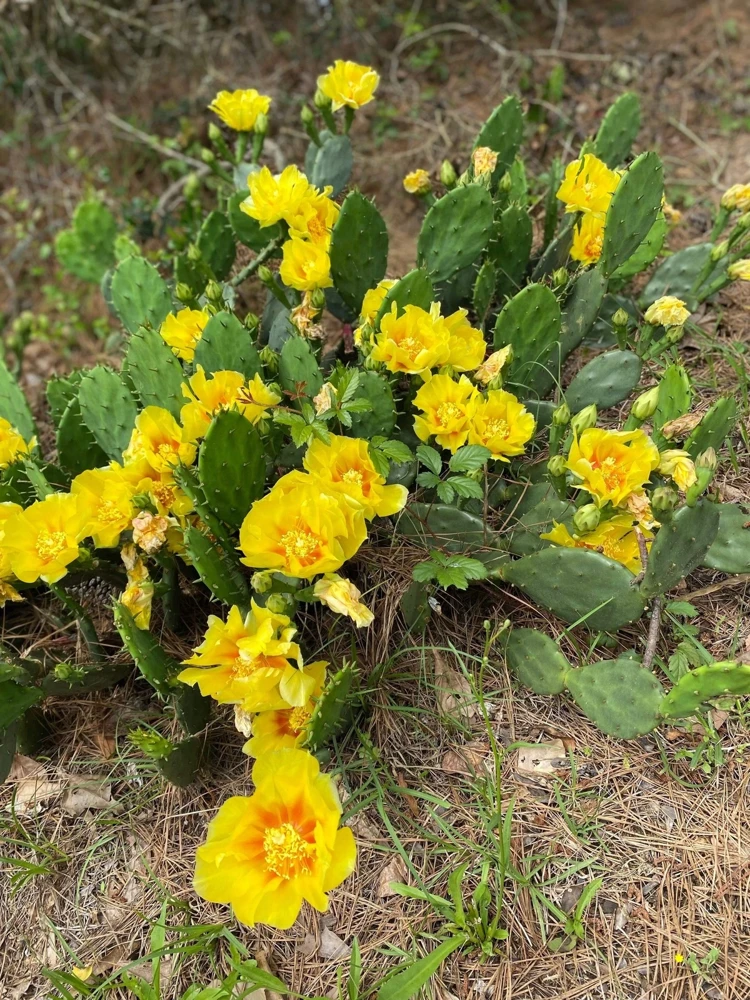
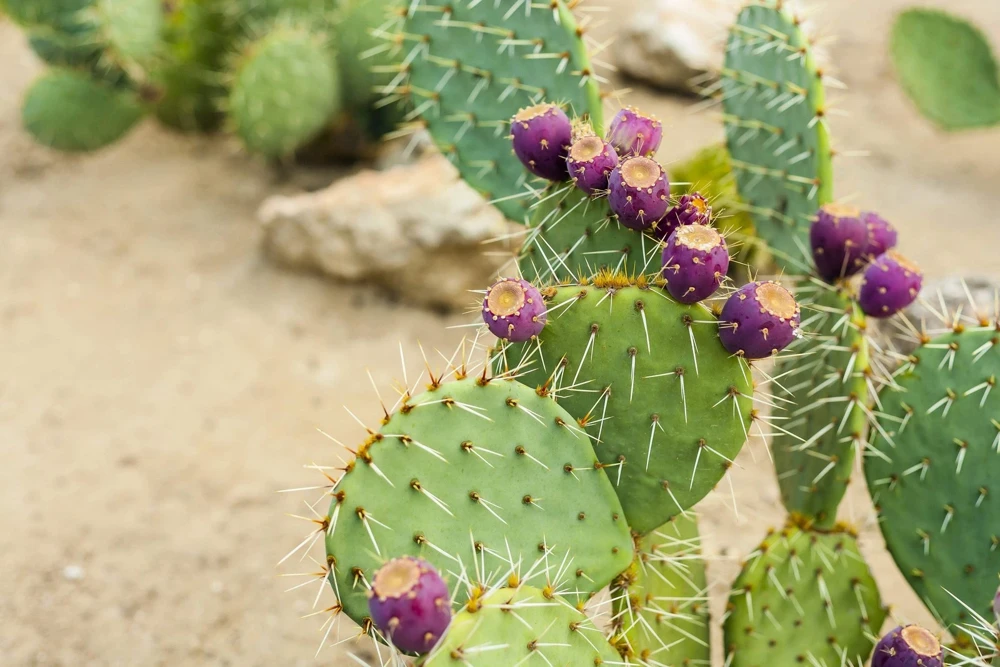
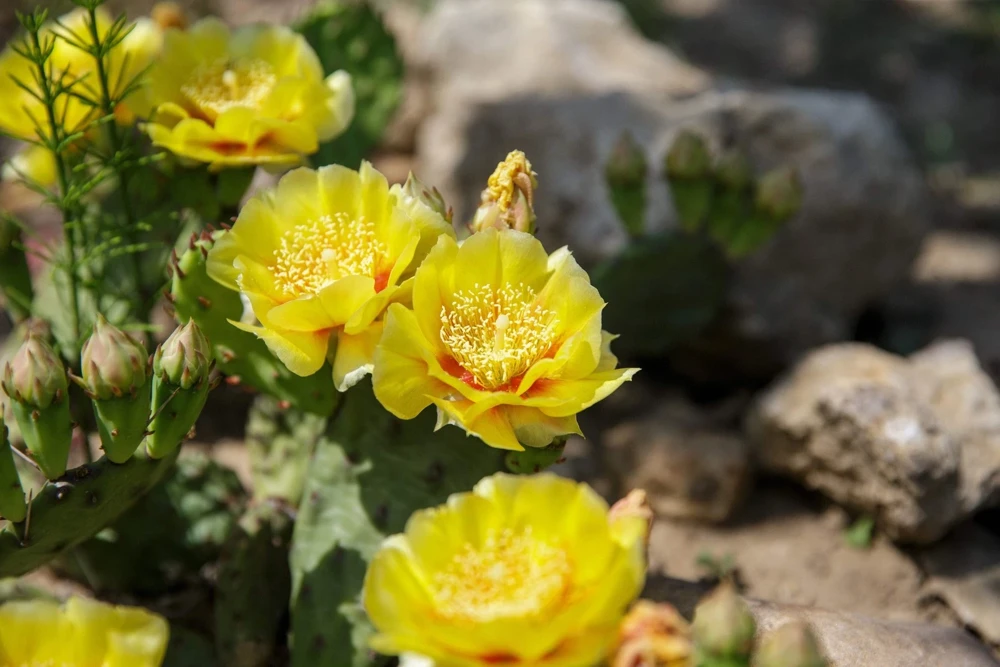
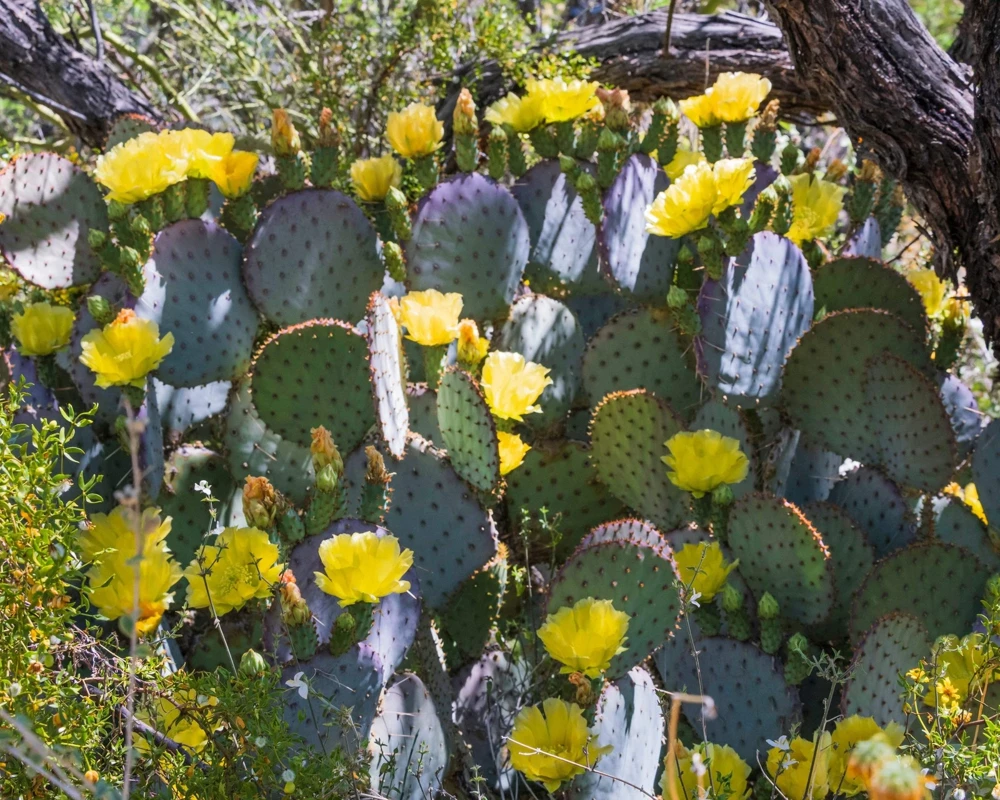
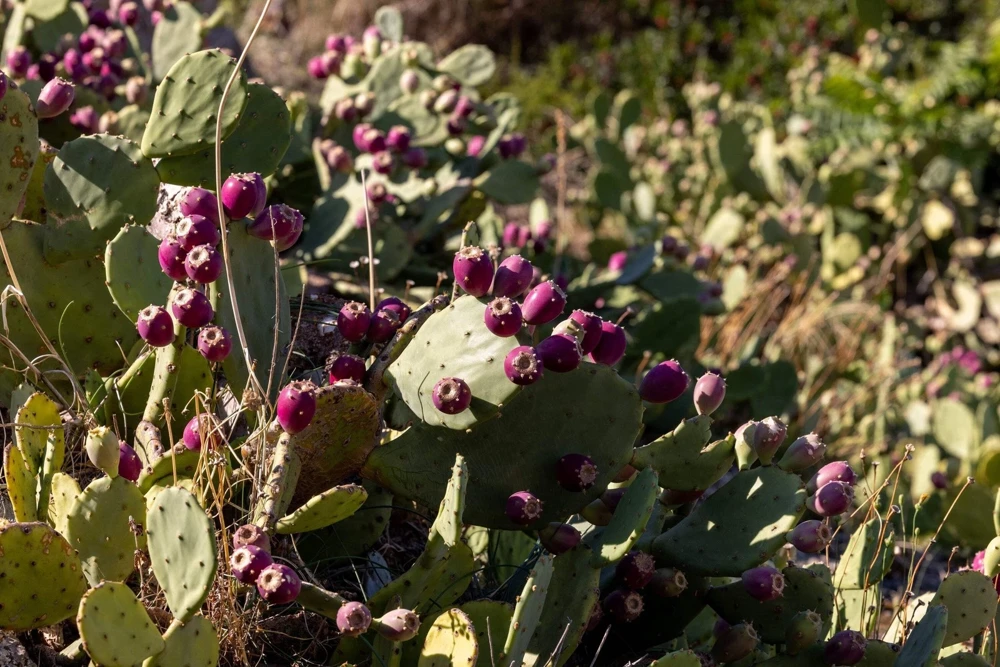
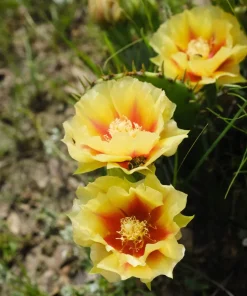
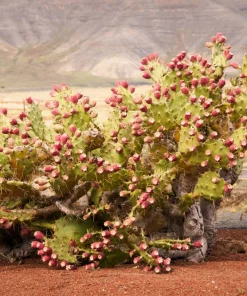
Cultivate your own vibrant yellow prickly pear cactus seeds (Opuntia Ficus-Indica) with this pack of 10 seeds. Perfect for creating a unique, drought-tolerant garden with beautiful flowers and delicious purple fruit. These Nopal Opuntia Ficus-Indica seeds are ideal for both experienced gardeners and enthusiastic beginners.
Estimated arrival
Sep 18
Sep 23 - Sep 25
Sep 28 - Oct 02
Shop With Confidence
30-Day Plant Health Guarantee
Arrives damaged? We’ll replace it free — see our return policy.
Responsive Support
Email us anytime, we reply within 1 business day.
Expert Packaging
Temperature-controlled shipping to protect your plants in transit.
Secure Checkout
Pay safely with Visa, Mastercard, PayPal.
Plant Specifications
-
USDA Hardiness Zone
USDA zones 8-11 -
Soil Type
Well-draining sandy or rocky soil -
Sunlight Exposure
Full sun (6-8+ hours daily) -
Expected Planting Period
Spring to early summer
Overview
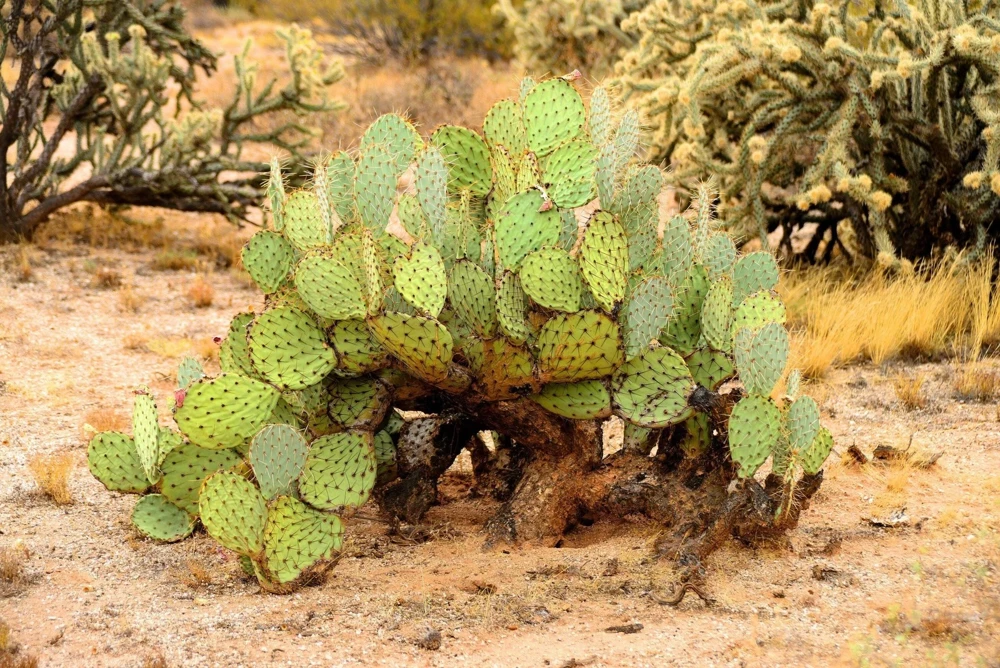
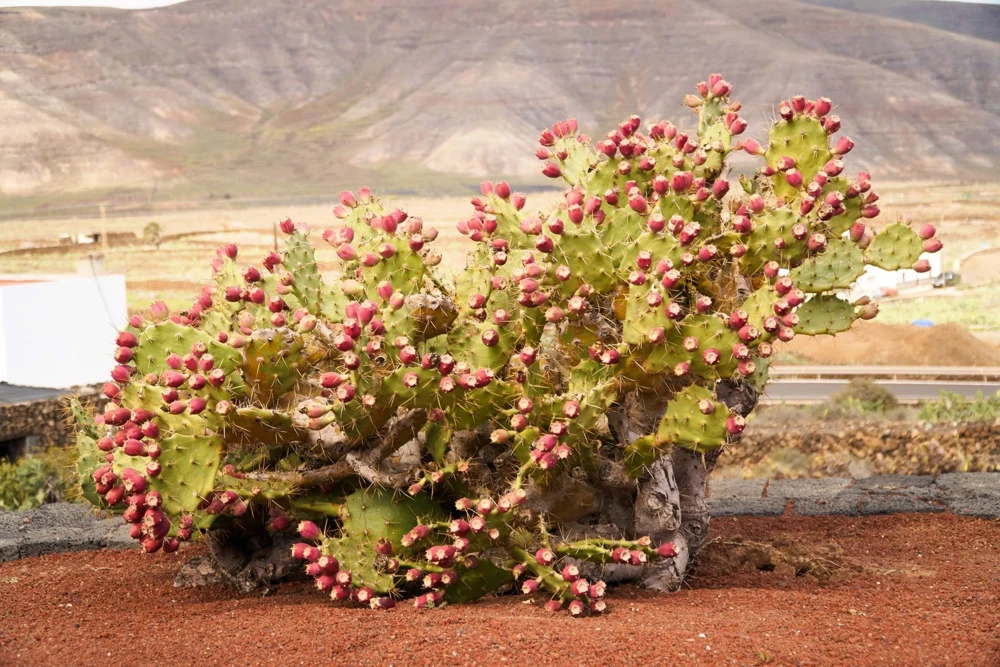
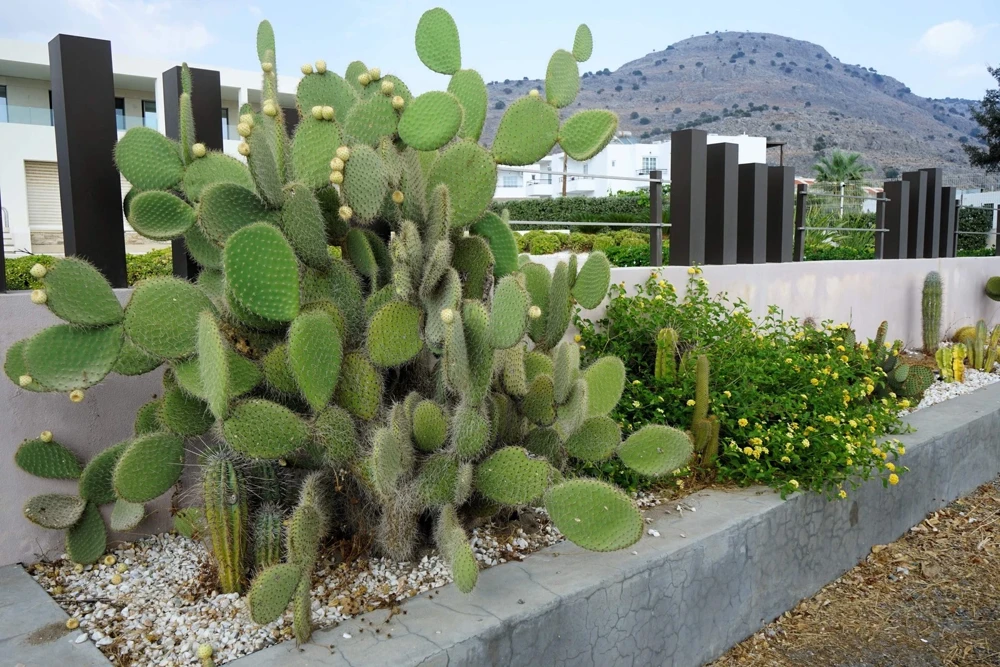
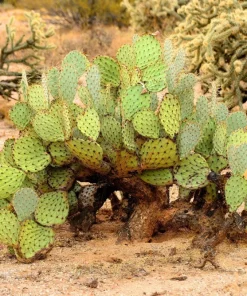
Embark on a rewarding gardening journey with our premium pack of 10 yellow prickly pear cactus seeds. Known botanically as Opuntia Ficus-Indica, this remarkable plant, often called Nopal, is celebrated for its striking yellow flowers and the sweet, purple fruit it produces. These seeds offer a fantastic opportunity to cultivate a unique and resilient addition to your garden or landscape. The Nopal Opuntia Ficus-Indica is not only visually appealing but also a functional plant, providing both ornamental value and edible produce. Growing your own prickly pear from seed allows you to witness the full life cycle of this fascinating succulent, from germination to flowering and fruiting.
The prickly pear cactus is a versatile plant, thriving in various warm climates and known for its drought tolerance, making it an excellent choice for xeriscaping or low-water gardens. Our high-quality seeds are selected to ensure a successful growing experience, enabling you to enjoy the beauty and bounty of this incredible plant. Whether you’re looking to enhance your garden’s aesthetic, experiment with edible landscaping, or simply enjoy the unique charm of a cactus, these prickly pear seeds are the perfect starting point.
Key Benefits
Growing a yellow prickly pear cactus seeds offers a multitude of benefits, from its stunning visual appeal to its practical uses. This resilient plant is an excellent choice for various garden styles and gardener skill levels.
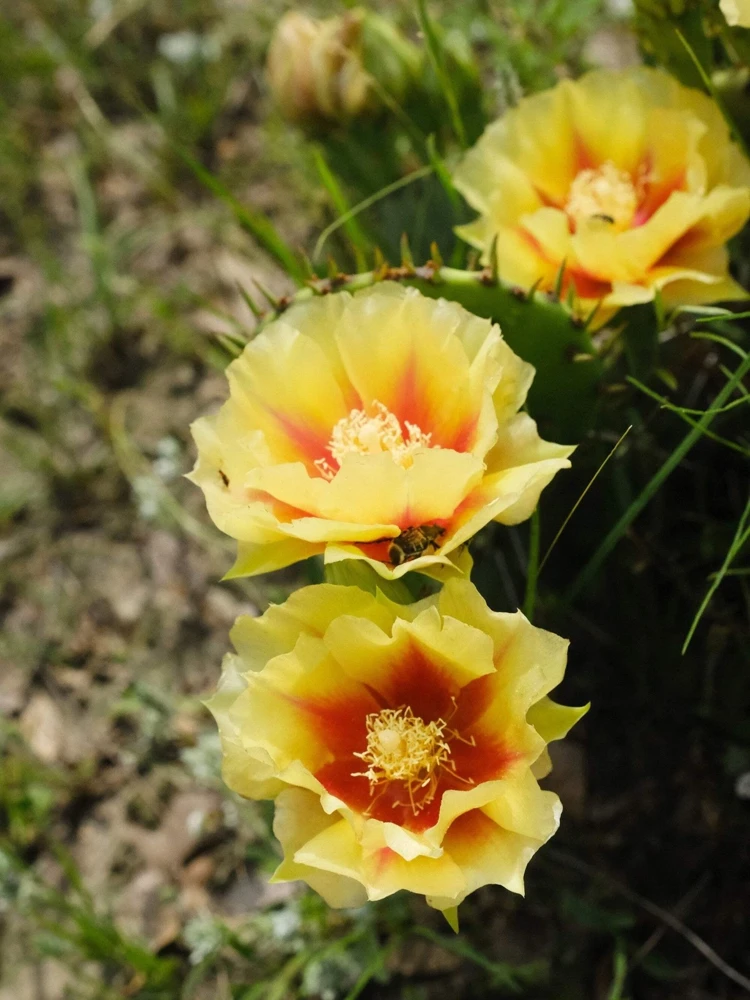
- Unique Ornamental Value: The Opuntia Ficus-Indica produces beautiful yellow flowers that transform into eye-catching purple fruits, adding a distinctive and exotic touch to any landscape or container garden. It’s a true conversation starter.
- Drought-Tolerant & Low Maintenance: Once established, the Nopal Opuntia Ficus-Indica is incredibly hardy and requires minimal watering, making it perfect for arid regions or gardeners seeking a low-effort plant.
- Edible Fruit & Pads: Both the pads (nopalitos) and the fruits (tunas) of the prickly pear are edible and highly nutritious. The purple fruits are sweet and can be used in jams, juices, or eaten fresh, while the pads are a popular vegetable in many cuisines.
- Wildlife Attraction: The flowers attract pollinators like bees, while the fruits can be a food source for local wildlife, contributing to your garden’s biodiversity.
- Soil Erosion Control: Its extensive root system makes the prickly pear an excellent choice for stabilizing soil on slopes or in areas prone to erosion.
- Medicinal Properties: Traditionally, parts of the prickly pear have been used for various medicinal purposes, including managing blood sugar levels and reducing inflammation.
- Easy to Grow from Seed: With the right conditions, these grow prickly pear seeds offer a satisfying and relatively straightforward way to cultivate this iconic desert plant.
Plant Care & Growing Tips
To successfully grow prickly pear from our yellow prickly pear cactus seeds, understanding its specific care requirements is crucial. Prickly pear cacti are known for their resilience, but providing optimal conditions during germination and early growth will ensure a strong, healthy plant. Start by scarifying the hard seed coat to improve germination rates. You can gently rub the seeds with sandpaper or nick them with a small file. After scarification, soak the seeds in warm water for 24-48 hours before planting.
Plant the seeds in a well-draining cactus mix, covering them lightly with soil. Maintain a warm temperature (around 70-80°F or 21-27°C) and consistent moisture, but avoid waterlogging. A seed-starting tray with a clear dome can help create a humid environment. Once seedlings emerge, provide plenty of bright light, either from a south-facing window or under grow lights. Gradually acclimate young plants to outdoor conditions before transplanting. The Nopal Opuntia Ficus-Indica thrives in full sun, requiring at least 6-8 hours of direct sunlight daily for robust growth and fruit production. In cooler climates, consider growing them in containers that can be brought indoors during winter. Water sparingly once established, allowing the soil to dry out completely between waterings to prevent root rot.
These plants prefer sandy or rocky, well-draining soil and do not tolerate heavy, waterlogged conditions. Fertilize lightly during the growing season (spring and summer) with a low-nitrogen fertilizer formulated for cacti and succulents. Prickly pear cacti are generally pest-resistant, but watch out for mealybugs or scale insects. Ensure good air circulation to prevent fungal issues. With proper care, your edible cactus seeds will develop into impressive, fruit-bearing plants.
Size & Details
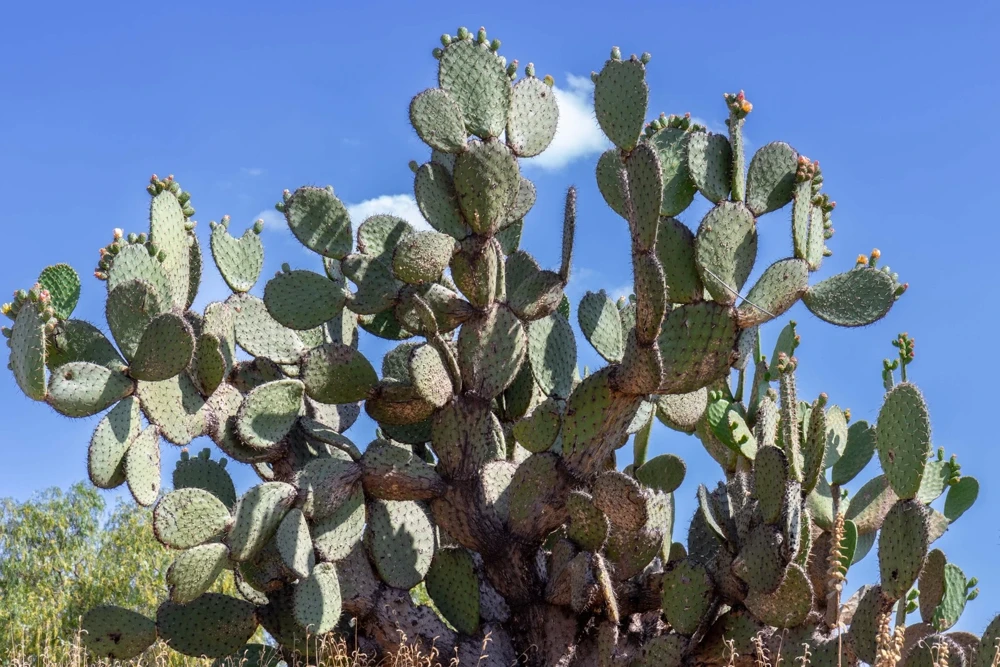
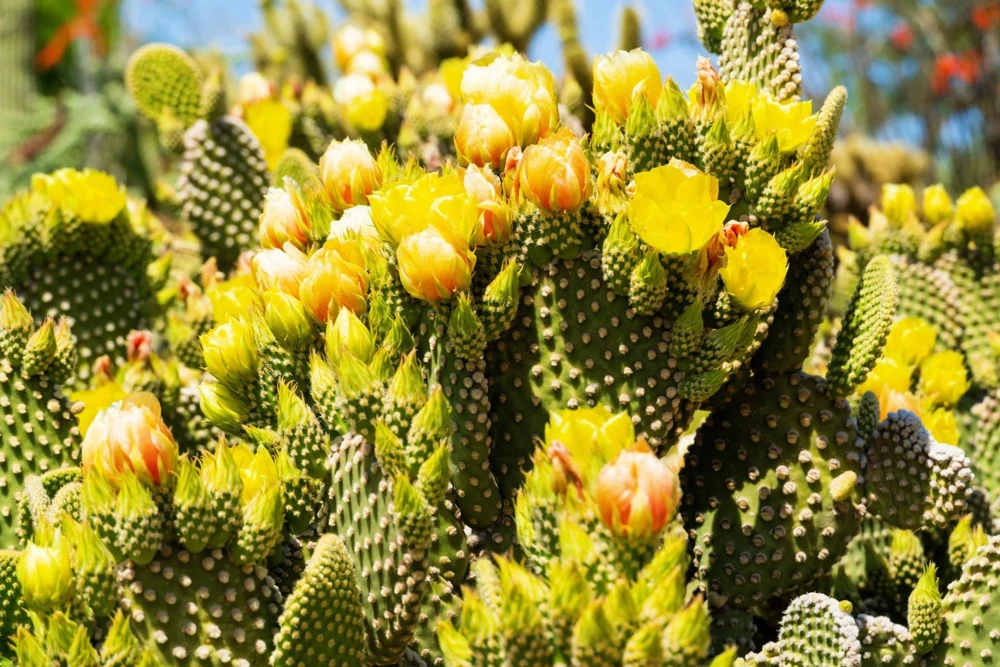
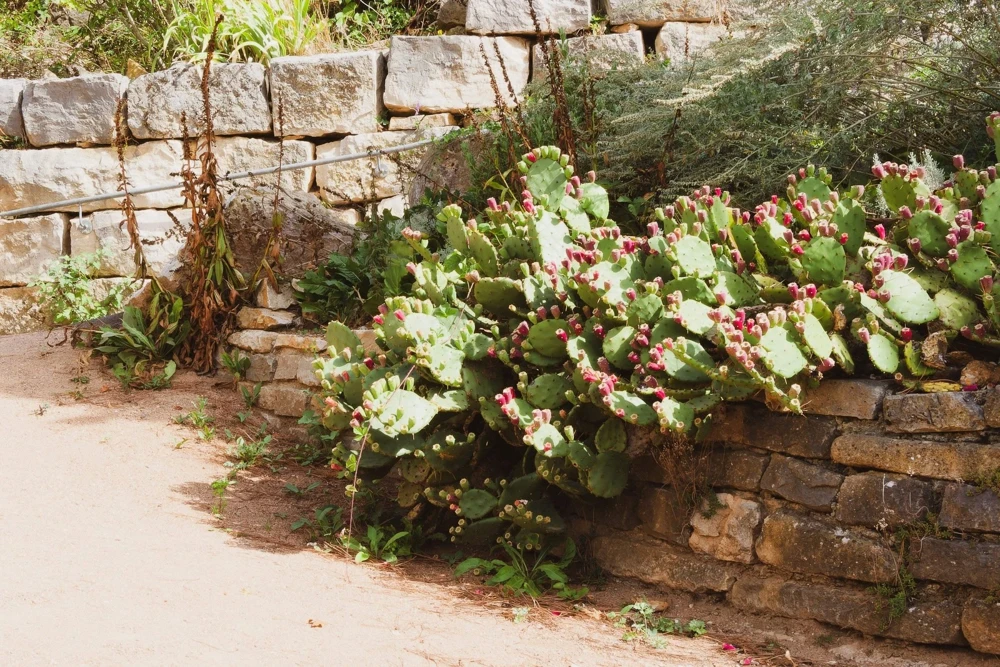
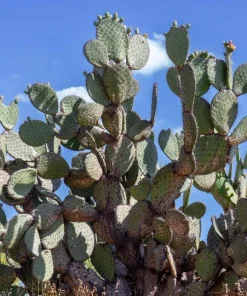
This package contains 10 high-quality yellow prickly pear cactus seeds (Opuntia Ficus-Indica), ready for planting. When mature, the Opuntia Ficus-Indica can grow quite large, typically reaching heights of 6 to 15 feet (1.8 to 4.5 meters) and spreading just as wide, forming dense, shrub-like structures. The individual pads can be 1-2 feet long. These seeds will germinate and develop into young plants that can be transplanted to their final location once they are a few inches tall and have developed a strong root system. Expect initial growth to be slow, with significant development occurring in the second year and beyond. The vibrant yellow flowers typically appear in late spring to early summer, followed by the development of purple fruits that mature from late summer to fall. These prickly pear seeds offer the potential for a substantial and long-lived plant.
Frequently Asked Questions
- Q: How big does a yellow prickly pear cactus get from these seeds? A: A mature yellow prickly pear cactus seeds plant can typically reach heights of 6 to 15 feet (1.8 to 4.5 meters) and spread similarly wide, depending on growing conditions and climate. It forms a large, bushy structure over several years.
- Q: Is this an indoor or outdoor plant? A: The Nopal Opuntia Ficus-Indica is primarily an outdoor plant, thriving in full sun and warm climates. In regions with cold winters (below USDA Zone 8), it can be grown in large containers and brought indoors or protected during the colder months.
- Q: How much sunlight does it need? A: For optimal growth and fruit production, the prickly pear cactus requires at least 6-8 hours of direct sunlight per day. It prefers full sun exposure throughout the day.
- Q: Is this plant easy to care for? A: Once established, the prickly pear is a very low-maintenance and drought-tolerant plant, making it relatively easy to care for. The initial germination and seedling stage for these prickly pear seeds require more attention to ensure success.
- Q: What condition will the seeds arrive in? A: You will receive a pack of 10 dormant, viable edible cactus seeds, ready for scarification and planting. They are carefully packaged to ensure their integrity during transit.
- Q: How long until it blooms and fruits? A: From seed, it typically takes 2-4 years for a prickly pear cactus to mature enough to produce flowers and fruit. Patience is key when growing from seeds.
- Q: Will it survive winter in my zone? A: The Opuntia Ficus-Indica is generally hardy in USDA Zones 8-11. In colder zones, it will need winter protection or should be grown in containers that can be moved indoors.
- Q: What’s the best time to plant these edible cactus seeds? A: The best time to plant grow prickly pear seeds is in spring or early summer, after the last frost, when soil temperatures are consistently warm. This provides the ideal conditions for germination and early growth.
- Q: Can I really eat the fruit and pads from this plant? A: Yes, both the pads (nopalitos) and the purple fruits (tunas) of the Opuntia Ficus-Indica are edible and widely consumed. Ensure to carefully remove all spines before preparation and consumption.
- Q: What kind of soil is best for these yellow prickly pear cactus seeds? A: A well-draining soil mix is crucial. A specialized cactus and succulent mix or a blend of potting soil, sand, and perlite works best to prevent waterlogging and root rot.
Be the first to review “10 Yellow Prickly Pear Cactus Seeds – Opuntia Ficus-Indica for Garden”
People Also Viewed
Vegetable Seeds
Jack Be Little Pumpkin Seeds – 20 Miniature Vegetable Cucurbita Pepo Seeds for Decor & Eating
Trees
Pecan Nut Tree Live Plant – Gilbert Variety – 5 inch Pot – High-Yield Edible Pecans – Full Sun
Reviews
There are no reviews yet.