

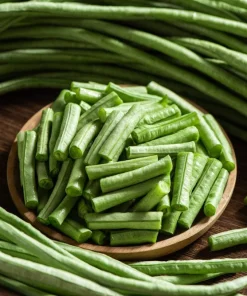
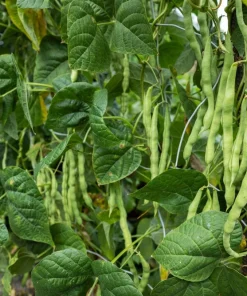
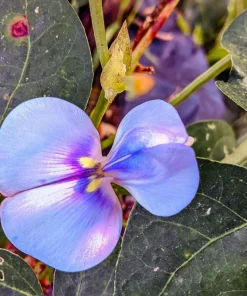
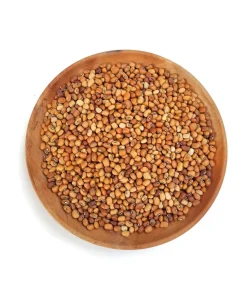
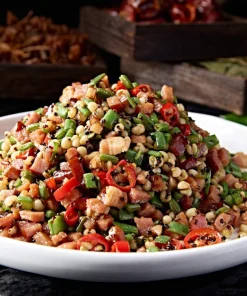
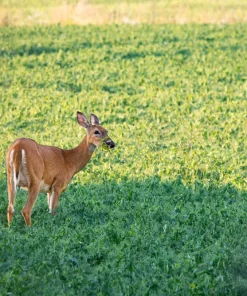
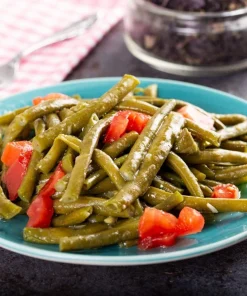

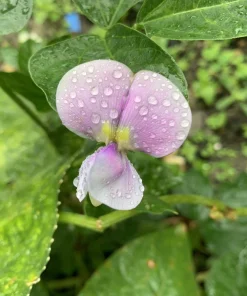
50 Iron Clay Cowpea Seeds – Forage Food Plot & Soil Builder
Original price was: $37.99.$17.99Current price is: $17.99.
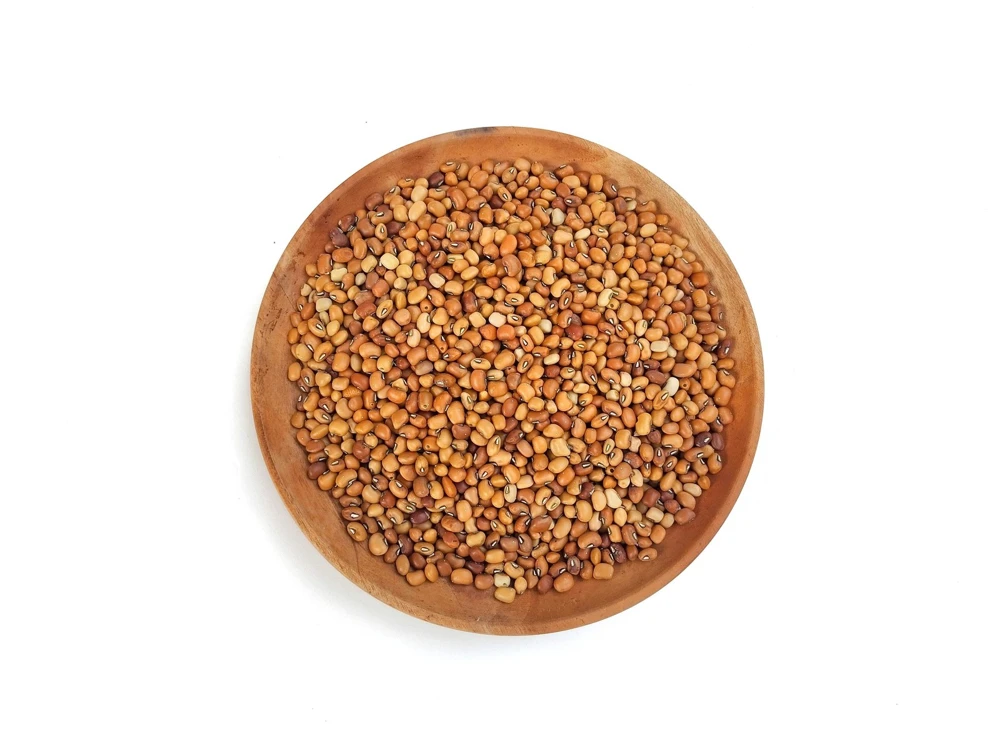
Cultivate a thriving food plot or improve your soil with these iron clay cowpea seeds. Each pack contains 50 Iron Clay Cowpea seeds, perfect for attracting wildlife or enriching garden beds. Known for their vigorous growth and nitrogen-fixing properties.
Estimated arrival
Sep 17
Sep 22 - Sep 24
Sep 27 - Oct 01
Shop With Confidence
30-Day Plant Health Guarantee
Arrives damaged? We’ll replace it free — see our return policy.
Responsive Support
Email us anytime, we reply within 1 business day.
Expert Packaging
Temperature-controlled shipping to protect your plants in transit.
Secure Checkout
Pay safely with Visa, Mastercard, PayPal.
Plant Specifications
-
USDA Hardiness Zone
warm-season annual -
Soil Type
well-draining soil -
Sunlight Exposure
full sun -
Expected Planting Period
late spring to early summer
Overview
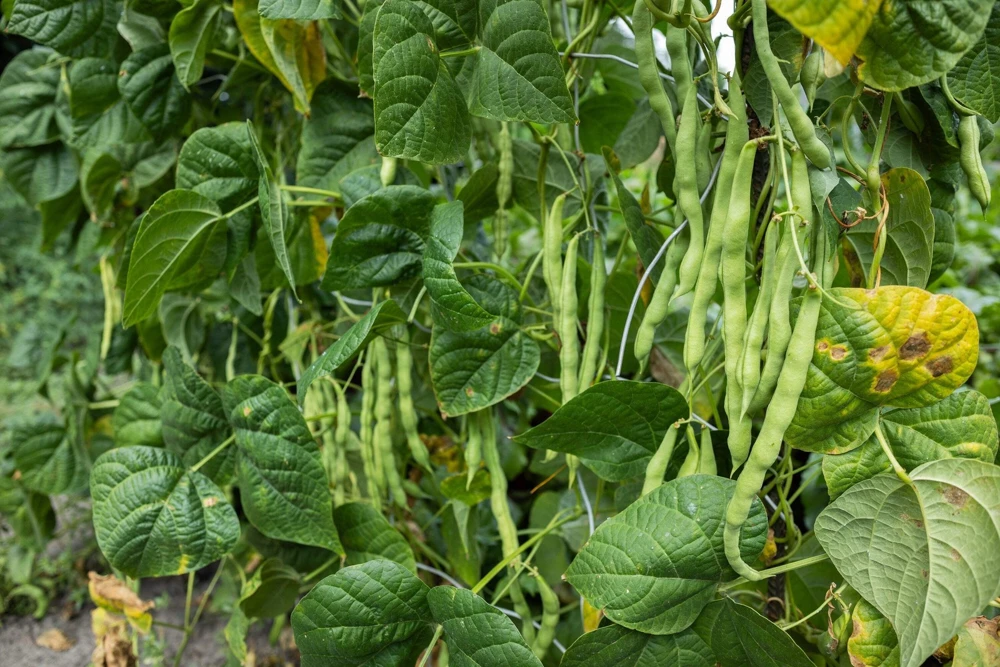
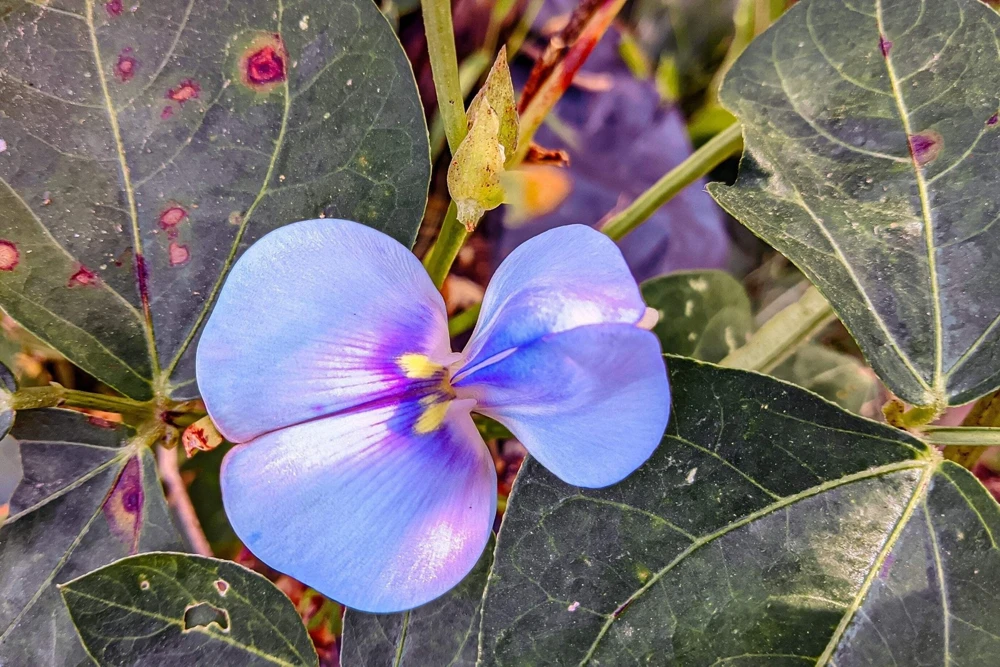
Enhance your land with high-quality iron clay cowpea seeds, an excellent choice for establishing robust food plots, improving soil health, and serving as an effective cover crop. These 50 Iron Clay Cowpea seeds (Vigna unguiculata) are specifically selected for their resilience and rapid growth, making them a favorite among farmers, hunters, and gardeners alike. Iron Clay Cowpeas are a highly versatile legume, known for producing abundant forage that is relished by deer and other wildlife. Beyond their value as a food source, they are exceptional at fixing atmospheric nitrogen into the soil, naturally enriching fertility and reducing the need for synthetic fertilizers. Whether you’re aiming to attract game or rejuvenate depleted soil, these cowpea seeds provide a sustainable and beneficial solution.
The Vigna unguiculata, commonly known as cowpea, is a warm-season annual legume that thrives in a variety of conditions. The ‘Iron Clay’ variety is particularly noted for its drought tolerance and resistance to common cowpea diseases, ensuring a higher success rate for your planting efforts. These seeds will germinate quickly and establish a dense canopy, suppressing weeds and preventing soil erosion. They are an indispensable tool for anyone practicing regenerative agriculture or simply looking to make their property more productive and ecologically sound.
Key Benefits
Planting iron clay cowpea seeds offers a multitude of advantages for both agricultural and ecological purposes. Their robust nature and beneficial properties make them a top choice:
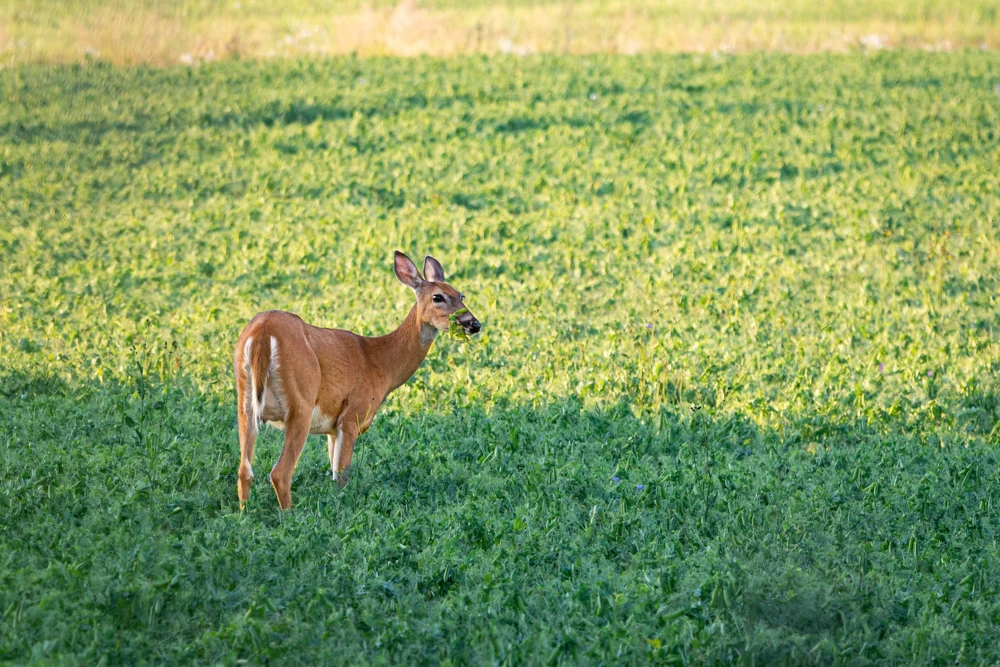
- Exceptional Forage Production: These cowpea seeds grow into lush, leafy plants that provide a highly nutritious food source for deer, rabbits, and other wildlife. This makes them ideal for creating attractive and sustainable food plots that support local ecosystems.
- Natural Soil Enrichment: As legumes, iron clay cowpea seeds have the remarkable ability to fix nitrogen in the soil. This natural process improves soil fertility, enhancing the growth of subsequent crops and reducing reliance on chemical inputs.
- Effective Weed Suppression: The dense growth habit of Iron Clay Cowpeas quickly shades out competing weeds, minimizing the need for herbicides and promoting a healthier growing environment for your primary plantings.
- Erosion Control: Their extensive root systems help to bind soil particles, preventing wind and water erosion, especially in sloped areas or during heavy rainfall. This protects valuable topsoil and maintains land integrity.
- Drought Tolerance: The Iron Clay variety is renowned for its ability to withstand dry periods, making it a reliable choice for regions with unpredictable rainfall or for growers seeking low-maintenance options.
- Versatile Use: Beyond food plots, these seeds are excellent for cover cropping, green manure, and even as a nitrogen-fixing component in pasture mixes. They are a flexible solution for various land management goals.
- Easy to Establish: These cowpea seeds for food plot and garden use are straightforward to plant and establish, making them suitable for both experienced growers and those new to cover cropping or food plot management.
Plant Care & Growing Tips
Growing iron clay cowpea seeds is a relatively simple process, ensuring a successful crop with proper preparation and care. These warm-season legumes thrive in full sun, requiring at least 6-8 hours of direct sunlight daily for optimal growth and nitrogen fixation. Choose a well-drained site, as cowpeas do not tolerate waterlogged conditions. While they are adaptable to various soil types, a slightly acidic to neutral pH (6.0-7.0) is ideal. Before planting, prepare the seedbed by tilling the soil to a depth of 4-6 inches and breaking up any large clods. A soil test is always recommended to identify any nutrient deficiencies, though cowpeas are excellent at improving soil fertility on their own.
Planting should occur after all danger of frost has passed and soil temperatures have consistently reached 65°F (18°C) or higher, typically from late spring to early summer. Sow the iron clay cowpea seeds about 1 inch deep and 2-4 inches apart in rows that are 24-36 inches apart. For broadcast planting in food plots, a seeding rate of 40-60 pounds per acre is common. Water immediately after planting to encourage germination. Once established, Iron Clay Cowpeas are quite drought-tolerant, but consistent moisture during flowering and pod development will lead to better yields. Avoid over-fertilizing with nitrogen, as these plants produce their own; a balanced starter fertilizer or phosphorus and potassium application may be beneficial if soil tests indicate a deficiency. Monitor for common pests, though the Iron Clay variety is known for its disease resistance. Regular scouting can help address any issues promptly.
Size & Details
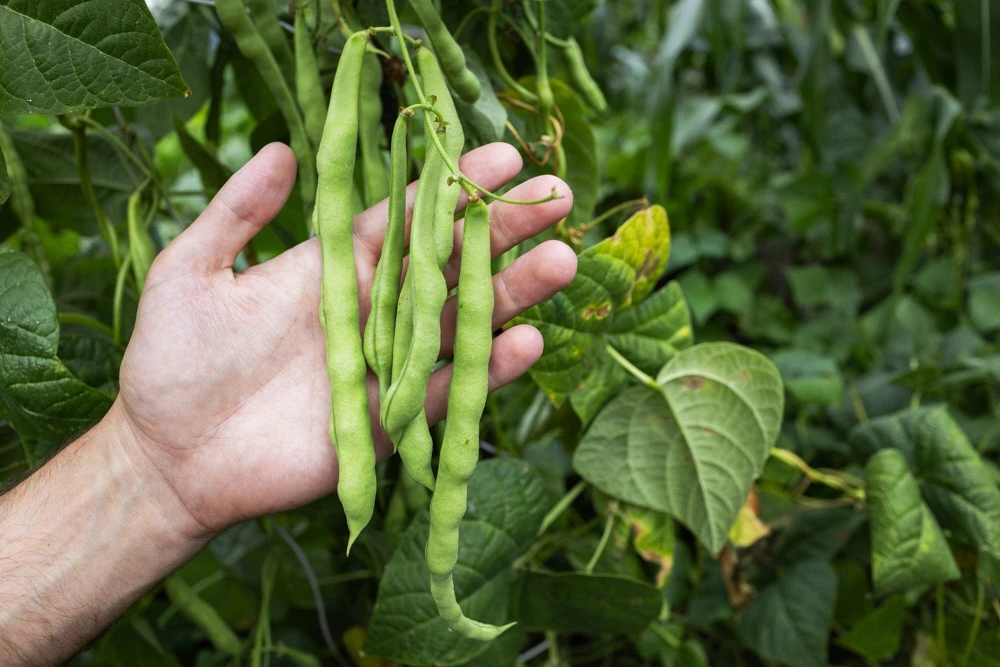
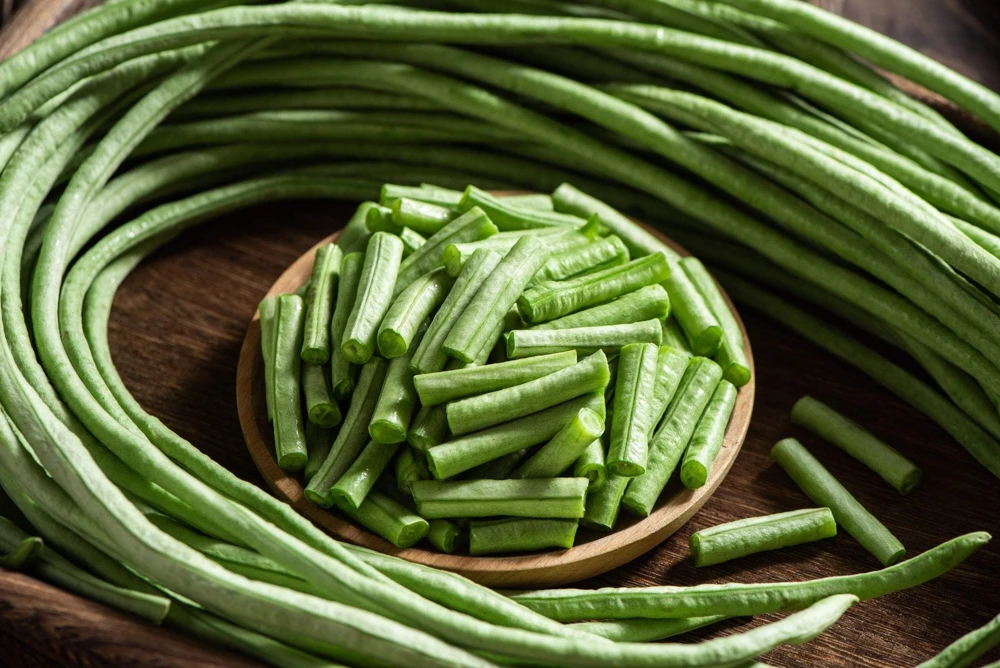
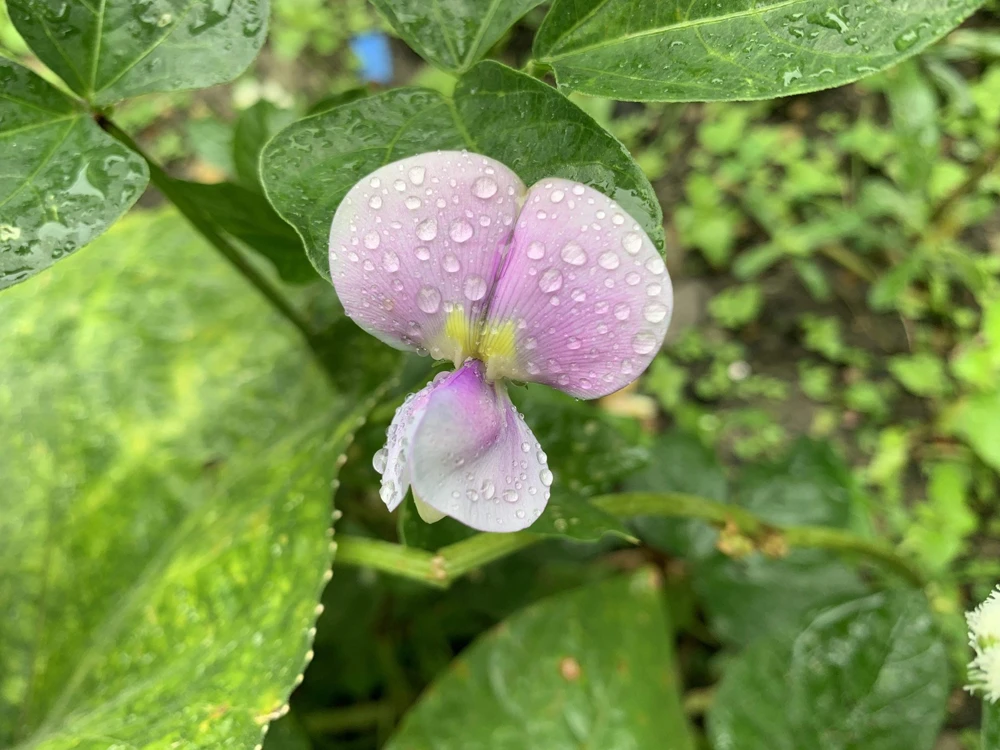
This package contains 50 Iron Clay Cowpea seeds, ready for planting. These specific vigna unguiculata seeds are known for their vigorous growth, typically reaching heights of 18-36 inches (45-90 cm) at maturity, with a spreading growth habit that effectively covers the ground. The plants produce numerous pods containing the distinctive cowpea beans. When used as a food plot, expect lush forage production within 45-60 days after planting, providing an attractive food source for wildlife throughout the summer and early fall. As a cover crop, they establish quickly, offering significant soil benefits within the first few weeks of growth. The seeds are suitable for direct sowing and are designed for easy establishment in various garden and field settings.
Frequently Asked Questions
- Q: How big do Iron Clay Cowpea plants get? A: Iron Clay Cowpea plants typically grow to a height of 18-36 inches (45-90 cm) with a spreading habit. They create a dense canopy that is excellent for ground cover and forage.
- Q: What is the best time to plant these iron clay cowpea seeds? A: The best time to plant is after all danger of frost has passed and soil temperatures are consistently above 65°F (18°C), usually from late spring through early summer.
- Q: Are these cowpea seeds for food plot use only? A: While excellent for food plots, these seeds are also highly effective as a cover crop for soil improvement, green manure, and for erosion control in gardens and agricultural fields.
- Q: How much sunlight do Iron Clay Cowpeas need? A: Iron Clay Cowpeas require full sun, meaning at least 6-8 hours of direct sunlight per day, for optimal growth and nitrogen fixation.
- Q: Is this plant easy to care for? A: Yes, Iron Clay Cowpeas are known for being relatively low-maintenance, drought-tolerant, and disease-resistant, making them a good choice for beginners and experienced growers alike.
- Q: How long does it take for the plants to produce forage? A: You can expect significant forage production within 45-60 days after planting, providing a sustained food source for wildlife throughout the growing season.
- Q: What kind of soil do these vigna unguiculata seeds prefer? A: They prefer well-drained soil with a pH between 6.0 and 7.0, but they are adaptable to a wide range of soil types. Good drainage is key to preventing root issues.
- Q: Will these cowpeas help improve my soil? A: Absolutely! As legumes, they are excellent nitrogen-fixers, naturally enriching your soil with essential nutrients and improving its overall fertility and structure. This is why they are often used as soil building seeds.
- Q: Are Iron Clay Cowpeas resistant to diseases? A: The Iron Clay variety is specifically bred for its robust nature and resistance to several common cowpea diseases, contributing to a healthier and more successful crop.
- Q: Can these seeds be used in a mixed cover crop blend? A: Yes, these cover crop seeds are an excellent addition to mixed cover crop blends, providing nitrogen fixation and dense ground cover alongside other beneficial plants.
Be the first to review “50 Iron Clay Cowpea Seeds – Forage Food Plot & Soil Builder”
People Also Viewed
Flower Bulbs
2 Pink Brilliant Giant Hybrid Lily Flower Bulbs – Intensely Fragrant, Outdoor Perennial



Trees
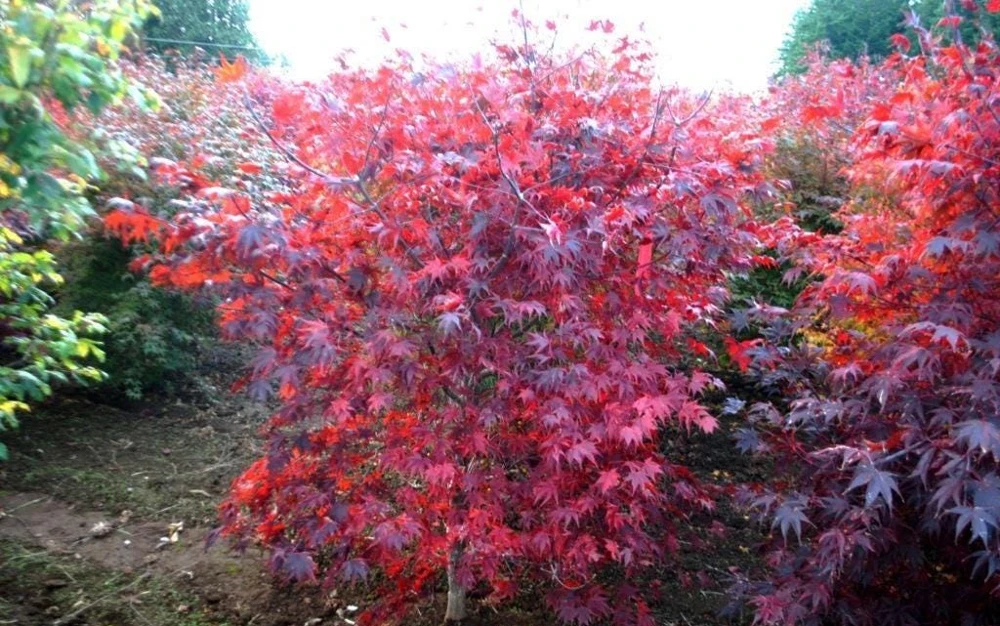
Ruth’s Red Japanese Maple Tree – 1 Gallon Live Plant – Upright Red Acer palmatum – 18-24″ Tall
Reviews
There are no reviews yet.