
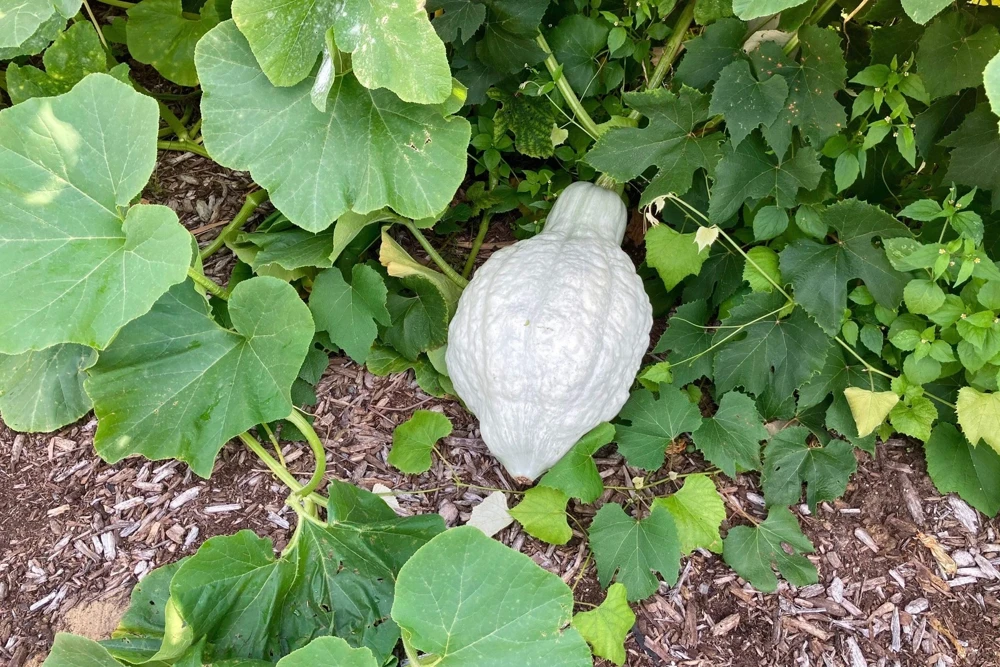
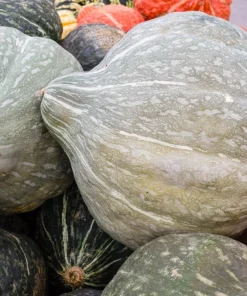
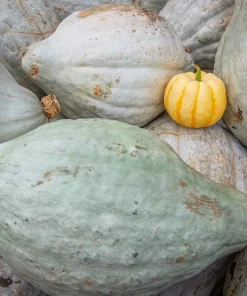
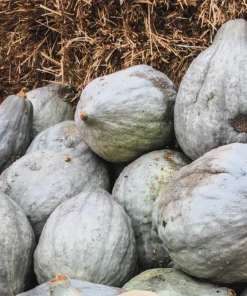
30 Blue Hubbard Squash Seeds – New England Buttercup Cucurbita Pepo
Original price was: $37.99.$17.99Current price is: $17.99.
Cultivate your own bountiful harvest with blue hubbard squash seeds. These new england buttercup squash seeds yield large, flavorful winter squash, ideal for a variety of culinary uses.
Estimated arrival
Sep 17
Sep 22 - Sep 24
Sep 27 - Oct 01
Shop With Confidence
30-Day Plant Health Guarantee
Arrives damaged? We’ll replace it free — see our return policy.
Responsive Support
Email us anytime, we reply within 1 business day.
Expert Packaging
Temperature-controlled shipping to protect your plants in transit.
Secure Checkout
Pay safely with Visa, Mastercard, PayPal.
Plant Specifications
-
USDA Hardiness Zone
USDA zones 3-9 -
Soil Type
Well-draining, rich in organic matter -
Sunlight Exposure
Full sun -
Expected Planting Period
Late spring to early summer
Overview
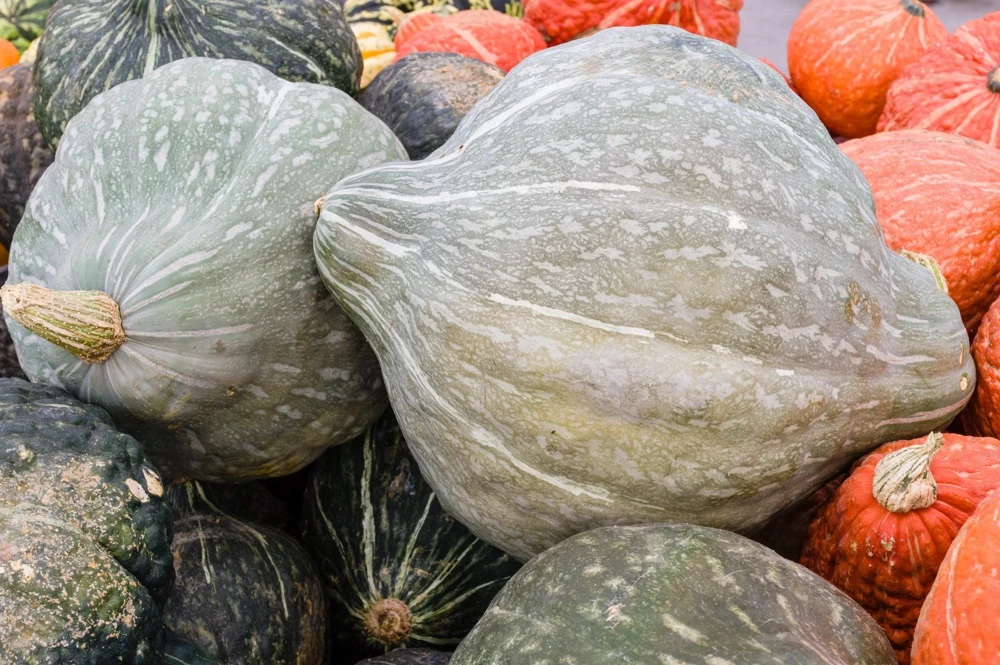
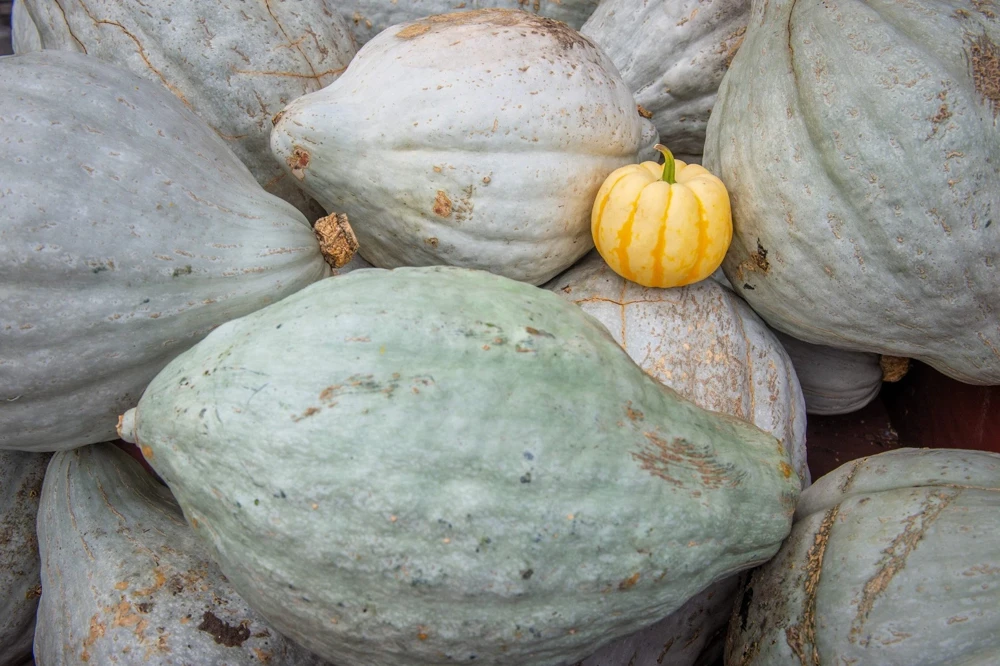
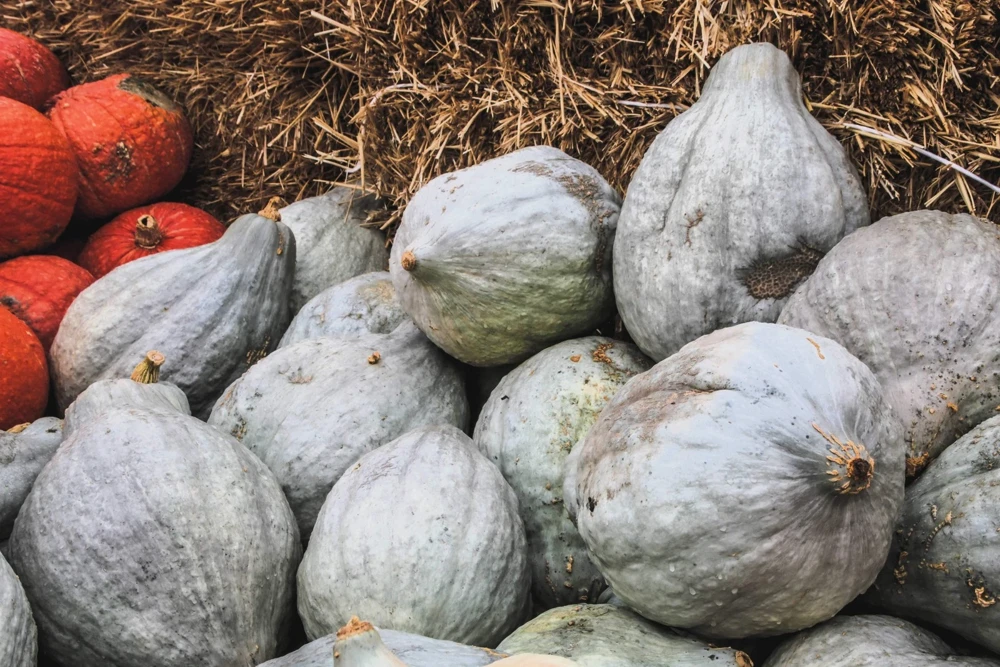
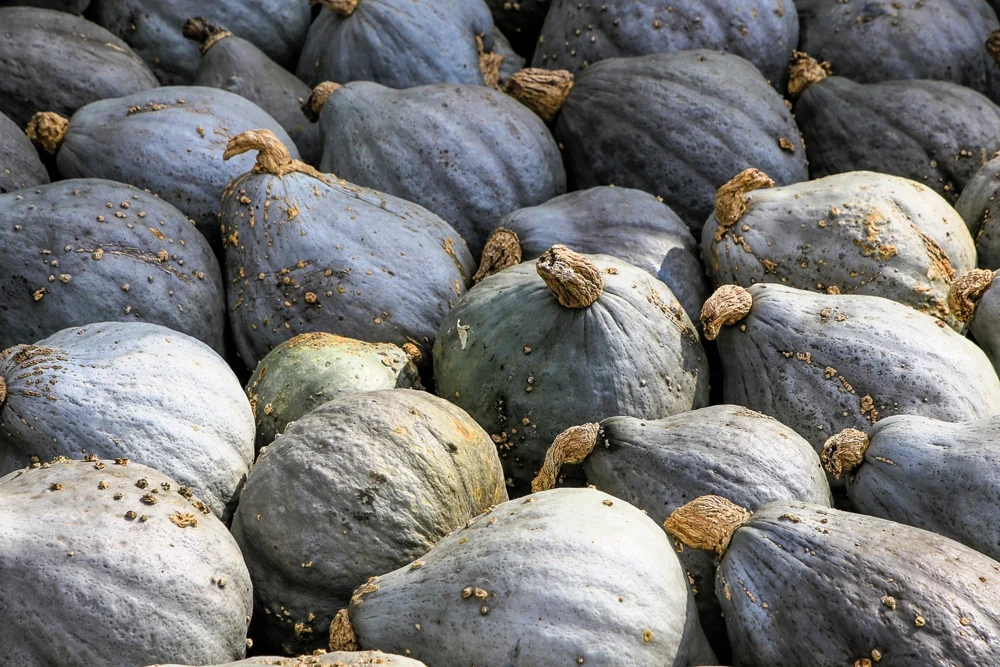
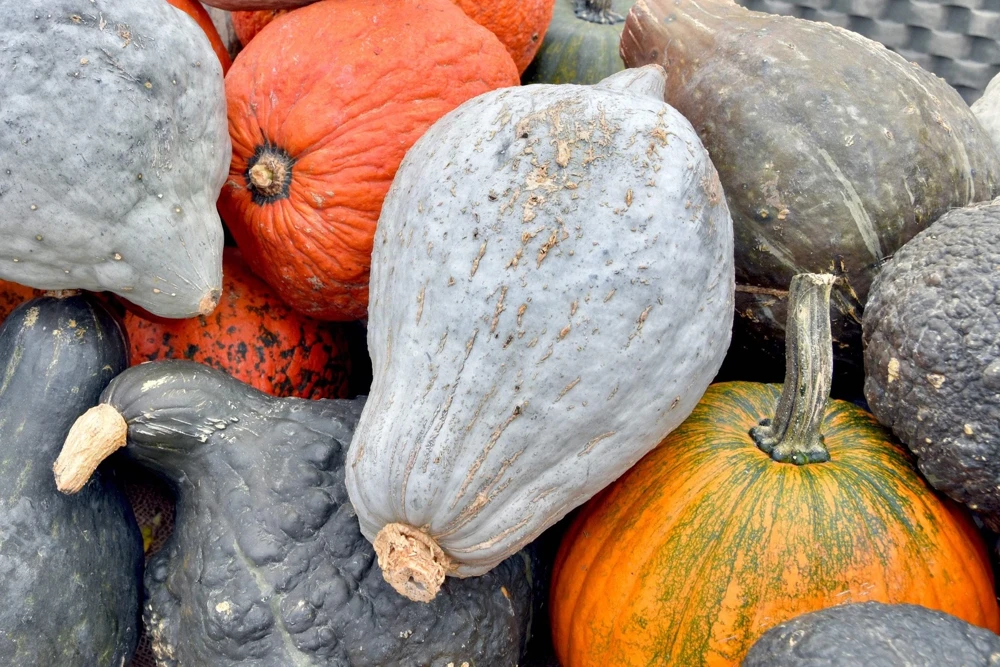
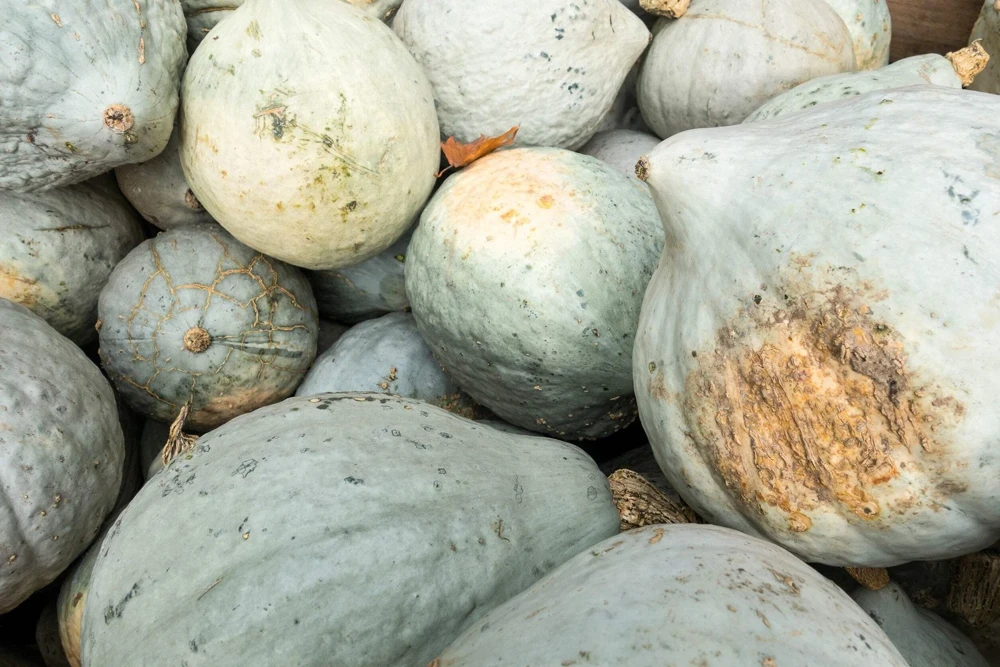
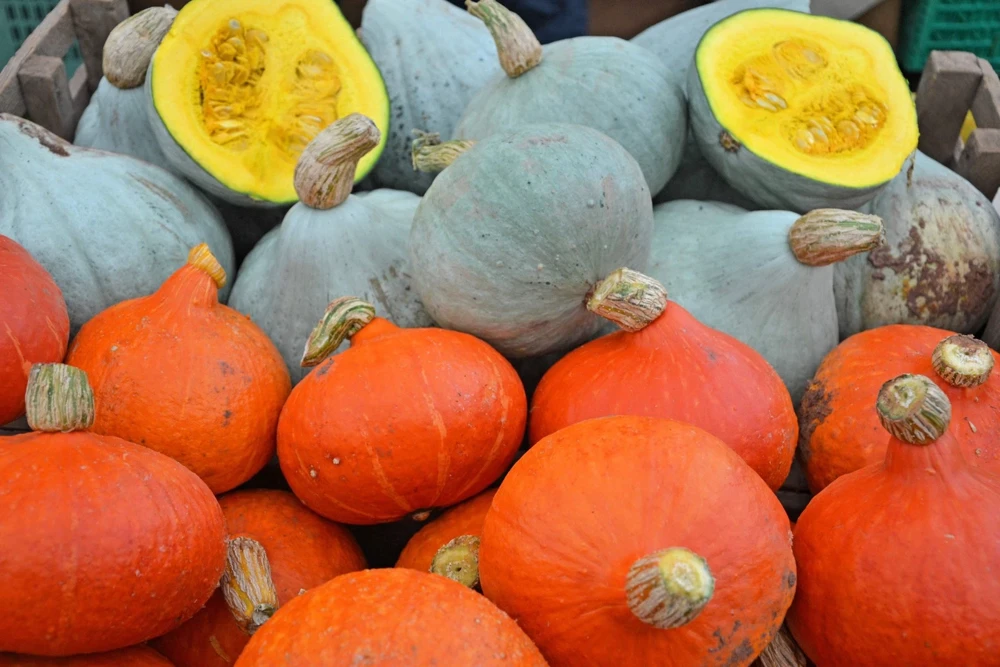
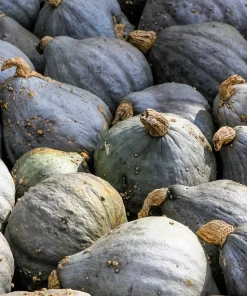
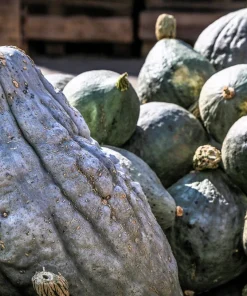
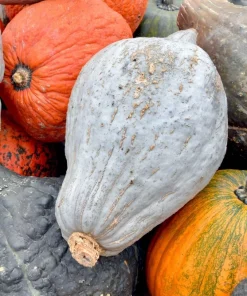
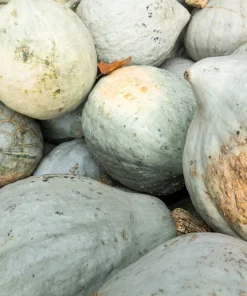
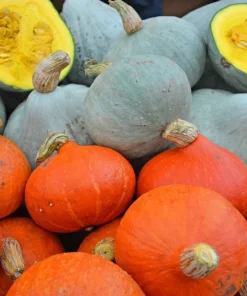
Embark on a rewarding gardening journey with our premium blue hubbard squash seeds. This packet contains 30 high-quality seeds of the renowned New England Buttercup variety, scientifically known as Cucurbita Pepo. Famous for its distinctive blue-gray rind and sweet, dense orange flesh, the Blue Hubbard squash is a favorite among gardeners and chefs alike. These seeds promise to grow robust plants that produce large, impressive squash, perfect for long-term storage and a wide array of culinary applications. Whether you’re an experienced gardener or just starting out, growing blue hubbard squash seeds offers a satisfying experience and a delicious reward.
The Blue Hubbard squash is a classic winter squash, cherished for its rich flavor and versatility. Our 30-count seed packet provides ample opportunity to establish a productive patch, ensuring a generous yield for your kitchen. This particular variety, the New England Buttercup, is celebrated for its excellent taste and reliable growth, making it a staple in many home gardens. Get ready to enjoy the satisfaction of harvesting your own homegrown, nutritious squash.
Key Benefits
Growing blue hubbard squash seeds offers numerous advantages, from fresh, homegrown produce to a rewarding gardening experience. These seeds are a fantastic choice for anyone looking to add a robust and flavorful winter squash to their garden.
- Abundant Harvest: Each plant can yield several large squashes, providing a generous supply for cooking, baking, and storage throughout the cooler months. You’ll be amazed by the productivity of these cucurbita pepo seeds.
- Exceptional Flavor: The Blue Hubbard squash boasts a sweet, nutty flavor with a smooth texture, making it superior to many store-bought alternatives. Its rich taste is perfect for soups, pies, roasting, and more.
- Long Storage Life: These winter squashes are known for their excellent keeping qualities. Properly cured, they can be stored for several months in a cool, dry place, allowing you to enjoy your harvest well into winter.
- Nutrient-Rich Produce: Blue Hubbard squash is packed with vitamins, minerals, and antioxidants, contributing to a healthy diet. Enjoy the benefits of fresh, nutritious vegetables straight from your garden.
- Versatile Culinary Use: From savory dishes like roasted squash and stews to sweet treats like pies and breads, the dense flesh of the new england buttercup squash adapts beautifully to a wide range of recipes.
- Rewarding Gardening Experience: Watching these large squash develop from seed to mature fruit is incredibly satisfying. It’s a great project for gardeners of all skill levels, offering tangible results.
- Hardy and Adaptable: These squash plants are generally robust and can thrive in various climates, making them a reliable choice for many home gardens. Knowing how to grow blue hubbard squash is straightforward.
Plant Care & Growing Tips
To successfully grow blue hubbard squash, start by selecting a site with full sun exposure, meaning at least 6-8 hours of direct sunlight daily. The soil should be well-draining, rich in organic matter, and have a pH between 6.0 and 7.0. Preparing the soil with compost or aged manure before planting will provide essential nutrients for strong growth. Plant the blue hubbard squash seeds directly into the garden after all danger of frost has passed and the soil has warmed, typically in late spring or early summer. Plant seeds about 1 inch deep and 3-4 feet apart in rows, or in hills with 3-5 seeds per hill, spacing hills 6-8 feet apart to accommodate their sprawling vines.
Watering is crucial, especially during dry spells and when the fruits are developing. Provide deep, consistent watering, aiming for about 1 inch of water per week. Avoid overhead watering to prevent fungal diseases; instead, water at the base of the plants. Mulching around the plants can help retain soil moisture, suppress weeds, and keep the fruits clean. Fertilize your plants with a balanced fertilizer once the vines begin to run and again when fruits start to set. Be mindful of pests like squash bugs and vine borers, and use organic pest control methods if necessary. Harvesting typically occurs in late summer to early fall when the rind is hard and the color is deep blue-gray. The new england buttercup squash is ready when the stem is dry and hard.
Allow the squash to cure in a warm, sunny spot for about 10-14 days after harvesting. This process hardens the skin and enhances flavor, improving their storage life. Store cured squash in a cool, dry place with good air circulation, ideally between 50-55°F (10-13°C). With proper care, your winter squash seeds will yield a delicious and abundant harvest that can last for months.
Size & Details
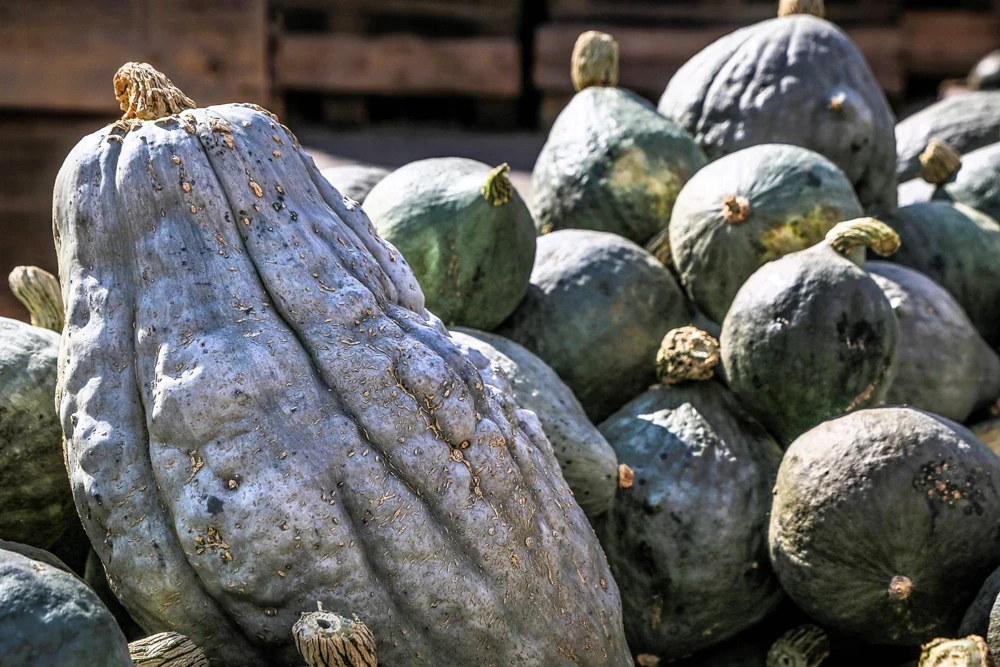
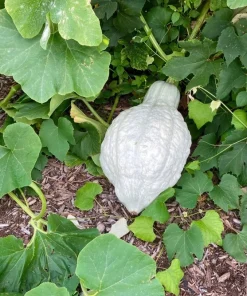
This product includes 30 blue hubbard squash seeds, providing a generous quantity for planting a productive home garden. Blue Hubbard squash plants are vigorous vining plants, typically spreading 10-15 feet, so ensure you have adequate space for their growth. The mature fruits are quite large, often weighing between 15-50 pounds, and can reach lengths of 15-20 inches. Each seed is ready for direct sowing, promising a rewarding harvest of this classic winter squash.
From planting the cucurbita pepo seeds to harvest, the growing season generally spans 95-110 days. The large size and robust nature of the Blue Hubbard make it an impressive addition to any garden. These winter squash seeds are selected for their quality, ensuring a high germination rate and strong plant development. Expect a substantial yield of delicious, long-storing squash from this packet.
Frequently Asked Questions
- Q: How big does blue hubbard squash get? A: Blue Hubbard squash can grow quite large, typically weighing between 15 to 50 pounds, and can be 15-20 inches long. Its substantial size makes it an excellent choice for feeding a crowd or for long-term storage.
- Q: Is this an indoor or outdoor plant? A: Blue Hubbard squash is an outdoor plant that requires ample space due to its vigorous vining habit. It thrives in full sun and warm temperatures, making it unsuitable for indoor cultivation.
- Q: How much sunlight does it need? A: To grow blue hubbard squash successfully, the plants need full sun exposure, which means at least 6-8 hours of direct sunlight daily. This ensures proper fruit development and ripening.
- Q: Is this plant easy to care for? A: While Blue Hubbard squash requires space and consistent watering, it is generally considered easy to care for by gardeners with basic experience. Providing rich soil and managing pests are key to success.
- Q: What condition will the seeds arrive in? A: The blue hubbard squash seeds will arrive as dry, viable seeds, ready for planting. They are carefully packaged to ensure their quality and readiness for germination upon arrival.
- Q: When is the best time to plant blue hubbard squash seeds? A: The best time to plant new england buttercup squash seeds is after all danger of frost has passed in your region and the soil temperature has warmed consistently, typically in late spring or early summer.
- Q: How long until it’s ready to harvest? A: Blue Hubbard squash typically takes about 95-110 days from planting the winter squash seeds to reach maturity and be ready for harvest. Look for a hard rind and a dry, tough stem.
- Q: What’s the minimum temperature these plants can tolerate? A: Blue Hubbard squash plants are sensitive to cold. They require warm temperatures and will not tolerate frost. Ideal growing temperatures are consistently above 60°F (15°C).
- Q: Can I save seeds from my blue hubbard squash? A: Yes, you can save seeds from your Blue Hubbard squash, especially if it’s an open-pollinated variety. Ensure the squash is fully mature and process the seeds by cleaning and drying them thoroughly before storing.
- Q: What are the best uses for blue hubbard squash? A: The dense, sweet flesh of the new england buttercup squash is excellent for roasting, baking, making pies, soups, and stews. Its versatility makes it a kitchen favorite for many savory and sweet dishes.
Be the first to review “30 Blue Hubbard Squash Seeds – New England Buttercup Cucurbita Pepo”
People Also Viewed
Reviews
There are no reviews yet.