



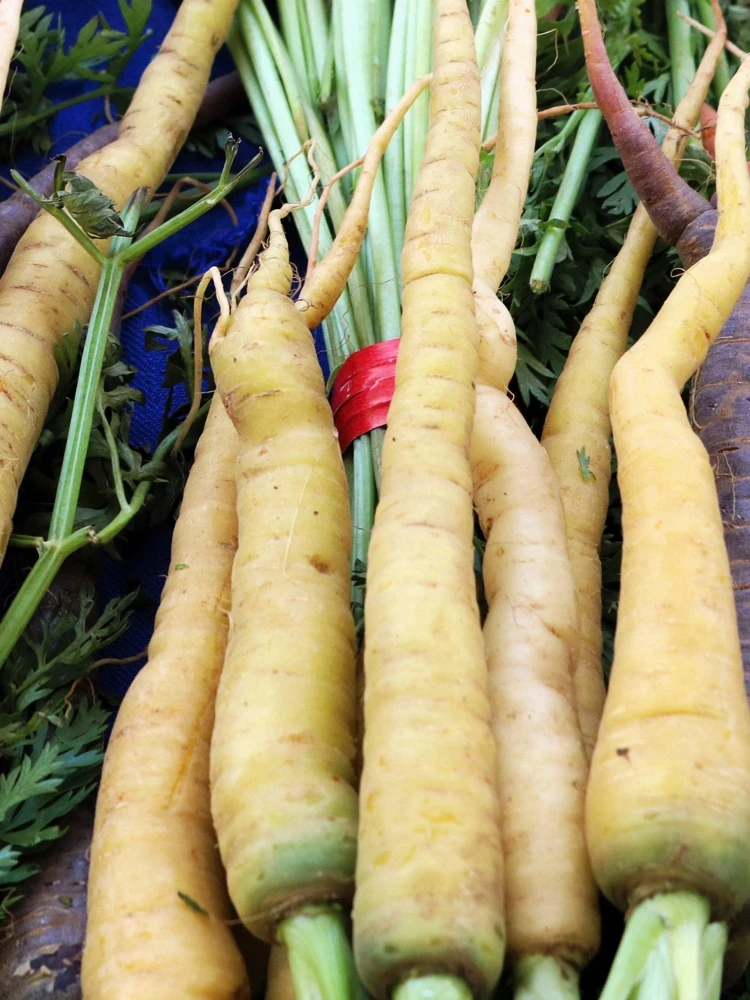
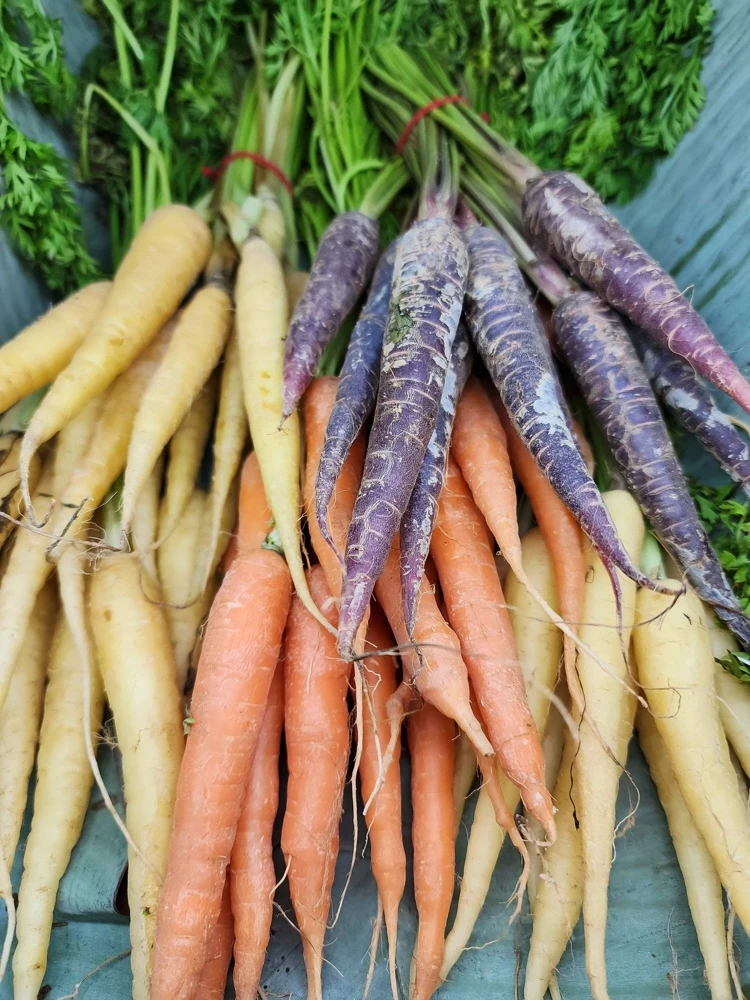
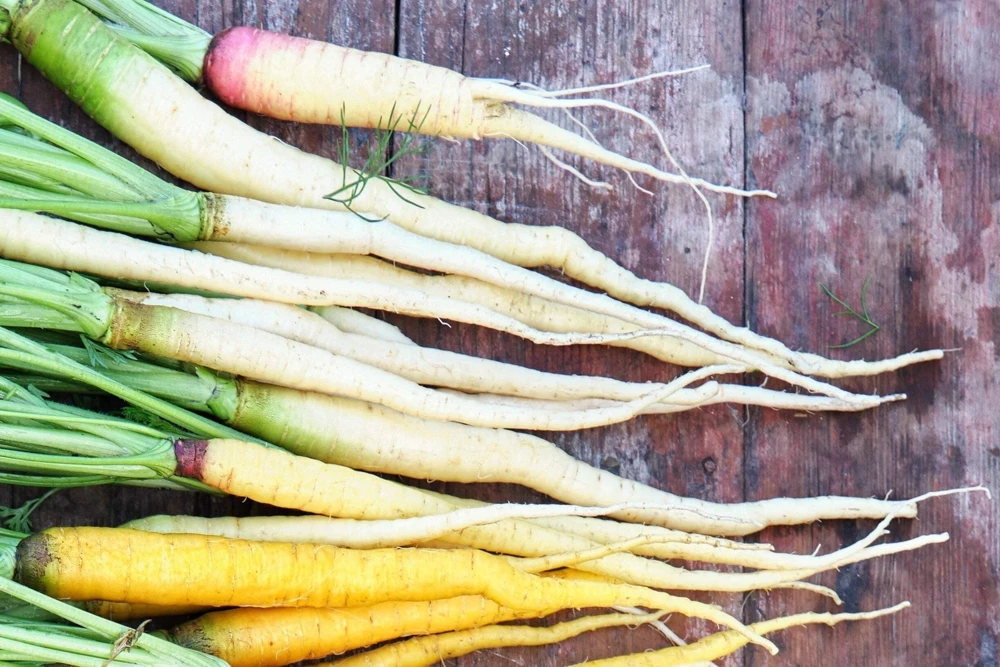
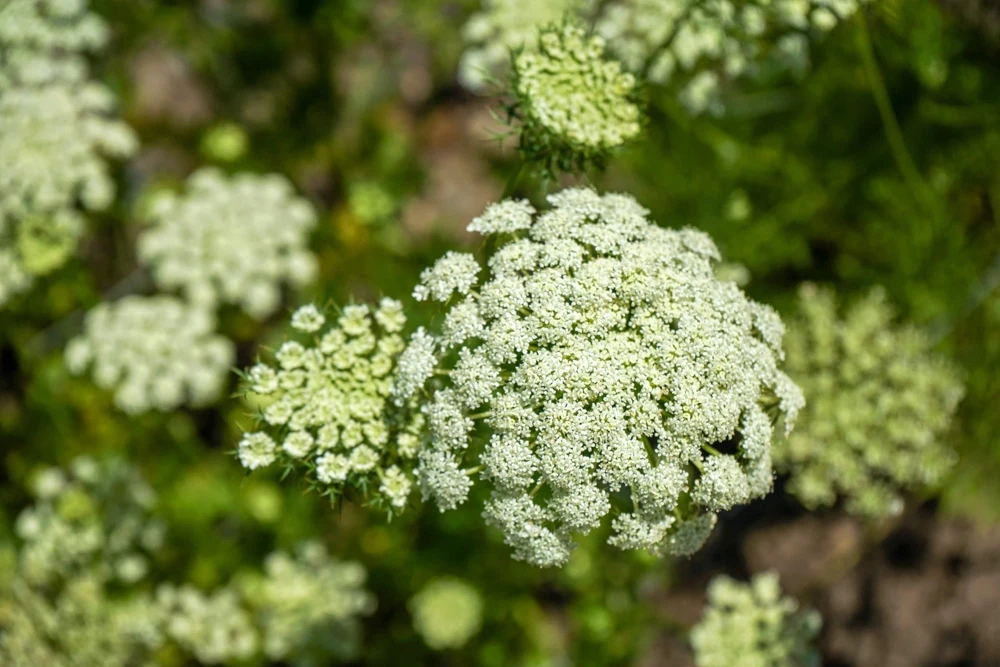

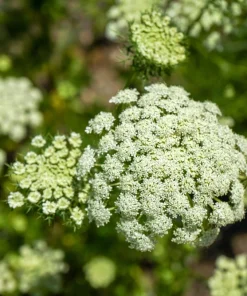
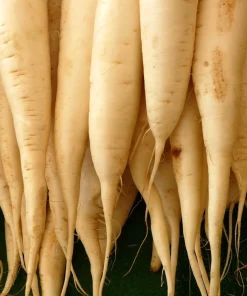
300 Lunar White Carrot Seeds – Daucus Carota Vegetable Seeds
Original price was: $35.99.$15.99Current price is: $15.99.
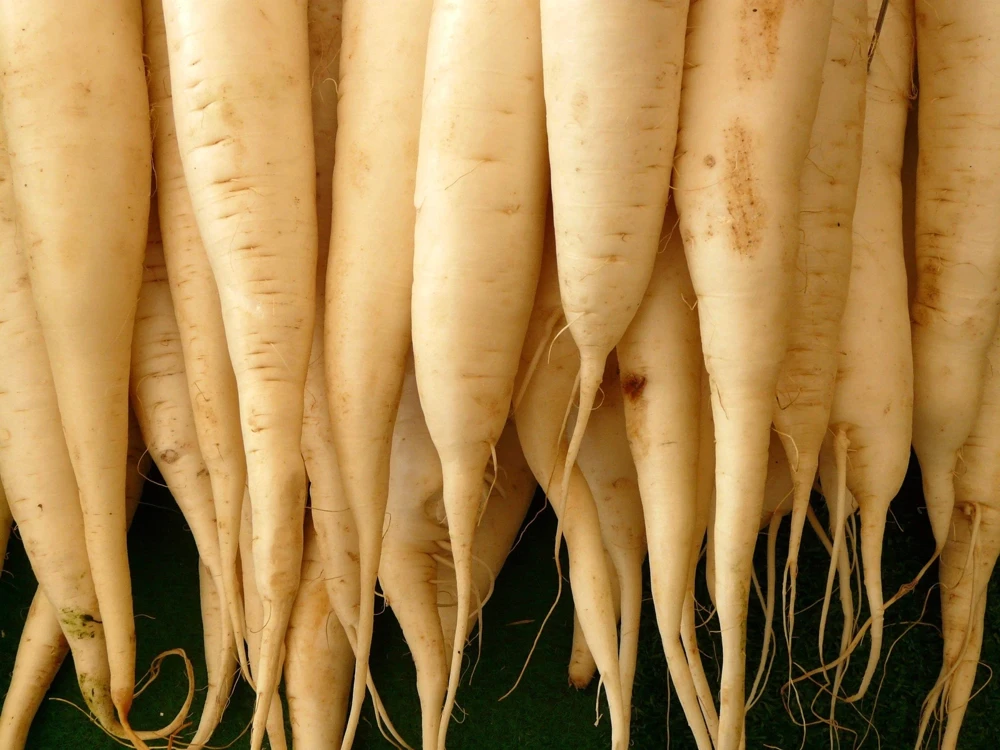
Cultivate unique and flavorful Lunar White Carrot seeds in your home garden. These Daucus Carota seeds produce crisp, sweet, and pure white carrots, offering a delightful alternative to traditional orange varieties. Perfect for fresh eating, juicing, or adding a vibrant touch to your culinary creations.
Estimated arrival
Sep 17
Sep 22 - Sep 24
Sep 27 - Oct 01
Shop With Confidence
30-Day Plant Health Guarantee
Arrives damaged? We’ll replace it free — see our return policy.
Responsive Support
Email us anytime, we reply within 1 business day.
Expert Packaging
Temperature-controlled shipping to protect your plants in transit.
Secure Checkout
Pay safely with Visa, Mastercard, PayPal.
Plant Specifications
-
USDA Hardiness Zone
unknown -
Soil Type
loose, well-draining sandy loam -
Sunlight Exposure
full sun -
Expected Planting Period
early spring to mid-summer
Overview
Embark on a delightful gardening journey with our premium Lunar White Carrot seeds. These exceptional seeds promise to transform your garden into a haven of unique flavors and captivating colors. The Lunar White Carrot, scientifically known as Daucus Carota, is a fascinating heirloom variety that produces crisp, sweet, and pure white roots. Unlike their orange counterparts, these carrots offer a milder, slightly less earthy flavor, making them a favorite for those seeking a unique vegetable experience. Growing Lunar White Carrot seeds is a rewarding endeavor for gardeners of all skill levels, offering a fresh, homegrown treat that stands out in any dish. These seeds are a fantastic choice for anyone looking to diversify their vegetable patch with a distinctive and delicious root crop.
Our Daucus Carota seeds are carefully selected to ensure high germination rates and robust plant growth, providing you with the best possible start for your garden. The Lunar White Carrot is not just a novelty; its tender texture and appealing sweetness make it a versatile ingredient in the kitchen. From raw salads and crudités to roasted side dishes and juicing, these white carrots bring both visual appeal and a delightful taste. Experience the joy of harvesting your own unusual vegetables with these easy-to-grow Lunar White Carrot seeds.
Key Benefits
Growing Lunar White Carrot seeds offers a multitude of benefits, both for your garden and your plate. These unique carrots are an excellent addition to any home garden, providing fresh, healthy produce right at your fingertips.
- Unique Culinary Experience: These heirloom carrot seeds yield pure white carrots with a distinctively crisp texture and a sweet, mild flavor, offering a delightful alternative to traditional orange varieties. They add visual appeal to any dish.
- Nutrient-Rich Harvest: While white, these carrots are still packed with vitamins and minerals, contributing to a healthy diet. Enjoy fresh, homegrown goodness directly from your garden.
- Easy to Grow:Lunar White Carrot seeds are relatively straightforward to cultivate, making them suitable for both novice and experienced gardeners. With proper care, you can expect a bountiful harvest.
- Versatile in the Kitchen: Perfect for raw consumption in salads, juicing, roasting, or steaming. Their mild flavor makes them a great complement to many recipes, and their white color maintains visual clarity in dishes.
- Garden Novelty: Planting white vegetable seeds like these adds an element of surprise and interest to your garden, making it a conversation starter and a unique focal point.
- Heirloom Quality: Our Daucus Carota seeds are an heirloom variety, meaning they have been passed down through generations, preserving their unique characteristics and ensuring a true-to-type harvest.
- Sustainable Gardening: Growing your own vegetables from Lunar White Carrot seeds promotes sustainable living and reduces your carbon footprint, connecting you directly to your food source.
Plant Care & Growing Tips
Cultivating Lunar White Carrot seeds successfully requires attention to a few key factors, ensuring a healthy and productive harvest. Carrots thrive in well-prepared soil and consistent moisture. Begin by selecting a site that receives full sun, ideally 6-8 hours of direct sunlight per day. While they can tolerate partial shade, full sun promotes the best root development and sweetness. The soil is crucial for growing straight, well-formed carrots. It should be loose, well-draining, and free of rocks or heavy clumps. A sandy loam soil with a pH between 6.0 and 6.8 is ideal. Amend heavy clay soils with compost or well-rotted manure to improve drainage and texture. Avoid fresh manure, as it can cause carrots to fork.
Sow your Daucus Carota seeds directly into the garden in early spring, once the danger of hard frost has passed. For a continuous harvest, succession plant every 2-3 weeks until mid-summer. Plant seeds about 1/4 to 1/2 inch deep and 1-2 inches apart in rows that are 12-18 inches apart. Keep the soil consistently moist during germination, which can take 10-21 days. Once seedlings emerge, thin them to 2-4 inches apart to allow adequate space for root development. Adequate spacing is key to growing large, uniform white vegetable seeds. Water regularly, especially during dry spells, ensuring the soil remains evenly moist but not waterlogged. About an inch of water per week is a good guideline. Mulching around the plants can help retain soil moisture, suppress weeds, and regulate soil temperature. Fertilize sparingly; too much nitrogen can lead to lush top growth at the expense of root development. A balanced fertilizer or compost tea can be applied mid-season if growth seems slow. Watch out for common pests like carrot rust flies and diseases like powdery mildew; good air circulation and crop rotation can help prevent these issues when you grow white carrots.
Size & Details
Our offering includes 300 Lunar White Carrot seeds, providing an ample supply for multiple plantings or a generously sized garden bed. These heirloom carrot seeds are selected for their viability and genetic purity, ensuring you receive true-to-type Lunar White carrots. When mature, these carrots typically grow to about 6-8 inches in length with a diameter of 1-2 inches, though size can vary based on growing conditions and thinning practices. The plants themselves produce attractive, fern-like foliage that can reach up to 12-18 inches tall. Expect a harvest approximately 70-80 days after sowing, depending on climate and growing conditions. These Daucus Carota seeds are packaged to maintain freshness and germination rates, ready for planting directly into your garden. They are an excellent choice for home gardeners looking to grow white carrots that are both beautiful and delicious.
Frequently Asked Questions
- Q: How big do Lunar White Carrots get? A: Lunar White Carrot seeds typically produce roots that are 6-8 inches long and 1-2 inches in diameter at maturity. The exact size can depend on soil quality, spacing, and growing conditions.
- Q: Is this an indoor or outdoor plant? A: Lunar White Carrots are best grown outdoors in a garden bed or large containers. They require direct sunlight and sufficient space for their roots to develop properly.
- Q: How much sunlight do Lunar White Carrots need? A: For optimal growth and sweetness, these carrots need at least 6-8 hours of direct sunlight per day. They can tolerate partial shade, but root development may be less robust.
- Q: Are Lunar White Carrots easy to care for? A: Yes, Lunar White Carrot seeds are relatively easy to grow. The most critical factors are loose, well-draining soil, consistent moisture, and proper thinning of seedlings.
- Q: When is the best time to plant Lunar White Carrot seeds? A: The best time to plant these Daucus Carota seeds is in early spring, after the last danger of hard frost has passed. For a continuous harvest, you can sow seeds every 2-3 weeks until mid-summer.
- Q: What condition will the seeds arrive in? A: Your Lunar White Carrot seeds will arrive in a sealed packet, ensuring their freshness and viability for planting. They are ready to be sown directly into your garden.
- Q: Can I use white carrots in cooking the same way as orange carrots? A: Absolutely! These white vegetable seeds produce carrots that can be used in all the same ways as orange carrots – raw, roasted, steamed, or juiced. Their mild, sweet flavor is highly versatile.
- Q: Do these heirloom carrot seeds require special soil? A: While not strictly special, Lunar White Carrots prefer loose, well-draining, sandy loam soil free of rocks. Amending heavy soils with compost is recommended to ensure straight root growth.
- Q: How long until I can harvest my Lunar White Carrots? A: You can typically expect to harvest your Lunar White Carrots approximately 70-80 days after sowing the Lunar White Carrot seeds, depending on your local climate and specific growing conditions.
- Q: Will these carrots survive winter in my zone? A: Carrots are generally grown as annuals. In very mild winter climates (USDA zones 8-10), they might overwinter with protection, but they are typically harvested before hard freezes.
Be the first to review “300 Lunar White Carrot Seeds – Daucus Carota Vegetable Seeds”
People Also Viewed

Trees
Golden Nugget Jack Fruit in 3 Gallons Pot, Grafted, Artocarpus heterophyllus, no ship to CA and HI

Reviews
There are no reviews yet.