
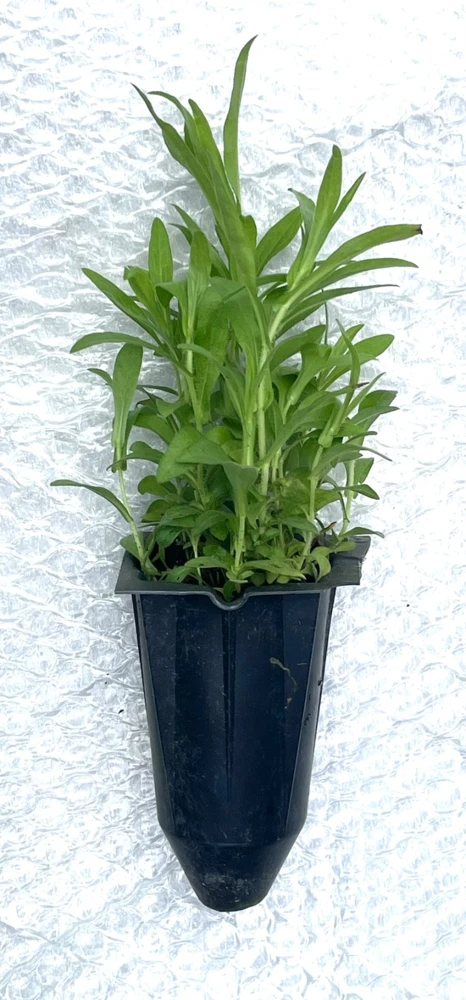

New England Aster Live Plant – Plug-Grown Seedlings (8-Pack) – Native Perennial
Original price was: $86.99.$61.99Current price is: $61.99.
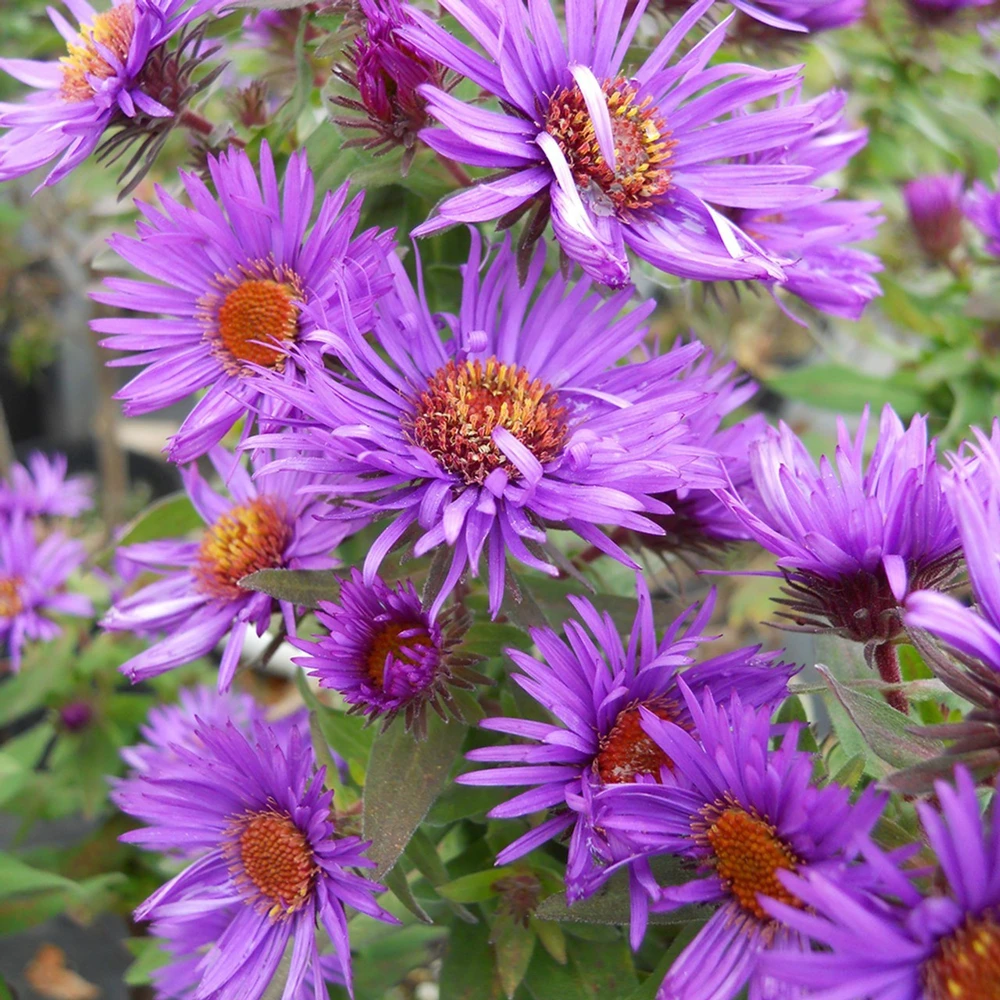
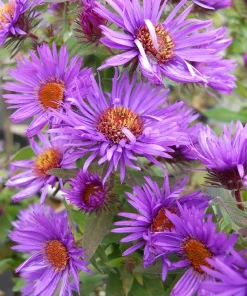
Bring vibrant fall color and ecological benefits to your landscape with this New England Aster live plant 8-pack. These robust, plug-grown seedlings are ready for planting, offering beautiful purple blooms that attract pollinators. Perfect for creating a stunning native New England Aster display.
Estimated arrival
Sep 17
Sep 22 - Sep 24
Sep 27 - Oct 01
Shop With Confidence
30-Day Plant Health Guarantee
Arrives damaged? We’ll replace it free — see our return policy.
Responsive Support
Email us anytime, we reply within 1 business day.
Expert Packaging
Temperature-controlled shipping to protect your plants in transit.
Secure Checkout
Pay safely with Visa, Mastercard, PayPal.
Plant Specifications
-
USDA Hardiness Zone
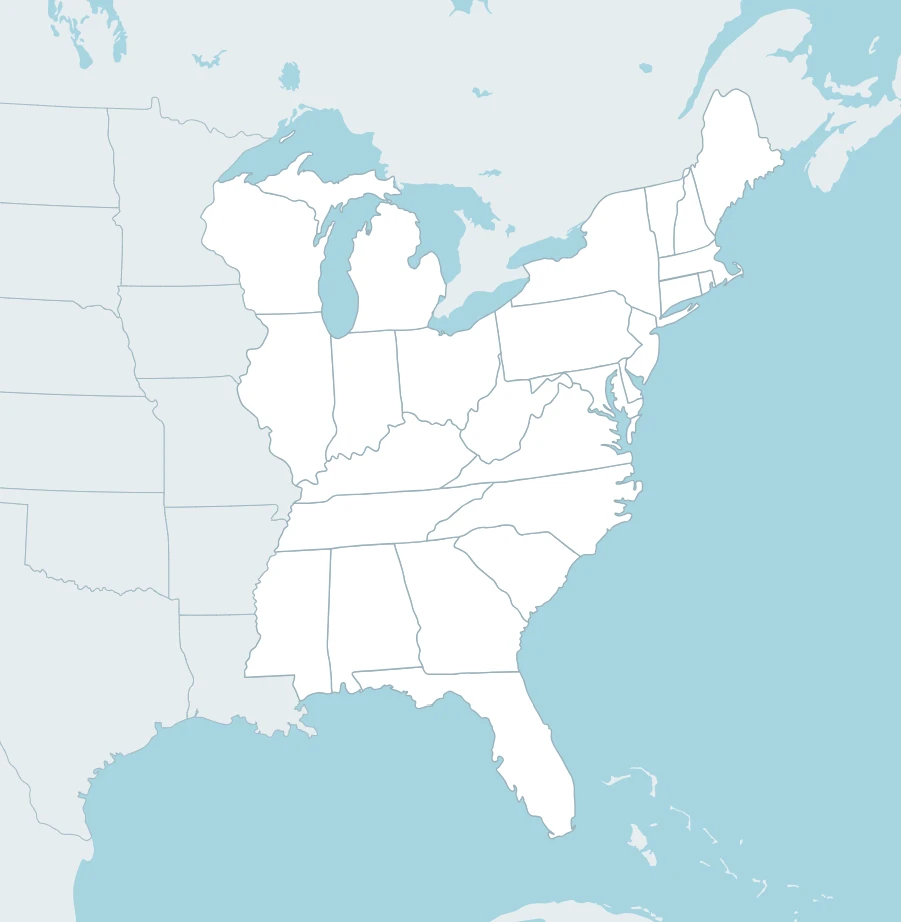
USDA Zones 4-8 -
Soil Type
Moist, well-draining soil -
Sunlight Exposure
Full sun to partial shade -
Expected Planting Period
Spring or early fall
Overview
Transform your garden into a pollinator’s paradise with this 8-pack of New England Aster live plant seedlings. Known for their spectacular late-season blooms, New England Asters (Symphyotrichum novae-angliae) are iconic native perennials that provide essential nectar for bees and butterflies as other flowers fade. These robust, plug-grown seedlings are carefully cultivated to ensure strong root development and easy transplanting into your garden. Each plant is landscape-ready, meaning you can enjoy their beauty and ecological benefits sooner. Creating a vibrant, naturalized garden has never been easier with these healthy, established plugs.
The New England Aster live plant is a cornerstone of many native plant gardens, celebrated for its hardiness and adaptability. Its upright growth habit and profusion of violet-purple flowers make it a standout in any fall landscape. Whether you’re a seasoned gardener or just starting, these plug-grown asters offer a reliable way to introduce a touch of wild beauty and crucial ecological support to your outdoor space.
Key Benefits
Investing in New England Aster live plant plugs offers a multitude of advantages for both your garden’s aesthetic and its ecosystem:
- Spectacular Fall Blooms: Enjoy a breathtaking display of vibrant purple flowers from late summer through fall, extending your garden’s blooming season when many other plants are finished. These prolific blooms create a stunning visual impact.
- Pollinator Magnet: As a vital late-season nectar source, the native New England Aster is a favorite of monarch butterflies, bees, and other beneficial insects, helping to support local ecosystems and biodiversity.
- Low Maintenance: Once established, these asters are remarkably resilient and require minimal care, making them an excellent choice for busy gardeners seeking high reward with low effort.
- Drought Tolerant: Known for their hardiness, New England Asters can withstand periods of drought once mature, reducing the need for frequent watering.
- Deer Resistant: Generally, deer tend to avoid New England Asters, offering a good option for gardens in areas with deer populations.
- Erosion Control: Their fibrous root systems help stabilize soil, making them useful for preventing erosion on slopes or in areas prone to washouts.
- Versatile Landscaping: Ideal for perennial borders, native plant gardens, meadows, or naturalized areas, these asters add vertical interest and a burst of color.
Plant Care & Growing Tips
Caring for your New England Aster live plant is straightforward, ensuring a beautiful display year after year. These native perennials thrive in full sun to partial shade, ideally receiving at least 6 hours of direct sunlight daily for the most prolific blooming. While they can tolerate some shade, too much will result in leggy growth and fewer flowers. When considering how to grow New England Aster, remember that good air circulation is key to preventing powdery mildew, a common issue for asters.
New England Asters prefer moist, well-draining soil but are adaptable to a range of soil types, including clay. Consistent moisture is important, especially during dry spells and in their first year of establishment. Water deeply at the base of the plant to encourage strong root growth. A layer of mulch can help retain soil moisture and suppress weeds. For optimal growth and flowering, fertilize sparingly in spring with a balanced, slow-release fertilizer. Pinching back the stems in early summer (before mid-July) can encourage bushier growth and more blooms, preventing the plant from becoming too tall and leggy. Deadheading spent flowers is not strictly necessary but can improve the plant’s appearance. Disease prevention, particularly for powdery mildew, often involves ensuring good air circulation and planting in appropriate light conditions. For successful New England Aster care, choose a site with adequate spacing.
Size & Details
This offering includes an 8-pack of New England Aster live plant seedlings, each grown as a robust plug. These landscape-ready plugs have a well-developed root system, ensuring a high success rate upon transplanting. When mature, New England Asters typically grow to a height of 3 to 6 feet and spread 2 to 3 feet wide, forming an upright, bushy clump. The plants will arrive in their plug form, ready to be planted directly into your garden beds. Expect these perennial aster plants to establish quickly and begin blooming in their first or second season, with their peak performance occurring in subsequent years as they mature. The vibrant purple flowers are a hallmark of this species, making it an excellent choice for adding late-season color and ecological value to your garden.
Frequently Asked Questions
- Q: How big do these New England Aster plants get? A: Mature New England Aster live plant specimens typically reach a height of 3 to 6 feet and spread 2 to 3 feet wide. Their upright growth habit makes them a prominent feature in the fall garden.
- Q: Is this an indoor or outdoor plant? A: The native New England Aster is an outdoor perennial plant, best suited for garden beds, borders, and naturalized areas where it can receive adequate sunlight and space to grow.
- Q: How much sunlight does it need? A: New England Asters thrive in full sun to partial shade, ideally requiring at least 6 hours of direct sunlight per day for the best flowering display.
- Q: Is this plant easy to care for? A: Yes, once established, New England Asters are relatively low-maintenance. They are hardy and adaptable, making them a great choice for gardeners of all experience levels who want to grow New England Aster.
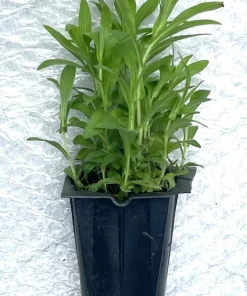
- Q: What condition will it arrive in? A: Your order will arrive as an 8-pack of healthy, plug-grown seedlings, each with a well-developed root system, ready for immediate planting.
- Q: When is the best time to plant these New England Aster plugs? A: Spring or early fall are ideal times to plant perennial aster plant plugs, allowing them sufficient time to establish before extreme summer heat or winter cold.
- Q: Will it survive winter in my zone? A: New England Asters are very cold-hardy and are typically suitable for USDA Zones 4-8, surviving winter temperatures well within these zones. Proper New England Aster care includes mulching in colder regions.
- Q: What type of soil is best for New England Asters? A: They prefer moist, well-draining soil but are adaptable to a variety of soil types, including clay, as long as drainage is adequate.
- Q: Do these asters attract butterflies? A: Absolutely! The New England Aster live plant is a renowned pollinator magnet, especially for monarch butterflies and various bee species, providing crucial late-season nectar.
- Q: Can I cut back the plants to control their height? A: Yes, pinching back the stems in early summer (before mid-July) can encourage bushier growth, more blooms, and help manage the overall height of your perennial aster plant.
Be the first to review “New England Aster Live Plant – Plug-Grown Seedlings (8-Pack) – Native Perennial”
People Also Viewed
Shrub Seeds
Feather Tree Seeds – Lysiloma Thornberi Desert Shrub, 20 Seeds, White Flowers, USDA Zones 9-11
Reviews
There are no reviews yet.