

Common Sneezeweed Live Plant Starter Plugs – 5-Pack Native Perennials
Original price was: $71.99.$46.99Current price is: $46.99.
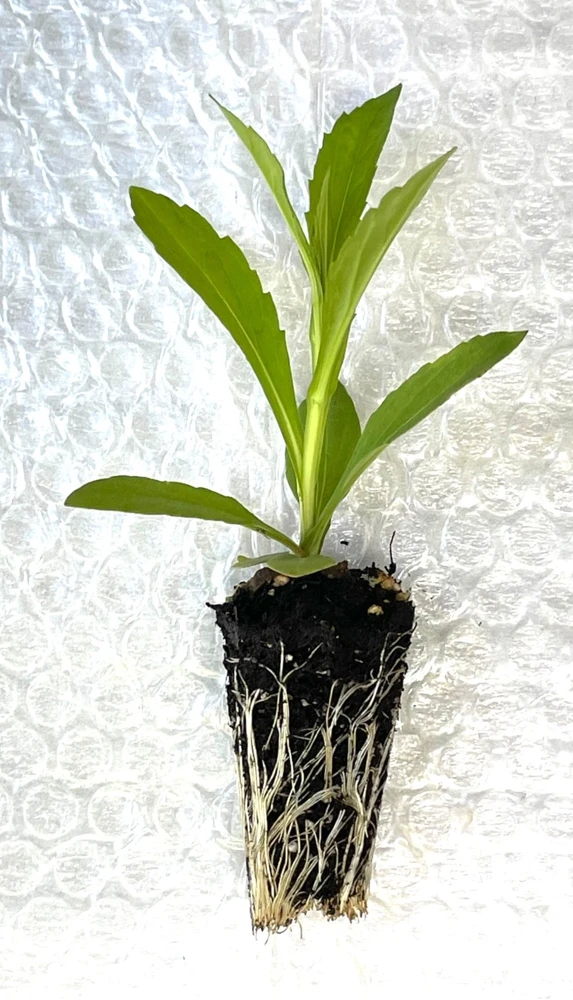
Cultivate a vibrant garden with this common sneezeweed live plant 5-pack of starter plugs. These native perennial sneezeweed plants, also known as Helenium autumnale, are perfect for attracting pollinators and adding late-season color to your outdoor space. Easy to grow and establish, they’re ideal for both new and experienced gardeners.
Estimated arrival
Sep 17
Sep 22 - Sep 24
Sep 27 - Oct 01
Shop With Confidence
30-Day Plant Health Guarantee
Arrives damaged? We’ll replace it free — see our return policy.
Responsive Support
Email us anytime, we reply within 1 business day.
Expert Packaging
Temperature-controlled shipping to protect your plants in transit.
Secure Checkout
Pay safely with Visa, Mastercard, PayPal.
Plant Specifications
-
USDA Hardiness Zone
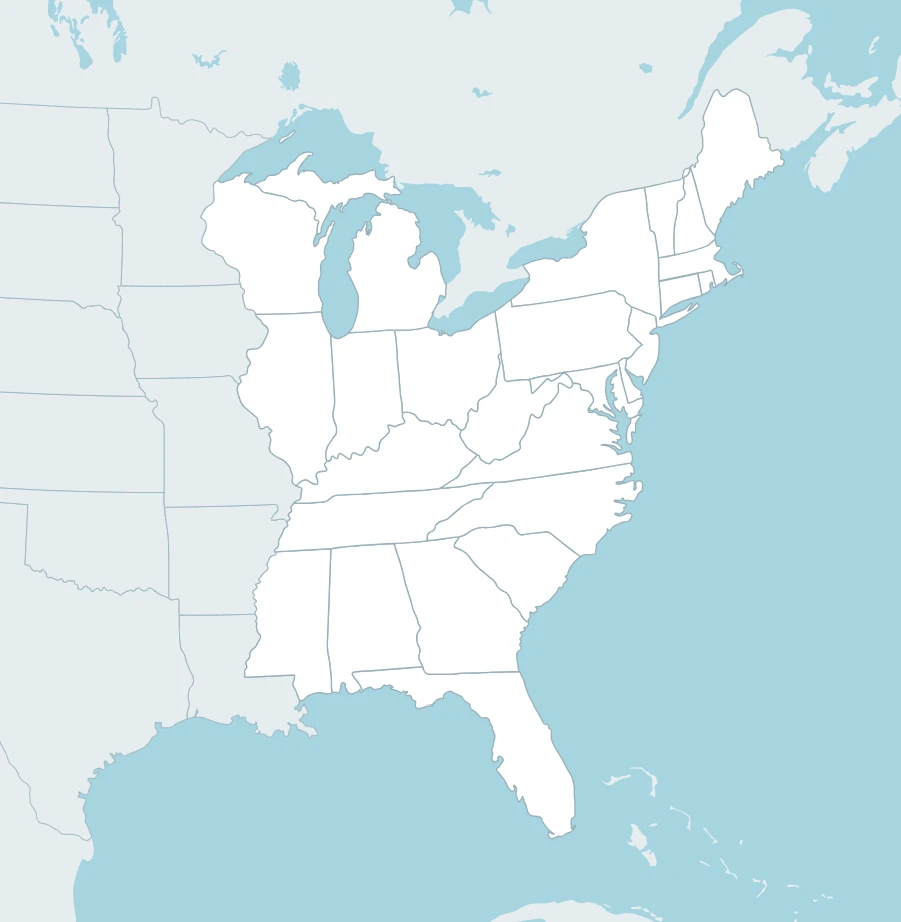
USDA zones 3-8 -
Soil Type
Moist, well-draining loamy soil -
Sunlight Exposure
Full sun -
Expected Planting Period
Spring to early fall
Overview
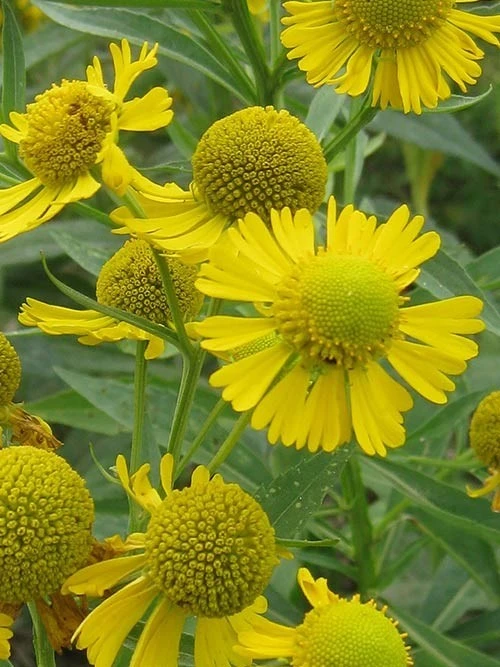
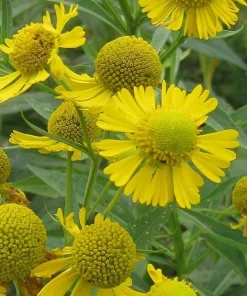
Introduce the beauty of native flora to your garden with this common sneezeweed live plant 5-pack. These robust starter plugs of Helenium autumnale, commonly known as Common Sneezeweed, are ready to thrive in your outdoor landscape. Known for their cheerful, daisy-like flowers with prominent central cones, these native perennials bring a burst of golden-yellow, orange, or reddish-brown hues from late summer into fall, extending the blooming season when many other flowers fade. Beyond their aesthetic appeal, helenium autumnale starter plugs are crucial for supporting local ecosystems, providing essential nectar and pollen for a variety of pollinators, including bees and butterflies, making them a fantastic choice for a pollinator garden. Their resilience and vibrant display make them a valuable addition to any garden design, from naturalized meadows to formal borders.
The common sneezeweed live plant is a versatile and low-maintenance option for gardeners seeking to enhance biodiversity and enjoy prolonged seasonal color. These starter plugs offer a convenient and effective way to establish healthy, vigorous plants that will quickly settle into their new environment. Whether you’re a seasoned gardener or just starting out, growing sneezeweed plants from these starter plugs is a rewarding experience, leading to a flourishing display of late-season blooms that will captivate both you and local wildlife. Embrace the charm and ecological benefits of this wonderful native perennial in your own backyard.
Key Benefits
Adding common sneezeweed live plant starter plugs to your garden offers numerous advantages, contributing to both its beauty and ecological health.
- Extended Bloom Season: Enjoy a spectacular display of yellow, orange, or red flowers from late summer through fall, providing vibrant color when many other garden plants have finished blooming. This ensures your garden remains lively and attractive for a longer period.
- Pollinator Magnet: These plants are highly attractive to a wide range of pollinators, including various bee species, butterflies, and other beneficial insects. By planting native perennial sneezeweed, you directly support local biodiversity and ecosystem health, helping to sustain vital insect populations.
- Low Maintenance & Hardy: Once established, Common Sneezeweed is remarkably resilient and requires minimal care. It tolerates various soil conditions and is generally pest and disease resistant, making it an excellent choice for gardeners seeking an easy-to-grow yet impactful plant.
- Versatile Landscape Use: Perfect for a variety of garden settings, including perennial borders, cottage gardens, naturalized areas, rain gardens, and mass plantings. Their upright growth habit and abundant blooms create a striking visual impact.
- Deer Resistant: A significant advantage for many gardeners, helenium autumnale starter plugs are typically not favored by deer, meaning your beautiful blooms are more likely to remain undisturbed.
- Erosion Control: Their fibrous root systems can help stabilize soil, making them beneficial for areas prone to erosion, especially along streambanks or slopes.
- Cut Flower Potential: The cheerful blooms make excellent cut flowers, bringing the beauty of your garden indoors to brighten any room.
Plant Care & Growing Tips
Caring for your common sneezeweed live plant starter plugs is straightforward, ensuring they establish well and provide years of vibrant blooms. These robust native perennials thrive with proper attention to their basic needs. When considering growing sneezeweed plants, aim for a location that receives full sun, meaning at least 6 hours of direct sunlight per day. While they can tolerate partial shade, too little sun may result in leggy growth and fewer flowers. Adequate sunlight is crucial for strong stems and abundant flowering, making your pollinator garden plants truly shine.
Common Sneezeweed prefers consistently moist, well-draining soil. While it can adapt to various soil types, a rich, loamy soil with good organic content is ideal. Avoid overly dry conditions, especially during establishment and flowering periods. Regular watering is important, particularly during dry spells, to keep the soil evenly moist. However, ensure the site has good drainage to prevent waterlogging, which can lead to root rot. These plants are quite hardy, typically thriving in USDA zones 3-8. Fertilization is generally not heavily required; a light application of a balanced slow-release fertilizer in spring can encourage vigorous growth, especially in poorer soils. Deadheading spent flowers can encourage more blooms and prevent self-seeding, while pinching back stems in early summer can lead to bushier plants and delayed flowering. Watch out for powdery mildew in humid conditions; ensuring good air circulation can help prevent this.
Size & Details
This offering includes a 5-pack of common sneezeweed live plant starter plugs, providing a strong foundation for your garden. Each plug is a young, actively growing plant, carefully cultivated to ensure healthy root development, ready for transplanting into your garden or larger pots. These plants typically grow to a mature height of 3-5 feet and spread about 2-3 feet wide, forming attractive clumps. Their upright, sturdy stems make them excellent candidates for the middle or back of a perennial border. When growing sneezeweed plants, expect them to fill out and bloom profusely in their first full growing season after planting. The flowers, which emerge in late summer and continue through fall, are typically 1-2 inches in diameter and come in shades of yellow, orange, and reddish-brown, often with a contrasting dark central cone. These helenium autumnale starter plugs offer a quick way to establish a significant presence of this beneficial native species in your landscape.
Frequently Asked Questions
- Q: How big do these common sneezeweed live plants get? A: Common sneezeweed live plant typically grows to a height of 3 to 5 feet and spreads 2 to 3 feet wide at maturity, forming an upright, bushy clump. This size makes them suitable for the middle or back of a garden border.
- Q: Is this an indoor or outdoor plant? A: Common Sneezeweed (Helenium autumnale) is an outdoor native perennial. It thrives in garden beds, meadows, and naturalized areas, providing vibrant late-season color and supporting pollinators.
- Q: How much sunlight does it need? A: For best results and abundant blooms, growing sneezeweed plants requires full sun, meaning at least 6 hours of direct sunlight daily. While it can tolerate some partial shade, too little sun may lead to fewer flowers and leggier growth.
- Q: Is this plant easy to care for? A: Yes, Common Sneezeweed is considered a relatively easy-to-care-for plant. Once established, it is quite hardy and low-maintenance, making it a great choice for both beginner and experienced gardeners.
- Q: What condition will the starter plugs arrive in? A: The helenium autumnale starter plugs will arrive as healthy, actively growing young plants with a well-developed root system, ready for immediate planting. They are carefully packaged to ensure safe transit.
- Q: When is the best time to plant these native perennial sneezeweed plugs? A: The best time to plant native perennial sneezeweed starter plugs is in spring after the last frost, or in early fall. This allows the plants to establish their root systems before extreme temperatures set in.
- Q: Will these pollinator garden plants attract bees and butterflies? A: Absolutely! Common Sneezeweed is a fantastic choice for a pollinator garden plants. Its late-season blooms provide crucial nectar and pollen for a wide variety of bees, butterflies, and other beneficial insects when other food sources may be scarce.
- Q: What type of soil does Common Sneezeweed prefer? A: Common Sneezeweed prefers consistently moist, well-draining soil. It can adapt to various soil types but thrives in rich, loamy soil with good organic content. Avoid excessively dry or waterlogged conditions.
- Q: What USDA hardiness zones is this plant suitable for? A: Common Sneezeweed is hardy in USDA Zones 3 through 8, making it suitable for a wide range of climates across the United States.
- Q: Do I need to deadhead the flowers? A: While not strictly necessary for the plant’s health, deadheading spent flowers can encourage a longer blooming period and prevent the plant from self-seeding excessively. This can also help maintain a tidier appearance for your common sneezeweed live plant.
Be the first to review “Common Sneezeweed Live Plant Starter Plugs – 5-Pack Native Perennials”
People Also Viewed



Reviews
There are no reviews yet.