
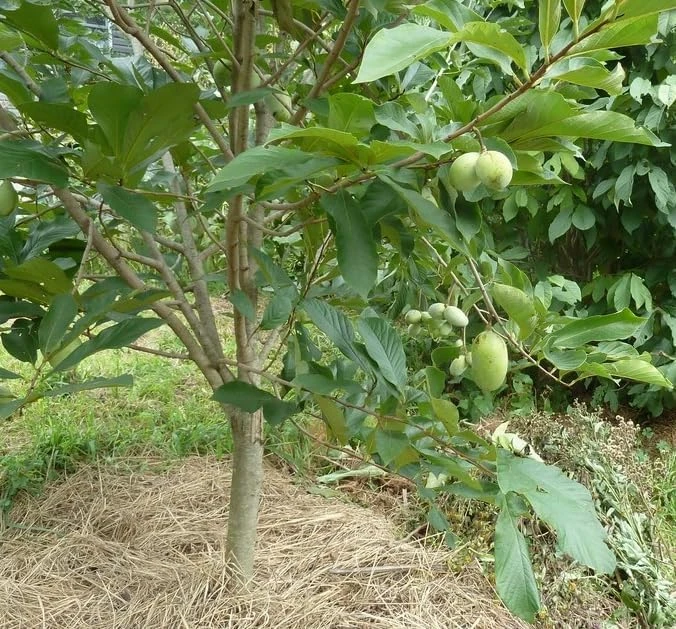
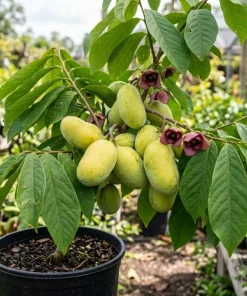
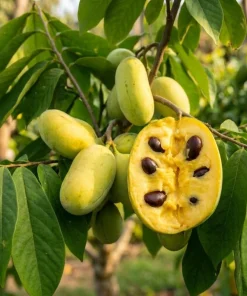
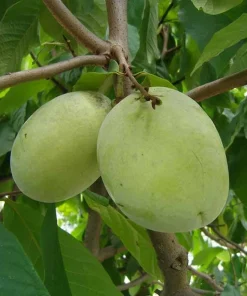
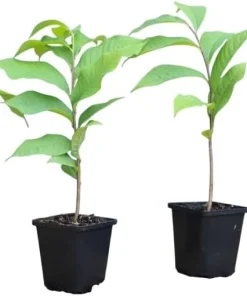
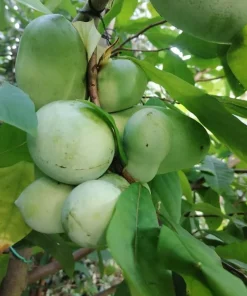
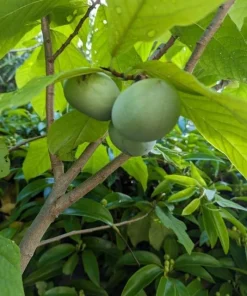
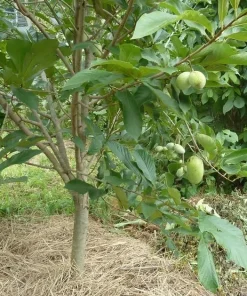
Live Paw Paw Tree Asimina Triloba Plant – Hardy Banana Tree – 6-14 Inches Tall, Quart Pot
Original price was: $41.98.$20.99Current price is: $20.99.
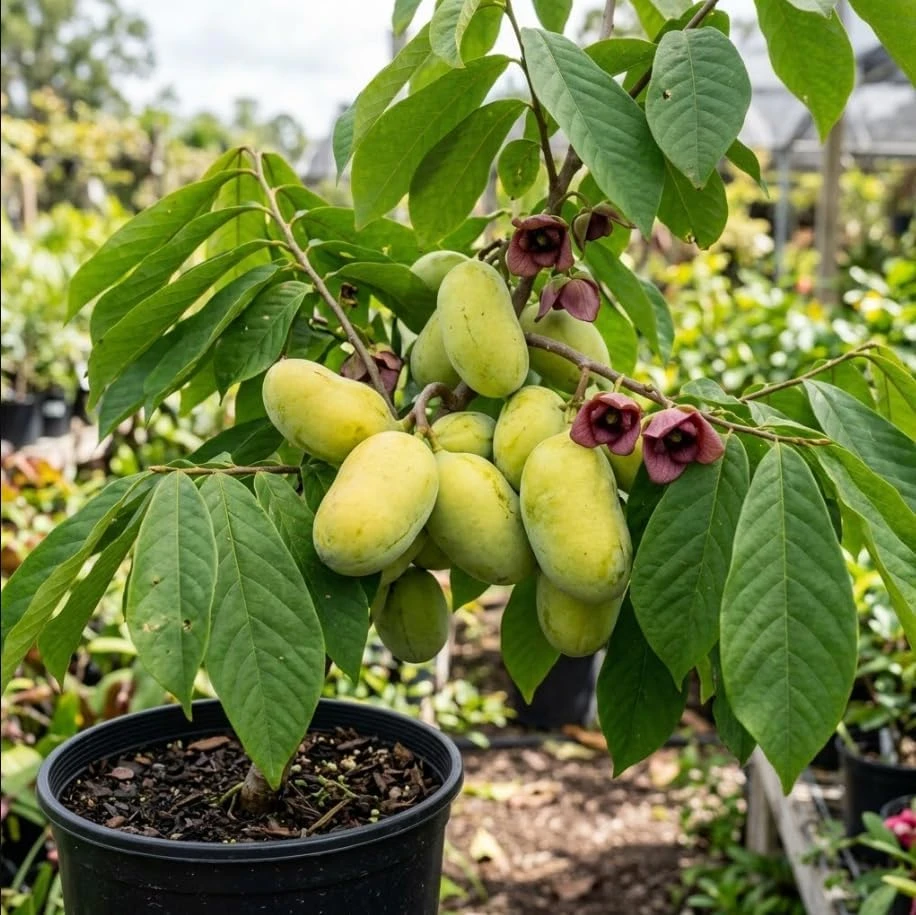
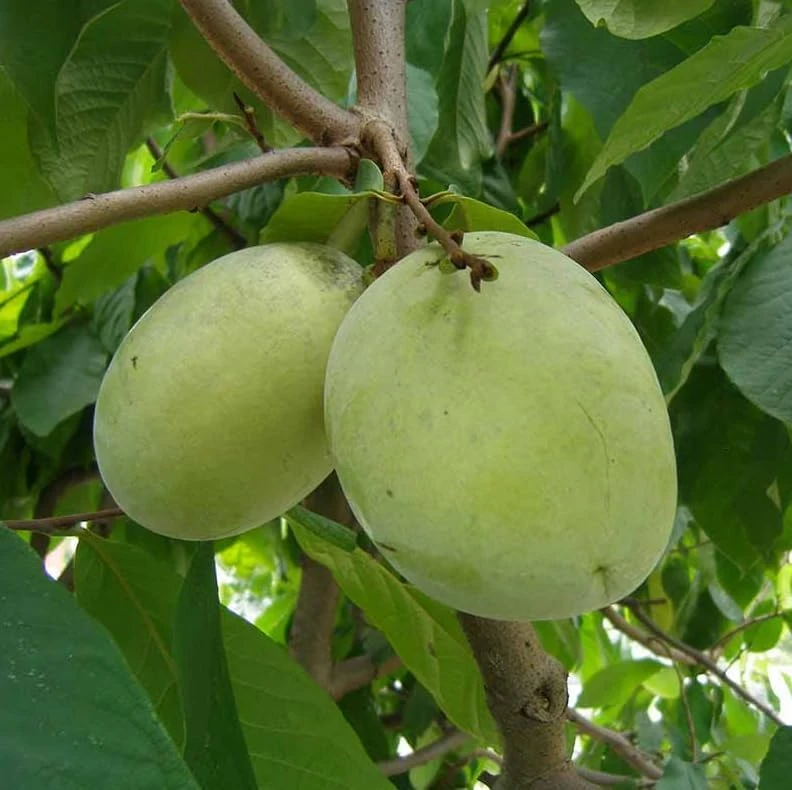
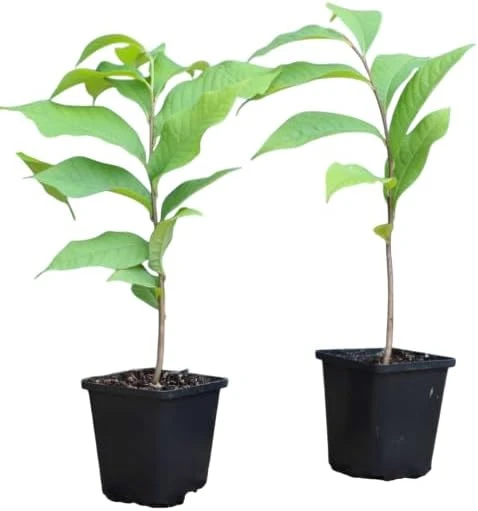
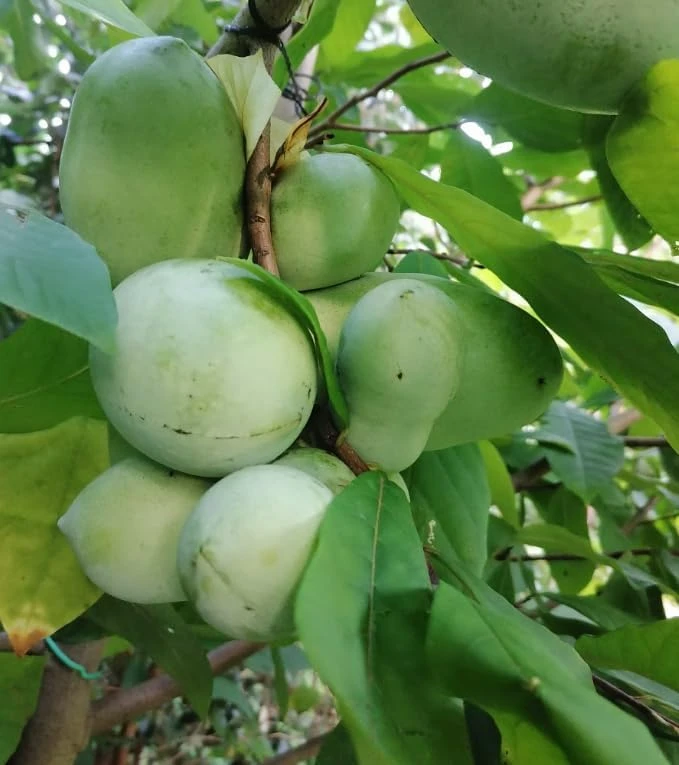
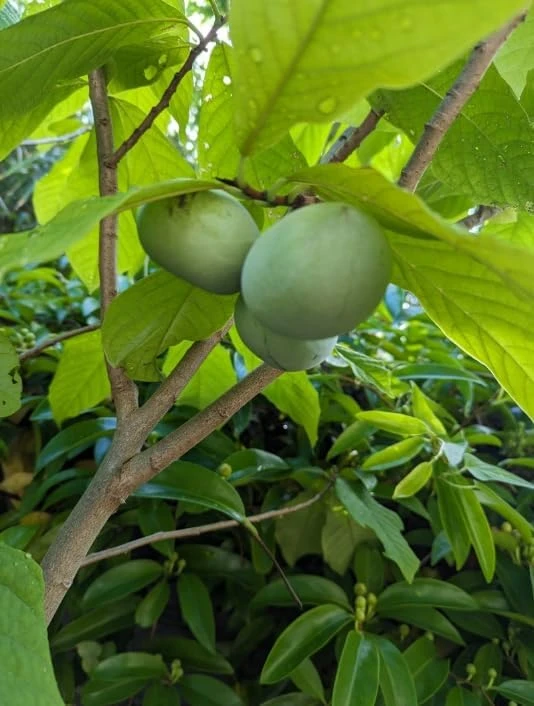
Cultivate your own unique fruit with a paw paw tree live plant. This Asimina triloba tree, also known as a hardy banana tree, arrives as a young starter plant, 6-14 inches tall in a quart pot, ready for your outdoor garden or backyard. Enjoy the process of growing pawpaw trees and eventually harvesting its delicious, tropical-flavored fruit.
Estimated arrival
Oct 14
Oct 19 - Oct 21
Oct 24 - Oct 28
Shop With Confidence
30-Day Plant Health Guarantee
Arrives damaged? We’ll replace it free — see our return policy.
Responsive Support
Email us anytime, we reply within 1 business day.
Expert Packaging
Temperature-controlled shipping to protect your plants in transit.
Secure Checkout
Pay safely with Visa, Mastercard, PayPal.
Plant Specifications
-
USDA Hardiness Zone
USDA zones 5-9 -
Soil Type
Well-draining, fertile soil -
Sunlight Exposure
Partial shade (young); Full sun (mature) -
Expected Planting Period
Spring to early summer
Overview
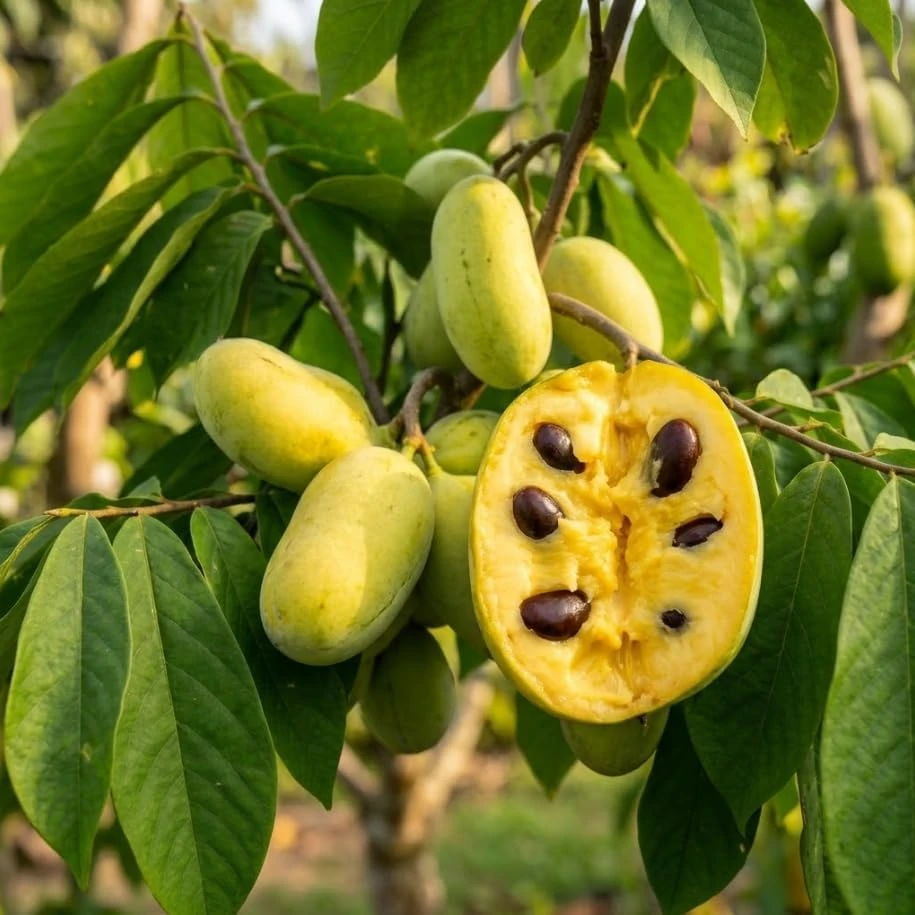
Introduce a truly unique and delicious fruit producer to your landscape with this paw paw tree live plant. Known botanically as Asimina triloba, the Pawpaw tree is a fascinating native American fruit tree, often referred to as the ‘hardy banana tree’ due to its tropical-tasting fruit and ability to thrive in temperate climates. This offering is for a young, vigorous starter plant, carefully cultivated and ready to be established in your outdoor garden, food forest, or backyard landscape. Unlike many common fruit trees, the Pawpaw offers a distinctive flavor profile that combines notes of banana, mango, and pineapple, making it a prized addition for any edible landscape enthusiast. This delightful tree is not only a source of exotic fruit but also provides ecological benefits, attracting local wildlife and contributing to biodiversity.
Your asimina triloba tree will arrive as a 1-year-old specimen, approximately 6–14 inches tall, growing in a quart pot. While it will not have flowers or fruit upon arrival, with proper care and patience, you can look forward to enjoying its unique bounty in a few years. It’s an excellent choice for those looking to diversify their home orchard with a low-maintenance, disease-resistant fruit tree that performs well in a variety of soil conditions once established. Begin your journey of growing pawpaw trees today and look forward to the future harvests of this remarkable native fruit.
Key Benefits
Adding a paw paw tree live plant to your garden provides numerous advantages beyond just its delicious fruit. This resilient tree offers both aesthetic appeal and ecological value, making it a superb choice for a diverse home landscape.
- Unique Fruit Production: Enjoy the distinct, creamy, tropical-flavored fruit that tastes like a blend of banana, mango, and pineapple. This makes the pawpaw fruit tree a standout in any home orchard.
- Native & Hardy: As an indigenous North American tree, it is well-adapted to various climates and more resistant to pests and diseases compared to many non-native fruit trees. It’s a truly hardy banana tree.
- Ecological Value: Pawpaw trees serve as a host plant for the beautiful Zebra Swallowtail butterfly larvae, contributing to local biodiversity and supporting pollinators.
- Shade Tolerance as a Young Plant: Unlike many fruit trees, young Pawpaw trees prefer partial shade, making them suitable for understory planting or areas with dappled sunlight.
- Low Maintenance: Once established, Pawpaws require relatively little care, making them an excellent choice for gardeners seeking rewarding yet easy-to-manage fruit trees.
- Beautiful Foliage: The large, dark green leaves provide an attractive, lush appearance throughout the growing season, turning a vibrant yellow in the fall.
- Drought Resistance: Mature Pawpaw trees exhibit good drought resistance, reducing the need for constant watering once established. This makes growing pawpaw trees a sustainable choice.
Plant Care & Growing Tips
Caring for your paw paw tree live plant is straightforward, especially once it’s established. Understanding its specific needs will ensure a healthy, productive tree. For young plants, partial shade is crucial as direct sun can scorch their leaves. As they mature, they can tolerate more sun, eventually thriving in full sun for optimal fruit production. Aim for at least 6-8 hours of direct sunlight for mature trees. When transplanting, choose a well-draining location with rich, fertile soil. Pawpaws prefer a slightly acidic to neutral pH (5.5-7.0).
Watering is critical during the first few years after planting. Keep the soil consistently moist but never waterlogged. Deep watering once or twice a week, depending on rainfall and temperature, is generally sufficient. Reduce watering in the fall as the tree enters dormancy. Fertilize sparingly in the first year with a balanced, slow-release fertilizer. As the tree matures, you can apply a balanced fruit tree fertilizer in early spring. Pawpaws are generally pest and disease resistant, but monitor for any issues. Protect young trees from deer, who may browse on tender new growth. Understanding these needs is key to successfully growing pawpaw trees.
Pawpaw trees are hardy in USDA Zones 5-9. They require a period of cold dormancy to produce fruit. During winter, your asimina triloba tree may shed its leaves and appear dormant; this is normal and it will resume active growth when temperatures warm in spring. Mulching around the base of the tree helps retain moisture, regulate soil temperature, and suppress weeds. Ensure good air circulation to prevent fungal issues. With these care tips, your hardy banana tree will flourish and provide delicious fruit for years to come.
Size & Details
This offering includes one paw paw tree live plant, specifically an Asimina triloba specimen. The plant will arrive growing in a quart-sized pot, providing a healthy root system ready for transplanting. Each young starter plant measures approximately 6–14 inches tall from the top of the soil, making it an ideal size for establishing in your garden or orchard. This is a 1-year-old plant, meaning it has a solid foundation for continued growth.
Please note that as a young starter plant, your asimina triloba tree will not have flowers or fruit upon arrival. Pawpaw trees typically begin producing their unique fruit in approximately 2–4 years after establishment, given proper planting, watering, and sunlight conditions. The growth rate is moderate, reaching mature heights of 15-20 feet with a similar spread. This pawpaw fruit tree is shipped as a potted plant, ensuring minimal stress during transit and an easier transition to its new home. Prepare for the delightful experience of growing pawpaw trees and enjoying their future yields.
Frequently Asked Questions
- Q: How big does this plant get and what size pot does it come in? A: Your paw paw tree live plant will arrive approximately 6-14 inches tall, growing in a quart-sized pot. Mature trees can reach heights of 15-20 feet with a similar spread in optimal conditions.
- Q: Is this an indoor or outdoor plant? How much sunlight does it need? A: This is primarily an outdoor plant. Young asimina triloba tree prefer partial shade, especially during their first year. As they mature, they thrive in full sun (6-8 hours daily) for best fruit production.
- Q: Is this plant easy to care for? Is it good for beginners? A: Yes, once established, pawpaw trees are relatively low-maintenance and disease-resistant, making them a good choice for both experienced and beginner gardeners interested in growing pawpaw trees.
- Q: What condition will it arrive in? Is it shipped in soil? A: Your hardy banana tree will arrive as a healthy, live starter plant, carefully packaged in its quart pot with soil, ready for transplanting. It may be dormant if ordered during winter.
- Q: How long until it blooms and produces fruit? A: As a young starter plant, it will not have flowers or fruit upon arrival. Pawpaw trees typically begin producing fruit 2-4 years after successful establishment in your garden.
- Q: Will it survive winter in my zone? What’s the minimum temperature? A: Pawpaw trees are quite hardy and thrive in USDA Zones 5-9. They require a cold dormancy period and can tolerate winter temperatures well within these zones.
- Q: Can I plant just one pawpaw tree? A: While some varieties are self-fertile, for optimal fruit production and larger yields, it is highly recommended to plant at least two different Pawpaw varieties for cross-pollination. This will significantly increase your chances of getting a good harvest from your pawpaw fruit tree.
- Q: What kind of soil does this tree prefer? A: Pawpaw trees prefer deep, fertile, well-draining soil with a slightly acidic to neutral pH (5.5-7.0). Amending heavy clay soils with organic matter is beneficial.
- Q: Is this tree susceptible to many pests or diseases? A: The asimina triloba tree is known for its strong resistance to most common pests and diseases, making it a relatively trouble-free fruit tree for home gardeners.
- Q: When is the best time to plant a pawpaw tree? A: The best time to plant your paw paw tree live plant is in spring after the last frost, or in early fall before the ground freezes, allowing it time to establish its root system.
Be the first to review “Live Paw Paw Tree Asimina Triloba Plant – Hardy Banana Tree – 6-14 Inches Tall, Quart Pot”
People Also Viewed

Trees
Chemlali Olive Tree Live Plant Starter Plug – Olea europaea ‘Chemlali’ – Resilient & Productive
Reviews
There are no reviews yet.