

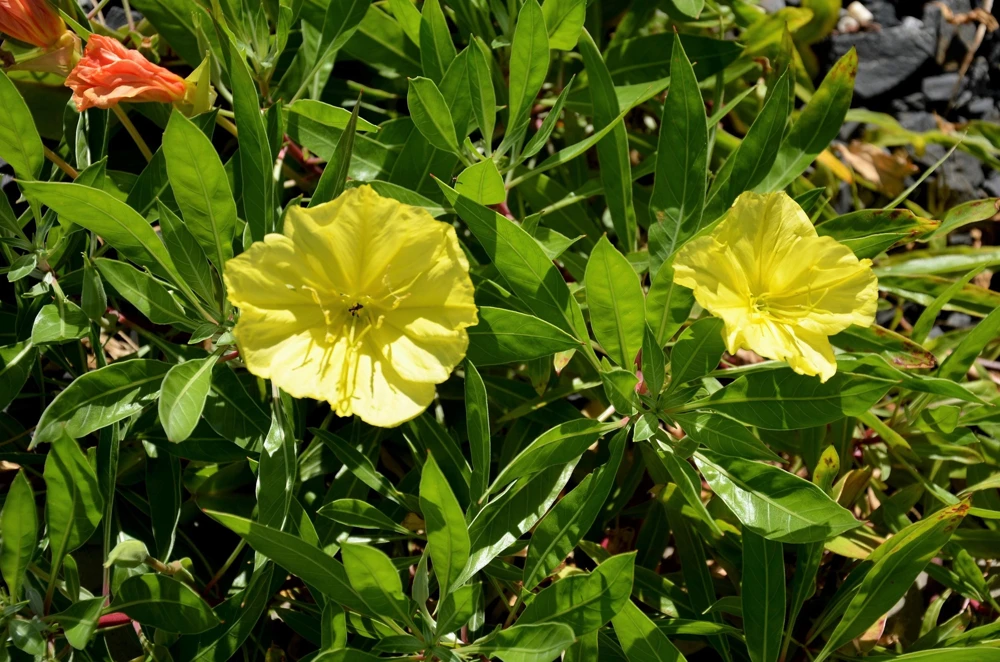
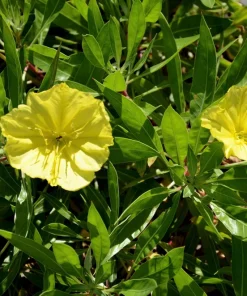
150 Dwarf Evening Primrose Seeds – Missouri Primrose, Oenothera Macrocarpa, Yellow Flowers, Zones 3-9
Original price was: $36.99.$16.99Current price is: $16.99.
Cultivate stunning dwarf evening primrose seeds for a vibrant garden display. These Missouri Primrose seeds produce large, fragrant yellow flowers that attract bees and butterflies while being deer resistant. Ideal for adding native beauty to your landscape.
Estimated arrival
Sep 17
Sep 22 - Sep 24
Sep 27 - Oct 01
Shop With Confidence
30-Day Plant Health Guarantee
Arrives damaged? We’ll replace it free — see our return policy.
Responsive Support
Email us anytime, we reply within 1 business day.
Expert Packaging
Temperature-controlled shipping to protect your plants in transit.
Secure Checkout
Pay safely with Visa, Mastercard, PayPal.
Plant Specifications
-
USDA Hardiness Zone
3 - 9 -
Soil Type
Average - Dry, well-draining soil -
Sunlight Exposure
Full Sun (Part Shade) -
Expected Planting Period
Outdoors after frost / Indoors weeks before last frost / Spring or Fall
Overview
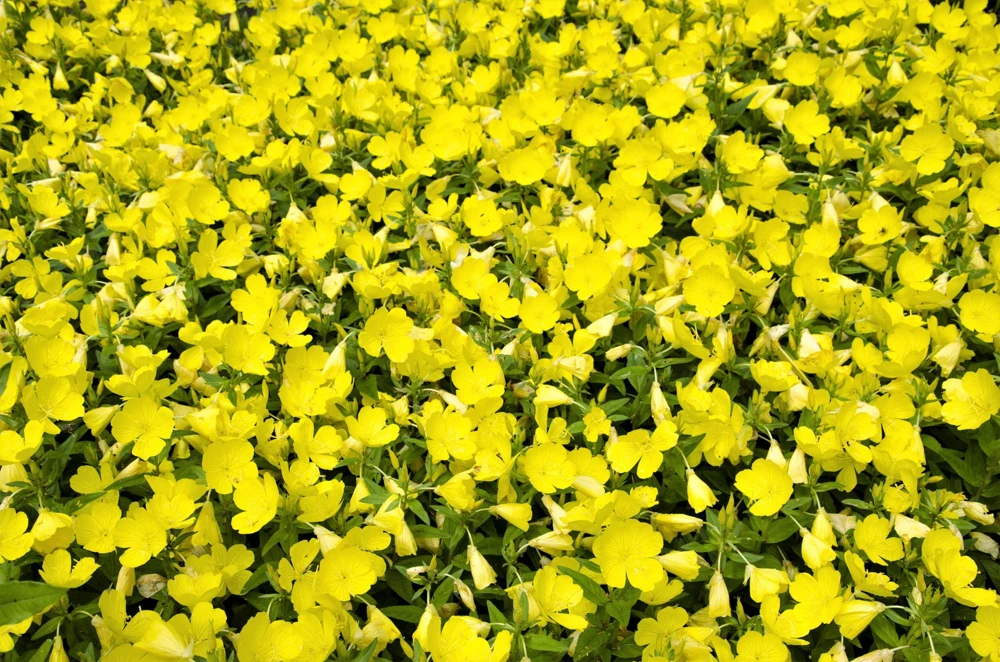
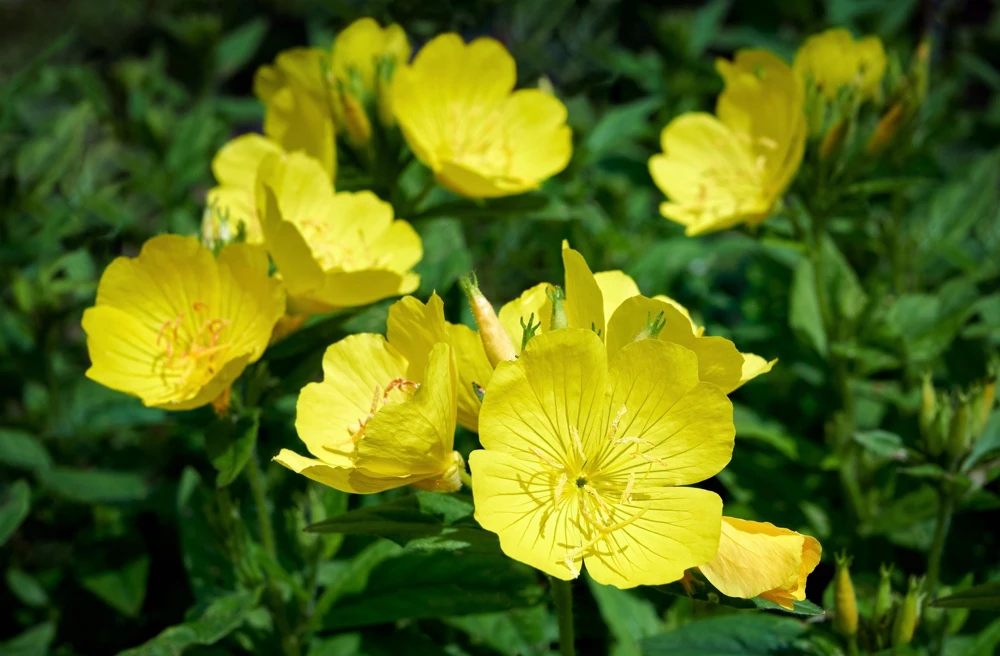
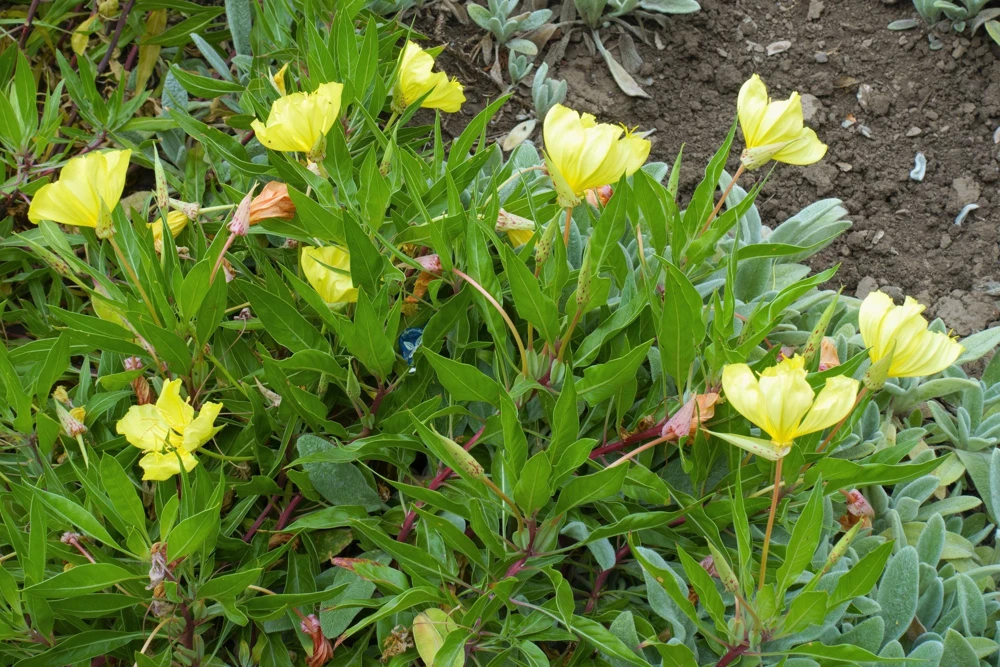
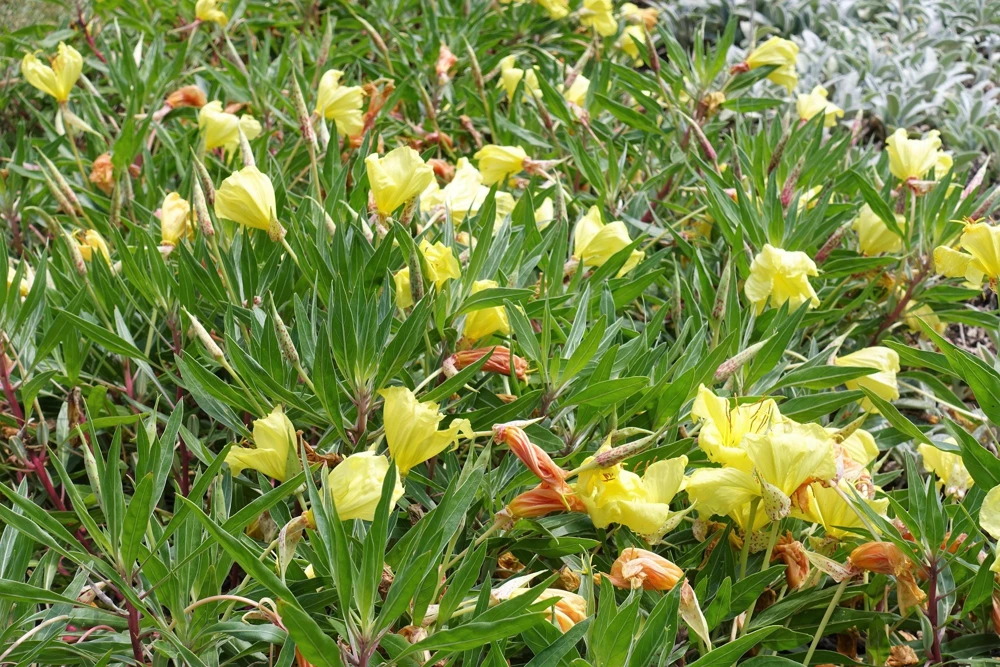
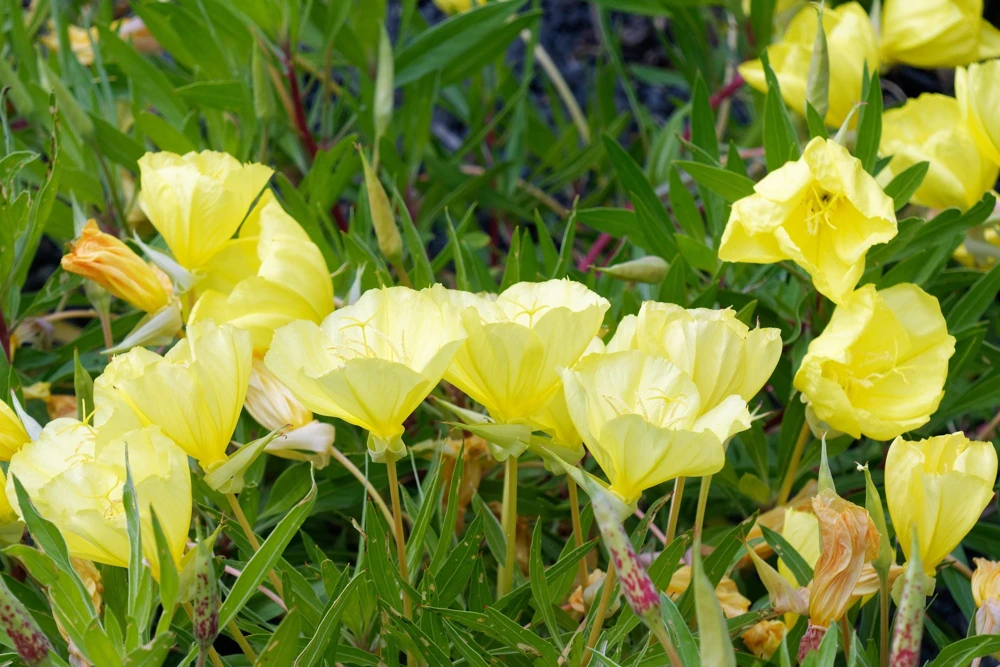
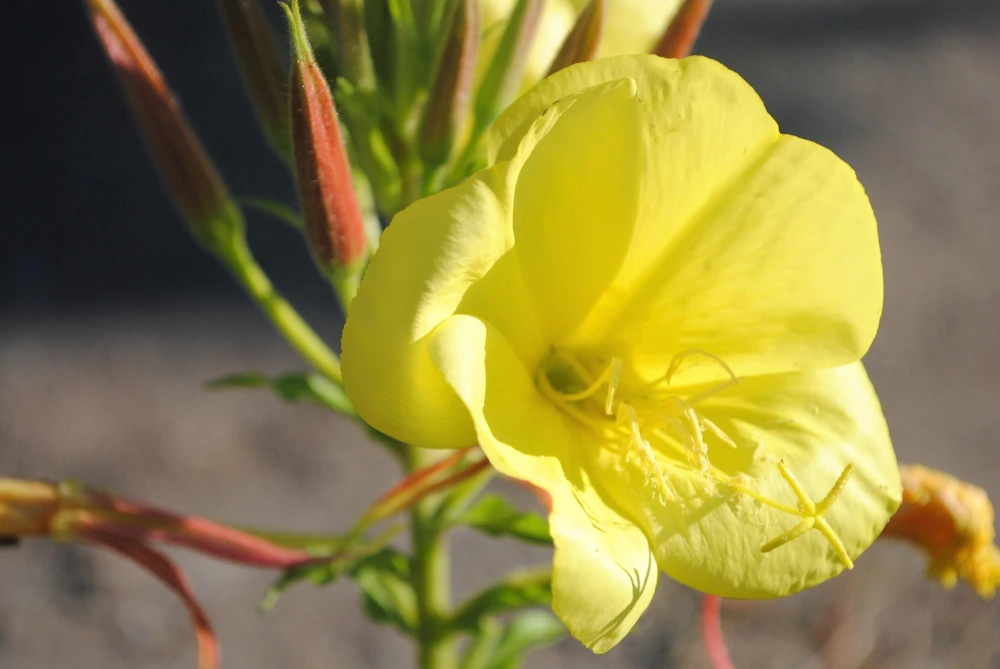
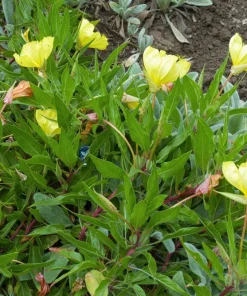
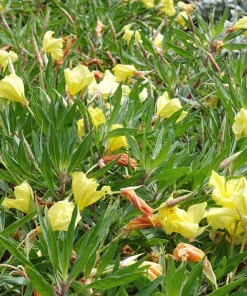
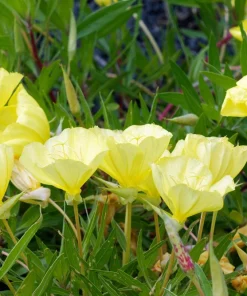
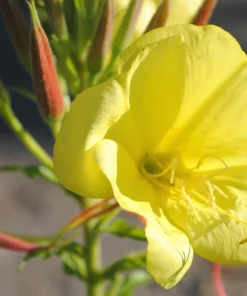
Introduce a touch of native American beauty to your garden with our premium dwarf evening primrose seeds. Also known as Missouri Primrose seeds or Ozark Sundrops, Oenothera macrocarpa is a charming perennial celebrated for its large, bright yellow, cup-shaped flowers. Despite its common name, these delightful blossoms often open during the day, providing a continuous show of color from early to late summer. Each packet contains 150 high-quality seeds, ready to transform your outdoor space into a pollinator’s paradise. This robust native plant is not only visually appealing but also incredibly resilient, thriving in a variety of conditions and requiring minimal maintenance once established. The huge 3-5 inch fragrant flowers are a magnet for bees and butterflies, contributing to the ecological health of your garden. Furthermore, its deer-resistant nature makes it an excellent choice for gardens where wildlife might otherwise be an issue.
The dwarf evening primrose seeds are perfect for gardeners looking to create a naturalized look, add vibrant color to rock gardens, or plant along pathways. Its spreading habit creates a beautiful groundcover effect, suppressing weeds and providing a lush green backdrop for its cheerful yellow blooms. These seeds offer an opportunity to grow a truly unique and beneficial plant from scratch, allowing you to witness the full life cycle of this remarkable species. With a hardiness range spanning USDA Zones 3-9, the Oenothera macrocarpa seeds are suitable for a wide range of climates across the United States. Embrace sustainable gardening practices by incorporating this beautiful native flower into your landscape design.
Key Benefits
Growing dwarf evening primrose seeds offers a multitude of advantages for both the gardener and the environment. These low-maintenance plants provide stunning visual appeal and contribute positively to local ecosystems.
- Vibrant Yellow Blooms: Enjoy a continuous display of large, bright yellow flowers throughout the summer. These eye-catching blooms create a cheerful atmosphere and are a focal point in any garden setting.
- Attracts Pollinators: The fragrant flowers are a significant draw for essential pollinators like bees and butterflies, helping to support local biodiversity and ensuring the health of your garden.
- Deer Resistant: A practical choice for areas prone to deer browsing, Missouri Primrose seeds grow into plants that are generally ignored by deer, ensuring your hard work isn’t undone.
- Native Plant: As a native species, Oenothera macrocarpa is well-adapted to local conditions, requiring less intervention and supporting native wildlife. This also means it’s an excellent option for those interested in deer resistant native plants.
- Drought Tolerant: Once established, these plants are remarkably tolerant of dry conditions, making them ideal for xeriscaping or gardens in arid regions, reducing the need for frequent watering.
- Low Maintenance: These primrose plants are easy to care for, thriving with minimal fuss and requiring little more than occasional watering during prolonged dry spells.
- Long Bloom Period: The flowering season extends from early to late summer, providing months of continuous color and interest in your garden.
Plant Care & Growing Tips
Cultivating dwarf evening primrose seeds is a rewarding experience, as these plants are known for their resilience and adaptability. To ensure successful germination and robust growth, consider the following care and growing tips. For optimal results, plant these Oenothera macrocarpa seeds outdoors after the last frost in spring, or indoors several weeks before the last frost for an earlier start. They can also be sown in the fall for spring germination. The plants thrive in full sun to part shade, meaning they prefer at least 6 hours of direct sunlight per day but can tolerate some afternoon shade, especially in hotter climates. Adequate sunlight is crucial for abundant flowering, so choose a well-exposed location.
When it comes to soil, Missouri Primrose seeds prefer average to dry conditions. Well-draining soil is paramount to prevent root rot, as these plants do not tolerate consistently wet feet. They are adaptable to various soil types, including sandy, loamy, or even rocky soils, as long as drainage is good. Once established, these plants are quite drought-tolerant and will only require supplemental watering during extended dry periods. Overwatering should be avoided. The ideal hardiness range for these yellow flower seeds is USDA Zones 3-9, indicating their ability to withstand a wide range of winter temperatures. They are robust perennials that will return year after year, offering consistent beauty.
While generally disease and pest-resistant, good air circulation can help prevent any potential fungal issues. Fertilization is typically not necessary, as these native plants are accustomed to less fertile soils. Deadheading spent blooms can encourage more flowering, though it’s not strictly required. With proper care, your dwarf evening primrose seeds will flourish into a captivating display, adding vibrant color and supporting local wildlife. These deer resistant native plants are an excellent choice for a sustainable and beautiful garden.
Size & Details
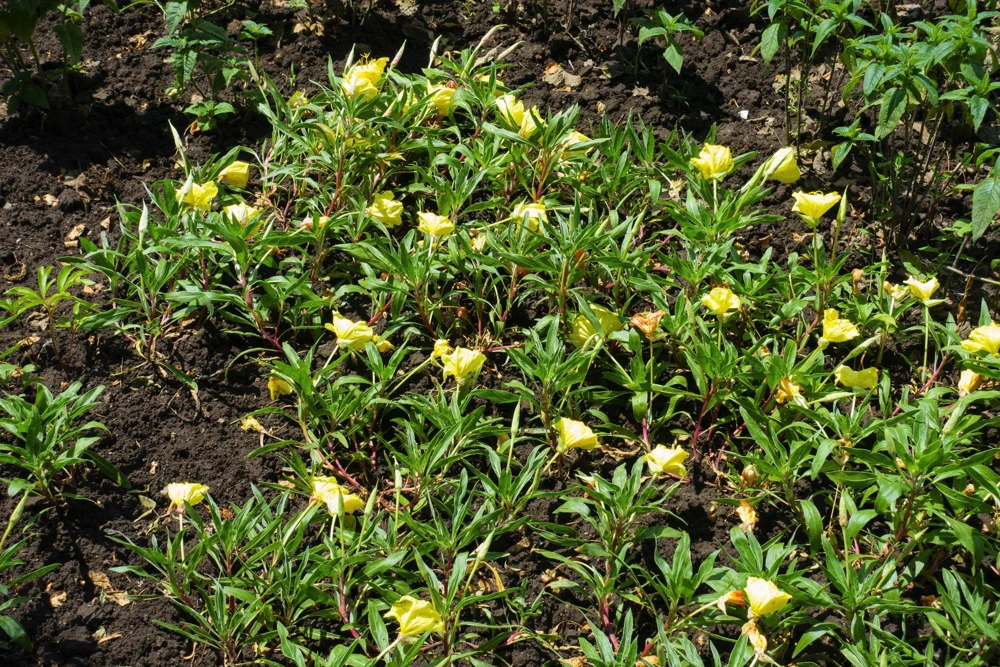
Our offering includes a generous quantity of dwarf evening primrose seeds, ensuring you have plenty to establish a beautiful patch in your garden. Each packet contains 150 seeds, providing ample opportunity for successful germination and growth. Once mature, these plants typically reach a height of 6-12 inches, creating a lovely, compact groundcover or border plant. When planting, aim for a spacing of 12-15 inches between individual plants to allow for healthy development and spread. The large, fragrant yellow flowers measure an impressive 3-5 inches across, making a significant visual impact despite the plant’s dwarf stature. These Oenothera macrocarpa seeds are shipped in a protective packet, ready for planting upon arrival.
The bloom time for the Missouri Primrose seeds extends from early to late summer, offering a long season of vibrant color. They are hardy in USDA Zones 3-9, showcasing their adaptability to various climates. These perennial plants will establish themselves and return reliably each year, often spreading gently to form attractive clumps. Their adaptability to average to dry soil and preference for full sun to part shade makes them a versatile addition to many garden designs, especially for those seeking yellow flower seeds that are also low-maintenance and robust. Expect to see initial blooms in the first year if sown early, with a more prolific display in subsequent years as the plant matures.
Frequently Asked Questions
- Q: How big does this plant get? A: The dwarf evening primrose seeds grow into plants that typically reach a height of 6-12 inches and spread about 12-15 inches wide, forming a compact and attractive clump.
- Q: Is this an indoor or outdoor plant? A: The Missouri Primrose seeds are intended for outdoor cultivation. They thrive in garden beds, rock gardens, and borders, preferring full sun to part shade.
- Q: How much sunlight does it need? A: These plants perform best in full sun, meaning at least 6 hours of direct sunlight daily. They can tolerate some partial shade, especially in hotter climates, but may produce fewer blooms.
- Q: Is this plant easy to care for? A: Yes, the Oenothera macrocarpa seeds produce very easy-to-care-for plants. They are drought-tolerant and require minimal maintenance once established, making them excellent for beginners and busy gardeners.
- Q: What condition will the seeds arrive in? A: The dwarf evening primrose seeds will arrive carefully packaged in a protective seed packet, ensuring their viability and readiness for planting.
- Q: How long until it blooms? A: If sown early in the spring, you may see some blooms in the first year. However, a more prolific and established bloom will typically occur in the second year and beyond.
- Q: When is the best time to plant? A: You can plant yellow flower seeds outdoors after the last frost in spring, or start them indoors weeks before the last frost. Fall planting is also an option for spring germination.
- Q: Will it survive winter in my zone? A: The dwarf evening primrose seeds are hardy in USDA Zones 3-9, meaning they are well-equipped to survive winters in a wide range of climates. They are a reliable perennial.
- Q: Are these deer resistant native plants? A: Yes, a significant benefit of these plants is their natural resistance to deer. They are native to North America and are generally not a preferred food source for deer.
- Q: Do these flowers really bloom in the evening? A: Despite the common name, these particular dwarf evening primrose seeds produce flowers that typically bloom during the daytime, offering a beautiful display when you can most enjoy them.
Be the first to review “150 Dwarf Evening Primrose Seeds – Missouri Primrose, Oenothera Macrocarpa, Yellow Flowers, Zones 3-9”
People Also Viewed
Houseplants
Tradescantia Sillamontana Variegata Live Plant – White Velvet Spiderwort, 4 inch Pot, Indoor/Outdoor

Reviews
There are no reviews yet.