
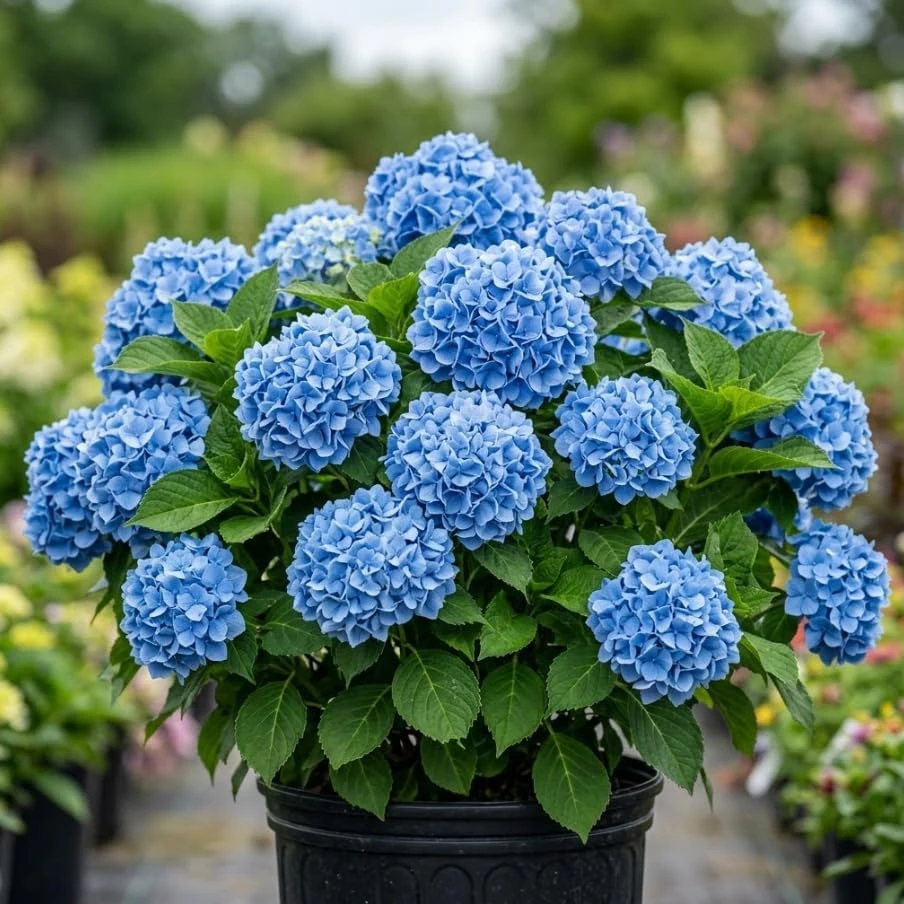
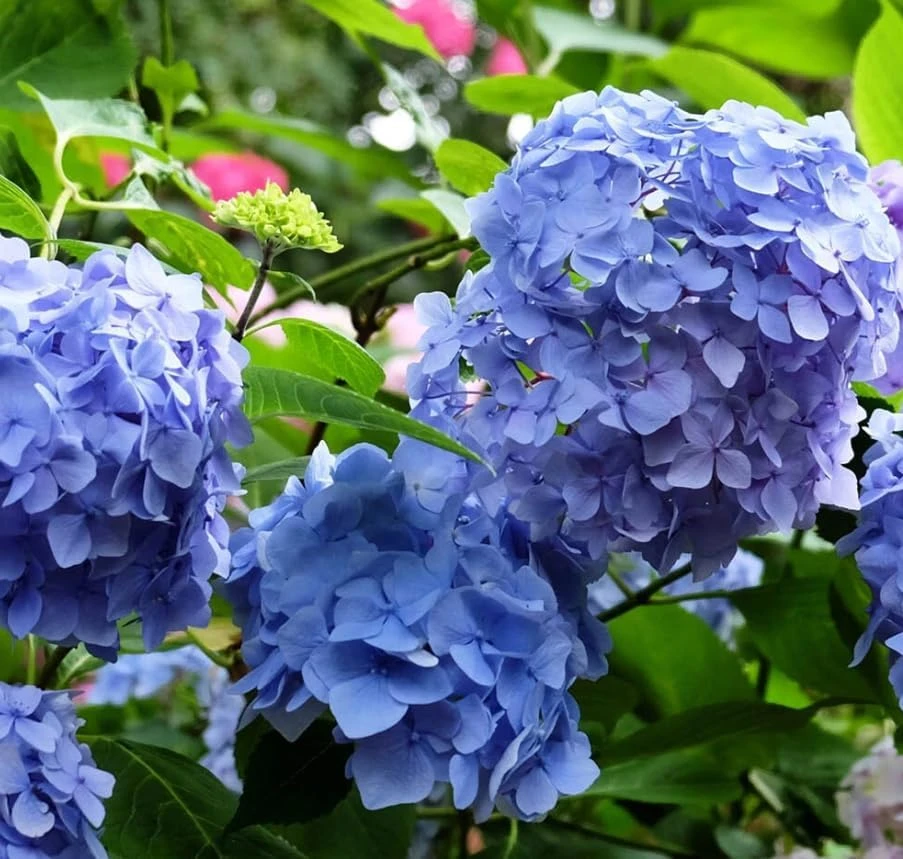
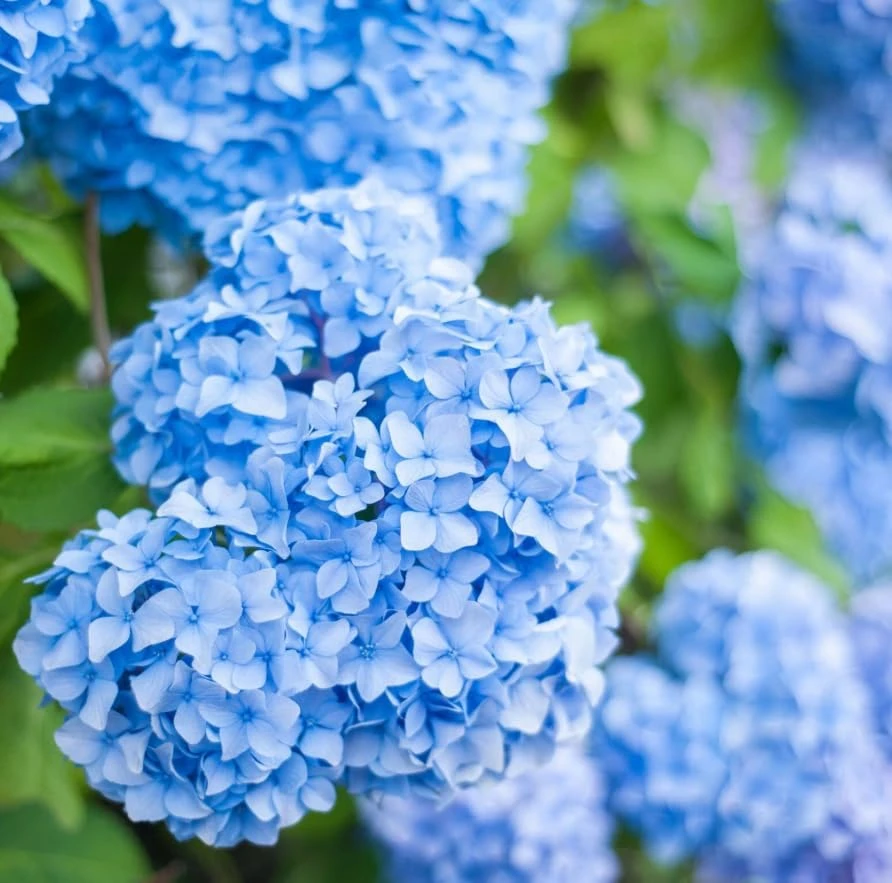
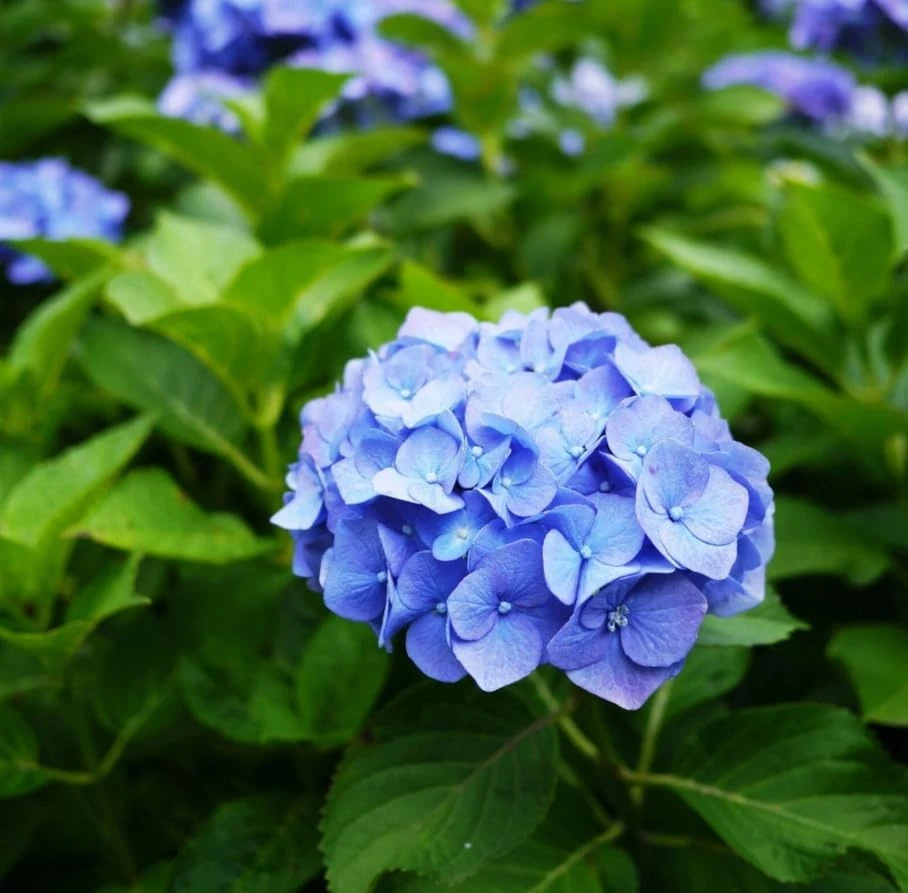
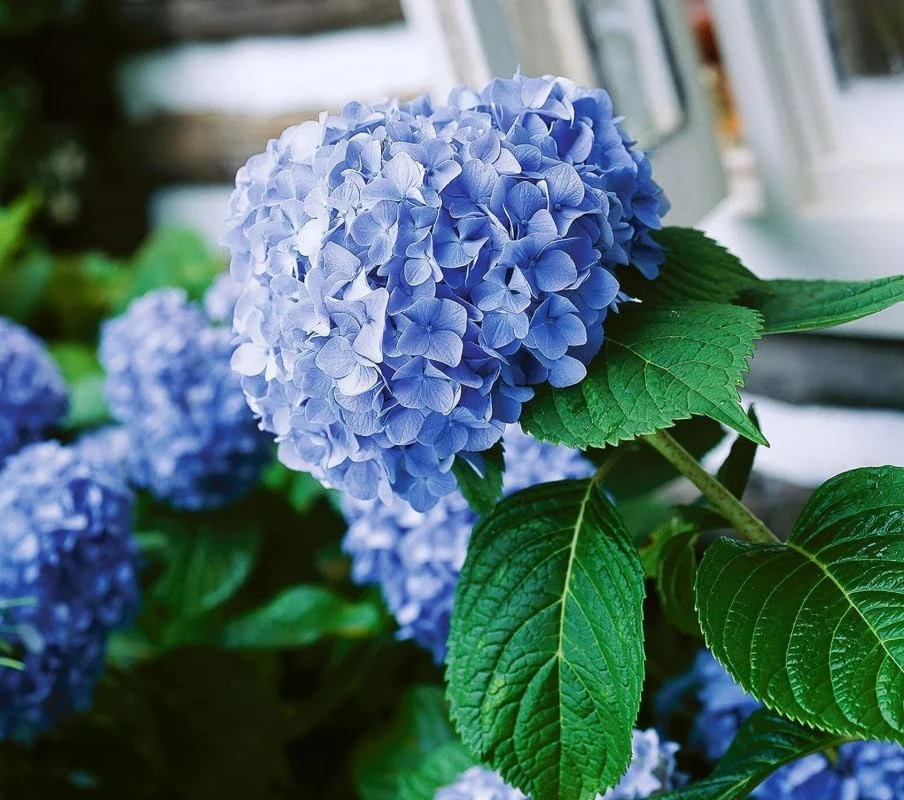
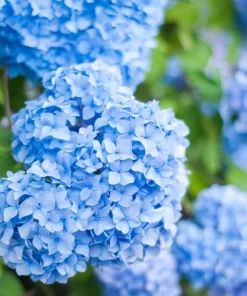
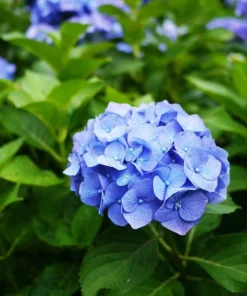
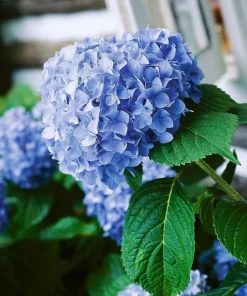
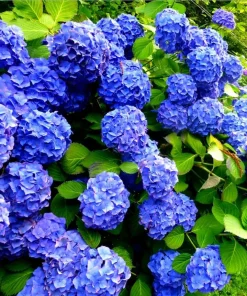
Blue Hydrangea Live Plant – Large Ball Flowers Bush, 6-12″ Tall Qt Pot
Original price was: $33.98.$16.99Current price is: $16.99.
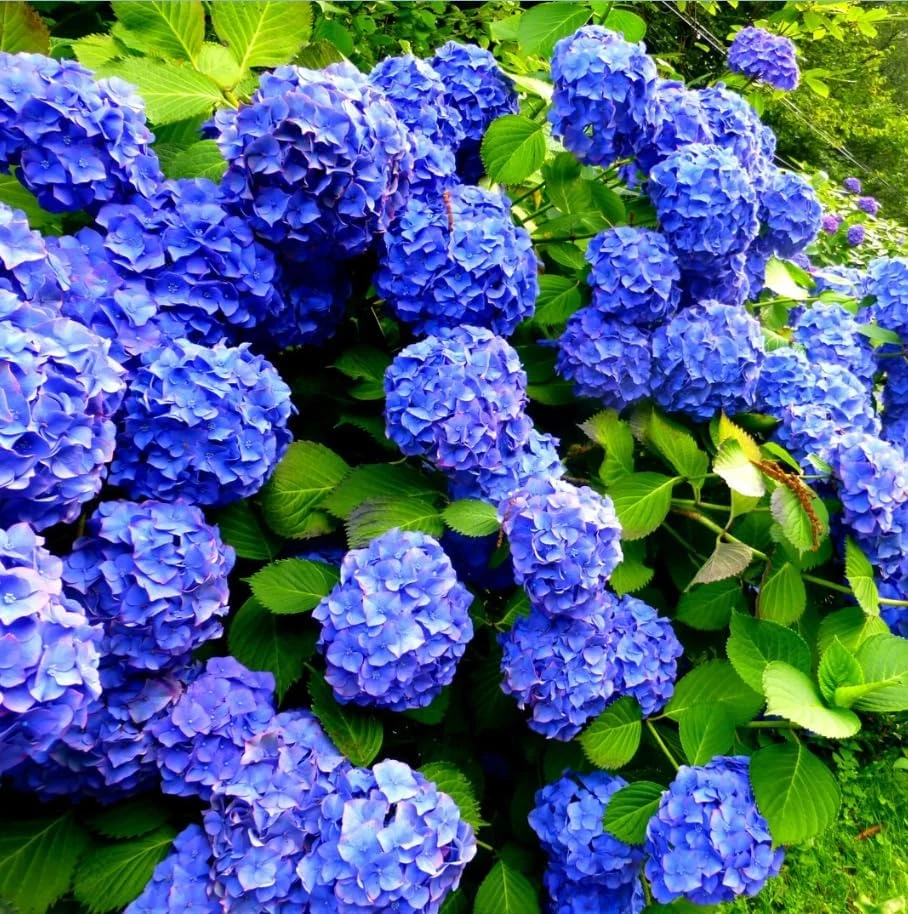
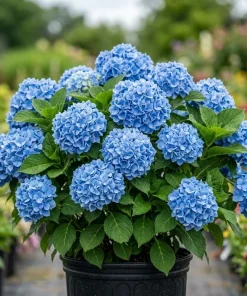
Introduce stunning beauty to your garden with this blue hydrangea live plant. Featuring large, ball-shaped flowers that can change color, this 6-12 inch tall plant arrives in a quart pot, ready to thrive outdoors. Perfect for borders, accents, or container gardening.
Estimated arrival
Oct 14
Oct 19 - Oct 21
Oct 24 - Oct 28
Shop With Confidence
30-Day Plant Health Guarantee
Arrives damaged? We’ll replace it free — see our return policy.
Responsive Support
Email us anytime, we reply within 1 business day.
Expert Packaging
Temperature-controlled shipping to protect your plants in transit.
Secure Checkout
Pay safely with Visa, Mastercard, PayPal.
Plant Specifications
-
USDA Hardiness Zone
USDA zones 5-9 -
Soil Type
Well-draining, rich in organic matter -
Sunlight Exposure
Partial sun (morning sun, afternoon shade) -
Expected Planting Period
Spring to early summer
Overview
Transform your outdoor space with a spectacular blue hydrangea live plant. This exquisite shrub is celebrated for its magnificent, large, ball-shaped flower clusters that add a touch of elegance and vibrant color to any garden or patio. Each plant is carefully cultivated to ensure a robust and healthy specimen, ready to establish itself in your landscape. Hydrangeas, particularly the macrophyllas like this variety, are known for their captivating ability to change bloom color based on soil pH, offering a dynamic display throughout the growing season. This makes the blue hydrangea live plant a truly unique and rewarding addition for both novice and experienced gardeners seeking a show-stopping feature.
The allure of the hydrangea lies not only in its visual impact but also in its potential for fragrance, creating an inviting atmosphere in your garden. This particular variety promises impressive blooms that can range from vivid blues to purples or even pinks, depending on your soil’s acidity. Arriving as a well-rooted plant, it provides an excellent foundation for a thriving, long-lived shrub that will bring joy for many seasons to come. Discover the charm and versatility of this beloved garden classic.
Key Benefits
Beyond its undeniable aesthetic appeal, the blue hydrangea live plant offers numerous benefits for your outdoor environment and gardening experience. Its robust nature and stunning floral displays make it a highly desirable choice for various landscape designs.
-
Spectacular Floral Display: Enjoy large, lush, ball-shaped flower clusters that create an immediate visual impact. These abundant blooms are perfect for adding dramatic color and texture to your garden beds or as a focal point.
-
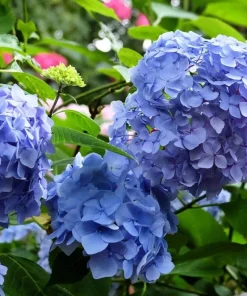
Color-Changing Blooms: Experience the fascinating phenomenon of changing bloom colors. Depending on the soil’s pH level, your hydrangea flowers can shift from vibrant blues to charming purples or even soft pinks, offering a dynamic and ever-evolving display.
-
Fragrant Garden Addition: Many hydrangea varieties, including this one, can offer a subtle, pleasant fragrance, enhancing the sensory experience of your garden and attracting beneficial pollinators.
-
Versatile Landscaping Plant: Ideal for a variety of uses, this large ball hydrangea can serve as a striking border plant, a beautiful accent in mixed beds, or an elegant container plant for patios and porches, adding beauty wherever it’s placed.
-
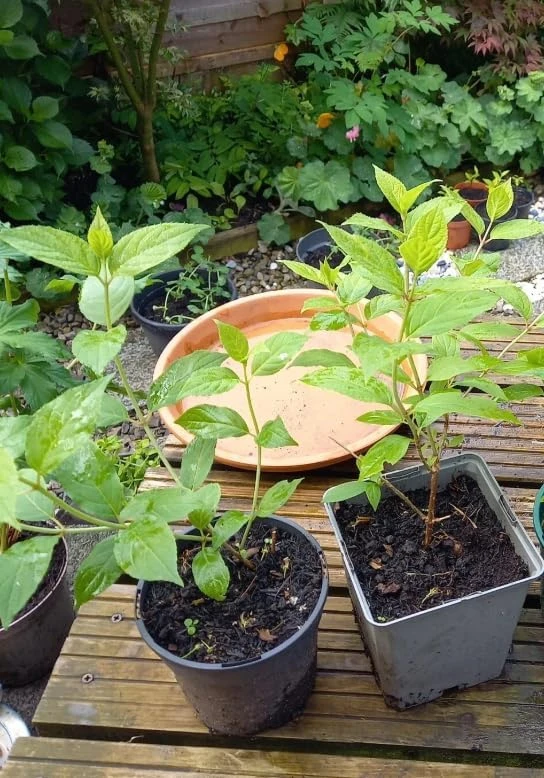
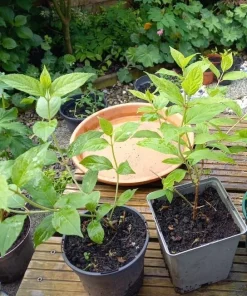
Well-Established for Easy Thriving: Shipped in a quart pot and standing 6-12 inches tall, this hydrangea is a well-established starter plant, ready to grow vigorously with proper care and quickly become a prominent feature in your landscape.
-
Low Maintenance Beauty: Once established, hydrangeas are relatively low-maintenance, requiring consistent watering and occasional feeding to produce their magnificent blooms, making them a rewarding choice for busy gardeners.
Plant Care & Growing Tips
Caring for your blue hydrangea live plant is straightforward and rewarding, leading to abundant, vibrant blooms. These plants generally prefer a location with morning sun and afternoon shade, especially in warmer climates, to protect their delicate flowers and foliage from scorching. Aim for at least 4-6 hours of morning sunlight. In cooler regions, they can tolerate more sun exposure. Proper watering is crucial; hydrangeas are thirsty plants. Keep the soil consistently moist, but not waterlogged, particularly during dry spells and when the plant is actively blooming. Deep watering two to three times a week is often more effective than shallow daily watering.
The ideal soil for a fragrant hydrangea bush is well-draining, rich in organic matter, and slightly acidic for the most vivid blue colors. If your soil is alkaline, you can amend it with sulfur or peat moss, or use aluminum sulfate to help achieve or maintain blue blooms. For pink blooms, lime can be added to raise the pH. Fertilize in early spring with a slow-release granular fertilizer formulated for flowering shrubs, or one specifically designed for hydrangeas. Deadhead spent blooms to encourage more flowering and maintain a tidy appearance. Pruning should generally be done after flowering for bigleaf hydrangeas, removing only dead or weak stems.
These hydrangeas are typically hardy in USDA zones 5-9. In colder zones, provide winter protection by mulching heavily around the base of the plant. Watch out for common pests like aphids or spider mites, which can usually be managed with insecticidal soap. With consistent care and attention to their light, water, and soil preferences, your changing bloom hydrangea will flourish, providing a spectacular show year after year.
Size & Details
This blue hydrangea live plant arrives as a healthy, thriving specimen, carefully packaged for safe transit. Each plant is shipped in a quart (qt) pot, providing a substantial root system to ensure a smooth transition to your garden or larger container. The plant stands approximately 6-12 inches tall from the top of the soil, making it a well-established starter plant rather than a small seedling. Hydrangeas are known for their moderate growth rate, and with proper care, this shrub will quickly mature into a robust and floriferous bush, typically reaching a mature height and spread of 3-6 feet, depending on the variety and growing conditions. Expect your outdoor hydrangea plant to begin producing its characteristic large, ball-shaped flowers within its first or second growing season, bringing vibrant color and texture to your landscape.
Frequently Asked Questions
-
Q: How big does this blue hydrangea live plant get? A: This hydrangea typically grows to a mature height and spread of 3-6 feet. The size can vary slightly depending on your climate, soil conditions, and pruning habits.
-
Q: What size pot does it come in? A: Each blue hydrangea live plant is shipped in a quart (qt) sized nursery pot, providing a strong root base for transplanting.
-
Q: Is this an indoor or outdoor plant? A: This is primarily an outdoor plant, suitable for garden beds, borders, and large outdoor containers. While it can be enjoyed indoors briefly for its blooms, it thrives best in an outdoor environment.
-
Q: How much sunlight does it need? A: This hydrangea prefers a location with morning sun and afternoon shade, especially in hotter climates. Aim for 4-6 hours of morning sunlight to encourage optimal blooming and prevent leaf scorch.
-
Q: Is this plant easy to care for? A: Yes, hydrangeas are generally considered easy to care for once established. They require consistent moisture and a suitable location but are otherwise quite resilient.
-
Q: What condition will it arrive in? A: Your fragrant hydrangea bush will arrive as a healthy, well-rooted, live plant in its quart pot, ready for planting. We take great care in packaging to ensure its safe arrival.
-
Q: How long until it blooms? A: This well-established starter plant may produce flowers in its first growing season, but will certainly offer abundant blooms in its second season as it matures.
-
Q: Can the blooms really change color? A: Yes, the large ball hydrangea flowers can change color. Blue blooms occur in acidic soil, while pink blooms appear in alkaline soil. You can amend your soil to influence the color.
-
Q: Will this changing bloom hydrangea survive winter? A: This variety is generally hardy in USDA Zones 5-9. In colder zones, it will benefit from winter protection like mulching or wrapping.
-
Q: What type of soil is best for this outdoor hydrangea plant? A: Hydrangeas prefer well-draining soil that is rich in organic matter. For blue flowers, aim for slightly acidic soil; for pink, slightly alkaline.
Be the first to review “Blue Hydrangea Live Plant – Large Ball Flowers Bush, 6-12″ Tall Qt Pot”
People Also Viewed
Reviews
There are no reviews yet.