
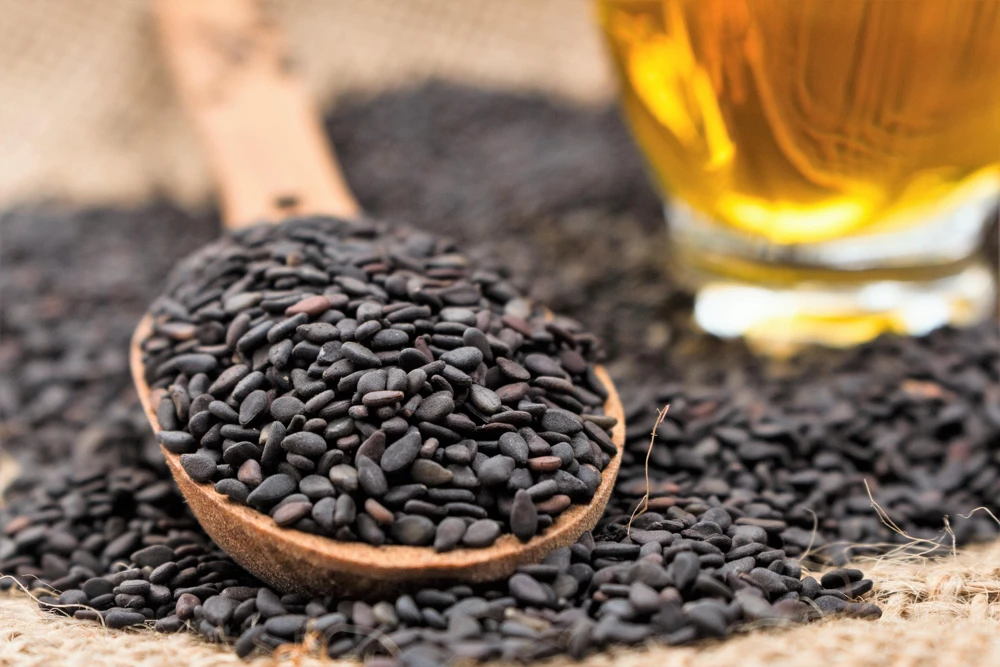
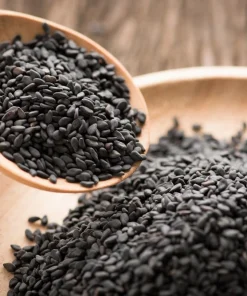
Black Sesame Seeds – Sesamum Indicum Vegetable Flower – 1500 Seeds
Original price was: $36.99.$16.99Current price is: $16.99.
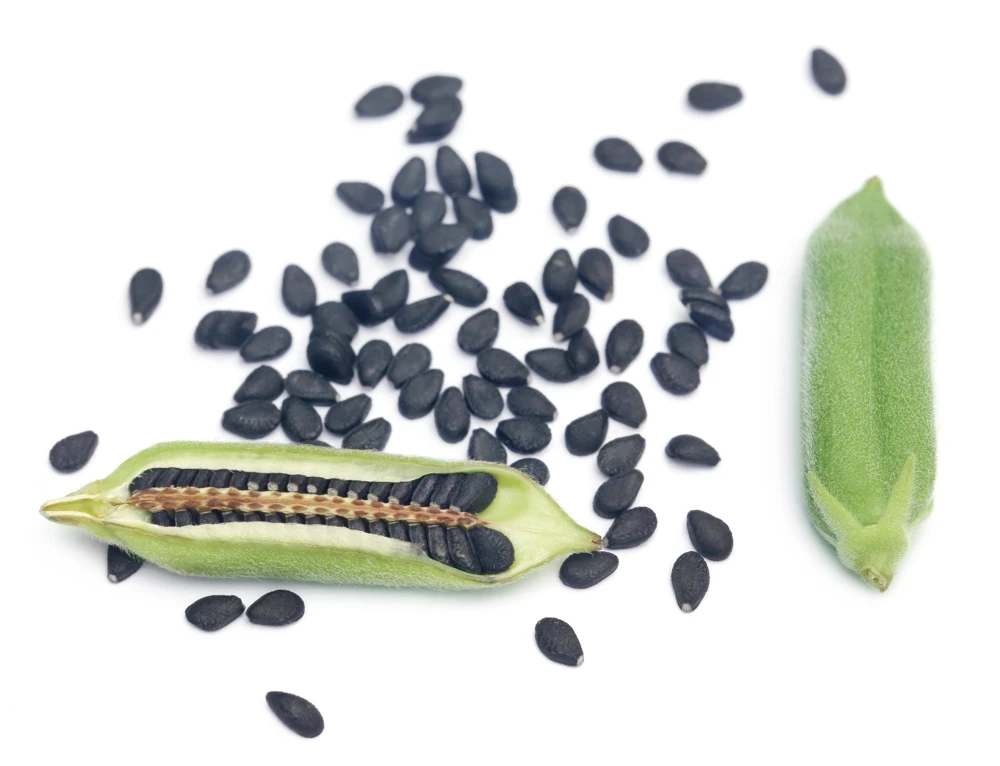
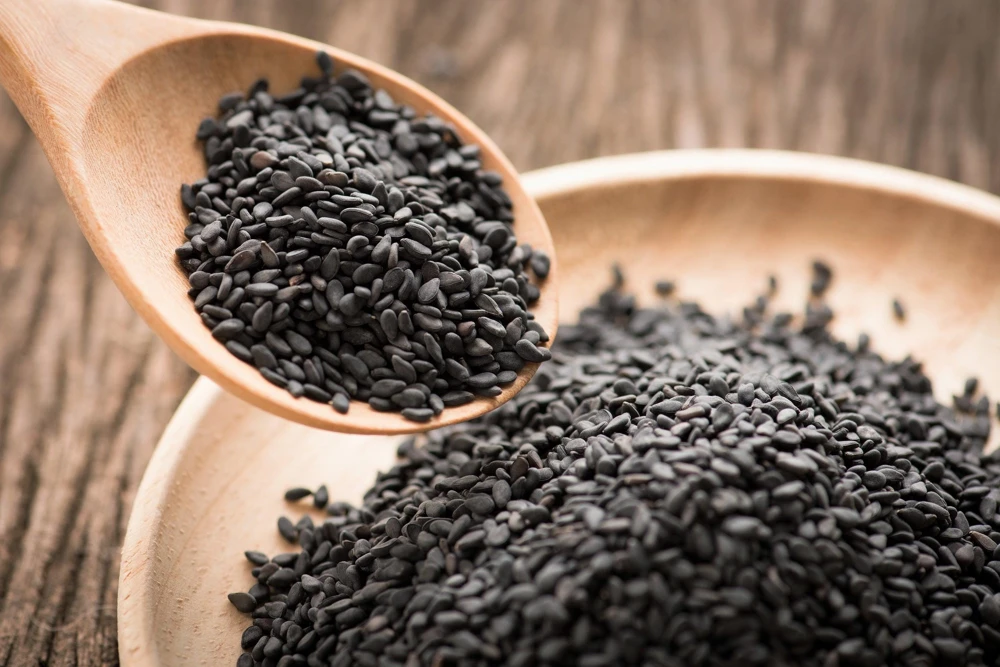
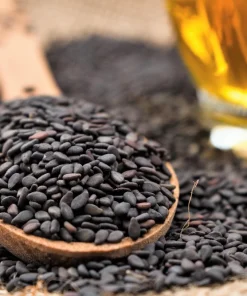
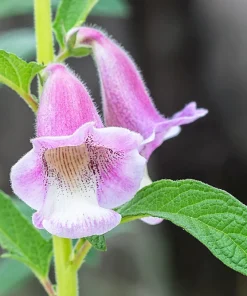
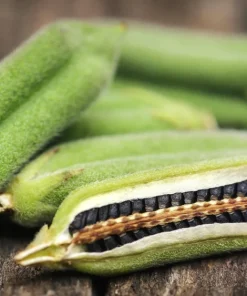
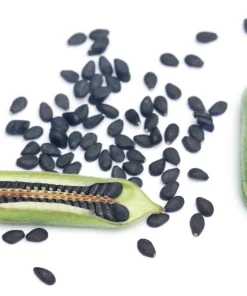
Cultivate your own supply of delicious black sesame seeds with this generous pack of 1500 seeds. Enjoy both the attractive white, pink, and purple flowers and the culinary versatility of homegrown edible sesame seeds.
Estimated arrival
Sep 17
Sep 22 - Sep 24
Sep 27 - Oct 01
Shop With Confidence
30-Day Plant Health Guarantee
Arrives damaged? We’ll replace it free — see our return policy.
Responsive Support
Email us anytime, we reply within 1 business day.
Expert Packaging
Temperature-controlled shipping to protect your plants in transit.
Secure Checkout
Pay safely with Visa, Mastercard, PayPal.
Plant Specifications
-
USDA Hardiness Zone
9-11 (acts as annual in other zones) -
Soil Type
Average, well-draining soil -
Sunlight Exposure
Full sun -
Expected Planting Period
Outdoors after frost / Indoors weeks before last frost
Overview
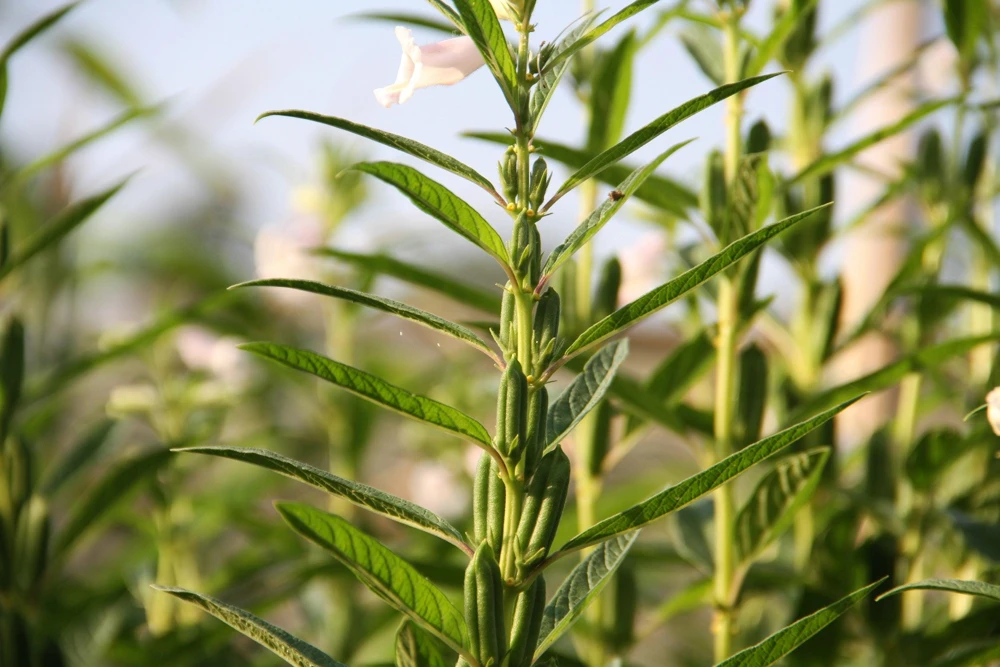
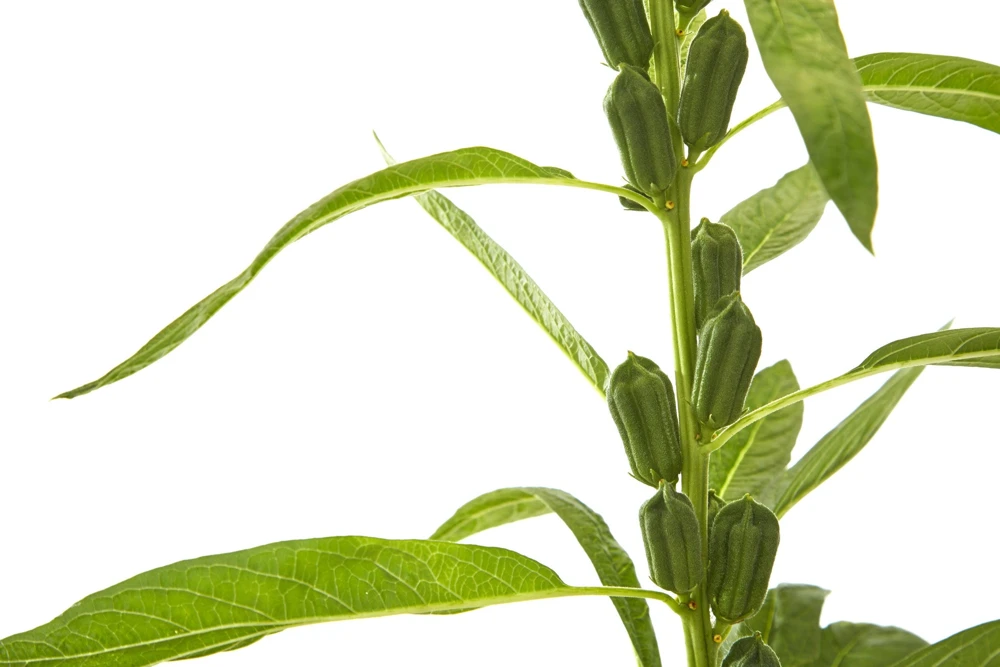
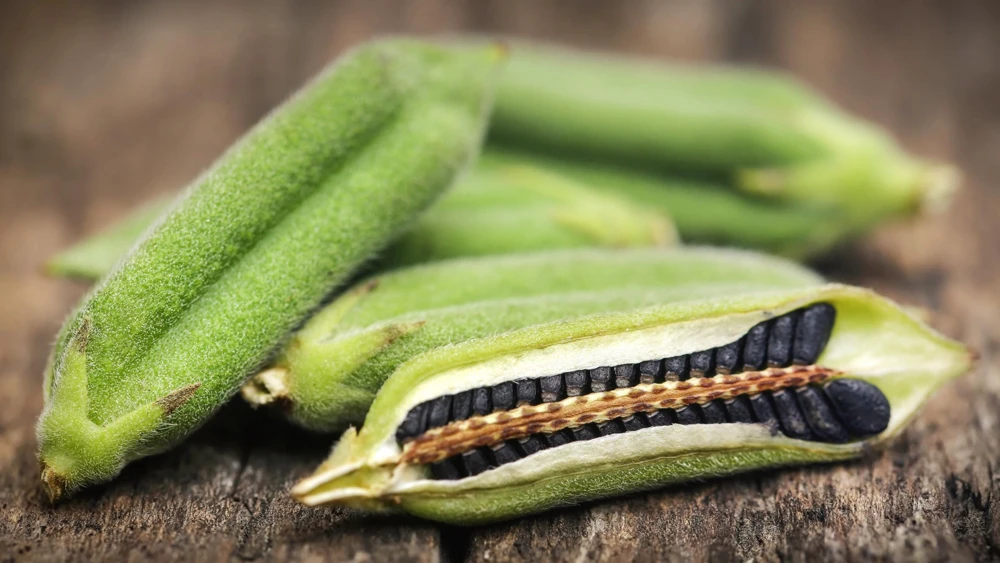
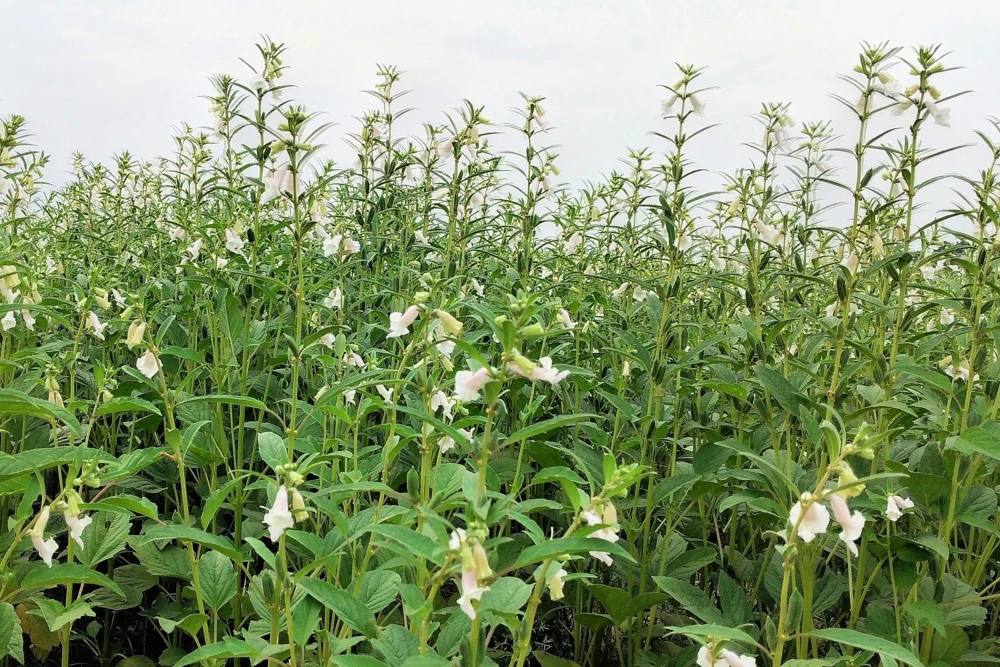
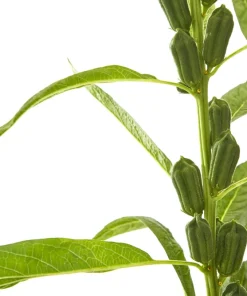
Discover the joy of growing your own ingredients with these premium black sesame seeds. Scientifically known as Sesamum Indicum, these seeds offer a unique opportunity to cultivate a versatile and rewarding plant right in your garden. Not only do these plants yield highly sought-after edible sesame seeds, but they also produce delicate and attractive white, pink, and purple flowers, adding an unexpected beauty to your landscape. Easy to grow and quick to mature, black sesame is a fantastic choice for both novice and experienced gardeners looking to expand their culinary garden. You can easily grow sesame seeds for use in a variety of dishes, from baking to savory meals.
Key Benefits
Growing your own black sesame offers numerous advantages, from culinary delight to garden aesthetics. These seeds provide a sustainable source of a nutritious ingredient and are surprisingly simple to cultivate.
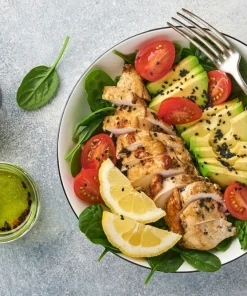
- Homegrown Culinary Delight: Enjoy the rich, nutty flavor of fresh black sesame seeds harvested directly from your garden. Perfect for baking, garnishing, or making tahini, these seeds elevate any dish with their distinct taste and texture.
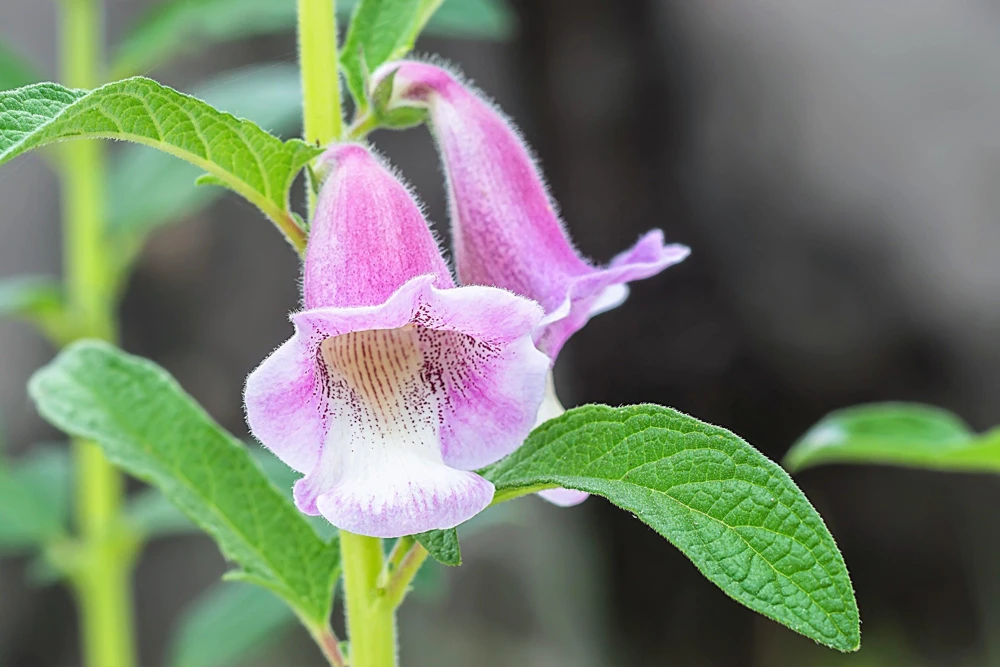
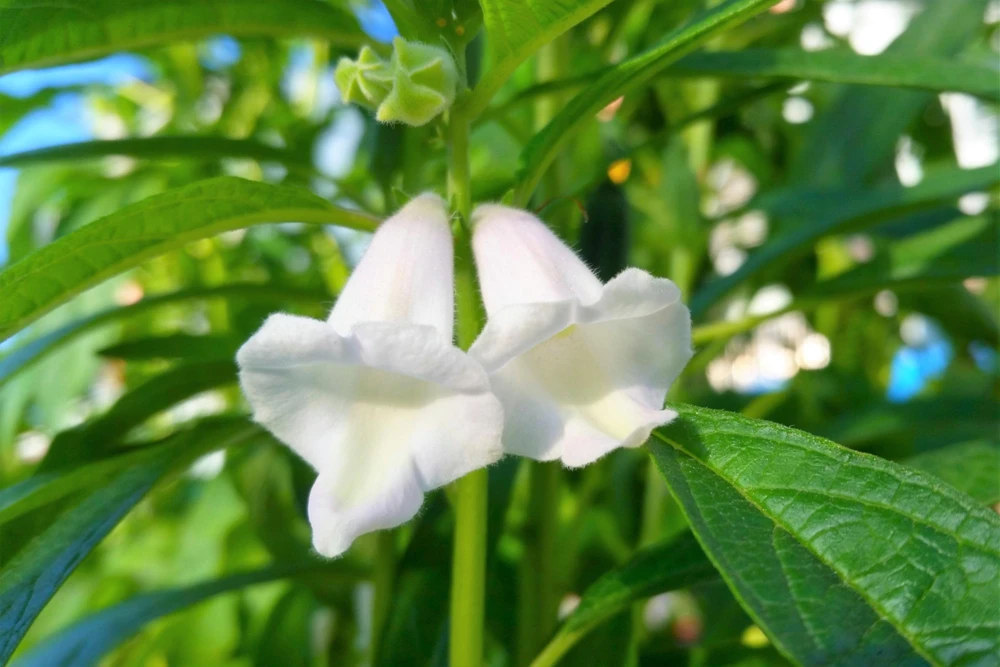
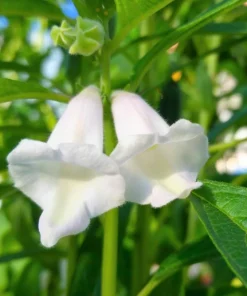
- Beautiful Blooms: Before yielding seeds, the Sesamum Indicum plant showcases lovely white, pink, and purple flowers. These charming blossoms add an ornamental touch to your garden, making it a dual-purpose plant.
- Nutrient-Rich Harvest:Edible sesame seeds are packed with essential nutrients, including healthy fats, protein, fiber, and minerals like calcium and iron. Growing your own ensures a fresh, high-quality supply.
- Easy to Grow: Black sesame plants are known for their resilience and straightforward cultivation. They thrive in full sun and average soil conditions, making them suitable for gardeners of all skill levels.
- Self-Seeding Potential: In warmer zones (9-11), the plant readily reseeds itself, potentially acting like a perennial and providing continuous harvests year after year with minimal effort. This makes black sesame plant care exceptionally low-maintenance.
- Versatile Usage: Beyond culinary uses, the plant itself can be an attractive addition to a pollinator garden, drawing bees and other beneficial insects with its appealing flowers.
- Quick Harvest: With a harvest time of approximately 80 days, you won’t have to wait long to enjoy the fruits (or seeds!) of your labor.
Plant Care & Growing Tips
Successful cultivation of black sesame seeds begins with understanding their basic needs. These plants are relatively low-maintenance, making them a rewarding addition to your garden. Plant the sesamum indicum seeds outdoors after the last frost, when soil temperatures have warmed sufficiently. If you’re in a cooler climate or want an earlier start, you can sow seeds indoors a few weeks before the last frost and transplant them once conditions are favorable.
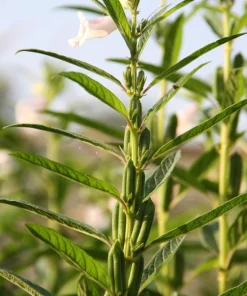
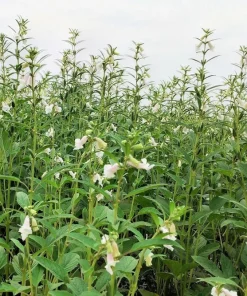
Black sesame thrives in full sun, requiring at least 6-8 hours of direct sunlight per day to ensure robust growth and abundant seed production. For soil, average, well-draining soil is ideal. While not overly picky, avoid overly heavy or waterlogged conditions. Water regularly to keep the soil consistently moist, especially during dry spells and when the plants are flowering and forming seed pods. Once established, they can tolerate some drought, but consistent moisture will lead to better yields. The plants can reach a height of 36-48 inches and should be spaced 12-15 inches apart to allow for proper air circulation and growth. Fertilization is generally not heavily required in good soil, but a balanced, all-purpose fertilizer can be applied if growth appears slow. These plants are hardy in USDA Zones 9-11 but can be grown as annuals in all zones due to their quick harvest time and tendency to reseed. Proper black sesame plant care ensures a healthy and productive harvest.
Size & Details
This package contains approximately 1500 black sesame seeds (Sesamum Indicum), providing ample opportunity to cultivate a substantial crop. The plants typically grow to a height of 36 to 48 inches (3-4 feet), creating an attractive vertical element in your garden. When planting, ensure a spacing of 12 to 15 inches between individual plants to allow for optimal growth and air circulation. The plants bloom in mid-summer, displaying delicate white, pink, and purple flowers. The harvest period is approximately 80 days from planting, allowing for a relatively quick turnaround from seed to edible product. These seeds are perfect for anyone looking to grow sesame seeds for culinary use or simply to enjoy their beautiful blooms.
Frequently Asked Questions
- Q: How many black sesame seeds are included in this package? A: This package contains approximately 1500 black sesame seeds, providing a generous quantity for your gardening needs. This allows for multiple plantings or a large single crop.
- Q: What is the scientific name for these black sesame seeds? A: The scientific name for these seeds is Sesamum Indicum. This botanical name helps to accurately identify the specific variety of sesame.
- Q: Can I grow sesame seeds indoors? A: While primarily an outdoor plant, you can start sesamum indicum seeds indoors a few weeks before the last frost to get a head start, then transplant them outside once conditions are warm enough. They require significant light to thrive.
- Q: How tall do black sesame plants get? A: Black sesame plants typically reach a height of 36 to 48 inches (3 to 4 feet) when fully mature. This makes them a noticeable and attractive addition to your garden.
- Q: What kind of sunlight do black sesame plants need? A: These plants require full sun, meaning at least 6-8 hours of direct sunlight per day, to ensure good growth and optimal seed production.
- Q: Is this plant easy to care for? A: Yes, black sesame is considered relatively easy to grow. It’s an excellent choice for beginners and experienced gardeners alike, offering straightforward black sesame plant care.
- Q: How long does it take to harvest the seeds? A: The seeds are typically ready for harvest approximately 80 days after planting. This makes it a relatively quick crop to grow.
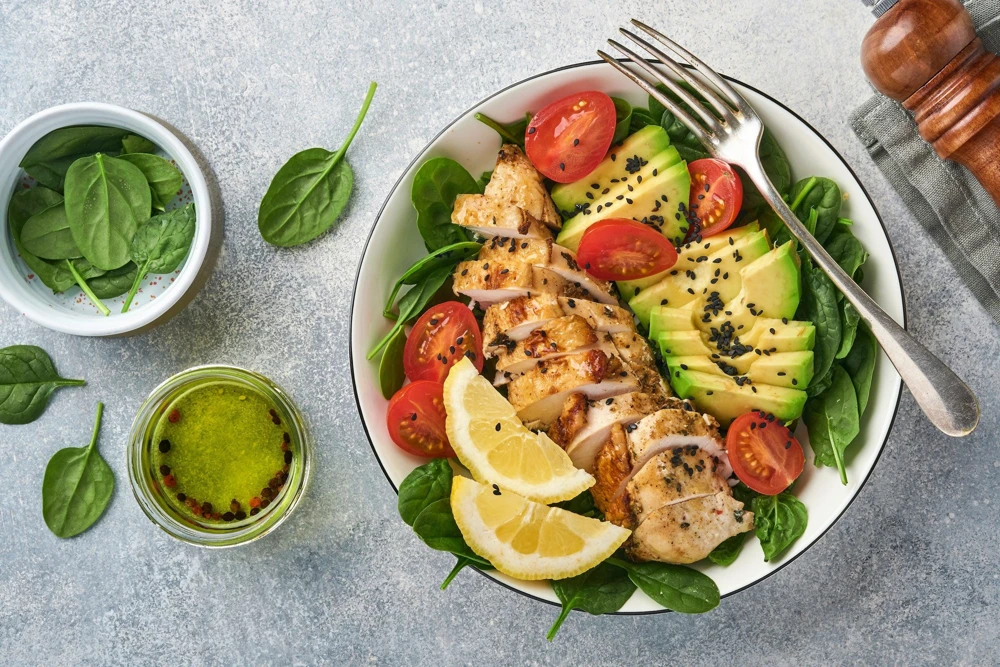
- Q: What are the best uses for homegrown edible sesame seeds? A: Homegrown edible sesame seeds are incredibly versatile. They can be used in baking, sprinkled on salads, incorporated into stir-fries, or ground to make fresh tahini.
- Q: Will these plants grow in my hardiness zone? A: Black sesame is hardy in USDA Zones 9-11. In all other zones, it behaves as an annual but can easily reseed itself, effectively acting like a perennial in many climates.
- Q: What colors are the flowers produced by the black sesame plant? A: The black sesame plant produces beautiful flowers in shades of white, pink, and purple, adding an attractive aesthetic to your garden before the seeds mature.
Be the first to review “Black Sesame Seeds – Sesamum Indicum Vegetable Flower – 1500 Seeds”
People Also Viewed
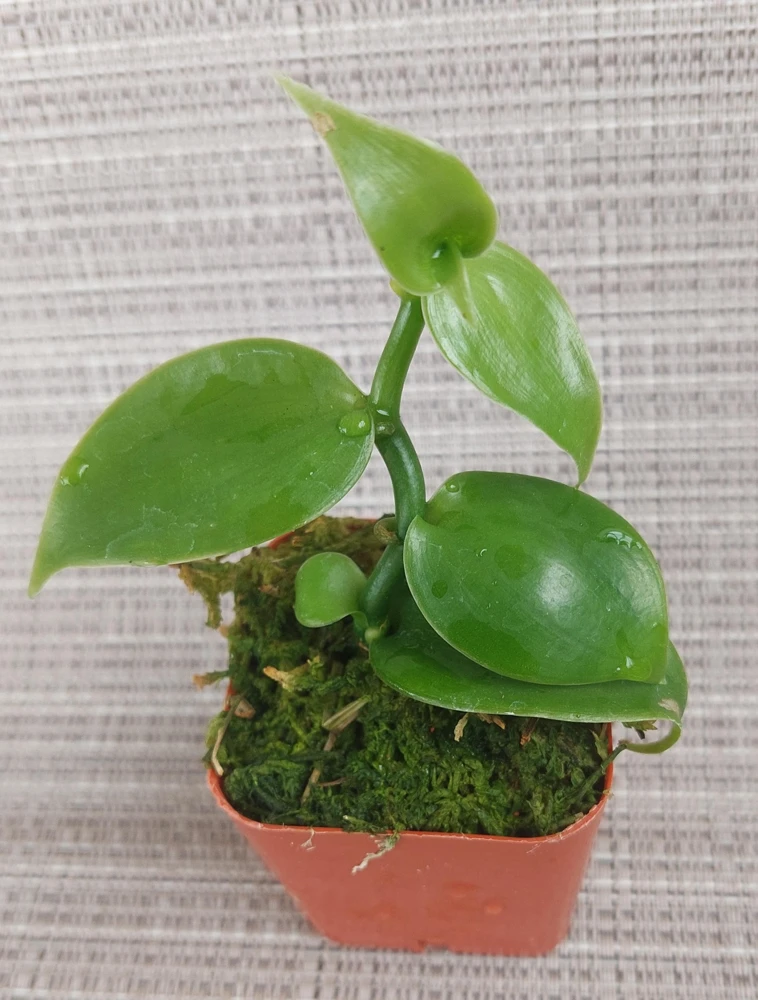
Houseplants
Vanilla planifolia Live Orchid Plant – Vanilla Bean Vine – 2 inch Pot – Tropical Climbing Plant
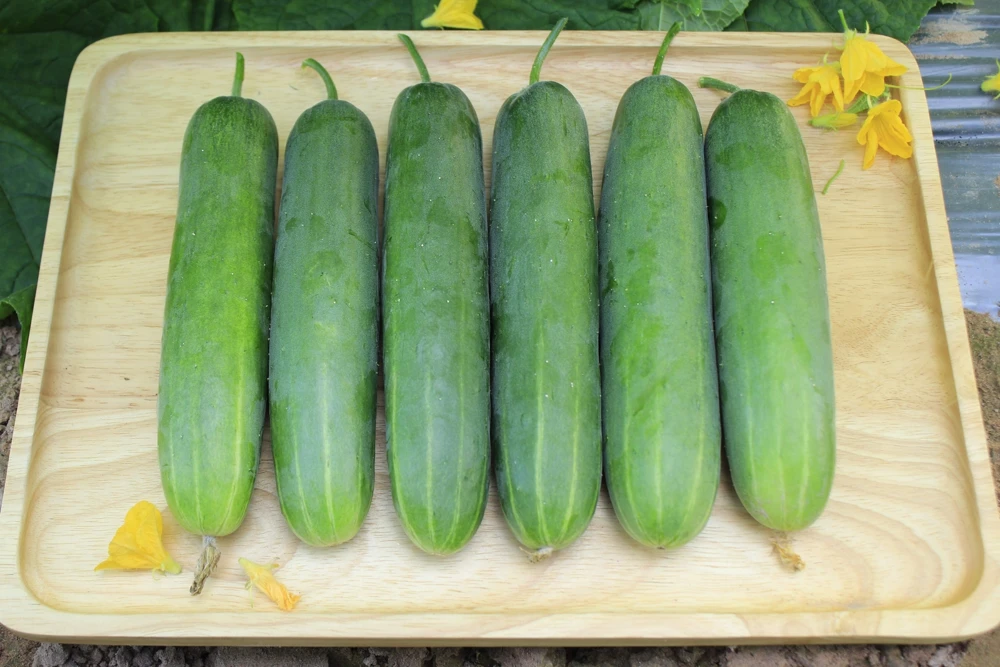
Vegetable Seeds
200 Marketmore 76 Slicing Cucumber Seeds – Fruit Cucumis Sativus
Aquatic Plant Seeds
1000 Yellow Water Primrose Seeds – Ludwigia Alternifolia Flower Seeds
Reviews
There are no reviews yet.