
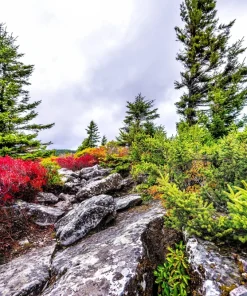
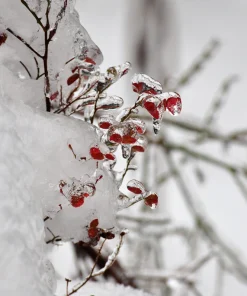
Red Huckleberry Seeds – Vaccinium Parvifolium, Pink Flower, Edible Fruit Shrub Seeds, 30 Count
Original price was: $38.25.$18.25Current price is: $18.25.
Cultivate your own red huckleberry seeds (Vaccinium Parvifolium) at home. These seeds will grow into beautiful shrubs featuring delicate pink flowers and abundant, delicious red berries, perfect for fresh eating or preserves. Ideal for gardeners looking to grow red huckleberry in USDA Zones 5-9.
Estimated arrival
Sep 17
Sep 22 - Sep 24
Sep 27 - Oct 01
Shop With Confidence
30-Day Plant Health Guarantee
Arrives damaged? We’ll replace it free — see our return policy.
Responsive Support
Email us anytime, we reply within 1 business day.
Expert Packaging
Temperature-controlled shipping to protect your plants in transit.
Secure Checkout
Pay safely with Visa, Mastercard, PayPal.
Plant Specifications
-
USDA Hardiness Zone
5 - 9 -
Soil Type
Average, well-draining soil -
Sunlight Exposure
Sun - Part Shade -
Expected Planting Period
Fall sow / Cold stratify / Spring transplant
Overview
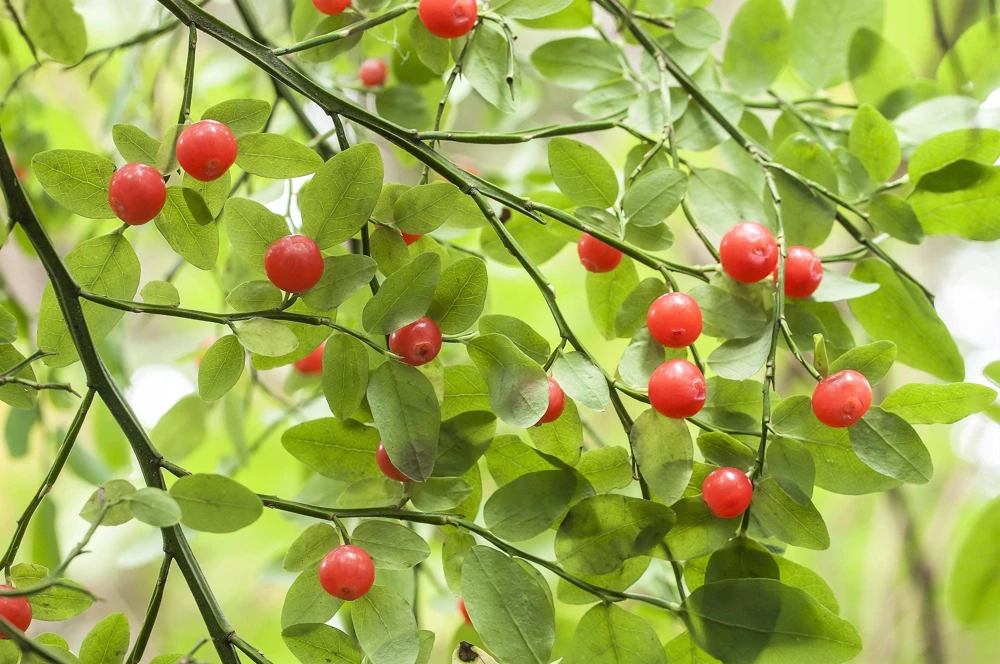
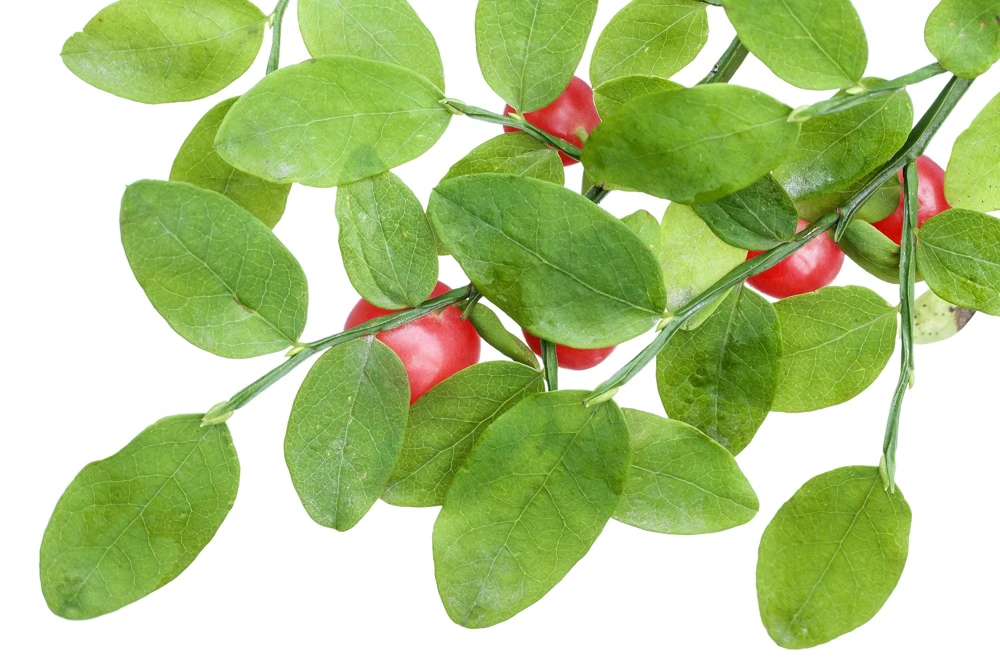
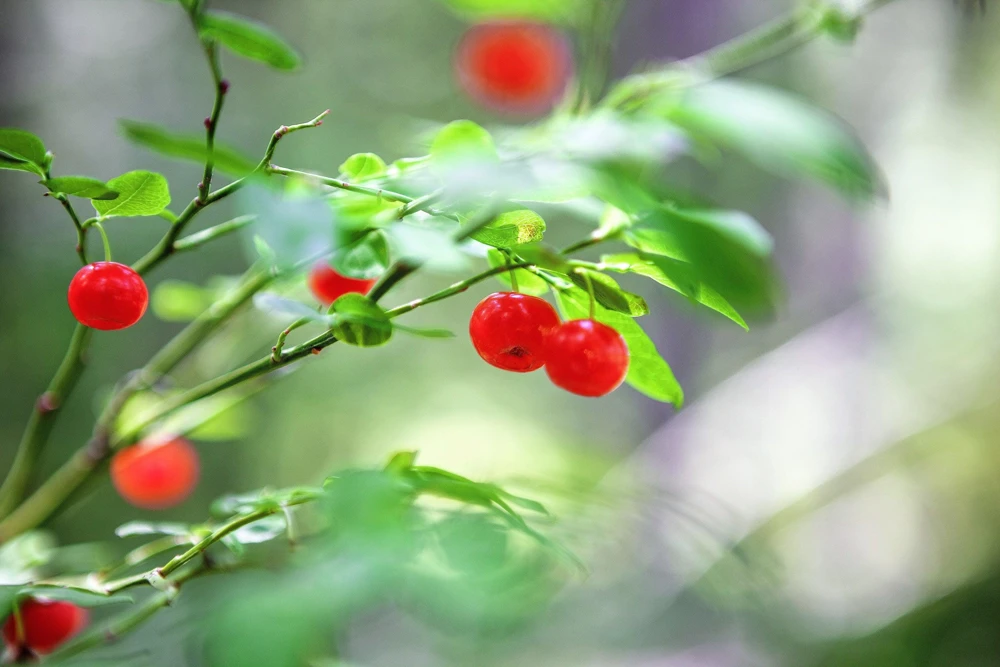
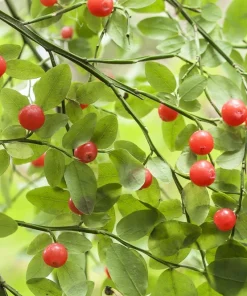
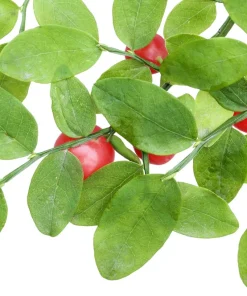
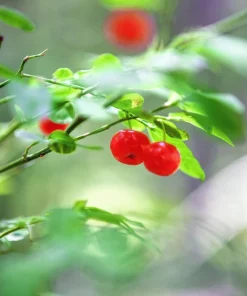
Embark on a rewarding gardening journey with our premium red huckleberry seeds. Scientifically known as Vaccinium Parvifolium, this delightful shrub is also commonly referred to as Red Blueberry, Red Bilberry, or Red Whortleberry. These seeds offer the opportunity to cultivate a resilient and attractive plant that provides both ornamental beauty and a bountiful harvest of edible fruit. The Red Huckleberry is cherished for its charming greenish-white to pink flowers that emerge in spring, followed by vibrant red berries in summer. Beyond its delicious fruit, this shrub also boasts jazzy red fall foliage, adding seasonal interest to any garden. Growing vaccinium parvifolium seeds allows you to experience the full lifecycle of this wonderful plant, from seedling to fruit-bearing shrub.
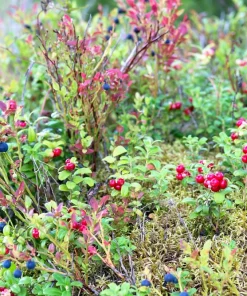
Whether you’re an experienced gardener or a budding enthusiast, these red huckleberry seeds are an excellent choice for adding a native and productive plant to your landscape. The resulting shrubs can reach a height of 4 to 8 feet, with some specimens growing up to 12 feet, making them versatile for various garden designs. They thrive in a range of light conditions, from full sun to part shade, and adapt well to average soil and water preferences, simplifying red huckleberry plant care. Each packet contains 30 seeds, providing a generous quantity to start your huckleberry patch.
Key Benefits
Growing red huckleberry seeds offers numerous advantages, from aesthetic appeal to culinary rewards. This versatile plant brings a unique charm and functionality to your garden space, making it a valuable addition for any plant lover.
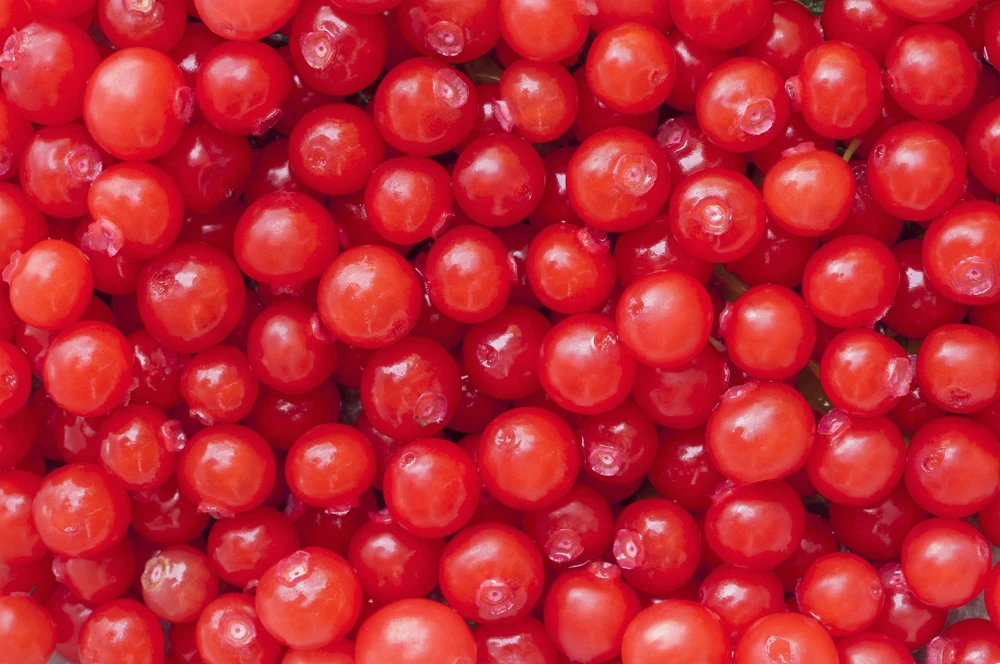
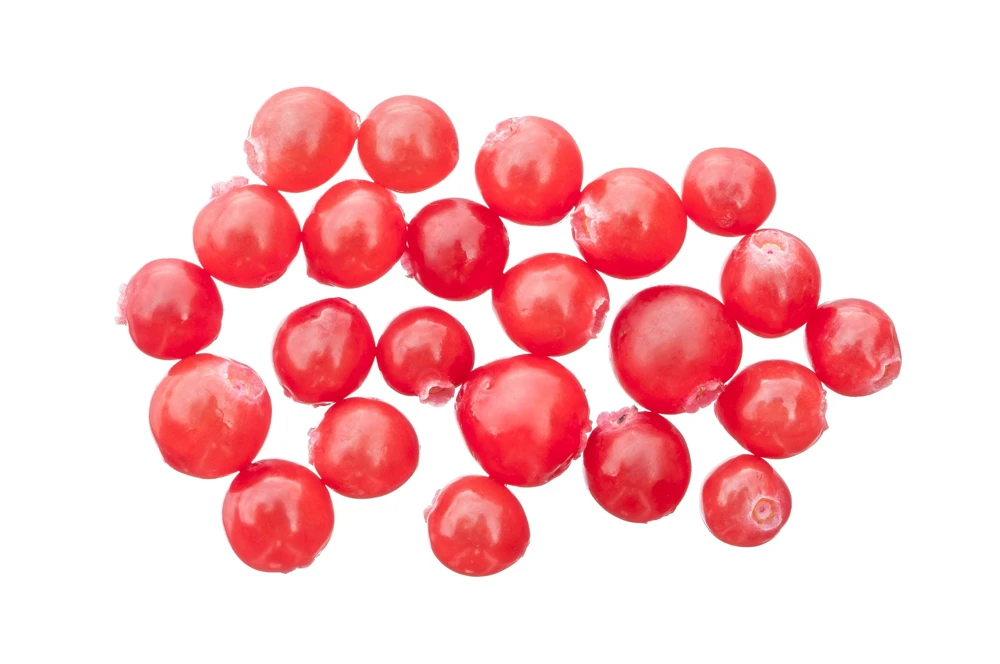
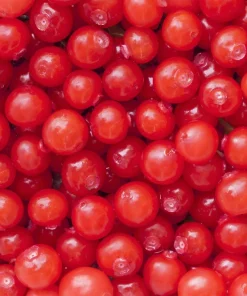
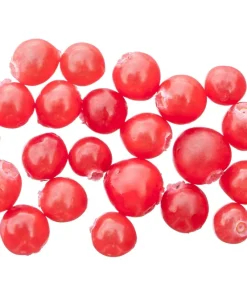
- Edible & Delicious Fruit: Enjoy a prolific harvest of sweet and tangy red berries from July to August. These berries are perfect for fresh eating, baking, jams, or jellies, offering a healthy and flavorful treat directly from your garden. Cultivating edible fruit seeds like these ensures a fresh, organic supply.
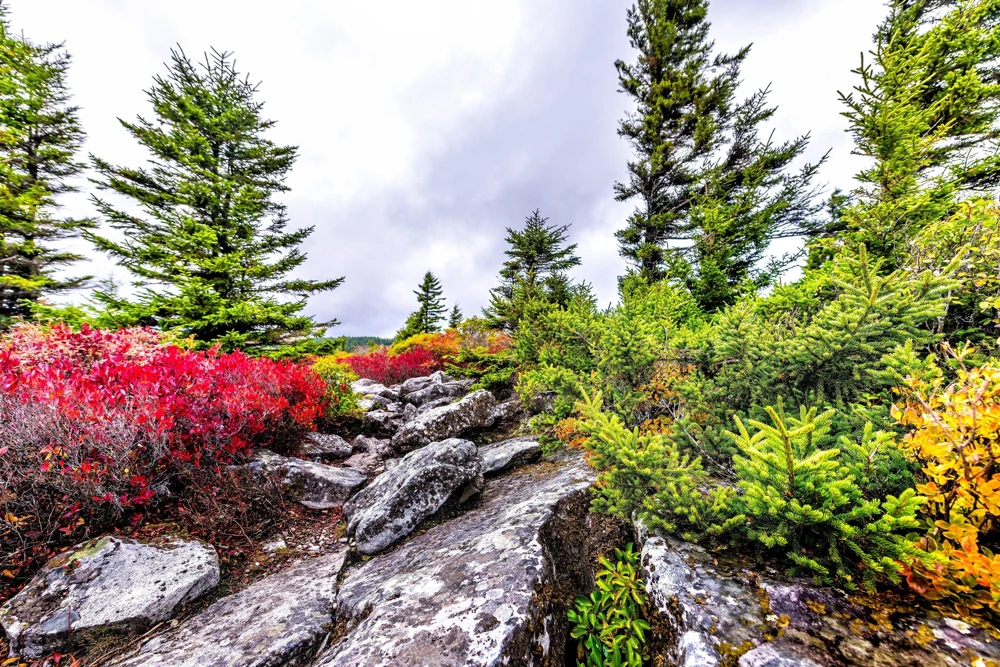
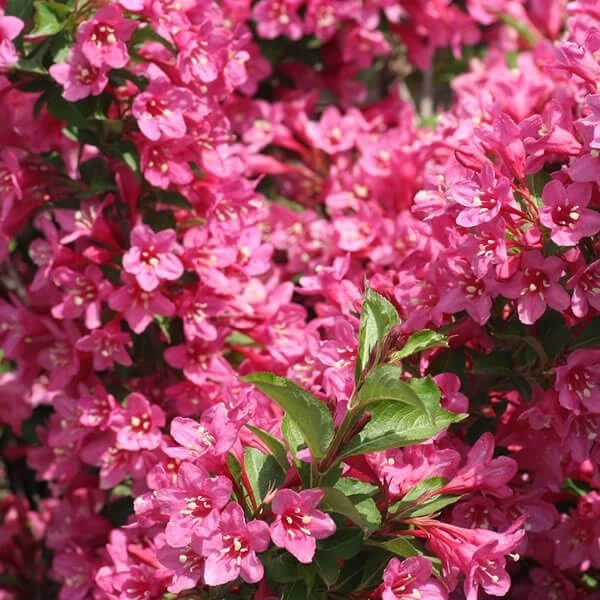
- Attractive Ornamental Features: The Red Huckleberry provides year-round visual interest. Its delicate pink flowers bloom from April to June, followed by bright red berries, and culminating in stunning jazzy red fall foliage, adding vibrant color to your landscape.
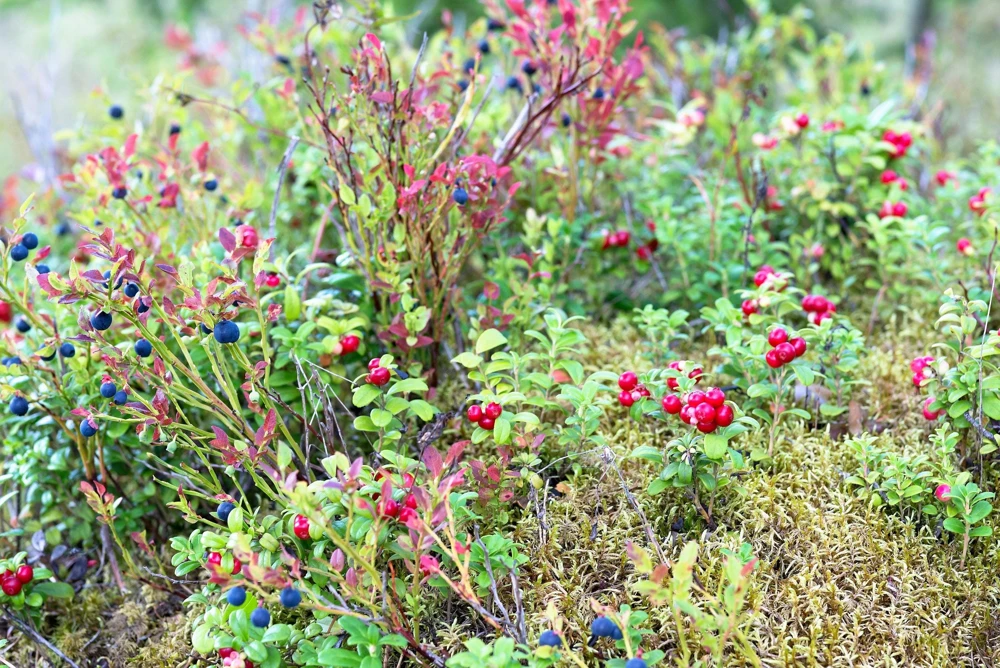
- Wildlife Attractor: The berries are a favorite food source for various birds and small mammals, making your garden a haven for local wildlife and enhancing biodiversity.
- Hardy & Adaptable: These shrubs are remarkably hardy, thriving in USDA Zones 5-9. They can tolerate a range of light conditions from sun to part shade and are relatively low-maintenance once established, making red huckleberry plant care straightforward.
- Native Plant Appeal: As a native species, Vaccinium Parvifolium is well-suited to many North American climates, contributing to local ecosystems and often requiring less intervention than non-native plants.
- Versatile Landscape Use: With a potential height of 4-8 feet, these shrubs can be used as attractive hedges, border plants, or as part of a mixed perennial bed, providing structure and beauty.
Plant Care & Growing Tips
Successful cultivation of red huckleberry seeds begins with proper planting and attentive care. The Red Huckleberry (Vaccinium Parvifolium) is a relatively forgiving plant, but understanding its specific needs will ensure robust growth and a bountiful harvest. For optimal germination, fall sowing or cold stratification is recommended. If starting indoors, begin several weeks before your last expected frost, then transplant outdoors once the danger of frost has passed. Plant spacing should be approximately 6 feet apart to allow for mature growth and air circulation.
When it comes to light, these shrubs are quite adaptable, flourishing in conditions ranging from full sun to part shade. Aim for at least 4-6 hours of direct sunlight for the best fruit production, though they will tolerate less. Soil preferences are average, meaning well-draining soil with a slightly acidic pH is ideal, though they can adapt to various soil types. Regular watering is crucial, especially during dry spells and in the plant’s establishment phase, but avoid waterlogging. Once established, red huckleberry plant care becomes quite minimal, as they are moderately drought-tolerant. Fertilization can be done annually in spring with an acid-loving plant fertilizer, but generally, they do not require heavy feeding. Monitor for common garden pests and diseases, though Red Huckleberries are typically quite resistant.
Size & Details
Our offering includes 30 high-quality red huckleberry seeds (Vaccinium Parvifolium), ready for planting. These seeds will develop into mature shrubs that typically reach a height of 4 to 8 feet, with some specimens growing up to 12 feet under ideal conditions. The plant has a spreading habit, requiring about 6 feet of spacing to allow for its natural growth and development. Expect the beautiful greenish-white to pink flowers to bloom from April to June, followed by the appearance of the vibrant red berries from July to August, ready for harvest. These edible fruit seeds provide a long-term investment in your garden’s productivity and beauty.
The Red Huckleberry is a hardy plant, suitable for USDA Hardiness Zones 5-9, making it a versatile choice for many climates across the United States. Once established, it is a relatively fast grower, providing an excellent return on your gardening efforts. Proper cold stratification is key for successful germination of these vaccinium parvifolium seeds, mimicking their natural winter dormancy. With adequate care, you can look forward to many years of delicious fruit and attractive foliage.
Frequently Asked Questions
- Q: How big does a Red Huckleberry plant get? A: A: Red Huckleberry shrubs typically grow between 4 to 8 feet tall, though some can reach up to 12 feet. They have a spreading habit and require about 6 feet of space.
- Q: Is this an indoor or outdoor plant? A: The Red Huckleberry (Vaccinium Parvifolium) is an outdoor shrub, best suited for garden beds, hedges, or woodland gardens. It thrives in various outdoor conditions.
- Q: How much sunlight does the Red Huckleberry need? A: These plants prefer full sun to part shade. For the best fruit production, aim for at least 4-6 hours of direct sunlight daily, though they can tolerate more shaded conditions.
- Q: Is this plant easy to care for? A: Yes, once established, red huckleberry plant care is relatively easy. They are hardy, adaptable to various soil types, and moderately drought-tolerant, making them suitable for beginners.
- Q: When is the best time to plant these red huckleberry seeds? A: Fall sowing or cold stratification followed by indoor starting several weeks before the last frost is recommended. Transplant outdoors after the danger of frost has passed.
- Q: What condition will the seeds arrive in? A: You will receive 30 high-quality, viable red huckleberry seeds packaged to ensure their integrity during transit, ready for stratification and planting.
- Q: What is the USDA Hardiness Zone for Red Huckleberry? A: Red Huckleberry is hardy in USDA Zones 5 through 9, making it suitable for a wide range of temperate climates.
- Q: Can I use the berries from these edible fruit seeds in cooking? A: Absolutely! The red huckleberries are delicious and can be used fresh, in pies, muffins, jams, jellies, and other culinary creations.
- Q: Do these vaccinium parvifolium seeds need special soil? A: While adaptable, they prefer well-draining soil with a slightly acidic pH. Average garden soil is generally sufficient, but amending with compost can be beneficial.
- Q: How long until the plant blooms and fruits after planting the seeds? A: It typically takes a few years for the shrub to mature enough to produce significant blooms and fruit from seed, but the wait is well worth it for the delicious harvest.
Be the first to review “Red Huckleberry Seeds – Vaccinium Parvifolium, Pink Flower, Edible Fruit Shrub Seeds, 30 Count”
People Also Viewed
Reviews
There are no reviews yet.