


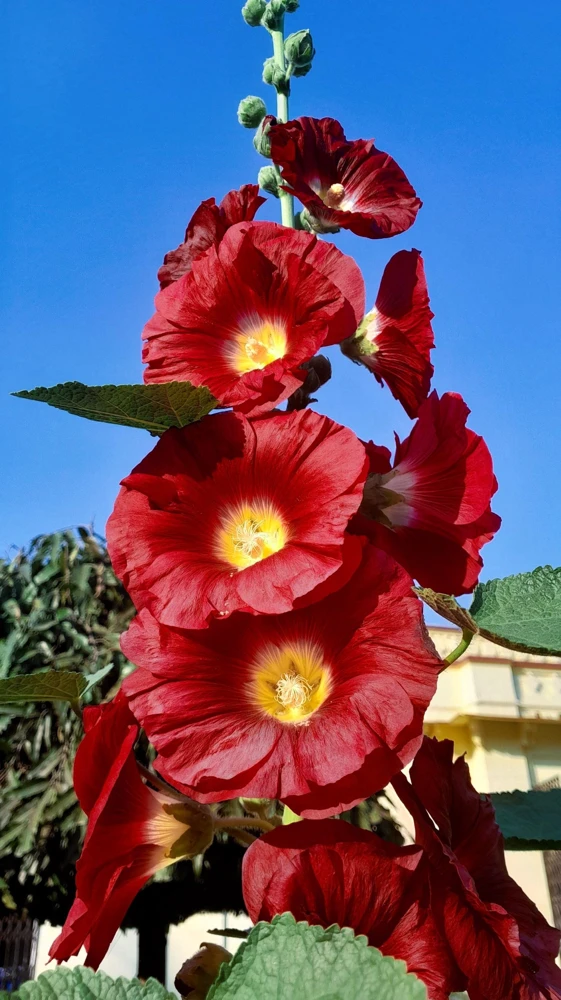
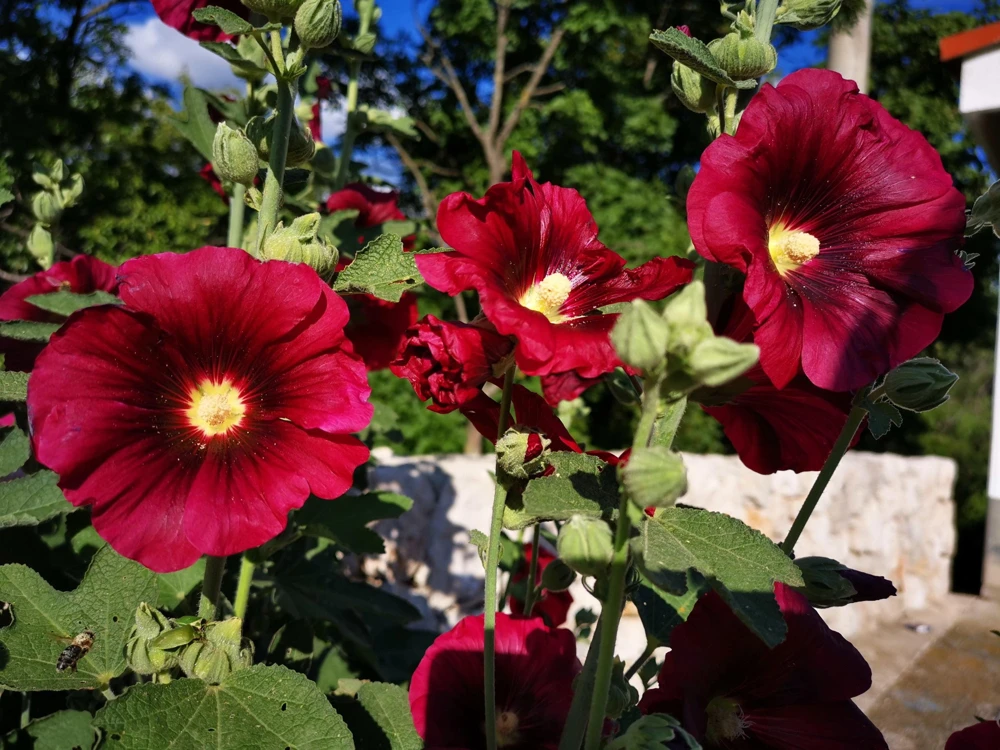
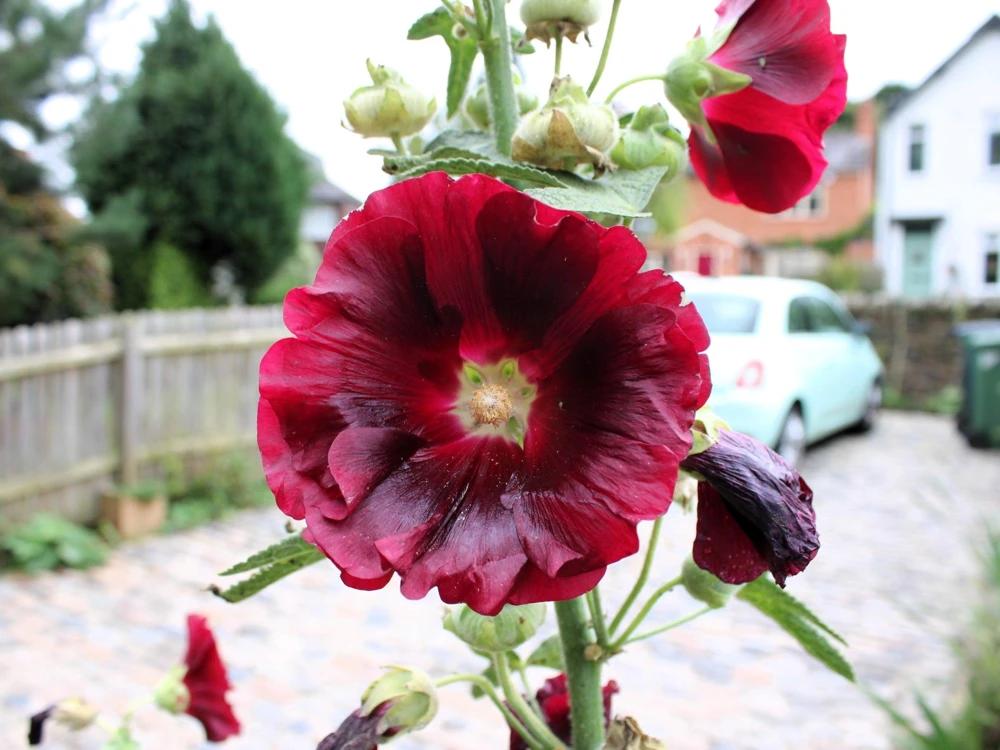
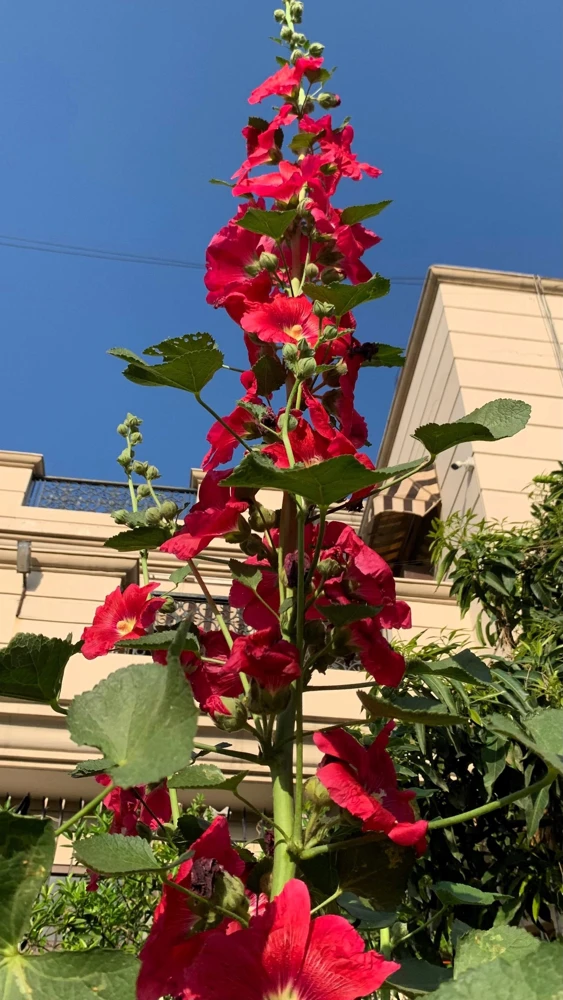
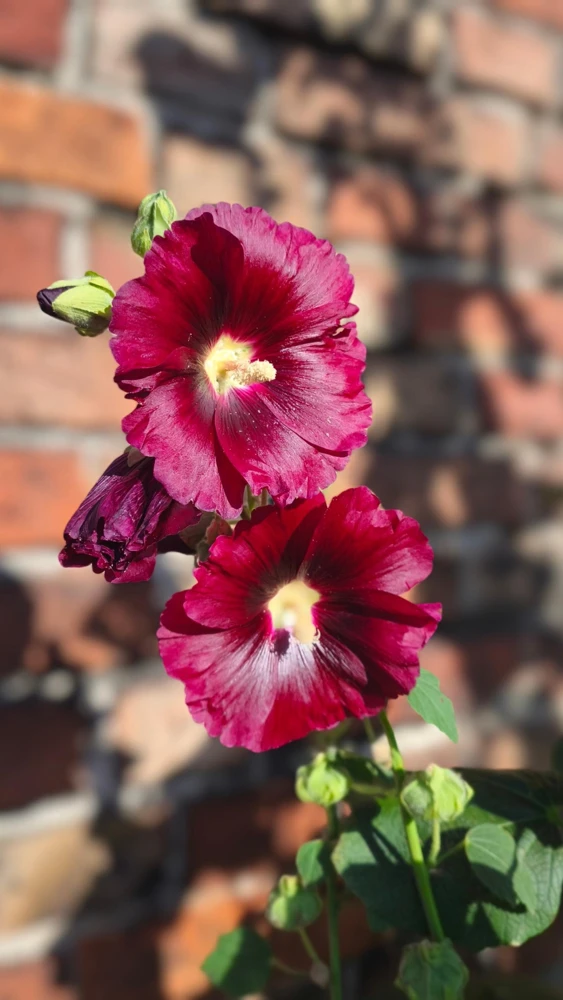
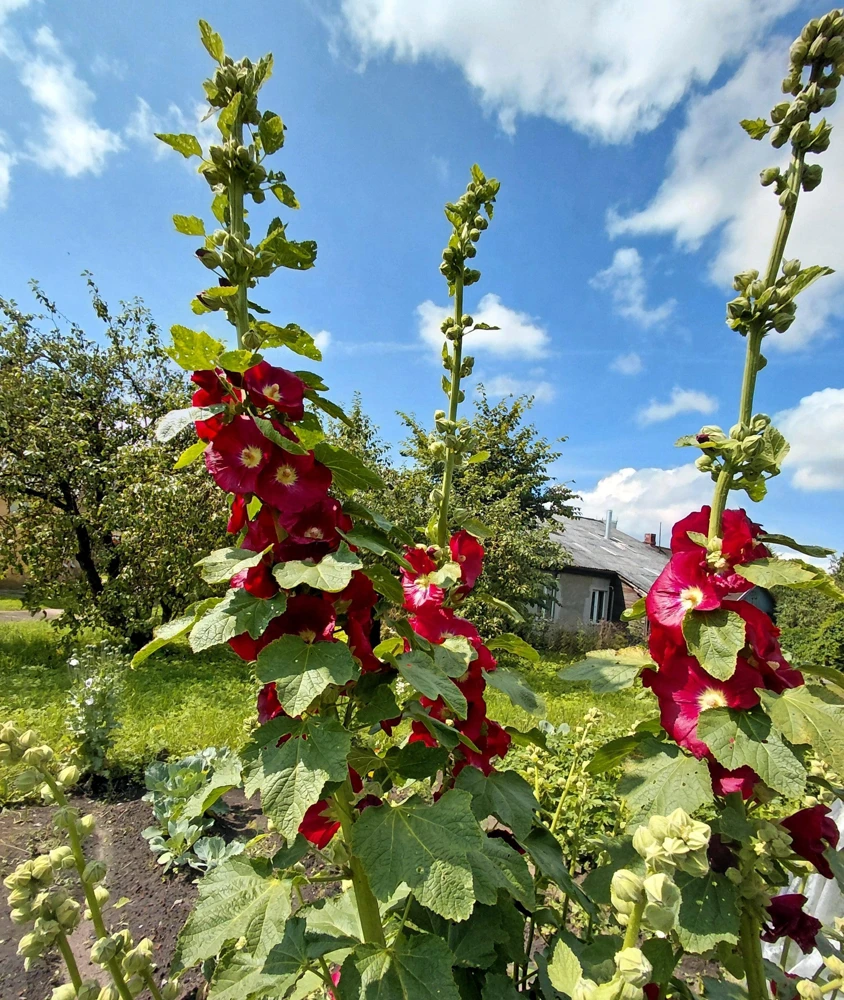
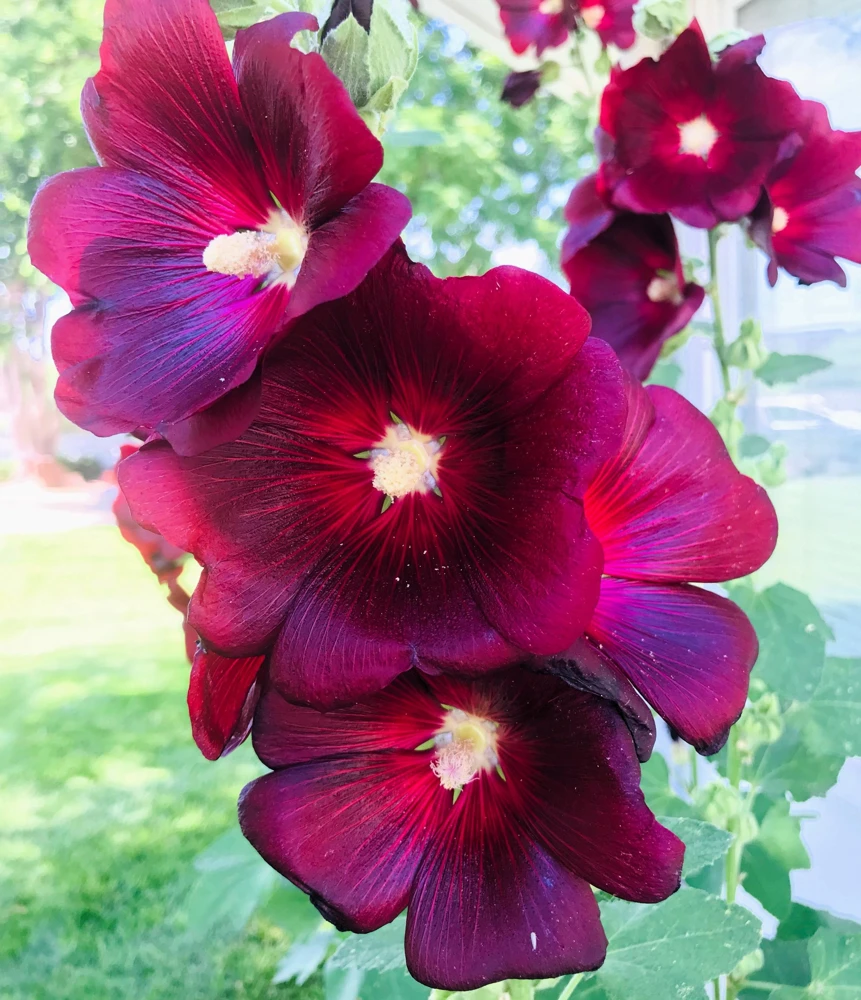
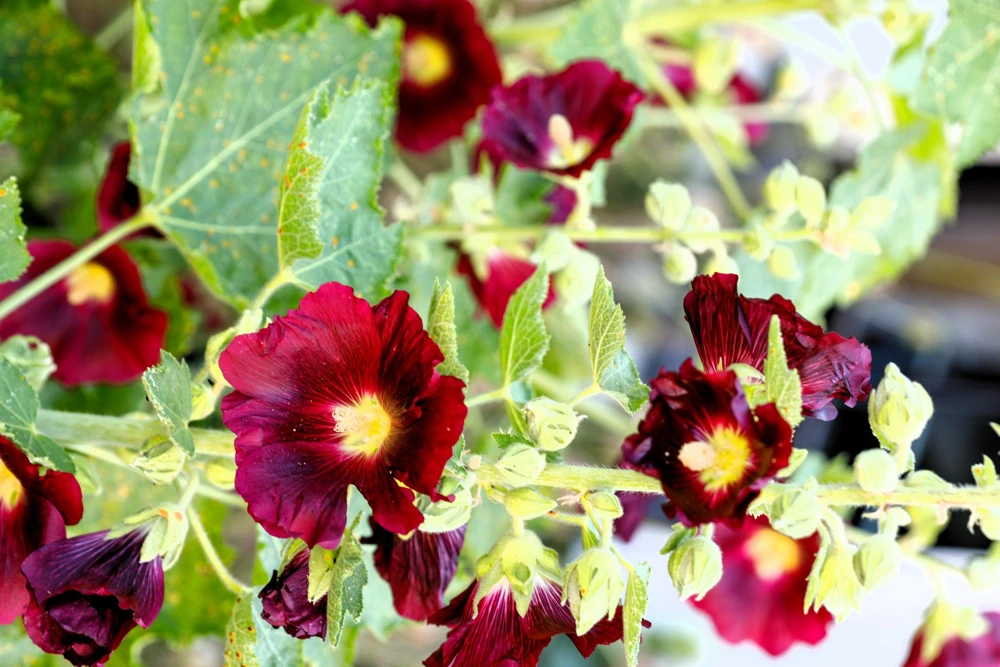
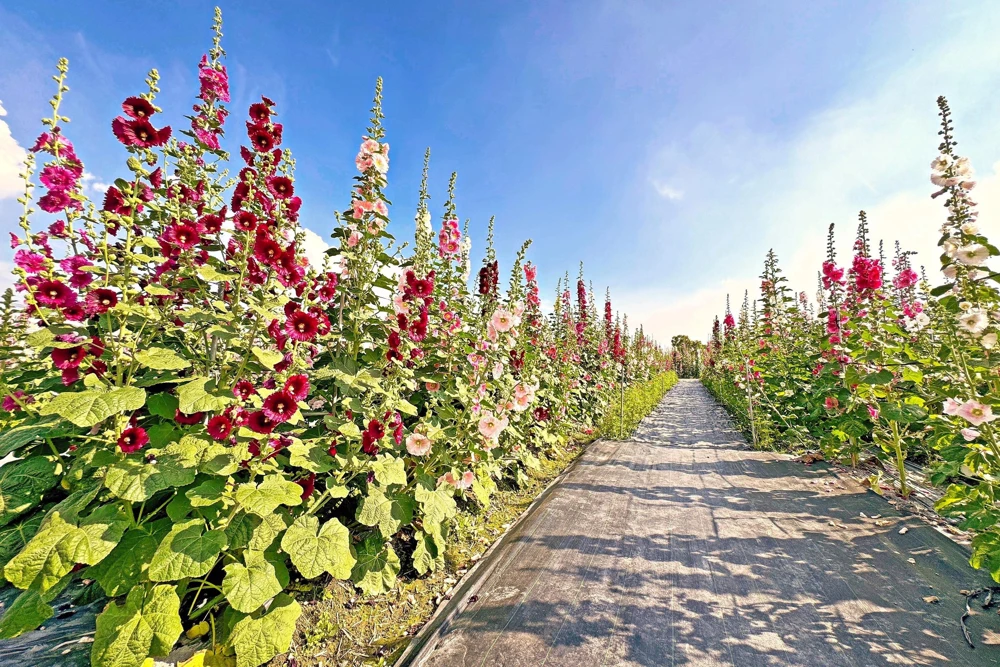
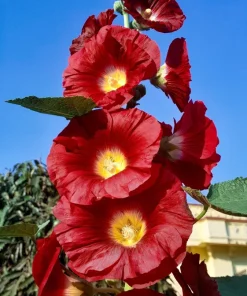
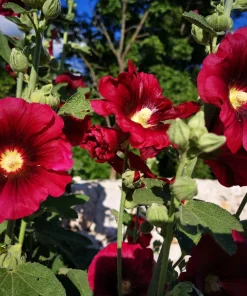
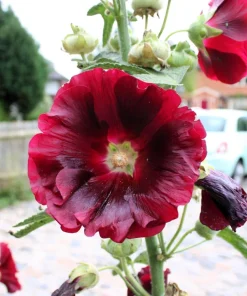
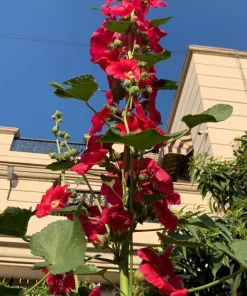
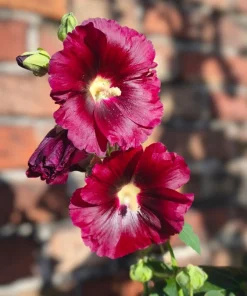
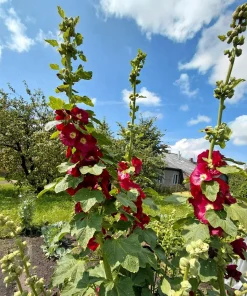
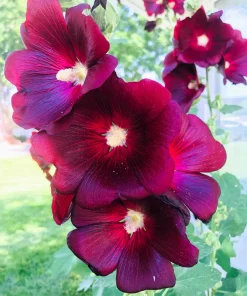
25 Maroon Red Hollyhock Alcea Rosea Flower Seeds Perennial Outdoor
Original price was: $36.99.$16.99Current price is: $16.99.
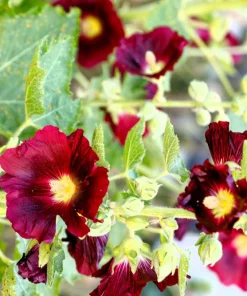
Cultivate a vibrant garden with these 25 maroon red hollyhock seeds. Perfect for creating dramatic vertical interest, these Alcea Rosea perennial flowers are easy to grow and return year after year, adding rich color to your landscape.
Estimated arrival
Sep 17
Sep 22 - Sep 24
Sep 27 - Oct 01
Shop With Confidence
30-Day Plant Health Guarantee
Arrives damaged? We’ll replace it free — see our return policy.
Responsive Support
Email us anytime, we reply within 1 business day.
Expert Packaging
Temperature-controlled shipping to protect your plants in transit.
Secure Checkout
Pay safely with Visa, Mastercard, PayPal.
Plant Specifications
-
USDA Hardiness Zone
USDA zones 3-8 -
Soil Type
Well-draining, fertile loam -
Sunlight Exposure
Full sun -
Expected Planting Period
Late spring to early summer
Overview
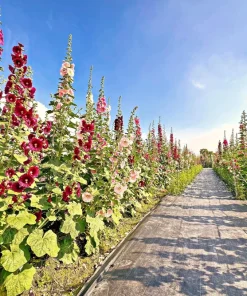
Transform your garden into a captivating display with our premium pack of 25 maroon red hollyhock seeds. These exquisite Alcea Rosea perennial flowers are renowned for their towering stalks adorned with large, velvety, deep red blooms. Ideal for adding dramatic vertical accents to borders, fences, or cottage gardens, hollyhocks create a stunning visual impact that attracts pollinators like bees and butterflies. Each seed promises to grow into a robust plant, offering season after season of spectacular color and charm. Cultivating these magnificent flowers is a rewarding experience for both novice and experienced gardeners, bringing classic elegance to any outdoor space.
The hollyhock, scientifically known as Alcea rosea, is a classic garden favorite, cherished for its old-fashioned charm and impressive stature. Our maroon red hollyhock seeds provide an opportunity to introduce a rich, deep hue into your floral arrangements and garden design. These biennials or short-lived perennials are easy to establish from seed and will self-seed readily, ensuring a continuous display of their majestic flowers. Prepare to be enchanted by the stately beauty and effortless grace these flowers bring to your home landscape.
Key Benefits
Planting maroon red hollyhock seeds offers numerous advantages, enhancing your garden’s aesthetic and ecological value. Their striking appearance and ease of care make them a popular choice for diverse garden styles.
- Dramatic Vertical Interest: Hollyhocks grow tall, often reaching heights of 5-8 feet, making them perfect for adding an impressive vertical element to your garden. They draw the eye upwards, creating depth and structure in your landscape design.
- Rich Color Palette: The deep maroon red blooms provide a sophisticated and luxurious color that stands out against green foliage and complements a wide range of other floral hues. This vibrant color ensures your garden remains eye-catching throughout the blooming season.
- Attracts Pollinators: These flowers are a magnet for beneficial insects, including bees, butterflies, and hummingbirds. By planting Alcea Rosea perennial, you contribute to local biodiversity and support a healthy garden ecosystem.
- Low Maintenance: Once established, hollyhocks are relatively low-maintenance plants. They are drought-tolerant and generally resilient, requiring minimal intervention to thrive, making them an excellent choice for busy gardeners.
- Cottage Garden Charm: Hollyhocks are quintessential cottage garden plants, evoking a sense of nostalgic beauty and rustic elegance. They fit perfectly into informal garden settings, creating a picturesque, whimsical atmosphere.
- Versatile Landscaping: Whether used as a backdrop, along a fence line, or in mixed borders, these tall garden flowers are incredibly versatile. They can effectively screen unsightly areas or create a stunning focal point in any part of your yard.
- Self-Seeding Nature: While technically biennials or short-lived perennials, hollyhocks often self-seed, ensuring a continuous cycle of blooms year after year without the need for constant replanting. This natural propagation helps maintain a vibrant display effortlessly.
Plant Care & Growing Tips
Growing maroon red hollyhock seeds into magnificent flowering plants is a straightforward process when you follow a few key care guidelines. These plants thrive with adequate sunlight and well-drained soil, ensuring a spectacular display of their impressive blooms. Understanding their needs will help you successfully cultivate these beautiful garden additions.
For optimal growth, hollyhock flower seeds require full sun exposure, meaning at least 6-8 hours of direct sunlight per day. While they can tolerate partial shade, too little sun may result in leggy growth and fewer flowers. The ideal soil type is well-draining, fertile loam with a neutral to slightly alkaline pH. If your soil is heavy clay, amend it with organic matter like compost to improve drainage and aeration. Plant seeds directly outdoors in late spring after the last frost, or start them indoors 6-8 weeks before the last frost for earlier blooms. Sow seeds about 1/4 inch deep and 18-24 inches apart. Germination typically occurs within 1-2 weeks.
Watering should be consistent, especially during dry periods, to keep the soil evenly moist but not waterlogged. Once established, hollyhocks are somewhat drought-tolerant, but regular watering will encourage more vigorous growth and abundant flowering. Fertilize lightly with a balanced, slow-release granular fertilizer in early spring as new growth emerges. Staking taller varieties may be necessary to prevent their heavy flower stalks from toppling over in strong winds. Deadhead spent blooms to encourage more flowering and prevent excessive self-seeding if desired. Watch out for common pests like spider mites and Japanese beetles, and diseases such as rust, which can be managed with proper air circulation and appropriate fungicides. Understanding how to grow hollyhock effectively ensures a thriving, beautiful display in your garden.
Size & Details
This package contains 25 maroon red hollyhock seeds, providing ample opportunity to establish a beautiful patch of these stately flowers in your garden. Each seed is ready to germinate and grow into a robust plant, typically reaching an impressive height of 5 to 8 feet (1.5 to 2.4 meters) and spreading about 1 to 2 feet (30-60 cm) wide. These tall garden flowers are known for their rapid growth once established, with blooms appearing from mid-summer to early fall, usually in their second year if planted from seed. The plants will arrive as seeds, ready for you to sow directly into your garden or start indoors for a head start.
The large, single or double blooms measure approximately 3-5 inches (7-12 cm) in diameter, creating a striking visual impact. These Alcea Rosea perennial plants are biennial or short-lived perennials, meaning they typically produce foliage in their first year and flower in their second year. However, they are prolific self-seeders, ensuring a continuous presence in your garden for many years to come. Expect a stunning display of rich maroon-red color that will be a focal point in any landscape.
Frequently Asked Questions
- Q: How big do these hollyhock plants get? A: These maroon red hollyhock seeds typically grow into tall plants, reaching impressive heights of 5 to 8 feet, with a spread of 1 to 2 feet. Their stately stature makes them excellent for back borders or as a dramatic focal point.
- Q: Is this an indoor or outdoor plant? A: Hollyhocks are primarily outdoor garden plants. They thrive in full sun and are best suited for garden beds, borders, or along fences where they can reach their full height and receive ample sunlight.
- Q: How much sunlight does it need? A: For optimal growth and abundant blooms, these Alcea Rosea perennial flowers require full sun exposure, meaning at least 6-8 hours of direct sunlight per day. While they can tolerate some partial shade, too little light can lead to fewer flowers.
- Q: Is this plant easy to care for? A: Yes, hollyhocks are generally considered easy to care for, especially once established. They require well-draining soil, consistent watering, and occasional fertilization. Staking might be needed for very tall varieties.
- Q: When is the best time to plant these seeds? A: The best time to plant hollyhock flower seeds is in late spring after the last frost for direct sowing outdoors. Alternatively, you can start them indoors 6-8 weeks before the last frost to get a head start on the growing season.
- Q: How long until it blooms? A: Hollyhocks are typically biennials, meaning they will grow foliage in their first year and produce their beautiful maroon red flowers in their second year. However, they will often self-seed, ensuring continuous blooms in subsequent years.
- Q: Will it survive winter in my zone? A: Hollyhocks are hardy perennials in USDA zones 3-8, meaning they can typically survive winter in these regions. In colder zones, mulching can help protect the roots, and in warmer zones, they may be grown as annuals.
- Q: What’s the minimum temperature these plants can tolerate? A: Established hollyhock plants are quite cold-hardy and can tolerate temperatures down to around -30°F (-34°C) in their dormant state, making them suitable for a wide range of temperate climates. This is crucial for understanding how to grow hollyhock successfully in various regions.
- Q: What kind of soil is best for these seeds? A: These maroon red hollyhock seeds prefer well-draining, fertile soil with a neutral to slightly alkaline pH. Amending heavy clay soils with organic matter will improve drainage and create an ideal growing environment.
- Q: Do I need to prune hollyhocks? A: While not strictly necessary, deadheading spent flowers can encourage more blooms and prevent excessive self-seeding. After the plant finishes flowering for the season, you can cut back the entire stalk to the ground.
Be the first to review “25 Maroon Red Hollyhock Alcea Rosea Flower Seeds Perennial Outdoor”
People Also Viewed
Vegetable Seeds
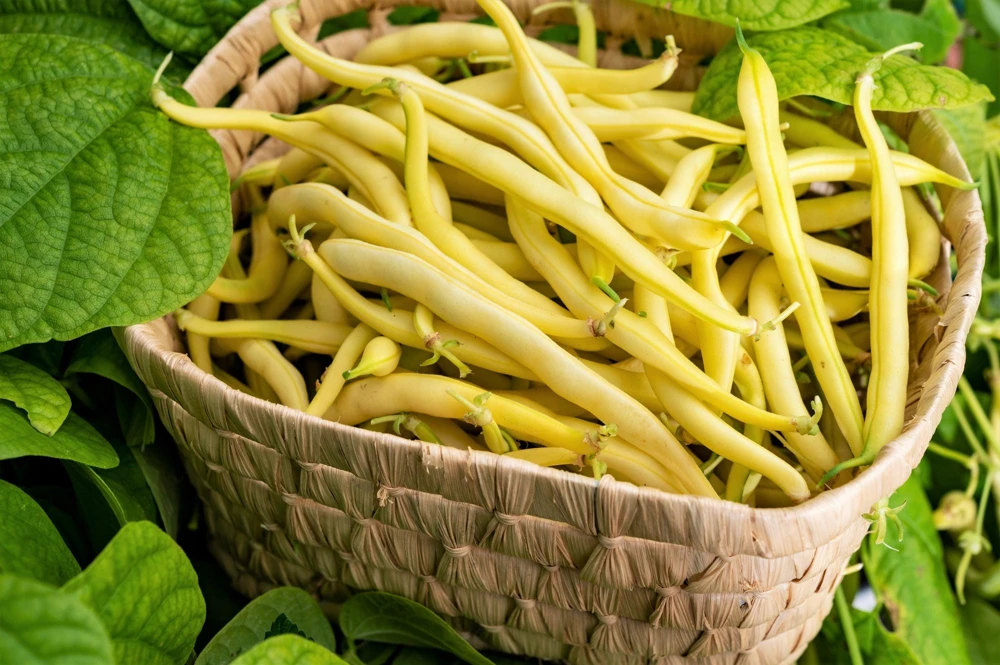
Cherokee Wax Bean Seeds – 50 Yellow Bush Bean Seeds – AAS Winner
Reviews
There are no reviews yet.