




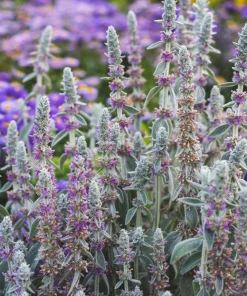
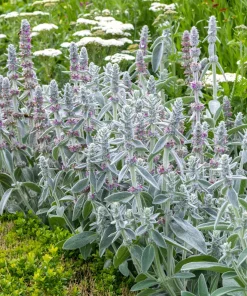
Lamb’s Ear Seeds – Stachys Byzantina – 100 Seeds – Fuzzy Silver Foliage – Perennial
Original price was: $36.99.$16.99Current price is: $16.99.
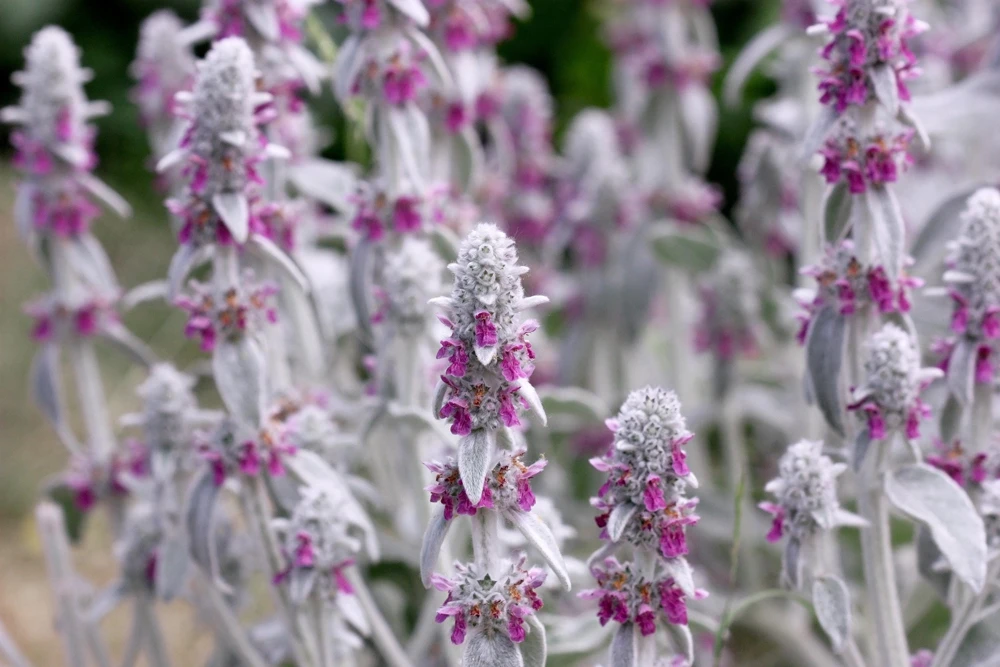
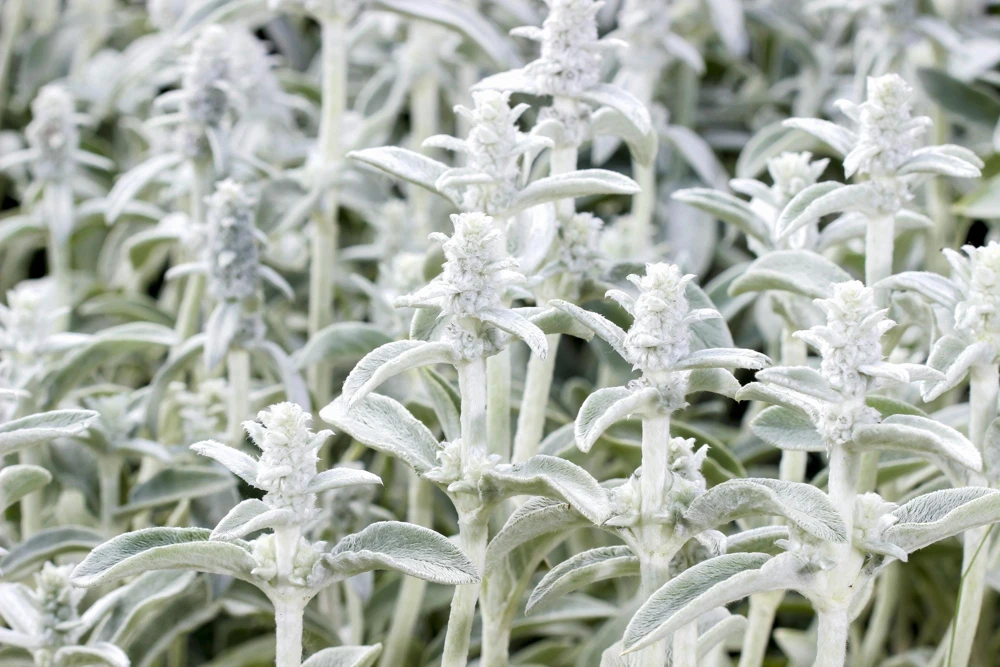
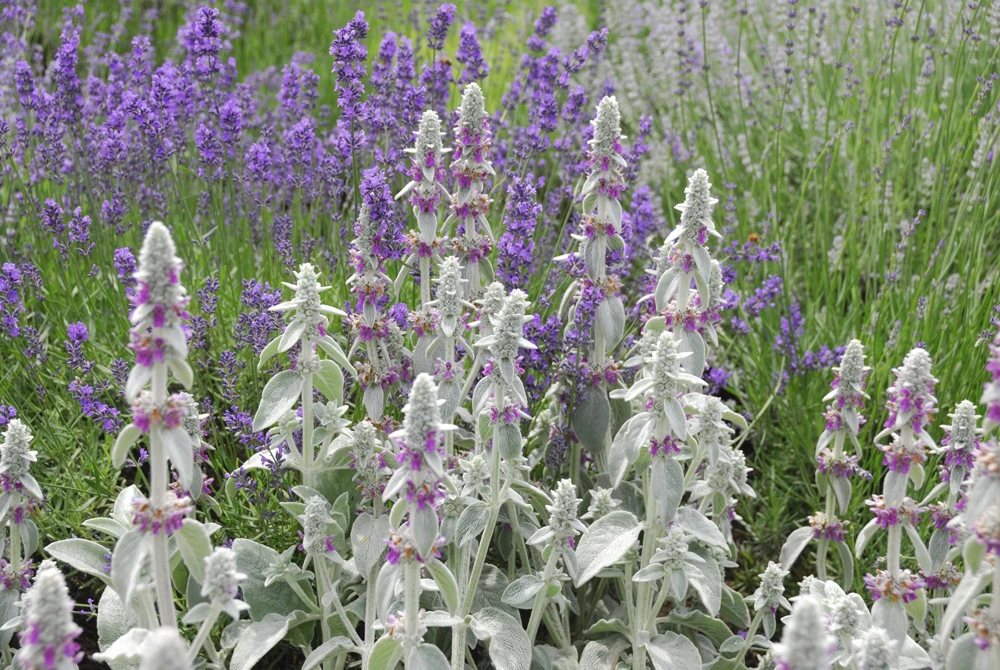
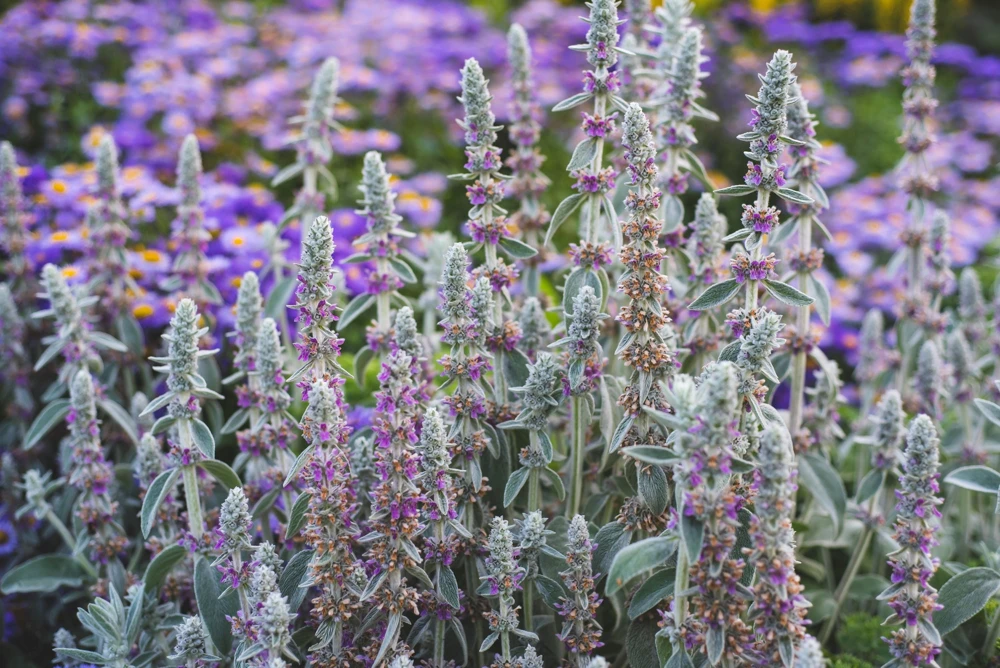
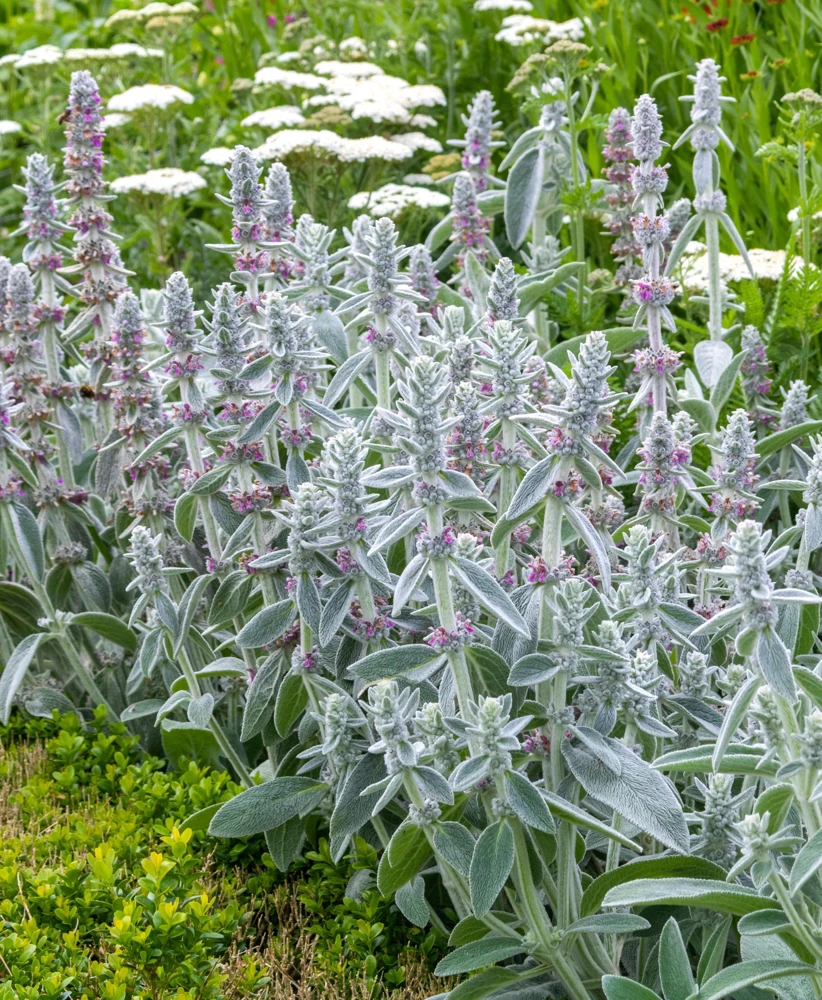
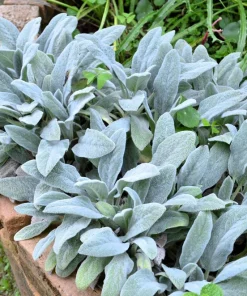
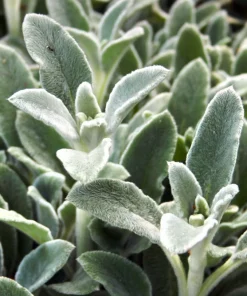
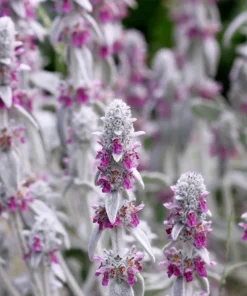
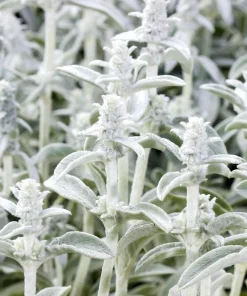
Cultivate charming Lamb’s Ear seeds (Stachys Byzantina) to add unique texture to your garden. These fuzzy silver foliage plants are a delightful perennial groundcover, producing soft leaves and delicate purple blooms. Easy to grow and loved by all ages.
Estimated arrival
Sep 17
Sep 22 - Sep 24
Sep 27 - Oct 01
Shop With Confidence
30-Day Plant Health Guarantee
Arrives damaged? We’ll replace it free — see our return policy.
Responsive Support
Email us anytime, we reply within 1 business day.
Expert Packaging
Temperature-controlled shipping to protect your plants in transit.
Secure Checkout
Pay safely with Visa, Mastercard, PayPal.
Plant Specifications
-
USDA Hardiness Zone
3 - 9 -
Soil Type
Average, well-draining soil -
Sunlight Exposure
Full sun - Part shade -
Expected Planting Period
Outdoors after frost / Indoors weeks before last frost
Overview
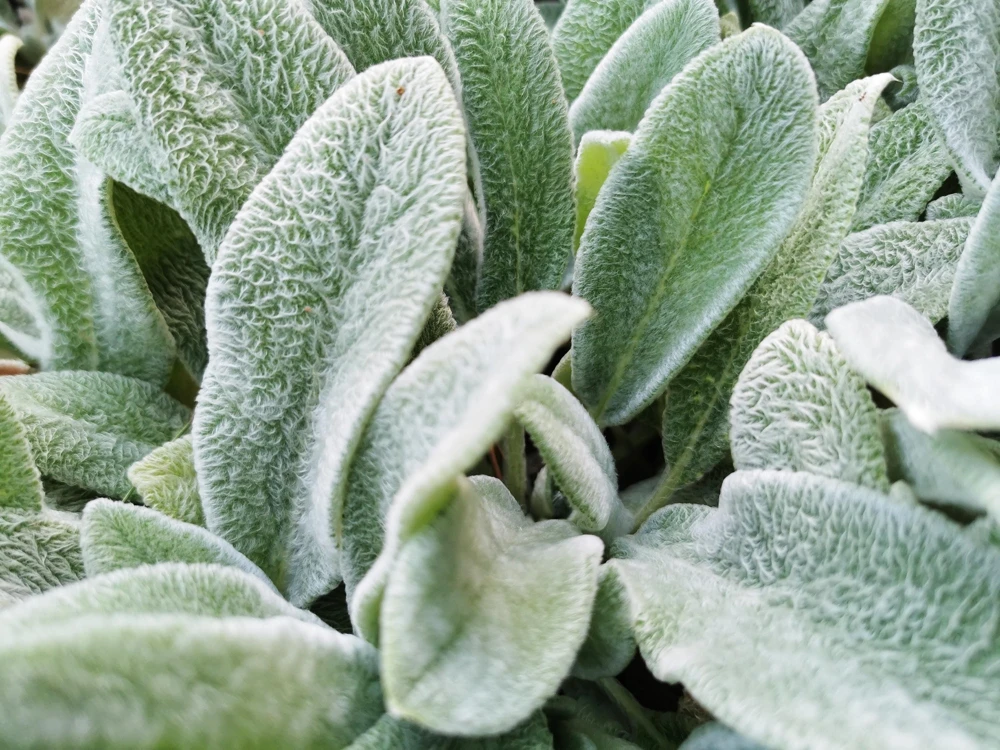
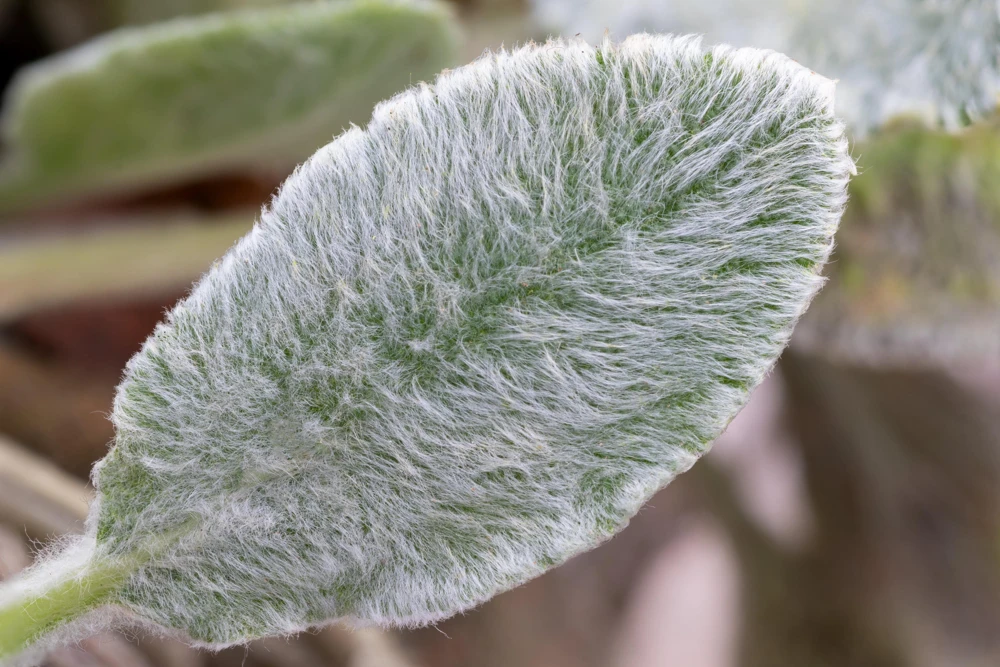
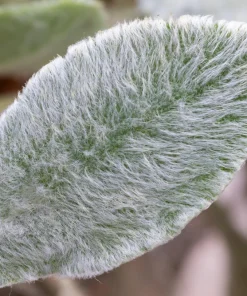
Introduce a touch of whimsy and tactile delight to your garden with our premium Lamb’s Ear seeds. Scientifically known as Stachys Byzantina, this popular perennial is cherished for its distinctive, soft, silvery-gray foliage that resembles the ear of a lamb, hence its charming common name. Each packet contains 100 high-quality seeds, ready to transform your landscape into a textural wonderland. Stachys Byzantina seeds offer a unique aesthetic, providing a beautiful contrast to greener plants and adding a soothing, muted tone to borders, rock gardens, or as an attractive groundcover. These seeds are an excellent choice for gardeners looking for low-maintenance, drought-tolerant plants that offer year-round interest in warmer climates and reliably return after winter in colder zones.
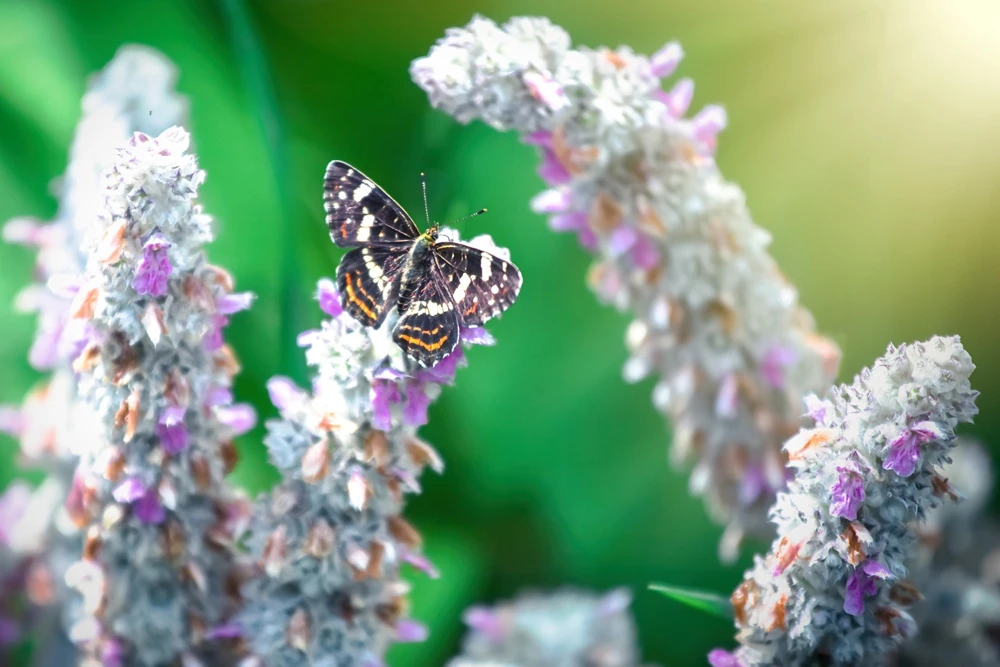
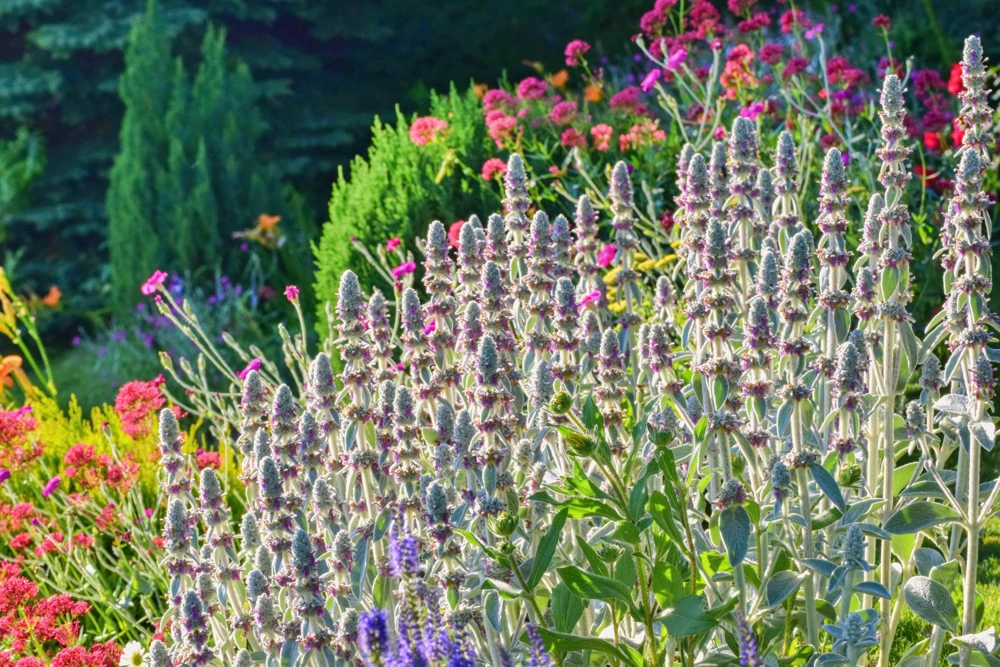
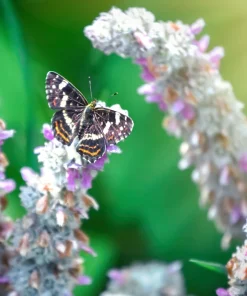
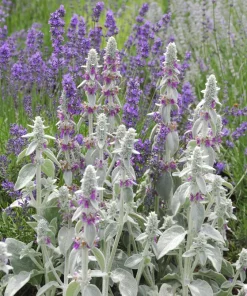
The appeal of Lamb’s Ear extends beyond its visual charm; its velvety leaves are irresistible to touch, making it a favorite among children and adults alike. This plant not only serves as an excellent ornamental but also attracts beneficial pollinators with its slender stalks of delicate purple flower seeds that emerge in late spring to early summer. Whether you’re an experienced gardener or just starting, growing Lamb’s Ear from seeds is a rewarding experience that yields a resilient and beautiful addition to any garden space. Embrace the unique texture and subtle beauty that only Lamb’s Ear seeds can provide.
Key Benefits
Our Lamb’s Ear seeds offer a multitude of benefits for both the discerning gardener and the casual admirer. From their unique aesthetic appeal to their robust nature, these plants are a fantastic choice for various garden settings. Cultivating Stachys Byzantina seeds will bring joy and ease to your gardening endeavors.
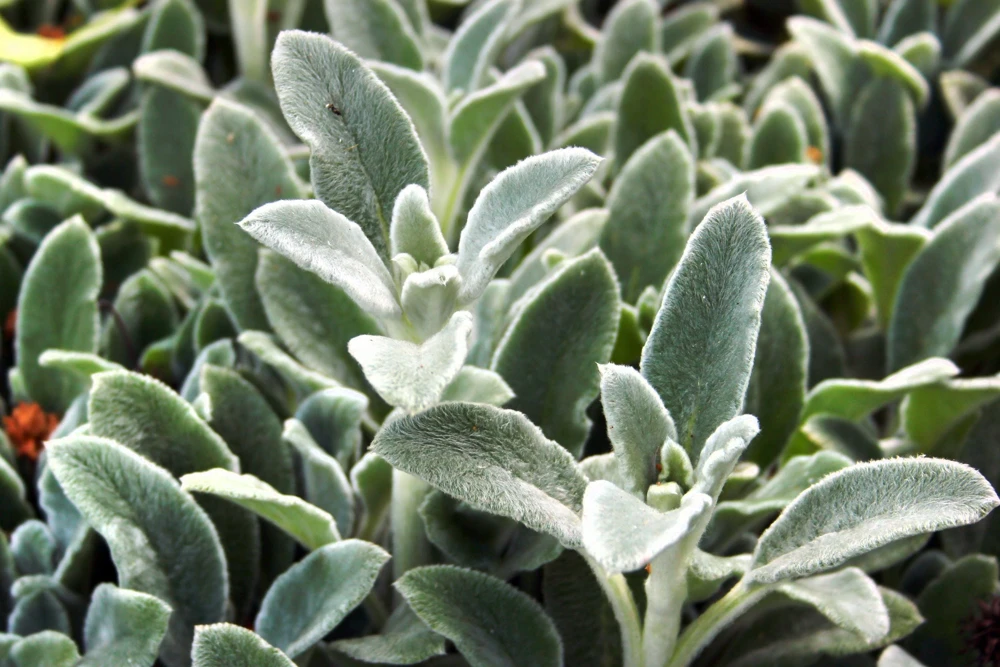
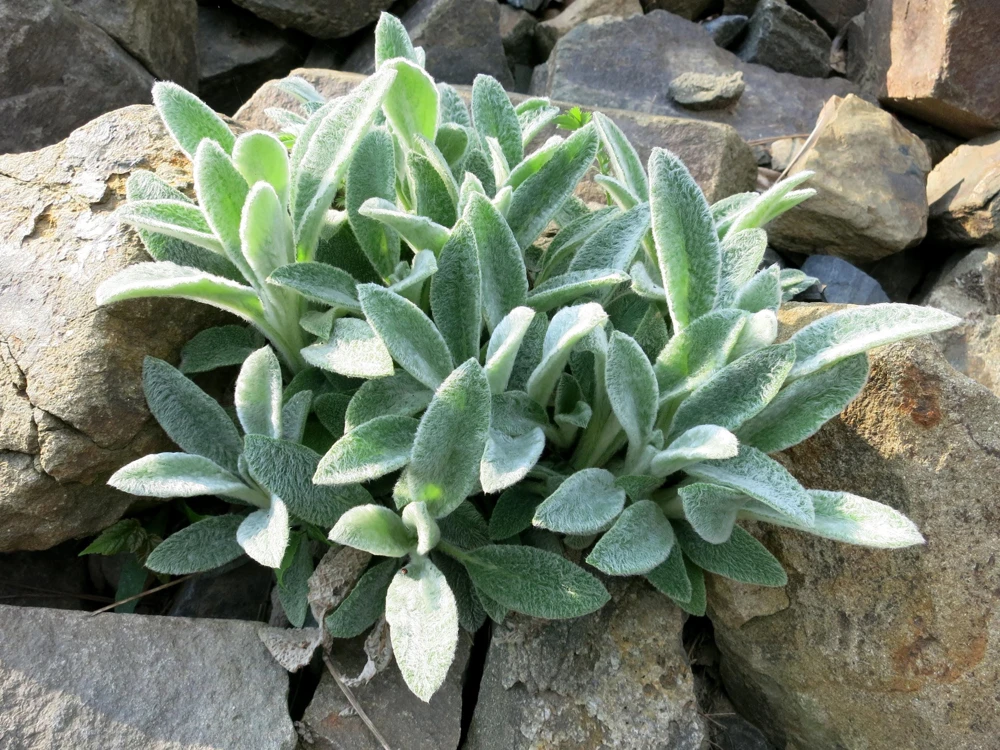
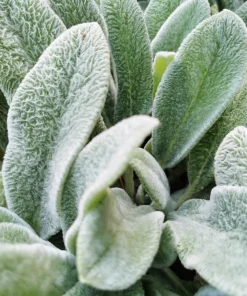
- Distinctive Silvery Foliage: The most striking feature of Lamb’s Ear is its incredibly soft, fuzzy, silvery-white leaves. This unique texture and color provide a beautiful contrast in garden beds, making other plants pop and adding a serene, almost ethereal quality to the landscape.
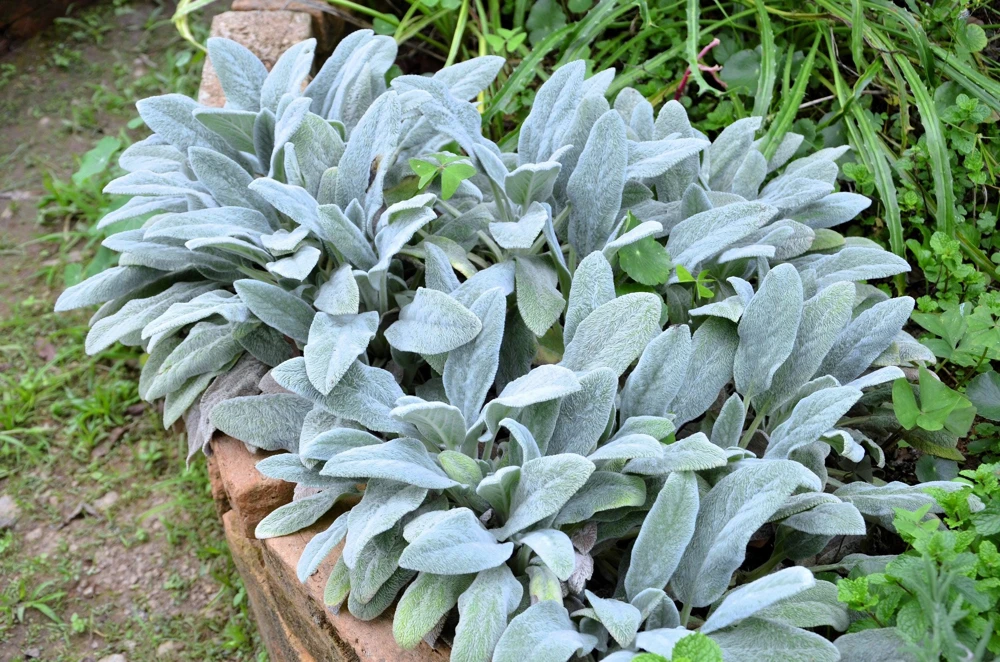
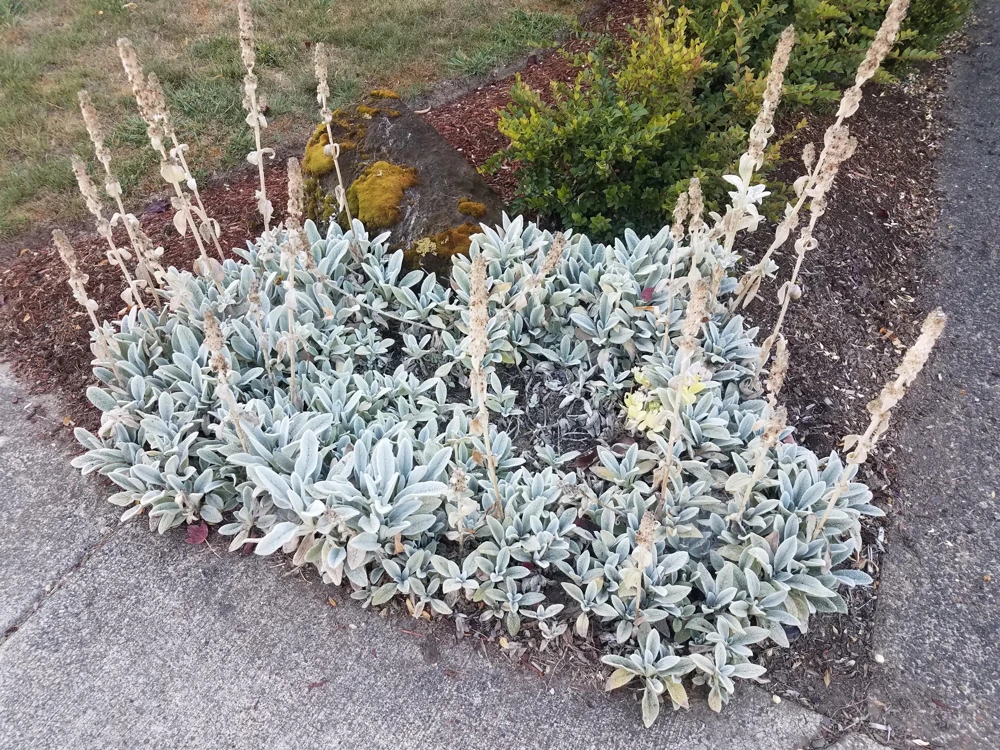
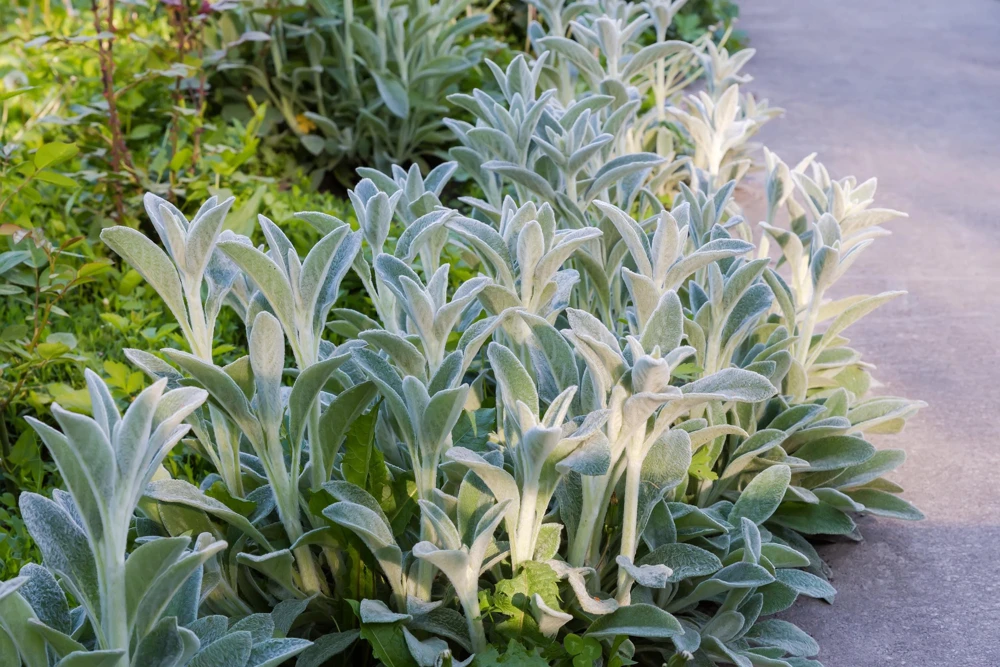
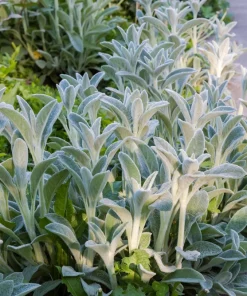
- Excellent Groundcover: Lamb’s Ear spreads to form a dense mat of foliage, effectively suppressing weeds and reducing maintenance. It’s an ideal choice for filling in bare spots, creating borders, or cascading over retaining walls, offering a lush, uniform appearance.
- Drought-Tolerant and Low Maintenance: Once established, these plants are remarkably resilient and require minimal watering, making them perfect for xeriscaping or gardens in drier climates. They thrive in average soil conditions and generally require little fuss to look their best.
- Attractive to Pollinators: While primarily grown for its foliage, Lamb’s Ear produces spikes of small, delicate purple flower seeds in late spring to early summer. These flowers are a subtle beauty and attract bees and other beneficial pollinators to your garden.
- Child-Friendly Appeal: The velvety texture of the leaves is a sensory delight, often captivating children who love to touch and explore their garden. It’s a wonderful plant to introduce young ones to the wonders of nature.
- Hardy Perennial: As a perennial groundcover, Lamb’s Ear returns year after year, saving you the effort and expense of replanting annually. It is hardy in USDA Zones 3-9, adapting to a wide range of climates.
- Versatile Garden Use: Beyond groundcover, Lamb’s Ear can be used in rock gardens, cottage gardens, as edging along pathways, or even in containers. Its unique texture makes it a valuable component in mixed plantings.
Plant Care & Growing Tips
Growing Lamb’s Ear seeds is a straightforward and rewarding process, perfect for adding a unique textural element to your garden. These resilient plants are known for their adaptability and low maintenance once established. For optimal growth, understanding their specific needs is crucial. When planting your Stachys Byzantina seeds, consider starting them indoors several weeks before the last frost date or sowing them directly outdoors after all danger of frost has passed. Ensure the seeds are lightly covered with soil, as they require some light to germinate. Consistent moisture is important during the germination phase, but be careful not to overwater, as excessive dampness can lead to rot.
Sunlight Requirements: Lamb’s Ear thrives in full sun to partial shade. In hotter climates, some afternoon shade can protect the foliage from scorching, maintaining its vibrant silvery color. Aim for at least 6 hours of direct sunlight daily for the best performance. Watering Schedule: Once established, Lamb’s Ear is highly drought-tolerant. Water sparingly, allowing the soil to dry out completely between waterings. Overwatering is the most common cause of problems, especially in humid environments. Soil Type: Average, well-draining soil is ideal. Lamb’s Ear does not tolerate heavy, wet soils. If your soil is clay-heavy, consider amending it with sand or grit to improve drainage. Temperature Range & Hardiness Zone: These plants are hardy in USDA Zones 3-9. They are remarkably tolerant of both heat and cold, though in colder zones, the foliage may die back in winter and re-emerge in spring. Fertilization: Lamb’s Ear is not a heavy feeder. A light application of a balanced granular fertilizer in spring is usually sufficient, or you can skip it entirely if your soil is reasonably fertile. Common Problems: The primary issues are related to excessive moisture, which can lead to crown rot or powdery mildew. Ensure good air circulation and proper drainage to prevent these problems. Deadheading the spent purple flower seeds stalks can encourage a tidier appearance, though it’s not strictly necessary for the plant’s health.
Size & Details
Our offering includes 100 Lamb’s Ear seeds, providing an ample supply to establish a beautiful patch of this unique perennial. Each plant typically grows to a height of 12-15 inches with a similar spread, creating a dense and appealing groundcover. The foliage is evergreen in warmer climates, offering year-round texture, while in colder regions, it may die back in winter to return with vigor in spring. When grown from Stachys Byzantina seeds, you can expect germination within 14-21 days under optimal conditions. The plants will begin to establish their characteristic fuzzy silver foliage within the first growing season, with flowering typically occurring in the second year from late spring to early summer. These seeds are provided in a protective packet, ensuring their viability upon arrival, ready for planting to create a stunning display of fuzzy silver foliage in your garden.
Frequently Asked Questions
- Q: How big does this plant get? A: Lamb’s Ear plants typically grow to a height of 12-15 inches and can spread about 12-15 inches wide, forming an attractive mat of foliage. This makes it an excellent choice for groundcover or borders.
- Q: Is this an indoor or outdoor plant? A: Lamb’s Ear is primarily an outdoor plant, thriving in garden beds, rock gardens, and as a groundcover. While its fuzzy leaves are appealing, it generally does not perform well as a long-term indoor houseplant due to its need for specific light and air circulation.
- Q: How much sunlight does it need? A: For best results, Lamb’s Ear prefers full sun to partial shade. In areas with intense summer heat, a location that receives some afternoon shade can help protect its delicate fuzzy silver foliage.
- Q: Is this plant easy to care for? A: Yes, Lamb’s Ear is considered a very easy-to-care-for plant, especially once established. It is drought-tolerant and requires minimal maintenance, making it suitable for beginner gardeners and those seeking low-effort landscaping solutions.
- Q: What condition will the Lamb’s Ear seeds arrive in? A: The Lamb’s Ear seeds will arrive in a sealed, protective packet to ensure their viability and freshness. They are ready for planting upon receipt, offering you the best chance for successful germination.
- Q: How long until it blooms? A: When grown from Stachys Byzantina seeds, the plants typically establish their foliage in the first year and begin to produce their characteristic purple flower seeds stalks in the second year, blooming from late spring to early summer.
- Q: Will it survive winter in my zone? A: Lamb’s Ear is a hardy perennial, robust in USDA Zones 3-9. In colder zones, the foliage may die back during winter but will reliably re-emerge in spring. In warmer zones, it often remains evergreen year-round.
- Q: What is the best time to plant Stachys Byzantina seeds? A: You can sow Stachys Byzantina seeds outdoors after the last frost in spring, or start them indoors 6-8 weeks before the last frost date for an earlier start to the growing season.
- Q: Can I use Lamb’s Ear in containers? A: Yes, Lamb’s Ear can be grown in containers, especially as part of a mixed arrangement where its fuzzy silver foliage can provide a beautiful textural contrast. Ensure the container has good drainage.
- Q: Is Lamb’s Ear deer resistant? A: Due to its fuzzy texture, Lamb’s Ear is generally considered deer and rabbit resistant, making it a good choice for gardens where these animals are a concern.
Be the first to review “Lamb’s Ear Seeds – Stachys Byzantina – 100 Seeds – Fuzzy Silver Foliage – Perennial”
People Also Viewed


Houseplants


Aquatic Plant Seeds
Colorful Water Lily & Lotus Bulbs – Easy Grow Aquatic Pond Plant






Reviews
There are no reviews yet.