


Yellow Coneflower Seeds – Ratibida Pinnata Flower Seeds – 100 Seeds
Original price was: $36.99.$16.99Current price is: $16.99.
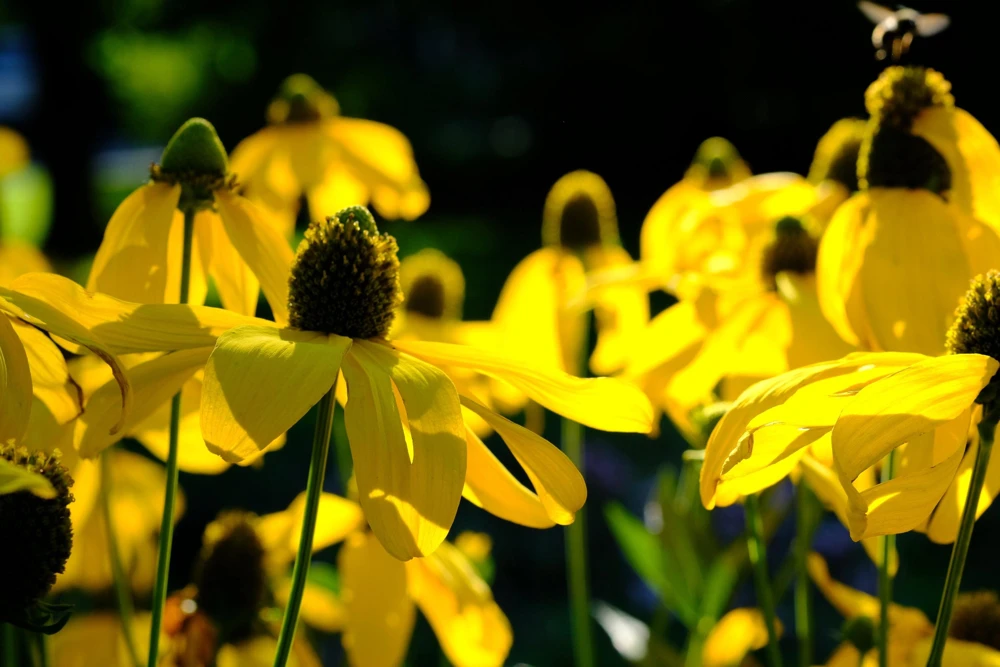
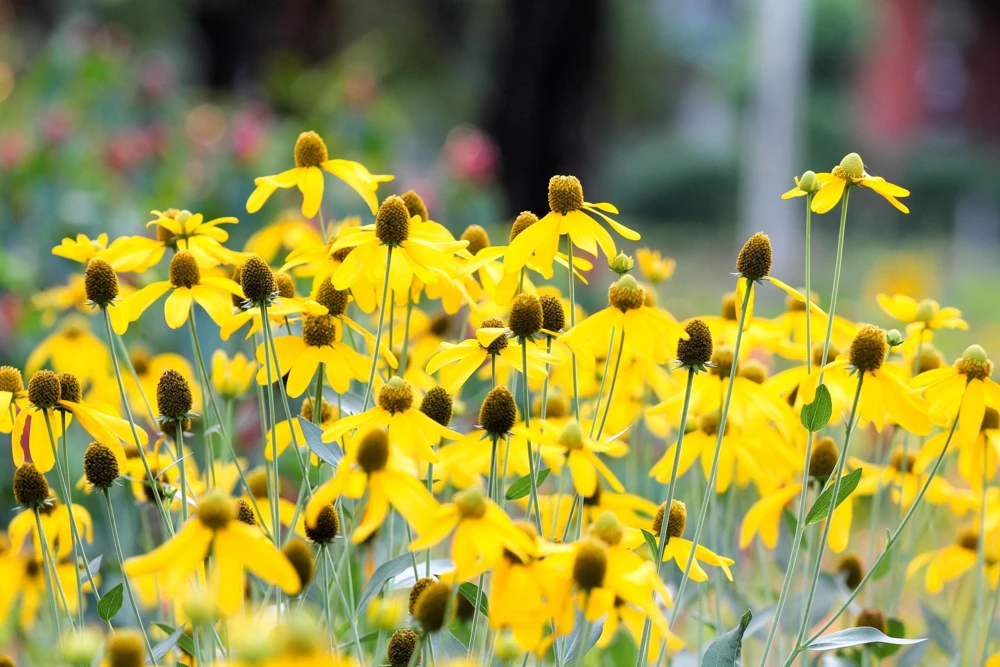
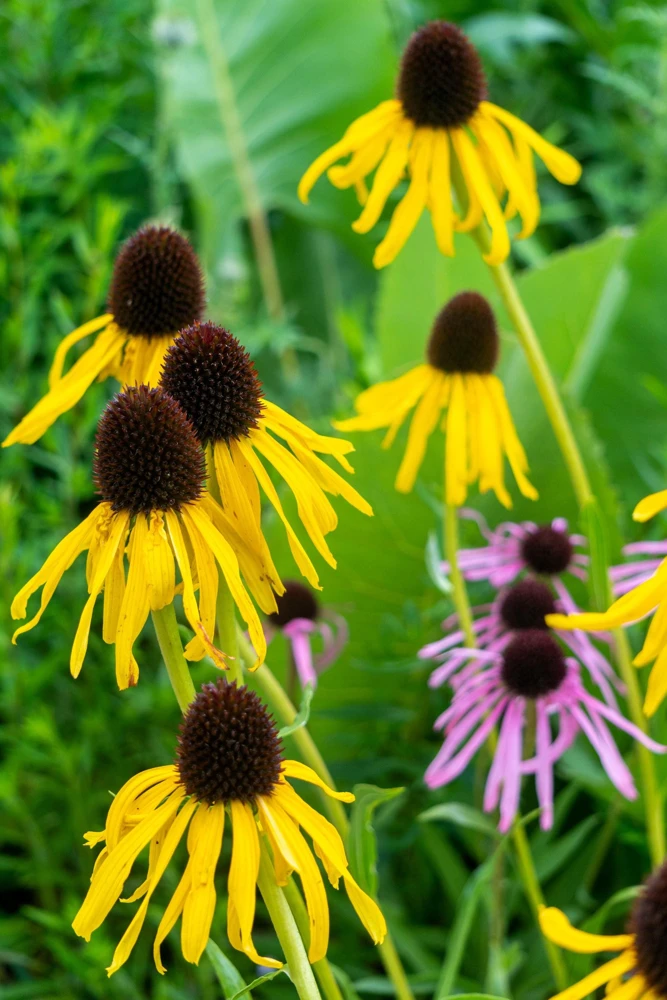
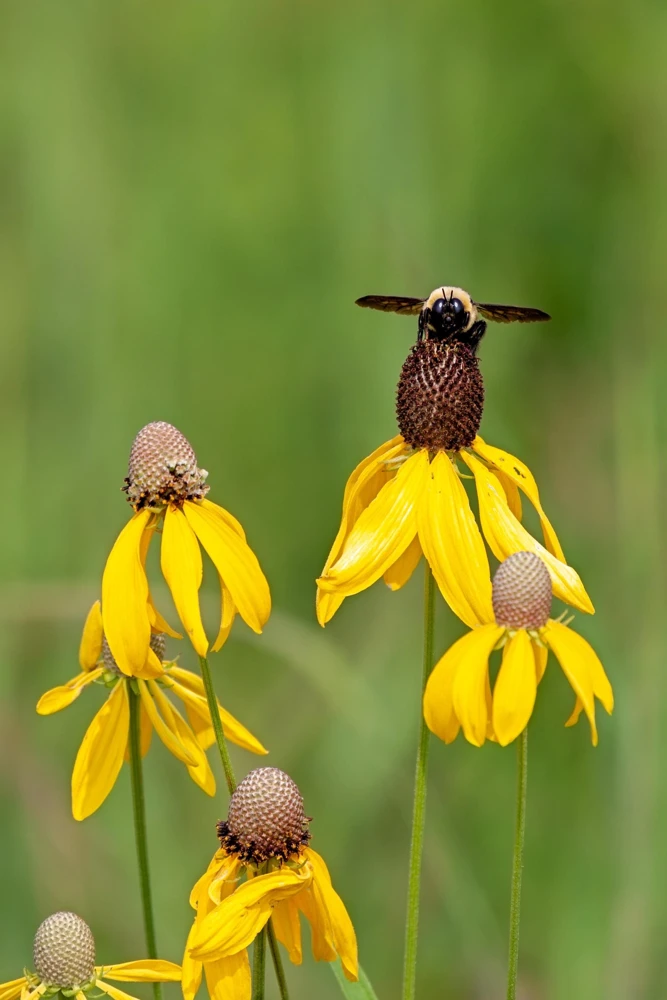
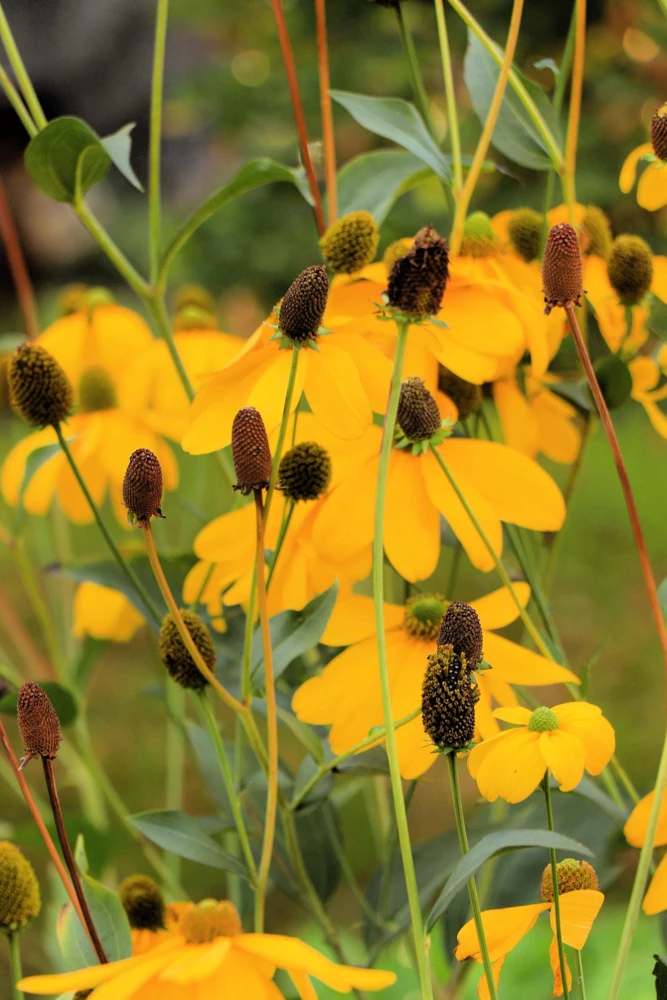
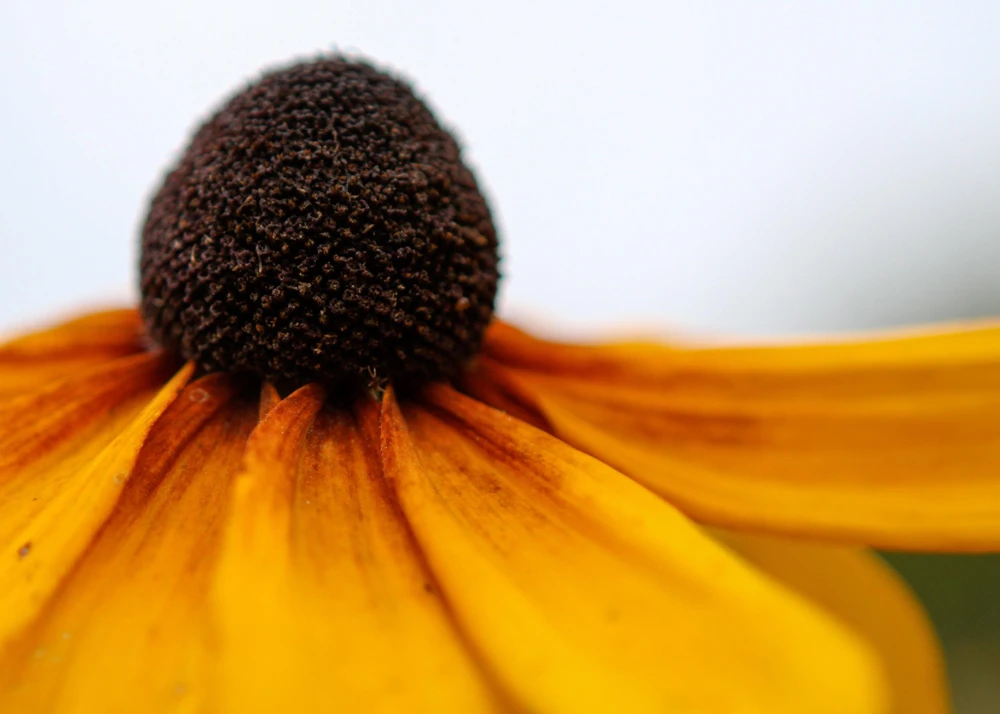
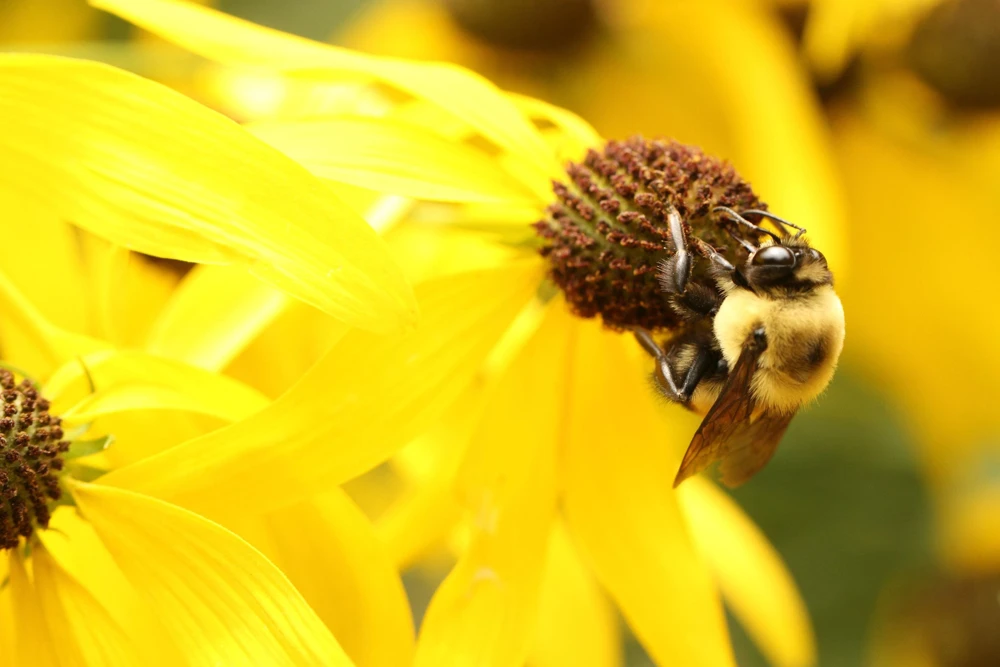
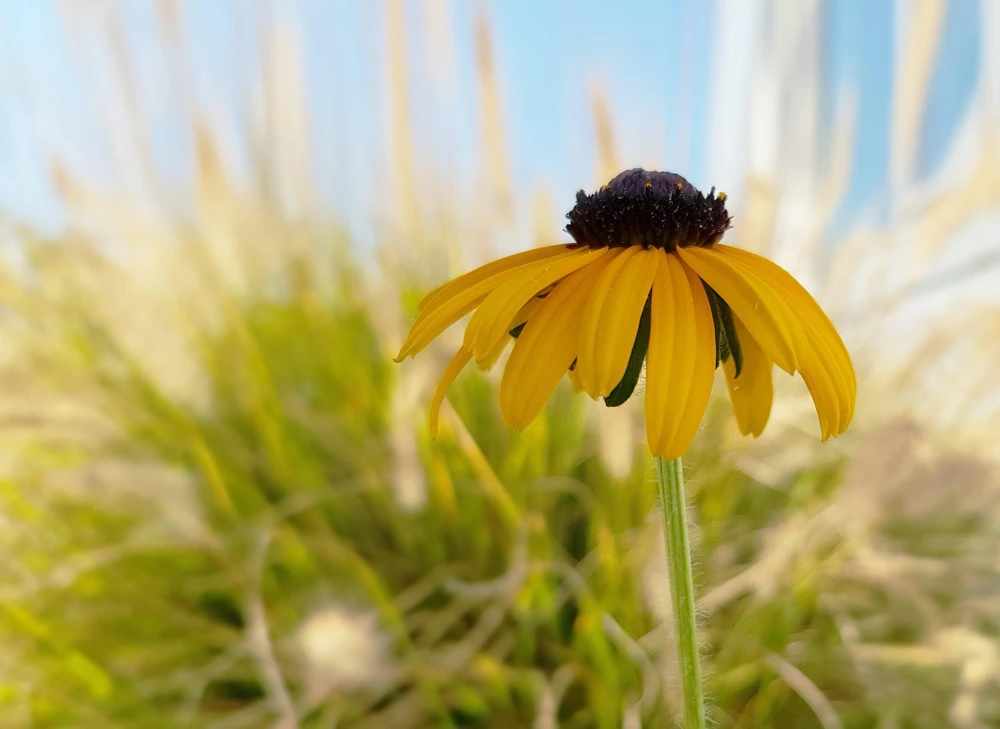
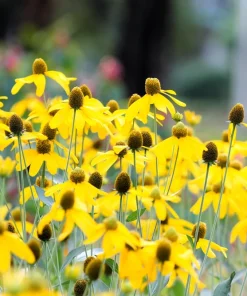
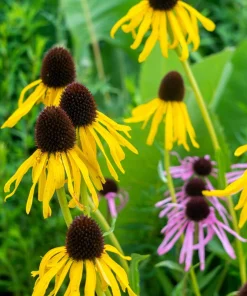
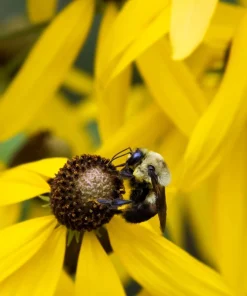
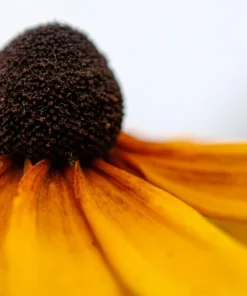
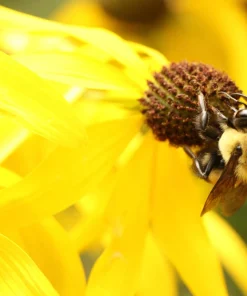
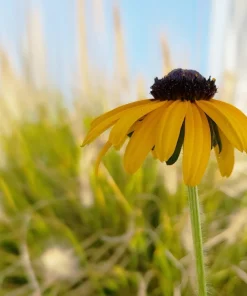
Cultivate stunning yellow coneflower seeds (Ratibida Pinnata) in your garden. These vibrant perennial flowers are known for their striking yellow petals and brown centers, attracting bees, birds, and butterflies. Ideal for zones 3-10, they thrive in full sun to part shade and are perfect for adding long-lasting color and life to your landscape.
Estimated arrival
Sep 17
Sep 22 - Sep 24
Sep 27 - Oct 01
Shop With Confidence
30-Day Plant Health Guarantee
Arrives damaged? We’ll replace it free — see our return policy.
Responsive Support
Email us anytime, we reply within 1 business day.
Expert Packaging
Temperature-controlled shipping to protect your plants in transit.
Secure Checkout
Pay safely with Visa, Mastercard, PayPal.
Plant Specifications
-
USDA Hardiness Zone
3 - 10 -
Soil Type
Average, well-draining soil -
Sunlight Exposure
Full sun - Part shade -
Expected Planting Period
Outdoors after frost / Indoors weeks before last frost
Overview
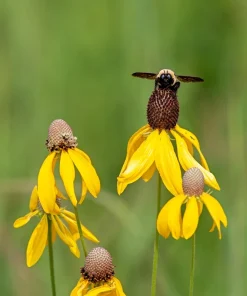
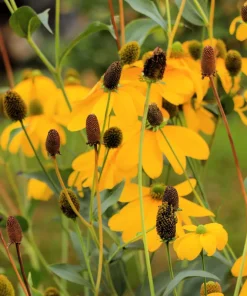
Introduce a splash of cheerful yellow to your garden with our premium yellow coneflower seeds. Also known by its scientific name, Ratibida Pinnata, the Yellow Coneflower is a beloved perennial native to North America, celebrated for its distinctive daisy-like blooms with drooping yellow petals and prominent central cones. These robust and beautiful flowers are an excellent choice for gardeners looking to create a vibrant, low-maintenance landscape that supports local wildlife. Each packet contains 100 Ratibida Pinnata seeds, providing ample opportunity to establish a thriving patch of these charming flowers. Known for their resilience and adaptability, yellow coneflower seeds are easy to grow, making them suitable for both novice and experienced gardeners alike.
The Yellow Coneflower is more than just a pretty face; it plays a crucial role in ecological balance by attracting a multitude of pollinators. From buzzing bees to graceful butterflies and various bird species, your garden will become a lively sanctuary. These flowers are perfect for naturalized areas, wildflower meadows, cottage gardens, or as striking accents in mixed borders. Their tall stature, typically reaching 36 to 72 inches, adds vertical interest, while their late summer bloom time ensures a continuous display of color when many other plants begin to fade. Planting Ratibida Pinnata seeds is a rewarding experience, leading to a garden filled with natural beauty and biodiversity.
Key Benefits
Growing yellow coneflower seeds offers a myriad of advantages for your garden and local ecosystem. These resilient plants provide long-lasting beauty and contribute significantly to biodiversity.
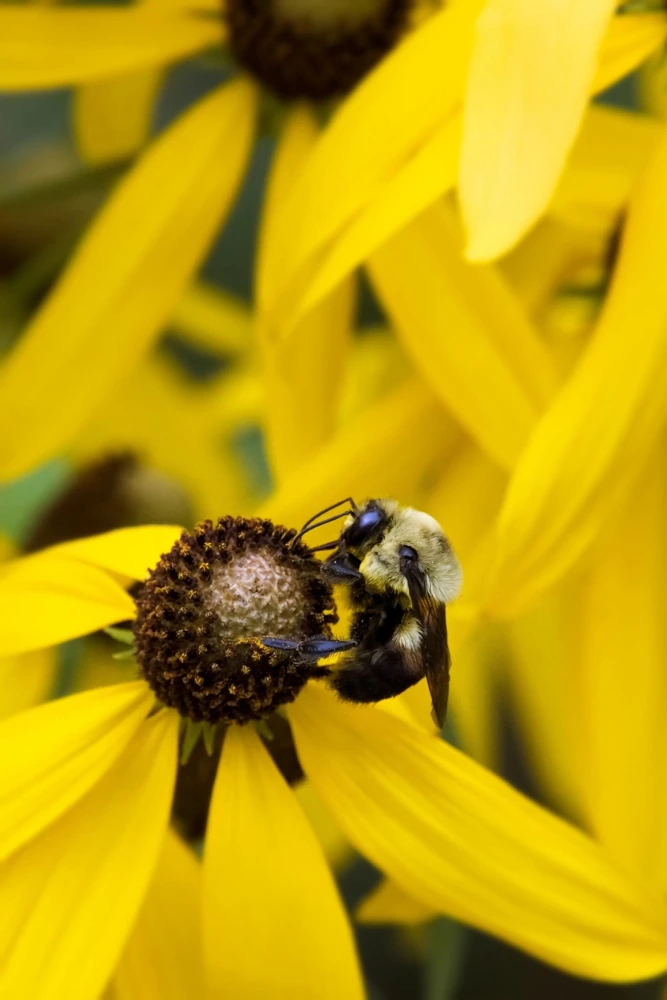
- Pollinator Attraction: The bright yellow blooms with their prominent cones are irresistible to a wide range of pollinators, including bees, butterflies, and various beneficial insects. Planting these flowers helps support local ecosystems and promotes healthy garden productivity.
- Wildlife Support: Beyond pollinators, the seed heads of the yellow coneflower are a favorite food source for birds, especially in late fall and winter, providing essential sustenance when other food sources are scarce.
- Extended Bloom Time: Enjoy a continuous display of vibrant yellow flowers from late summer into fall. This extended bloom period ensures your garden remains colorful and attractive long after many other plants have finished flowering.
- Low Maintenance & Drought Tolerant: Once established, Ratibida Pinnata is incredibly hardy and requires minimal care. It is drought-tolerant and can thrive in average soil conditions, making it an excellent choice for busy gardeners or those in drier climates.
- Versatile Garden Use: These tall and striking flowers are perfect for various garden settings. Use them in wildflower meadows, native plant gardens, cottage gardens, borders, or as a natural backdrop for shorter plants. They also make excellent cut flowers.
- Hardy Perennial: Suitable for USDA Hardiness Zones 3-10, the Yellow Coneflower returns year after year, providing reliable beauty without the need for annual replanting. This makes it a cost-effective and sustainable choice for long-term garden planning.
- Erosion Control: With its strong root system, the yellow coneflower plant care properties also include helping to stabilize soil, making it beneficial for areas prone to erosion.
Plant Care & Growing Tips
Cultivating yellow coneflower seeds is straightforward, and with a little care, you’ll be rewarded with a spectacular display of blooms. These plants are known for their hardiness and adaptability, thriving in a variety of conditions. For optimal growth, sow seeds outdoors after the last frost or start them indoors several weeks before the last frost for an earlier bloom. Plant the seeds about 1/8 inch deep and gently press them into the soil. Germination typically occurs within 10-20 days under suitable conditions. Once seedlings are established, thin them to a spacing of 18-24 inches to allow for proper air circulation and growth.
Light Requirements:Ratibida Pinnata prefers full sun but can tolerate partial shade. For the most abundant blooms and strongest growth, aim for at least 6-8 hours of direct sunlight per day. In hotter climates, some afternoon shade can be beneficial to prevent scorching. Soil & Water Preferences: These plants are not particular about soil type and can thrive in average to poor soils, as long as they are well-draining. Avoid overly wet conditions, as this can lead to root rot. Once established, Yellow Coneflowers are quite drought-tolerant, requiring only occasional watering during prolonged dry spells. During establishment, keep the soil consistently moist but not waterlogged. For those interested in coneflower plant care, remember that good drainage is key.
Hardiness & Fertilization: Yellow Coneflowers are hardy perennials, suitable for USDA Zones 3-10. They are quite resilient to cold temperatures once established. Fertilization is generally not necessary in average garden soil, as these plants are accustomed to nutrient-poor environments. If your soil is particularly poor, a light application of a balanced, slow-release granular fertilizer in early spring can be beneficial. Deadheading spent flowers can encourage more blooms and prevent self-seeding if desired, though leaving some seed heads provides food for birds and can contribute to a naturalized look. Understanding pollinator garden seeds and their needs helps ensure a thriving habitat.
Size & Details
Our offering includes 100 Yellow Coneflower seeds (Ratibida Pinnata), providing a generous quantity for establishing a beautiful and expansive garden display. When mature, these impressive plants typically reach a height of 36 to 72 inches, adding significant vertical interest to your landscape. They generally spread 18-24 inches wide, forming attractive clumps over time. The seeds are packed to ensure viability upon arrival, ready for planting in your desired location. These perennial flowers will return year after year, establishing a long-term presence in your garden.
The bloom time for the Yellow Coneflower is typically late summer, extending into early fall, offering a vibrant burst of color when many other summer flowers begin to fade. These plants are known for their moderate to fast growth rate, quickly establishing themselves and producing blooms within their first or second year, depending on planting time and conditions. The seeds ship as a packet, ready for direct sowing or starting indoors. This makes them a perfect choice for creating a thriving perennial flower seeds display.
Frequently Asked Questions
- Q: How big does the Yellow Coneflower get? A: Yellow Coneflowers typically grow to a height of 36 to 72 inches (3 to 6 feet) and can spread 18 to 24 inches wide. Their tall stature makes them excellent for back borders or naturalized areas.
- Q: Is this an indoor or outdoor plant? A: The Yellow Coneflower (Ratibida Pinnata) is primarily an outdoor plant, thriving in garden beds, meadows, and naturalized landscapes. It is not typically grown as an indoor houseplant.
- Q: How much sunlight does it need? A: For best results and the most abundant blooms, Yellow Coneflowers require full sun, meaning at least 6-8 hours of direct sunlight per day. They can tolerate partial shade, but flowering may be reduced.
- Q: Is this plant easy to care for? A: Yes, Yellow Coneflowers are considered very easy to care for. They are drought-tolerant, adaptable to average soils, and require minimal maintenance once established, making them ideal for beginners and experienced gardeners alike. This is a key aspect of good coneflower plant care.
- Q: What condition will the seeds arrive in? A: The product includes 100 yellow coneflower seeds, carefully packaged to ensure freshness and viability upon arrival. You will receive a packet of seeds ready for planting.
- Q: When is the best time to plant these seeds? A: You can sow Ratibida Pinnata seeds directly outdoors after the last spring frost. Alternatively, for an earlier start and bloom, you can begin the seeds indoors several weeks before the last frost.
- Q: Will it survive winter in my zone? A: Yes, Yellow Coneflowers are hardy perennials suitable for USDA Hardiness Zones 3-10. This means they are well-equipped to survive winter in a wide range of climates and will return each year.
- Q: What kind of soil do Yellow Coneflowers prefer? A: These plants are adaptable and thrive in average, well-draining soil. They are not particular about soil type but prefer not to sit in constantly wet conditions.
- Q: Do these flowers attract pollinators? A: Absolutely! Yellow Coneflowers are fantastic for attracting pollinators such as bees, butterflies, and other beneficial insects, making them an excellent choice for a pollinator garden seeds project.
- Q: Are these considered perennial flower seeds? A: Yes, Ratibida Pinnata is a perennial flower, meaning that once planted, the plants will return year after year without needing to be replanted annually.
Be the first to review “Yellow Coneflower Seeds – Ratibida Pinnata Flower Seeds – 100 Seeds”
People Also Viewed
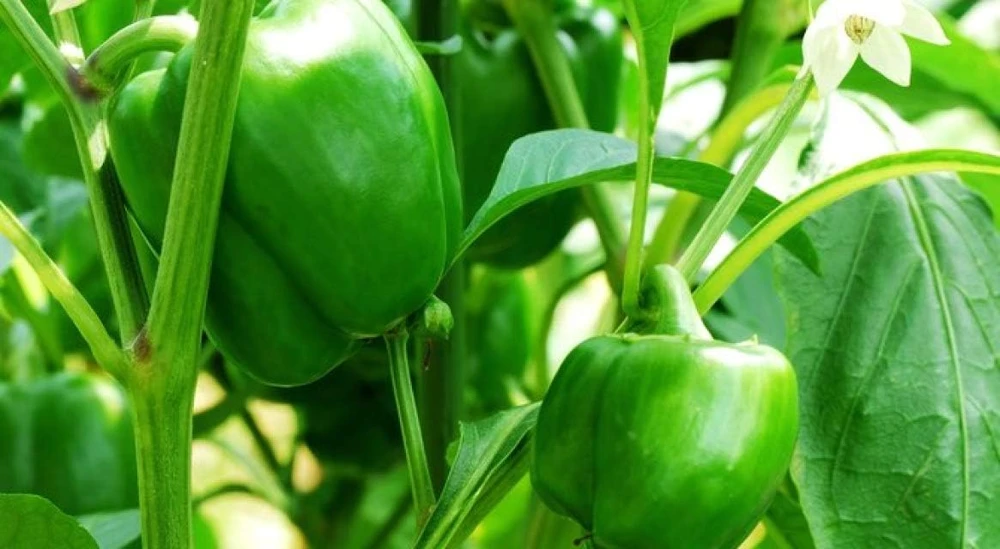
Vegetable Seeds
Emerald Giant Sweet Pepper Seeds – 20 Count – Capsicum Annuum
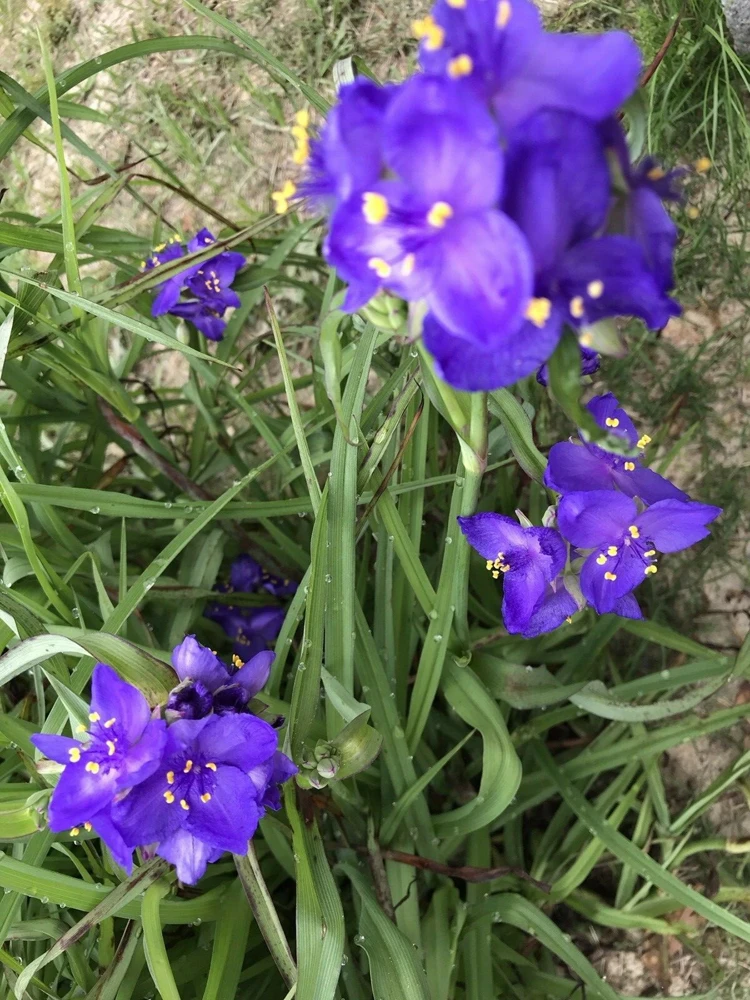
Flower Bulbs
25 Spiderwort Rhizomes – Tradescantia Bare Root Perennial Plants, Purple Flowers, Outdoor

Reviews
There are no reviews yet.