

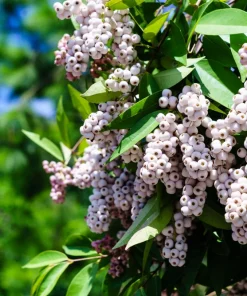
20 Red Twig Dogwood Seeds – American Red Osier Shrub, White Flower
Original price was: $36.99.$16.99Current price is: $16.99.
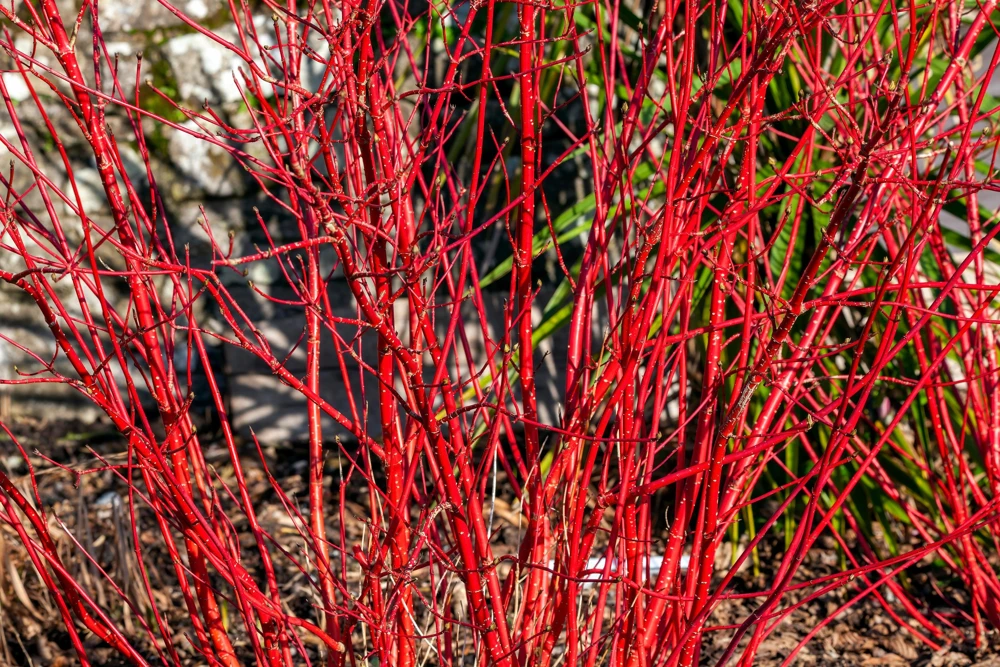
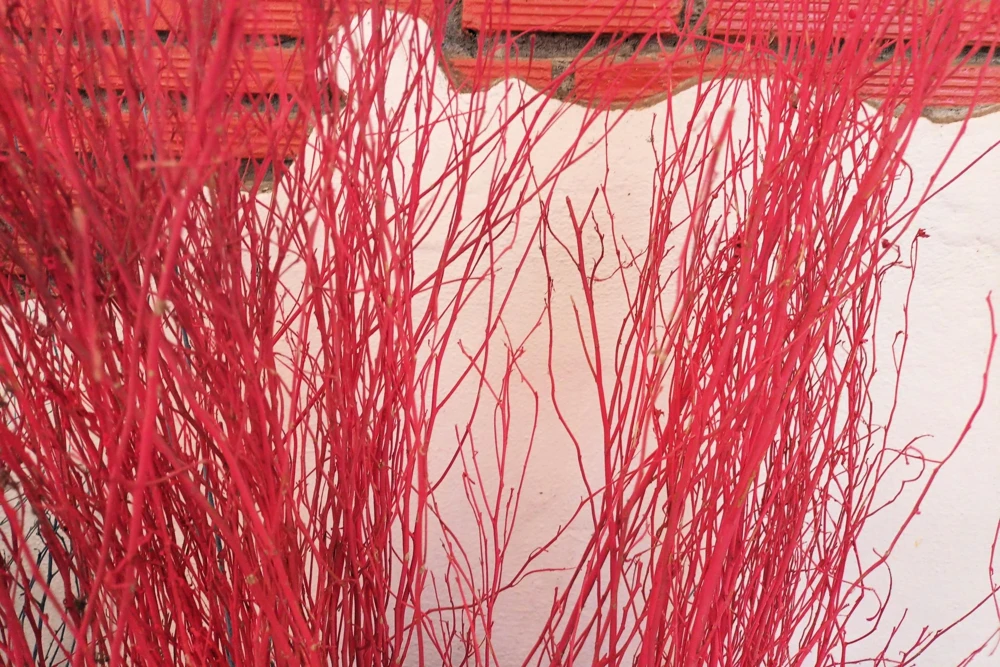
Cultivate stunning red twig dogwood seeds to add year-round color to your garden. These American Red Osier shrubs are known for their striking red stems, white flowers, and provide excellent winter interest. Perfect for naturalized areas or as a vibrant border plant.
Estimated arrival
Sep 17
Sep 22 - Sep 24
Sep 27 - Oct 01
Shop With Confidence
30-Day Plant Health Guarantee
Arrives damaged? We’ll replace it free — see our return policy.
Responsive Support
Email us anytime, we reply within 1 business day.
Expert Packaging
Temperature-controlled shipping to protect your plants in transit.
Secure Checkout
Pay safely with Visa, Mastercard, PayPal.
Plant Specifications
-
USDA Hardiness Zone
USDA Zones 2-7 -
Soil Type
Well-draining, moist to wet soil -
Sunlight Exposure
Full sun to partial shade -
Expected Planting Period
Late fall to early spring
Overview
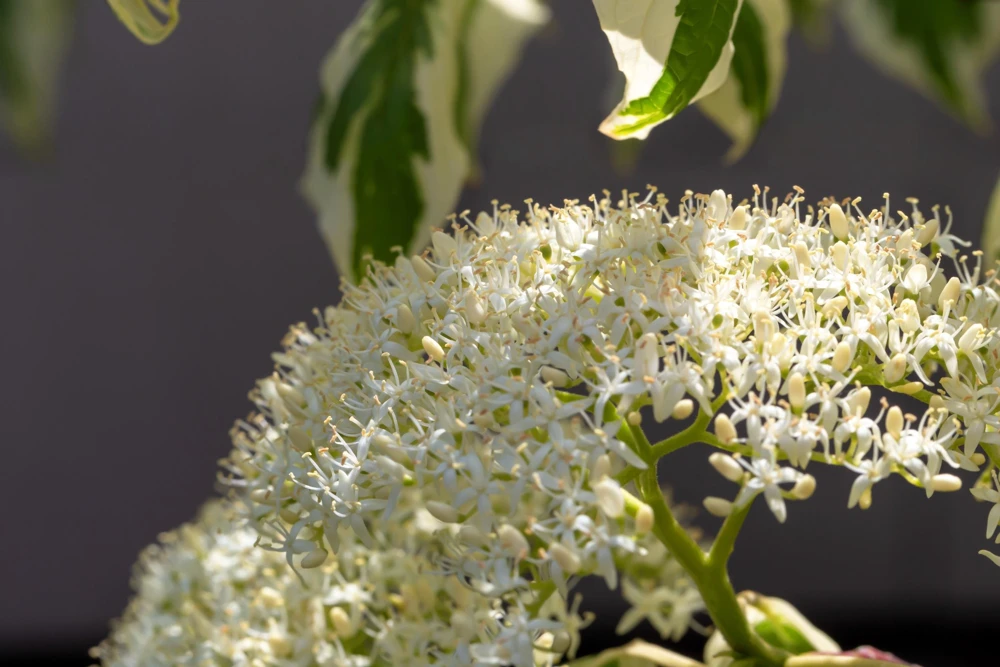
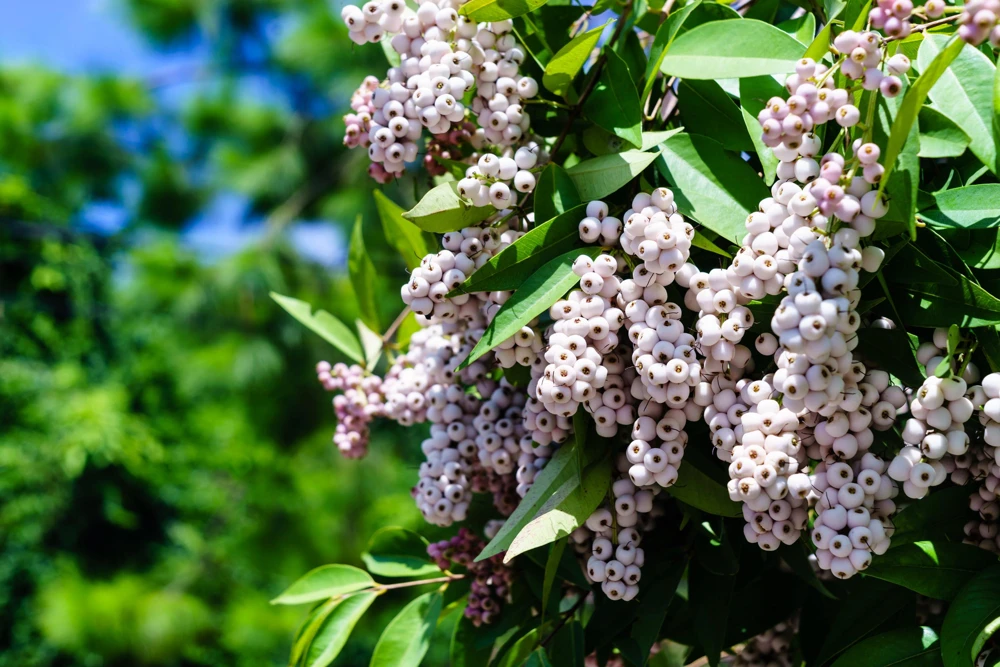
Transform your landscape with these high-quality red twig dogwood seeds. Also known as American Red Osier, Cornus sericea, or Red Osier Dogwood, this deciduous shrub is celebrated for its distinctive vibrant red stems that provide unparalleled visual interest, especially during the dormant winter months. Beyond its fiery winter display, the plant offers attractive white flower clusters in late spring to early summer, followed by small white berries that are a favorite food source for birds. Growing red twig dogwood seeds allows you to cultivate a hardy and adaptable shrub that thrives in a variety of conditions, making it an excellent choice for naturalized settings, wetland areas, or as a striking border plant in your garden.
The american red osier shrub is a native plant to North America, contributing to local ecosystems and requiring minimal maintenance once established. Its rapid growth rate and ability to spread make it an effective plant for erosion control, particularly along streambanks or in moist areas. Whether you’re a seasoned gardener or just starting, planting cornus sericea seeds offers a rewarding experience, culminating in a resilient and beautiful addition to your outdoor space that changes with the seasons.
Key Benefits
Choosing to plant red twig dogwood seeds brings a multitude of advantages to any garden. These shrubs are not only visually appealing but also offer practical benefits for your landscape and local wildlife.
- Year-Round Visual Appeal: The most prominent feature of the american red osier shrub is its brilliant red stems, which become particularly vibrant in winter, providing crucial color when other plants are dormant. In spring, it boasts delicate white flowers, followed by white berries and green foliage in summer, offering continuous interest.
- Wildlife Attraction: The white berries produced by the Red Twig Dogwood are a valuable food source for numerous bird species, attracting them to your garden. Its dense growth can also provide shelter for small animals.
- Erosion Control: With its strong, spreading root system, this shrub is highly effective at stabilizing soil, making it an excellent choice for planting on slopes, along riverbanks, or in areas prone to erosion.
- Adaptable and Hardy: The Red Twig Dogwood is incredibly resilient, tolerating a wide range of soil conditions, including wet soils, and is highly cold-hardy, making it suitable for many climates across the US.
- Low Maintenance: Once established, this shrub requires minimal care. Pruning is primarily for maintaining shape and enhancing the red stem color, making it a relatively easy plant to manage.
- Versatile Landscaping Use: Ideal for mass plantings, hedges, borders, or as a specimen plant, the cornus sericea seeds can create a dramatic impact in various garden designs, particularly in naturalized or woodland settings.
- Seasonal Interest: From the vibrant red stems in winter to the white flowers in spring and the berries in summer, the Red Twig Dogwood ensures your garden remains dynamic and engaging throughout the year.
Plant Care & Growing Tips
Growing red twig dogwood seeds successfully begins with proper planting and understanding their specific needs. These hardy shrubs are relatively unfussy but will thrive with a bit of attention. For best results, sow seeds in late fall or early spring. Red Twig Dogwoods prefer full sun to partial shade, meaning they need at least 4-6 hours of direct sunlight daily for optimal growth and stem color. While they can tolerate some shade, too much shade can reduce the vibrancy of their red stems. They are particularly fond of moist to wet soil conditions, making them ideal for rain gardens, boggy areas, or alongside water features. However, they are quite adaptable and can handle average garden soils as long as they don’t dry out completely.
Regarding soil, the american red osier shrub thrives in a wide range of soil types, from sandy to clay, but prefers well-draining, fertile soil with a slightly acidic to neutral pH. Regular watering is crucial, especially during dry spells and in the first few years after planting. Once established, they are more drought-tolerant but will perform best with consistent moisture. Fertilization is generally not necessary in rich soils, but if your soil is poor, a balanced, slow-release fertilizer can be applied in early spring. Pruning is key to maintaining the plant’s vigor and enhancing the brilliant red stem color; annually, in late winter or early spring, remove about one-third of the oldest, thickest stems at ground level. This encourages new growth, which produces the most intense red coloration. Keep an eye out for common pests and diseases, though the Red Twig Dogwood is generally quite resistant. Understanding red osier dogwood care is essential for a thriving, vibrant landscape.
Size & Details
These red twig dogwood seeds will grow into robust deciduous shrubs that typically reach a mature height of 6 to 10 feet with a similar spread. The growth rate is considered moderate to fast, allowing for a significant presence in your garden within a few years. When planting, space seeds or seedlings about 4 to 8 feet apart, depending on whether you desire a dense hedge or individual specimen plants. The seeds are typically shipped in a protective packet, ready for planting. Expect to see germination within a few weeks to a few months, depending on stratification. While initial growth may be slow, once established, the plant will quickly put on new growth, developing its characteristic red stems. The plant will produce its beautiful white flowers in late spring, usually within 2-3 years of establishment from seed.
Frequently Asked Questions
- Q: How big does this plant get? A: The american red osier shrub typically grows to a mature height of 6 to 10 feet with an equal spread. Its size can be managed with annual pruning to encourage bushier growth and more vibrant stems.
- Q: Is this an indoor or outdoor plant? A: The Red Twig Dogwood is an outdoor plant, best suited for garden beds, borders, or naturalized areas. It is not suitable for indoor cultivation due to its size and light requirements.
- Q: How much sunlight does it need? A: This shrub thrives in full sun to partial shade, requiring at least 4-6 hours of direct sunlight daily for optimal growth and the most intense red stem color. More shade may result in less vibrant stems.
- Q: Is this plant easy to care for? A: Yes, the red twig dogwood seeds grow into a relatively low-maintenance plant once established. It’s known for its hardiness and adaptability, making red osier dogwood care straightforward for most gardeners.
- Q: What condition will the seeds arrive in? A: The cornus sericea seeds will arrive in a sealed packet, ready for planting. We ensure they are fresh and viable for successful germination.
- Q: How long until it blooms? A: From seed, the Red Twig Dogwood typically begins to produce its white flowers in late spring, usually within 2 to 3 years after successful germination and establishment.
- Q: Will it survive winter in my zone? A: Yes, the Red Twig Dogwood is incredibly cold-hardy, thriving in USDA Zones 2-7. Its vibrant red stems provide excellent winter interest even in very cold climates.
- Q: What is the best time to plant these seeds? A: The best time to plant red twig dogwood seeds is in the late fall or early spring. Fall planting allows for natural stratification over winter, aiding in germination.
- Q: Can I use it for hedging? A: Absolutely! The american red osier shrub is an excellent choice for creating informal hedges or screens due to its dense growth and ability to spread.
- Q: Is it good for beginners? A: Yes, due to its hardiness and relatively easy care requirements, growing red twig dogwood seeds is a great project for beginner gardeners looking for a striking and resilient plant.
Be the first to review “20 Red Twig Dogwood Seeds – American Red Osier Shrub, White Flower”
People Also Viewed


Vegetable Seeds
Tendersweet Carrot Seeds – 150 Seeds, Smooth, Extra Sweet Roots for Juicing & Cooking
Reviews
There are no reviews yet.