


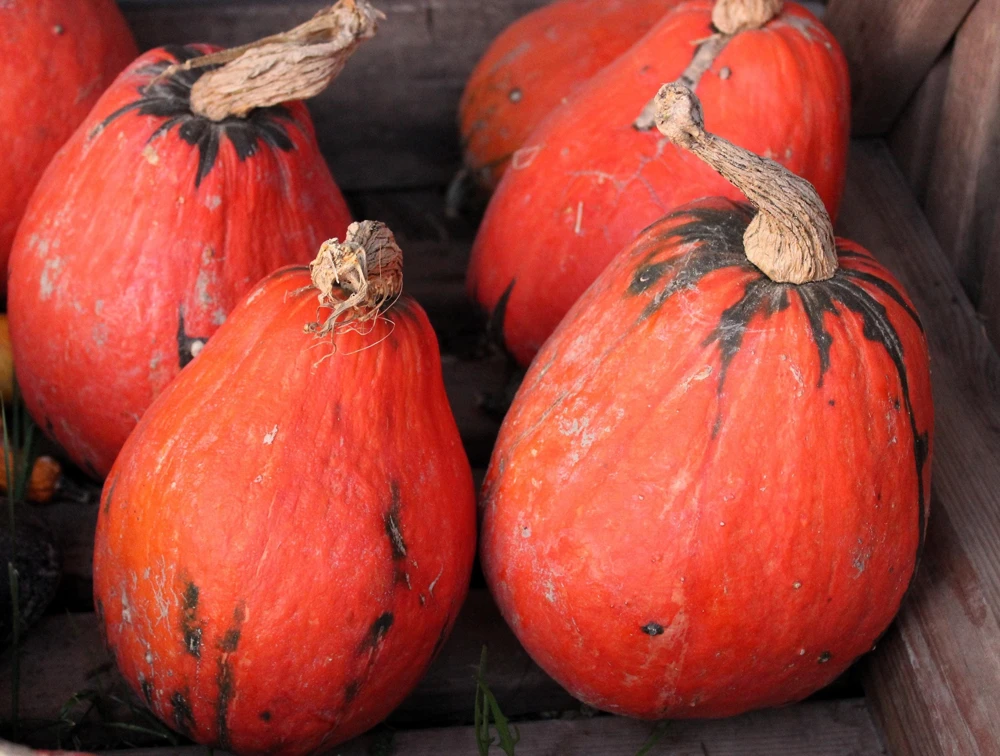
Lakota Winter Squash Seeds – Cucurbita Maxima Vegetable Seeds – 15 Count
Original price was: $39.09.$19.09Current price is: $19.09.
Cultivate your own delicious lakota winter squash seeds with this pack of 15 premium cucurbita maxima seeds. Known for their reddish-orange and green streaked skin, these squash are perfect for winter storage and culinary delights. Easy to grow lakota squash in your home garden.
Estimated arrival
Sep 17
Sep 22 - Sep 24
Sep 27 - Oct 01
Shop With Confidence
30-Day Plant Health Guarantee
Arrives damaged? We’ll replace it free — see our return policy.
Responsive Support
Email us anytime, we reply within 1 business day.
Expert Packaging
Temperature-controlled shipping to protect your plants in transit.
Secure Checkout
Pay safely with Visa, Mastercard, PayPal.
Plant Specifications
-
USDA Hardiness Zone
unknown -
Soil Type
well-draining, rich in organic matter -
Sunlight Exposure
full sun -
Expected Planting Period
outdoors after last frost / indoors weeks before last frost
Overview
Embark on a rewarding gardening journey with our premium lakota winter squash seeds. This heirloom variety, scientifically known as Cucurbita maxima, is celebrated for its distinctive appearance and rich, sweet flavor. Originating from Native American traditions, the Lakota squash is a robust and prolific producer, offering a bountiful harvest that stores well through the colder months. Each seed promises to yield vigorous vines that can be trellised or allowed to sprawl, producing striking, tear-drop shaped fruits with a beautiful reddish-orange hue streaked with dark green. Perfect for culinary enthusiasts and home gardeners alike, these cucurbita maxima seeds are an excellent choice for anyone looking to add a unique and delicious vegetable to their autumn and winter pantry.
Growing your own lakota winter squash seeds is a deeply satisfying experience, connecting you to ancient agricultural practices. These hardy plants are well-suited for various climates and, with proper care, will provide an abundance of nutritious and flavorful squash. The vibrant colors and unique shape of the Lakota squash make it not only a culinary treat but also an attractive addition to your garden landscape. Discover the joy of harvesting your own produce and savoring the rich, nutty taste of this exceptional winter squash.
Key Benefits
Growing lakota winter squash seeds offers numerous advantages, from fresh, homegrown produce to enhancing your garden’s biodiversity. These benefits make them a fantastic addition to any home garden:
- Exceptional Flavor & Texture: Lakota squash boasts a sweet, nutty flavor and smooth texture, making it ideal for roasting, baking, soups, and pies. Its rich taste is often preferred over other winter squash varieties.
- Excellent Storage Capabilities: One of the standout features of this squash is its ability to store for extended periods, often through the winter months, providing fresh vegetables long after harvest season ends.
- Visually Appealing Fruits: The unique reddish-orange skin with green streaks makes the Lakota squash a beautiful addition to your garden and a striking centerpiece on any table.
- High Nutritional Value: Rich in vitamins A and C, fiber, and antioxidants, Lakota squash is a healthy choice for any diet, contributing to overall well-being.
- Adaptable Growth: These plants are relatively adaptable to different growing conditions and can be trellised to save space or allowed to vine naturally, making them versatile for various garden sizes.
- Prolific Producer: With good care, a single plant can yield multiple squash, ensuring a generous harvest for your family or for sharing. You will certainly enjoy to grow lakota squash.
- Heirloom Variety: By planting these winter squash seeds, you are contributing to the preservation of an important heirloom variety, maintaining genetic diversity and traditional flavors.
Plant Care & Growing Tips
To successfully grow lakota squash from your lakota winter squash seeds, understanding their specific needs is crucial. Lakota squash thrives in full sun, requiring at least 6-8 hours of direct sunlight per day to produce a robust harvest. Choose a location in your garden that receives ample sunlight throughout the growing season. The plants also prefer well-draining soil that is rich in organic matter. Amending your soil with compost before planting will provide essential nutrients and improve soil structure, ensuring a healthy start for your seedlings.
Planting can be done directly outdoors after the last frost, when soil temperatures have consistently reached at least 65°F (18°C). Alternatively, you can start your cucurbita maxima seeds indoors 3-4 weeks before the last frost to get a head start, transplanting them carefully once outdoor conditions are favorable. Space plants generously, allowing 48-72 inches between individual plants or mounds, with rows spaced 8 feet apart, to accommodate their vigorous vining habit. Consistent watering is important, especially during flowering and fruit development, but avoid overwatering, which can lead to root rot. Fertilize with a balanced vegetable fertilizer every few weeks once the plants begin to vine.
Monitor your plants for common pests like squash bugs and vine borers, and address them promptly with organic pest control methods if possible. Good air circulation helps prevent fungal diseases, so avoid overcrowding. You can encourage bushier growth and potentially more fruit by pinching back the tips of the vines once they have established several true leaves. The Lakota squash typically matures in 85-100 days from planting. Harvest when the skin is hard and resistant to puncture, and the stem begins to dry. Curing the squash for a week or two in a warm, dry place before storage will improve its flavor and extend its shelf life. These native vegetable seeds offer a truly rewarding harvest.
Size & Details
This package contains 15 lakota winter squash seeds, providing you with a generous quantity to start your garden. Each seed is carefully selected to ensure viability and robust growth. The Lakota squash plant is a vigorous vining type, with vines typically reaching 10-20 feet in length, though they can be trellised to manage space. The plant height of the foliage usually stays between 10-12 inches. When mature, the individual squash fruits can weigh several pounds, showcasing their characteristic reddish-orange skin with green streaks. The harvest period for these winter squash seeds is approximately 85-100 days from planting, allowing for a timely autumn harvest.
Plant spacing is critical for optimal growth; aim for 48-72 inches between plants or plant 2-3 seeds per mound, with mounds spaced 8 feet apart in rows. This ensures adequate room for the vines to spread and for the fruits to develop without overcrowding. The seeds are provided in a protective packet, ready for planting. With proper care, you can expect a significant yield of these beautiful and delicious native vegetable seeds, providing fresh squash for many meals and for long-term storage.
Frequently Asked Questions
- Q: How big does the Lakota squash plant get? A: The vines of the Lakota squash can grow quite long, typically reaching 10-20 feet. The foliage itself usually stays around 10-12 inches tall. Ample space or trellising is recommended for these plants.
- Q: Is this an indoor or outdoor plant? A: Lakota squash is an outdoor plant that requires full sun to thrive and produce fruit. While seeds can be started indoors, the plants must be transplanted outdoors for their main growing season.
- Q: How much sunlight does it need? A: Lakota squash plants need full sun, meaning at least 6-8 hours of direct sunlight per day, for optimal growth and fruit production.
- Q: Is this plant easy to care for? A: Lakota squash is moderately easy to care for. It requires consistent watering, good soil, and plenty of sunlight. Monitoring for common pests and diseases is also important for a successful harvest of your lakota winter squash seeds.
- Q: What condition will the seeds arrive in? A: Your cucurbita maxima seeds will arrive in a protective packet, ensuring they are dry and ready for planting. We take care to package them securely for transit.
- Q: When is the best time to plant Lakota squash seeds? A: The best time to plant winter squash seeds outdoors is after the last frost, when soil temperatures consistently reach 65°F (18°C) or warmer. You can start seeds indoors 3-4 weeks before this date.
- Q: What is the ideal soil for growing Lakota squash? A: Lakota squash prefers well-draining soil that is rich in organic matter. A slightly acidic to neutral pH (6.0-7.0) is generally ideal.
- Q: How long until I can harvest the squash? A: Lakota squash typically takes about 85-100 days from planting to reach maturity and be ready for harvest. Look for hard skin and a drying stem as indicators.
- Q: Are these native vegetable seeds? A: Yes, Lakota squash is an heirloom variety with a rich history, originally cultivated by Native American tribes, making them true native vegetable seeds.
- Q: Can I trellis the Lakota squash vines? A: Absolutely! Trellising is an excellent way to save space in your garden and keep the fruits off the ground, which can help prevent rot and pest damage.
Be the first to review “Lakota Winter Squash Seeds – Cucurbita Maxima Vegetable Seeds – 15 Count”
People Also Viewed








Reviews
There are no reviews yet.