




Tamarind Tree Seeds – 5 Seeds Tamarindus Indica for Tropical Fruit
Original price was: $39.09.$19.09Current price is: $19.09.
Cultivate the exotic Tamarind Tree from these premium Tamarind Tree seeds. Known for its edible fruit pods and evergreen foliage, Tamarindus Indica seeds are perfect for gardeners in warm climates or as a fascinating Tamarind houseplant.
Estimated arrival
Sep 16
Sep 21 - Sep 23
Sep 26 - Sep 30
Shop With Confidence
30-Day Plant Health Guarantee
Arrives damaged? We’ll replace it free — see our return policy.
Responsive Support
Email us anytime, we reply within 1 business day.
Expert Packaging
Temperature-controlled shipping to protect your plants in transit.
Secure Checkout
Pay safely with Visa, Mastercard, PayPal.
Plant Specifications
-
USDA Hardiness Zone
10 - 12 / Houseplant -
Soil Type
Average, well-draining soil -
Sunlight Exposure
Full sun -
Expected Planting Period
Outdoors after frost / Indoors weeks before last frost
Overview
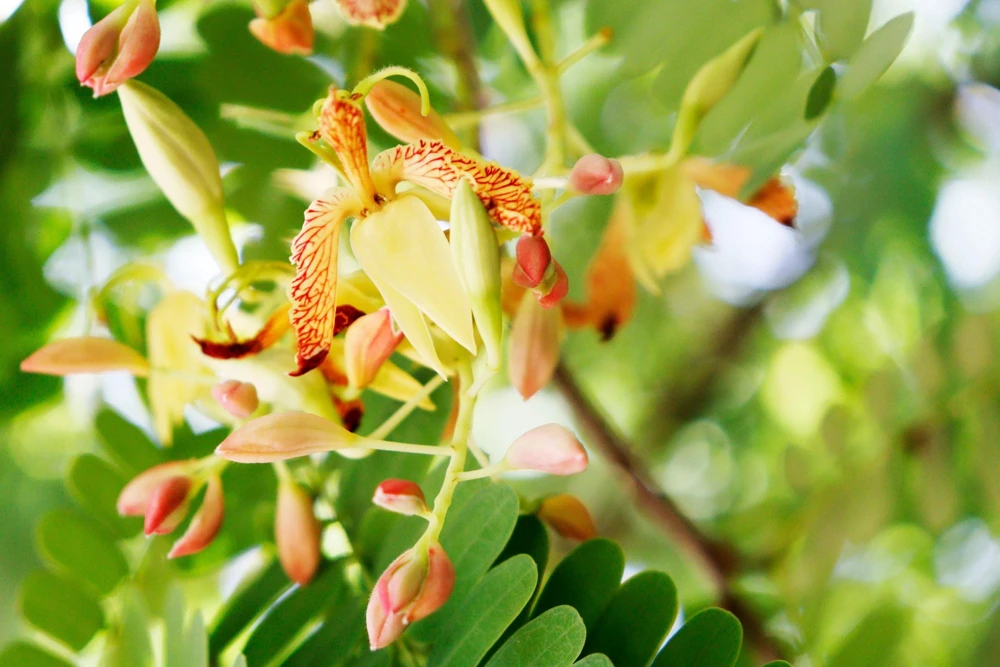
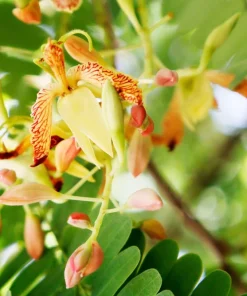
Embark on an exciting gardening journey with these premium Tamarind Tree seeds. The Tamarind Tree, scientifically known as Tamarindus Indica, is a magnificent evergreen tree renowned for its delicious, tart fruit pods and beautiful yellow and red flowers. Originating from tropical Africa, this tree is a staple in many cuisines worldwide, valued for its unique flavor profile used in drinks, desserts, and savory dishes. Growing your own Tamarindus Indica seeds allows you to experience the satisfaction of nurturing a tropical fruit producer right from your home or garden. These seeds offer the opportunity to cultivate a resilient and rewarding plant that can thrive in appropriate climates or as a distinctive indoor specimen.
Each packet contains 5 viable Tamarind Tree seeds, providing a great start for your tropical gardening endeavors. Whether you’re an experienced horticulturist or a budding enthusiast, these seeds are an excellent choice for adding an exotic touch to your plant collection. The Tamarind Tree is not only a source of culinary delight but also an attractive ornamental plant, boasting dense foliage and a graceful form. Its adaptability makes it a popular choice for various growing conditions, especially where a touch of the tropics is desired.
Key Benefits
Growing a Tamarind Tree from seed offers a multitude of benefits, from the joy of cultivation to the practical rewards of its fruit. These Tamarindus Indica seeds provide a unique opportunity to connect with nature and enjoy a truly special plant.
- Exotic Fruit Production: Enjoy fresh, edible tamarind fruit pods directly from your own tree. The fruit is versatile, perfect for cooking, making refreshing drinks, or eating raw. Cultivating your own ensures a fresh, organic supply.
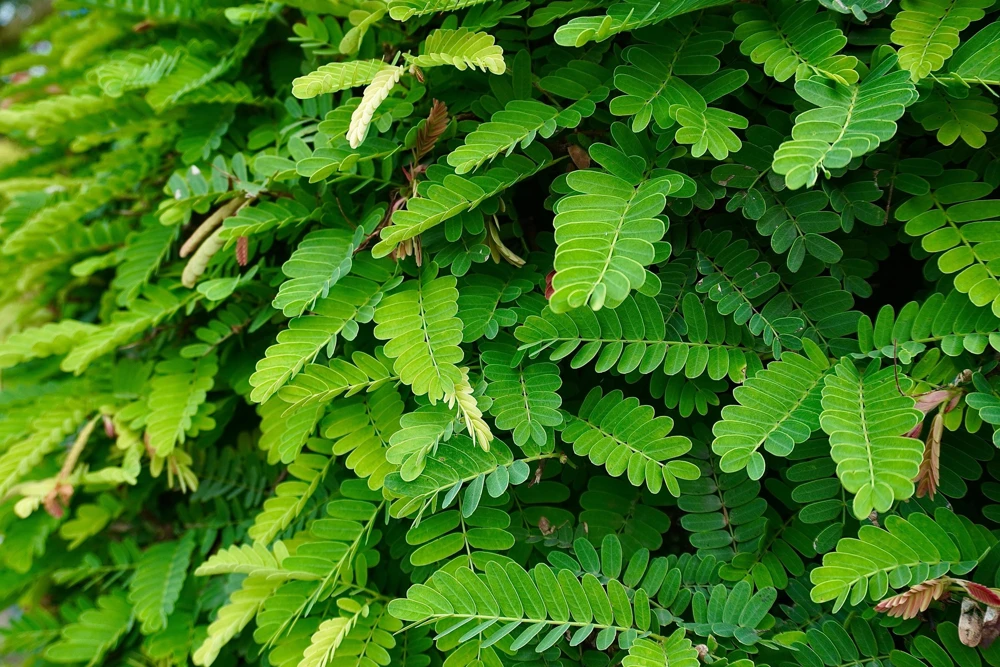
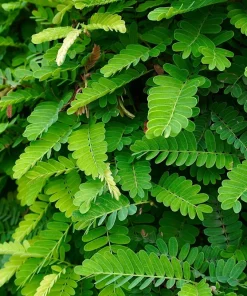
- Attractive Evergreen Foliage: The Tamarind Tree maintains its lush green leaves year-round, providing continuous beauty and shade. Its dense canopy makes it an excellent choice for tropical landscaping or as a focal point in a large indoor space.
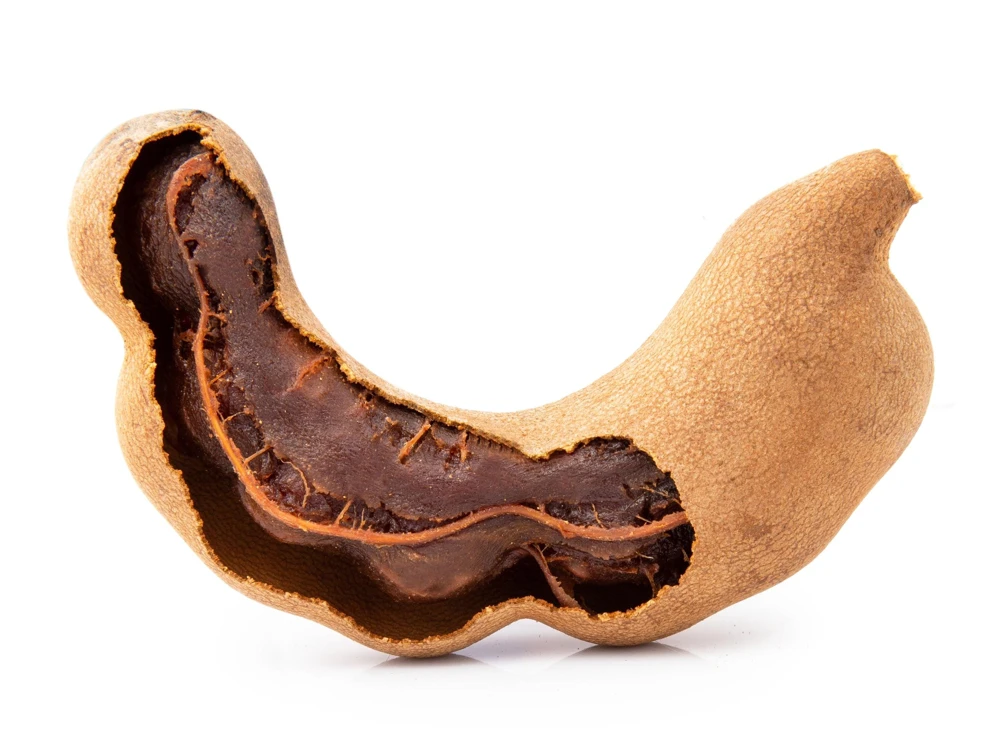
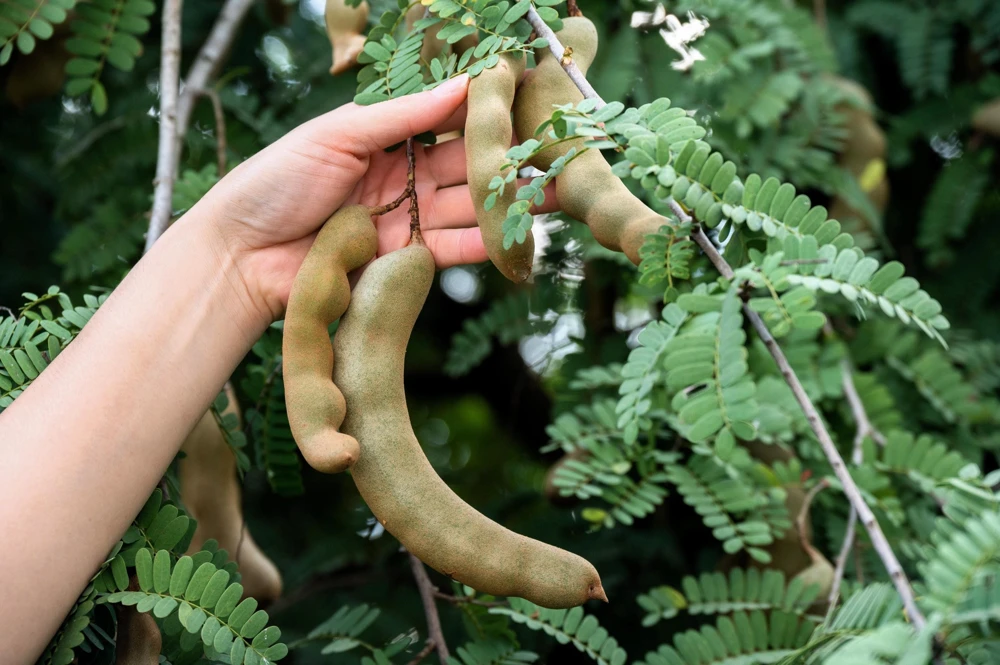
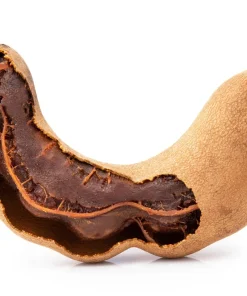
- Unique Ornamental Value: With its distinctive bean-like pods and delicate flowers, the Tamarind Tree adds a touch of the exotic to any garden or interior. It’s a conversation starter and a testament to diverse flora.
- Adaptable Growth: While ideally suited for tropical and subtropical climates, the Tamarind Tree can also be grown as a Tamarind houseplant in cooler regions, bringing a piece of the tropics indoors. This adaptability makes it accessible to a wider range of gardeners.
- Educational Experience: Propagating and growing a fruit tree from seed is a rewarding educational experience, teaching patience and the intricacies of plant life cycles. It’s an excellent project for families and schools.
- Long-Lived Specimen: Tamarind trees are known for their longevity, often living for many decades. Planting these Tamarind Tree seeds is an investment in a plant that can provide beauty and fruit for generations.
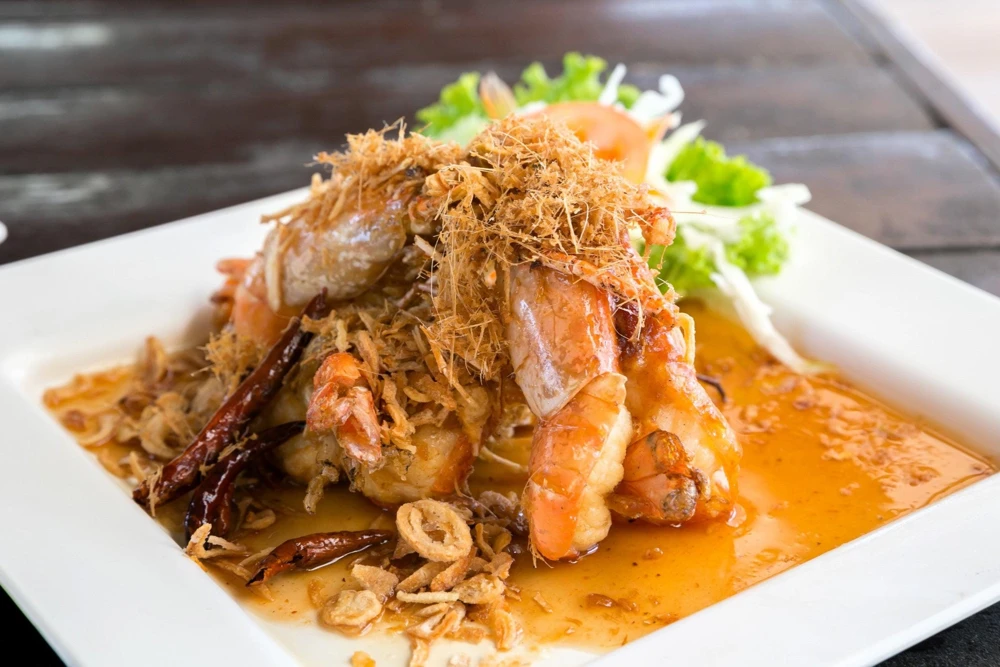
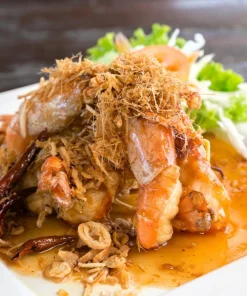
- Culinary Versatility: The fruit extracted from the pods is a key ingredient in numerous international cuisines, from Indian curries to Thai stir-fries and Mexican aguas frescas. Having your own tree opens up a world of culinary exploration.
Plant Care & Growing Tips
Successfully growing a Tamarind Tree from Tamarind Tree seeds requires attention to specific environmental conditions, particularly regarding light, water, and soil. While known for its hardiness in tropical zones, indoor cultivation as a Tamarind houseplant will require careful management of its environment.
For optimal growth, Tamarindus Indica seeds should be planted in a location that receives full sun, meaning at least 6-8 hours of direct sunlight per day. If growing indoors, place your plant near a south-facing window or supplement with artificial grow lights to ensure it gets adequate illumination. The ideal soil for Tamarind Tree is well-draining, average soil. A good quality potting mix amended with some sand or perlite will work well for container-grown plants. Ensure the pot has drainage holes to prevent waterlogging, which can be detrimental to the roots.
Watering should be consistent, especially during the growing season. Keep the soil consistently moist but not soggy. Allow the top inch or two of soil to dry out between waterings. In cooler months or for indoor plants, reduce watering frequency. Tamarind trees are relatively drought-tolerant once established but will perform best with regular moisture. They thrive in warm temperatures and are hardy in USDA Zones 10-12. If you live in a cooler zone, bring your Tamarind houseplant indoors before temperatures drop below 50°F (10°C). Fertilize during the growing season (spring and summer) with a balanced, slow-release fertilizer or a liquid feed diluted to half strength every 2-4 weeks. Monitor for common pests like aphids and mealybugs, treating with organic insecticides if necessary. Pruning can be done to maintain shape and size, especially for container-grown trees.
Size & Details
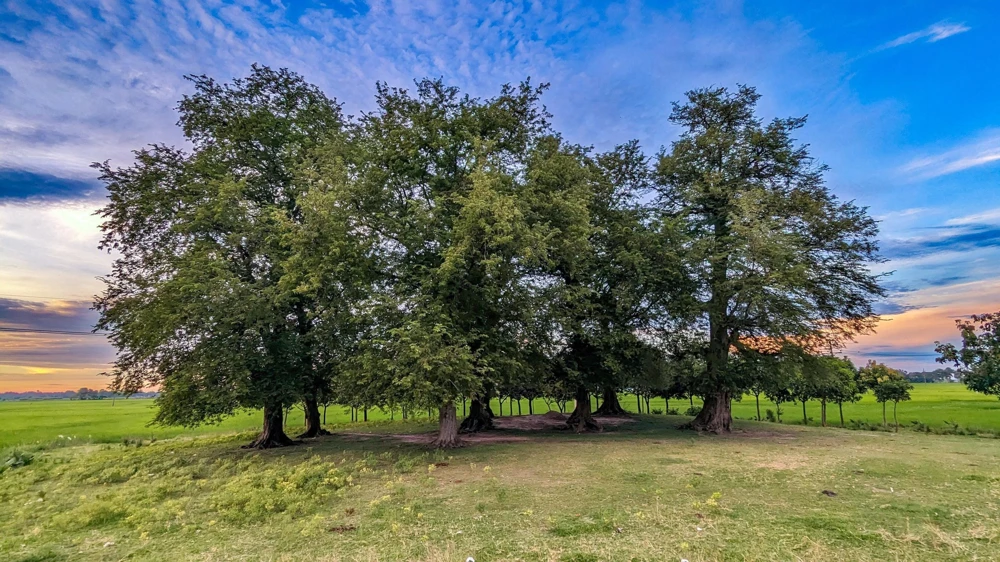
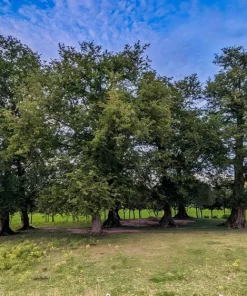
These Tamarind Tree seeds are ready to be sown to grow into impressive specimens. In their natural habitat, Tamarindus Indica can reach significant heights, typically growing between 40 to 60 feet tall with a spread of 25 to 35 feet. When grown in containers or as a Tamarind houseplant, their size can be managed through pruning, allowing them to remain smaller and more manageable. The seeds are packaged as a quantity of 5, providing multiple opportunities for successful germination and growth. Tamarind trees are known for their moderate to fast growth rate under ideal conditions, with flowering often occurring in the summer months and fruit harvest typically in the spring.
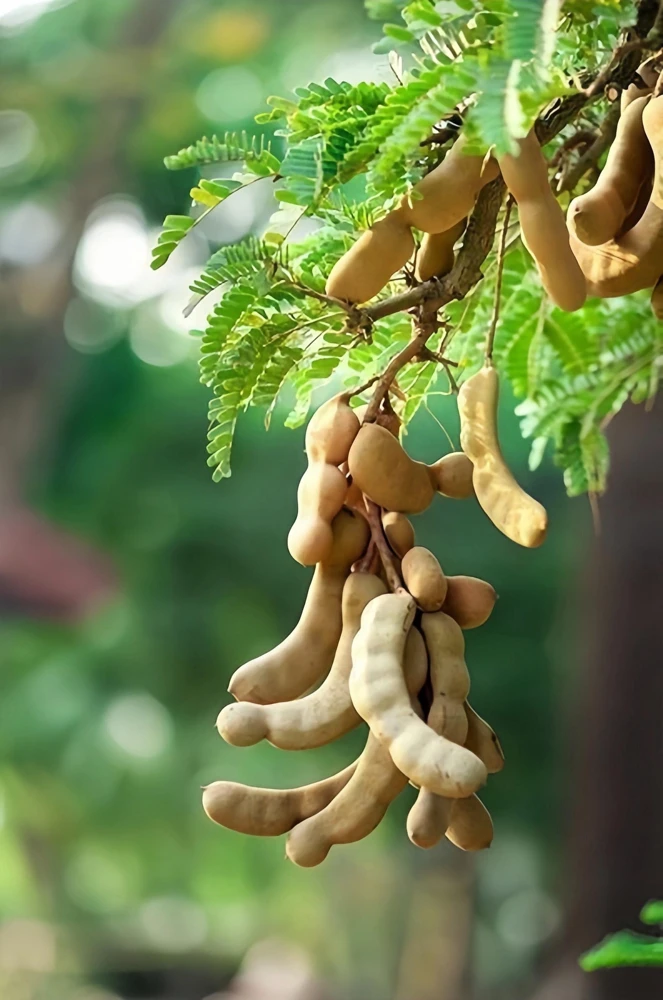
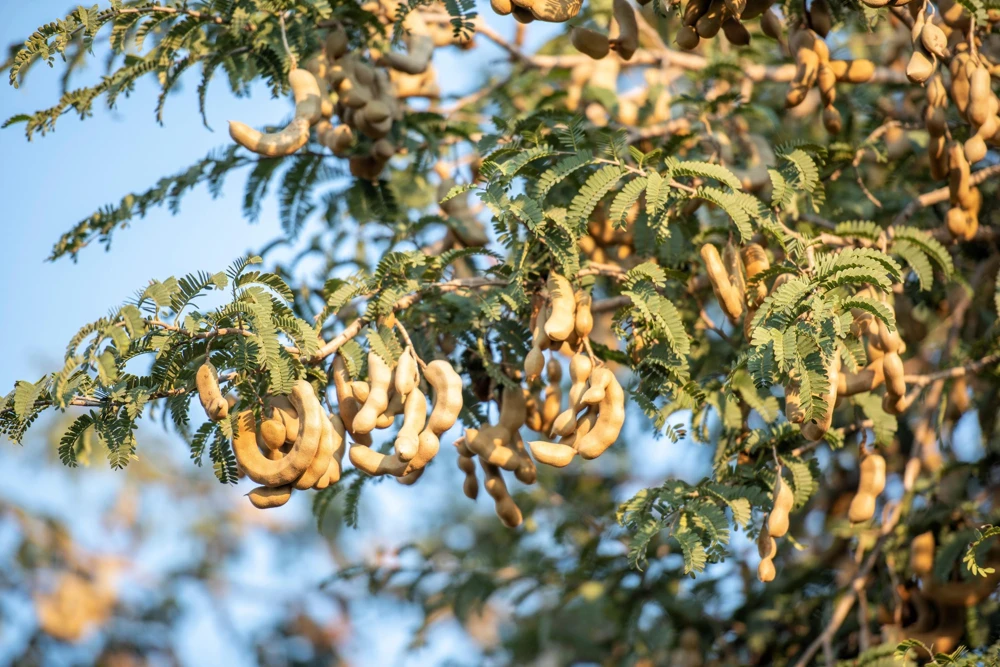
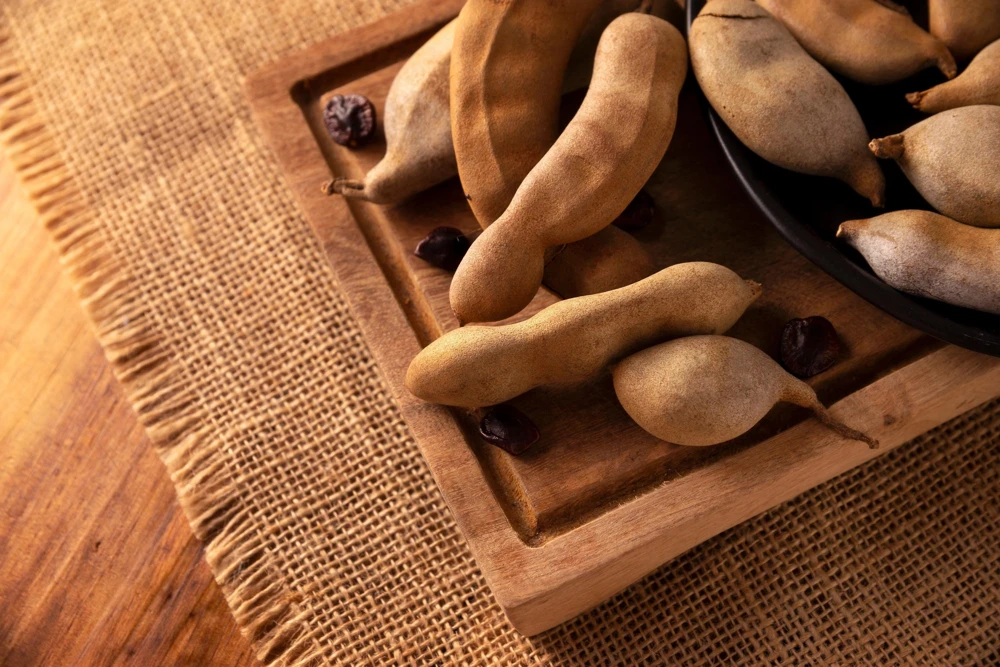
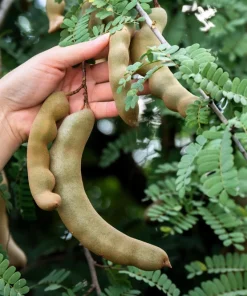
The fruit pods develop after the yellow and red flowers bloom, maturing into brown, bean-like legumes. Each pod contains several seeds encased in a sweet-sour pulp. With proper care, your Tamarind Tree can become a long-term asset to your garden or home, offering both aesthetic appeal and a bountiful harvest. These Tamarind Tree seeds are an excellent way to start your collection of tropical fruit-bearing plants.
Frequently Asked Questions
- Q: How big does this Tamarind Tree get? A: In ideal outdoor conditions, a Tamarind Tree can grow 40-60 feet tall and 25-35 feet wide. When grown as a Tamarind houseplant or in a container, its size can be controlled through regular pruning, allowing it to remain much smaller and more manageable for indoor spaces.
- Q: What size pot is best for growing Tamarind Tree seeds? A: Start your Tamarind Tree seeds in small pots (3-4 inches) with good drainage. As the seedling grows, transplant it into progressively larger pots, eventually moving to a 15-20 gallon pot or larger if you intend to keep it as a long-term container plant.
- Q: Is this an indoor or outdoor plant? A: The Tamarind Tree is primarily an outdoor plant in USDA Zones 10-12. In cooler climates, it can be grown as an indoor Tamarind houseplant that can be moved outdoors during warm summer months.
- Q: How much sunlight does a Tamarind Tree need? A: Tamarindus Indica requires full sun, meaning at least 6-8 hours of direct sunlight per day. If growing indoors, provide the brightest possible light, ideally from a south-facing window, or use supplemental grow lights.
- Q: Is this plant easy to care for? A: While growing a fruit tree from seed requires some patience, the Tamarind Tree is considered moderately easy to care for once established, especially in suitable climates. Providing adequate light, water, and well-draining soil are key to its success.
- Q: What condition will the Tamarind Tree seeds arrive in? A: The Tamarind Tree seeds will arrive as dry, viable seeds, ready for planting. They will be carefully packaged to ensure their integrity during transit, providing you with a great start to grow your own Tamarind Tree.
- Q: Can I use the fruit from my homegrown Tamarind Tree in cooking? A: Absolutely! The fruit from a homegrown Tamarind Tree is perfectly edible and can be used in all the same culinary applications as commercially available tamarind, from sauces and chutneys to beverages and desserts.
- Q: How long until the Tamarind Tree blooms and produces fruit? A: A Tamarind Tree grown from seed typically begins to flower and produce fruit within 7-10 years, though some can bear fruit sooner under optimal conditions. Patience is key when growing fruit trees from seed.
- Q: When is the best time to plant Tamarind Tree seeds? A: The best time to plant Tamarind Tree seeds is in spring or early summer, after the last frost, when temperatures are consistently warm. For indoor planting, seeds can be started any time of year, provided warmth and light are available.
- Q: What’s the minimum temperature a Tamarind Tree can tolerate? A: A mature Tamarind Tree can tolerate brief dips in temperature down to about 35°F (1.7°C), but it thrives in warmer conditions. Young plants and seedlings are more sensitive to cold and should be protected if temperatures fall below 50°F (10°C).
Be the first to review “Tamarind Tree Seeds – 5 Seeds Tamarindus Indica for Tropical Fruit”
People Also Viewed
Reviews
There are no reviews yet.