

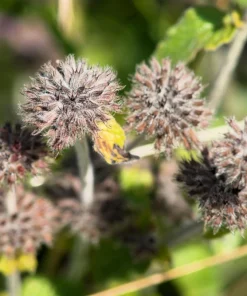
White Wood Mint Seeds – Mentha Arvensis Herb Flower Seeds – 50 Count
Original price was: $36.99.$16.99Current price is: $16.99.
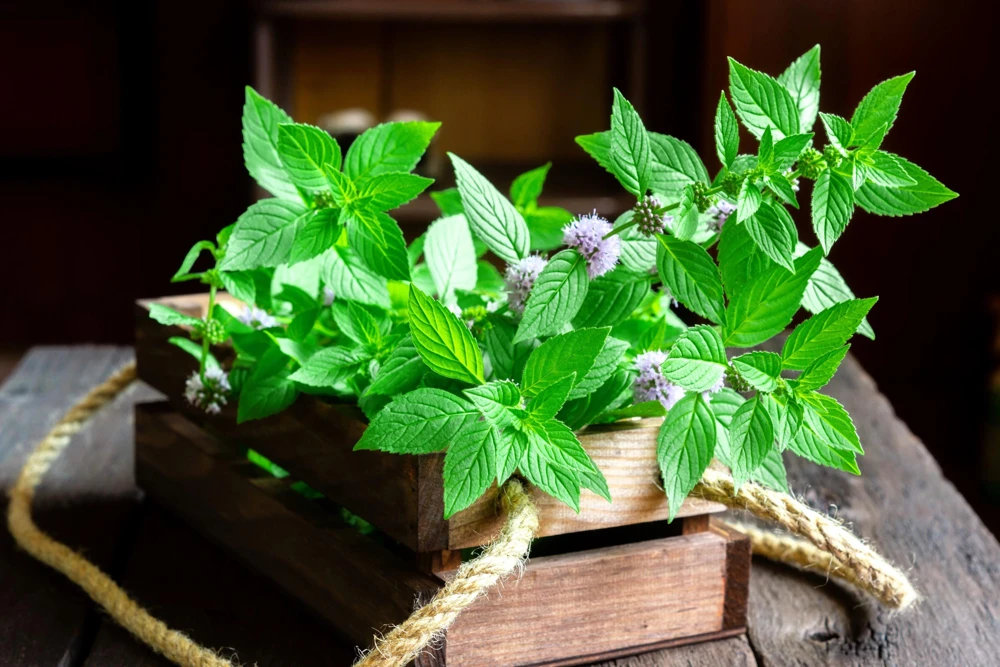
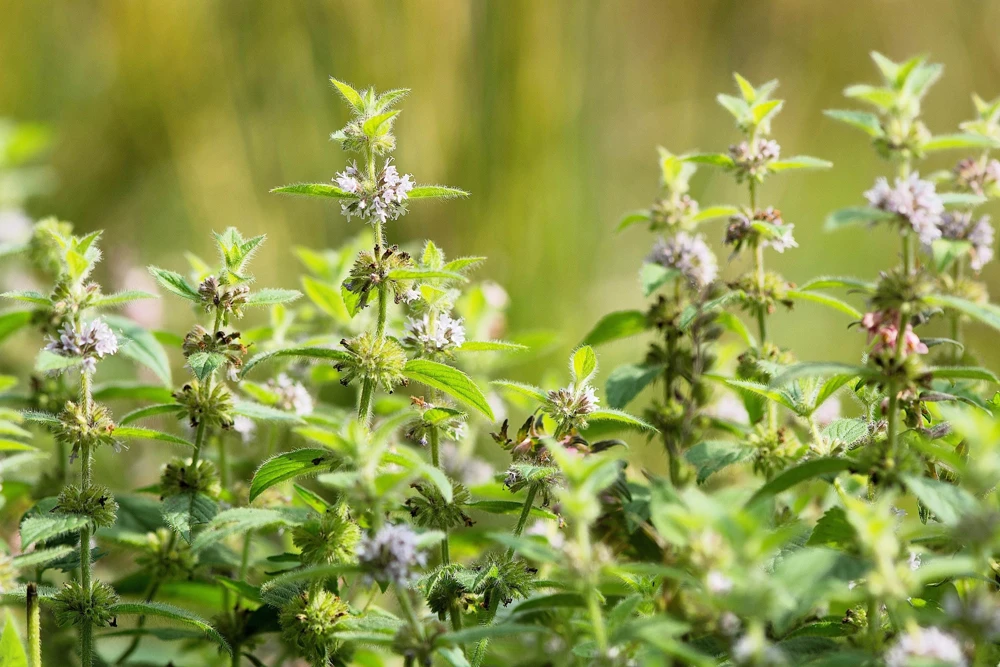
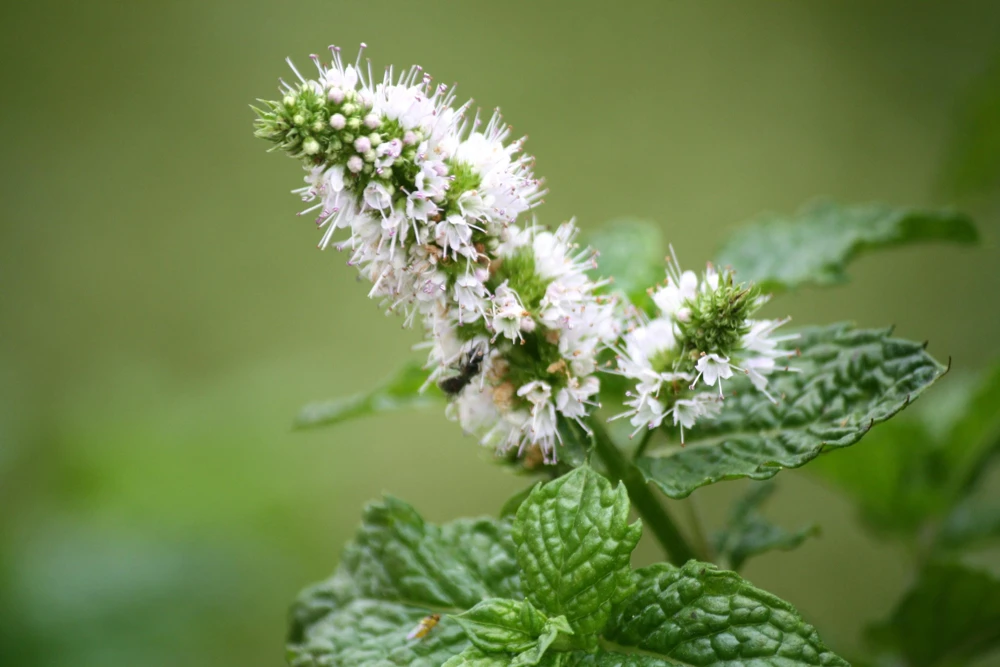
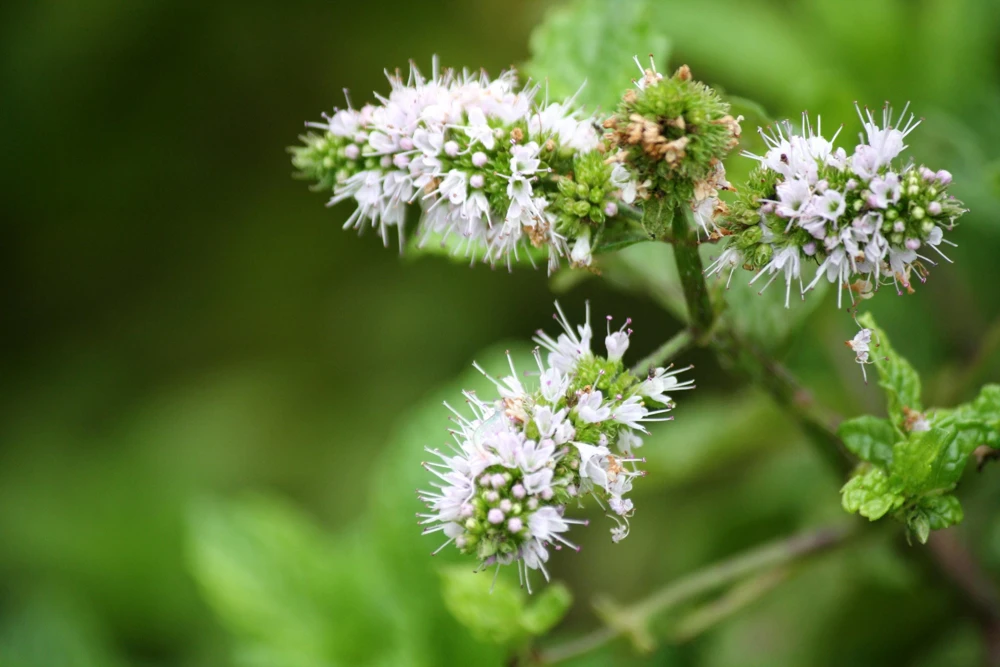
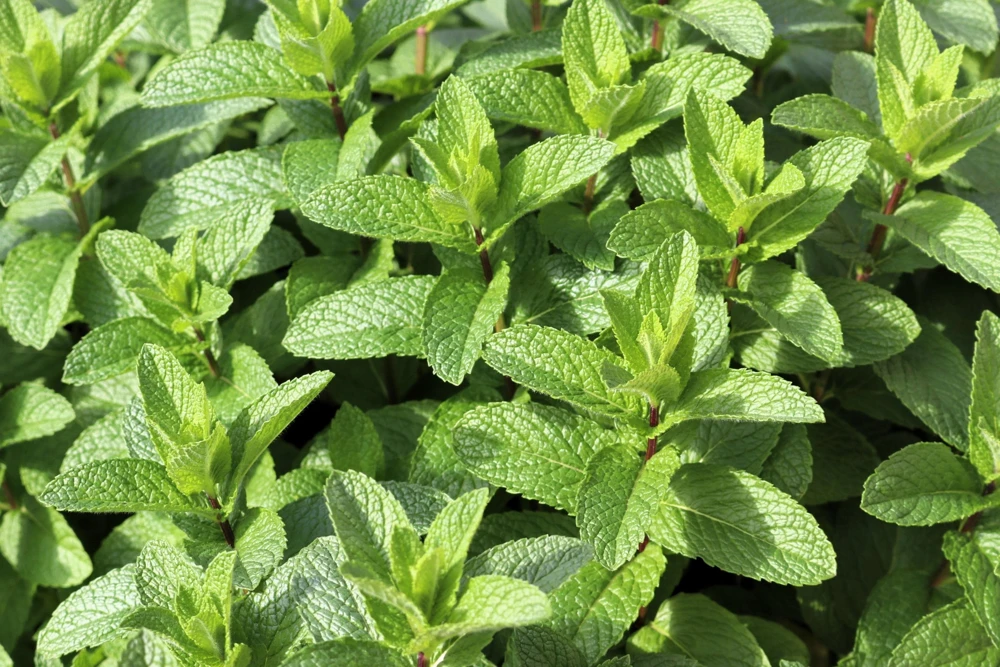
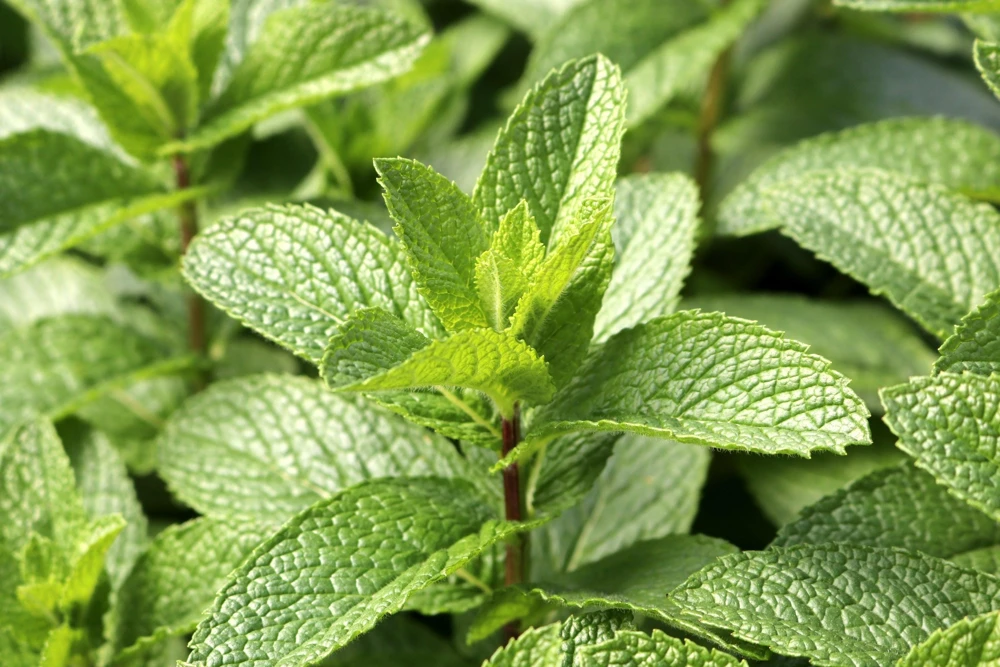
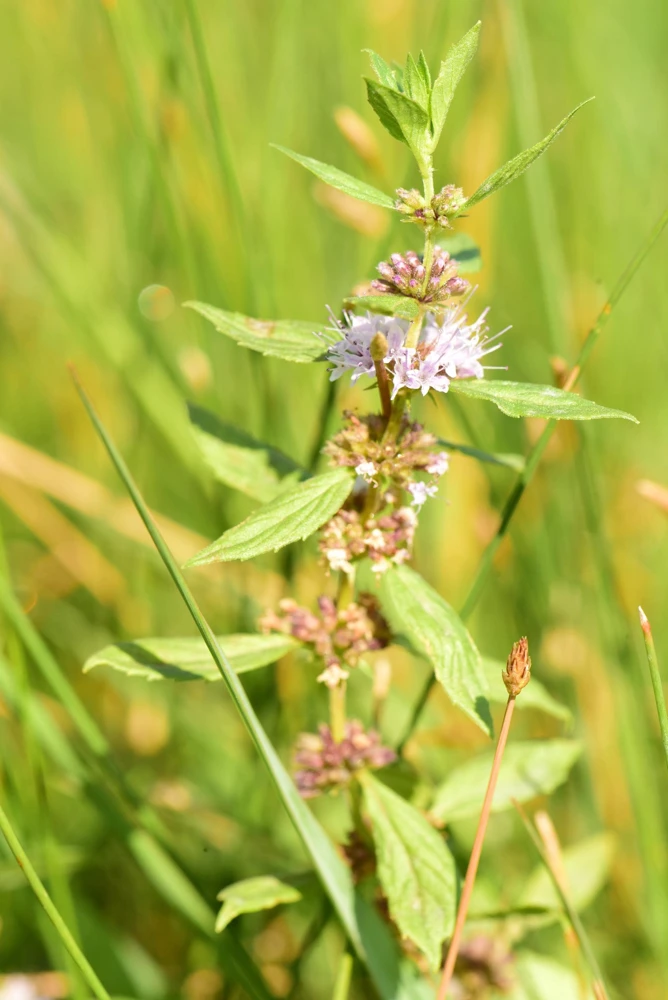
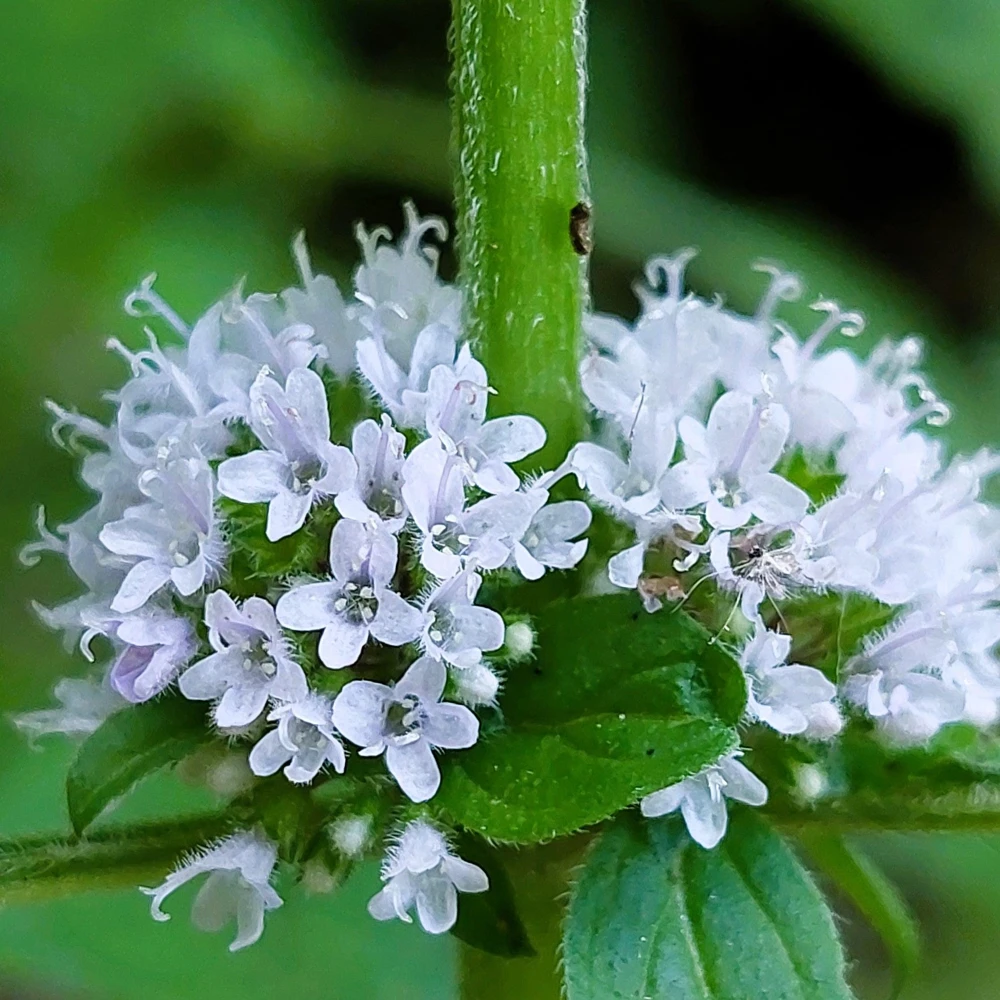
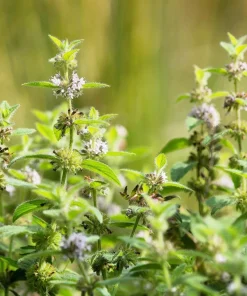
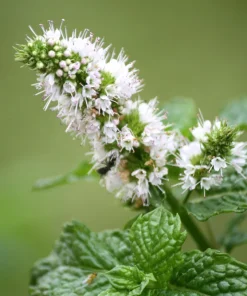
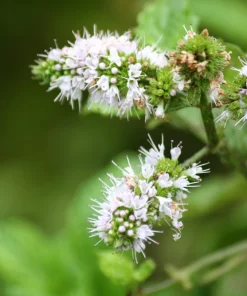
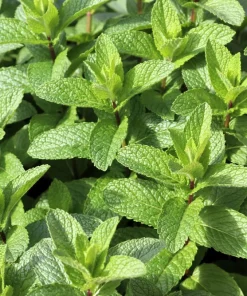
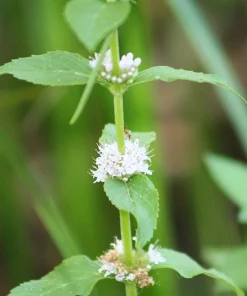
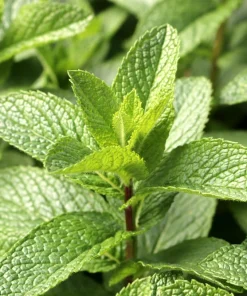
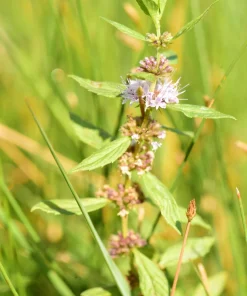
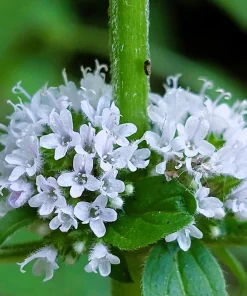
Cultivate your own aromatic white wood mint seeds with this pack of 50 Mentha Arvensis seeds. Also known as Field Mint or Wild Mint, this versatile herb is perfect for culinary use, attracting pollinators, and tolerating various conditions. Enjoy its fragrant foliage and delicate white flowers.
Estimated arrival
Sep 15
Sep 20 - Sep 22
Sep 25 - Sep 29
Shop With Confidence
30-Day Plant Health Guarantee
Arrives damaged? We’ll replace it free — see our return policy.
Responsive Support
Email us anytime, we reply within 1 business day.
Expert Packaging
Temperature-controlled shipping to protect your plants in transit.
Secure Checkout
Pay safely with Visa, Mastercard, PayPal.
Plant Specifications
-
USDA Hardiness Zone
3 - 8 -
Soil Type
Average to moist, well-draining soil -
Sunlight Exposure
Full Sun - Part Shade -
Expected Planting Period
Spring
Overview
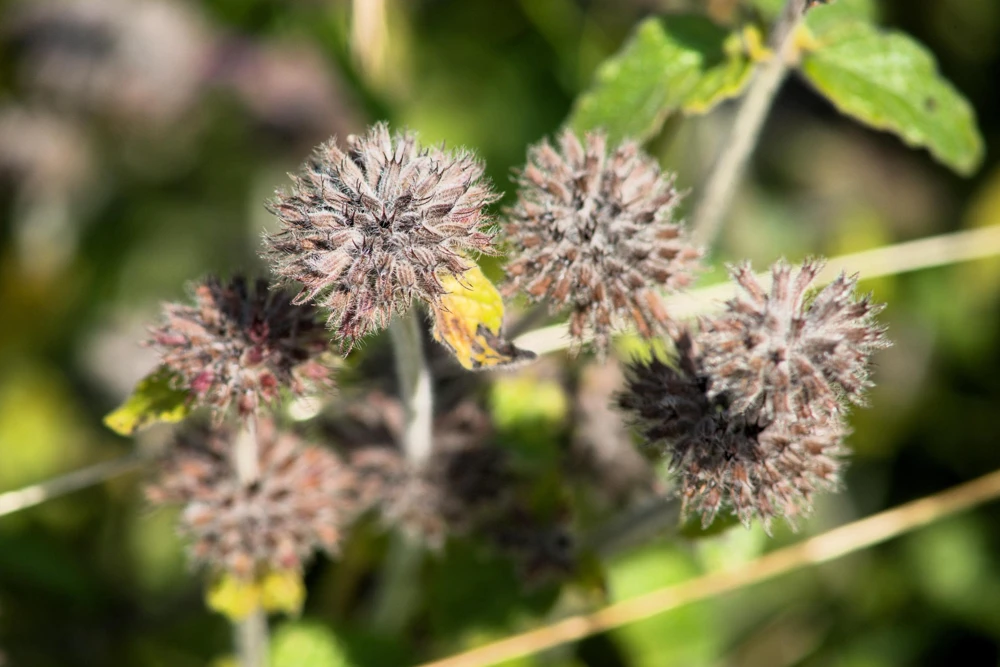
Discover the joy of growing your own herbs with our premium white wood mint seeds. This packet contains 50 high-quality Mentha Arvensis seeds, ready to bring the delightful aroma and versatile uses of White Wood Mint to your garden or containers. Also commonly known as Field Mint, Wild Mint, or Corn Mint, this perennial herb is celebrated for its fragrant foliage and charming white flowers that bloom from July to September. Native to the US and other regions, Mentha Arvensis is a resilient plant that has been cherished for centuries for its traditional herbal and medicinal applications. Whether you’re an experienced gardener or just starting, these easy-to-grow seeds offer a rewarding experience, transforming into robust plants that enhance any landscape or herb collection.
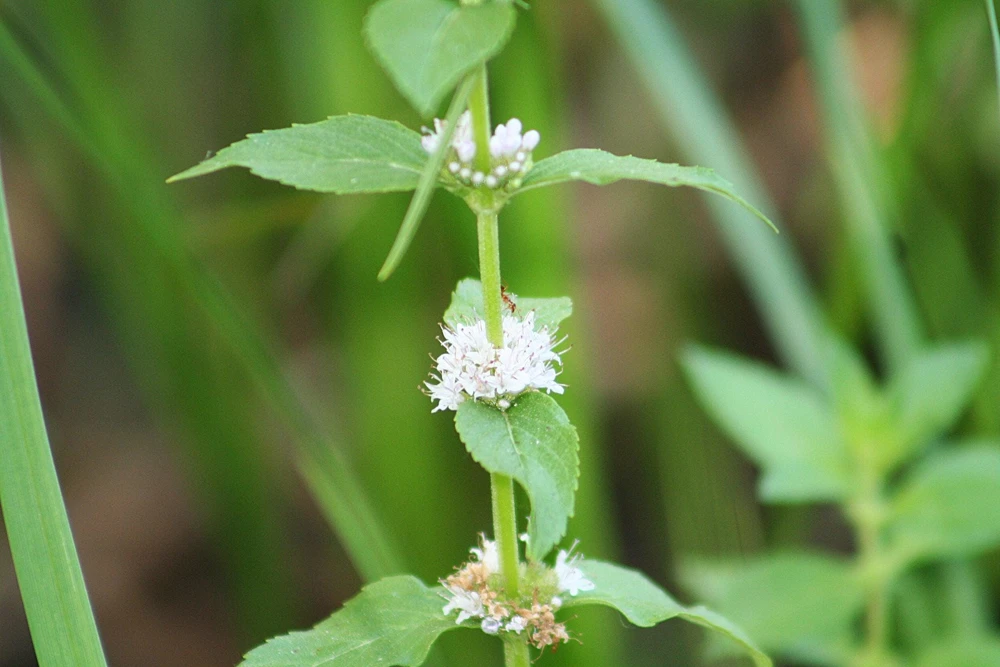
Our mentha arvensis seeds promise a bountiful harvest of this adaptable plant. The White Wood Mint plant typically reaches a height of 12-18 inches and has an upright growth habit, making it an attractive addition to borders, herb gardens, or patio containers. Its ability to thrive in a range of conditions, from full sun to partial shade and various soil types, makes it an excellent choice for many climates. Beyond its beauty and hardiness, this mint variety is a magnet for beneficial insects, with butterflies, bumble bees, and honey bees frequently visiting its delicate blossoms. Plant these seeds to cultivate a thriving patch of this wonderful herb.
Key Benefits
Growing white wood mint seeds offers a wealth of advantages for both the gardener and the environment. This resilient herb provides continuous enjoyment and utility throughout the growing season.
- Culinary Versatility: The fragrant leaves of White Wood Mint can be used fresh or cooked to add a refreshing flavor to a variety of dishes, beverages, and teas. Its essential oils are also widely utilized as a natural flavoring and fragrance in many products.
- Pollinator Haven: The delicate white flowers of Mentha Arvensis are a significant draw for local pollinators. Butterflies, bumble bees, and honey bees will flock to your garden, contributing to the health of your ecosystem and increasing biodiversity.
- Drought Tolerance: Unlike many other mint varieties, White Wood Mint exhibits a remarkable degree of drought tolerance once established. This makes it a low-maintenance choice for gardeners looking for resilient plants that can withstand drier periods.
- Adaptable Growth: This mint is incredibly forgiving when it comes to soil conditions. It thrives in average to moist soils and can even tolerate clay and gravel, making it suitable for a wide range of garden settings.
- Deer and Rabbit Resistant: Gardeners often struggle with pests, but the strong, fragrant foliage of White Wood Mint naturally deters deer and rabbits, protecting your plants without the need for harsh chemicals.
- Traditional Uses: Beyond its modern applications, this mint has a rich history of traditional herbal and medicinal uses, adding a layer of cultural significance to your garden.
- Easy to Contain: While mints are known for spreading, the upright habit of White Wood Mint makes it well-suited for container growing. This allows you to control its spread and conveniently place it near your kitchen for easy harvesting. Learn how to grow mint from seed effectively in pots.
Plant Care & Growing Tips
Cultivating white wood mint seeds into a flourishing garden is a straightforward process, even for beginners. Start by sowing the seeds in spring, either directly outdoors after the last frost or indoors 6-8 weeks before the last frost for an earlier start. Lightly press the seeds onto the surface of the soil, as they require light to germinate, and do not cover them deeply. Keep the soil consistently moist until germination occurs, which typically takes 7-14 days. Once seedlings emerge, thin them to about 15-18 inches apart to allow for proper air circulation and growth. This spacing ensures each wild mint plant has ample room to develop its root system and foliage.
White Wood Mint thrives in locations that receive full sun to partial shade. Aim for at least 4-6 hours of direct sunlight daily for the best growth and most potent fragrance. While it is more drought-tolerant than other mints, consistent moisture is preferred, especially during dry spells. The plant is adaptable to various soil types, including clay and gravel, but performs best in average to moist, well-draining soil. It is hardy in USDA Zones 3-8, meaning it can withstand a wide range of winter temperatures and will return year after year in suitable climates. Fertilization is generally not necessary in rich garden soil, but a balanced liquid fertilizer can be applied sparingly if growth appears stunted. Be mindful that mint can spread aggressively, so consider planting it in containers or with root barriers if you wish to limit its expansion.
Size & Details
This offering includes a packet containing 50 white wood mint seeds, providing an excellent starting point for a robust mint patch. Upon maturity, the White Wood Mint plant, or Mentha Arvensis, typically reaches a height of 12 to 18 inches, forming an attractive, upright clump. Individual plants should be spaced approximately 15 to 18 inches apart to allow for healthy development and air circulation. The plants will begin to bloom with delicate white flowers from July through September, offering a beautiful display and attracting beneficial pollinators. These seeds are ideal for planting in spring, and with proper care, you can expect to see established plants producing fragrant foliage and flowers within their first growing season. This perennial herb will return for many years, providing a consistent supply of fresh mint.
Frequently Asked Questions
- Q: How big does this wild mint plant get? A: White Wood Mint typically grows to a height of 12 to 18 inches. It has an upright growth habit, making it a manageable size for various garden settings or containers.
- Q: Is this an indoor or outdoor plant? A: While primarily an outdoor plant, White Wood Mint can be grown indoors in containers near a sunny window. However, it thrives best outdoors in full sun to partial shade.
- Q: How much sunlight does it need? A: For optimal growth, White Wood Mint requires at least 4-6 hours of direct sunlight per day. It can tolerate partial shade, but direct sun will encourage more vigorous growth and flowering.
- Q: Is this plant easy to care for? A: Yes, White Wood Mint is known for its resilience and ease of care. It’s more drought-tolerant than many other mints and adaptable to various soil conditions, making it suitable for beginner gardeners.
- Q: What condition will the mentha arvensis seeds arrive in? A: Your 50 white wood mint seeds will arrive in a protective packet, ensuring they are fresh and viable for planting. They are ready to be sown upon arrival.
- Q: Can I use White Wood Mint in cooking? A: Absolutely! The leaves of White Wood Mint are highly aromatic and can be used fresh or cooked as a flavoring in culinary dishes, beverages, and delicious teas.
- Q: When is the best time to plant these seeds? A: The ideal time to plant these White Wood Mint seeds is in the spring, after the last threat of frost has passed. For an earlier start, you can begin them indoors 6-8 weeks before the last frost.
- Q: Will it survive winter in my zone? A: White Wood Mint is hardy in USDA Zones 3-8, meaning it is perennial in these regions and will typically return each spring after winter dormancy.
- Q: What kind of soil does this mint prefer? A: This mint is quite adaptable and will grow in most soils, including clay and gravel. However, it prefers average to moist, well-draining soil for best performance.
- Q: How do I control its spread if I don’t want it everywhere? A: Mint varieties are known for spreading. To control your wild mint plant, it is highly recommended to grow it in containers or to use root barriers if planting directly in the ground.
Be the first to review “White Wood Mint Seeds – Mentha Arvensis Herb Flower Seeds – 50 Count”
People Also Viewed


Houseplants
Reviews
There are no reviews yet.