
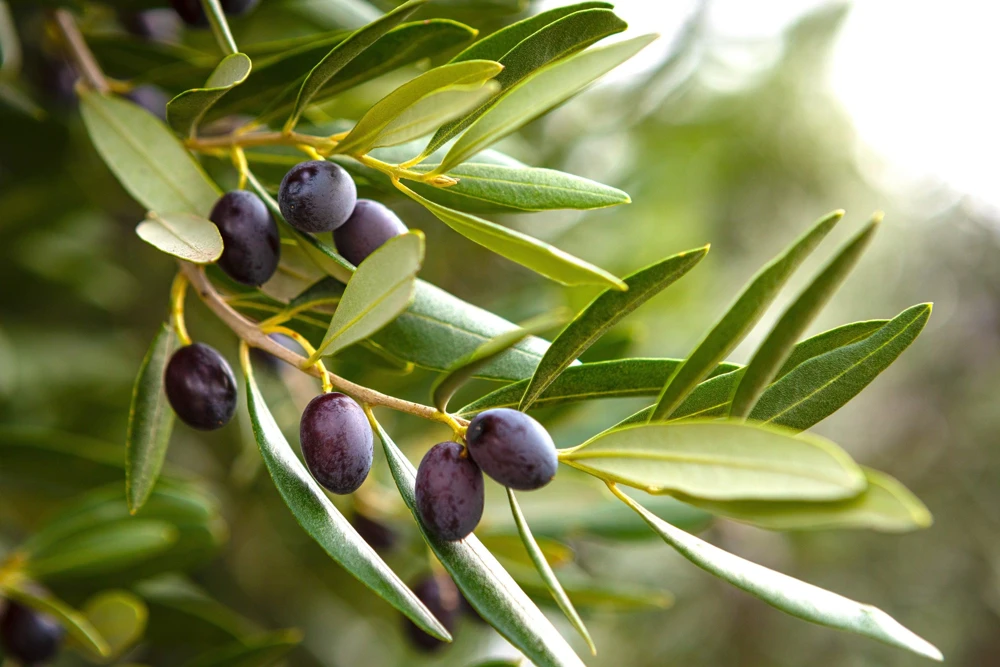
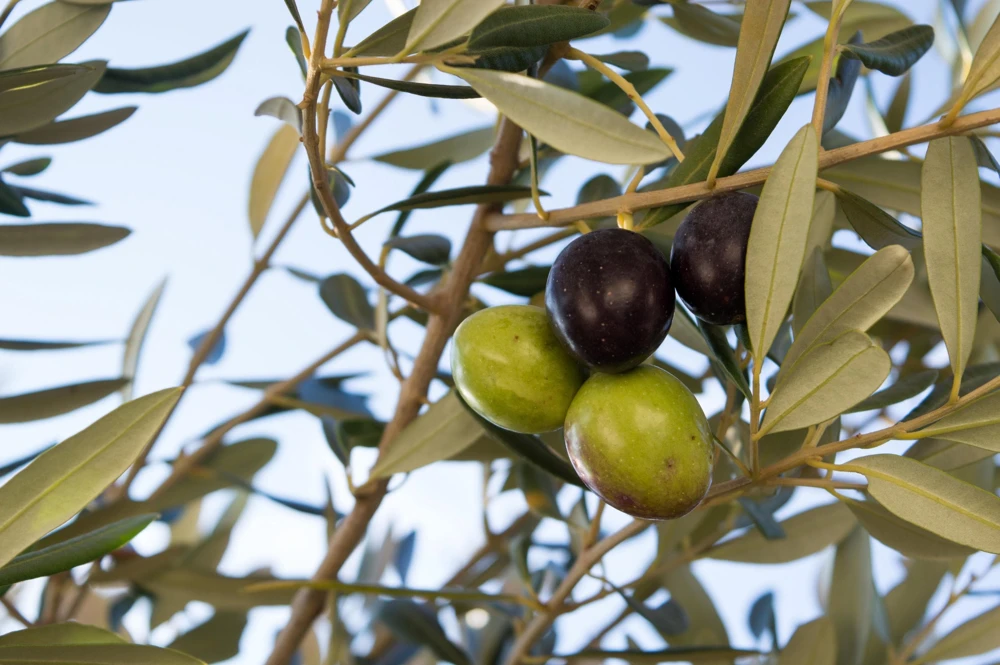
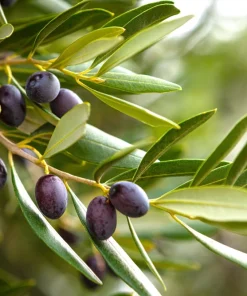
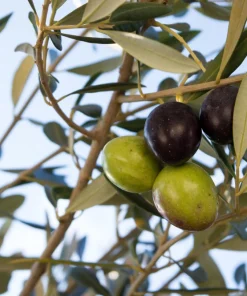
Canino Olive Tree Live Plant – Olea Europaea – Edible European Olives
Original price was: $36.99.$16.99Current price is: $16.99.
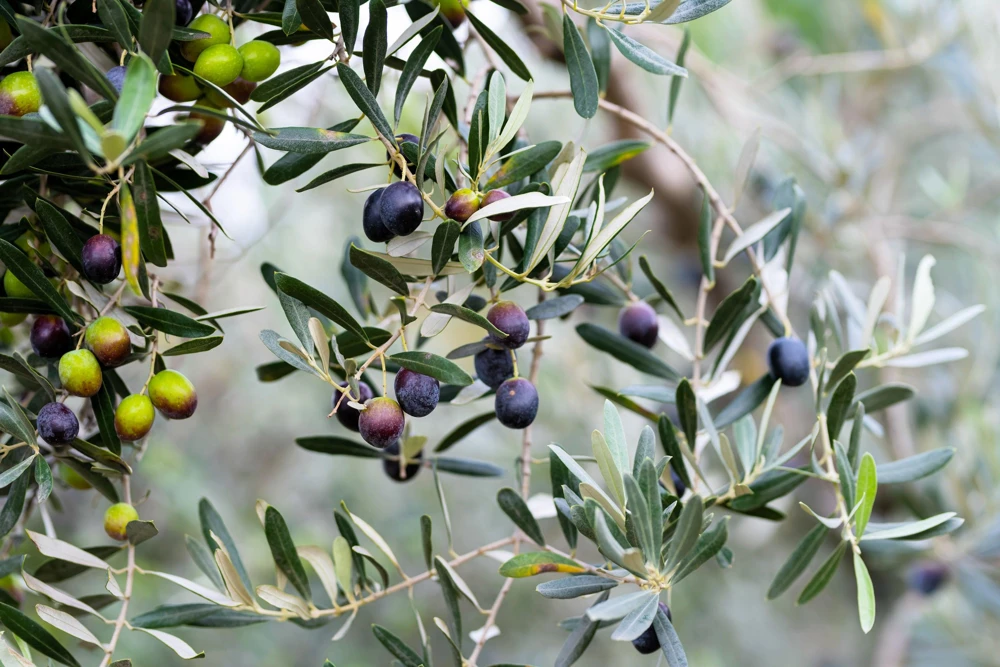
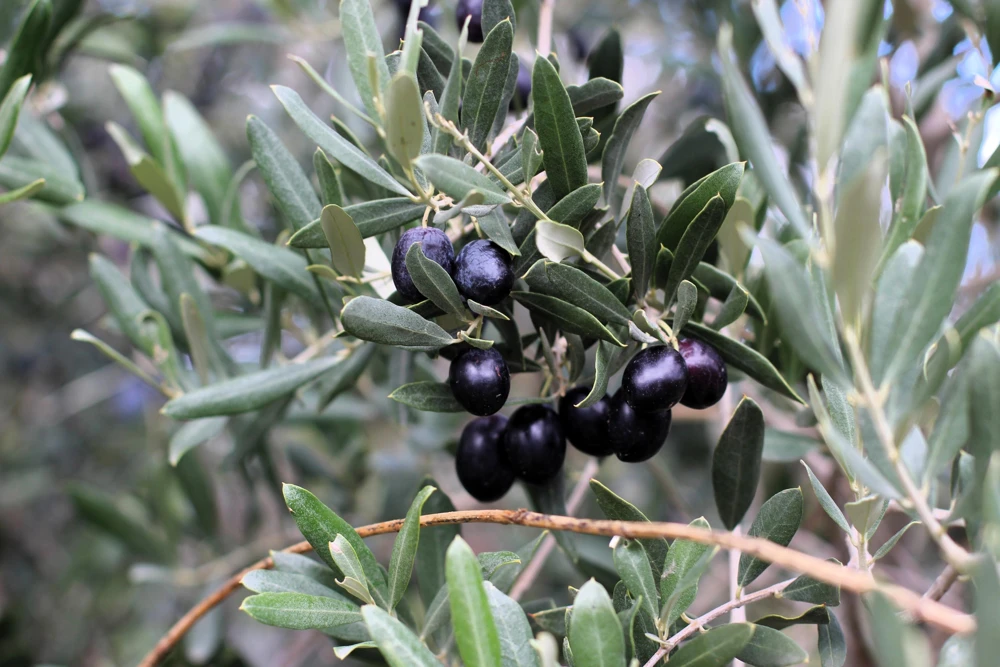
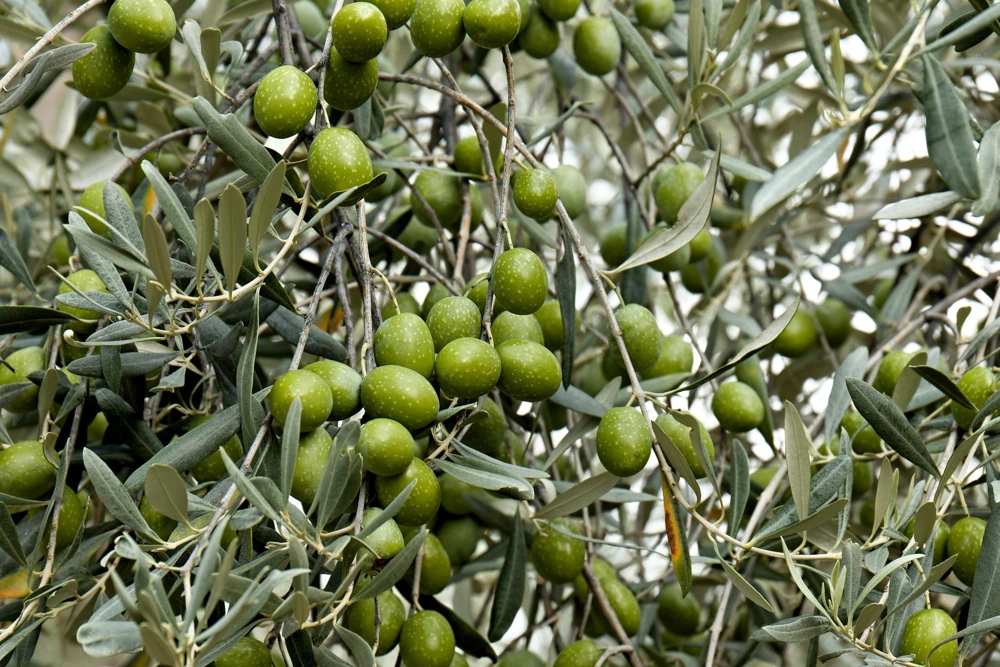
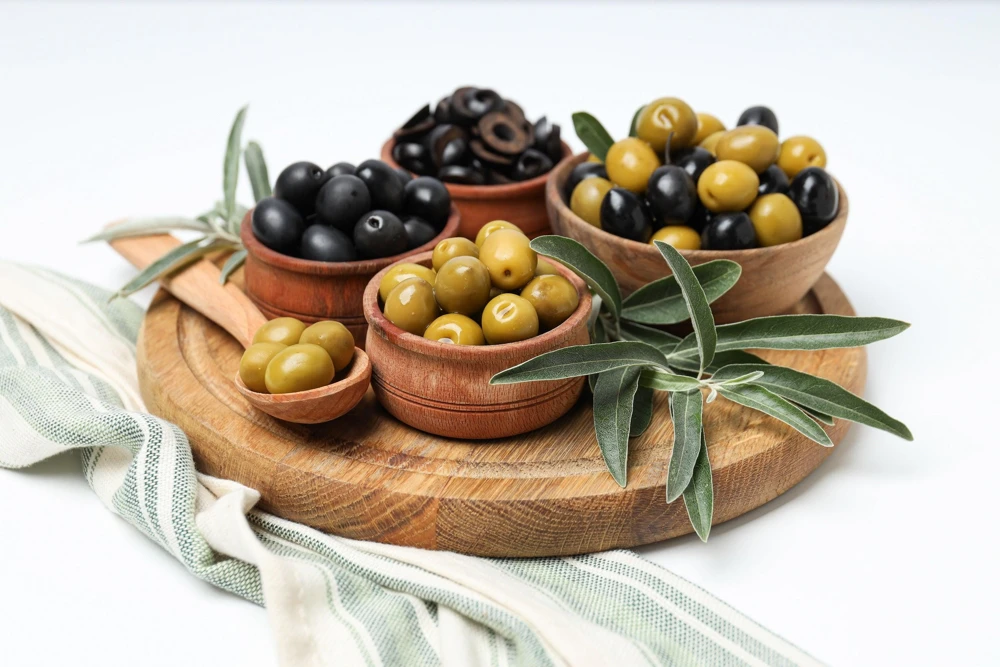
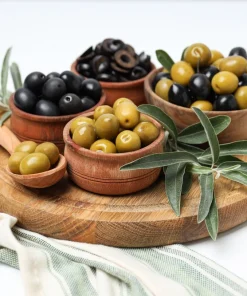
Cultivate your own flavorful, authentic European olives with this Canino olive tree live plant. Perfect for home gardeners, this Olea Europaea variety produces delicious green and black fruit, adding both beauty and bounty to your landscape.
Estimated arrival
Sep 15
Sep 20 - Sep 22
Sep 25 - Sep 29
Shop With Confidence
30-Day Plant Health Guarantee
Arrives damaged? We’ll replace it free — see our return policy.
Responsive Support
Email us anytime, we reply within 1 business day.
Expert Packaging
Temperature-controlled shipping to protect your plants in transit.
Secure Checkout
Pay safely with Visa, Mastercard, PayPal.
Plant Specifications
-
USDA Hardiness Zone
USDA Zones 8-10 -
Soil Type
Well-draining, slightly alkaline soil -
Sunlight Exposure
Full sun -
Expected Planting Period
Spring to early summer
Overview
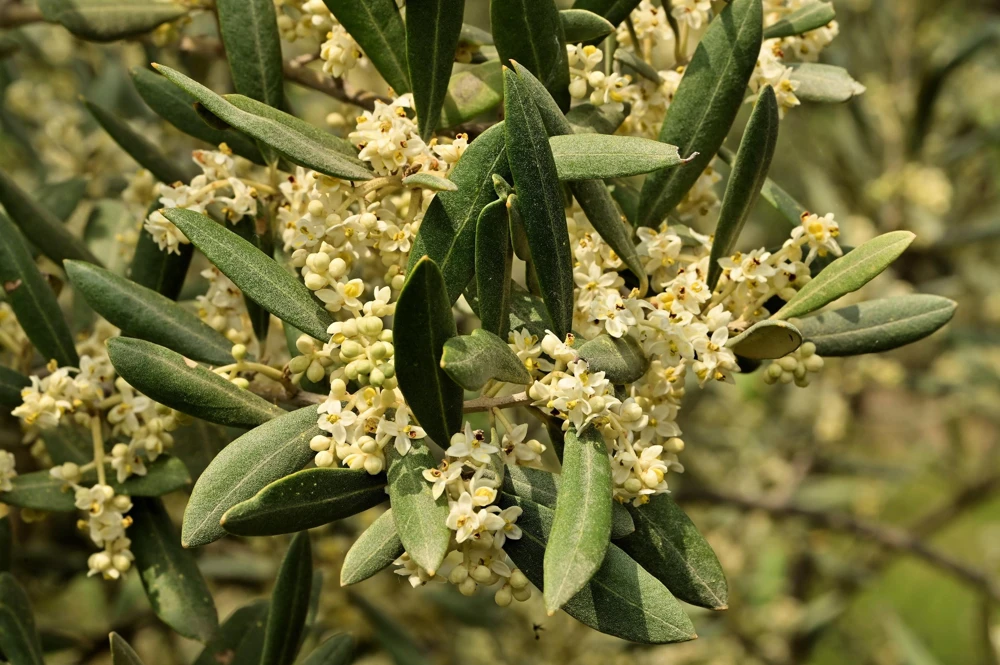
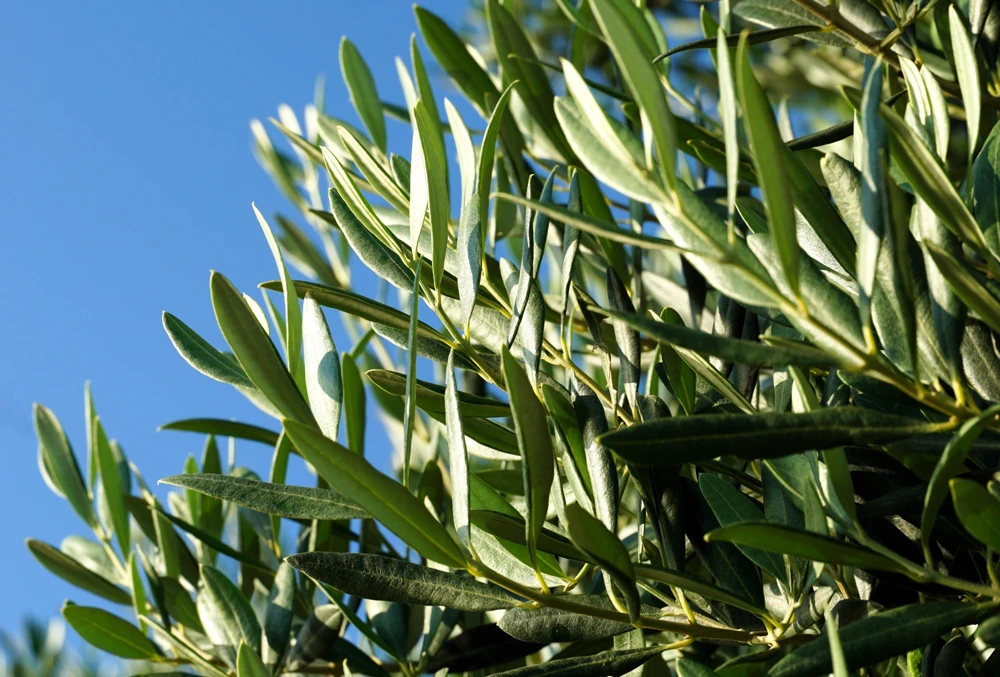
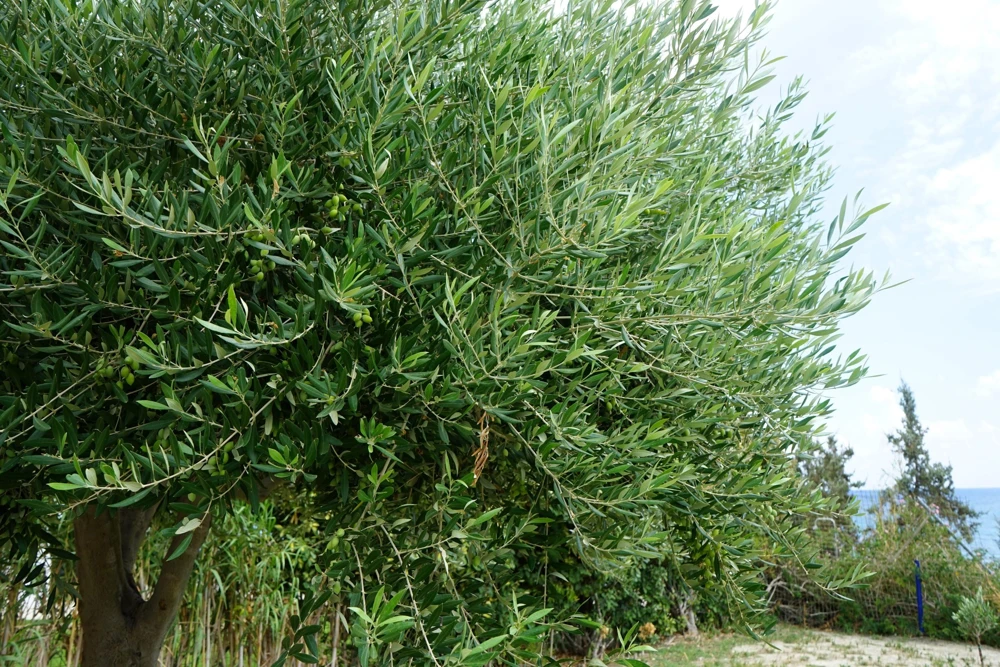
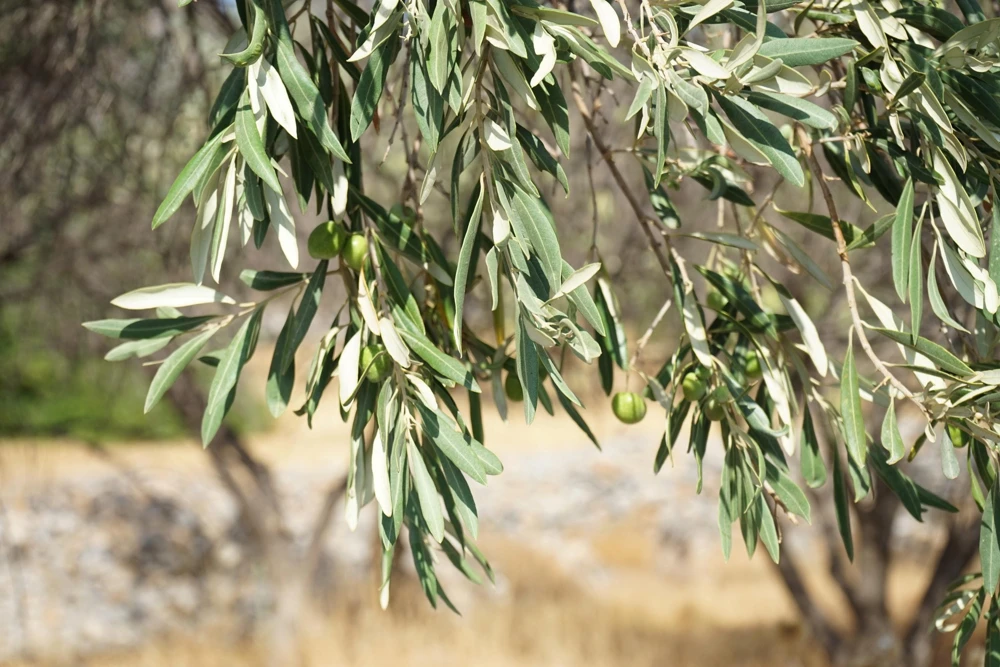
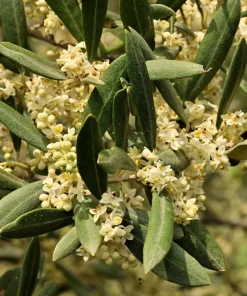
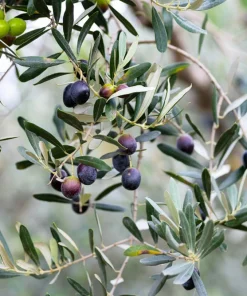
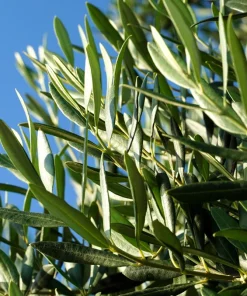
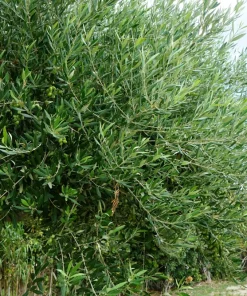
Bring the taste of the Mediterranean to your garden with the Canino olive tree live plant. This exquisite variety, scientifically known as Olea Europaea ‘Canino’, is renowned for its robust growth and abundant yield of high-quality, edible olives. Originating from Italy, the Canino olive is a prized specimen, offering both ornamental beauty and delicious fruit for culinary endeavors. Whether you’re an experienced horticulturist or a budding gardener, growing this European olive tree is a rewarding experience, providing fresh olives for curing, pressing into oil, or simply enjoying straight from the branch. Its attractive silvery-green foliage and gnarled trunk make it a stunning addition to any landscape, patio, or even a large container.
The Canino olive tree live plant is a symbol of peace and longevity, thriving in various conditions and offering a touch of ancient elegance. This particular cultivar is noted for its adaptability and consistent fruit production, making it a reliable choice for those looking to cultivate their own olives. With proper care, your Olea Europaea Canino will flourish, turning your home garden into a productive oasis. Imagine harvesting your own olives, rich in flavor and history, right from your backyard. This plant is not just a tree; it’s an investment in sustainable living and gourmet cooking.
Key Benefits
Choosing the Canino olive tree live plant for your home offers a myriad of benefits, blending aesthetic appeal with practical utility. This versatile tree is more than just a source of fruit; it’s a living piece of history that enhances your environment in multiple ways. The benefits of cultivating your own edible olive plant are numerous:
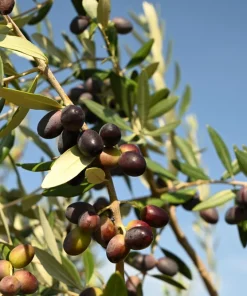
- Delicious Edible Olives: Enjoy a bountiful harvest of medium-sized, flavorful olives that can be cured, brined, or pressed for high-quality olive oil. This Canino olive tree live plant is celebrated for its consistent and generous fruit production.
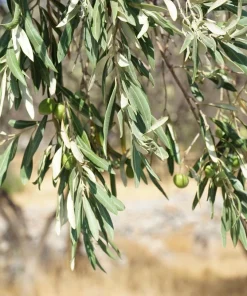
- Stunning Ornamental Value: With its distinctive silvery-green leaves and often naturally sculptural trunk, the Canino olive tree adds a touch of Mediterranean charm and sophistication to any garden, patio, or indoor space with adequate light.
- Drought Tolerance: Once established, the Olea Europaea ‘Canino’ is remarkably drought-tolerant, making it an excellent choice for water-wise gardening and drier climates, reducing the need for constant irrigation.
- Long Lifespan: Olive trees are known for their exceptional longevity, often living for hundreds of years. Investing in a Canino olive tree means planting a legacy that can be enjoyed by generations.
- Low Maintenance: Compared to many fruit-bearing trees, the European olive tree requires relatively low maintenance once established, making it suitable for gardeners of all experience levels.
- Versatile Growth: Can be grown in the ground in suitable climates or in large containers on patios, allowing for flexibility in garden design and even bringing it indoors during colder months in non-hardy zones.
- Historical and Cultural Significance: Beyond its practical uses, the olive tree holds deep historical and cultural significance, symbolizing peace, prosperity, and abundance, enriching your garden with a profound narrative.
Plant Care & Growing Tips
Proper care is essential for ensuring your Canino olive tree live plant thrives and produces abundant fruit. Olive trees, including the Olea Europaea Canino, generally prefer warm, sunny climates and well-draining soil. For optimal growth, plant your olive tree in a location that receives at least 6-8 hours of direct sunlight per day. If growing in a container, choose a large pot (at least 15-20 gallons for mature plants) with good drainage holes. Use a high-quality potting mix formulated for citrus or Mediterranean plants, which typically has good aeration and drainage. Ensure the soil pH is slightly alkaline, between 6.5 and 8.0.
Watering is crucial, especially during the establishment phase. While young, water regularly to keep the soil consistently moist but not waterlogged. Once established, the edible olive plant becomes quite drought-tolerant, but regular watering during dry spells and fruit development will promote better yields. Fertilize your olive tree in early spring and mid-summer with a balanced, slow-release fertilizer or one specifically designed for olive or citrus trees. Pruning should be done annually in late winter or early spring to shape the tree, remove dead or crossing branches, and encourage fruit production. This also helps maintain an open canopy for better air circulation and sunlight penetration. Olive trees are generally hardy in USDA Zones 8-10, though some varieties can tolerate Zone 7 with protection. Protect young trees from hard freezes below 20°F (-6°C).
Watch out for common pests like olive fruit flies and scale insects, and diseases such as peacock spot. Good air circulation and proper sanitation can help prevent many issues. If you notice yellowing leaves, it could be a sign of overwatering or nutrient deficiency. Ensure your growing olive trees receive adequate iron and other micronutrients, which can be supplemented with foliar sprays if needed. With these tips, your Canino olive tree live plant will be well on its way to producing a delicious harvest.
Size & Details
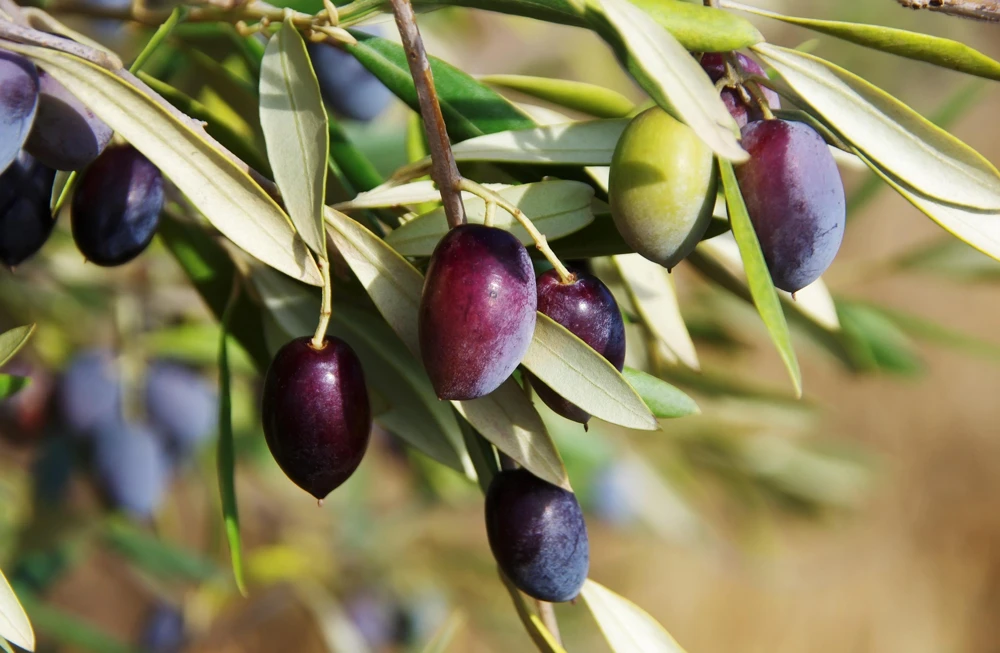
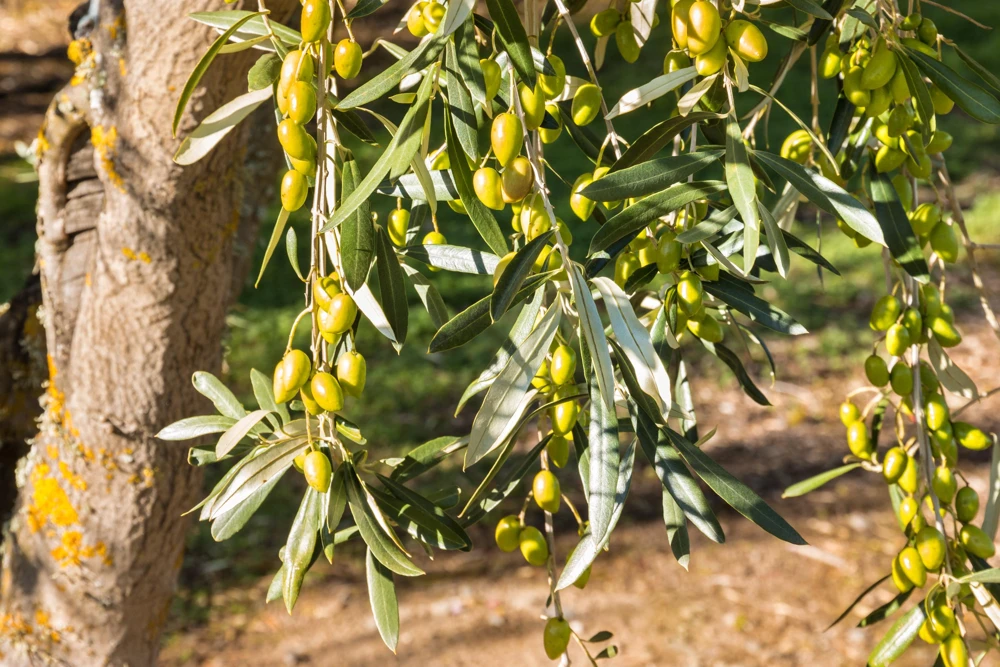
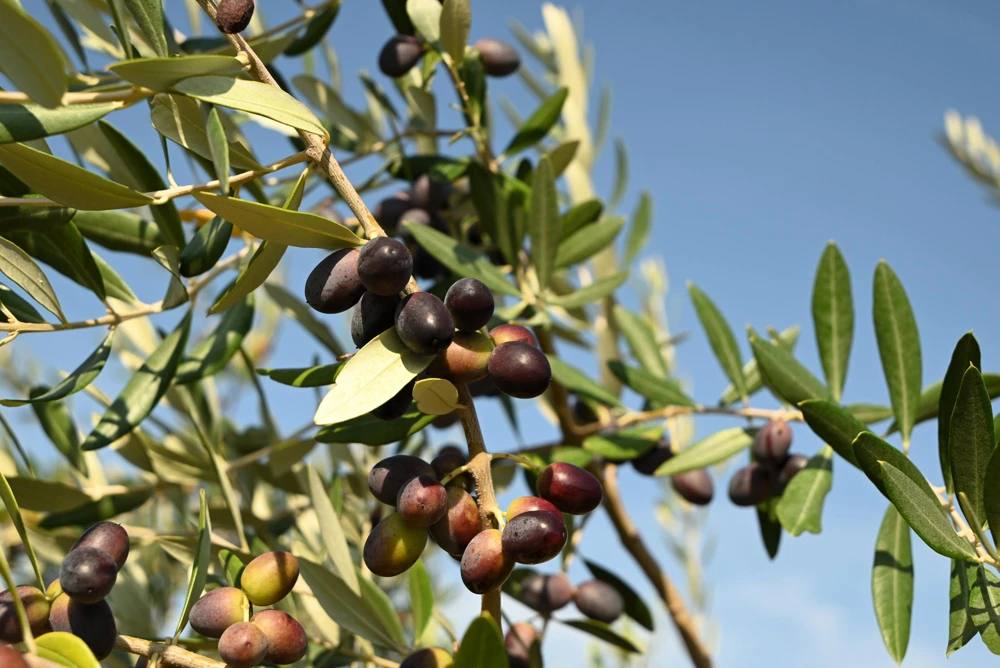
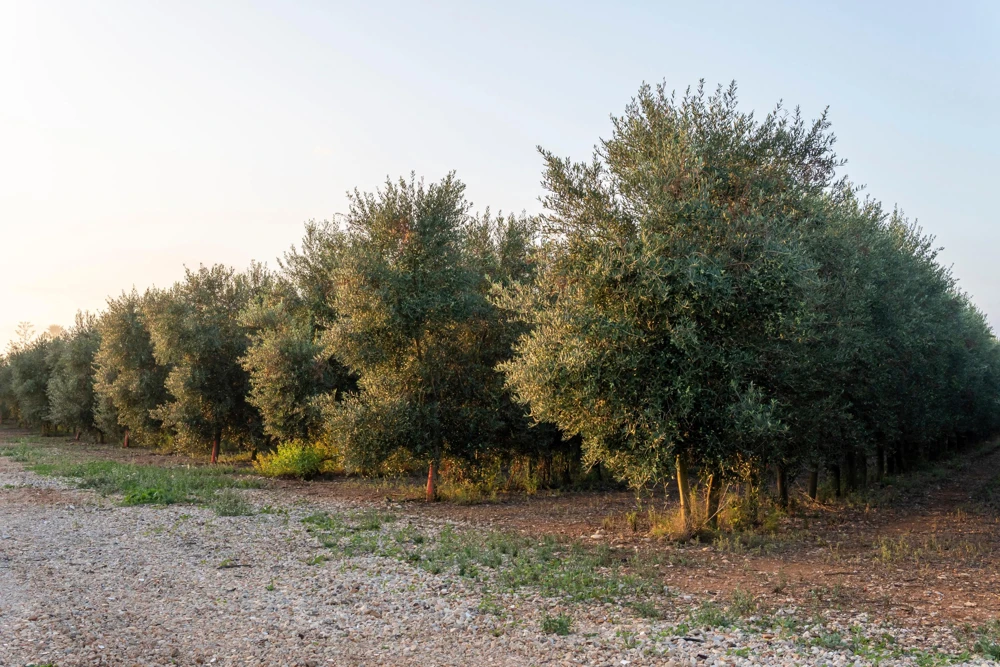
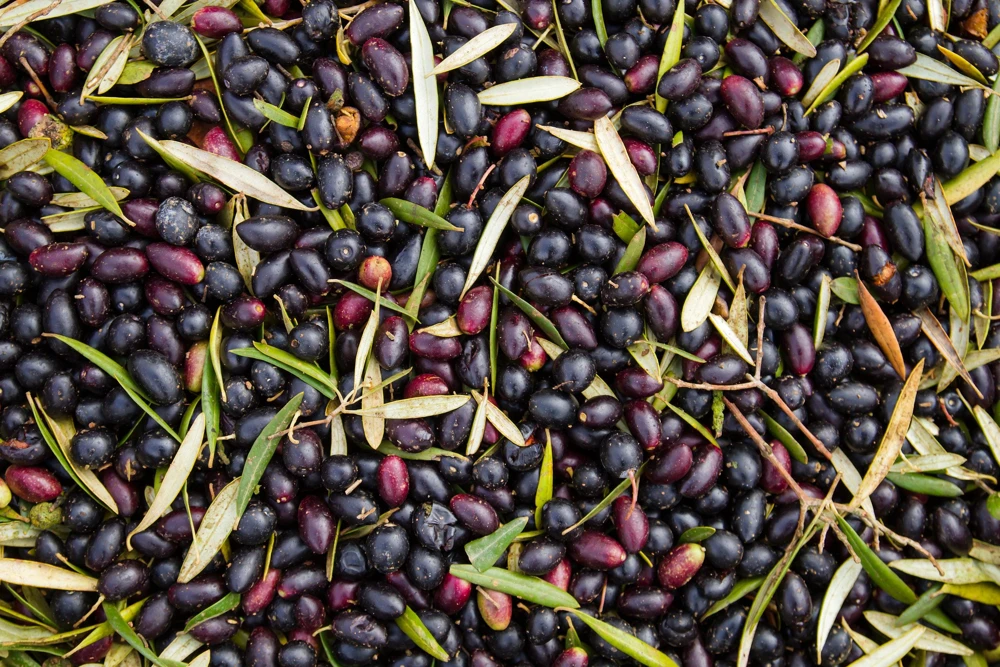
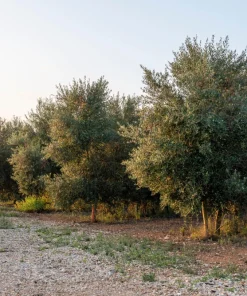
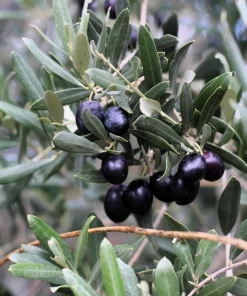
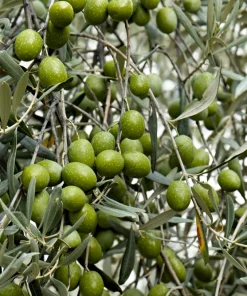
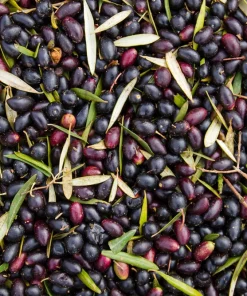
This Canino olive tree live plant typically ships as a young, healthy specimen, ready to establish itself in your garden or a suitable container. While initial size varies, most plants are well-rooted and between 1-3 feet tall upon arrival, depending on the nursery stock. When mature, the Canino olive tree can reach heights of 15-25 feet with a similar spread, though it can be kept smaller with regular pruning, especially when grown in a pot. The growth rate is moderate, allowing you to enjoy its development over time. It typically begins producing fruit within 3-5 years after planting, with yields increasing as the tree matures. This variety is known for its medium-sized, oval-shaped fruit that ripens from green to black.
The plant is shipped in a nursery pot, ensuring the root ball remains intact and protected during transit. Upon receipt, it’s recommended to acclimate the plant to its new environment before transplanting. The Olea Europaea Canino is a self-fertile variety, meaning you only need one tree to produce fruit, though planting multiple trees can often enhance pollination and lead to larger harvests. Expect a beautiful, vigorous tree that will become a focal point in your landscape for years to come. This particular European olive tree is selected for its hardiness and reliable fruit set, making it a rewarding choice for home growers interested in an edible olive plant.
Frequently Asked Questions
- Q: How big does this Canino olive tree get? A: A mature Canino olive tree live plant can reach heights of 15-25 feet and a similar spread when planted in the ground. However, its size can be managed with regular pruning, and it will remain smaller when grown in a large container.
- Q: Is this an indoor or outdoor plant? A: The Canino olive tree live plant is primarily an outdoor plant in USDA Zones 8-10. In colder climates, it can be grown in a container and brought indoors during winter, provided it receives ample sunlight.
- Q: How much sunlight does it need? A: For optimal growth and fruit production, your European olive tree requires at least 6-8 hours of direct sunlight per day. Choose a sunny, open location for planting.
- Q: Is this plant easy to care for? A: Once established, the Canino olive tree is relatively low-maintenance and quite drought-tolerant. It’s a good choice for gardeners of all levels, especially those in suitable climates interested in growing olive trees.
- Q: What condition will it arrive in? A: Your Olea Europaea Canino will arrive as a healthy, well-rooted live plant in a nursery pot, carefully packaged to ensure its safety during transit.
- Q: How long until it produces olives? A: You can typically expect your Canino olive tree live plant to start producing fruit within 3-5 years after planting, with yields increasing as the tree matures.
- Q: What’s the best soil for this edible olive plant? A: Olive trees prefer well-draining soil with a slightly alkaline pH (6.5-8.0). A sandy loam or a potting mix formulated for citrus or Mediterranean plants is ideal.
- Q: Will it survive winter in my zone? A: The Canino olive tree is generally hardy in USDA Zones 8-10. In Zone 7, it may require winter protection, and in colder zones, it should be grown in a container and overwintered indoors.
- Q: Do I need more than one tree for fruit? A: The Canino olive tree live plant is a self-fertile variety, so you only need one tree to produce fruit. However, planting multiple trees can often enhance pollination and lead to a larger harvest.
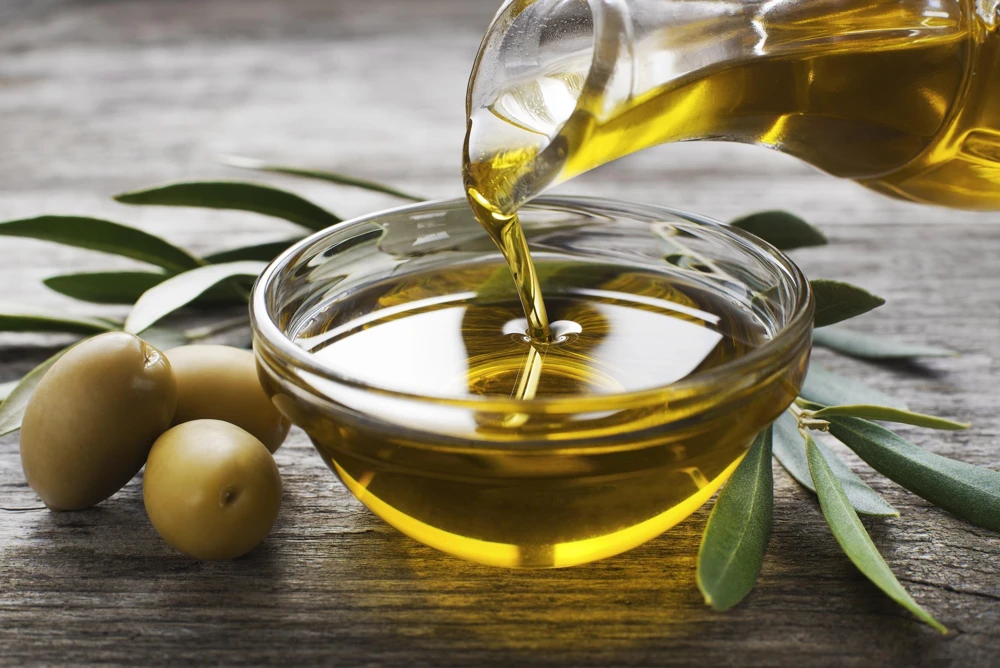
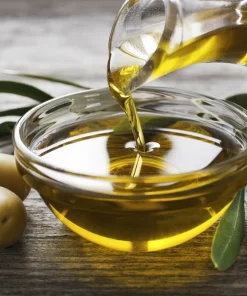
- Q: Can I use the olives for oil? A: Yes, the olives produced by the Canino olive tree live plant are suitable for both curing and pressing into high-quality olive oil, offering a truly homemade gourmet experience.
Be the first to review “Canino Olive Tree Live Plant – Olea Europaea – Edible European Olives”
People Also Viewed
Houseplants
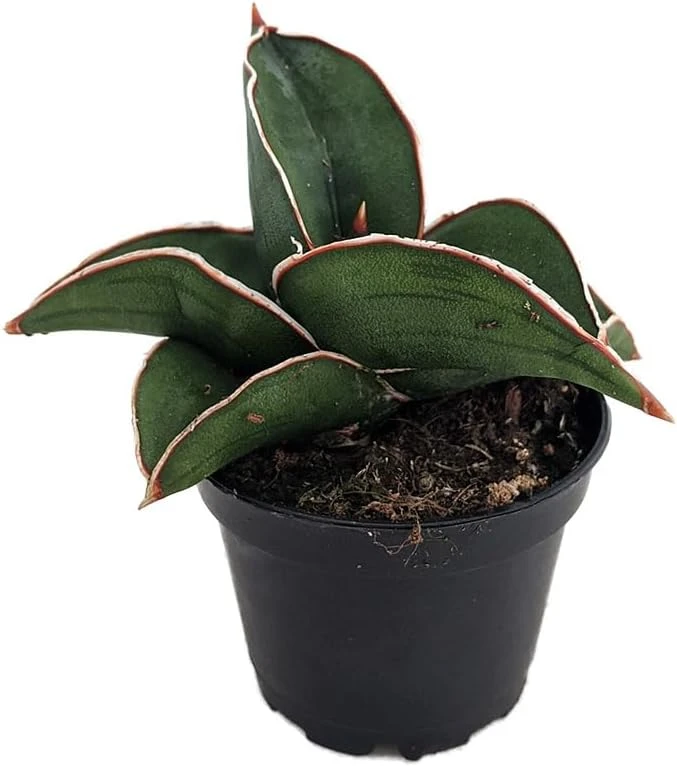
Rare Samurai Sword Snake Plant – Sansevieria ehrenbergii Live Plant – 2 inch Pot – Indoor


Shrubs
Set of 2 Evergreen Huckleberry Live Plants – Vaccinium ovatum – 3-7″ Tall – 3″ Pots – Edible Berries
Reviews
There are no reviews yet.