
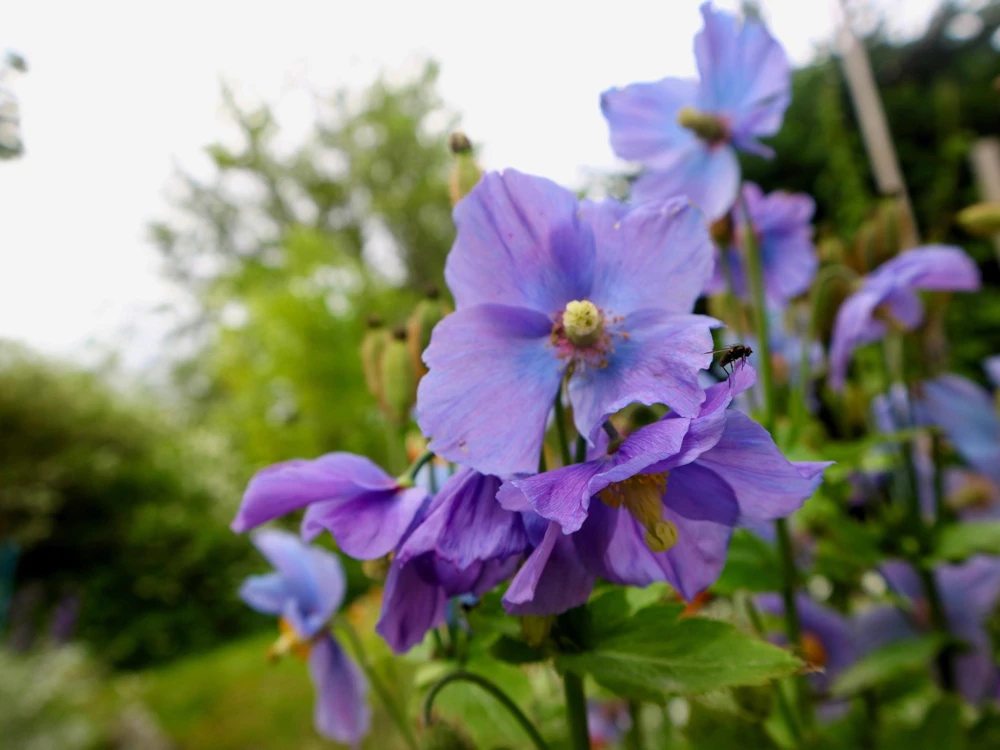
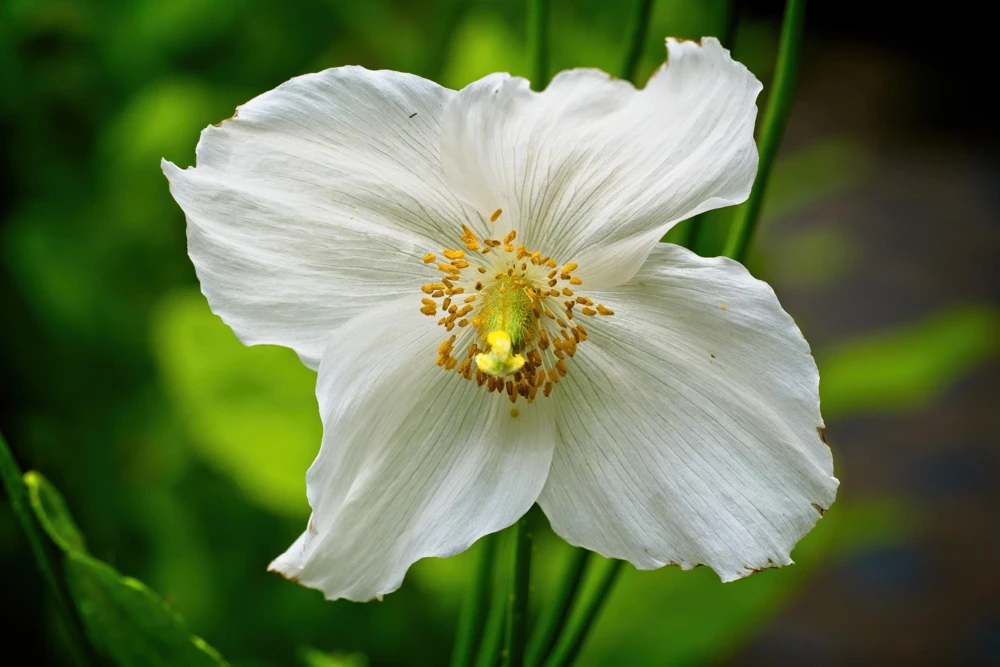
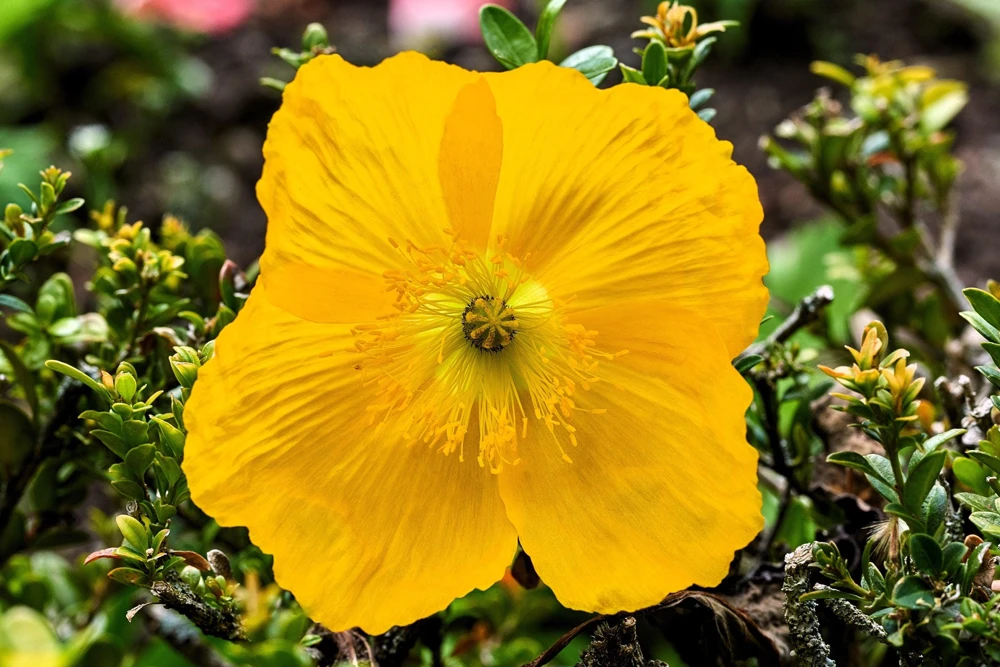
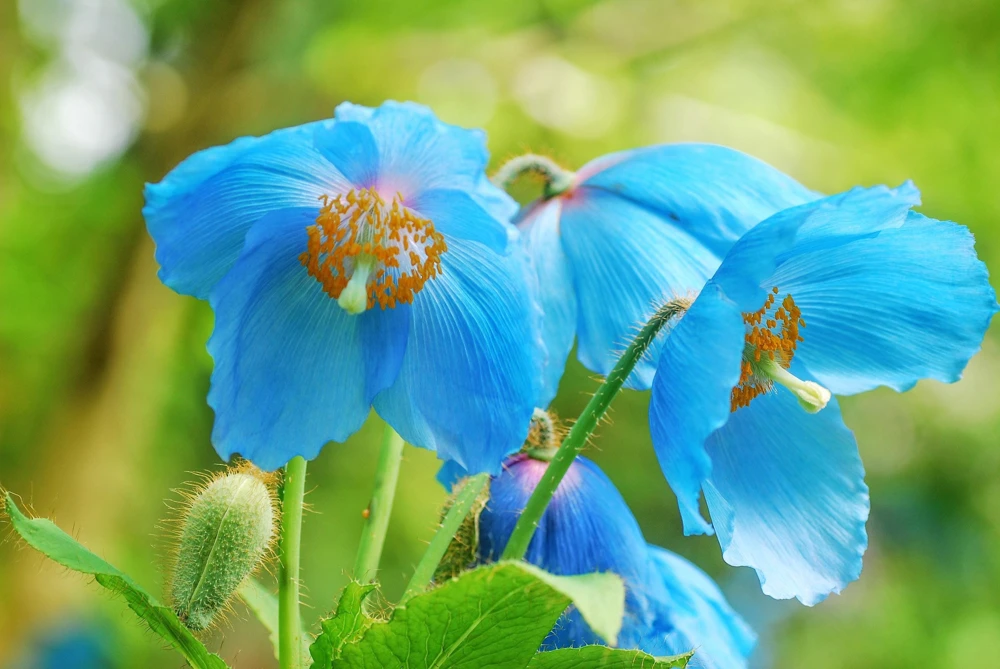
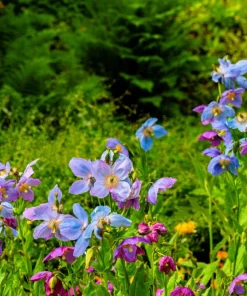
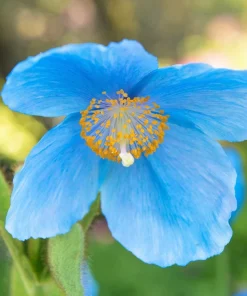
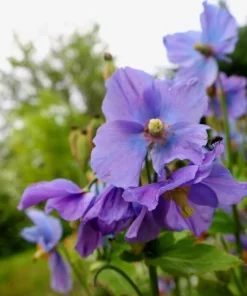
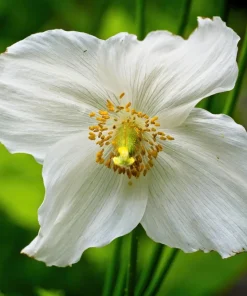
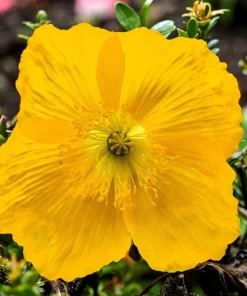
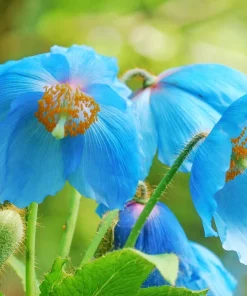
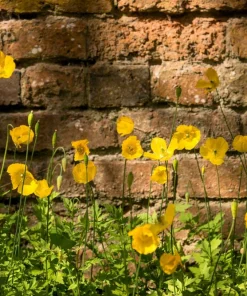
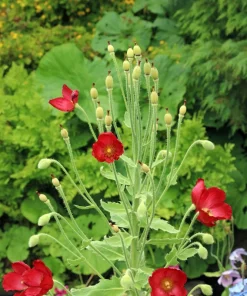
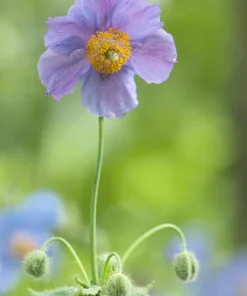
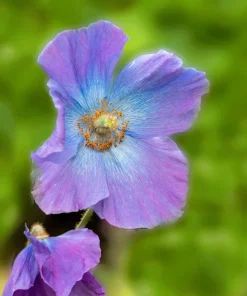
Mixed Himalayan Poppy Seeds – Blue, Violet, Red, White Flowers – 10 Seeds
Original price was: $41.19.$21.19Current price is: $21.19.
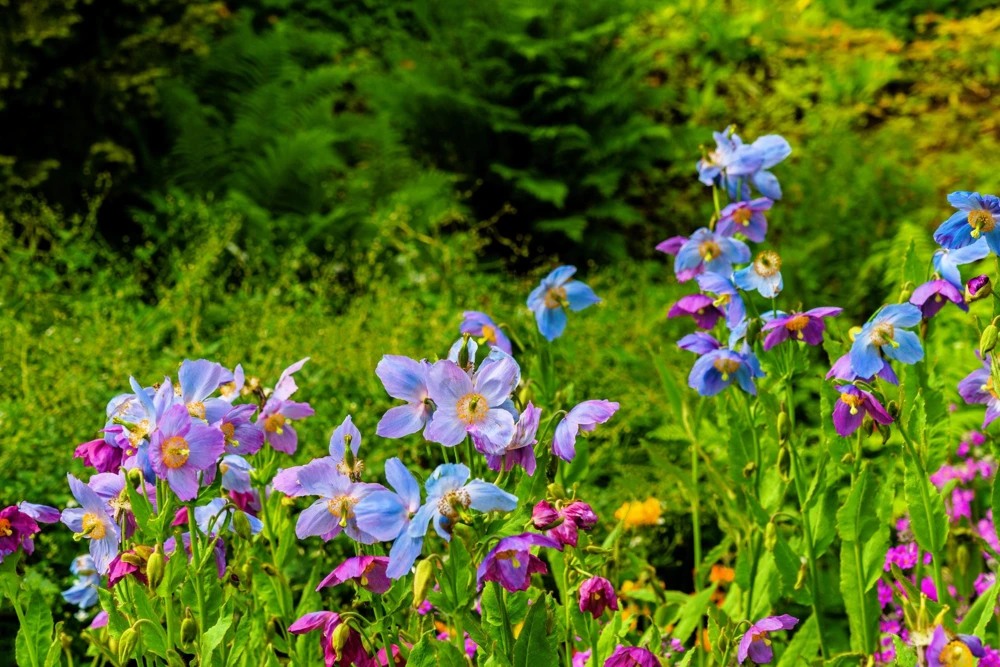
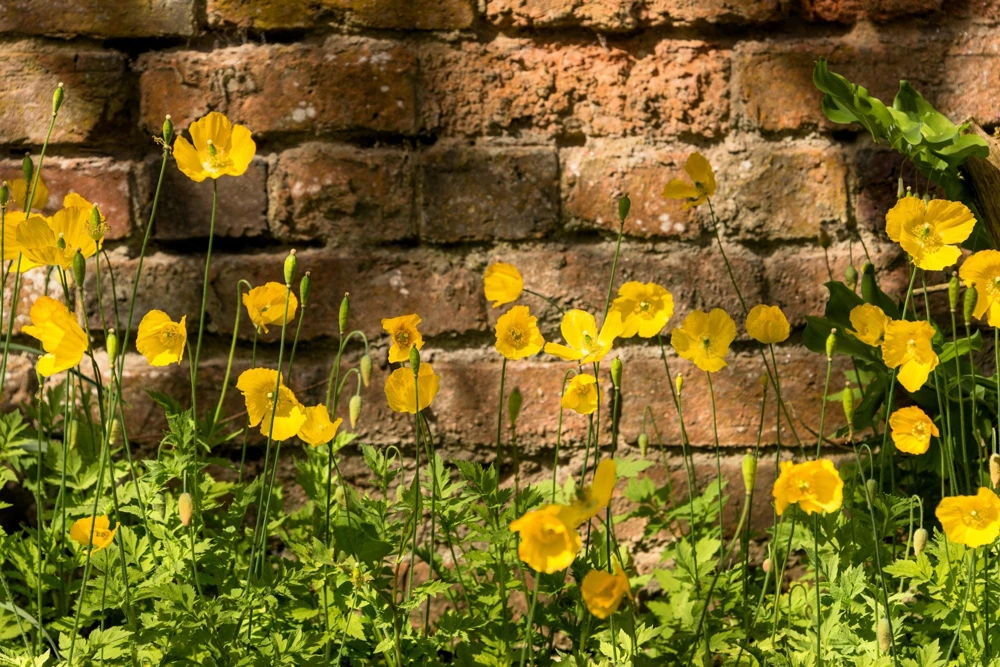
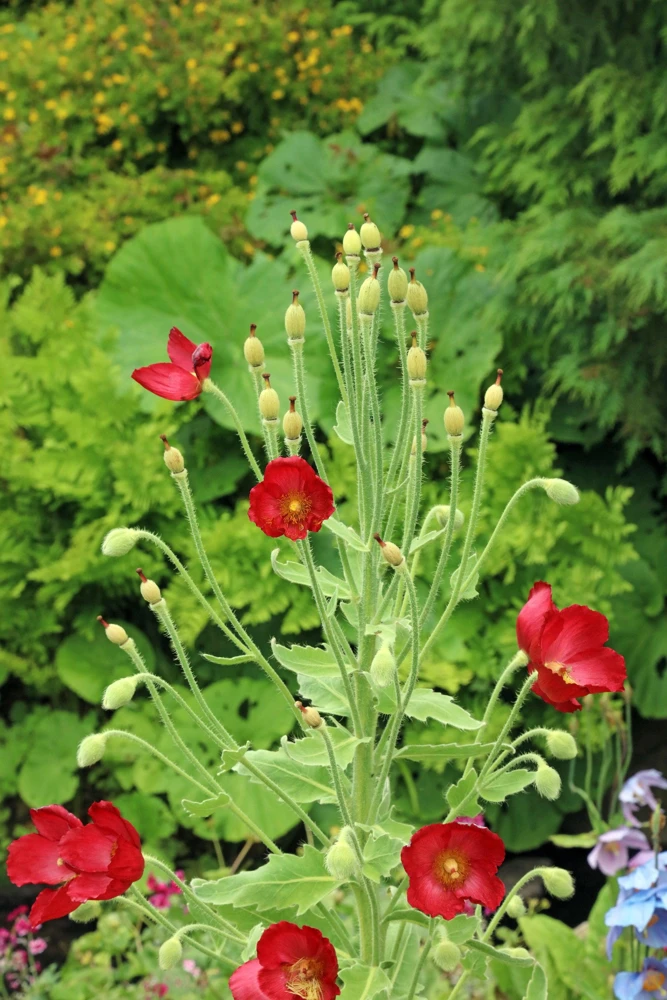
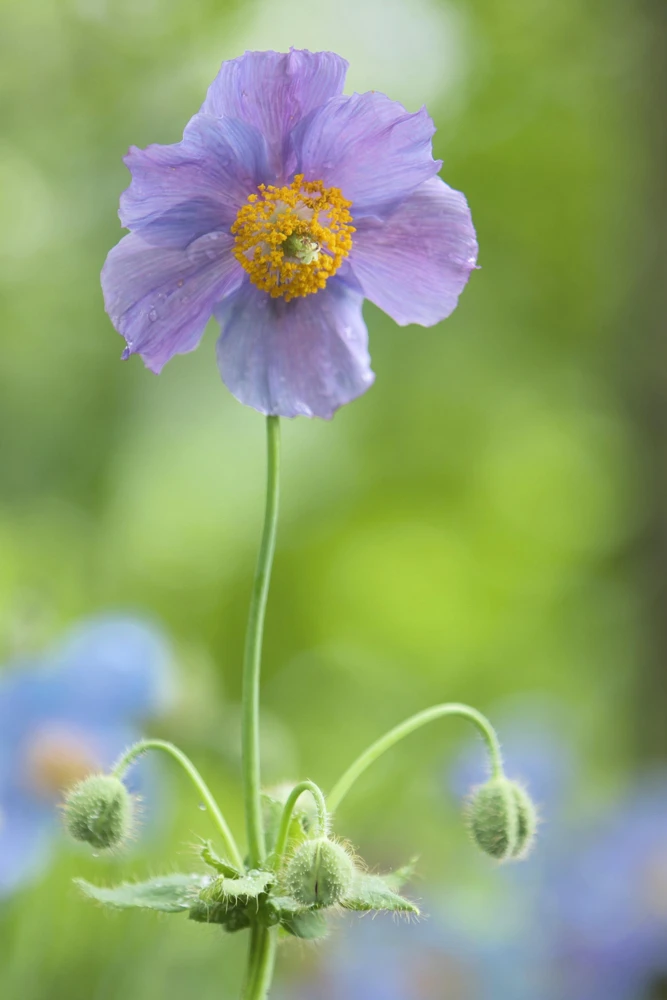
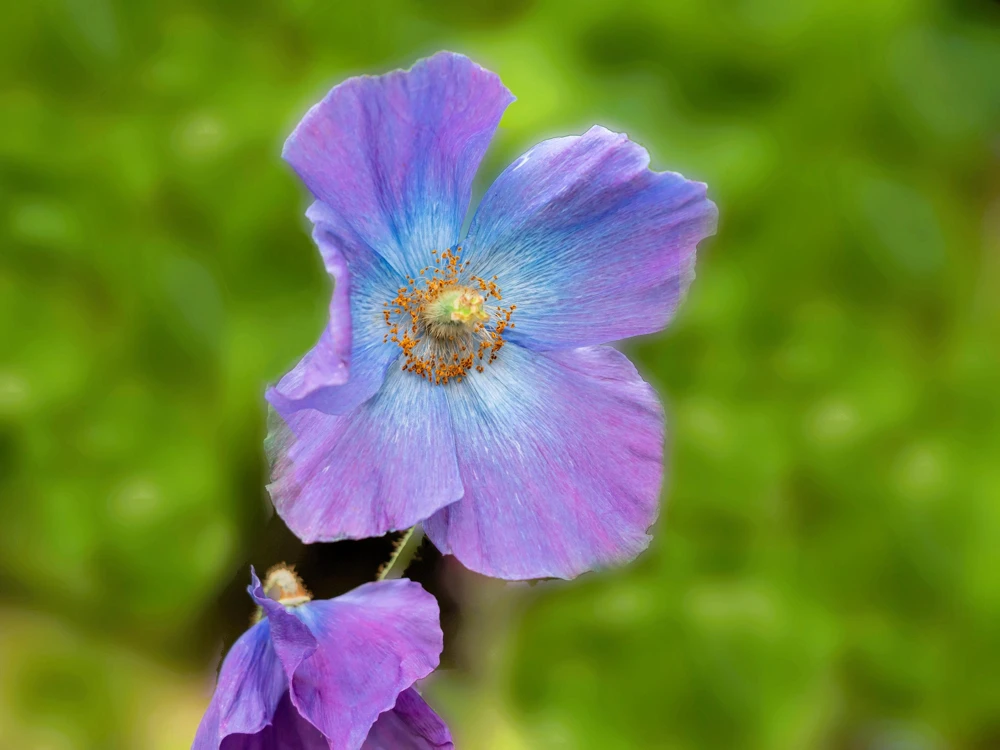
Cultivate a breathtaking display with these mixed Himalayan poppy seeds. This blend offers vibrant blue, violet, red, and white flowers, perfect for adding rare beauty to your garden. Ideal for zones 5-9, these poppies thrive in part shade and attract pollinators.
Estimated arrival
Sep 14
Sep 19 - Sep 21
Sep 24 - Sep 28
Shop With Confidence
30-Day Plant Health Guarantee
Arrives damaged? We’ll replace it free — see our return policy.
Responsive Support
Email us anytime, we reply within 1 business day.
Expert Packaging
Temperature-controlled shipping to protect your plants in transit.
Secure Checkout
Pay safely with Visa, Mastercard, PayPal.
Plant Specifications
-
USDA Hardiness Zone
5 - 9 -
Soil Type
Average, well-draining soil -
Sunlight Exposure
Part shade -
Expected Planting Period
Spring or Fall
Overview
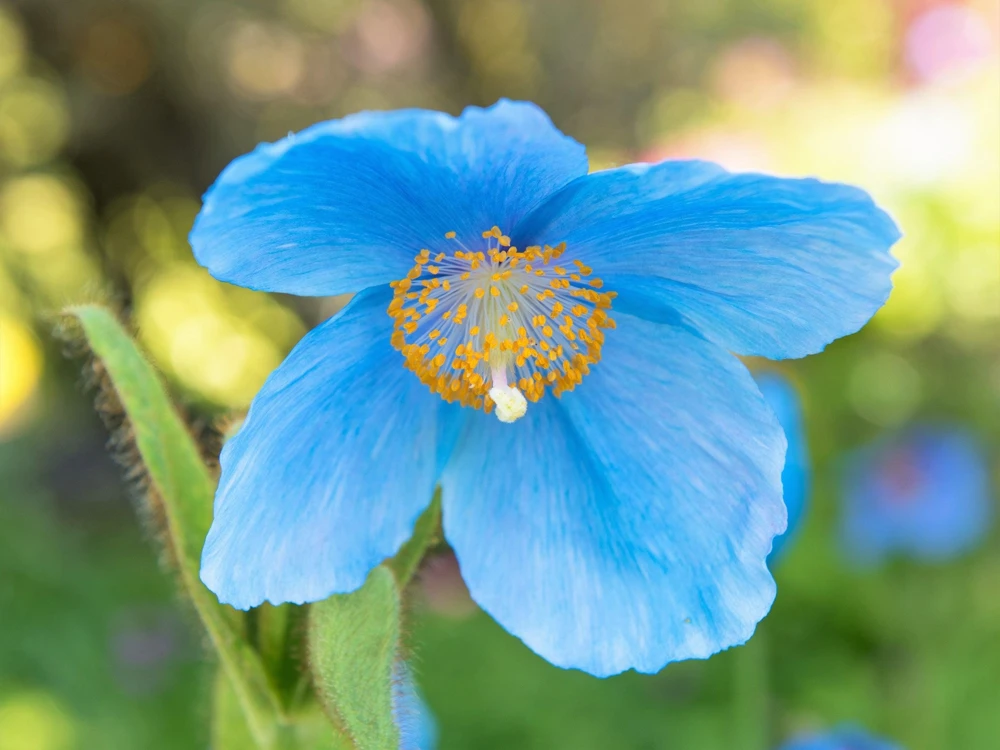
Embark on a captivating gardening journey with our exquisite collection of mixed Himalayan poppy seeds. These rare and highly sought-after seeds promise a spectacular display of vibrant colors, including the iconic Himalayan blue, striking violet, passionate red, and pure white. Known scientifically as Meconopsis napaulensis (syn. Meconopsis paniculata), these poppies are celebrated for their ethereal beauty and the unique charm they bring to any garden setting. Originating from the majestic Himalayas, these flowers are a testament to nature’s artistry, offering huge, showy blooms that can reach 3-4 inches wide. Growing these magnificent plants from seed allows you to experience the full life cycle of a truly extraordinary botanical specimen, transforming your garden into a serene and colorful sanctuary.
Cultivating mixed Himalayan poppy seeds is a rewarding endeavor for gardeners seeking something truly special. The allure of these poppies lies not only in their stunning color palette but also in their relative rarity, making them a prized addition to any collection. Whether you’re an experienced gardener or just beginning to explore the world of unique flora, these seeds provide an opportunity to grow a plant that will undoubtedly become a focal point, drawing admiration and sparking conversation. Prepare to be enchanted by the delicate yet dramatic presence of these beautiful flowers, which bloom from summer to early fall, creating a continuous spectacle of color and elegance.
Key Benefits
The mixed Himalayan poppy seeds offer a multitude of benefits, transforming your garden into a vibrant, living masterpiece. Beyond their aesthetic appeal, these plants contribute positively to the local ecosystem and provide unique decorative opportunities.
- Spectacular Color Variety: Enjoy a stunning mix of blue, violet, red, and white blooms, creating a diverse and eye-catching display that is truly unique among garden flowers.
- Attracts Pollinators: These beautiful poppies are known to attract bees, butterflies, and birds, promoting biodiversity and supporting a healthy garden ecosystem.
- Rare and Unique Addition: Elevate your garden with these relatively rare poppies, making your landscape stand out and becoming a talking point among visitors. Knowing how to grow Himalayan poppy successfully will bring immense satisfaction.
- Excellent Cut Flowers: The large, showy 3-4 inch wide blooms make for an exquisite addition to floral arrangements, bringing natural elegance indoors.
- Decorative Seed Pods: After blooming, the unique seed pods are perfect for dried arrangements or various craft projects, extending their decorative value beyond the flowering season.
- Long Bloom Period: With blooms appearing from summer to early fall, these poppies provide extended periods of color and interest in your garden.
- Enhances Garden Aesthetics: The vibrant hues and delicate textures of these flowers create breathtaking color combinations, adding depth and beauty to borders, beds, or woodland gardens. If you are looking for rare poppy seeds, these are an excellent choice.
Plant Care & Growing Tips
Successfully growing mixed Himalayan poppy seeds requires attention to specific environmental conditions to ensure healthy germination and robust plant growth. These majestic flowers thrive in particular settings, making careful planning essential for their success. The ideal time to plant these seeds is in spring or fall, allowing them to establish before extreme temperatures. They prefer a hardiness zone of 5-9, indicating their resilience to colder climates but also their need for sufficient chill to break dormancy.
When considering light, mixed Himalayan poppy seeds and subsequent plants perform best in part shade. This means they benefit from protection from the intense midday sun, especially in warmer climates, mimicking their natural habitat in mountainous regions. Soil preferences are average, but well-draining soil is crucial to prevent root rot. Ensure the soil is consistently moist but never waterlogged. Regular watering, especially during dry spells, will support their lush foliage and abundant blooms. Fertilization can be done sparingly with a balanced, slow-release fertilizer during the growing season. For those wondering how to grow Himalayan poppy, remember that consistent moisture and partial shade are key. Watch out for slugs and snails, which can be deterred with organic methods or appropriate barriers. Understanding Himalayan poppy care is vital for vibrant blooms.
Planting depth for these Meconopsis napaulensis seeds should be shallow, as they often require light for germination. Gently press them into the surface of a prepared seedbed or potting mix, then lightly cover with a thin layer of fine soil or vermiculite. Maintain consistent moisture with a fine mist sprayer. Once seedlings emerge, thin them to ensure adequate spacing, ideally 24-36 inches apart, to allow for optimal air circulation and growth. Mature plants can reach heights of 48-72 inches, so plan their location accordingly to accommodate their stature. Providing proper support might be necessary for taller plants to prevent them from flopping over, especially in windy conditions.
Size & Details
This offering includes 10 seeds of the mixed Himalayan poppy seeds (Meconopsis napaulensis). Each seed holds the potential to grow into a magnificent plant, reaching an impressive height of 48-72 inches, creating a dramatic vertical element in your garden. When fully mature, these poppies require a spacing of 24-36 inches between plants to allow for proper air circulation and growth, ensuring each plant has ample room to flourish and display its full beauty. The large, showy blooms typically measure 3-4 inches in width, showcasing their vibrant blue, violet, red, and white petals. These seeds are suitable for planting in spring or fall, with blooms expected from summer to early fall, providing a consistent display of color. The plants are hardy in USDA Zones 5-9, making them a suitable choice for a wide range of temperate climates.
The seeds are provided in a convenient packet, ready for immediate planting. While the initial growth rate can vary, with proper care and optimal conditions, you can expect robust development, leading to the stunning floral display described. The unique seed pods that form after the blooms fade add another layer of interest, suitable for dried arrangements and crafts. These Meconopsis napaulensis seeds offer a chance to cultivate a plant known for its rarity and exceptional beauty, promising a rewarding experience for any gardener looking for something truly special. For those looking to grow Himalayan poppy, this quantity provides a great start.
Frequently Asked Questions
- Q: How many mixed Himalayan poppy seeds are included in this pack? A: Each pack contains 10 seeds of the mixed Himalayan poppy seeds, providing a good number to start your vibrant garden display.
- Q: How tall do these Himalayan poppies typically grow? A: These beautiful poppies can reach an impressive height of 48 to 72 inches (4 to 6 feet), making them a striking vertical feature in your garden.
- Q: What are the ideal sunlight conditions for growing Himalayan poppies? A: Himalayan poppy care requires part shade, meaning they prefer locations where they receive some morning sun but are protected from the intense heat of the afternoon sun.
- Q: When is the best time to plant these mixed Himalayan poppy seeds? A: The optimal times for planting these seeds are in the spring or fall, allowing them to establish well before extreme weather conditions.
- Q: Are these poppies difficult to grow for beginners? A: While they have specific light and moisture requirements, by following the detailed care instructions, even beginners can successfully grow Himalayan poppy and enjoy their stunning blooms.
- Q: What colors can I expect from these mixed Himalayan poppy seeds? A: You can expect a delightful mix of colors, including vibrant blue, violet, red, and white flowers, creating a diverse and colorful display.
- Q: What USDA hardiness zones are suitable for these poppies? A: These poppies are hardy in USDA Zones 5 through 9, making them suitable for a wide range of temperate climates.
- Q: Do these poppies attract pollinators? A: Yes, these showy poppies are known to attract beneficial pollinators such as bees, butterflies, and birds to your garden.
- Q: Can the seed pods be used for decorative purposes? A: Absolutely! The unique and beautiful seed pods that form after the blooms are excellent for dried arrangements and various craft projects.
- Q: What kind of soil do these poppies prefer? A: They prefer average, well-draining soil. It’s crucial to ensure the soil remains consistently moist but never waterlogged to prevent root rot.
Be the first to review “Mixed Himalayan Poppy Seeds – Blue, Violet, Red, White Flowers – 10 Seeds”
People Also Viewed
Vegetable Seeds
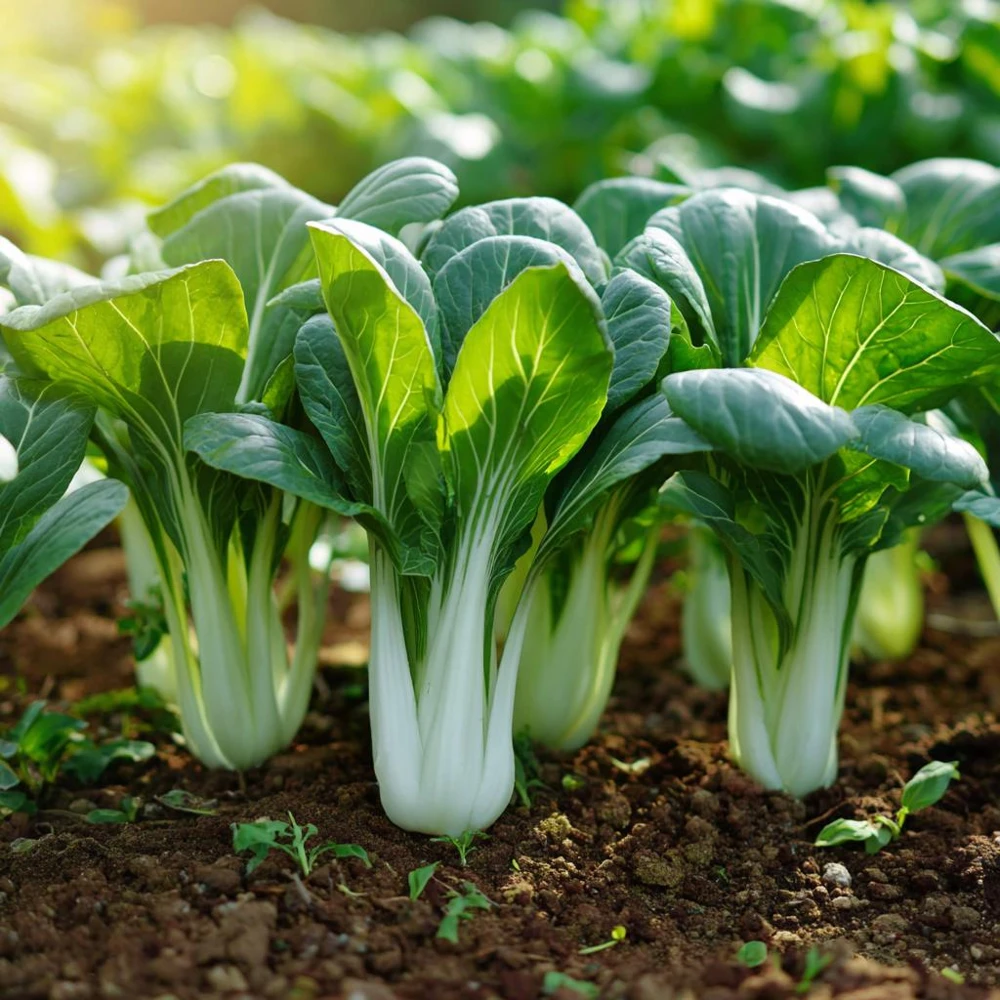
Pak Choi Chinese Cabbage White Stem Seeds – 150 Count – Easy-to-Grow Vegetable Seeds
Reviews
There are no reviews yet.